

Image of 1937 Mercedes-Benz 170 V, Note: These illustrations use artistic license and may differ from actual historical models.
Performance Metrics
Fundamental Metrics
Emotional Appeal
MMP Rating
| Engine Specifications | |
|---|---|
| Engine Options: | Inline 4 |
| Displacement Range: | 1.7L |
| Horsepower Range: | 38 HP |
| Torque: | Estimated at 72 lb-ft |
| Compression Ratio: | 6.0:1 |
| Ignition System: | Battery Ignition |
| Cooling System: | Water-cooled |
| Performance Specifications | |
| 0-60 Time: | Information not available |
| 1/4 Mile Time: | Information not available |
| Top Speed: | 68 mph |
| Transmission and Drive | |
| Drive Type: | Rear-wheel drive |
| Transmission Type: | 4-speed manual |
| Fuel and Efficiency | |
| Fuel System Type: | Carburetor |
| MPG: | Information not available |
| Dimensions and Brakes | |
| Brakes: | Drum brakes |
| Wheelbase: | 112.6 inches |
| Weight: | 2,425 lbs |
Note: Specifications for classic cars are given to the best of our ability, considering the limited and variant data available.
1937 Mercedes-Benz 170 V: The Prewar Mercedes That Put Practicality First
Quietly capable rather than flamboyant, the 1937 Mercedes-Benz 170 V helped make the three-pointed star a practical sight on everyday roads. It combined a refined four-cylinder engine, independent suspension and a choice of elegant body styles in a car designed for more than just wealthy motorists. The result was one of Mercedes-Benz’s most important prewar models, and a sturdy little survivor of a turbulent decade.
The 170 V belonged to Mercedes-Benz’s W 136 family and entered production in 1936. Its name referred to its approximate tax-rated horsepower class, while the “V” stood for “Vorn,” the German word for front, distinguishing it from the rear-engined 170 H. The 170 V was built in Stuttgart by Daimler-Benz, a company already known for engineering ambitious luxury and competition cars. This model brought some of that engineering thinking to a smaller, more accessible package.
A particularly striking part of its story is its longevity. Production began before the Second World War, stopped during the conflict, and resumed after it. The 170 V became a crucial part of Mercedes-Benz’s postwar recovery, proving that a prewar design could remain useful when the company and its customers needed dependable transport most.
Streamlined Lines and a Surprisingly Modern Chassis
The 170 V has the upright, dignified proportions expected of a 1930s Mercedes, but its styling is more streamlined than that description might suggest. The tall radiator grille, with its prominent three-pointed star, anchors the nose. Sweeping front fenders flow into running boards, and the headlamps sit neatly above the wings. A gently sloping bonnet and rounded rear bodywork soften the car’s formal silhouette.
Its cabin reflects the standards of a quality German car of the period. Depending on body style and specification, owners could find durable cloth upholstery, leather, polished metal fittings and carefully finished wood trim. The dashboard is straightforward and legible, with large instruments and physical controls rather than complicated distractions. Age and restoration quality make a major difference today: original materials are especially appealing, but good replacement upholstery is often more practical for regular touring.
Mercedes offered a broad range of 170 V bodies. The four-door saloon was a popular, practical choice, while two-door saloons and several open models gave buyers more style and variety. Cabriolet versions included different layouts and levels of trim, and the Roadster offered a sportier appearance. Open cars are among the most visually arresting today, while the saloon best captures the 170 V’s role as an everyday Mercedes.
Factory color choices depended on body style, year and market, so there is no single definitive palette for every 1937 car. Period examples appeared in restrained shades such as black, dark blue, gray, green and brown. Dark colors suited the formal saloon, while lighter or contrasting finishes could make an open car’s flowing bodywork stand out. Collectors should check a particular car’s build records and layers of paint before treating a current color as original.
For its time, the 170 V’s mechanical layout was a strong selling point. It used a front-mounted engine driving the rear wheels, hydraulic brakes and independent suspension at both ends. The front suspension used double wishbones, while the rear used swing axles. These features helped distinguish it from many cars of the era that relied on less sophisticated suspension and mechanical braking systems.
Why the 170 V Mattered
The 170 V was important because it made Mercedes-Benz engineering relevant to a wider group of buyers without abandoning the company’s emphasis on quality. It was not a mass-market bargain car, but it was more attainable and practical than the large, high-powered Mercedes models that often dominate stories of the 1930s. Its success helped establish the compact Mercedes as a durable, usable automobile rather than merely a luxury statement.
Independent suspension was one of its most significant advantages. By allowing the wheels to respond more independently to uneven surfaces, the layout improved comfort and road contact compared with many rigid-axle rivals. Hydraulic brakes also offered a more modern and consistent means of slowing the car. Together, these technologies gave the 170 V a notably composed character for a relatively small prewar vehicle.
The model also demonstrated the value of a flexible platform. Saloon, cabriolet and commercial derivatives could serve very different customers, from private families to businesses and public services. During the war years, some 170 V vehicles were requisitioned or adapted for official and utility duties. After the war, the basic design proved robust enough to return to civilian production, an unusually clear example of prewar engineering carrying into a new era.
Performance: Steady Pace, Supple Ride
A 1937 170 V is powered by a 1,697 cc, side-valve inline-four. In standard form, it produced about 38 PS, or roughly 37 brake horsepower, at around 3,400 rpm. Power went through a four-speed manual gearbox to the rear wheels. Exact specifications can vary with year, market and individual car, so a buyer should verify the engine and transmission fitted to a specific example.
Period figures and later estimates put top speed at approximately 108 km/h, or 67 mph. A 0-to-60 mph time was not generally presented as a defining factory figure for the car, and there is no single reliable modern test result for every body style. As a broad guide, expect acceleration to 60 mph to take roughly 30 to 35 seconds, with heavier bodies and mechanical condition making a noticeable difference. The 170 V is happiest at a steady touring pace, not in modern traffic’s stoplight sprints.
On a well-maintained car, the independent suspension gives the ride a supple quality over ordinary road imperfections. The rear swing-axle design requires respect, especially when cornering briskly over bumpy surfaces, but the car’s intended use was comfortable travel rather than aggressive driving. On winding roads, its relatively narrow tires and period steering reward smooth inputs. In crosswinds, expect the tall body to move around more than a modern car, and remember that old tires and worn suspension can make handling much less predictable.
Behind the wheel, the experience is pleasantly mechanical. The engine produces a subdued four-cylinder growl, with the gearbox, clutch and steering asking for deliberate rather than hurried input. There is no power steering, and the brakes do not feel like modern disc systems. Instead, a good 170 V offers a measured rhythm: listen to the engine, select gears thoughtfully and let the suspension do its work. That interaction is part of its appeal.
Living With a 1937 170 V
Today, most examples are used for historic touring, club events, display and occasional pleasure drives. A sound saloon can cover distance comfortably by prewar standards, but the car is not an ideal daily driver in modern conditions. Traffic speeds, limited crash protection, vintage lighting and the absence of contemporary safety equipment all call for sensible route planning.
Mechanical work is approachable for an experienced classic-car owner, but this is not quite a simple backyard project. The engine and chassis are conventional enough for a competent vintage specialist to understand, and parts support from Mercedes-Benz classic networks and specialist suppliers is helpful. Body repairs, cabriolet-top restoration and sourcing correct trim can be more demanding than routine mechanical maintenance.
Reliability depends heavily on maintenance and correct restoration. Cooling-system condition, fuel delivery, ignition components, hydraulic brakes, suspension joints and the rear axle all deserve careful inspection. A car that has sat unused may need substantial recommissioning even if it looks polished. Before buying, check for corrosion in the chassis and body structure, verify that the engine and gearbox are healthy, and inspect the braking system rather than assuming it is safe because it has been recently painted.
Small Details, Big Stories
The 170 V’s model name can cause confusion because Mercedes also sold the 170 H, a rear-engined companion model. The “V” and “H” were useful shorthand for the cars’ very different layouts. The front-engined 170 V proved much more successful and became the enduring member of the pair.
Its body range is another point of interest. The same basic model could look like a reserved family saloon or a glamorous open tourer, depending on the coachwork. That variety is one reason surviving examples attract such different kinds of collectors. The cabriolets are especially eye-catching, while a well-preserved saloon offers a more direct connection to the car’s practical, everyday role.
The 170 V was not built to set speed or endurance records, and its significance rests more on sound engineering and broad usefulness than on celebrity ownership or competition triumphs. Common criticisms are equally practical: performance is modest, the brakes and steering require adjustment to, and open models can be expensive to restore correctly. Buyers should also be wary of cars with inaccurate restorations, since attractive paint does not guarantee sound structure or authentic details.
Collector Values and Availability
Mercedes-Benz built roughly 75,000 170 V cars before production stopped during the war. Production resumed afterward, and totals across the model’s full prewar and postwar run are often given at around 80,000 to 83,000. Exact totals can vary according to which versions and production periods are counted. That makes the 170 V far from a one-off rarity overall, although surviving 1937 cars and particular body styles are much less common than the headline production figure suggests.
As a broad 2026 market estimate, a project or incomplete saloon might fall around US$10,000 to US$25,000. A presentable, running saloon could be approximately US$25,000 to US$50,000, with exceptional, correctly restored examples sometimes reaching US$60,000 to US$80,000 or more. Cabriolets and other rare open-bodied versions can command substantially higher prices, often around US$80,000 to US$200,000 or above, depending on authenticity, condition, provenance and the exact body style. These are guide ranges, not guaranteed sale prices, and regional markets differ.
Values have generally been strongest for rare, original or professionally restored open cars. Ordinary saloons tend to attract a narrower buyer pool and may appreciate more gradually. The market rewards correct documentation, matching or well-documented components, sound metalwork and sympathetic restoration. Over the long term, the 170 V’s prewar significance supports collector interest, but condition and body style matter far more than the badge alone.
A Mercedes Built to Keep Going
The 1937 Mercedes-Benz 170 V brings together restrained styling, thoughtful engineering and the kind of durability that allowed it to bridge prewar and postwar motoring. Its independent suspension and hydraulic brakes made it advanced for its class, while its range of body styles gave it uncommon versatility. It is not fast by modern standards, and it asks its driver to slow down and pay attention. That is precisely why it remains memorable: the 170 V is a small Mercedes with a remarkably large place in the company’s history.
1937 Mercedes-Benz 170 V Catalog of Parts
 1937 Mercedes-Benz 170 V Hood Corners. 2 Front and 2 Rear Corners. 4-Piece Set-HC 26Hood Corners. 2 Front and 2 Rear Corners. 4-Piece Set
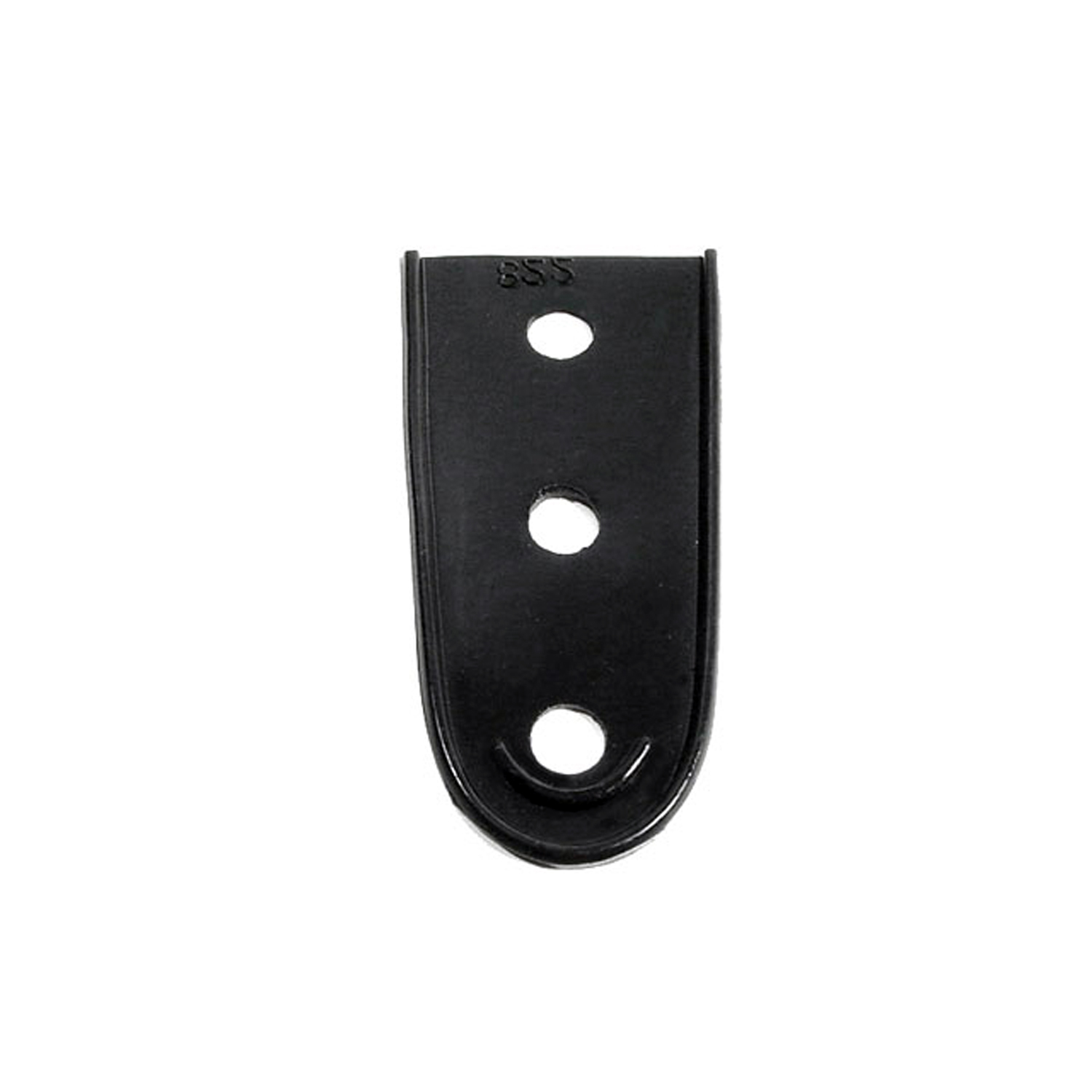 1937 Mercedes-Benz 170 V Trunk Lower Hinge Pad. 2-1/8" wide X 4-1/4" long. Each-MP 822Trunk Lower Hinge Pad. 2-1/8" wide X 4-1/4" long. Each
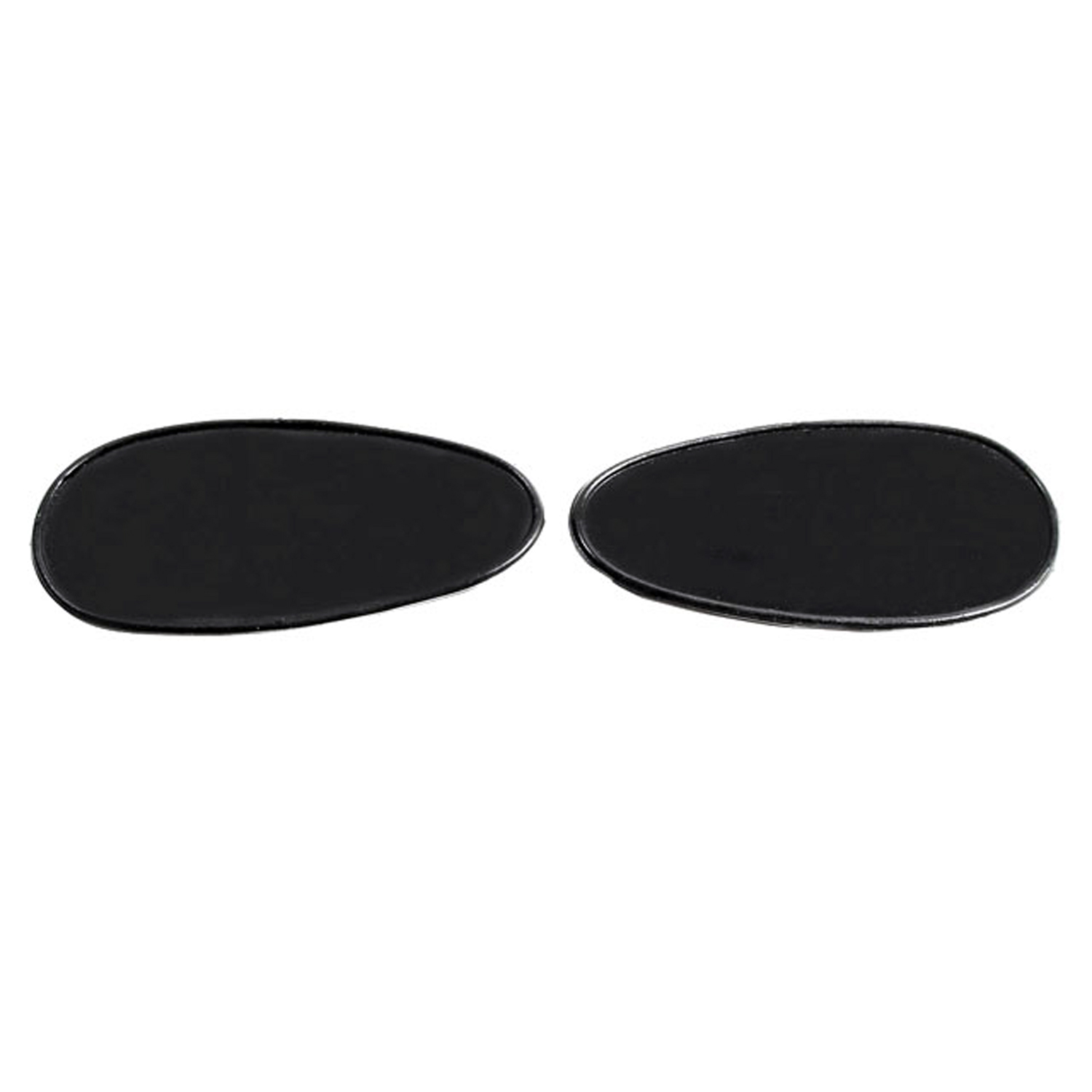 1937 Mercedes-Benz 170 V Tail-light Pads. 2-1/4" wide X 4-5/8" long. Pair-MP 823-BTail-light Pads. 2-1/4" wide X 4-5/8" long. Pair
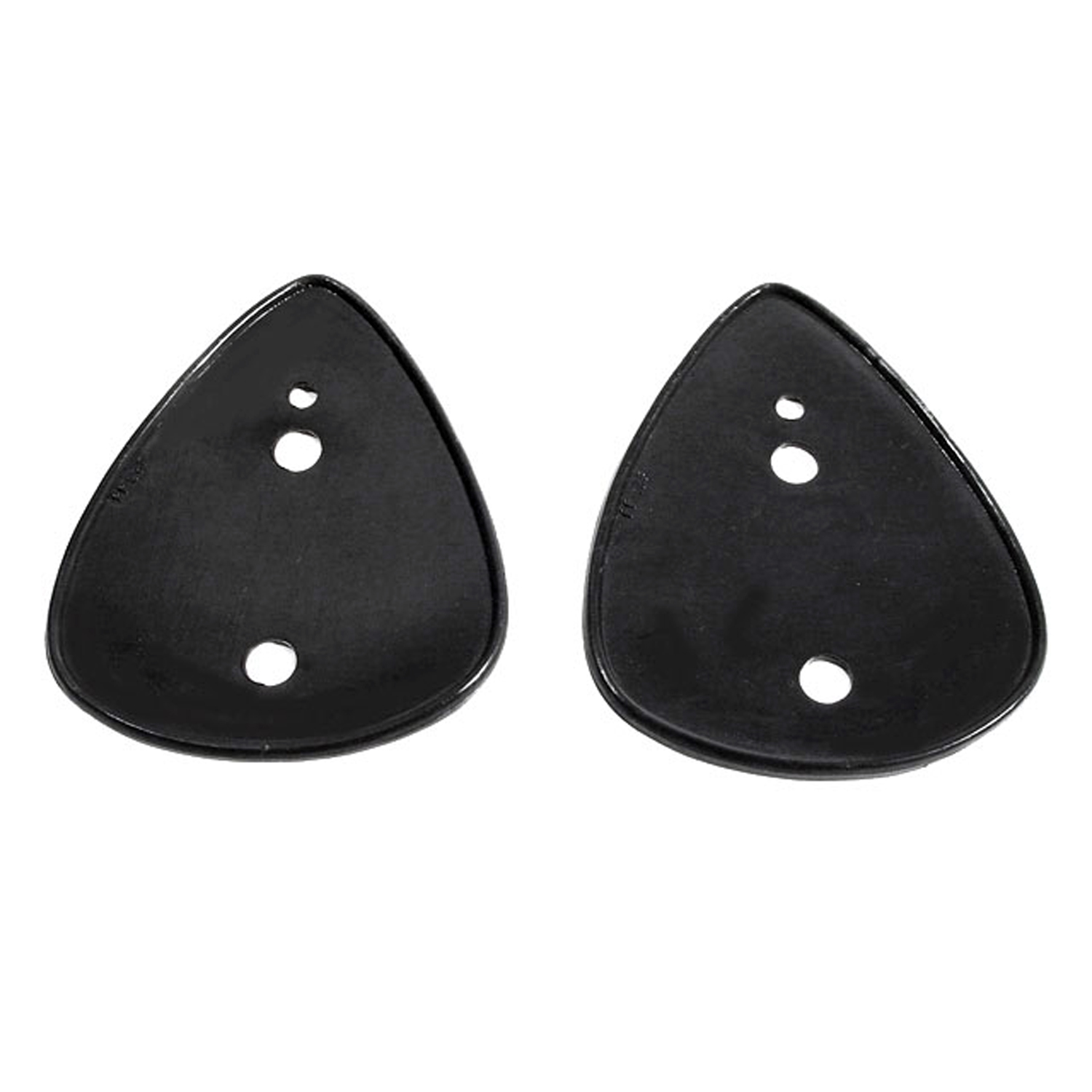 1937 Mercedes-Benz 170 V Park Light Pads. Made for the stamped fender light-MP 823-JJPark Light Pads. Made for the stamped fender light. 3-7/8" wide X 5-1/8" long. Pair
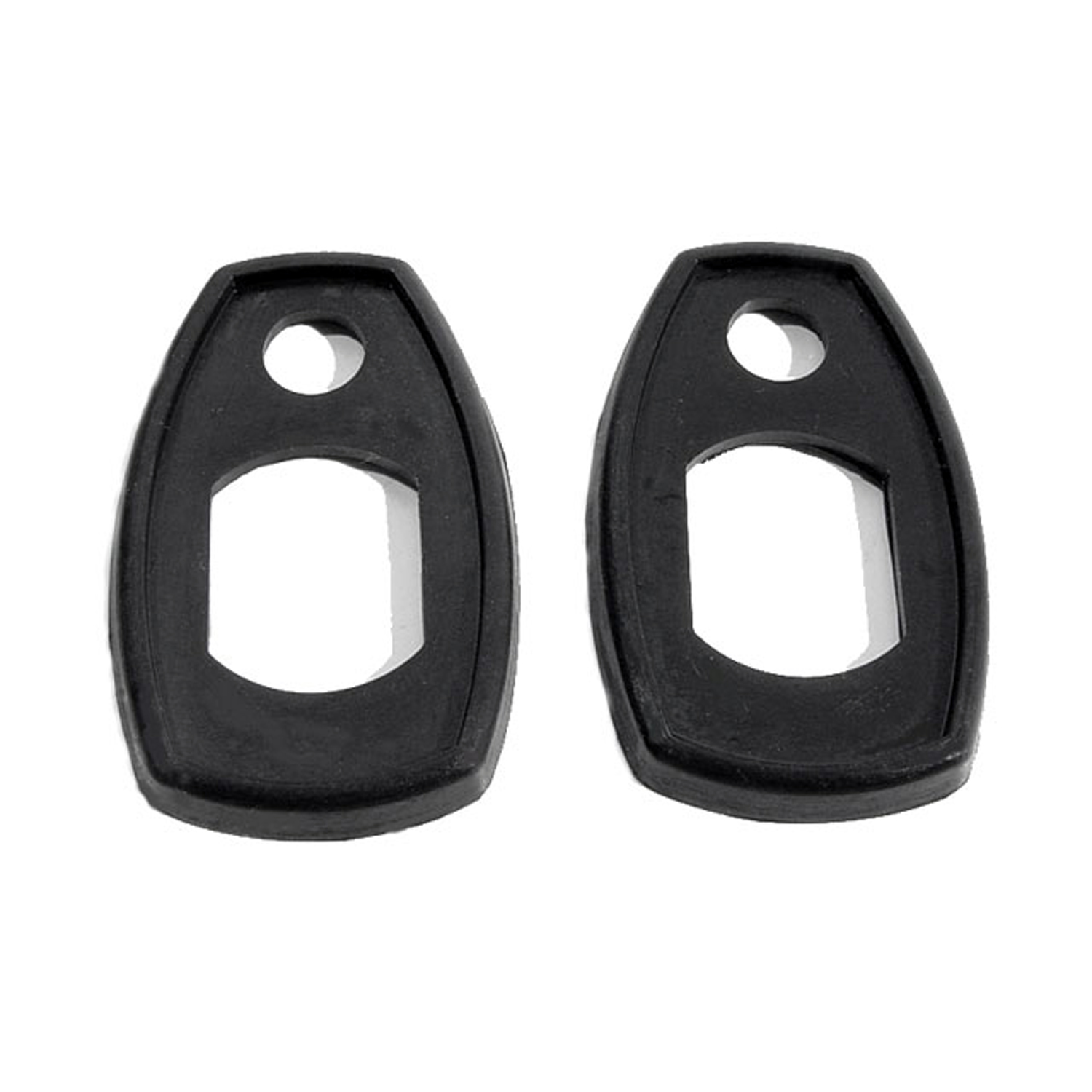 1937 Mercedes-Benz 170 V Door Handle Pads. 1-1/2" wide X 2-1/2" long. Pair-MP 823-NDoor Handle Pads. 1-1/2" wide X 2-1/2" long. Pair
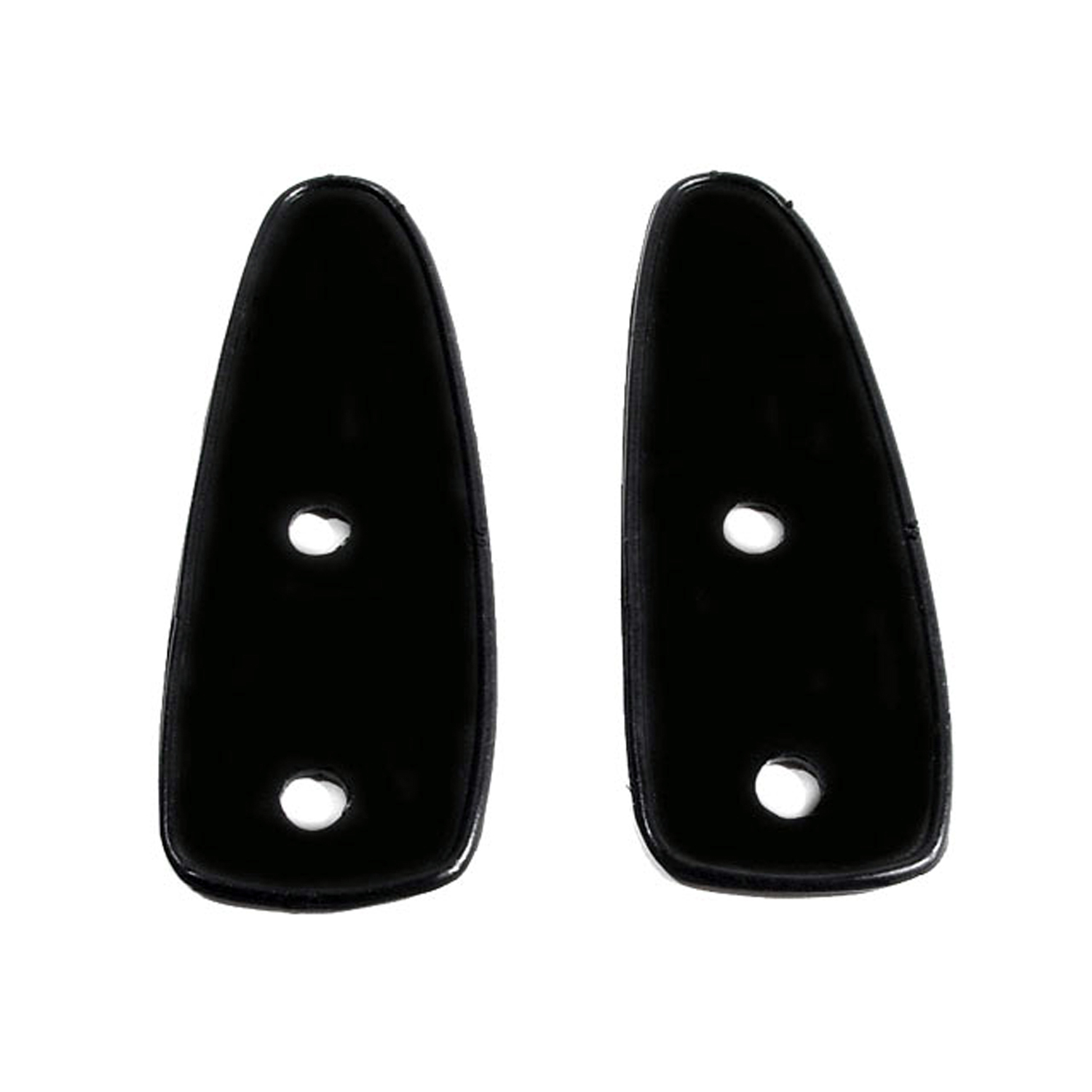 1937 Mercedes-Benz 170 V Park Light Pads. 2-1/4" wide X 6-1/8" long. Pair-MP 823-QPark Light Pads. 2-1/4" wide X 6-1/8" long. Pair
 1937 Mercedes-Benz 170 V Headlight Pads. 3-1/2" wide X 7-5/8" long. Pair-MP 824-PHeadlight Pads. 3-1/2" wide X 7-5/8" long. Pair
 1937 Mercedes-Benz 170 V Coupler to Engine Seal. 1-1/8" I.D., 2-3/4" O.D. Each-RP 15Coupler to Engine Seal. 1-1/8" I.D., 2-3/4" O.D. Each
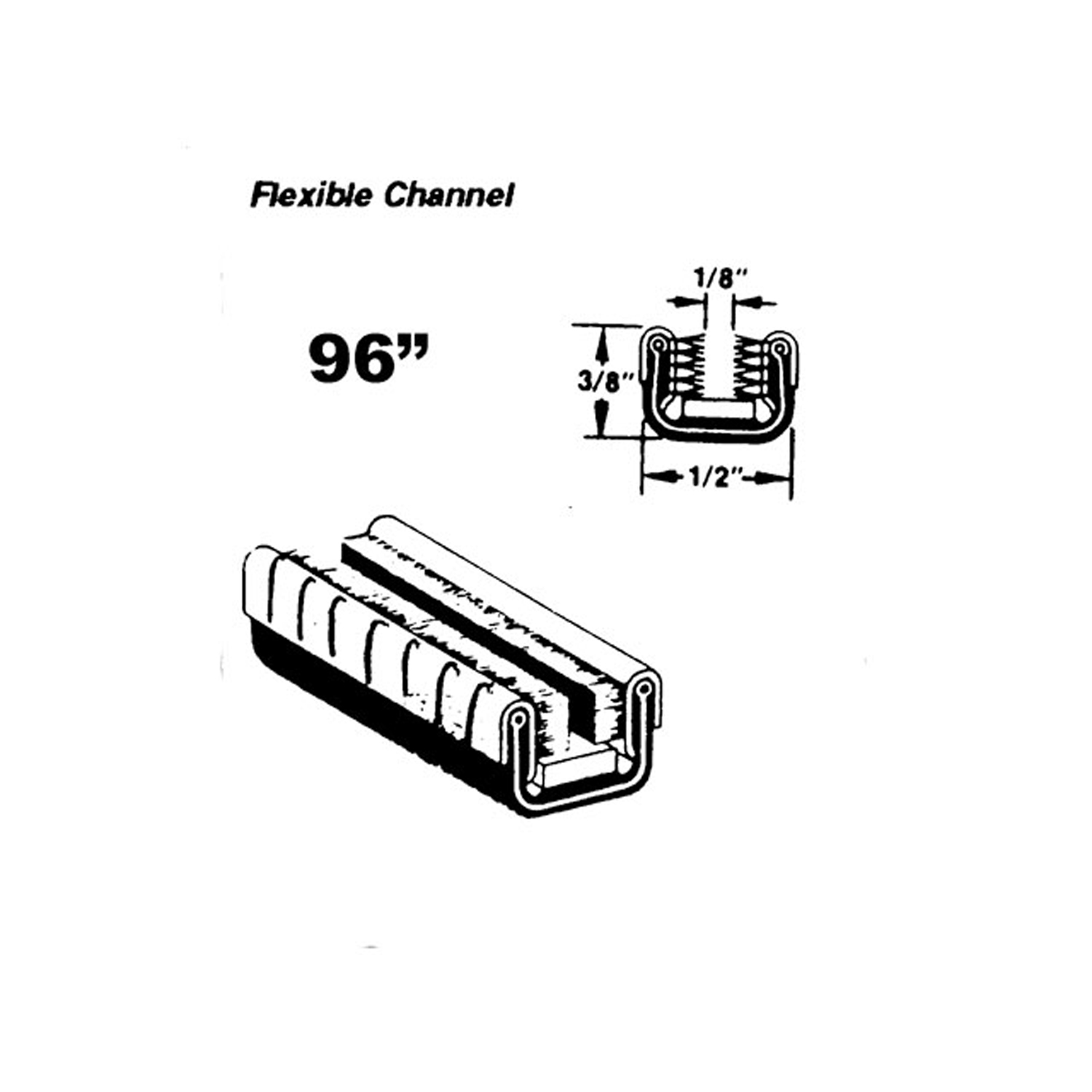 1937 Mercedes-Benz 170 V Flexible glass-run channel. Rubber covered and pile lined-WC 12-96Flexible glass-run channel. Rubber covered and pile lined. Unbeaded. 96 in. long. Each. NOTE: $20 special shipping charge applies for domestic orders. Call or email for overseas shipping costs. Part can be sectioned in two or three equal lengths to reduce overseas shipping costs.
Why Choose Metro?
For over 100 years, Metro Moulded Parts has been the pinnacle of quality in classic car restoration parts. Our commitment to precision and authenticity in every component ensures a perfect fit and an OEM-level appearance.
- Expert Craftsmanship & Quality: Each part is a testament to our dedication to reliability and perfection, crafted from original designs and thoroughly tested.
- Advanced Technology: We use cutting-edge techniques to create flawless, long-lasting parts that surpass others in performance.
- SuperSoft Sponge – The Ultimate Door Seal: Not only are our door seals 30% softer than competitors', but they're also guaranteed to never leak. They effectively reduce wind and road noise, enhancing your classic car's comfort and driving experience.
- Proudly American: Our parts are a product of American craftsmanship, made in the USA with a spirit of excellence and heritage.
- Unrivaled Warranty: We back our products with a 30-year industry-leading warranty, a testament to our confidence in their quality.
Join us in preserving the legacy of classic cars with parts that are crafted for perfection, not just made.