

Image of 1937 Mercedes-Benz 500k, Note: These illustrations use artistic license and may differ from actual historical models.
Performance Metrics
Fundamental Metrics
Emotional Appeal
MMP Rating
| Engine Specifications | |
|---|---|
| Engine: | Straight 8 |
| Displacement: | 5018 cc |
| Horsepower: | 100-160 hp |
| Torque: | Not available |
| Compression Ratio: | Not available |
| Ignition System: | Coil and distributor |
| Cooling System: | Water-cooled |
| Performance Specifications | |
| 0-60 Time: | Not available |
| 1/4 Mile Time: | Not available |
| Top Speed: | 160 km/h (99 mph) |
| Transmission and Drive | |
| Drive Type: | Rear-wheel drive |
| Transmission Type: | 4-speed manual |
| Fuel and Efficiency | |
| Fuel System Type: | Carburetor |
| MPG: | Not available |
| Dimensions and Brakes | |
| Brakes: | Hydraulic drum brakes |
| Wheelbase: | 129 inches |
| Weight: | 2,700 kg |
Note: Specifications for classic cars are given to the best of our ability, considering the limited and variant data available.
1937 Mercedes-Benz 500K: A Classic-Car Name with a Date Problem
The Mercedes-Benz 500K turns a grand touring car into a spectacle: a long, sculpted bonnet, a deep mechanical supercharger whine and coachwork made to command attention before the engine even starts. There is one important detail for anyone researching a “1937 Mercedes-Benz 500K,” however: Mercedes-Benz built the 500K from 1934 to 1936, and the closely related 540K took its place for 1936. A car described as a 1937 500K may have a registration or model-year date that differs from its factory build date, or it may actually be a 540K. Chassis and factory records are essential to confirm its identity.
The 500K, internally known as the W29, was a flagship model from Mercedes-Benz, the German manufacturer formed by the merger of Daimler-Motoren-Gesellschaft and Benz & Cie. It made its public debut at the 1934 Berlin Motor Show. The car arrived during a period when European luxury automakers were competing to combine speed, advanced engineering and bespoke craftsmanship in a single, exceptionally expensive package.
One of the 500K’s most memorable features was its Roots-type supercharger, known in German as a Kompressor. It was not intended to run at full boost all the time. The blower engaged when the driver pressed the accelerator fully, delivering a dramatic surge of power and a distinctive whine. That unusual combination of relaxed cruising and sudden performance helped make the car a legend.
Streamlined Presence and Hand-Finished Luxury
The 500K’s design is unmistakable. Its tall, upright radiator grille anchors a long front end, while flowing front fenders sweep back along the sides and visually connect with the rear bodywork. A long bonnet, sweeping running boards, large headlamps and plentiful chrome give the car a commanding profile. The proportions were elegant rather than delicate: even the open models look substantial, with the impression of a powerful machine beneath their polished surfaces.
Most bodies were built by Mercedes-Benz’s Sindelfingen coachworks, where skilled craftsmen tailored the exterior and interior to the chassis and body style. Buyers could specify a range of finishes, and paint was not limited to one defining 500K color. Dark shades such as black, deep blue and burgundy suited the car’s formal character, while two-tone combinations could emphasize its sweeping fenders and long body. Original colors varied, so paintwork on a particular car should be checked against its history rather than assumed from a modern restoration.
Inside, the 500K offered the materials expected of a prewar flagship: carefully finished wood, fine leather upholstery, polished metal fittings and clear, handsome instruments. The cabin was designed for comfortable touring, not minimalist sportiness. Exact trim depended on the body style and buyer’s specification, but the overall effect was both luxurious and purposeful. In an open car, a folding roof and side curtains provided some shelter, though they could not match the weather protection of a closed coupe or cabriolet.
Mercedes-Benz offered an unusually broad body range. Depending on the chassis and catalog, buyers could choose among cabriolets, roadsters, coupes, sedans and touring-oriented bodies. The two-seat Spezial Roadster is the best-known and most visually dramatic version, with a low windscreen, long rear deck and especially graceful profile. It is also among the rarest and most valuable. Cabriolet variants offered a more practical balance of open-air motoring and passenger accommodation.
Engineering That Made the 500K Different
The 500K was built around a 5.0-liter, supercharged inline-eight. With the supercharger disengaged, the engine produced about 100 horsepower; with the blower engaged, output rose to roughly 160 horsepower. Power went to the rear wheels through a manual gearbox. Hydraulic brakes helped bring the substantial car under control, while independent front suspension and a swing-axle rear suspension aimed to improve comfort and road manners compared with the rigid-axle layouts still common on many cars of the era.
Its technical character was not just about the engine. The 500K combined a sophisticated chassis, powerful brakes, substantial equipment and custom coachwork in a production car. Its supercharger system let the driver enjoy quieter, more relaxed motoring under ordinary throttle, then call on extra power when needed. That flexibility became a signature of Mercedes-Benz’s high-performance luxury cars.
The 500K also captured a shift in automotive design. Its flowing fenders and integrated bodywork looked modern beside the more upright, separate-fender shapes of many earlier luxury cars. It did not invent streamlined styling, but it showed how dramatic body design and serious performance could coexist in an exclusive touring automobile. The 540K that followed carried the idea forward with a larger 5.4-liter engine.
Performance, Ride and Road Manners
Performance figures vary with body style, gearing, condition and the way the car was tested. A sound 500K is generally credited with a top speed in the neighborhood of 100 mph, or about 160 km/h, with lighter bodies potentially better placed to reach the upper end of that range. A modern-style 0-to-60 mph figure was not a standard factory measure for the period. Retrospective estimates often place acceleration in the mid-to-high teens in seconds, but the result depends heavily on the car’s configuration and mechanical condition.
On the road, the 500K feels like a powerful grand tourer, not a lightweight sports car. Its long wheelbase and substantial mass help it settle into a smooth cruise, while the suspension takes the edge off many bumps. Broken surfaces still make themselves known, especially in a valuable car running on carefully chosen tires, and the steering and brakes require more attention than those of a modern vehicle.
On a winding road, the driver needs to plan ahead. The 500K’s size and weight favor measured inputs, flowing lines and early braking rather than quick direction changes. The inline-eight delivers its power with a deep, mechanical presence, and when the supercharger engages, its sharp whine adds a memorable note to the experience. The driver is closely involved: there is no modern electronic assistance to mask the car’s mass, mechanical sounds or road surface.
Owning and Maintaining a Prewar Mercedes
Today, a 500K is primarily a show car, collection centerpiece or carefully exercised touring car. Some owners take part in concours events, rallies and historic motoring tours, but the car is far too rare and valuable for routine daily use. Its scale and character suit open roads and special occasions far better than crowded urban traffic.
Maintenance calls for marque expertise, period-correct parts and a realistic budget. The engine, supercharger, transmission, brakes and suspension all need knowledgeable inspection, and a restoration can involve years of specialist labor. An average owner should not expect easy, inexpensive repairs. Even seemingly simple work can become complicated by bespoke coachwork, scarce components and the importance of preserving the car’s authenticity.
Reliability depends greatly on maintenance and storage. A well-sorted 500K can be driven, but it is still a complex prewar automobile. Regular exercise, careful fluid and cooling-system checks, correct lubrication and proper storage matter. Before buying, a specialist inspection should include the chassis number, engine and body details, restoration records and evidence that major mechanical systems have been maintained correctly.
Rare Facts and Common Misconceptions
The 500K’s name refers to its approximate 5.0-liter engine displacement, while the “K” stands for Kompressor, or supercharger. The blower’s occasional engagement is part of what gives the car its distinctive character. The 500K was also built in relatively small numbers: commonly cited production totals are about 342 cars across the model range. Counts can vary depending on how sources classify body styles and production periods, so a specific car’s documentation matters more than a headline total.
The most common point of confusion is the date. A 1937 registration does not by itself prove that a car left the factory as a 1937 500K. Since the 500K was succeeded by the 540K, a car represented as a 1937 500K deserves careful verification through its chassis number and Mercedes-Benz records. This is especially important in the collector market, where model identity has a direct effect on value.
The 500K was not a dedicated racing car and is not chiefly remembered for setting a speed or endurance record. Its achievement was different: it brought supercharged performance, advanced-for-its-time chassis engineering and bespoke luxury together in a road-going flagship. A frequent criticism today is that its size, expense and mechanical complexity make it challenging to use. Those qualities are also part of what made it extraordinary in its own era.
Collector Values and Market Outlook
The 500K is exceptionally rare and seldom appears on the open market. As a broad 2026 estimate, a well-documented example in good condition might fall somewhere around $1.5 million to $4 million, with price shaped by body style, originality, provenance and restoration quality. A highly desirable Spezial Roadster or another particularly significant example can reach roughly $5 million to $10 million or more. These are guide ranges, not guaranteed sale prices; individual results can differ substantially.
Values for the best examples have generally been supported by the car’s rarity, international reputation and place in Mercedes-Benz history. The market is selective, however. A documented, correctly restored car can attract strong interest, while poor provenance, questionable originality or an inaccurate model description can make buyers cautious. The 500K is best understood as a long-term blue-chip collectible rather than a predictable short-term investment.
With only a few hundred built and many now held in established collections, availability is extremely limited. Finding the right car can take time, and an apparently attractive purchase price may be outweighed by the cost of correcting mechanical or restoration problems. Independent inspection and factory documentation are especially valuable when assessing any example described as a 1937 car.
Why the Mercedes-Benz 500K Still Matters
The Mercedes-Benz 500K brought together a supercharged inline-eight, advanced chassis engineering, sweeping coachwork and hand-finished luxury in a way few cars of its time could match. Its performance was impressive, but its lasting appeal rests just as much on its craftsmanship and unmistakable presence. For anyone considering a “1937 500K,” the first step is to confirm whether the car is truly a 500K or the later 540K.
Either way, the 500K stands as one of the great prewar Mercedes-Benz designs: a car built not merely to travel quickly, but to make every mile feel like an occasion.
1937 Mercedes-Benz 500k Catalog of Parts
 1937 Mercedes-Benz 500K Headlight Pads. 3-5/8" wide X 12" long. Pair R&L-MP 823-EHeadlight Pads. 3-5/8" wide X 12" long. Pair R&L
 1937 Mercedes-Benz 500K Headlight Pads. 5-3/8" wide X 7-3/8" long. Pair-MP 823-FHeadlight Pads. 5-3/8" wide X 7-3/8" long. Pair
 1937 Mercedes-Benz 500K Park Light Pads. 3-7/8" wide X 5-1/8" long. Pair-MP 823-JPark Light Pads. 3-7/8" wide X 5-1/8" long. Pair
 1937 Mercedes-Benz 500K Headlight Bar Pads. 2" wide X 4-3/4" long. Pair-MP 823-KHeadlight Bar Pads. 2" wide X 4-3/4" long. Pair
 1937 Mercedes-Benz 500K Trunk Hinge Pads. 1-5/8" wide X 12" long. Set-MP 823-PTrunk Hinge Pads. 1-5/8" wide X 12" long. Set
 1937 Mercedes-Benz 500K Coupler to Engine Seal. 1-1/8" I.D., 2-3/4" O.D. Each-RP 15Coupler to Engine Seal. 1-1/8" I.D., 2-3/4" O.D. Each
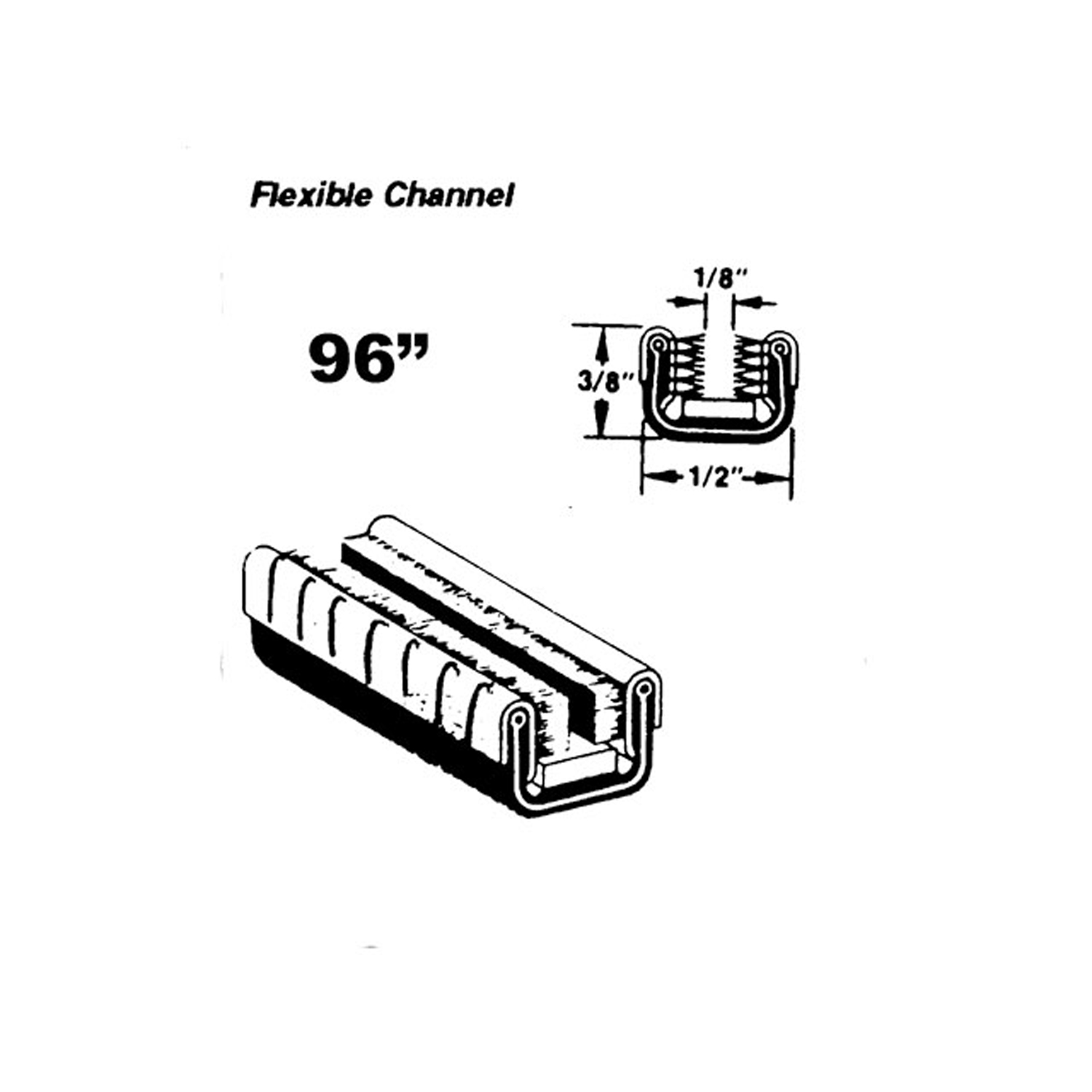 1937 Mercedes-Benz 500K Flexible glass-run channel. Rubber covered and pile lined-WC 12-96Flexible glass-run channel. Rubber covered and pile lined. Unbeaded. 96 in. long. Each. NOTE: $20 special shipping charge applies for domestic orders. Call or email for overseas shipping costs. Part can be sectioned in two or three equal lengths to reduce overseas shipping costs.
Why Choose Metro?
For over 100 years, Metro Moulded Parts has been the pinnacle of quality in classic car restoration parts. Our commitment to precision and authenticity in every component ensures a perfect fit and an OEM-level appearance.
- Expert Craftsmanship & Quality: Each part is a testament to our dedication to reliability and perfection, crafted from original designs and thoroughly tested.
- Advanced Technology: We use cutting-edge techniques to create flawless, long-lasting parts that surpass others in performance.
- SuperSoft Sponge – The Ultimate Door Seal: Not only are our door seals 30% softer than competitors', but they're also guaranteed to never leak. They effectively reduce wind and road noise, enhancing your classic car's comfort and driving experience.
- Proudly American: Our parts are a product of American craftsmanship, made in the USA with a spirit of excellence and heritage.
- Unrivaled Warranty: We back our products with a 30-year industry-leading warranty, a testament to our confidence in their quality.
Join us in preserving the legacy of classic cars with parts that are crafted for perfection, not just made.