

Image of 1937 Mercedes-Benz 540 K, Note: These illustrations use artistic license and may differ from actual historical models.
Performance Metrics
Fundamental Metrics
Emotional Appeal
MMP Rating
| Engine Specifications | |
|---|---|
| Engine: | Straight 8 |
| Displacement: | 5.4L |
| Horsepower: | 115-180 HP |
| Torque: | Not available |
| Compression Ratio: | Not available |
| Ignition System: | Coil ignition |
| Cooling System: | Water-cooled |
| Performance Specifications | |
| 0-60 Time: | Not available |
| 1/4 Mile Time: | Not available |
| Top Speed: | 105-110 mph |
| Transmission and Drive | |
| Drive Type: | Rear-wheel drive |
| Transmission Type: | 4-speed manual with overdrive |
| Fuel and Efficiency | |
| Fuel System Type: | Carburetor |
| MPG: | Not available |
| Dimensions and Brakes | |
| Brakes: | Hydraulic drum brakes |
| Wheelbase: | 129 inches |
| Weight: | 5,500 lbs |
Note: Specifications for classic cars are given to the best of our ability, considering the limited and variant data available.
1937 Mercedes-Benz 540 K: Supercharged Grandeur
The 1937 Mercedes-Benz 540 K did not merely arrive in style; it announced its presence with a deep supercharger whine and the sweeping silhouette of a hand-built masterpiece. Created by Mercedes-Benz in Germany during the high point of the prewar luxury-car era, the 540 K combined imposing coachwork, advanced engineering, and serious performance in a way few contemporaries could match.
The model evolved from the 500 K, introduced in 1934, and made its debut in 1936. Its name referred to its engine displacement of roughly 5.4 liters. One especially intriguing detail: the driver could call on the engine’s Roots-type supercharger by pressing the accelerator firmly, bringing a sudden change in sound and power as the blower engaged.
Long Bonnet, Hand-Finished Cabin
The 540 K’s styling was pure prewar automotive theater. A long, sculpted hood flowed into a tall, upright radiator grille, while large flowing fenders covered the wheels and emphasized the car’s length. Chrome trim, elegant running boards, and carefully shaped lamps completed a look that was formal without being static. Depending on the body, the rear could taper into a sporty tail or rise into the more imposing form of a touring car or limousine.
Inside, the experience depended on the body style and the buyer’s order, but craftsmanship was central throughout. Owners could expect fine leather upholstery, polished wood trim, fitted carpets, and well-finished metal fittings. The cockpit of an open model put the driver close to the machinery, while enclosed bodies offered a quieter, more private environment. These were custom-built luxury cars, so equipment and details could vary considerably from one example to another.
Mercedes-Benz did not limit buyers to a single paint scheme. Color combinations were selected to suit the customer and coachwork. Black, dark green, maroon, silver, and cream are among the shades associated with luxury cars of the period, but there was no simple, universal 540 K color list. Two cars of the same year could have very different personalities.
Available bodywork included cabriolets, coupes, touring cars, limousines, and roadsters. The most famous is the low-slung 540 K Special Roadster, with its long hood, dramatic rear bodywork, and carefully integrated spare wheels. It is also the version most likely to spring to mind when collectors picture the model.
Engineering Ahead of Its Era
At the heart of the 540 K was a 5,401 cc inline-eight engine. In normal operation it produced about 115 horsepower. When the accelerator brought the Roots supercharger into play, output rose to approximately 180 horsepower. The system gave the car two distinct characters: a refined, relatively restrained grand tourer when driven gently, and a much more forceful machine when the blower was engaged.
The chassis also reflected Mercedes-Benz’s engineering ambitions. Independent front suspension and a swing-axle rear suspension helped the large car ride and corner with more sophistication than a conventional solid-axle design. Hydraulic brakes provided stopping power, and the four-speed manual transmission put the driver in direct command of the engine. These features did not make a 540 K feel like a modern sports car, but they helped it combine comfort, stability, and speed unusually well for its size and era.
The 540 K arrived as European manufacturers were competing to build ever more powerful and prestigious automobiles. Its significance lies not in one isolated invention, but in how it brought advanced chassis engineering, supercharging, coachbuilt luxury, and high performance together in a single production model. It established a standard for the supercharged Mercedes-Benz grand touring car and remains a defining example of the company’s prewar engineering and design.
Performance on the Open Road
Performance varied with body style, gearing, condition, and passenger load. A light, well-maintained example could reach roughly 100 to 110 mph, with the most favorable estimates tending toward the upper end. Period acceleration figures are not consistent, but a reasonable modern estimate for 0 to 60 mph is around 15 to 18 seconds. That may sound modest now, yet it was impressive for a large luxury car in the late 1930s.
On a smooth road, the 540 K feels composed and substantial. Its independent suspension helps it absorb bumps, though the car’s weight, long wheelbase, and period tires mean it is not designed to dart through tight corners. On winding roads, the driver needs to plan ahead, make measured steering inputs, and respect the car’s size. The brakes and suspension are capable for their time, but they should not be judged by modern performance-car standards.
The driving experience is as much about sensation as speed. At gentle throttle, the straight-eight delivers a smooth, dignified sound. Press harder and the supercharger adds a distinctive rising whine, while the car gathers pace with a muscular surge. The steering is more physical than modern power-assisted systems, and the driver remains involved in every shift and change of direction. It is a grand tourer in the original sense: built to cover distance quickly and comfortably, not to hide the road from its occupants.
Owning a 540 K Today
Today, a 540 K is generally a collector car, concours showpiece, or carefully driven touring car rather than a daily driver. Its size, rarity, value, and specialized mechanical systems make routine use impractical for most owners. A properly restored example can still be driven, but owners typically reserve it for suitable events and well-planned outings.
Maintenance requires experienced specialists, particularly for the supercharger, engine, suspension, brakes, and coachwork. Routine servicing is not especially mysterious to a skilled vintage Mercedes-Benz mechanic, but parts and labor can be costly, and repairs are not a realistic do-it-yourself project for the average owner. Restoration quality matters enormously: an impressive exterior cannot make up for worn mechanical components, poor past repairs, or incorrect parts.
Reliability depends heavily on the individual car. These machines were engineered to be driven, but decades of storage, use, and restoration can leave hidden problems. A prospective buyer should arrange a thorough inspection by a marque specialist, review the car’s documentation, and verify that its chassis, engine, body, and restoration history are consistent.
Rare Bodies and Collectors’ Records
Mercedes-Benz built approximately 419 examples of the 540 K between 1936 and 1939. That figure covers the model’s production run, not just 1937, and surviving cars are spread across different body styles and specifications. The Special Roadster is among the most celebrated and valuable versions, while unusual coachbuilt examples are exceptionally hard to find.
The model has a strong auction history. A 1936 540 K Special Roadster sold for about $11.8 million at a 2012 auction, showing the extraordinary prices that the rarest, most desirable examples can command. For a 1937 car, a broad working estimate might run from roughly $3 million to more than $10 million, with exceptional Special Roadsters or cars with important provenance potentially exceeding that range. Condition, originality, body style, documentation, and restoration quality all have a major effect on value.
Values for top-tier prewar Mercedes-Benz models have generally proved resilient over the long term, but they are not immune to shifts in the collector-car market. Exceptional cars may appreciate, while less original or poorly documented examples can be harder to sell. The market is also small: buyers at this level are discerning, and a sale can depend on finding the right collector rather than simply listing the car.
One common misconception is that every 540 K was a Special Roadster. In reality, the model appeared in several body styles, and the famous roadster represents only part of its story. Another point worth remembering is that performance claims vary: bodywork and mechanical condition make a meaningful difference, so a figure quoted for one car should not automatically be applied to every 540 K.
A Prewar Mercedes-Benz at Its Peak
The 1937 Mercedes-Benz 540 K paired a supercharged straight-eight with sophisticated chassis engineering and coachbuilt luxury. It was fast for its day, striking from every angle, and available in body styles ranging from formal touring cars to the iconic Special Roadster. Its rarity and high maintenance demands keep it firmly in collector territory, but they also underscore how far it stands from an ordinary production automobile.
Nearly nine decades later, the 540 K still makes its purpose clear: to turn speed, craftsmanship, and presence into one unforgettable machine. Few cars capture the ambition of prewar motoring quite so completely.
1937 Mercedes-Benz 540 K Catalog of Parts
 1937 Mercedes-Benz 540 K Headlight Pads. 3-5/8" wide X 12" long. Pair R&L-MP 823-EHeadlight Pads. 3-5/8" wide X 12" long. Pair R&L
 1937 Mercedes-Benz 540 K Headlight Pads. 5-3/8" wide X 7-3/8" long. Pair-MP 823-FHeadlight Pads. 5-3/8" wide X 7-3/8" long. Pair
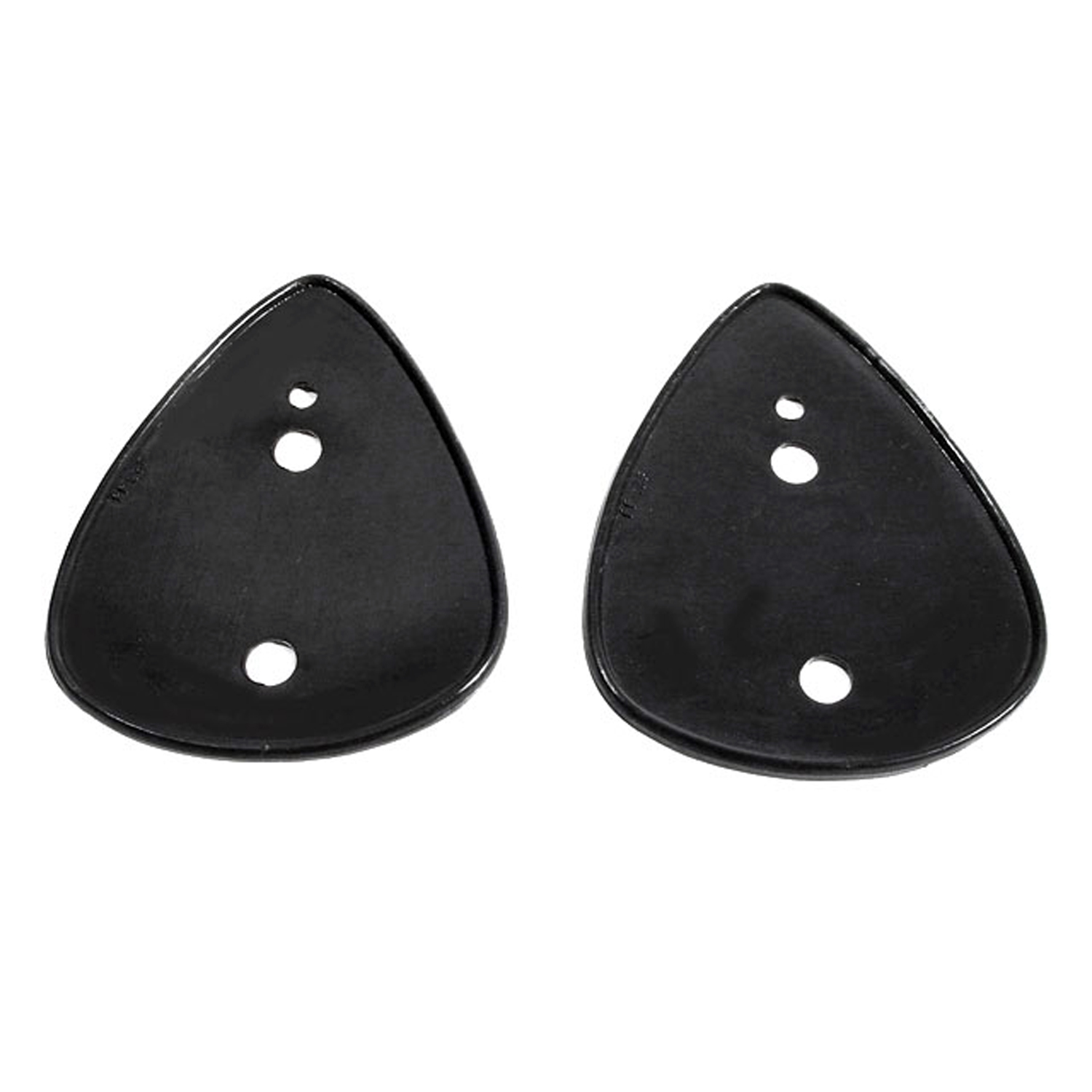 1937 Mercedes-Benz 540 K Park Light Pads. Made for the stamped fender light-MP 823-JJPark Light Pads. Made for the stamped fender light. 3-7/8" wide X 5-1/8" long. Pair
 1937 Mercedes-Benz 540 K Headlight Bar Pads. 2" wide X 4-3/4" long. Pair-MP 823-KHeadlight Bar Pads. 2" wide X 4-3/4" long. Pair
 1937 Mercedes-Benz 540 K Trunk Hinge Pads. 1-5/8" wide X 12" long. Set-MP 823-PTrunk Hinge Pads. 1-5/8" wide X 12" long. Set
 1937 Mercedes-Benz 540 K Coupler to Engine Seal. 1-1/8" I.D., 2-3/4" O.D. Each-RP 15Coupler to Engine Seal. 1-1/8" I.D., 2-3/4" O.D. Each
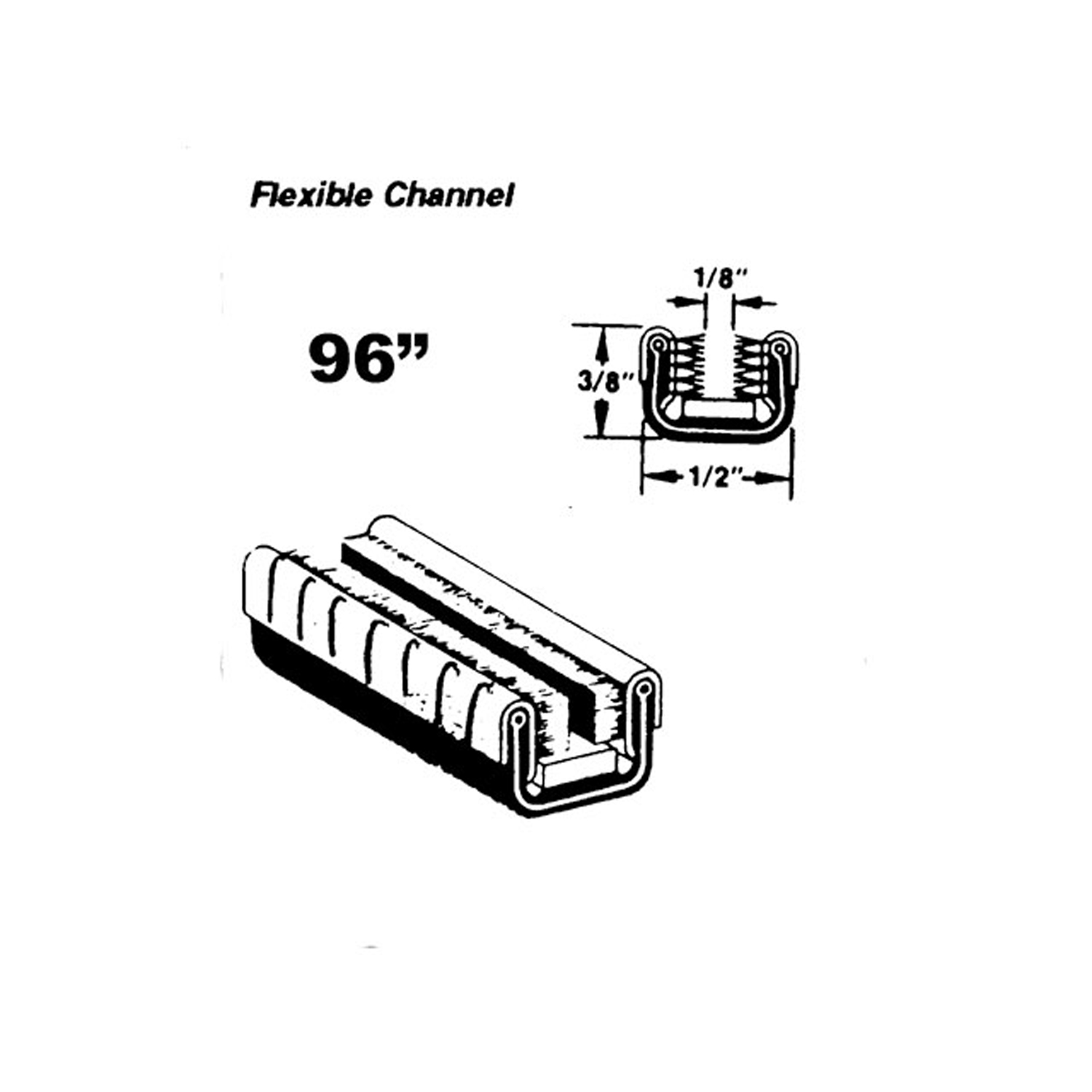 1937 Mercedes-Benz 540 K Flexible glass-run channel. Rubber covered and pile lined-WC 12-96Flexible glass-run channel. Rubber covered and pile lined. Unbeaded. 96 in. long. Each. NOTE: $20 special shipping charge applies for domestic orders. Call or email for overseas shipping costs. Part can be sectioned in two or three equal lengths to reduce overseas shipping costs.
Why Choose Metro?
For over 100 years, Metro Moulded Parts has been the pinnacle of quality in classic car restoration parts. Our commitment to precision and authenticity in every component ensures a perfect fit and an OEM-level appearance.
- Expert Craftsmanship & Quality: Each part is a testament to our dedication to reliability and perfection, crafted from original designs and thoroughly tested.
- Advanced Technology: We use cutting-edge techniques to create flawless, long-lasting parts that surpass others in performance.
- SuperSoft Sponge – The Ultimate Door Seal: Not only are our door seals 30% softer than competitors', but they're also guaranteed to never leak. They effectively reduce wind and road noise, enhancing your classic car's comfort and driving experience.
- Proudly American: Our parts are a product of American craftsmanship, made in the USA with a spirit of excellence and heritage.
- Unrivaled Warranty: We back our products with a 30-year industry-leading warranty, a testament to our confidence in their quality.
Join us in preserving the legacy of classic cars with parts that are crafted for perfection, not just made.