

Image of 1938 Mercedes-Benz 170 V, Note: These illustrations use artistic license and may differ from actual historical models.
Performance Metrics
Fundamental Metrics
Emotional Appeal
MMP Rating
| Engine Specifications | |
|---|---|
| Engine: | Inline 4 |
| Displacement: | 1.7L |
| Horsepower: | 38 HP |
| Torque: | Estimated at 73 lb-ft |
| Compression Ratio: | 6.0:1 |
| Ignition System: | Battery Ignition |
| Cooling System: | Water-cooled |
| Performance Specifications | |
| 0-60 Time: | Information not available |
| 1/4 Mile Time: | Information not available |
| Top Speed: | 68 mph |
| Transmission and Drive | |
| Drive Type: | Rear-wheel drive |
| Transmission Type: | 4-speed manual |
| Fuel and Efficiency | |
| Fuel System Type: | Carburetor |
| MPG: | Information not available |
| Dimensions and Brakes | |
| Brakes: | Drum brakes |
| Wheelbase: | 112.2 inches |
| Weight: | 2,425 lbs |
Note: Specifications for classic cars are given to the best of our ability, considering the limited and variant data available.
1938 Mercedes-Benz 170 V: A Compact Mercedes with Big Ambitions
The 1938 Mercedes-Benz 170 V brought the comfort and engineering of a premium German car into a more practical, compact package. Built by Daimler-Benz, it belonged to the W136 series, introduced in 1936 as a modern entry point to the Mercedes-Benz range. Its name carried a useful distinction: the “V” stood for Vorne, German for “front,” identifying its front-mounted engine and setting it apart from the rear-engined 170 H.
The 170 V arrived during a period when European carmakers were working to make motoring more accessible without abandoning quality. It became one of Mercedes-Benz’s most successful prewar models and remained important after the Second World War, when a revised version helped restart the company’s passenger-car production. A particularly intriguing detail is that the 170 V was not just a saloon: its platform also supported convertibles, utility vehicles, and specialist bodies.
Streamlined Styling and Thoughtful Cabin
The 170 V has the upright, formal look associated with late-1930s Mercedes-Benz, but its proportions are more compact than those of the marque’s grand touring and luxury cars. A tall, polished radiator grille anchors the front, with the three-pointed star above it. Rounded front wings flow back toward the passenger compartment, while a long bonnet and separate headlights give the car a distinctly prewar profile. On saloon models, the enclosed cabin and rounded rear create a dignified, almost architectural silhouette.
Inside, the emphasis was on durable craftsmanship rather than flashy ornament. Depending on body style and specification, buyers could find cloth or leather upholstery, a large steering wheel, clear analogue instruments, and a straightforward metal dashboard. Cabriolet models offered a more open, special-occasion feel, while saloons prioritized weather protection and everyday comfort. Materials and trim varied, so surviving examples can differ considerably from one another.
Factory paint choices depended on model year and body style. Black and restrained shades such as dark blue, gray, and maroon suit the period and are commonly associated with cars of this type, but exact offerings varied. Today, restorers often favor sober factory-style colors that complement the car’s formal lines.
Body Styles and Period Equipment
The four-door saloon, often described as a limousine in Mercedes-Benz terminology, is the most familiar 170 V shape. The range also included open and convertible bodies, with seating arrangements and trim varying by version. Cabriolet A, B, and D forms appeared within the broader 170 V family, alongside roadster and touring styles. Not every body was offered in every year, and specialist coachwork could make two cars look quite different.
The same basic engineering also proved useful beyond private motoring. The 170 V platform was adapted for commercial and special-purpose work, including delivery vehicles and ambulances. This versatility helped make the model more than a stylish small saloon: it was a flexible vehicle family built around a common mechanical foundation.
Engineering That Made the 170 V Stand Out
Power came from a 1,697 cc inline four-cylinder engine producing about 38 metric horsepower, or roughly 38 PS. It drove the rear wheels through a manual gearbox, generally described as a four-speed unit. The 170 V’s suspension was notably sophisticated for a car in its class, using independent front suspension with double wishbones and a swing-axle rear layout. Hydraulic brakes added reassuring stopping power for the period.
That combination distinguished the 170 V from many contemporary cars that relied on more basic suspension designs. Its independent suspension helped improve ride comfort and wheel control, while the compact engine and relatively light construction kept the car manageable. Mercedes-Benz was not inventing every component from scratch, but it packaged modern chassis engineering into a practical model that could serve families, professionals, and businesses.
The 170 V also helped establish a durable formula for the marque: solid engineering, a well-finished cabin, and a range of body styles built around a dependable platform. Its postwar return underlined just how valuable that formula remained. The model was a bridge between Mercedes-Benz’s prewar identity and the company’s gradual recovery after 1945.
Performance and Driving Character
Period specifications commonly put the 170 V’s top speed at about 108 km/h, or 67 mph, though body style, condition, gearing, and load all affect real-world performance. A precise factory 0-to-60 mph figure is difficult to establish for every version. As a practical estimate, expect roughly 25 to 30 seconds, with heavier or less aerodynamic bodies taking longer. This is a relaxed touring car, not a sports saloon.
On a smooth road, the 170 V feels composed and deliberate. Its independent suspension takes the edge off ordinary bumps, while the relatively narrow tires and period steering remind the driver that this is an older car. On winding roads, it rewards smooth inputs rather than quick direction changes. The rear swing-axle design was advanced for its time, but like similar layouts, it calls for sensible cornering and a well-maintained suspension.
The four-cylinder engine delivers its power in an unhurried way, accompanied by a steady mechanical note rather than a dramatic roar. The driver works the manual gearbox, reads the instruments, and plans overtaking well in advance. That hands-on rhythm is a big part of the appeal: the 170 V feels like a car to travel in, not a machine built to hurry.
Living with a 170 V
Today, most 1938 examples are preserved as show cars, touring vehicles, or part of private collections. Some owners use them for local drives and classic-car events, but regular commuting is unusual. Their age, modest cruising speed, and the demands of maintaining prewar components make modern traffic a less comfortable environment than a quiet country road or organized vintage tour.
Routine maintenance is manageable for an experienced classic-car owner or a mechanic familiar with prewar Mercedes-Benz models. The basic engine and mechanical systems are understandable, but age brings its own challenges: worn suspension parts, tired wiring, brake-system deterioration, and previous repairs that may not meet factory standards. Parts availability is generally better than for many obscure prewar cars, thanks to the model’s popularity and Mercedes-Benz’s classic-car support, but body panels, trim, and correct interior details can be costly or difficult to source.
Condition matters more than a simple mileage figure. A sound, correctly restored car is usually a better prospect than a cheap example with hidden corrosion or incomplete parts. As with any prewar car, a specialist inspection before purchase is money well spent.
Wartime Service, Trivia, and Criticisms
The 170 V’s useful size and adaptable chassis made it suitable for work beyond private ownership. During the late 1930s and the Second World War, vehicles from the model family served in civilian and official roles, including ambulance and utility duties. That working history is part of the reason surviving cars can vary so widely in equipment and condition.
The model’s most notable “record” is its commercial success rather than a speed or endurance achievement. The 170 V became a major seller for Mercedes-Benz before the war, and the company returned to the model after the conflict as it rebuilt passenger-car production. It is not chiefly remembered as a racing car, and claims of a famous competition record should be treated with caution.
Common criticisms are easy to understand from a modern perspective: performance is modest, braking and steering require more anticipation than in a contemporary car, and the cabin offers limited crash protection by current standards. Some drivers also find the rear suspension less forgiving when pushed hard. Those drawbacks are balanced by its engineering quality, distinctive styling, and historically important role in Mercedes-Benz’s recovery.
Collector Values and Rarity
The 170 V is uncommon today, but it is not an impossibly rare model. Roughly 70,000 to 75,000 examples are often cited for prewar production from 1936 to 1942, although figures can vary according to what bodies and variants are counted. The broader 170 V story also includes postwar production, so totals for the full model family depend on the date range used. Exact production numbers for 1938 alone are harder to pin down.
Values depend heavily on body style, originality, restoration quality, and market location. As a broad 2026 guide, a project or driver-quality saloon might fall around US$15,000 to US$35,000. A well-restored saloon could bring roughly US$35,000 to US$70,000, while especially desirable cabriolets or rare coachbuilt examples may reach US$80,000 to well over US$150,000. Exceptional cars can exceed those estimates, while incomplete or poorly restored examples may sell for less. These are approximate ranges, not a substitute for checking recent sales of comparable cars.
Values for the best examples have generally held up better than those of ordinary prewar saloons, especially when a car has documented history and a high-quality restoration. The market remains selective: originality and condition tend to matter more than optimistic asking prices. Rare open-bodied versions are particularly desirable, but their restoration costs can also be substantial.
Why the 1938 170 V Still Matters
The 1938 Mercedes-Benz 170 V combined a compact footprint with independent suspension, hydraulic brakes, careful construction, and a remarkably adaptable range of bodies. It was comfortable and capable for its era, commercially important to Mercedes-Benz, and versatile enough to serve both private owners and working fleets.
It will not win a modern acceleration contest, and it was never meant to. The 170 V’s real achievement was making thoughtful engineering and Mercedes-Benz character available in a practical car. Nearly nine decades later, its upright grille and unhurried four-cylinder rhythm still tell the story of a model that helped carry the marque from prewar success into a new postwar beginning.
1938 Mercedes-Benz 170 V Catalog of Parts
 1938 Mercedes-Benz 170 V Hood Corners. 2 Front and 2 Rear Corners. 4-Piece Set-HC 26Hood Corners. 2 Front and 2 Rear Corners. 4-Piece Set
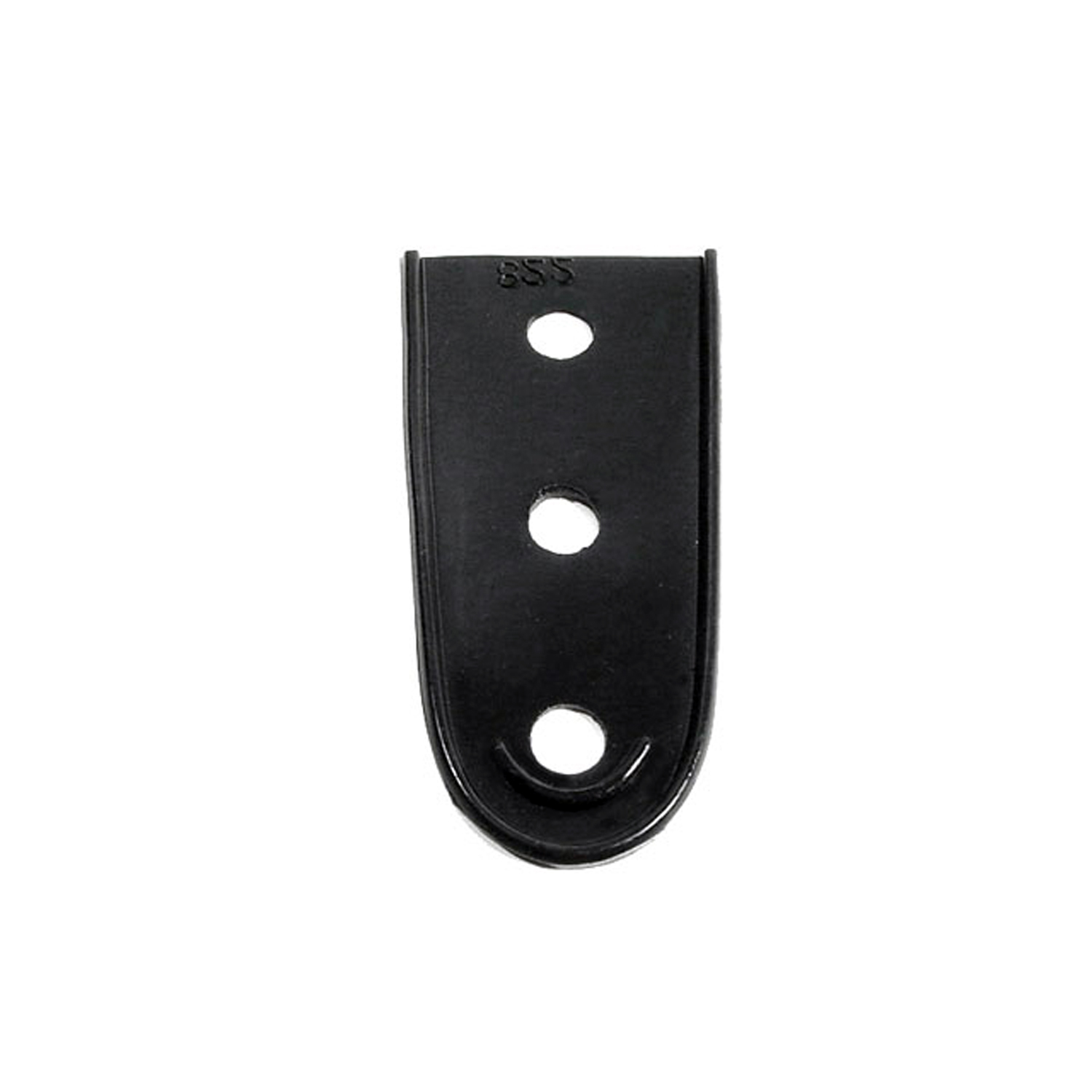 1938 Mercedes-Benz 170 V Trunk Lower Hinge Pad. 2-1/8" wide X 4-1/4" long. Each-MP 822Trunk Lower Hinge Pad. 2-1/8" wide X 4-1/4" long. Each
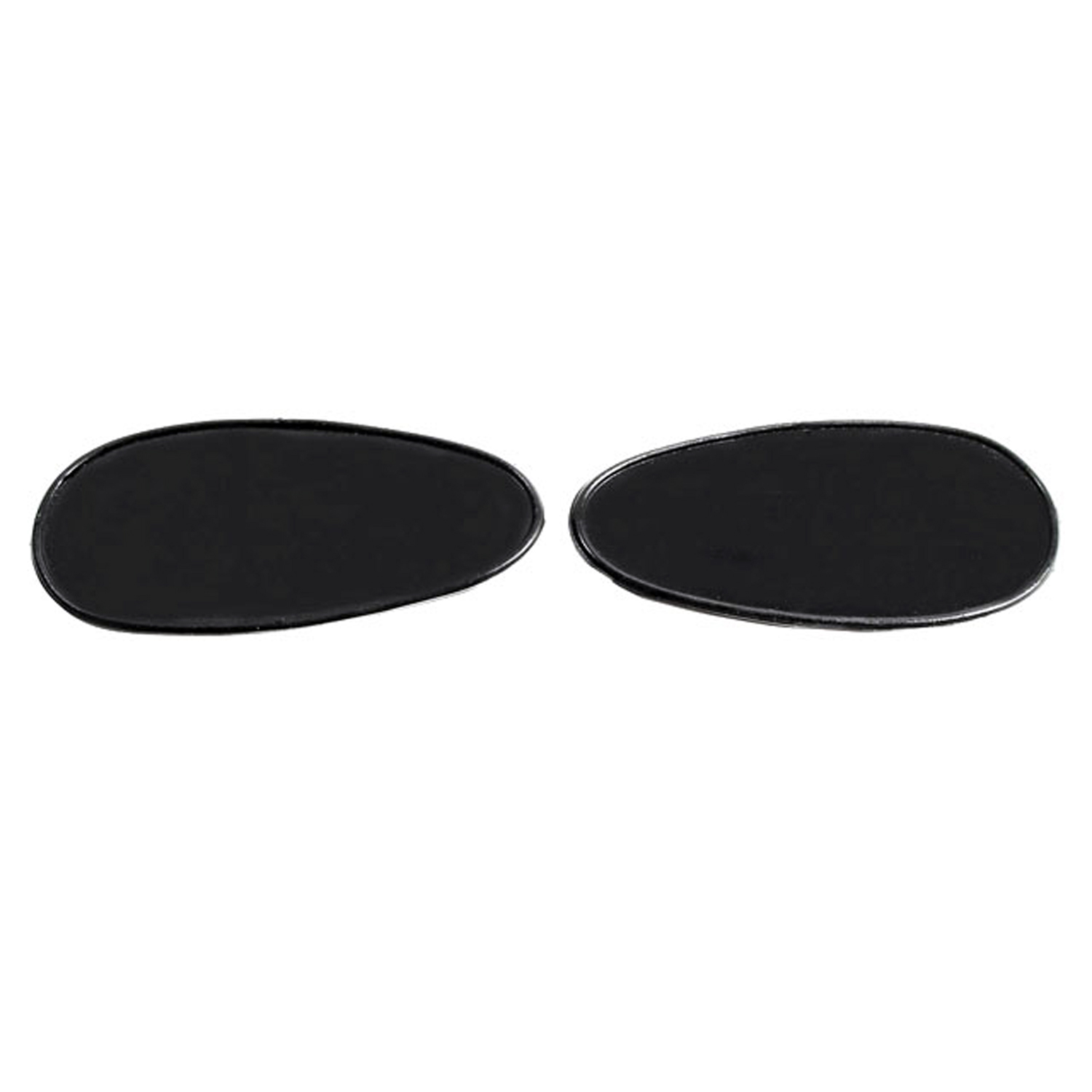 1938 Mercedes-Benz 170 V Tail-light Pads. 2-1/4" wide X 4-5/8" long. Pair-MP 823-BTail-light Pads. 2-1/4" wide X 4-5/8" long. Pair
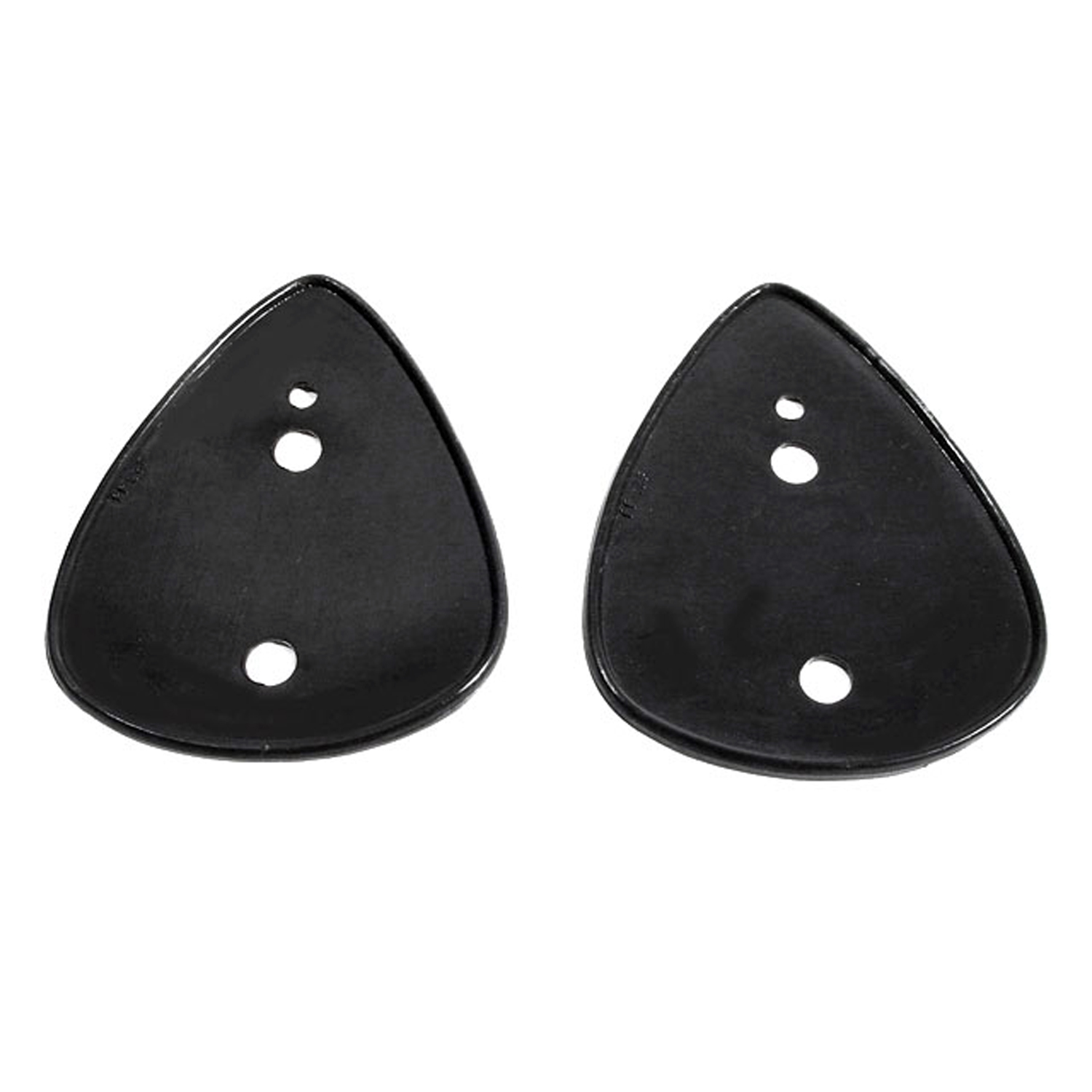 1938 Mercedes-Benz 170 V Park Light Pads. Made for the stamped fender light-MP 823-JJPark Light Pads. Made for the stamped fender light. 3-7/8" wide X 5-1/8" long. Pair
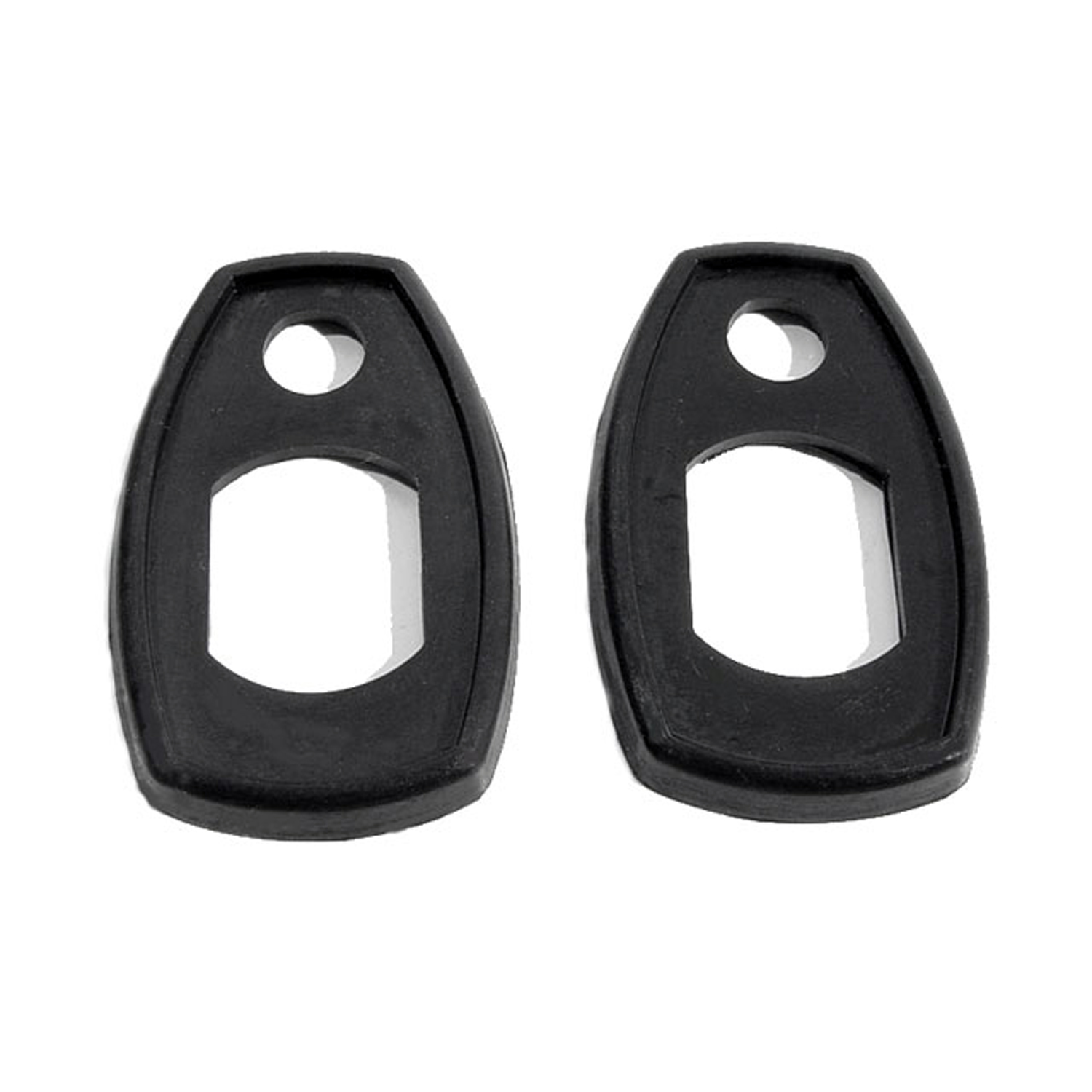 1938 Mercedes-Benz 170 V Door Handle Pads. 1-1/2" wide X 2-1/2" long. Pair-MP 823-NDoor Handle Pads. 1-1/2" wide X 2-1/2" long. Pair
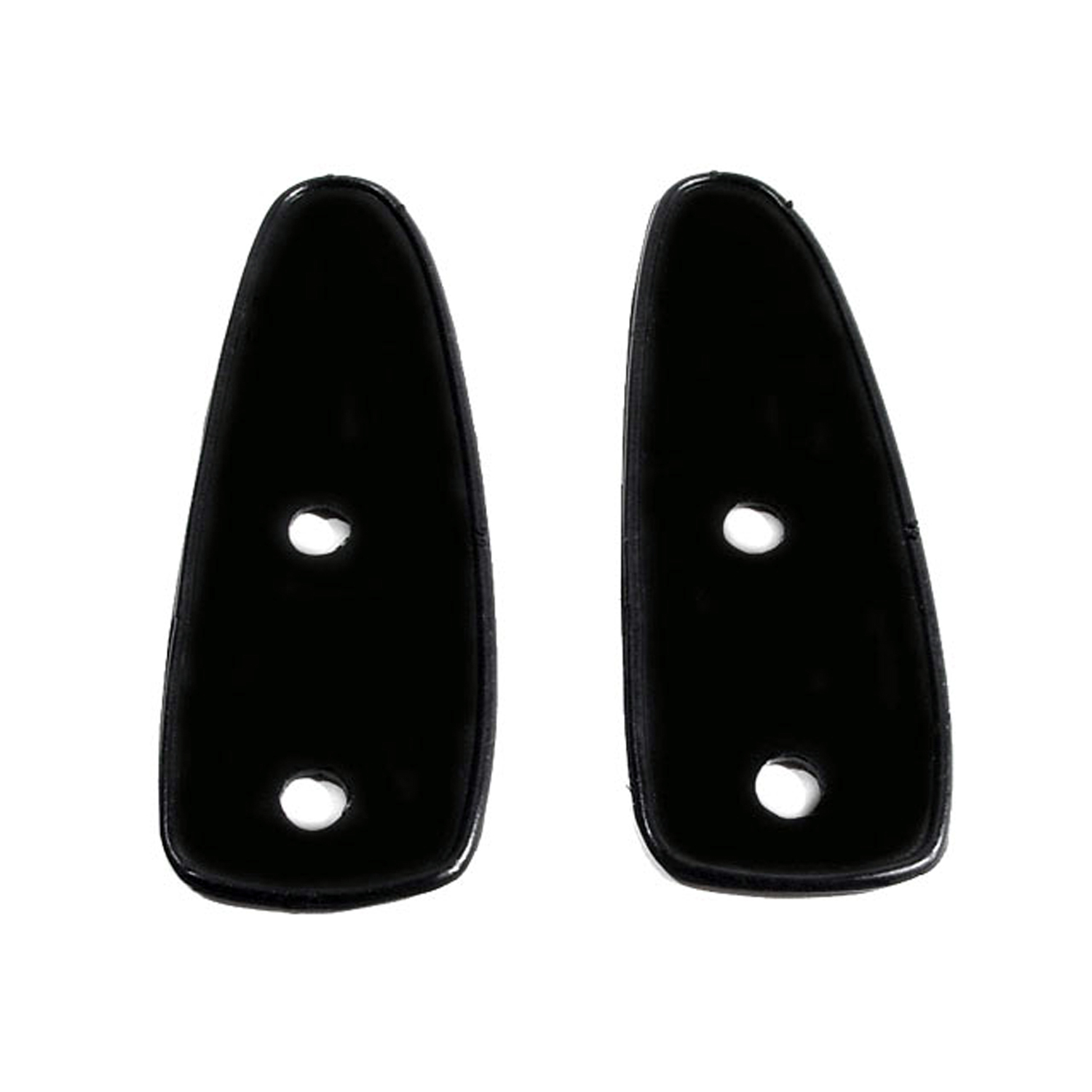 1938 Mercedes-Benz 170 V Park Light Pads. 2-1/4" wide X 6-1/8" long. Pair-MP 823-QPark Light Pads. 2-1/4" wide X 6-1/8" long. Pair
 1938 Mercedes-Benz 170 V Headlight Pads. 3-1/2" wide X 7-5/8" long. Pair-MP 824-PHeadlight Pads. 3-1/2" wide X 7-5/8" long. Pair
 1938 Mercedes-Benz 170 V Coupler to Engine Seal. 1-1/8" I.D., 2-3/4" O.D. Each-RP 15Coupler to Engine Seal. 1-1/8" I.D., 2-3/4" O.D. Each
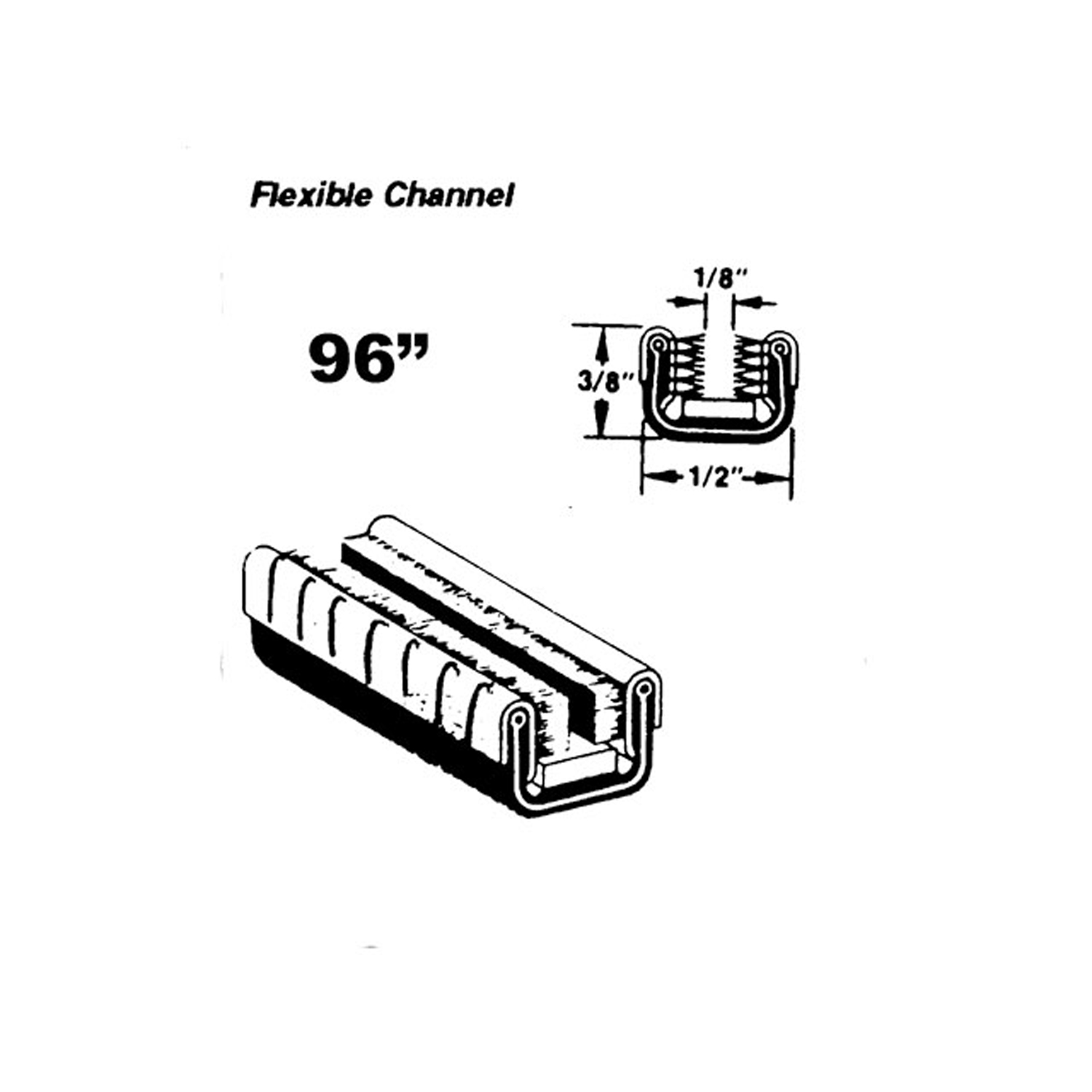 1938 Mercedes-Benz 170 V Flexible glass-run channel. Rubber covered and pile lined-WC 12-96Flexible glass-run channel. Rubber covered and pile lined. Unbeaded. 96 in. long. Each. NOTE: $20 special shipping charge applies for domestic orders. Call or email for overseas shipping costs. Part can be sectioned in two or three equal lengths to reduce overseas shipping costs.
Why Choose Metro?
For over 100 years, Metro Moulded Parts has been the pinnacle of quality in classic car restoration parts. Our commitment to precision and authenticity in every component ensures a perfect fit and an OEM-level appearance.
- Expert Craftsmanship & Quality: Each part is a testament to our dedication to reliability and perfection, crafted from original designs and thoroughly tested.
- Advanced Technology: We use cutting-edge techniques to create flawless, long-lasting parts that surpass others in performance.
- SuperSoft Sponge – The Ultimate Door Seal: Not only are our door seals 30% softer than competitors', but they're also guaranteed to never leak. They effectively reduce wind and road noise, enhancing your classic car's comfort and driving experience.
- Proudly American: Our parts are a product of American craftsmanship, made in the USA with a spirit of excellence and heritage.
- Unrivaled Warranty: We back our products with a 30-year industry-leading warranty, a testament to our confidence in their quality.
Join us in preserving the legacy of classic cars with parts that are crafted for perfection, not just made.