

Image of 1938 Mercedes-Benz 500k, Note: These illustrations use artistic license and may differ from actual historical models.
Performance Metrics
Fundamental Metrics
Emotional Appeal
MMP Rating
| Engine Specifications | |
|---|---|
| Engine: | Straight 8 |
| Displacement: | 5018 cc |
| Horsepower: | 100-160 hp |
| Torque: | Not available |
| Compression Ratio: | Not available |
| Ignition System: | Coil and distributor |
| Cooling System: | Water-cooled |
| Performance Specifications | |
| 0-60 Time: | Not available |
| 1/4 Mile Time: | Not available |
| Top Speed: | 160 km/h (99 mph) |
| Transmission and Drive | |
| Drive Type: | Rear-wheel drive |
| Transmission Type: | 4-speed manual |
| Fuel and Efficiency | |
| Fuel System Type: | Carburetor |
| MPG: | Not available |
| Dimensions and Brakes | |
| Brakes: | Hydraulic drum brakes |
| Wheelbase: | 129 inches |
| Weight: | 2,700 kg |
Note: Specifications for classic cars are given to the best of our ability, considering the limited and variant data available.
1938 Mercedes-Benz 500K: A Model-Year Correction
A Mercedes-Benz 500K does not just arrive in style; it arrives with the unmistakable whine of a supercharger and the presence of a grand touring car built for the top tier of prewar motoring. There is one important date detail, though: Mercedes-Benz had ended 500K production by 1936. A Mercedes-Benz built as a 500K in 1938 would almost certainly be a later 540K, its more powerful successor. This guide focuses on the 500K and explains where the 1938 date fits.
Introduced in 1934, the 500K was made by Mercedes-Benz at a time when the company was establishing itself as a maker of exceptionally sophisticated and expensive cars. Its name referred to its five-liter engine and the German word Kompressor, or supercharger. A particularly intriguing detail is that the engine was supercharged on demand: pressing the accelerator fully engaged the blower, adding power along with its unmistakable mechanical howl.
Long Bonnet, Bespoke Coachwork
The 500K’s proportions were designed to make a statement. A very long bonnet led to a tall, upright grille, while sweeping front fenders flowed back toward running boards and a generously sized rear body. Wire wheels, large headlamps and, on many versions, a rear-mounted spare completed the formal, carefully balanced look. The result was elegant rather than understated, with each coachbuilt body giving the car its own personality.
Inside, occupants found a richly finished cabin with substantial leather upholstery, polished wood trim and carefully detailed metal fittings. The seating and trim varied by body style and customer specification. These cars were built for comfort as well as display, with a commanding driving position and a broad instrument panel that put essential gauges within the driver’s view.
Mercedes-Benz offered a range of body styles, including cabriolets, coupes, touring cars and roadsters. The Sindelfingen coachworks produced many of the factory bodies, while the particularly glamorous Special Roadster became the most iconic version. Open cars such as the Cabriolet A and B offered different combinations of sporting appearance and passenger accommodation. Buyers could also order distinctive paint and trim combinations. Two-tone finishes were a popular way to emphasize the sweeping body lines, though there was no single signature color that defined every 500K.
Engineering Ahead of Its Time
Under the bonnet sits a 5,018cc overhead-cam straight-eight. In naturally aspirated form it produced about 100 horsepower; with the supercharger engaged, output rose to around 160 horsepower. The driver could cruise without the blower’s full effect, then call on the extra power when acceleration was needed. A four-speed transmission, rear-wheel drive, independent front suspension and hydraulic brakes gave the car a notably advanced mechanical package for its era.
The 500K combined this technology with the painstaking construction expected of a flagship Mercedes-Benz. Its supercharger was not a novelty added for show: it supplied a substantial boost in performance in a very large luxury car. The model helped strengthen the idea that a prestigious automobile could offer both long-distance comfort and serious pace, a formula that remains central to the luxury grand touring market.
Performance and the Supercharger’s Song
Performance varied with body style, equipment and vehicle condition. A 500K could reach roughly 160 km/h, or 100 mph, in suitable form. A precise factory 0-to-60-mph figure is not consistently documented, and comparisons with modern test results are imperfect. Period performance and the car’s considerable weight suggest an acceleration time in the high teens, roughly 18 to 20 seconds, rather than the rapid launches expected of a modern sports car.
On the road, the 500K feels substantial and deliberate. Its long wheelbase helps it settle into a steady pace on open roads, while the suspension offers a more composed ride than many cars of its age. It is not a nimble modern sports car: tight bends call for planning, and narrow roads make the car’s size and weight apparent. When the supercharger engages, the engine’s smooth straight-eight note gains a sharper whine, making the added thrust a sensory part of the drive as well as a mechanical one.
From Everyday Luxury to Show-Field Star
When new, the 500K was a luxury automobile for wealthy buyers, intended for touring, formal outings and private motoring rather than ordinary commuting. Today, most examples are carefully preserved collector cars, shown at concours events or driven selectively on tours and rallies. Their rarity, value and specialist mechanical needs make routine daily use impractical.
Maintenance calls for experienced hands. The supercharger, engine, transmission and period electrical equipment require specialist knowledge, and correct restoration parts can be difficult and expensive to source. A well-maintained example can be driven, but age, bespoke construction and mechanical complexity mean it is not an easy car for an average owner to repair. Buyers should prioritize provenance, quality of restoration and expert inspection over appearance alone.
1938 and the 540K Successor
The date confusion is understandable because the 540K followed the 500K and was in production during 1938. It retained the same general concept but used a larger 5,401cc engine, with supercharged output commonly quoted at about 180 horsepower. So a car described in a listing or conversation as a “1938 500K” deserves careful verification: it may be a 540K, or its date may refer to a later event in its history rather than its original production.
The 500K was a luxury car from a period of political upheaval in Germany, and its lavish presentation can be read as part of the era’s culture of wealth and prestige. It is not, however, best known for a particular racing record or mass-market sales milestone. Its enduring reputation comes from its engineering, coachwork and status as one of the most impressive German touring cars of the 1930s.
Collector Values and Rarity
Mercedes-Benz produced approximately 342 examples of the 500K across its production run, from 1934 to 1936. The total includes several body styles, so the number of any particular configuration is much smaller. Special Roadsters are especially scarce, with commonly cited production figures of around 29. Originality, documented history, matching components, body style and restoration quality all have a major effect on value.
As a broad estimate, a 500K in strong, documented condition could bring roughly $2 million to $6 million, while exceptional and highly desirable Special Roadsters may reach $5 million to more than $10 million. These are not fixed price brackets: auction results can vary sharply with provenance and condition. The market for top-tier prewar Mercedes-Benz cars has generally remained strong over the long term, though individual results fluctuate and restoration costs can be substantial. The 540K has its own market and should not be confused with the 500K when comparing prices.
A Prewar Mercedes-Benz at Full Stride
The 500K brought together a supercharged straight-eight, advanced chassis engineering and custom coachwork in a car built for drivers who wanted both comfort and performance. Its distinctive body styles, demanding ownership needs and very limited production have made it a lasting collector favorite. And for anyone encountering a car advertised as a 1938 500K, the first step is simple: check the model identification, because the genuine 1938 star of this story is likely a 540K.
1938 Mercedes-Benz 500k Catalog of Parts
 1938 Mercedes-Benz 500K Headlight Pads. 3-5/8" wide X 12" long. Pair R&L-MP 823-EHeadlight Pads. 3-5/8" wide X 12" long. Pair R&L
 1938 Mercedes-Benz 500K Headlight Pads. 5-3/8" wide X 7-3/8" long. Pair-MP 823-FHeadlight Pads. 5-3/8" wide X 7-3/8" long. Pair
 1938 Mercedes-Benz 500K Park Light Pads. 3-7/8" wide X 5-1/8" long. Pair-MP 823-JPark Light Pads. 3-7/8" wide X 5-1/8" long. Pair
 1938 Mercedes-Benz 500K Headlight Bar Pads. 2" wide X 4-3/4" long. Pair-MP 823-KHeadlight Bar Pads. 2" wide X 4-3/4" long. Pair
 1938 Mercedes-Benz 500K Trunk Hinge Pads. 1-5/8" wide X 12" long. Set-MP 823-PTrunk Hinge Pads. 1-5/8" wide X 12" long. Set
 1938 Mercedes-Benz 500K Coupler to Engine Seal. 1-1/8" I.D., 2-3/4" O.D. Each-RP 15Coupler to Engine Seal. 1-1/8" I.D., 2-3/4" O.D. Each
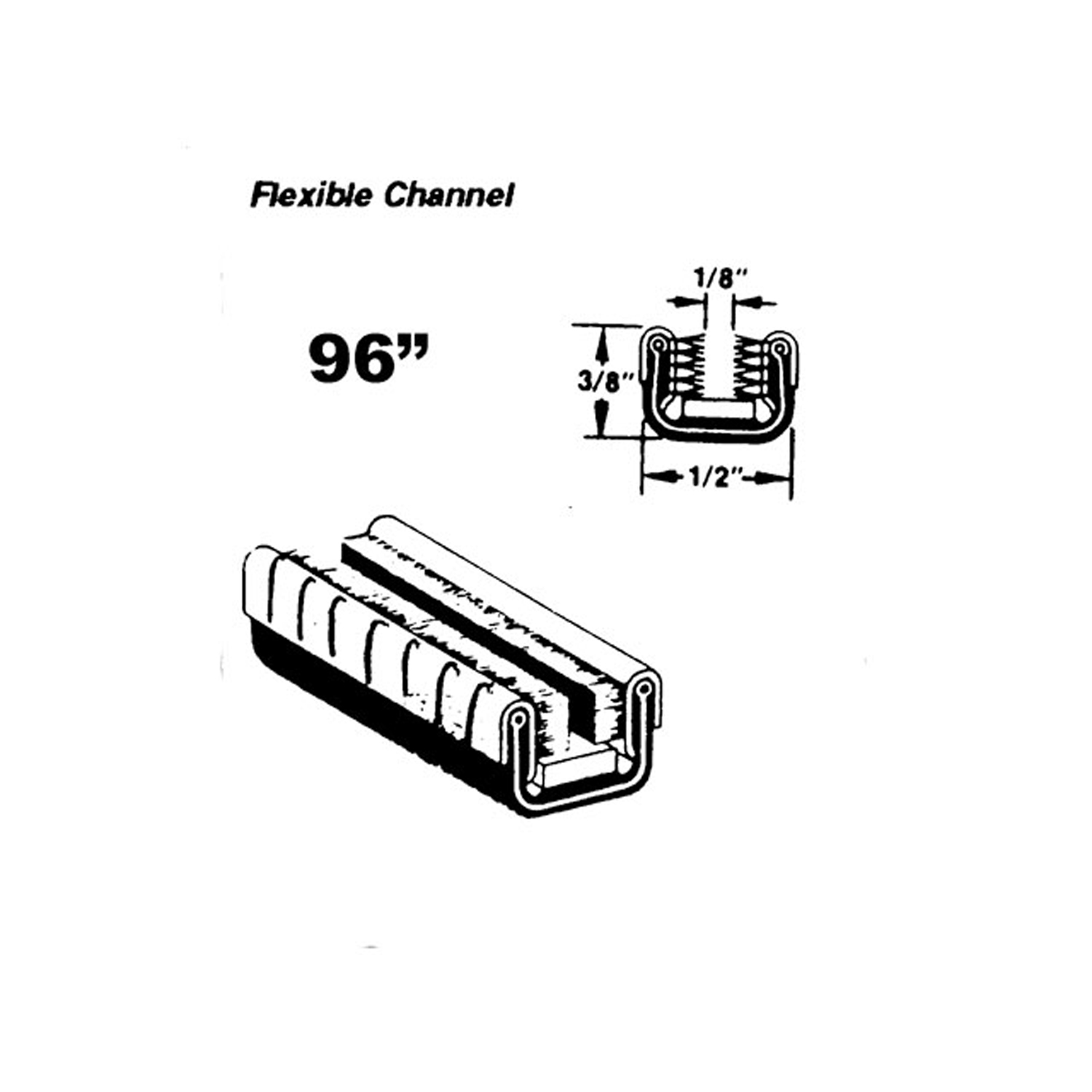 1938 Mercedes-Benz 500K Flexible glass-run channel. Rubber covered and pile lined-WC 12-96Flexible glass-run channel. Rubber covered and pile lined. Unbeaded. 96 in. long. Each. NOTE: $20 special shipping charge applies for domestic orders. Call or email for overseas shipping costs. Part can be sectioned in two or three equal lengths to reduce overseas shipping costs.
Why Choose Metro?
For over 100 years, Metro Moulded Parts has been the pinnacle of quality in classic car restoration parts. Our commitment to precision and authenticity in every component ensures a perfect fit and an OEM-level appearance.
- Expert Craftsmanship & Quality: Each part is a testament to our dedication to reliability and perfection, crafted from original designs and thoroughly tested.
- Advanced Technology: We use cutting-edge techniques to create flawless, long-lasting parts that surpass others in performance.
- SuperSoft Sponge – The Ultimate Door Seal: Not only are our door seals 30% softer than competitors', but they're also guaranteed to never leak. They effectively reduce wind and road noise, enhancing your classic car's comfort and driving experience.
- Proudly American: Our parts are a product of American craftsmanship, made in the USA with a spirit of excellence and heritage.
- Unrivaled Warranty: We back our products with a 30-year industry-leading warranty, a testament to our confidence in their quality.
Join us in preserving the legacy of classic cars with parts that are crafted for perfection, not just made.