

Image of 1938 Mercedes-Benz 540 K, Note: These illustrations use artistic license and may differ from actual historical models.
Performance Metrics
Fundamental Metrics
Emotional Appeal
MMP Rating
| Engine Specifications | |
|---|---|
| Engine: | Supercharged 5.4L Inline-8 |
| Displacement: | 5401 cc |
| Horsepower: | 115-180 HP |
| Torque: | Not available |
| Compression Ratio: | Not available |
| Ignition System: | Not available |
| Cooling System: | Water-cooled |
| Performance Specifications | |
| 0-60 Time: | Not available |
| 1/4 Mile Time: | Not available |
| Top Speed: | 105-110 mph |
| Transmission and Drive | |
| Drive Type: | Rear-wheel drive |
| Transmission Type: | 4-speed manual |
| Fuel and Efficiency | |
| Fuel System Type: | Carburetor |
| MPG: | Not available |
| Dimensions and Brakes | |
| Brakes: | Hydraulic drum brakes |
| Wheelbase: | 129.5 inches |
| Weight: | 5000 lbs |
Note: Specifications for classic cars are given to the best of our ability, considering the limited and variant data available.
1938 Mercedes-Benz 540 K: A Supercharged Grand-Touring Giant
The 1938 Mercedes-Benz 540 K did not whisper about its performance: when its supercharger engaged, a deep mechanical howl announced that this imposing luxury car had serious speed behind its elegant lines. Built by Mercedes-Benz in Germany, the 540 K was the flagship of the company’s prewar range, combining hand-finished coachwork, long-distance comfort, and advanced engineering in a car made for a very small circle of wealthy buyers.
The model arrived in 1936 as the successor to the 500 K, with a larger engine and stronger performance. Its name referred to the 5.4-liter engine and the German word “Kompressor,” or supercharger. By 1938, the 540 K belonged to a world increasingly shaped by fast new highways and powerful prestige cars. It was both a grand touring machine and a rolling showcase for Mercedes-Benz craftsmanship.
One especially intriguing 540 K variant was the streamlined Autobahn-Kurier coupe. Just two Autobahn-Kurier cars are generally reported across the 500 K and 540 K series, making the design an exceptionally rare expression of the era’s fascination with speed and aerodynamic styling.
Long Bonnet, Handcrafted Coachwork
The 540 K’s proportions make its purpose clear. A very long hood stretches ahead of the passenger cabin, while sweeping front fenders flow back toward the running boards and rear bodywork. The upright grille, large round headlamps, exposed wheels, and polished details give the car a formal presence without disguising its sporting character. A folding fabric roof on open models adds another dramatic line when lowered.
Mercedes-Benz’s Sindelfingen works produced the bodies, with a range of factory coachbuilt styles. Buyers could choose among roadsters, cabriolets, coupes, and formal touring and limousine bodies. The Cabriolet A and the rakish Special Roadster are among the best-known forms. The Special Roadster, with its low windshield, long tail, and carefully tailored open cockpit, has become the most iconic and valuable 540 K configuration.
Color was often selected to suit an individual order rather than a fixed mass-market palette. Deep black, dark blue, maroon, and other rich tones complemented the car’s formal character; two-tone finishes could emphasize the long fenders and sculpted bodywork. The exact paint and trim combinations varied by coachwork and customer specification.
Inside, the 540 K was built as a luxury car, not a stripped-down sports machine. Depending on the body style and order, the cabin could feature fine leather upholstery, polished wood trim, elegant instruments, and bright metal fittings. The seats and enclosed bodies offered generous comfort for touring, while open roadsters put the driver and passenger closer to the sights, sounds, and weather of the road.
Engineering for the Fast Road
At the heart of the 540 K was a 5,401 cc inline-eight. In naturally aspirated form it produced about 115 horsepower. Press the accelerator far enough and a mechanically driven Roots-type supercharger engaged, raising output to roughly 180 horsepower. The blower was intended for strong bursts of power rather than constant use, giving the car a distinctive change in character when called upon.
The car’s engineering reflected Mercedes-Benz’s high-end ambitions. It had independent suspension, hydraulic brakes, and a four-speed manual gearbox. The supercharger, large engine, and substantial chassis made the 540 K technologically impressive for a luxury car of its period, though the system also demanded knowledgeable servicing and careful maintenance.
There was no single standard appearance or specification for every 540 K. Body style, chassis configuration, equipment, and finish could vary, so surviving examples are best understood as individually built cars rather than identical products rolling off a modern-style assembly line.
A Landmark Among Prewar Luxury Cars
The 540 K stood apart from many contemporaries by pairing genuine high-speed ability with bespoke luxury. Its supercharged engine offered performance that few large touring cars could match, while its coachbuilt bodywork allowed buyers to choose a car tailored to their tastes. That combination helped define the prewar European “supercar” in its original sense: a technically ambitious, exceptionally expensive automobile built for speed and status.
Its influence is visible less in one specific styling cue than in the broader idea it embodied. The 540 K showed that a prestigious luxury car could be engineered for sustained high-speed travel, not merely ceremonial use. It also demonstrated the value of integrating advanced mechanical design with specialized coachbuilding, a formula that remains central to the appeal of many classic grand tourers.
The model’s history also reflects the complicated world in which it was built. Germany in the late 1930s was under Nazi rule, and elite automobiles could serve as symbols of wealth, power, and political standing. 540 Ks were acquired by affluent private customers and members of the political elite. The car’s engineering and design deserve attention, but its historical setting is part of its story too.
What It Feels Like on the Road
With the supercharger engaged, the 540 K could produce around 180 horsepower, and period specifications commonly put top speed near 105 mph. Exact figures varied with body style, gearing, condition, and equipment. A 0-to-60 mph time is less consistently documented; a reasonable period-car estimate for a heavy example is roughly 15 to 20 seconds, with lighter bodies likely quicker than formal closed cars.
Those numbers need context. The 540 K was a large luxury automobile, not a modern sports car, and its performance came with considerable mass. The engine delivers a smooth, deliberate pull, then a more urgent surge as the blower comes into play. Its sound is a layered mix of straight-eight smoothness and the distinctive whine of the supercharger under load.
Independent suspension helps the car cope with uneven roads, but its long wheelbase, weight, and prewar chassis design mean it does not feel like a contemporary performance car on tight, winding routes. On a fast, open road, it is in its element: composed, imposing, and built to cover distance. On rough surfaces, the driver must respect the car’s age, body style, tires, and condition rather than expecting modern isolation or grip.
Steering and controls require a more involved style of driving than a modern car. The 540 K rewards smooth inputs and anticipation. A well-maintained example can be a memorable touring experience, but it is a valuable historic machine that deserves a measured pace and an experienced driver.
Owning a 540 K Today
Today, the 540 K is primarily a collector car, museum piece, and concours or touring event entrant. Its size, value, rarity, and specialized mechanical systems make ordinary daily use impractical for most owners. A carefully prepared car can still take part in selected rallies and historic events, but every outing involves planning, expert support, and attention to preservation.
Maintenance is not a job for the average owner with a basic tool kit. The engine, supercharger, chassis, brakes, and coachwork require specialists familiar with prewar Mercedes-Benz cars. Parts can be difficult and expensive to source, and correct restoration may involve extensive research as well as skilled mechanical and bodywork. Reliability depends heavily on the quality of restoration and ongoing care; age alone does not make a car unreliable, but neglect and incorrect repairs can quickly become costly.
Common ownership challenges include maintaining the supercharger system, managing the cooling and lubrication needs of a large engine, and keeping the body and interior in authentic condition. A pre-purchase inspection by a marque expert is essential, along with verification of chassis and engine details, restoration history, and documentation.
Rare Details and Collector Appeal
Mercedes-Benz built approximately 419 examples of the 540 K between 1936 and 1939. That figure covers the model’s full production run, not just 1938, and the number of cars made in any one body style was much smaller. The most spectacular versions, especially Special Roadsters and rare streamlined coupes, are scarce even within that limited total.
The 540 K has no single production-car speed record that defines its legacy. Its significance rests instead on the combination of supercharged performance, hand-built luxury, and rarity. The Autobahn-Kurier is a particularly notable example of the era’s effort to make a high-speed car look as advanced as it felt.
A frequent criticism is that the 540 K is extremely expensive to buy and maintain, and its grand dimensions can make it less nimble than its sporting image suggests. It is also not a car for someone seeking effortless, everyday usability. Those limitations are real, but they are part of the trade-off for owning a complex, coachbuilt machine from the final years before World War II transformed the automotive world.
Values, Rarity, and Market Outlook
Prices depend enormously on body style, originality, restoration quality, provenance, and documentation. As a broad guide, a standard-bodied 540 K in strong condition might fall somewhere around $1.5 million to $5 million. Exceptional examples and particularly desirable coachwork can command more, while a celebrated Special Roadster may reach roughly $10 million to $15 million or beyond. These are estimates rather than fixed price bands; individual auction results can vary sharply.
One notable benchmark is the 1937 Mercedes-Benz 540 K Special Roadster sold at auction for $11.77 million in 2016. It illustrates how far the most desirable versions can rise above the value of a more conventional body style. A 1938 car’s exact value still depends on its individual history and specification.
With only about 419 540 Ks built in total, the model is exceptionally rare, and examples rarely appear on the open market. The finest cars have generally retained strong collector appeal over time, though individual prices can fluctuate with the wider market and the condition of each car. Provenance, originality, and a high-quality restoration remain crucial to long-term value.
Why the 1938 540 K Still Matters
The 1938 Mercedes-Benz 540 K brought together a supercharged straight-eight, advanced-for-its-time chassis engineering, and bespoke bodywork in one unforgettable package. It was fast for a large luxury car, beautifully finished, and produced in numbers so small that every surviving example carries an individual story.
More than a prestigious prewar automobile, the 540 K is a vivid reminder of a moment when engineering ambition and coachbuilt elegance shared the same road. Its long hood and rising supercharger note still announce what it was built to be: one of the great grand-touring machines of its age.
1938 Mercedes-Benz 540 K Catalog of Parts
 1938 Mercedes-Benz 540 K Headlight Pads. 3-5/8" wide X 12" long. Pair R&L-MP 823-EHeadlight Pads. 3-5/8" wide X 12" long. Pair R&L
 1938 Mercedes-Benz 540 K Headlight Pads. 5-3/8" wide X 7-3/8" long. Pair-MP 823-FHeadlight Pads. 5-3/8" wide X 7-3/8" long. Pair
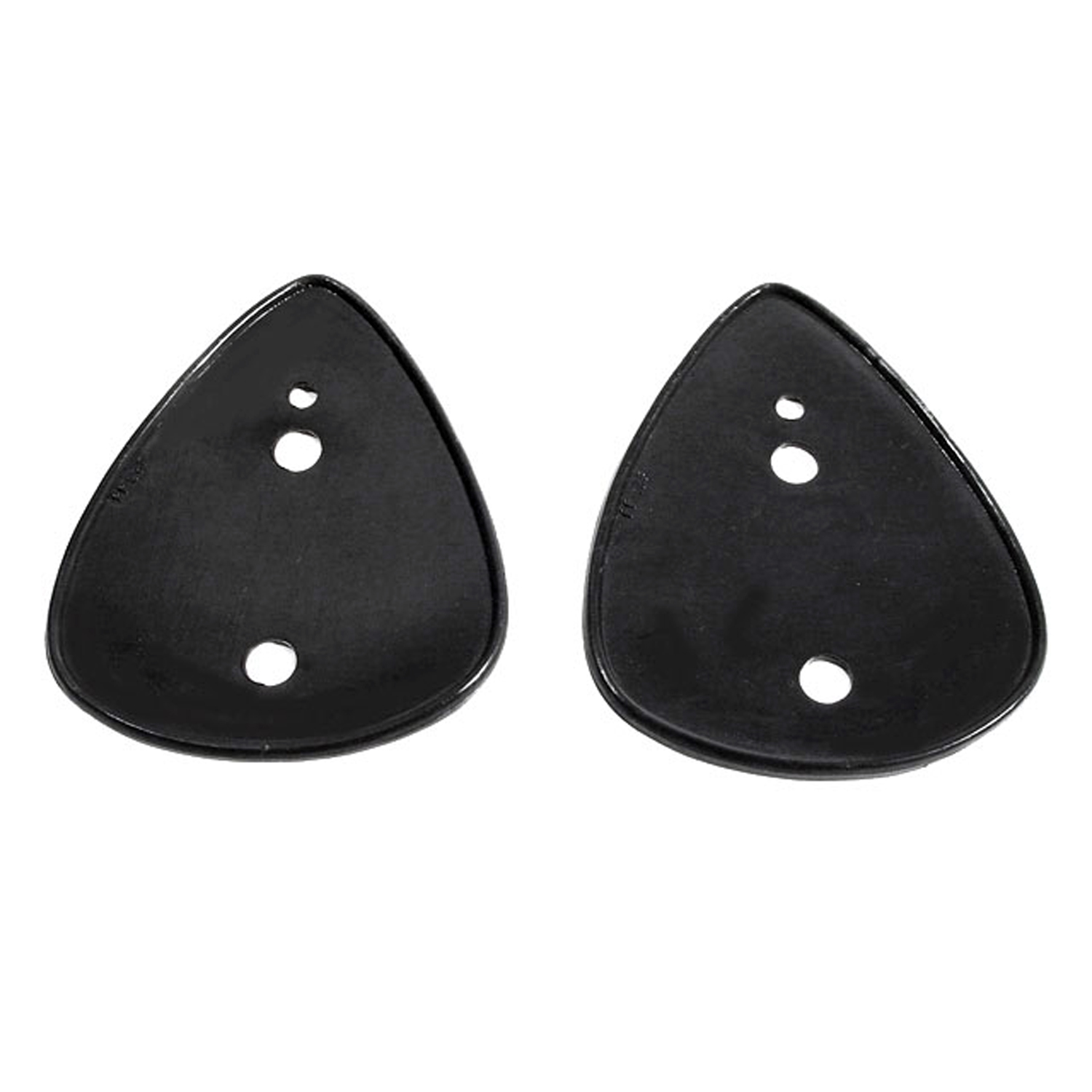 1938 Mercedes-Benz 540 K Park Light Pads. Made for the stamped fender light-MP 823-JJPark Light Pads. Made for the stamped fender light. 3-7/8" wide X 5-1/8" long. Pair
 1938 Mercedes-Benz 540 K Headlight Bar Pads. 2" wide X 4-3/4" long. Pair-MP 823-KHeadlight Bar Pads. 2" wide X 4-3/4" long. Pair
 1938 Mercedes-Benz 540 K Trunk Hinge Pads. 1-5/8" wide X 12" long. Set-MP 823-PTrunk Hinge Pads. 1-5/8" wide X 12" long. Set
 1938 Mercedes-Benz 540 K Coupler to Engine Seal. 1-1/8" I.D., 2-3/4" O.D. Each-RP 15Coupler to Engine Seal. 1-1/8" I.D., 2-3/4" O.D. Each
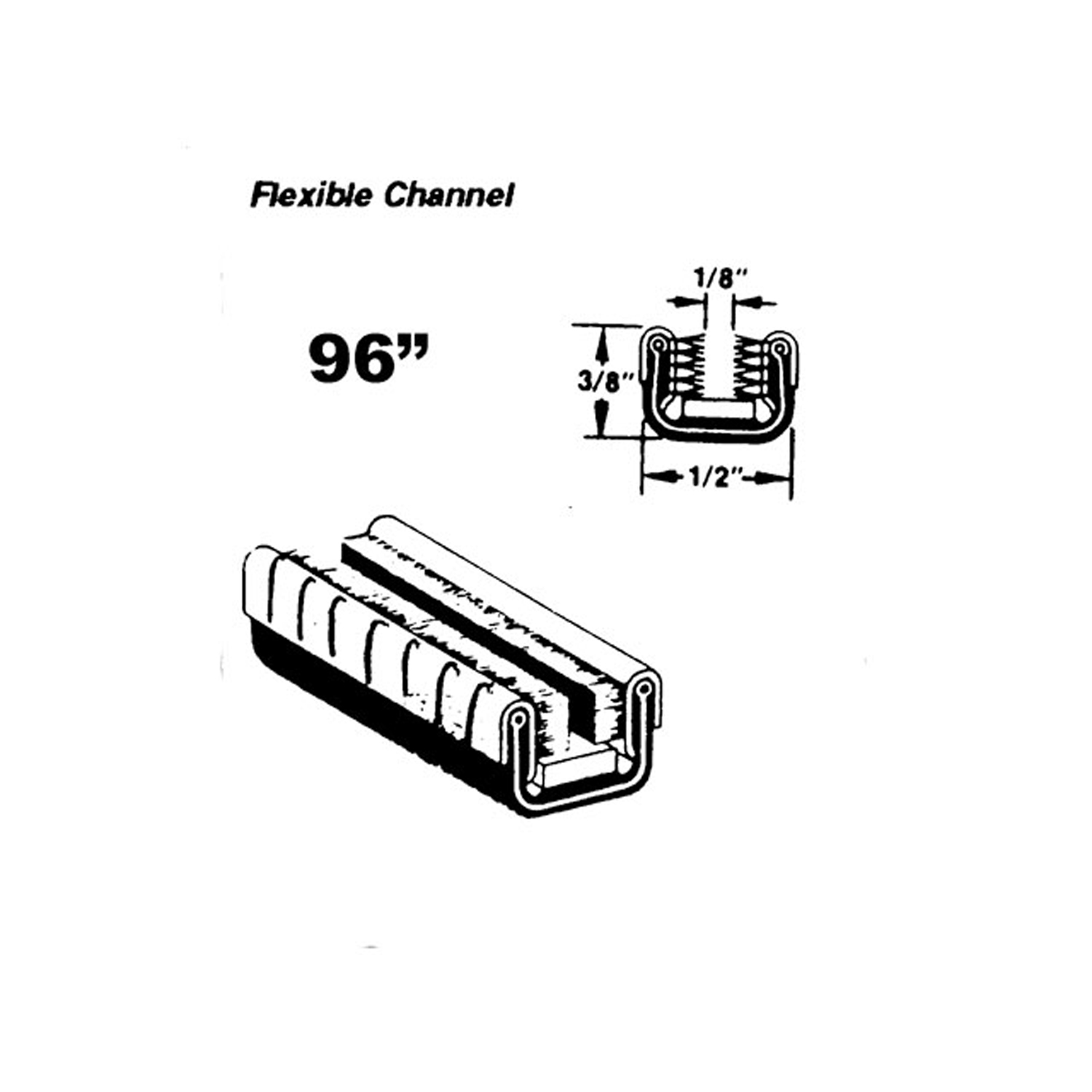 1938 Mercedes-Benz 540 K Flexible glass-run channel. Rubber covered and pile lined-WC 12-96Flexible glass-run channel. Rubber covered and pile lined. Unbeaded. 96 in. long. Each. NOTE: $20 special shipping charge applies for domestic orders. Call or email for overseas shipping costs. Part can be sectioned in two or three equal lengths to reduce overseas shipping costs.
Why Choose Metro?
For over 100 years, Metro Moulded Parts has been the pinnacle of quality in classic car restoration parts. Our commitment to precision and authenticity in every component ensures a perfect fit and an OEM-level appearance.
- Expert Craftsmanship & Quality: Each part is a testament to our dedication to reliability and perfection, crafted from original designs and thoroughly tested.
- Advanced Technology: We use cutting-edge techniques to create flawless, long-lasting parts that surpass others in performance.
- SuperSoft Sponge – The Ultimate Door Seal: Not only are our door seals 30% softer than competitors', but they're also guaranteed to never leak. They effectively reduce wind and road noise, enhancing your classic car's comfort and driving experience.
- Proudly American: Our parts are a product of American craftsmanship, made in the USA with a spirit of excellence and heritage.
- Unrivaled Warranty: We back our products with a 30-year industry-leading warranty, a testament to our confidence in their quality.
Join us in preserving the legacy of classic cars with parts that are crafted for perfection, not just made.