

Image of 1939 Mercedes-Benz 170 V, Note: These illustrations use artistic license and may differ from actual historical models.
Performance Metrics
Fundamental Metrics
Emotional Appeal
MMP Rating
| Engine Specifications | |
|---|---|
| Engine: | Inline 4 |
| Displacement: | 1.7L (1697 cc) |
| Horsepower: | 38 HP |
| Torque: | Estimated at around 73 lb-ft |
| Compression Ratio: | 6.0:1 |
| Ignition System: | Battery Ignition |
| Cooling System: | Water-cooled |
| Performance Specifications | |
| 0-60 Time: | Information not available |
| 1/4 Mile Time: | Information not available |
| Top Speed: | 68 mph |
| Transmission and Drive | |
| Drive Type: | Rear-wheel drive |
| Transmission Type: | 4-speed manual |
| Fuel and Efficiency | |
| Fuel System Type: | Carburetor |
| MPG: | Information not available |
| Dimensions and Brakes | |
| Brakes: | Drum brakes |
| Wheelbase: | 112.2 inches |
| Weight: | 2,425 lbs |
Note: Specifications for classic cars are given to the best of our ability, considering the limited and variant data available.
1939 Mercedes-Benz 170 V: A Small Mercedes with a Big Legacy
The 1939 Mercedes-Benz 170 V brought the engineering and craftsmanship of a luxury marque to a practical, relatively compact family car. Built by Daimler-Benz in Germany, it belonged to the W136 model series, introduced in 1936. Its name reflected its approximate 1.7-liter engine size, while the “V” stood for Vorne, German for “front,” distinguishing it from the rear-engined 170 H.
The 170 V arrived during a turbulent period in Europe, but it quickly became one of Mercedes-Benz’s most successful prewar passenger cars. Its blend of independent suspension, solid construction, and manageable dimensions made it a modern alternative to many larger, more traditional cars. A notable chapter in its story came after World War II: Mercedes-Benz returned to passenger-car production with the 170 V in 1946, putting the prewar design back to work in a changed world.
Streamlined Style and Cabin Craft
The 170 V has a distinctly prewar silhouette: a tall, upright radiator grille leads into a long hood, with separate rounded front fenders flowing back toward a compact passenger cabin. Headlamps sit prominently on the front wings, and the curved roofline gives the saloon a formal, almost coachbuilt appearance. Its proportions are graceful rather than flashy, with restrained trim that lets the shape do most of the talking.
Inside, the cabin was made to feel durable and well finished. Depending on body style and specification, owners could find cloth or leather upholstery, polished wood trim, a broad metal dashboard, and clear, generously sized instruments. It was not a modern car by today’s standards, but its materials and careful detailing reflected Mercedes-Benz’s premium positioning. The seating is upright, and the large windows give the driver a useful view of the road.
Factory paint choices varied by market, bodywork, and customer order, so there is no single definitive palette for every 1939 example. Black was a familiar, formal choice, while dark blue, gray, green, and other subdued shades suited the car’s restrained character. Today, surviving cars may also wear colors selected during later restorations, so original paint evidence is especially valuable to collectors.
Body Styles and Useful Variants
The four-door saloon is the most recognizable and practical 170 V body style. Mercedes also offered open and convertible versions, including the Cabriolet A, generally a two-seat design, and the roomier Cabriolet B, which accommodated more passengers. Open tourer and commercial forms were available as well, with utility bodies such as delivery vans and ambulance conversions adding to the model’s working life.
The saloon is often the most approachable version for someone interested in owning a 170 V. Cabriolets are more eye-catching and substantially rarer, and their complex tops and coachwork can make restoration more demanding. Exact body availability and details could differ by year and market, so a car’s chassis records and original documentation matter when confirming its specification.
Engineering Ahead of the Everyday
The 170 V’s most important engineering feature was its four-wheel independent suspension, an advanced arrangement for a family car of the period. The front wheels used a double-wishbone layout, while the rear used swing axles. This gave the car a more composed ride than the rigid-axle designs common among many contemporaries. Hydraulic brakes and a sturdy frame added to its practical credentials.
Power came from Mercedes-Benz’s M136 inline-four, displacing about 1,697 cc and producing approximately 38 metric horsepower in the prewar specification. A four-speed manual gearbox sent power to the rear wheels. The combination was not designed for speed, but it offered useful flexibility and helped make the 170 V a credible everyday car in its era.
What set the model apart was its balance. It was smaller and less costly to run than a large luxury Mercedes, yet it retained the marque’s attention to chassis engineering and build quality. The 170 V helped establish the idea that thoughtful suspension design and premium construction did not have to be reserved for the biggest cars.
Road Manners, Speed, and Driving Feel
Period figures commonly put the 170 V’s top speed at roughly 108 km/h, or about 67 mph, depending on body style, condition, and gearing. A precise factory 0-to-60 mph figure is not consistently documented. Given the modest power and the car’s weight, a modern estimate would be around 30 to 35 seconds, but that should be treated as an approximation rather than a verified period specification.
On a smooth road, the independent suspension gives the 170 V a more settled feel than its upright appearance might suggest. It can absorb ordinary bumps with a supple, gently floating motion, although worn suspension components can make a surviving car feel loose or unsettled. On winding roads, the steering is deliberate and the body leans more than a modern driver may expect. The swing-axle rear suspension also rewards smooth inputs, especially on uneven corners. It is best driven with care, not hustled like a sports car.
The engine produces a steady, mechanical four-cylinder note rather than a dramatic exhaust roar. The manual gearbox, tall seating position, and relatively direct controls keep the driver closely involved. At cruising speed, the car feels purposeful but unhurried. Its pleasure lies in the tactile pace of driving, the view over the long hood, and the sense of operating a carefully engineered machine from another era.
Owning and Maintaining a 170 V
Today, a 1939 170 V is most often used as a show car, touring car, or occasional weekend driver. A well-maintained example can handle scenic drives and classic-car events, but regular modern commuting is rarely its best role. Traffic speeds, limited crash protection, and the age of the mechanical systems all call for a cautious approach.
The engine and basic mechanical systems are relatively straightforward compared with those of later luxury cars, and experienced classic Mercedes specialists can service them. That does not necessarily make the car easy for an average owner to repair. Parts availability varies, body and trim pieces can be difficult to source, and convertible-top or coachwork repairs can become expensive. Rust, past accident damage, tired suspension, and incomplete restorations deserve close inspection before purchase.
Reliability depends heavily on the quality of the restoration and the care it has received since. A car that has been driven regularly and maintained correctly may be more satisfying than a neglected example that looks shiny in photographs. For prospective owners, an inspection by a specialist familiar with prewar Mercedes-Benz models is money well spent.
Prewar History and Curious Details
The 170 V was a major sales success for Mercedes-Benz before the war, with production across the prewar model run reaching about 71,973 cars from 1936 to 1942. That total covers the broader prewar 170 V production, not just 1939 cars. A dependable, widely published production figure for the 1939 model year alone is difficult to establish, so claims about the exact number built that year should be treated cautiously.
As the war approached and then began, civilian production was increasingly affected by Germany’s changing industrial priorities. Some 170 V-based vehicles served practical and official roles, including utility and medical work. After the war, the model’s return to production became a symbol of Mercedes-Benz’s effort to rebuild its passenger-car business. The familiar prewar design was adapted to postwar needs rather than discarded outright.
The 170 V is not known for setting headline speed records or for a major racing career. Its significance is more grounded: it brought modern suspension and respectable refinement to a useful, mass-produced Mercedes. Common criticisms include modest acceleration, a firm or vague feel when components are worn, and the challenge of sourcing correct parts for rare body styles. Its measured pace is part of its character, but it will not suit buyers seeking vintage performance.
Collector Values and Market Outlook
Values vary widely with body style, condition, originality, restoration quality, and documentation. As a broad current-market estimate, a project or incomplete saloon might fall around US$10,000 to US$25,000. A sound, usable saloon could be roughly US$25,000 to US$60,000, while an excellent, correctly restored example may reach about US$60,000 to US$90,000 or more. Rare Cabriolet versions can command substantially higher prices, with exceptional cars potentially reaching US$100,000 to US$250,000 or beyond.
These are broad estimates, not guaranteed sale prices. The best examples are uncommon, and restoration costs can exceed the value of an average saloon. The overall 170 V production figure suggests the model was not a one-off rarity, but surviving 1939 cars in highly original condition, as well as desirable open bodies, are much harder to find. No reliable figure is available for how many 1939 examples survive today.
Well-restored, documented cars have generally attracted stronger collector interest than ordinary sedans, particularly when the body style is rare and the restoration is faithful. The market is selective: originality, mechanical condition, and quality of workmanship matter more than simply having a polished finish. In real terms, values can vary with the broader classic-car market, and ownership costs should be part of any buying decision.
Why the 1939 Mercedes-Benz 170 V Still Matters
The 1939 Mercedes-Benz 170 V combined an elegant prewar shape with practical engineering, including four-wheel independent suspension and hydraulic brakes. It was not fast, but it offered a refined, carefully built alternative to ordinary family cars and helped carry Mercedes-Benz through one of the most difficult periods in the company’s history.
More than a handsome old saloon, the 170 V is a reminder that lasting automotive significance often comes from getting the fundamentals right. Its design, durability, and postwar comeback make it a compelling classic: a car that moves at its own pace, yet still tells a remarkable story.
1939 Mercedes-Benz 170 V Catalog of Parts
 1939 Mercedes-Benz 170 V Hood Corners. 2 Front and 2 Rear Corners. 4-Piece Set-HC 26Hood Corners. 2 Front and 2 Rear Corners. 4-Piece Set
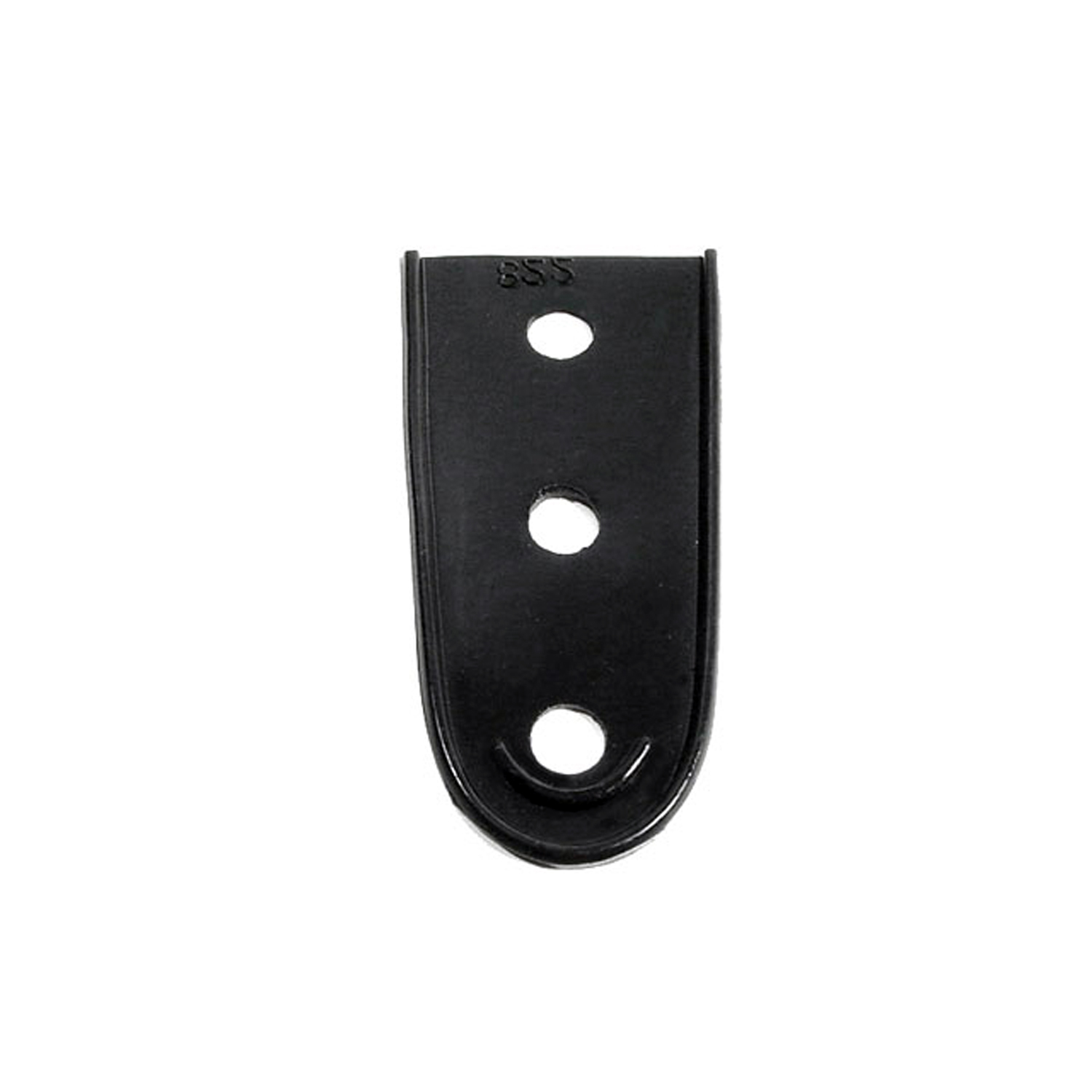 1939 Mercedes-Benz 170 V Trunk Lower Hinge Pad. 2-1/8" wide X 4-1/4" long. Each-MP 822Trunk Lower Hinge Pad. 2-1/8" wide X 4-1/4" long. Each
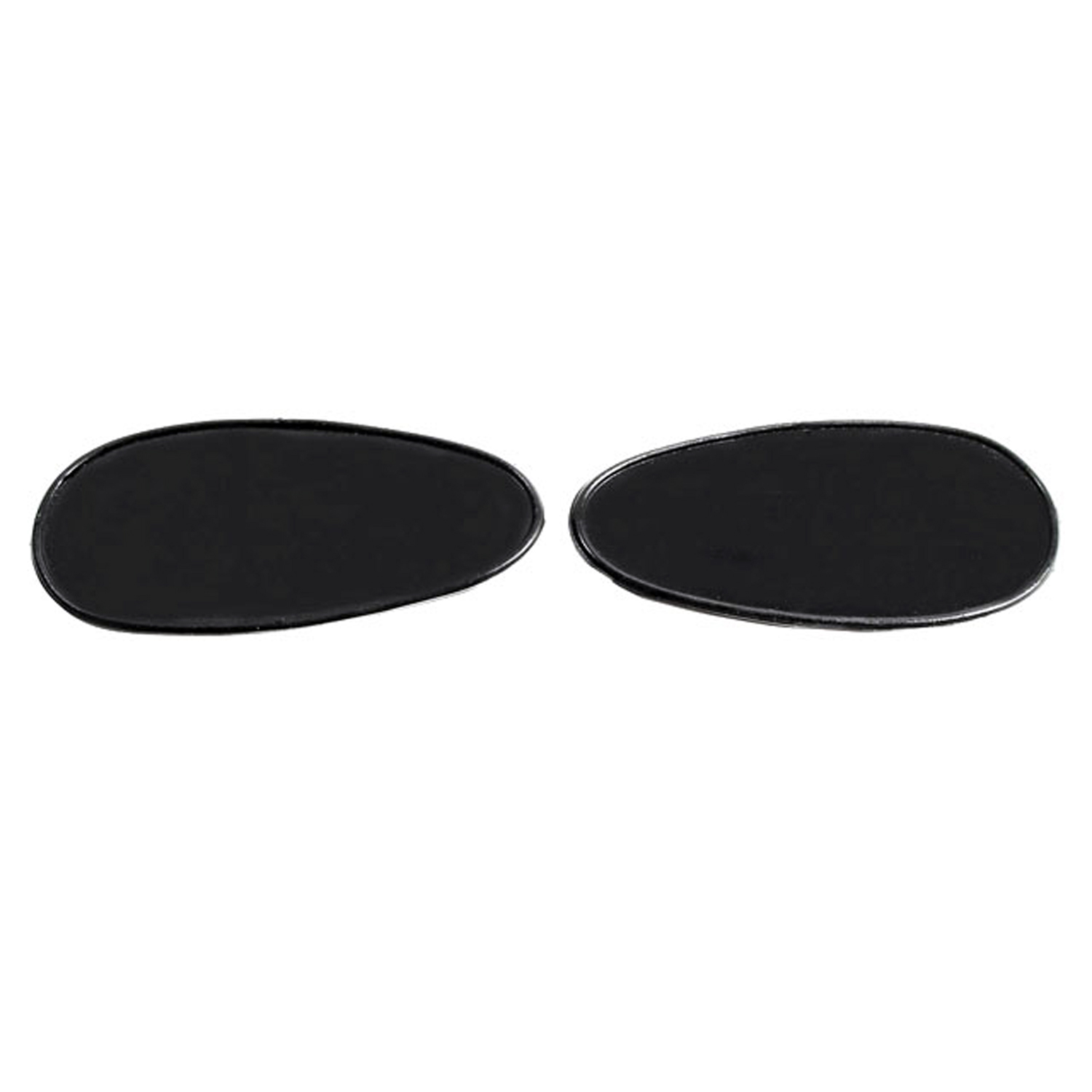 1939 Mercedes-Benz 170 V Tail-light Pads. 2-1/4" wide X 4-5/8" long. Pair-MP 823-BTail-light Pads. 2-1/4" wide X 4-5/8" long. Pair
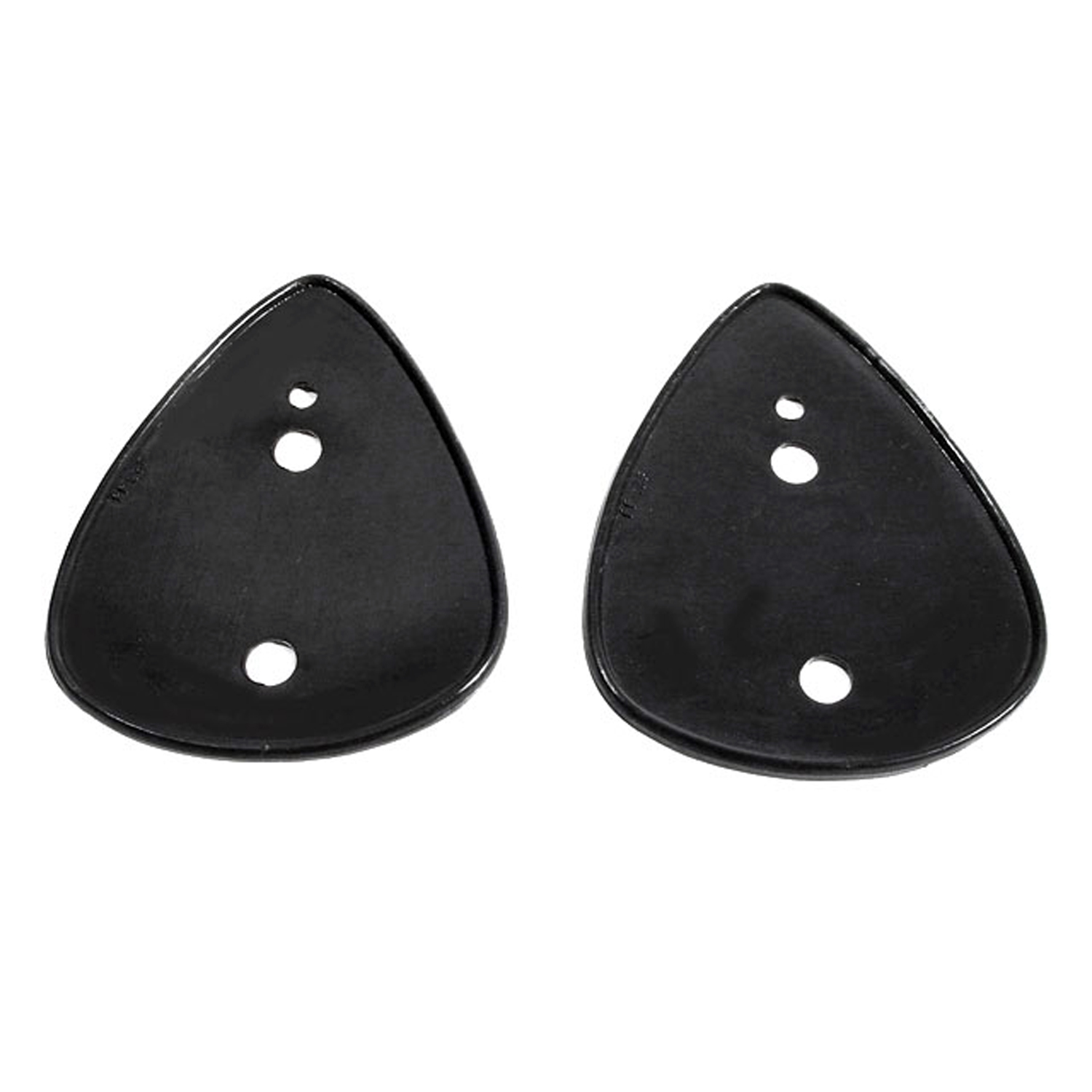 1939 Mercedes-Benz 170 V Park Light Pads. Made for the stamped fender light-MP 823-JJPark Light Pads. Made for the stamped fender light. 3-7/8" wide X 5-1/8" long. Pair
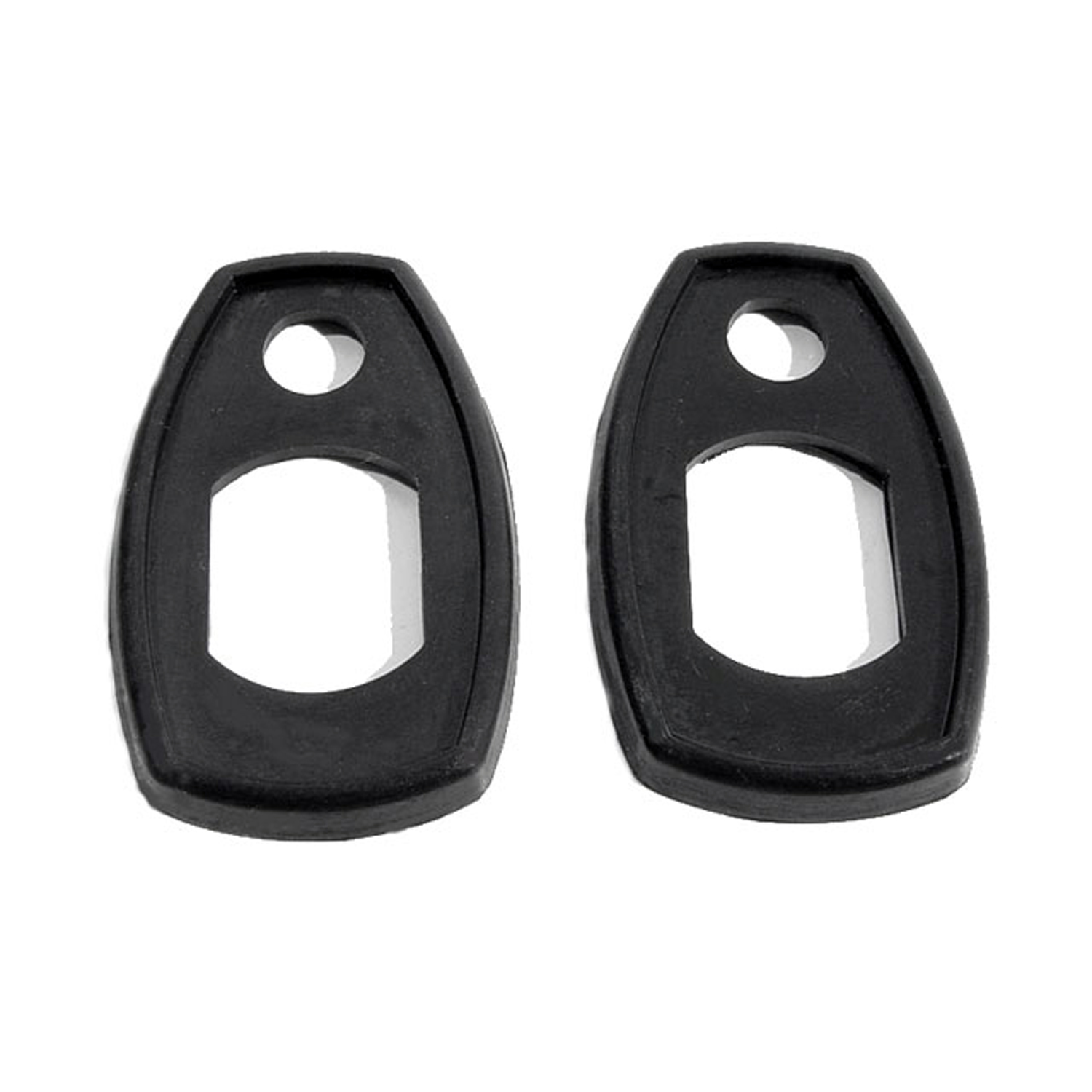 1939 Mercedes-Benz 170 V Door Handle Pads. 1-1/2" wide X 2-1/2" long. Pair-MP 823-NDoor Handle Pads. 1-1/2" wide X 2-1/2" long. Pair
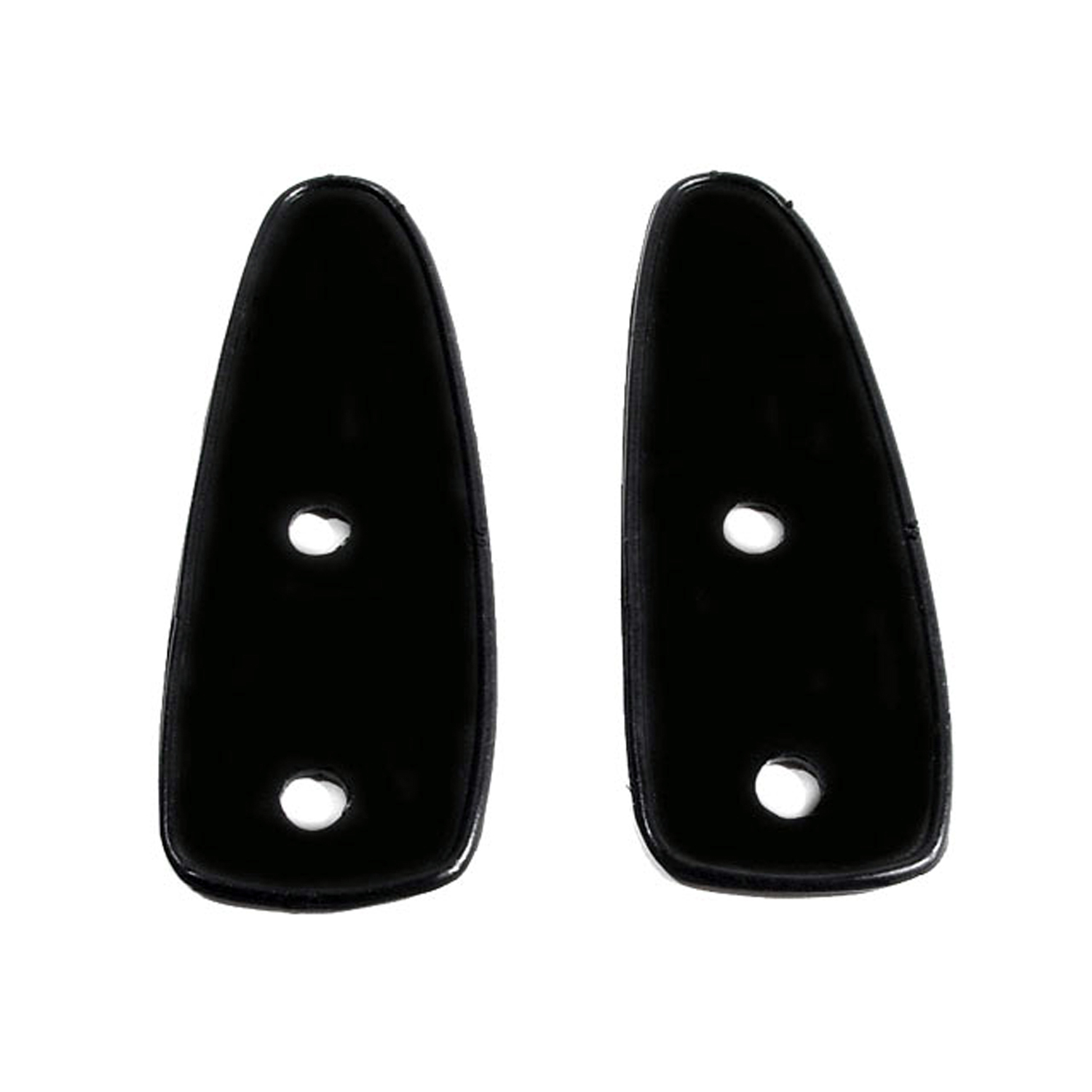 1939 Mercedes-Benz 170 V Park Light Pads. 2-1/4" wide X 6-1/8" long. Pair-MP 823-QPark Light Pads. 2-1/4" wide X 6-1/8" long. Pair
 1939 Mercedes-Benz 170 V Headlight Pads. 3-1/2" wide X 7-5/8" long. Pair-MP 824-PHeadlight Pads. 3-1/2" wide X 7-5/8" long. Pair
 1939 Mercedes-Benz 170 V Coupler to Engine Seal. 1-1/8" I.D., 2-3/4" O.D. Each-RP 15Coupler to Engine Seal. 1-1/8" I.D., 2-3/4" O.D. Each
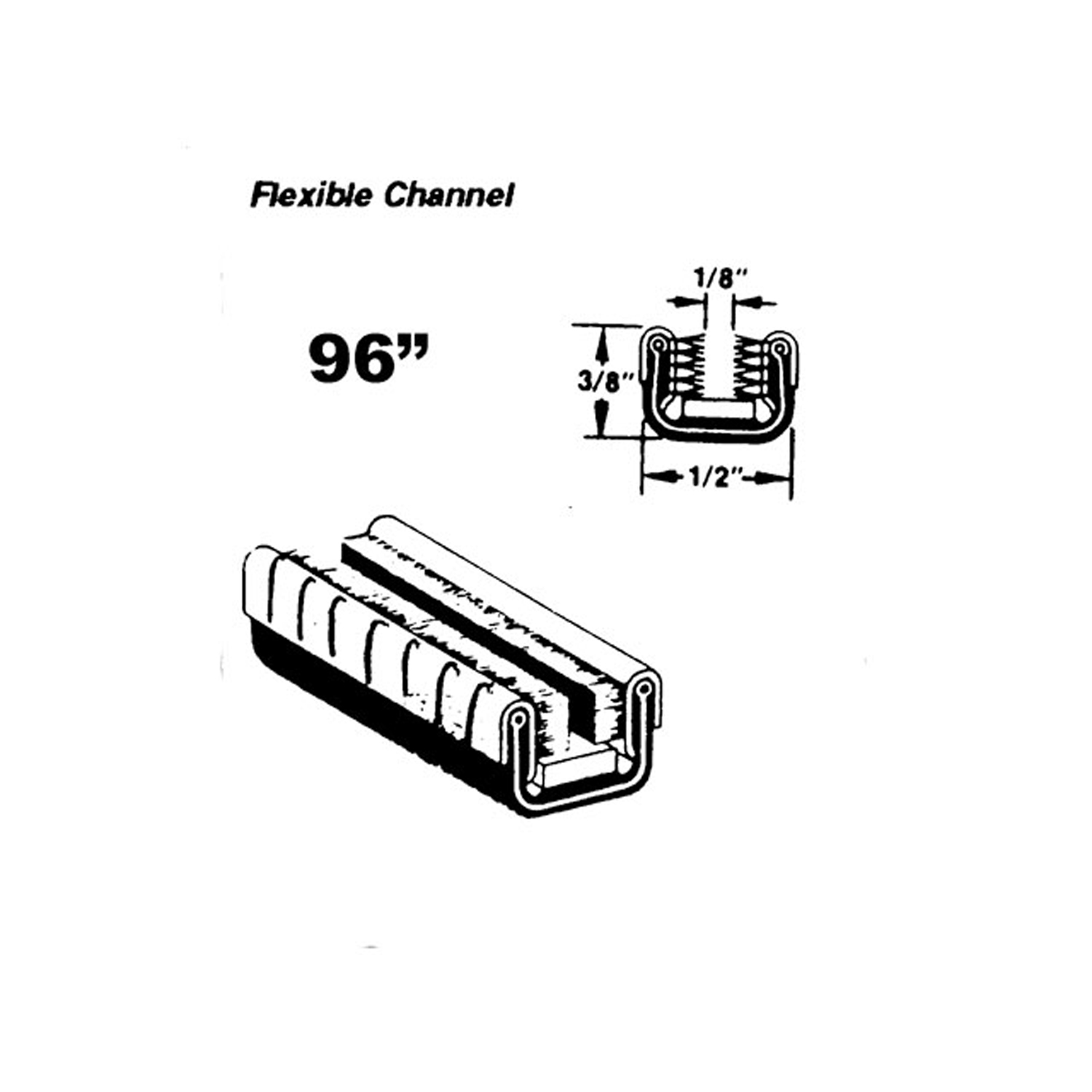 1939 Mercedes-Benz 170 V Flexible glass-run channel. Rubber covered and pile lined-WC 12-96Flexible glass-run channel. Rubber covered and pile lined. Unbeaded. 96 in. long. Each. NOTE: $20 special shipping charge applies for domestic orders. Call or email for overseas shipping costs. Part can be sectioned in two or three equal lengths to reduce overseas shipping costs.
Why Choose Metro?
For over 100 years, Metro Moulded Parts has been the pinnacle of quality in classic car restoration parts. Our commitment to precision and authenticity in every component ensures a perfect fit and an OEM-level appearance.
- Expert Craftsmanship & Quality: Each part is a testament to our dedication to reliability and perfection, crafted from original designs and thoroughly tested.
- Advanced Technology: We use cutting-edge techniques to create flawless, long-lasting parts that surpass others in performance.
- SuperSoft Sponge – The Ultimate Door Seal: Not only are our door seals 30% softer than competitors', but they're also guaranteed to never leak. They effectively reduce wind and road noise, enhancing your classic car's comfort and driving experience.
- Proudly American: Our parts are a product of American craftsmanship, made in the USA with a spirit of excellence and heritage.
- Unrivaled Warranty: We back our products with a 30-year industry-leading warranty, a testament to our confidence in their quality.
Join us in preserving the legacy of classic cars with parts that are crafted for perfection, not just made.