

Image of 1939 Mercedes-Benz 320, Note: These illustrations use artistic license and may differ from actual historical models.
Performance Metrics
Fundamental Metrics
Emotional Appeal
MMP Rating
| Engine Specifications | |
|---|---|
| Engine: | Inline 6 |
| Displacement: | 3.4 L |
| Horsepower: | Estimated 78-85 hp |
| Torque: | Not available |
| Compression Ratio: | Not available |
| Ignition System: | Distributor ignition |
| Cooling System: | Water-cooled |
| Performance Specifications | |
| 0-60 Time: | Not available |
| 1/4 Mile Time: | Not available |
| Top Speed: | 75 mph |
| Transmission and Drive | |
| Drive Type: | Rear-wheel drive |
| Transmission Type: | 4-speed manual |
| Fuel and Efficiency | |
| Fuel System Type: | Carburetor |
| MPG: | Not available |
| Dimensions and Brakes | |
| Brakes: | Drum brakes |
| Wheelbase: | 3,290 mm |
| Weight: | 2,000 kg |
Note: Specifications for classic cars are given to the best of our ability, considering the limited and variant data available.
1939 Mercedes-Benz 320: A Prewar Luxury Classic
The 1939 Mercedes-Benz 320 combined elegant coachwork with the kind of engineering expected from one of Europe’s leading luxury-car makers. Built by Daimler-Benz in Germany, it belonged to the W142 series, introduced in 1937 as a successor to the Mercedes-Benz 290. The 320 was designed for buyers who wanted a refined, spacious touring car rather than a lightweight sports model, and it arrived at a moment when European carmakers were pushing comfort and technical sophistication forward even as political tensions darkened the decade.
One detail gives the 320 particular historical weight: production continued into the Second World War, when civilian car manufacturing was increasingly disrupted and redirected. That interruption, combined with the car’s broad range of body styles, helps explain why surviving examples vary so much in appearance and rarity today.
Mercedes-Benz 320 Design and Styling
The 320 wears the unmistakable proportions of a late-1930s Mercedes-Benz. Its long hood, upright grille, separate headlamps, sweeping fenders, and carefully rounded body lines give it a formal, imposing presence without making it look heavy. The grille and hood ornament establish a strong visual center, while the flowing front fenders lead the eye toward the passenger compartment and rear bodywork. Depending on the coachwork, the result can range from stately and enclosed to sporty and open.
Inside, the 320 was built for long-distance comfort. Owners could expect high-quality upholstery, polished wood trim on many versions, substantial carpeting, and well-finished metal fittings. Seating and cabin details varied by body style and individual specification. A closed sedan offered a quieter, more protected environment, while cabriolets and roadsters traded some weather protection for open-air touring.
For its time, the 320 also offered meaningful engineering sophistication. It used independent front suspension and a four-speed manual gearbox, with synchronized upper gears on many versions. The suspension was intended to improve ride comfort and road manners over the less sophisticated arrangements common on older cars. Hydraulic brakes provided more consistent stopping than mechanical systems, though they still require careful adjustment and maintenance by modern standards.
Factory paint choices varied with year, body builder, and customer order. Black, dark blue, gray, deep red, and green are all period-appropriate colors seen on prewar Mercedes-Benz cars. Black and restrained dark shades particularly suited the 320’s formal character, while brighter or two-tone finishes could emphasize the curves of an open touring body.
W142 Body Styles and Options
The W142 platform was offered in a wide selection of forms, including sedans, touring cars, cabriolets, roadsters, and chassis supplied for coachbuilt bodies. Mercedes-Benz’s own cabriolet versions included several configurations, commonly identified by letters such as A, B, and D. These differed in seating and body layout, so a 320 could be a close-coupled open car or a more spacious convertible suited to touring with passengers.
The long-wheelbase versions gave coachbuilders and customers more room for formal, comfortable bodies. Closed four-door sedans were among the more practical and recognizable choices, while cabriolets and roadsters are especially appealing to collectors today. The most desirable body style depends on the buyer: a sedan conveys the car’s dignified luxury, while an open model makes the 320’s flowing fenders and long hood especially vivid.
Why the 1939 Mercedes 320 Matters
The 320 was not a mass-market car, nor was it a record-setting racing machine. Its importance lies in how it brought together comfort, mechanical refinement, and a wide range of bodywork in a premium road car. Independent suspension, a modern-for-the-period transmission, and a smooth six-cylinder engine helped make it a capable long-distance companion. Those features reflected a broader shift in luxury-car design: prestige increasingly meant not just size and finish, but also a more composed and technically advanced driving experience.
Compared with many contemporaries, the 320 offered a balance of formal style and usable performance. It was less extreme than a dedicated sports car, but more sophisticated than a basic touring vehicle. Its lasting influence is best understood as part of Mercedes-Benz’s prewar reputation for combining engineering and craftsmanship. The W142 also demonstrates how a single chassis could support very different personalities, from a practical family sedan to an elegant open tourer.
Engine, Speed, and Road Manners
The 1939 Mercedes-Benz 320 used a front-mounted inline-six. Engine specifications can differ across the W142’s production development and model variants, but the familiar 320 specification is a 3.2-liter unit producing about 78 metric horsepower. Later versions and related configurations may be listed with a larger displacement, so the exact engine in an individual car should be verified from its chassis and engine records.
With a suitable body and gearing, a 320 could reach roughly 80 mph, or about 130 km/h. A 0-to-60 mph time is not consistently documented in modern standardized terms for every version. A reasonable estimate for a typical example is in the 25-to-30-second range, with heavier bodies taking longer. These figures are best treated as period-car estimates rather than precise test results.
On the road, the 320 is more about smooth progress than quick acceleration. The six-cylinder engine delivers its power in a measured way, and the driver works through a manual gearbox that rewards deliberate shifts. Expect a mellow mechanical note, the sound of a substantial prewar engine turning at modest speeds, and a ride that feels compliant on ordinary roads. On bumpy surfaces, the suspension can soften the impact, although age, worn bushings, incorrect tires, and tired dampers can dramatically change the experience.
On winding roads, the car’s size and weight are immediately apparent. It is not a modern sports sedan, and sharp cornering is not its strength. A well-maintained example should feel stable and dignified, but the driver needs to plan ahead, especially when braking or negotiating tight bends. Steering effort, brake feel, and visibility vary with body style and condition. The best driving experience comes from a mechanically sorted car driven at a relaxed touring pace.
Living With a Mercedes-Benz 320
Today, the 320 is most often used for shows, historic motoring events, private collections, and carefully planned touring. Its size, age, and value make it an unusual daily driver. A sedan can be a practical choice for vintage events, while an open cabriolet is especially suited to fair-weather drives and concours displays.
Maintenance is a specialist undertaking. Parts availability is supported by the Mercedes-Benz classic-car community and marque specialists, but some components are scarce, and coachwork repairs can be costly. The engine and chassis are serviceable by an experienced vintage-car mechanic, but the average modern owner may find the systems unfamiliar. Before buying, inspect the engine, cooling system, gearbox, brakes, suspension, electrical equipment, and underbody carefully. Rust, poor restoration work, and missing body-specific parts can turn an apparently attractive purchase into a major project.
Reliability depends heavily on restoration quality and upkeep. A properly maintained 320 can tour reliably at sensible speeds, but it should not be expected to behave like a contemporary vehicle. Regular servicing, correct fluids, careful warm-up, and access to knowledgeable help are part of ownership.
1939 Mercedes 320: Facts and Myths
The W142’s production is commonly given at approximately 6,800 cars across the model’s run, often cited as about 6,861. That figure covers more than one production year and body configuration, so it should not be read as the number of 1939 cars alone. Individual body styles and surviving examples are far less common than the overall production figure suggests.
The 320 is sometimes associated broadly with the dramatic history of prewar Germany, but there is no single universally recognized celebrity ownership or record-setting achievement that defines the model. Its notable historical story is more understated: it was a luxury car built on the edge of a world conflict, and wartime conditions curtailed the civilian market in which it had been intended to thrive.
Common criticisms are familiar to owners of large prewar cars. The 320 is heavy, its acceleration is modest by modern standards, and restoring rare trim or coachwork can be expensive. It also requires patience in traffic and on narrow roads. Those limitations are part of the period character, but they matter if a buyer expects modern convenience or brisk performance.
Collector Values and Availability
Values vary enormously by body style, originality, restoration quality, and documentation. As a broad current-market estimate, a sound but less glamorous sedan might fall around $50,000 to $150,000. Well-restored or especially attractive cabriolets can bring roughly $150,000 to $400,000 or more, while rare, exceptional coachbuilt examples may exceed that range. These are approximate guide figures, not appraisals, and auction results can move sharply depending on provenance and condition.
Survivors are scarce, and good examples do not appear on the open market every day. Sedans are generally easier to find than the most coveted open body styles. Values for properly restored, well-documented examples have shown long-term strength, particularly for rare cabriolets and coachbuilt cars. However, the market is selective: restoration costs are high, and a car needing extensive work may be worth far less than its finished counterpart.
The Lasting Appeal of the 1939 Mercedes-Benz 320
The 1939 Mercedes-Benz 320 is a compelling snapshot of prewar luxury motoring. Its elegant W142 design, smooth six-cylinder power, advanced-for-its-era chassis, and range of body styles made it a refined grand tourer in its day. It is not quick or effortless by modern standards, and ownership demands specialist care, but those trade-offs come with a car of real historical presence.
For collectors, the 320 offers more than a polished grille and a prestigious badge. It is a beautifully varied prewar Mercedes-Benz whose story connects craftsmanship, engineering, and a pivotal moment in history. Drive one at its own unhurried pace, and its significance becomes clear: this is a luxury car built to make the journey feel important.
1939 Mercedes-Benz 320 Catalog of Parts
 1939 Mercedes-Benz 320 Side Door Window Seal-LP 95-CSide Door Window Seal. Male strip ( for female strip, see LP 95-D). Sold by the foot
 1939 Mercedes-Benz 320 Side Door Window Seal-LP 95-DSide Door Window Seal. Female strip ( for male strip, see LP 95-C). Sold by the foot
 1939 Mercedes-Benz 320 Tail-light Pads. 3-1/8" wide X 3-1/2" long. Pair-MP 822-CTail-light Pads. 3-1/8" wide X 3-1/2" long. Pair
 1939 Mercedes-Benz 320 Coupler to Engine Seal. 1-1/8" I.D., 2-3/4" O.D. Each-RP 15Coupler to Engine Seal. 1-1/8" I.D., 2-3/4" O.D. Each
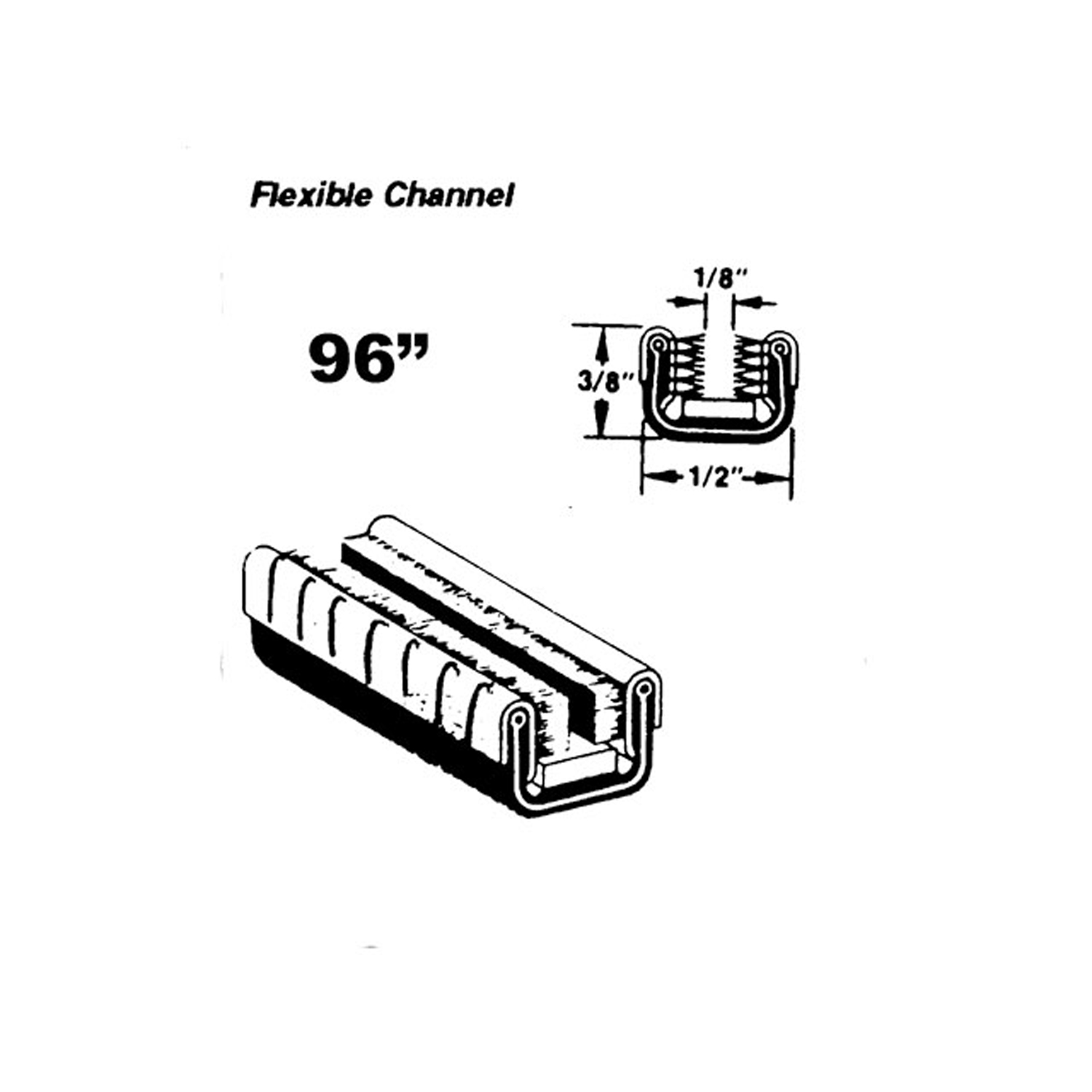 1939 Mercedes-Benz 320 Flexible glass-run channel. Rubber covered and pile lined-WC 12-96Flexible glass-run channel. Rubber covered and pile lined. Unbeaded. 96 in. long. Each. NOTE: $20 special shipping charge applies for domestic orders. Call or email for overseas shipping costs. Part can be sectioned in two or three equal lengths to reduce overseas shipping costs.
Why Choose Metro?
For over 100 years, Metro Moulded Parts has been the pinnacle of quality in classic car restoration parts. Our commitment to precision and authenticity in every component ensures a perfect fit and an OEM-level appearance.
- Expert Craftsmanship & Quality: Each part is a testament to our dedication to reliability and perfection, crafted from original designs and thoroughly tested.
- Advanced Technology: We use cutting-edge techniques to create flawless, long-lasting parts that surpass others in performance.
- SuperSoft Sponge – The Ultimate Door Seal: Not only are our door seals 30% softer than competitors', but they're also guaranteed to never leak. They effectively reduce wind and road noise, enhancing your classic car's comfort and driving experience.
- Proudly American: Our parts are a product of American craftsmanship, made in the USA with a spirit of excellence and heritage.
- Unrivaled Warranty: We back our products with a 30-year industry-leading warranty, a testament to our confidence in their quality.
Join us in preserving the legacy of classic cars with parts that are crafted for perfection, not just made.