

Image of 1939 Mercedes-Benz 500k, Note: These illustrations use artistic license and may differ from actual historical models.
Performance Metrics
Fundamental Metrics
Emotional Appeal
MMP Rating
| Engine Specifications | |
|---|---|
| Engine: | Straight 8 |
| Displacement: | 5.0L |
| Horsepower: | Estimated 100-160 HP |
| Torque: | Information not available |
| Compression Ratio: | Information not available |
| Ignition System: | Distributor ignition |
| Cooling System: | Liquid cooled |
| Performance Specifications | |
| 0-60 Time: | Information not available |
| 1/4 Mile Time: | Information not available |
| Top Speed: | 100 mph |
| Transmission and Drive | |
| Drive Type: | Rear wheel drive |
| Transmission Type: | 4-speed manual |
| Fuel and Efficiency | |
| Fuel System Type: | Carburetor |
| MPG: | Information not available |
| Dimensions and Brakes | |
| Brakes: | Drum brakes |
| Wheelbase: | 129 inches |
| Weight: | Estimated 5,500 lbs |
Note: Specifications for classic cars are given to the best of our ability, considering the limited and variant data available.
1939 Mercedes-Benz 500K: The Important Model-Year Correction
A prewar Mercedes-Benz with a supercharged straight-eight is one of the grandest sights in classic motoring, but there is an important correction to make: Mercedes-Benz did not build a factory model called the 1939 500K. The 500K was introduced in 1934 and succeeded by the larger 540K in 1936. A car described as a 1939 500K is most likely a 1939-era 540K, or a car whose date or model has been recorded incorrectly.
The distinction matters to collectors. The 500K and 540K share a striking design and the same basic engineering concept, but they are separate models with different engine capacities. This guide focuses on the late-production 540K a buyer may mean by “1939 500K,” while explaining how it relates to the celebrated 500K.
Both cars came from Mercedes-Benz, the Stuttgart manufacturer formed in 1926 from the merger of Daimler-Motoren-Gesellschaft and Benz & Cie. The 500K made its public debut in 1934, and the 540K arrived two years later with a larger engine and more power. A memorable detail is built into the name: the “K” stands for Kompressor, German for supercharger.
Long Bonnet, Bespoke Coachwork
The 500K and 540K were designed to make an entrance. Their long, sculpted bonnets, upright radiator grilles, sweeping front fenders and running boards gave them a powerful, formal profile. Large headlamps sat high above the fenders, while exposed exhaust pipes along the sides of some versions made the mechanical purpose of the car part of its visual drama. The result was elegant without being delicate.
These cars were available with several factory body styles, including Cabriolet A, B and C models, coupés, sedans and open roadsters. Bodies were built by Mercedes-Benz’s Sindelfingen works, and customers could choose from a range of finishes and interior appointments. The Special Roadster is the best-known and most sought-after shape, especially for its low windscreen, flowing rear bodywork and dramatic proportions. It was an exclusive choice, not a mass-market configuration.
Paint and trim were often specified to suit the buyer rather than selected from a simple, fixed catalogue. Dark shades such as black, deep blue and maroon look especially convincing on the formal bodies, while lighter or contrasting colors can emphasize the roadster’s curves. Inside, owners could expect leather upholstery, polished wood trim, quality carpeting and carefully finished metal fittings. Even by luxury-car standards, the cabin was made to feel like a private salon.
Kompressor Engineering and 1930s Luxury
The 500K used a 5,018 cc inline-eight, producing about 100 horsepower in normal operation and up to roughly 160 horsepower when its Roots-type supercharger was engaged. The 540K enlarged the engine to 5,401 cc. Its output was approximately 115 horsepower without the blower and up to 180 horsepower with it operating. Exact figures can vary by specification and source, but the basic idea was consistent: refined power for relaxed cruising, with a substantial extra surge available when needed.
The supercharger was mechanically driven and engaged under heavy throttle, producing the distinctive Kompressor whine as it came into action. That arrangement gave the car strong performance for a large luxury machine of its day, while avoiding the need to run the blower constantly. The chassis also featured independent front suspension and hydraulic brakes, advanced features for a car intended to carry occupants in considerable comfort.
Mercedes-Benz offered standard- and shorter-wheelbase chassis, allowing different body styles to be fitted. This combination of factory engineering and coachbuilt variety set the 500K and 540K apart from many contemporaries. They were not simply powerful engines in expensive bodies: the chassis, suspension and supercharging system were conceived as part of a complete high-performance luxury car.
Performance on the Open Road
A 540K’s top speed depended on its body, gearing and condition. A relatively streamlined example could reach about 105 mph, or roughly 170 km/h, an impressive figure for a heavy prewar automobile. A 0-to-60-mph time is less consistently documented, but period performance and the car’s substantial mass suggest a leisurely figure in the region of 16 to 20 seconds. Treat that as a broad estimate, not a standardized factory test result.
Behind the wheel, the car feels more like a grand tourer than a sports car. The long bonnet dominates the view, the steering requires more effort than a modern driver may expect, and the car’s weight is always present. On a smooth road, its long wheelbase and supple suspension deliver a composed, stately ride. Over bumps, the chassis absorbs much of the disturbance, though worn suspension or poor roads can make a large, heavy car feel unsettled.
On a winding road, the driver needs to plan ahead. The 540K can cover ground quickly, but its size and period brakes reward smooth inputs rather than abrupt cornering or late braking. At full throttle, the supercharger adds a mechanical whine over the deep, steady note of the straight-eight. The experience is tactile and involving: the driver works the controls, reads the road and manages momentum instead of relying on modern electronic assistance.
Why the 500K and 540K Matter
The 500K and 540K helped define the high-performance luxury automobile. Their combination of supercharging, independent front suspension, substantial brakes and bespoke bodies showed how speed and comfort could coexist in a prestigious touring car. The approach influenced expectations for later grand touring models, where refined cabins and long-distance ability mattered as much as outright pace.
They also stood apart from many rivals through their sheer individuality. Buyers could select an open or enclosed body, choose carefully tailored finishes and commission a car that reflected personal taste. The Special Roadster became an enduring design icon because it joined engineering purpose to an unmistakable silhouette. Its reputation continues to shape how enthusiasts picture a prewar Mercedes-Benz at its most glamorous.
The cars belong to a complicated historical period. They were built in Germany during the 1930s, when the country was under Nazi rule and the European political climate was becoming increasingly dangerous. Their original owners and later histories vary, so claims about a particular car’s association with political figures or events should be supported by documentation rather than inferred from its date alone.
Owning a Kompressor Mercedes
A 500K or 540K is rarely used as an everyday car today. Most examples are treasured show cars, museum pieces or carefully driven entries at major concours events and vintage tours. A sound car can still be enjoyed on the road, but its value, rarity and mechanical complexity make casual daily use an unreasonable risk for most owners.
Maintenance calls for specialists familiar with prewar Mercedes-Benz engineering. The supercharger, engine, chassis and coachwork all demand knowledgeable inspection, and a neglected example can require an exceptionally expensive restoration. Some mechanical work is straightforward in principle, but sourcing correct components and preserving originality are not jobs for the average home mechanic. Reliability depends heavily on the quality of past maintenance and the car’s current condition.
Common ownership concerns include the cost of rebuilding the supercharger, wear in the suspension and drivetrain, and the challenge of maintaining unique coachwork and trim. Fuel consumption is high by modern standards, and the large engine produces heat that needs to be managed carefully. These are not reasons to avoid the cars, but they are reminders that an exceptionally valuable classic needs a serious maintenance budget.
Rare Roadsters and Collector Values
Mercedes-Benz built approximately 342 examples of the 500K and around 419 of the 540K, according to commonly cited production totals. Figures can differ slightly depending on how chassis, bodies and variants are counted. Either way, surviving examples are scarce, and each car’s body style, originality, restoration quality and documented history have a major effect on its value.
As a broad current-market estimate, a 540K with a less sought-after body style might sell for roughly US$1.5 million to US$4 million, depending on condition and provenance. Exceptional Special Roadsters can reach approximately US$8 million to US$15 million or more at auction. A 500K is also a multimillion-dollar car in strong condition, with rare open bodies commanding the highest prices. These are indicative ranges, not appraisals; individual auction results can sit well outside them.
Over the long term, the strongest examples have generally remained highly desirable because supply is limited and international demand is deep. Prices can still fluctuate with the broader collector-car market, and restoration costs do not automatically translate into higher resale value. Provenance, authenticity and an excellent restoration record are especially important in this tier of the market.
There is no meaningful speed record to attach to the 500K or 540K as a model. Their claim to fame is different: they combined serious road performance with handcrafted luxury at a time when that pairing was rare. Their most famous versions are now among the signature designs of the prewar collector-car world.
A Grand Tourer That Still Commands Attention
The name “1939 Mercedes-Benz 500K” blends two generations of a remarkable car. The 500K belongs to 1934–36; a Mercedes-Benz from 1939 would more plausibly be a 540K. That later model carried the same supercharged spirit forward with a larger engine, while both cars offered advanced engineering, exquisite coachwork and the imposing presence of a true luxury grand tourer.
Today, a 500K or 540K is more than a rare automobile. It is a rolling record of an era when performance, craftsmanship and personal commissioning came together in extraordinary fashion. Hear the straight-eight rise into its Kompressor whine, and it becomes clear why these Mercedes-Benz legends still stop people in their tracks.
1939 Mercedes-Benz 500k Catalog of Parts
 1939 Mercedes-Benz 500K Headlight Pads. 3-5/8" wide X 12" long. Pair R&L-MP 823-EHeadlight Pads. 3-5/8" wide X 12" long. Pair R&L
 1939 Mercedes-Benz 500K Headlight Pads. 5-3/8" wide X 7-3/8" long. Pair-MP 823-FHeadlight Pads. 5-3/8" wide X 7-3/8" long. Pair
 1939 Mercedes-Benz 500K Park Light Pads. 3-7/8" wide X 5-1/8" long. Pair-MP 823-JPark Light Pads. 3-7/8" wide X 5-1/8" long. Pair
 1939 Mercedes-Benz 500K Headlight Bar Pads. 2" wide X 4-3/4" long. Pair-MP 823-KHeadlight Bar Pads. 2" wide X 4-3/4" long. Pair
 1939 Mercedes-Benz 500K Trunk Hinge Pads. 1-5/8" wide X 12" long. Set-MP 823-PTrunk Hinge Pads. 1-5/8" wide X 12" long. Set
 1939 Mercedes-Benz 500K Coupler to Engine Seal. 1-1/8" I.D., 2-3/4" O.D. Each-RP 15Coupler to Engine Seal. 1-1/8" I.D., 2-3/4" O.D. Each
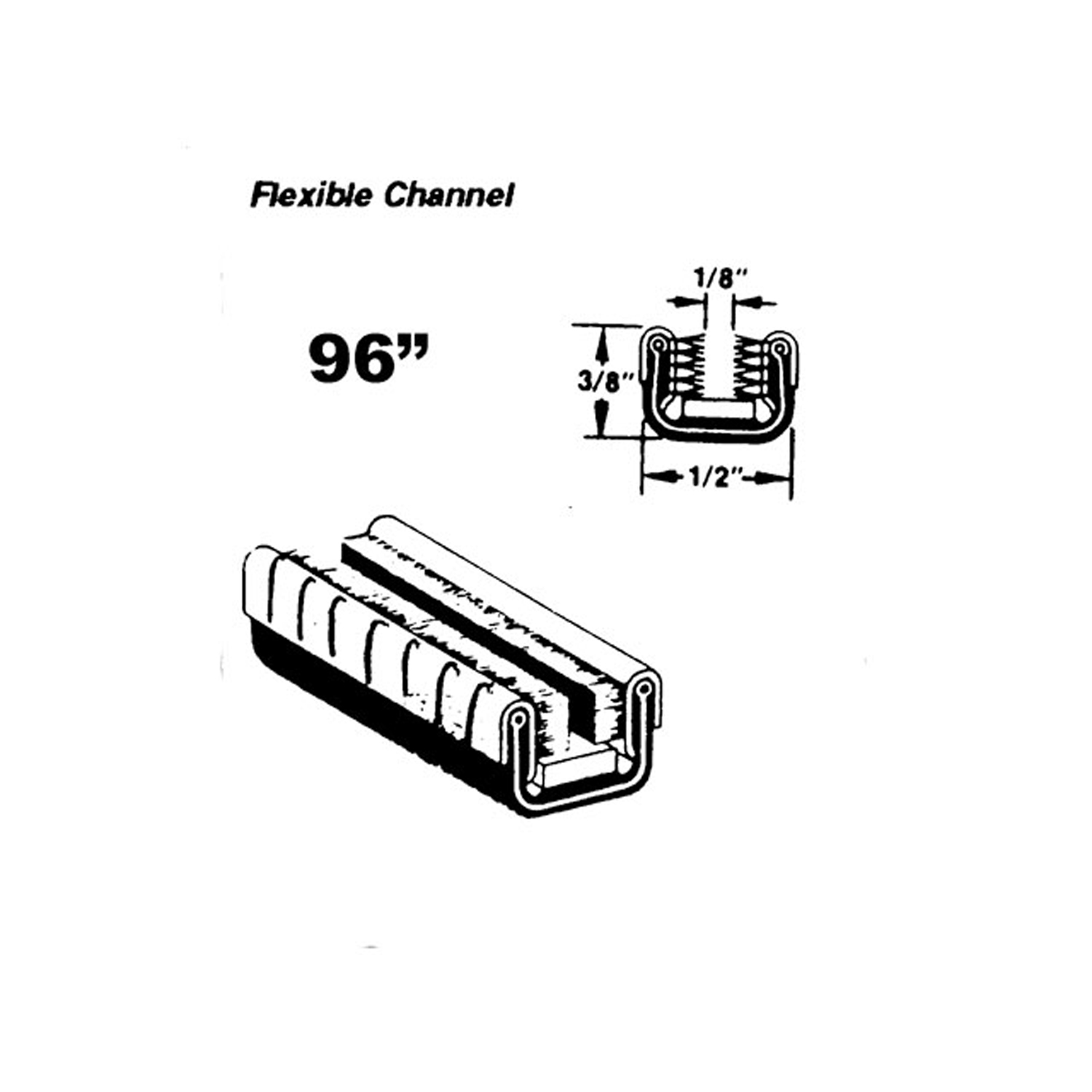 1939 Mercedes-Benz 500K Flexible glass-run channel. Rubber covered and pile lined-WC 12-96Flexible glass-run channel. Rubber covered and pile lined. Unbeaded. 96 in. long. Each. NOTE: $20 special shipping charge applies for domestic orders. Call or email for overseas shipping costs. Part can be sectioned in two or three equal lengths to reduce overseas shipping costs.
Why Choose Metro?
For over 100 years, Metro Moulded Parts has been the pinnacle of quality in classic car restoration parts. Our commitment to precision and authenticity in every component ensures a perfect fit and an OEM-level appearance.
- Expert Craftsmanship & Quality: Each part is a testament to our dedication to reliability and perfection, crafted from original designs and thoroughly tested.
- Advanced Technology: We use cutting-edge techniques to create flawless, long-lasting parts that surpass others in performance.
- SuperSoft Sponge – The Ultimate Door Seal: Not only are our door seals 30% softer than competitors', but they're also guaranteed to never leak. They effectively reduce wind and road noise, enhancing your classic car's comfort and driving experience.
- Proudly American: Our parts are a product of American craftsmanship, made in the USA with a spirit of excellence and heritage.
- Unrivaled Warranty: We back our products with a 30-year industry-leading warranty, a testament to our confidence in their quality.
Join us in preserving the legacy of classic cars with parts that are crafted for perfection, not just made.