

Image of 1939 Mercedes-Benz 540 K, Note: These illustrations use artistic license and may differ from actual historical models.
Performance Metrics
Fundamental Metrics
Emotional Appeal
MMP Rating
| Engine Specifications | |
|---|---|
| Engine: | Supercharged 5.4L Inline-8 |
| Displacement: | 5401 cc |
| Horsepower: | 115-180 hp |
| Torque: | Not available |
| Compression Ratio: | Not available |
| Ignition System: | Not available |
| Cooling System: | Water-cooled |
| Performance Specifications | |
| 0-60 Time: | Not available |
| 1/4 Mile Time: | Not available |
| Top Speed: | 105-110 mph |
| Transmission and Drive | |
| Drive Type: | Rear-wheel drive |
| Transmission Type: | 4-speed manual |
| Fuel and Efficiency | |
| Fuel System Type: | Carburetor |
| MPG: | Not available |
| Dimensions and Brakes | |
| Brakes: | Drum brakes |
| Wheelbase: | 129.5 inches |
| Weight: | 5,500 lbs |
Note: Specifications for classic cars are given to the best of our ability, considering the limited and variant data available.
1939 Mercedes-Benz 540 K: The Supercharged Grand Tourer
The 1939 Mercedes-Benz 540 K turned a long, polished bonnet and a supercharger’s unmistakable whine into symbols of prewar automotive ambition. Built by Mercedes-Benz in Germany, it was an exceptionally expensive luxury car for a small circle of wealthy buyers, with performance and coachwork to match its imposing presence.
The 540 K evolved from the Mercedes-Benz 500 K, gaining a larger engine and carrying forward the company’s “Kompressor” tradition. The letter K refers to the German word for supercharger, Kompressor. A memorable detail is that the supercharger was not simply running at full boost all the time: it engaged when the driver pressed the accelerator deeply, giving the car a dramatic change in sound and response.
Introduced in the 1930s, the 540 K belongs to an era when a flagship automobile was often as much a display of wealth and craftsmanship as a means of transportation. Its production came to an end as Europe entered the Second World War, making surviving cars rare reminders of the final years of prewar luxury motoring.
Long Bonnet, Bespoke Coachwork
The 540 K’s proportions do much of the talking. Its long hood, upright radiator grille, sweeping front fenders and flowing running boards create a formal, almost theatrical profile. Depending on the body style, the rear could be compact and sporty or extended into a graceful touring shape. Brightwork, large headlamps and carefully shaped details completed the look, while the car’s substantial size gave it a commanding road presence.
Mercedes-Benz’s Sindelfingen coachbuilding works produced many of the factory bodies. Buyers could choose from several styles, including Cabriolet A, B and C models, coupés, touring cars and roadsters. The Cabriolet A offered an elegant two-door touring layout, while the Cabriolet B and C added different seating and door arrangements. The most celebrated version is the 540 K Special Roadster, prized for its dramatic proportions, low windshield and sweeping rear bodywork. It is also among the rarest and most valuable forms of the 540 K.
Interior appointments were suitably lavish. Buyers could expect high-quality leather upholstery, carefully finished wood trim, polished metal fittings and detailed instrumentation. Materials and specifications varied with the body and customer order, so there is no single interior that represents every 1939 example. Paint was similarly a matter of personal taste: black, dark blue, maroon, silver and cream are among the colors associated with cars of this type, but bespoke orders mean factory color choices were not limited to one standard palette.
For its time, the 540 K combined luxury with sophisticated engineering. It had independent front suspension, hydraulic brakes and a mechanically driven supercharger. A four-speed manual gearbox sent power to the rear wheels. That mix of chassis design, braking technology and forced induction made the car more than a glamorous body wrapped around a conventional engine.
Why the 540 K Mattered
The 540 K was a flagship in a fiercely competitive world of high-end European automobiles. Its closest rivals included grand touring cars from manufacturers such as Bugatti, Hispano-Suiza and Delahaye. The Mercedes-Benz stood out for pairing imposing coachbuilt styling with a large, supercharged straight-eight engine and a chassis intended for fast, comfortable travel.
Its supercharger was central to both its engineering and its character. With the blower disengaged, the engine delivered more relaxed power for ordinary driving. Press the accelerator hard and the blower came into play, increasing output and producing a distinctive mechanical howl. This arrangement gave the driver a memorable performance feature without sacrificing the car’s grand-touring role.
The 540 K did not create the idea of a supercharged luxury car, but it helped make that combination one of Mercedes-Benz’s defining prewar signatures. Its proportions and coachbuilt bodies also became enduring reference points for the classic luxury roadster. Today, the model’s influence is visible in how collectors think about the great European grand tourers of the 1930s: powerful, highly individual and built to make an entrance.
540 K Performance and Road Manners
The 5,401 cc inline-eight produced about 115 horsepower with the supercharger disengaged and roughly 180 horsepower when the blower was engaged. Actual performance varied with body style, gearing, vehicle condition and load. Period and modern estimates generally place top speed in the neighborhood of 100 to 110 mph, with lighter or more sporting versions tending toward the higher end.
A 0-to-60 mph time of roughly 10 to 12 seconds is a reasonable estimate, rather than a universal factory figure. The 540 K was heavy, and its performance depended on the particular coachwork and specification. By 1930s standards, however, it was exceptionally quick for a large luxury automobile.
On a smooth, open road, the car’s long wheelbase and substantial mass helped it settle into a composed touring rhythm. It could cover distance with authority, and the supercharger gave it a noticeable reserve of power for overtaking. On rough surfaces, its weight and vintage suspension remind the driver that this is an old, handcrafted automobile rather than a modern luxury car. Bumps can unsettle the ride, and narrow period-style tires do not offer the grip or predictability of contemporary rubber.
Winding roads call for measured inputs. The steering is likely to feel heavy by modern standards, particularly at low speeds, and the driver must respect the car’s size and momentum. Smooth braking and careful corner entry matter more than quick, abrupt movements. The experience is part of the appeal: the engine’s deep straight-eight note becomes a sharper supercharger whine under hard acceleration, while the driver works a manual gearbox and feels the road through a comparatively direct, mechanical chassis.
Living With a 540 K
A 1939 540 K is best suited to concours events, historic rallies, private collections and carefully planned touring. It is not a sensible everyday driver. Its rarity, value, dimensions and specialist mechanical systems make routine errands a costly proposition, while modern traffic can be demanding for a car designed around a very different era of road use.
Maintenance is a job for experienced specialists. The engine and supercharger require knowledgeable attention, and the coachwork, trim and bespoke fittings can be just as demanding to preserve as the mechanical parts. Repairs may involve sourcing or commissioning components rather than visiting an ordinary parts counter. For the average owner, ease of repair is low; for a well-funded owner with access to a marque expert, careful upkeep is entirely manageable.
Reliability depends heavily on restoration quality and regular use. A neglected example can present expensive problems, while a properly maintained car can be driven on suitable tours. The best ownership approach is preventive maintenance, sympathetic operation and secure storage. This is a car to enjoy deliberately, not to treat as a disposable weekend toy.
Rare Stories and Collector Facts
Mercedes-Benz built approximately 419 examples of the 540 K across its production run, which lasted from 1936 to 1940. That is the total for the model, not the number built in 1939 alone; a dependable year-by-year count for 1939 is not generally available. The Special Roadster accounts for only a small fraction of that already limited production, helping explain its exceptional status among collectors.
Cars of the 540 K’s class were associated with wealthy industrialists, public figures and political elites in prewar Europe. Some examples have become entangled with the period’s political history, including ownership by figures connected to Nazi Germany. That context is part of the model’s story and should not be confused with its engineering or craftsmanship.
The model is also known for headline-making auction results. A 540 K Special Roadster can reach many millions of dollars, with exceptional examples exceeding $10 million at auction. Such figures apply to highly desirable cars with the right body style, originality, restoration quality and documented provenance, not to every 540 K.
Common criticisms are practical ones: the cars are costly to maintain, difficult to drive in modern traffic and less nimble than their sporting appearance might suggest. Their size and weight are not suited to tight roads or hurried driving. And while the supercharger is a thrilling feature, it adds another specialized system that requires expert care.
Collector Value and Availability
Values vary dramatically by body style and condition. As a broad estimate, a less sought-after 540 K in solid condition might trade in the low millions, while exceptional examples can command several million dollars. A top-tier Special Roadster with excellent provenance may be worth roughly $7 million to more than $15 million, depending on the specific car and the market at the time of sale. These are guide ranges, not appraisals.
Availability is extremely limited. With only about 419 built across the entire 540 K production run, public sales are infrequent, and the most desirable coachbuilt versions may remain in private collections for years. When one does come to market, buyers typically scrutinize authenticity, chassis and body numbers, restoration records, mechanical condition and historical ownership.
Long-term demand for the 540 K has generally been strong, especially for rare, well-documented Special Roadsters. Values can still move with the wider collector-car market, and highly publicized auction results should not be treated as guaranteed future prices. Overall, the model’s scarcity, craftsmanship and status as a major prewar Mercedes-Benz make it more likely to remain a blue-chip collectible than to follow ordinary classic-car depreciation.
A Prewar Mercedes-Benz Icon
The 1939 Mercedes-Benz 540 K brings together a supercharged straight-eight, advanced-for-its-day chassis engineering and coachbuilt styling created for an exclusive clientele. It was fast for its size, luxurious in its materials and unmistakable in its road presence.
Its rarity and demanding ownership make it a car for committed collectors, but its significance reaches beyond its price tag. The 540 K captures an era when engineering, craftsmanship and spectacle shared the same long bonnet, and when pressing the accelerator could turn a grand tourer into something unforgettable.
1939 Mercedes-Benz 540 K Catalog of Parts
 1939 Mercedes-Benz 540 K Headlight Pads. 3-5/8" wide X 12" long. Pair R&L-MP 823-EHeadlight Pads. 3-5/8" wide X 12" long. Pair R&L
 1939 Mercedes-Benz 540 K Headlight Pads. 5-3/8" wide X 7-3/8" long. Pair-MP 823-FHeadlight Pads. 5-3/8" wide X 7-3/8" long. Pair
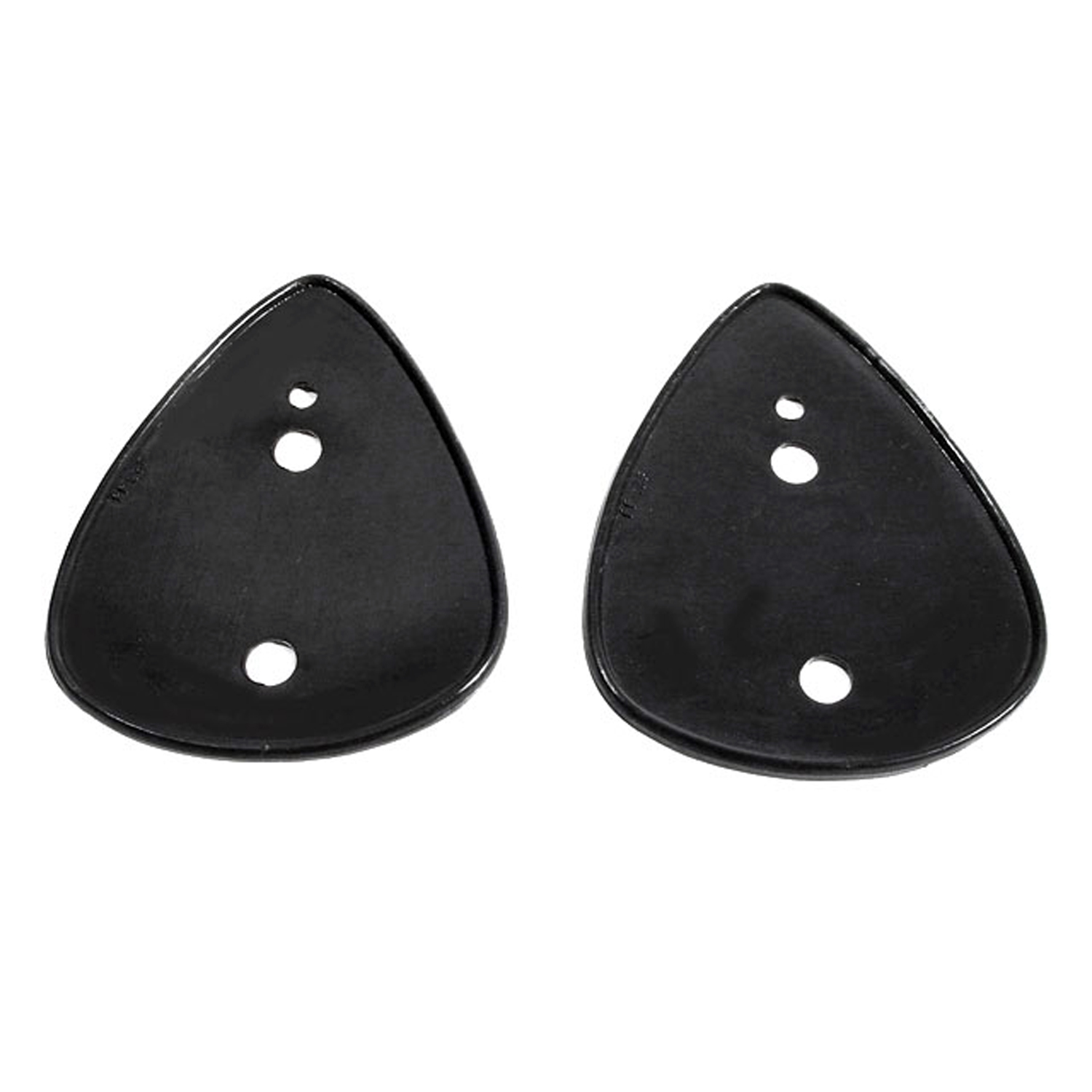 1939 Mercedes-Benz 540 K Park Light Pads. Made for the stamped fender light-MP 823-JJPark Light Pads. Made for the stamped fender light. 3-7/8" wide X 5-1/8" long. Pair
 1939 Mercedes-Benz 540 K Headlight Bar Pads. 2" wide X 4-3/4" long. Pair-MP 823-KHeadlight Bar Pads. 2" wide X 4-3/4" long. Pair
 1939 Mercedes-Benz 540 K Trunk Hinge Pads. 1-5/8" wide X 12" long. Set-MP 823-PTrunk Hinge Pads. 1-5/8" wide X 12" long. Set
 1939 Mercedes-Benz 540 K Coupler to Engine Seal. 1-1/8" I.D., 2-3/4" O.D. Each-RP 15Coupler to Engine Seal. 1-1/8" I.D., 2-3/4" O.D. Each
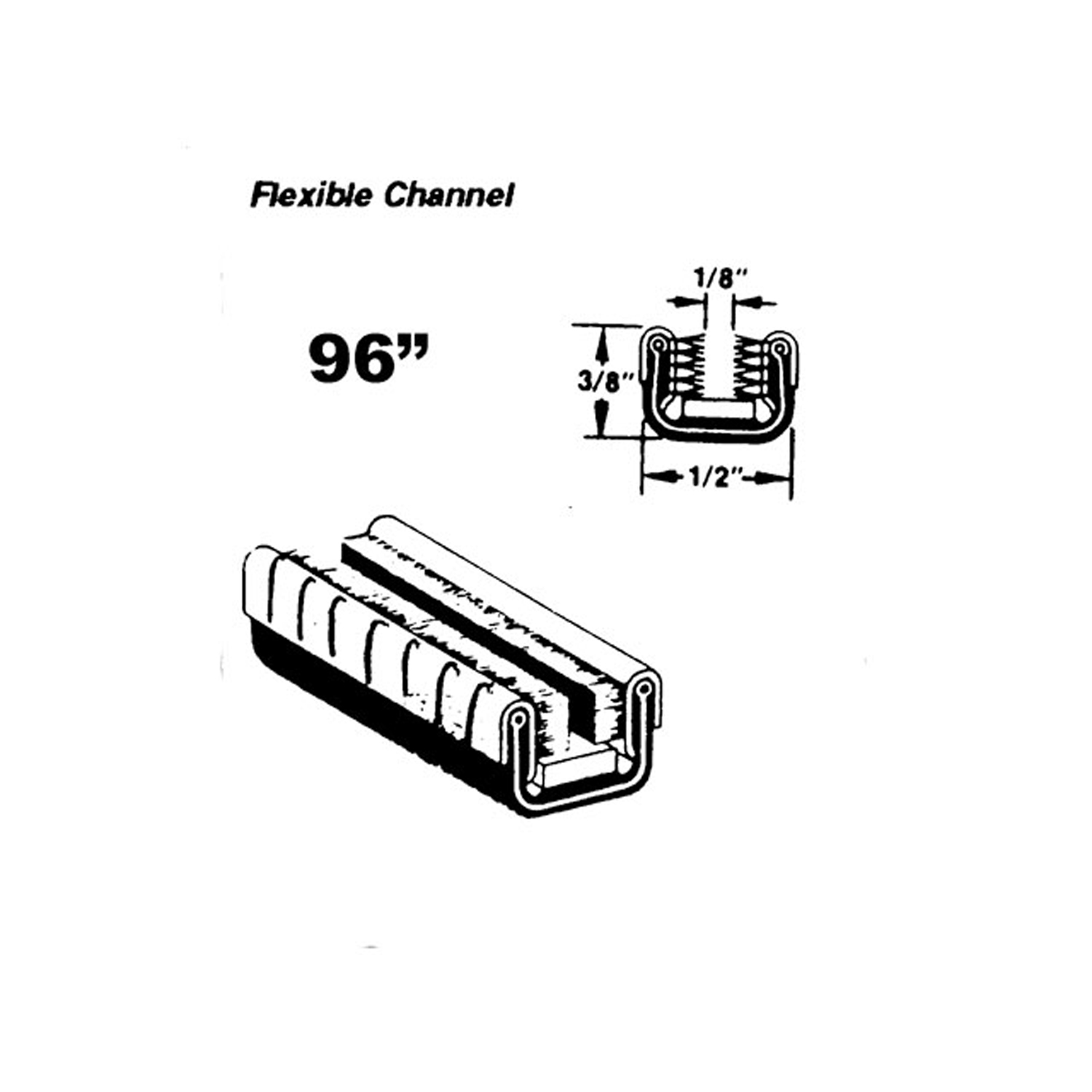 1939 Mercedes-Benz 540 K Flexible glass-run channel. Rubber covered and pile lined-WC 12-96Flexible glass-run channel. Rubber covered and pile lined. Unbeaded. 96 in. long. Each. NOTE: $20 special shipping charge applies for domestic orders. Call or email for overseas shipping costs. Part can be sectioned in two or three equal lengths to reduce overseas shipping costs.
Why Choose Metro?
For over 100 years, Metro Moulded Parts has been the pinnacle of quality in classic car restoration parts. Our commitment to precision and authenticity in every component ensures a perfect fit and an OEM-level appearance.
- Expert Craftsmanship & Quality: Each part is a testament to our dedication to reliability and perfection, crafted from original designs and thoroughly tested.
- Advanced Technology: We use cutting-edge techniques to create flawless, long-lasting parts that surpass others in performance.
- SuperSoft Sponge – The Ultimate Door Seal: Not only are our door seals 30% softer than competitors', but they're also guaranteed to never leak. They effectively reduce wind and road noise, enhancing your classic car's comfort and driving experience.
- Proudly American: Our parts are a product of American craftsmanship, made in the USA with a spirit of excellence and heritage.
- Unrivaled Warranty: We back our products with a 30-year industry-leading warranty, a testament to our confidence in their quality.
Join us in preserving the legacy of classic cars with parts that are crafted for perfection, not just made.