

Image of 1940 Mercedes-Benz 170 V, Note: These illustrations use artistic license and may differ from actual historical models.
Performance Metrics
Fundamental Metrics
Emotional Appeal
MMP Rating
| Engine Specifications | |
|---|---|
| Engine: | Inline 4 |
| Displacement: | 1.7L (1697 cc) |
| Horsepower: | 38 HP |
| Torque: | Not available |
| Compression Ratio: | Not available |
| Ignition System: | Battery Ignition |
| Cooling System: | Water-cooled |
| Performance Specifications | |
| 0-60 Time: | Not available |
| 1/4 Mile Time: | Not available |
| Top Speed: | 68 mph (110 km/h) |
| Transmission and Drive | |
| Drive Type: | Rear-wheel drive |
| Transmission Type: | 4-speed manual |
| Fuel and Efficiency | |
| Fuel System Type: | Carburetor |
| MPG: | Not available |
| Dimensions and Brakes | |
| Brakes: | Hydraulic drum brakes |
| Wheelbase: | 112.2 inches (2850 mm) |
| Weight: | 2425 lbs (1100 kg) |
Note: Specifications for classic cars are given to the best of our ability, considering the limited and variant data available.
1940 Mercedes-Benz 170 V: A Practical Classic with a Remarkable Past
The 1940 Mercedes-Benz 170 V was built for everyday motoring, but its story reaches far beyond the ordinary: this compact, carefully engineered saloon survived a world at war and helped Mercedes-Benz return to civilian car production afterward. Developed by Daimler-Benz in Stuttgart, the 170 V belonged to the W136 series, introduced in 1936 as a smaller, more affordable alternative to the company’s large luxury cars.
The “V” stood for Vorne, German for “front,” identifying the car’s front-mounted engine and distinguishing it from the rear-engined 170 H. In 1940, as wartime restrictions reshaped German industry, civilian production was increasingly limited. The 170 V’s adaptable platform also suited practical duties, including staff transport, delivery work, and ambulance conversions. After the war, the model returned to production, making it one of the important links between prewar Mercedes engineering and the company’s postwar recovery.
Streamlined Mercedes Styling and Cabin Craft
The 170 V has the upright, confident stance typical of a prewar Mercedes, softened by rounded fenders and a gently curved bonnet. Its tall radiator grille, prominent headlamps, running boards, and separate wings give it a formal profile, while the flowing roofline and sweeping rear bodywork keep it from looking overly boxy. Details such as bright trim, hubcaps, and hood ornamentation gave the car a restrained sense of prestige.
Inside, the emphasis was on durability and comfort rather than modern convenience. The cabin typically featured a broad dashboard with clear, easy-to-read instruments, a large steering wheel, and substantial seats. Depending on body style and specification, upholstery could be cloth or leather, with wood or painted finishes used for interior trim. Materials and condition vary considerably among surviving cars, especially after decades of restoration, so buyers should assess the actual interior rather than assume every 170 V left the factory with the same finish.
Black was a familiar choice for formal Mercedes saloons, while dark blues, greens, grays, and other subdued shades suited the period’s tastes. Exact colors depended on the body and factory specification. The 170 V was offered in a notably broad range of forms, including saloons, cabriolets, touring cars, roadsters, and commercial bodies. The four-door saloon is the best-known and most practical version, while the elegant cabriolet models are among the most visually striking and collectible.
Engineering Ahead of Its Era
For a compact car of the 1930s, the 170 V combined a conventional front-engine layout with sophisticated chassis engineering. It used independent front suspension and a swing-axle rear suspension, a setup designed to improve comfort and road holding over the rough, uneven surfaces common at the time. Hydraulic brakes were another important feature, giving the driver more consistent braking than many older mechanical systems.
That mix of comfort, engineering, and versatility helped distinguish the 170 V from many contemporaries. It was not a racing machine or a lavish limousine. Instead, it brought Mercedes-Benz design and engineering to a more attainable size. Its practical chassis could support passenger cars as well as commercial and special-purpose bodies, a flexibility that proved valuable both before and after the war.
170 V Performance and Road Manners
Power came from a front-mounted 1,697 cc four-cylinder engine producing about 38 metric horsepower. A four-speed manual gearbox sent power to the rear wheels. Period specifications commonly put the top speed at around 100 km/h, or roughly 62 mph, though figures vary with body style, condition, gearing, and load. A healthy saloon may approach 65 to 67 mph under favorable conditions.
Acceleration is leisurely by modern standards. A reasonable estimate for 0 to 60 mph is around 30 to 35 seconds, but published period figures are not always directly comparable to modern testing. The 170 V rewards smooth, deliberate driving rather than quick launches. Its engine works steadily, the gear changes call for a practiced hand, and the car feels most at home maintaining a relaxed pace on open roads.
On broken pavement, the independent suspension helps the car feel more composed than its upright shape might suggest. The tall body and period tires still make it sensitive to crosswinds and road cambers, while winding roads are best taken with measured steering inputs. From behind the large wheel, the driver gets a clear view over the long bonnet and a tactile connection to the mechanical controls. Expect the soft rumble of a modest four-cylinder, the occasional mechanical whir, and a comfortable, springy ride rather than silence or sharp handling.
Owning and Maintaining a 1940 Mercedes
Today, a 170 V is best suited to touring, classic-car events, museum displays, and occasional fair-weather drives. A carefully maintained example can be used on local roads, but age, parts availability, traffic speeds, and the value of an original car make it a less suitable choice for routine modern commuting. It is not a natural racing car, though its period character makes it an appealing participant in relaxed vintage rallies.
Routine work is straightforward for a mechanic familiar with prewar cars: ignition, carburetion, lubrication, brakes, and basic engine servicing are mechanical rather than electronic. That does not make every repair simple. Bodywork, trim, correct period components, and specialist restoration can be costly, and a neglected car may require extensive work. Before buying, inspect the chassis and body for corrosion or poor repairs, check the engine and gearbox, and verify that the brakes and suspension have been properly rebuilt. A car that stops safely and has sound structure is far more valuable than one with fresh paint hiding old problems.
Wartime Trivia and Common Misconceptions
The 170 V’s adaptability is one of its most interesting stories. Its platform served not only saloons and open cars but also delivery vehicles and other specialized bodies. During wartime, passenger-car production was curtailed as factories and materials were redirected toward military needs. Some 170 V-based vehicles were used for official or support duties, though surviving cars differ in their histories and should not automatically be described as military vehicles.
Another useful distinction is between the 170 V and the 170 H. Both carried the “170” name, but the 170 H placed its engine at the rear, while the 170 V used the more familiar front-engine, rear-wheel-drive arrangement. The 170 V’s lasting reputation rests less on speed records or celebrity ownership than on its engineering and its role in Mercedes-Benz’s postwar restart. A common criticism today is that it is slow and offers little protection or convenience by modern standards. Those are fair points, but they are part of the experience of driving a car designed for a very different age.
Collector Values and Availability
Production estimates for the 170 V vary depending on whether they count only prewar cars or include postwar production. Roughly 70,000 to 75,000 examples were built before the war, with the broader 170 V production run reaching around 80,000 or more. Those numbers describe factory output, not the number of surviving, well-documented cars. A specific 1940 example is much less common on today’s market than the total production figures might suggest.
As a broad 2026 market estimate, a project or heavily worn saloon might sell for around US$10,000 to $25,000. A sound, usable saloon could fall in the US$25,000 to $60,000 range, while a high-quality restoration or especially desirable open model may command US$70,000 to $150,000 or more. Rare body styles, originality, provenance, restoration quality, and the market where the car is sold can move prices substantially. These are guide ranges, not fixed valuations.
Values have generally favored well-presented, authentic examples, especially rare cabriolets and other open-bodied cars. The market for ordinary saloons is more selective, and expensive restoration work does not always translate into an equal increase in resale value. In other words, a 170 V can be a rewarding collectible, but it is wiser to buy the best documented and best preserved car you can afford than to expect a quick financial return.
Why the 1940 Mercedes-Benz 170 V Still Matters
The 1940 Mercedes-Benz 170 V brought thoughtful chassis engineering, understated style, and everyday usefulness together in a compact prewar package. Its performance is gentle, its controls are unmistakably vintage, and its body styles range from practical saloon to elegant cabriolet. More importantly, the model bridged two eras for Mercedes-Benz, carrying the company’s prewar engineering into the difficult work of postwar recovery.
For collectors, the 170 V is more than a handsome old Mercedes. It is a reminder that automotive history is shaped not only by the fastest or most glamorous cars, but also by versatile machines built to serve, endure, and start a story again.
1940 Mercedes-Benz 170 V Catalog of Parts
 1940 Mercedes-Benz 170 V Hood Corners. 2 Front and 2 Rear Corners. 4-Piece Set-HC 26Hood Corners. 2 Front and 2 Rear Corners. 4-Piece Set
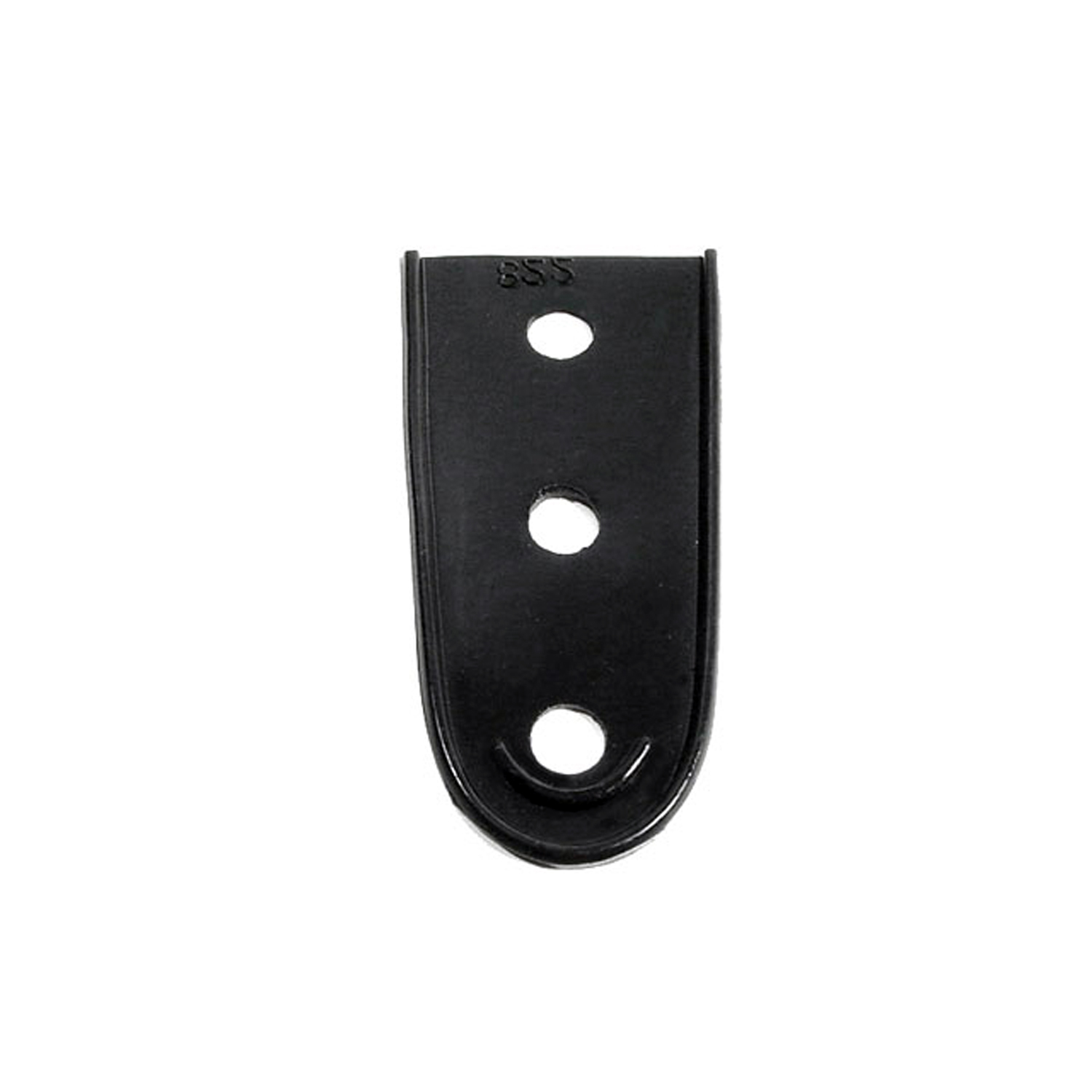 1940 Mercedes-Benz 170 V Trunk Lower Hinge Pad. 2-1/8" wide X 4-1/4" long. Each-MP 822Trunk Lower Hinge Pad. 2-1/8" wide X 4-1/4" long. Each
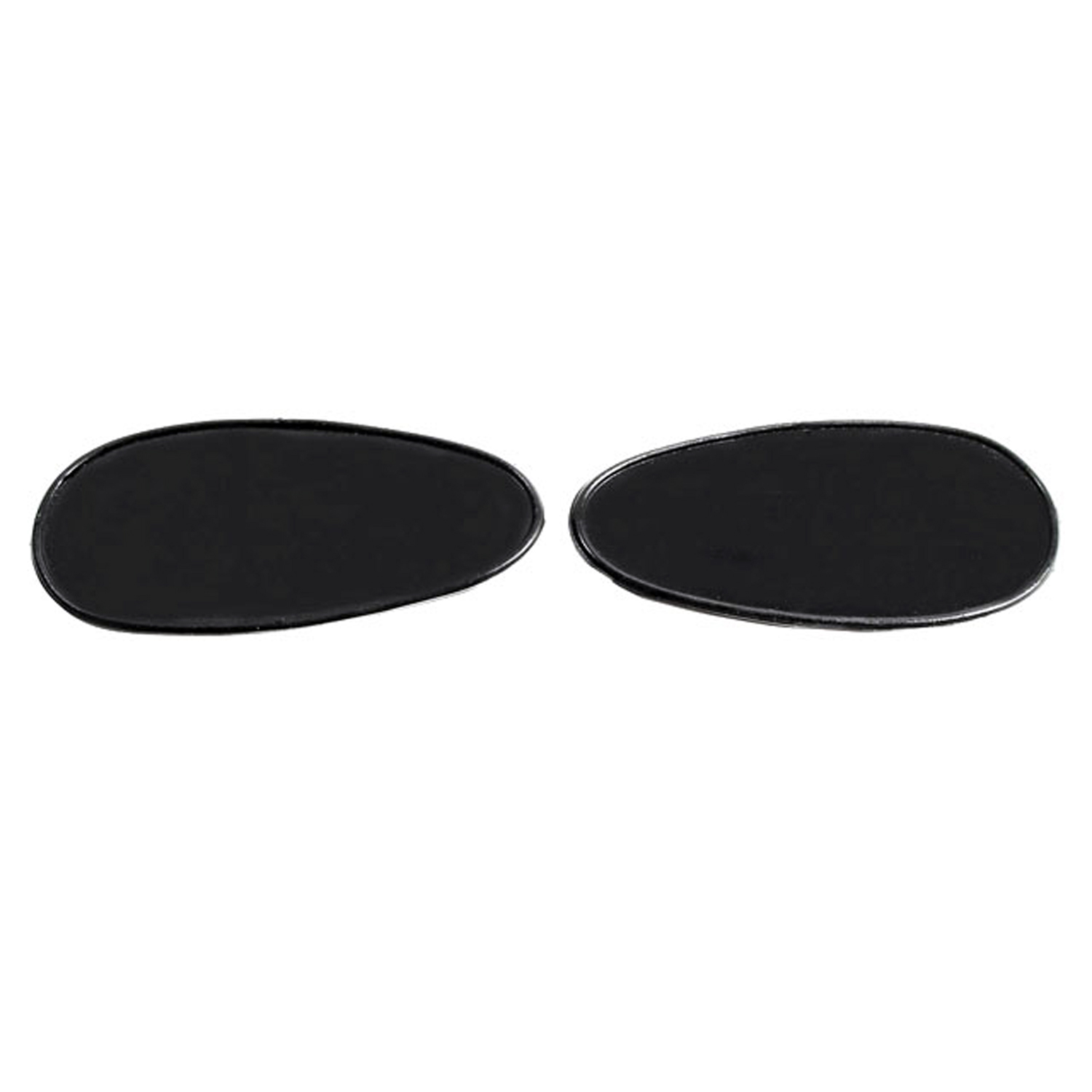 1940 Mercedes-Benz 170 V Tail-light Pads. 2-1/4" wide X 4-5/8" long. Pair-MP 823-BTail-light Pads. 2-1/4" wide X 4-5/8" long. Pair
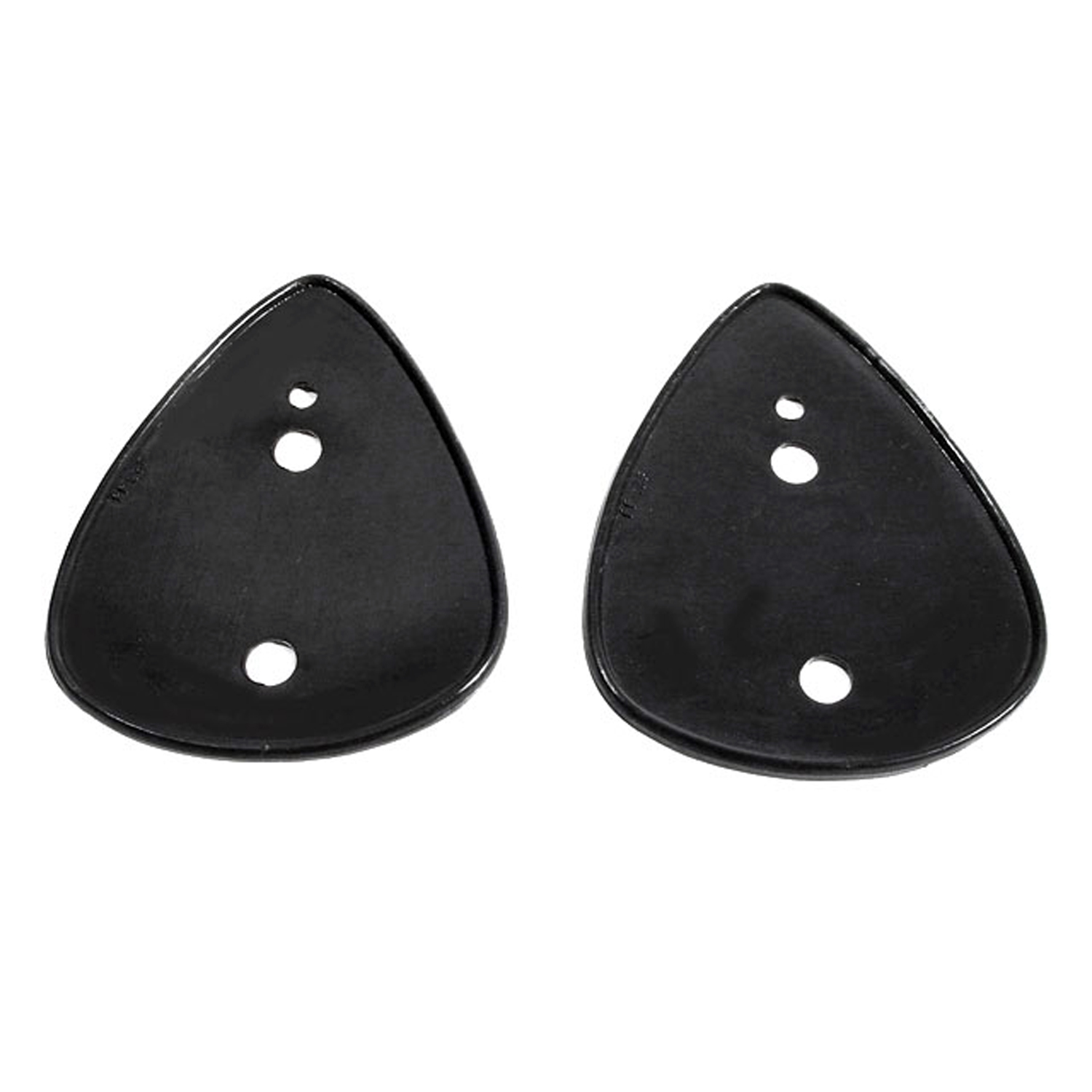 1940 Mercedes-Benz 170 V Park Light Pads. Made for the stamped fender light-MP 823-JJPark Light Pads. Made for the stamped fender light. 3-7/8" wide X 5-1/8" long. Pair
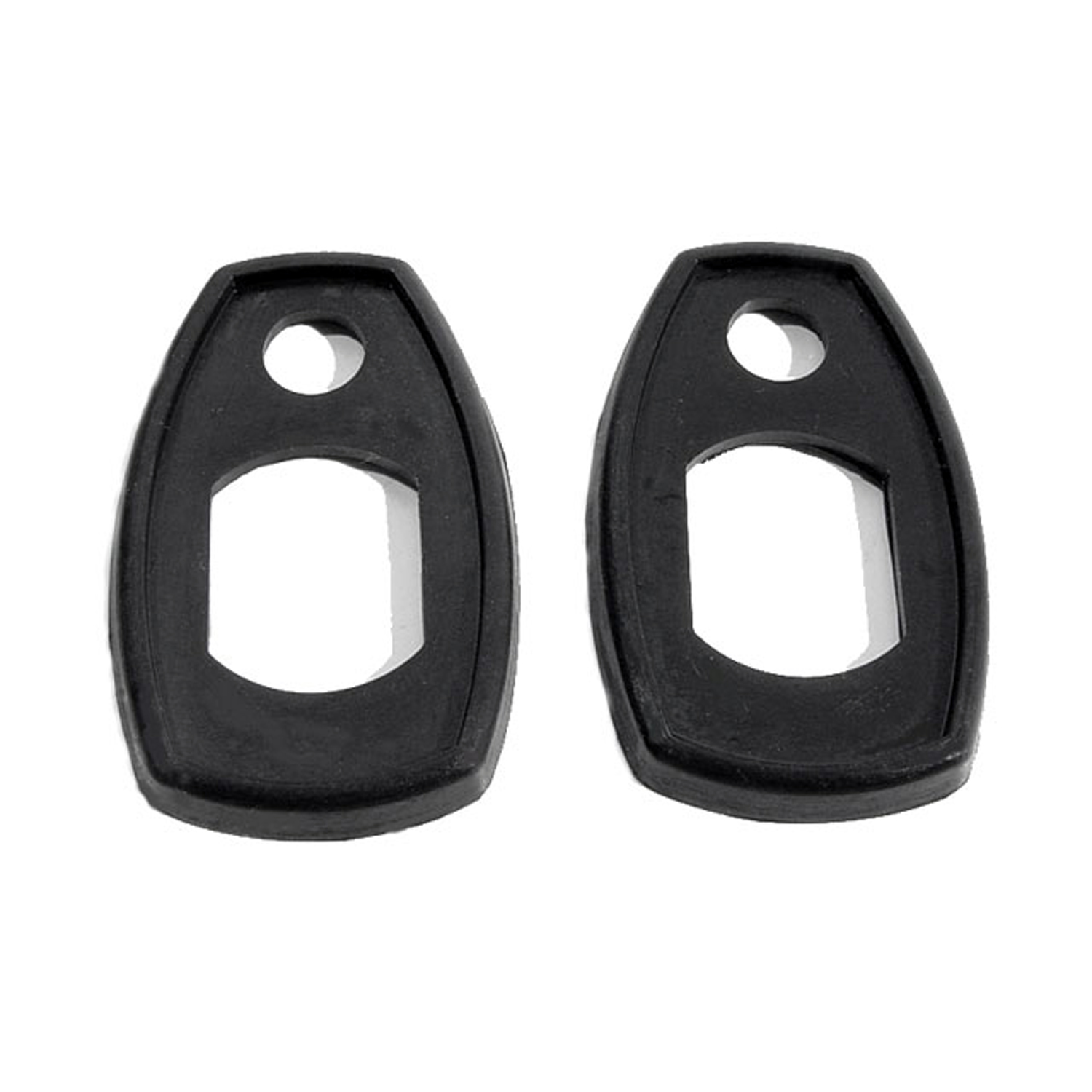 1940 Mercedes-Benz 170 V Door Handle Pads. 1-1/2" wide X 2-1/2" long. Pair-MP 823-NDoor Handle Pads. 1-1/2" wide X 2-1/2" long. Pair
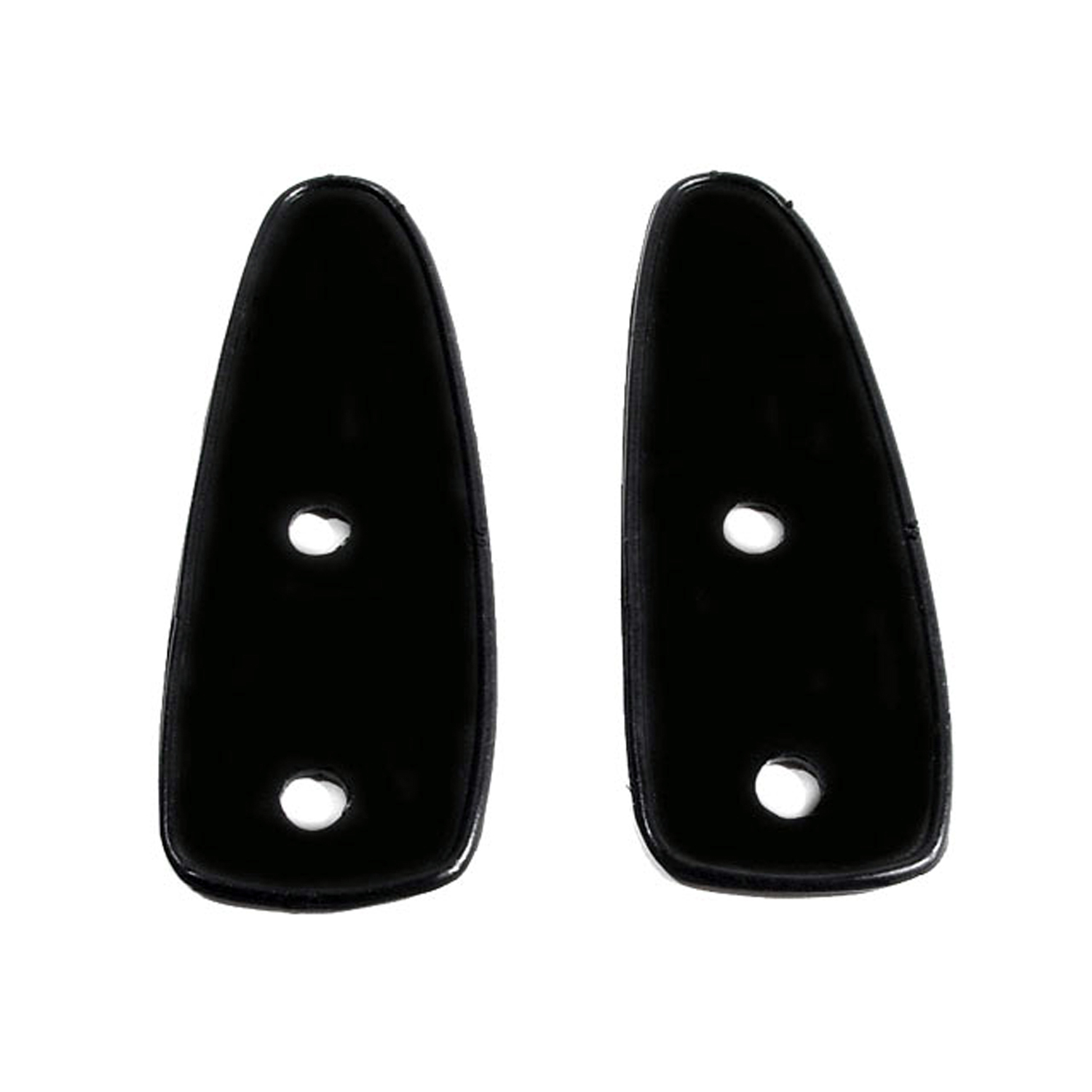 1940 Mercedes-Benz 170 V Park Light Pads. 2-1/4" wide X 6-1/8" long. Pair-MP 823-QPark Light Pads. 2-1/4" wide X 6-1/8" long. Pair
 1940 Mercedes-Benz 170 V Headlight Pads. 3-1/2" wide X 7-5/8" long. Pair-MP 824-PHeadlight Pads. 3-1/2" wide X 7-5/8" long. Pair
 1940 Mercedes-Benz 170 V Coupler to Engine Seal. 1-1/8" I.D., 2-3/4" O.D. Each-RP 15Coupler to Engine Seal. 1-1/8" I.D., 2-3/4" O.D. Each
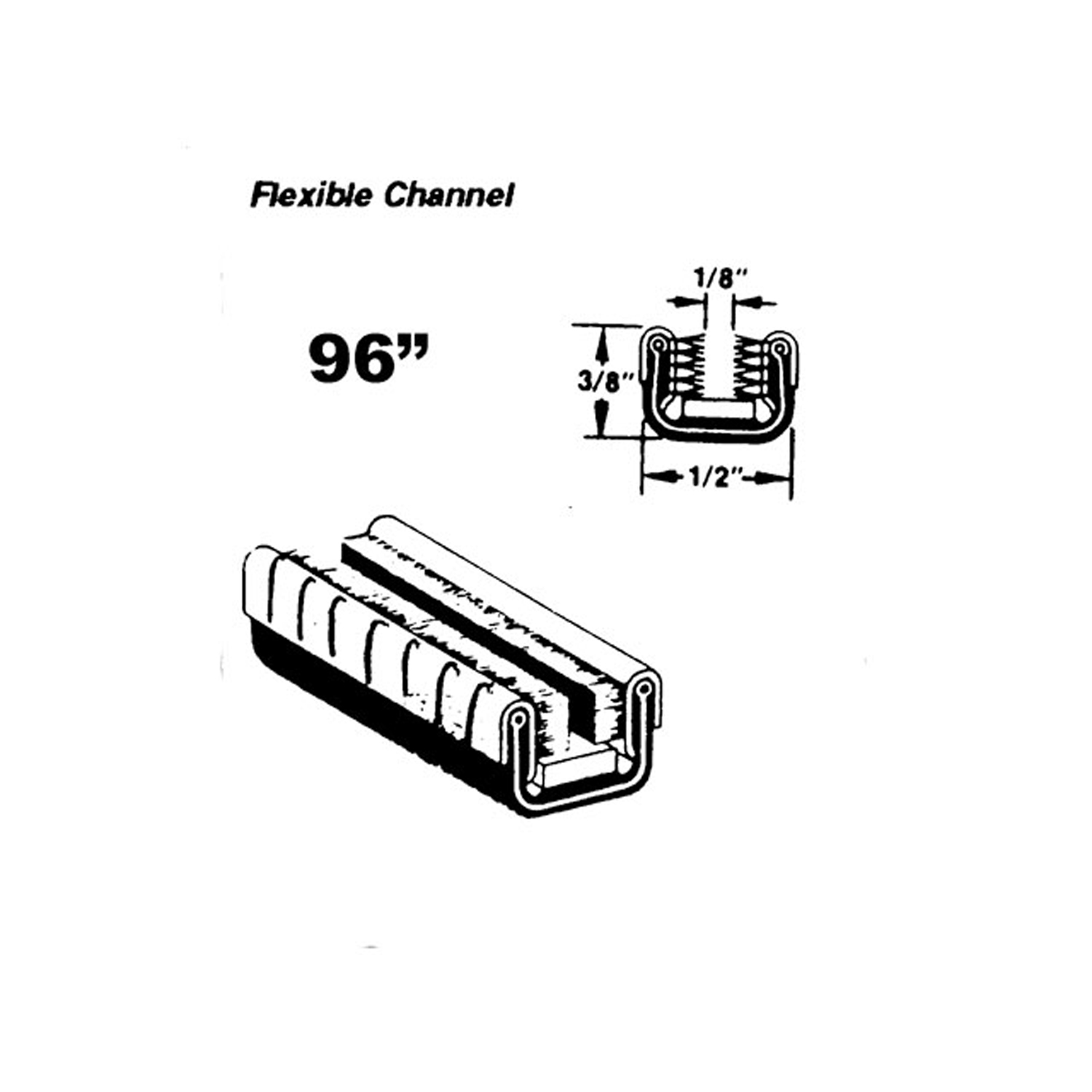 1940 Mercedes-Benz 170 V Flexible glass-run channel. Rubber covered and pile lined-WC 12-96Flexible glass-run channel. Rubber covered and pile lined. Unbeaded. 96 in. long. Each. NOTE: $20 special shipping charge applies for domestic orders. Call or email for overseas shipping costs. Part can be sectioned in two or three equal lengths to reduce overseas shipping costs.
Why Choose Metro?
For over 100 years, Metro Moulded Parts has been the pinnacle of quality in classic car restoration parts. Our commitment to precision and authenticity in every component ensures a perfect fit and an OEM-level appearance.
- Expert Craftsmanship & Quality: Each part is a testament to our dedication to reliability and perfection, crafted from original designs and thoroughly tested.
- Advanced Technology: We use cutting-edge techniques to create flawless, long-lasting parts that surpass others in performance.
- SuperSoft Sponge – The Ultimate Door Seal: Not only are our door seals 30% softer than competitors', but they're also guaranteed to never leak. They effectively reduce wind and road noise, enhancing your classic car's comfort and driving experience.
- Proudly American: Our parts are a product of American craftsmanship, made in the USA with a spirit of excellence and heritage.
- Unrivaled Warranty: We back our products with a 30-year industry-leading warranty, a testament to our confidence in their quality.
Join us in preserving the legacy of classic cars with parts that are crafted for perfection, not just made.