

Image of 1942 Mercedes-Benz 170v, Note: These illustrations use artistic license and may differ from actual historical models.
Performance Metrics
Fundamental Metrics
Emotional Appeal
MMP Rating
| Engine Specifications | |
|---|---|
| Engine: | Inline 4 |
| Displacement: | 1.7L |
| Horsepower: | 38 HP |
| Torque: | Estimated at 60 lb-ft |
| Compression Ratio: | 6.0:1 |
| Ignition System: | Distributor with points |
| Cooling System: | Water-cooled |
| Performance Specifications | |
| 0-60 Time: | Not available due to the age of the vehicle |
| 1/4 Mile Time: | Not available due to the age of the vehicle |
| Top Speed: | 68 mph |
| Transmission and Drive | |
| Drive Type: | Rear-wheel drive |
| Transmission Type: | 4-speed manual |
| Fuel and Efficiency | |
| Fuel System Type: | Carburetor |
| MPG: | Estimated at 20 MPG |
| Dimensions and Brakes | |
| Brakes: | Drum brakes |
| Wheelbase: | 112.6 inches |
| Weight: | 2,425 lbs |
Note: Specifications for classic cars are given to the best of our ability, considering the limited and variant data available.
1942 Mercedes-Benz 170 V: A Classic Caught in Wartime
The 1942 Mercedes-Benz 170 V was a capable family car whose story became inseparable from the upheaval of World War II. Built by Daimler-Benz in Germany, the 170 V belonged to the W136 model family, introduced in 1936 as a compact, well-engineered alternative to larger and more expensive Mercedes-Benz cars. Its name offered a useful clue: the “V” stood for Vorne, German for “front,” distinguishing it from the rear-engined 170 H.
By 1942, however, the 170 V was no longer simply a comfortable private car. Wartime demands had reshaped German vehicle production, and 170 V-based cars and utility vehicles served military and commercial roles. The model’s sturdy construction and adaptable chassis helped it survive a period when civilian motoring was increasingly restricted. After the war, the 170 V returned to production and helped put Mercedes-Benz passenger-car manufacturing back on its feet.
A notable twist in its history is that the same basic model could appear as a refined prewar sedan, a military staff car, an ambulance, or a delivery vehicle. A car described as a “1942 170 V” may therefore be very different from another of the same year, depending on its body, intended use, and wartime history.
W136 Styling and Cabin Details
The 170 V has the upright, carefully proportioned look associated with late-1930s Mercedes-Benz design. Its tall chrome-edged radiator grille, prominent three-pointed star, rounded fenders, separate headlamps, and running boards give it a distinctly prewar profile. The flowing hood and gently curved bodywork soften the car’s formal shape, while its high roof and narrow pillars make the sedan look substantial without appearing oversized.
Depending on the body style, the cabin could be a comfortable place for its era. Civilian versions used quality upholstery, with cloth or leather-type trim depending on specification and market, along with wood or painted interior details. The bench-style seating and upright driving position prioritized room and visibility over sporty support. Wartime utility versions were usually more practical and spartan, with trim and equipment reflecting their working role rather than private-car luxury.
There was no single universal 1942 color palette. Civilian cars could be ordered in subdued or darker body colors, while military vehicles were finished in service paint appropriate to their use and period. Black and other restrained shades are often associated with surviving formal sedans, but an individual car’s original paint should be verified through its build records, surviving layers, or restoration documentation.
The best-known body style is the four-door sedan, valued for its practicality and formal Mercedes-Benz appearance. The broader 170 V range also included open and closed cabriolets, roadsters, delivery vans, pickups, and special-purpose bodies such as ambulances. Not every body style was available in every year or wartime specification, so a 1942 example should be identified by its chassis and body history rather than by the model name alone.
Engineering Ahead of Its Time
The 170 V’s importance lies less in one headline-grabbing invention than in how thoroughly Mercedes-Benz integrated modern engineering into a compact car. Its body sat on a robust frame, and its suspension used independent front wheels with double wishbones and coil springs, paired with a swing-axle rear arrangement. Hydraulic brakes provided more consistent braking than the mechanical systems still found on some older cars.
That combination gave the 170 V a more composed ride and more secure road behavior than its upright shape might suggest. The car was not a sports machine, but it demonstrated that comfort, durability, and sound chassis design could coexist in a relatively modest Mercedes-Benz. Its adaptable mechanical base also made it useful beyond the private-car market, an advantage that mattered enormously during and after the war.
In the postwar years, the 170 V became a crucial bridge between Mercedes-Benz’s prewar engineering and its renewed passenger-car business. Production restarted in 1946, and the model helped restore the company’s presence on roads rebuilding from wartime damage. Its long production life, running from 1936 to 1953 across civilian and postwar versions, is a testament to the strength of the original design.
170 V Performance and Road Manners
The standard 170 V used a 1,697 cc side-valve inline-four producing about 38 metric horsepower, or roughly 37 brake horsepower, in typical civilian specification. Power went to the rear wheels through a four-speed manual gearbox. Exact specifications could vary by body and intended use, and a military or special-purpose example should not automatically be assumed to match a civilian sedan.
Period figures commonly put top speed at around 108 km/h, or 67 mph, for a standard 170 V. A precise 0-to-60 mph time is harder to pin down because published period data is inconsistent and body weight, gearing, condition, and load make a considerable difference. As a modern estimate, expect a leisurely run of roughly 30 seconds or more, not the brisk acceleration implied by today’s traffic. The 170 V was built to travel steadily, not sprint.
On a smooth road, the car feels deliberate and dignified. The engine works with a gentle mechanical hum, and the driver shifts through a gearbox that rewards unhurried, well-timed movements. The suspension takes the sting out of ordinary bumps, though worn dampers, tired springs, or loose steering components can make a surviving example feel less settled. On winding roads, the tall body, narrow tires, and period swing-axle rear suspension call for smooth inputs. It is best enjoyed at a measured pace, with extra care on wet or uneven surfaces.
Living With a 1942 Mercedes-Benz
Today, a 170 V is most often used as a show car, touring car, museum vehicle, or carefully maintained weekend classic. A restored, roadworthy sedan can handle relaxed local drives, but regular modern commuting is less appealing. It lacks contemporary crash protection, fast acceleration, power steering, and the braking performance drivers now expect. A wartime utility vehicle may be more specialized still, particularly if it has nonstandard equipment or a complicated service history.
Routine maintenance is straightforward by vintage-car standards, especially for an owner familiar with prewar mechanicals. The four-cylinder engine is comparatively simple, and many repairs do not require diagnostic electronics or specialized tools. However, an average owner should not mistake simple design for effortless ownership. Parts availability varies by component, body panels and trim can be difficult to source, and a major restoration requires knowledge of Mercedes-Benz-specific details.
Before buying, pay close attention to rust in the body, floor, frame, and running-board areas, as well as the condition of the engine, gearbox, brakes, and suspension. On a car claimed to be a 1942 wartime example, matching numbers, chassis records, old photographs, and restoration invoices can be especially valuable. Provenance matters because wartime vehicles were often modified, rebuilt, or fitted with replacement parts over decades of service.
Wartime Facts and Common Misconceptions
The 170 V’s reputation for versatility is well earned. Its platform served as the basis for cars and working vehicles, including commercial and military-use bodies. After the war, Mercedes-Benz also built utility versions on the 170 V foundation, demonstrating how adaptable the design remained in a country facing shortages of transport and materials.
There is no single reliable production figure for every 1942 body style and wartime configuration. The 170 V family as a whole is commonly reported to have reached roughly 75,000 examples across its long 1936-to-1953 production life, though totals can vary according to which derivatives are included. That figure should not be confused with the number built in 1942, which was only a fraction of the overall total and is difficult to isolate neatly by specification.
The model is not especially known for speed records or racing victories. Its historical achievement was practical: it was a durable, adaptable car that served civilian needs before the war, wartime requirements during it, and postwar transportation afterward. One common criticism is its modest performance by modern standards. Another is that the 170 V can be mistaken for a larger or more luxurious Mercedes-Benz, when its charm is really in its sensible engineering and compact proportions.
Collector Values and Availability
The 170 V is a genuine collector car, but values vary widely with body style, condition, originality, restoration quality, and documentation. As a broad 2026 estimate in the United States, an incomplete or project sedan might fall around $10,000 to $25,000. A sound, presentable sedan could bring roughly $25,000 to $60,000, while a high-quality restoration or unusually original example may exceed that range. Rare open cars, desirable special bodies, and historically documented military vehicles can command substantially more, sometimes reaching $80,000 to $200,000 or higher depending on specification and provenance.
These figures are not a substitute for a current appraisal. A car with extensive corrosion or questionable restoration can be expensive to put right, while an exceptional cabriolet or historically significant vehicle may attract international bidders. A buyer should compare the exact body style and condition, not just the 170 V badge.
The model is less common than postwar mass-market classics, but it is not uniformly rare: the long production run means sedans and some commercial variants do appear on the market. Specific 1942 wartime configurations, especially those with credible original records, are much harder to find. Overall values have generally held up and can rise for well-restored, correctly documented cars, though the market is selective. Condition and authenticity tend to matter more than age alone.
Why the 170 V Still Matters
The 1942 Mercedes-Benz 170 V combines prewar craftsmanship with a history shaped by war, adaptation, and recovery. Its upright styling, independent front suspension, hydraulic brakes, and durable four-cylinder layout made it a capable car for its time. Its many body forms reveal a practical side of Mercedes-Benz history that is easy to overlook when attention goes straight to grand touring cars and luxury sedans.
For collectors, the 170 V offers more than a handsome old Mercedes. It is a rolling reminder of how one adaptable design served dramatically different eras and purposes. Whether preserved as a refined sedan or remembered as a wartime workhorse, the 170 V stands as one of the most enduring chapters in the company’s history.
1942 Mercedes-Benz 170v Catalog of Parts
 1942 Mercedes-Benz 170V Hood Corners. 2 Front and 2 Rear Corners. 4-Piece Set-HC 26Hood Corners. 2 Front and 2 Rear Corners. 4-Piece Set
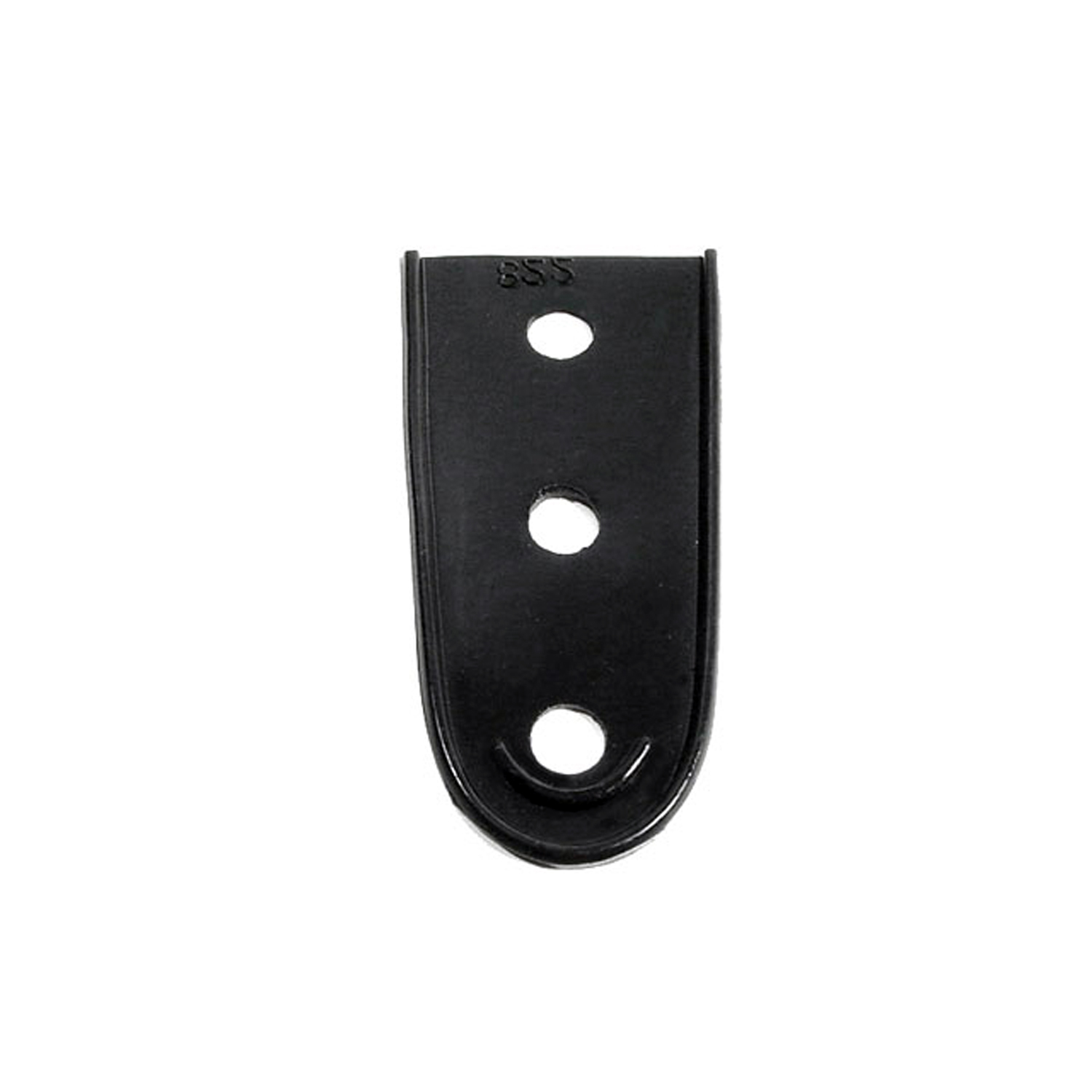 1942 Mercedes-Benz 170V Trunk Lower Hinge Pad. 2-1/8" wide X 4-1/4" long. Each-MP 822Trunk Lower Hinge Pad. 2-1/8" wide X 4-1/4" long. Each
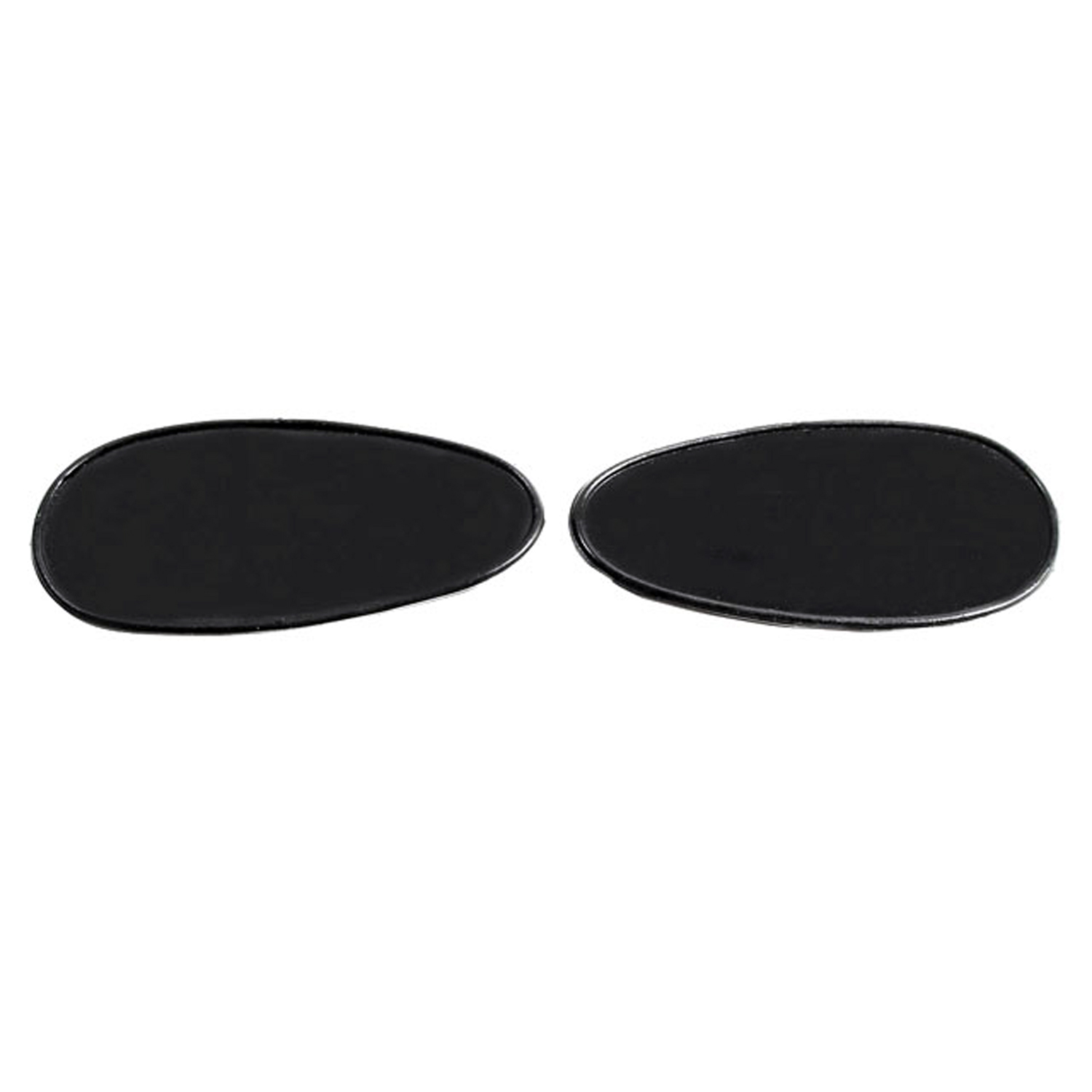 1942 Mercedes-Benz 170V Tail-light Pads. 2-1/4" wide X 4-5/8" long. Pair-MP 823-BTail-light Pads. 2-1/4" wide X 4-5/8" long. Pair
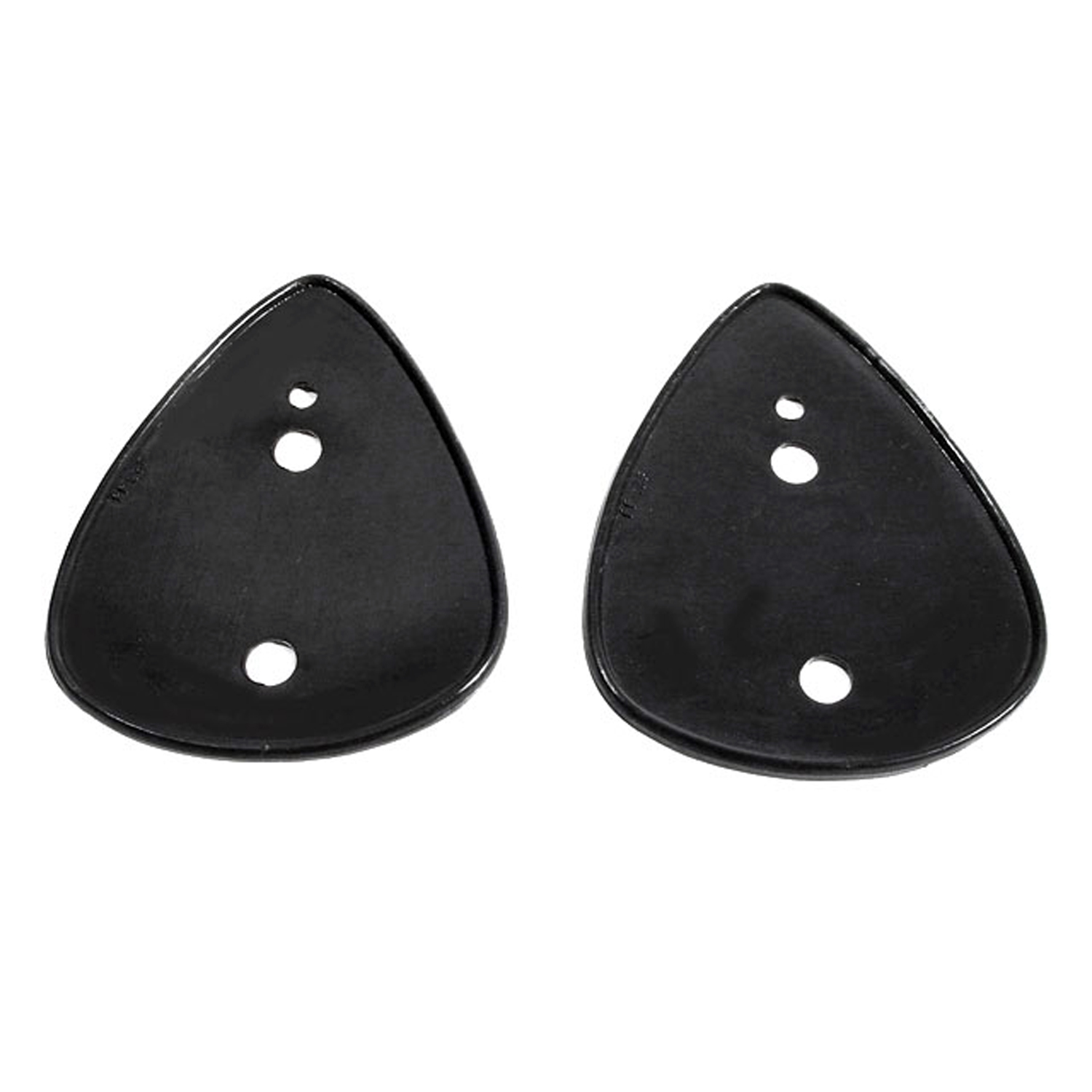 1942 Mercedes-Benz 170V Park Light Pads. Made for the stamped fender light-MP 823-JJPark Light Pads. Made for the stamped fender light. 3-7/8" wide X 5-1/8" long. Pair
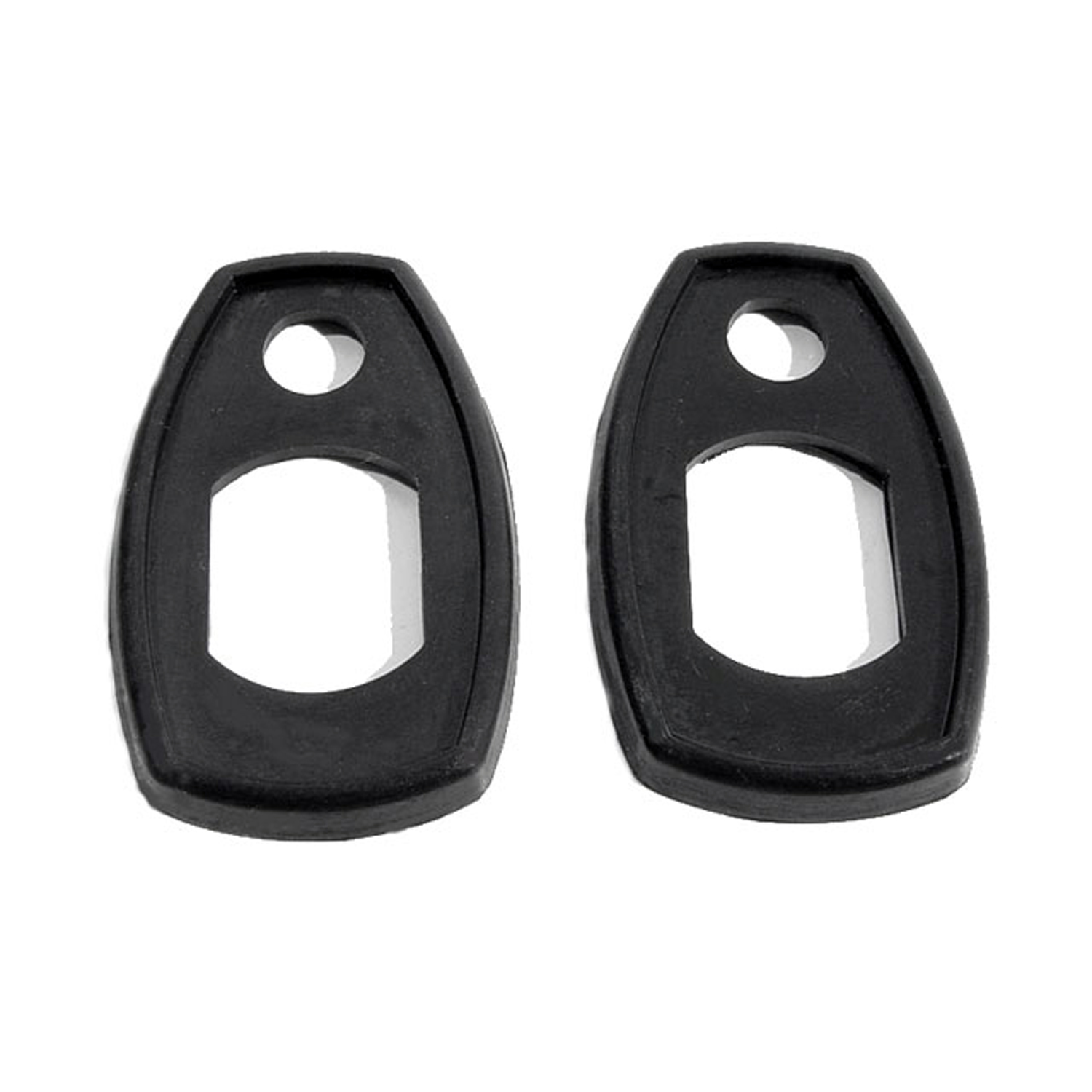 1942 Mercedes-Benz 170V Door Handle Pads. 1-1/2" wide X 2-1/2" long. Pair-MP 823-NDoor Handle Pads. 1-1/2" wide X 2-1/2" long. Pair
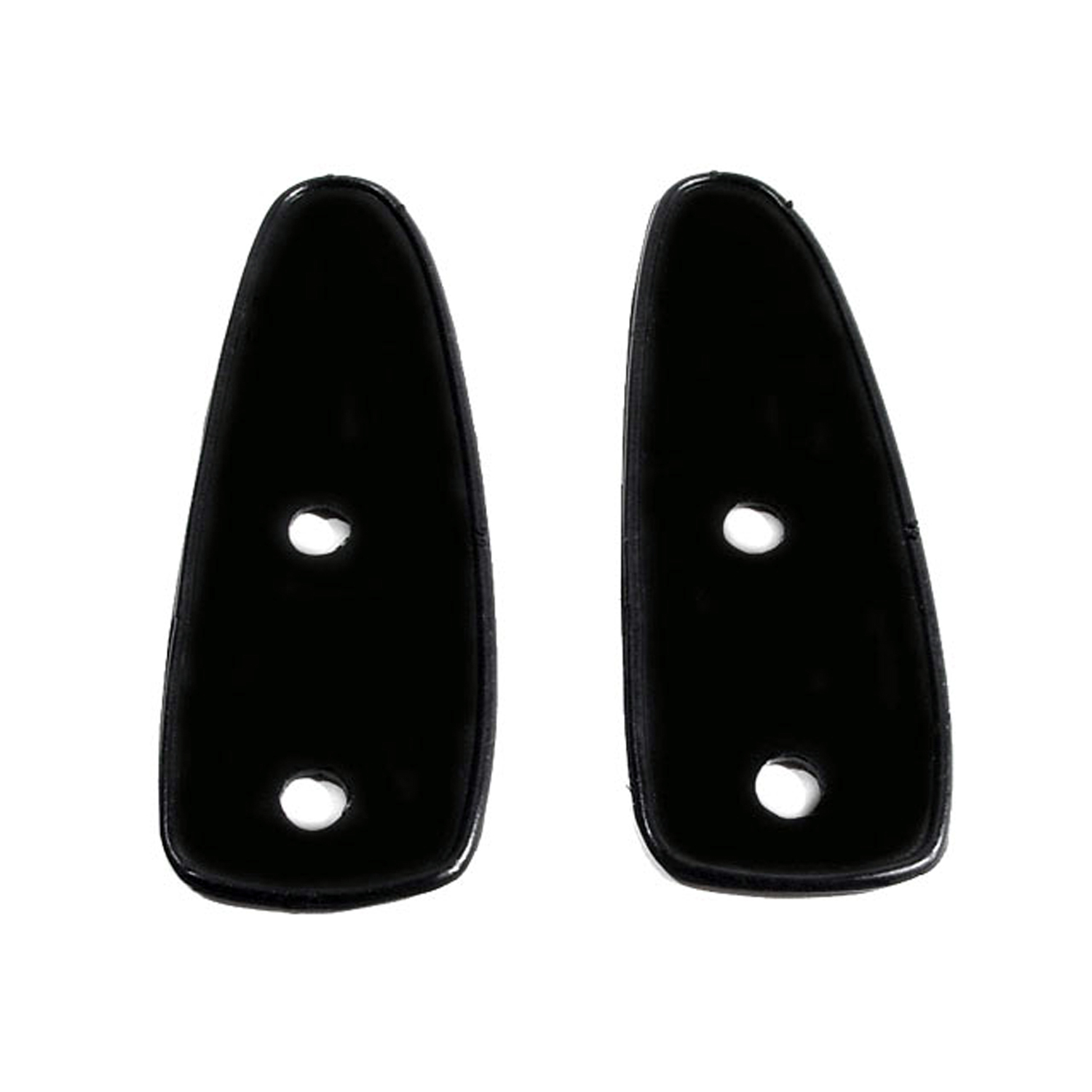 1942 Mercedes-Benz 170V Park Light Pads. 2-1/4" wide X 6-1/8" long. Pair-MP 823-QPark Light Pads. 2-1/4" wide X 6-1/8" long. Pair
 1942 Mercedes-Benz 170V Headlight Pads. 3-1/2" wide X 7-5/8" long. Pair-MP 824-PHeadlight Pads. 3-1/2" wide X 7-5/8" long. Pair
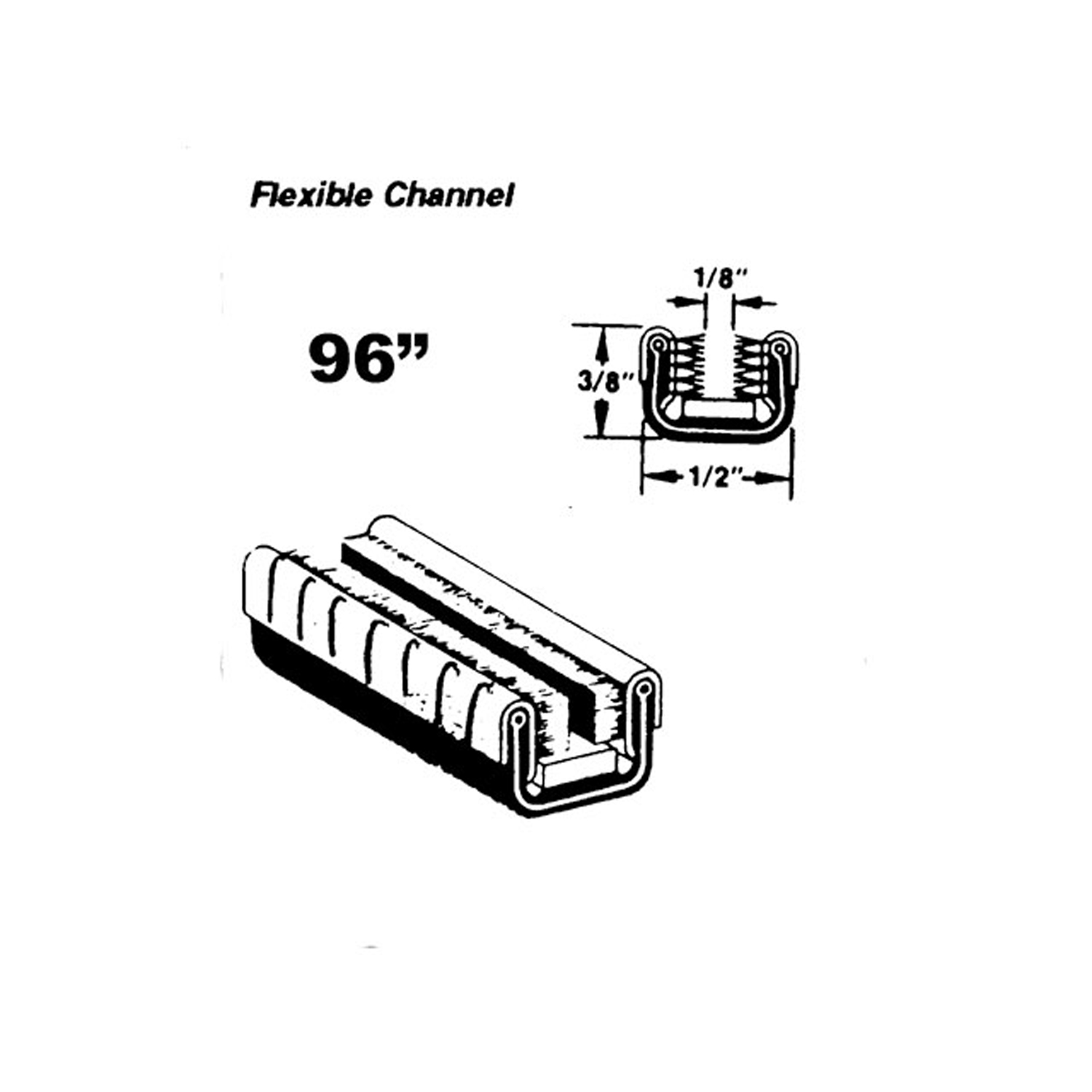 1942 Mercedes-Benz 170V Flexible glass-run channel. Rubber covered and pile lined-WC 12-96Flexible glass-run channel. Rubber covered and pile lined. Unbeaded. 96 in. long. Each. NOTE: $20 special shipping charge applies for domestic orders. Call or email for overseas shipping costs. Part can be sectioned in two or three equal lengths to reduce overseas shipping costs.
Why Choose Metro?
For over 100 years, Metro Moulded Parts has been the pinnacle of quality in classic car restoration parts. Our commitment to precision and authenticity in every component ensures a perfect fit and an OEM-level appearance.
- Expert Craftsmanship & Quality: Each part is a testament to our dedication to reliability and perfection, crafted from original designs and thoroughly tested.
- Advanced Technology: We use cutting-edge techniques to create flawless, long-lasting parts that surpass others in performance.
- SuperSoft Sponge – The Ultimate Door Seal: Not only are our door seals 30% softer than competitors', but they're also guaranteed to never leak. They effectively reduce wind and road noise, enhancing your classic car's comfort and driving experience.
- Proudly American: Our parts are a product of American craftsmanship, made in the USA with a spirit of excellence and heritage.
- Unrivaled Warranty: We back our products with a 30-year industry-leading warranty, a testament to our confidence in their quality.
Join us in preserving the legacy of classic cars with parts that are crafted for perfection, not just made.