

Image of 1946 Mercedes-Benz 170 V, Note: These illustrations use artistic license and may differ from actual historical models.
Performance Metrics
Fundamental Metrics
Emotional Appeal
MMP Rating
| Engine Specifications | |
|---|---|
| Engine: | Inline 4 |
| Displacement: | 1.7L |
| Horsepower: | 38-52 hp |
| Torque: | Estimated at 74 lb-ft |
| Compression Ratio: | 6.0:1 |
| Ignition System: | Battery Ignition |
| Cooling System: | Water-cooled |
| Performance Specifications | |
| 0-60 Time: | Information not available |
| 1/4 Mile Time: | Information not available |
| Top Speed: | 75 mph |
| Transmission and Drive | |
| Drive Type: | Rear-wheel drive |
| Transmission Type: | 4-speed manual |
| Fuel and Efficiency | |
| Fuel System Type: | Carburetor |
| MPG: | Information not available |
| Dimensions and Brakes | |
| Brakes: | Drum brakes |
| Wheelbase: | 112.6 inches |
| Weight: | 2,425 lbs |
Note: Specifications for classic cars are given to the best of our ability, considering the limited and variant data available.
1946 Mercedes-Benz 170 V: A Saloon Built for a Country Starting Over
The 1946 Mercedes-Benz 170 V returned to the road at a time when Germany was rebuilding almost everything else. A prewar design brought back to life by Mercedes-Benz, the 170 V combined familiar engineering with the practical job of helping restart civilian transport. Its first postwar forms were often work vehicles, including ambulances and delivery vans, making this modest four-cylinder Mercedes an unexpectedly important part of the company’s recovery.
The 170 V belonged to Mercedes-Benz’s W 136 family, first introduced in 1936. The “V” stood for Vorn, or front, identifying the car’s front-mounted engine and distinguishing it from the related rear-engined 170 H. After the war, the factory at Stuttgart-Untertürkheim had to resume production amid shortages of materials, damaged infrastructure and restrictions imposed by the Allied occupation. Production restarted in 1946, initially in small numbers and with a strong emphasis on vehicles society urgently needed.
A striking detail is just how few 170 Vs were built in that first revival year. Commonly cited production figures put 1946 output at only about 214 cars, though totals can vary according to how production and body styles are counted. That makes a genuine 1946 example far less commonplace than the broader 170 V nameplate suggests.
W136 Styling and Practical Craftsmanship
The 170 V’s shape was conservatively handsome rather than flamboyant. Its upright radiator grille, rounded front wings, separate headlamps and flowing bonnet gave it the unmistakable profile of a 1930s Mercedes. The passenger cabin sat high, with a gently curved roof and a clearly defined rear boot. Those flowing fenders were not merely decoration: they reflected an era when bodywork was shaped around the wheels rather than pressed into today’s flatter, more integrated forms.
Inside, the emphasis was on durability and traditional workmanship. Depending on body style and specification, owners found a simple painted dashboard, clear analog instruments, a large steering wheel and broad, upright seats. Cloth upholstery was common in practical versions, while higher-grade cars could have more luxurious trim, including leather. Materials and exact fittings varied, particularly during the lean postwar years when availability could dictate what a factory or coachbuilder could supply.
There was no single universal 1946 color palette that applied to every body and market. Dark, restrained shades such as black, grey, blue and green suited the car’s formal character, while commercial vehicles were often finished for utility or fleet use. A car’s original paint code and build records are more reliable guides than a modern assumption that every 170 V left the factory in the same handful of colors.
Body styles across the 170 V’s wider production life included four-door saloons, cabriolets, roadsters, panel vans, pickups and ambulances. The postwar range was much narrower at first, with commercial and emergency-service bodies especially important as production resumed. The four-door saloon became the best-known passenger-car form, while the ambulance and delivery versions show how directly the model answered the needs of its time.
Engineering That Bridged Two Eras
Under the bonnet sits a 1,697 cc, water-cooled inline-four from Mercedes-Benz’s M 136 engine family. In typical 170 V specification it produced about 38 PS, or roughly 37 horsepower, delivered to the rear wheels through a four-speed manual gearbox. The engine was modest by modern standards, but its straightforward layout and dependable character suited a car intended for ordinary roads and everyday service.
The chassis also reflected thoughtful engineering for its period. The 170 V used a sturdy frame, independent front suspension with double wishbones and a swing-axle arrangement at the rear. Hydraulic brakes brought controlled stopping power, while the separate chassis made it possible to adapt the platform for passenger, commercial and emergency work. The combination was not radically new in 1946, since the design dated from before the war, but it gave Mercedes a flexible, proven foundation when developing a clean-sheet car was unrealistic.
What set the 170 V apart from many contemporaries was the sophistication of its basic engineering. Independent suspension at both ends, a robust driveline and Mercedes-Benz’s disciplined approach to construction gave it a more substantial feel than many small, inexpensive cars. Its lasting importance lies less in one headline invention than in its role as a dependable platform that helped restore the company’s civilian-car business and led toward postwar models such as the 170 S.
Modest Speed, Measured Road Manners
Expect a top speed of around 100 km/h, or about 62 mph, depending on body style, condition and gearing. Mercedes did not publish a standard modern-style 0-to-60 mph figure for every 1946 configuration. Based on the car’s power and weight, a healthy saloon would likely need roughly 30 to 40 seconds to reach 60 mph, with heavier commercial bodies taking longer. Treat that acceleration figure as a period-car estimate, not a factory claim.
On a smooth road, the 170 V feels deliberate and composed rather than quick. The engine works audibly as speed builds, producing a steady four-cylinder hum that becomes more insistent when asked to climb hills or keep pace with modern traffic. The manual gearbox rewards calm shifts, and the large steering wheel gives the driver useful leverage, although the steering and controls demand more physical effort than those of a contemporary car.
The suspension takes the sting out of many ordinary bumps, and the car’s relatively narrow tires and upright body encourage a relaxed pace on winding roads. It is not a sports saloon: push hard through a corner and the body leans, while the swing-axle rear suspension calls for smooth, measured inputs. In gusty crosswinds, its tall profile can also require attention. The best experience comes from leaving room, listening to the engine and enjoying the unhurried rhythm of vintage motoring.
Living With a Postwar Mercedes
In its own day, the 170 V could serve as a family car, taxi, police vehicle, ambulance or delivery van. Today, most surviving examples are collector cars used for tours, historic events and local shows rather than daily commuting. A well-maintained saloon can still cover distance, but modern traffic speeds, limited crash protection and the value of original parts make routine use a personal choice.
Mechanically, the car is comparatively approachable for a classic Mercedes. The engine and chassis are conventional enough for a capable vintage-car mechanic to understand, and routine service includes attention to ignition, fuel delivery, cooling, brakes and lubrication. The less straightforward jobs are often about condition and sourcing: decades of repairs may have left a car with mixed components, and body panels, trim, instruments and correct interior details can be costly or time-consuming to find.
Rust deserves close inspection, particularly around the floors, sills, wheel arches, chassis and body mounting points. Buyers should also check that the brakes, steering and rear suspension have been properly rebuilt. A cheap project can become expensive quickly if its structural metalwork or missing original parts are extensive, so a specialist inspection is money well spent.
Small Production, Big Postwar Story
The 170 V has no widely recognized production speed or endurance record. Its distinction is more practical: it was among the Mercedes-Benz models that helped restart civilian vehicle production after the war. Ambulance and utility versions served a particularly visible purpose as communities rebuilt transport and public services.
There is no single celebrity-owner story that defines the 1946 model. Its more compelling trivia is that many early postwar examples were not glamorous private saloons at all. They were working vehicles, sometimes built for emergency or commercial duties, and their survival can tell a richer story than a famous owner’s name.
Common criticisms are easy to understand. The 170 V is slow by modern standards, its cabin is narrow compared with contemporary family cars, and its upright styling and firm period controls may feel old-fashioned even to experienced classic-car owners. It also lacks modern safety equipment. Those limitations are part of the ownership calculation, not defects that can be explained away.
Collector Values and Availability
As a broad 2026 market estimate, a 1946 170 V saloon needing substantial work might sell for roughly US$10,000 to US$25,000. A sound, usable example could fall around US$25,000 to US$50,000, while a high-quality restoration with strong documentation may reach approximately US$50,000 to US$75,000 or more. These are guide ranges, not appraisals: location, provenance, originality, restoration quality and the exact body style can shift the price considerably.
Rarer open cars and professionally built or historically significant special bodies can command much higher figures, but they should not be used as a direct comparison for an ordinary saloon. The 1946 production figure is often given as about 214 vehicles, making the first-year postwar cars scarce. Mercedes built roughly 75,000 170 Vs across the model’s full production life, although totals vary by source and by which related versions are included. The much larger family-wide figure does not mean that many 1946 cars are available: survivors from that specific year are uncommon, and well-documented examples are more so.
Values for sound, authentic prewar and immediate postwar Mercedes-Benz cars have generally been supported by the marque’s reputation and the model’s historical context. Prices are not guaranteed to rise, however. Restoration costs, the condition of a particular car and changing collector tastes matter more than age alone. Exceptional originality and credible records tend to be safer selling points than an expensive restoration that cannot be documented.
Why the 1946 170 V Matters
The 1946 Mercedes-Benz 170 V was not fast, lavishly equipped or revolutionary in the way a clean-sheet modern car might be. Its importance came from being ready, adaptable and well engineered when Mercedes-Benz needed to restart production under difficult conditions. Its graceful prewar shape, durable four-cylinder mechanics and range of working bodies made it both a practical tool and a bridge to the company’s postwar future.
For collectors, the first-year 170 V offers something more substantial than nostalgia: a chance to preserve a rare piece of automotive recovery. It is a reminder that sometimes the most significant car is not the one that goes fastest, but the one that gets a manufacturer and a country moving again.
1946 Mercedes-Benz 170 V Catalog of Parts
 1946 Mercedes-Benz 170 V Hood Corners. 2 Front and 2 Rear Corners. 4-Piece Set-HC 26Hood Corners. 2 Front and 2 Rear Corners. 4-Piece Set
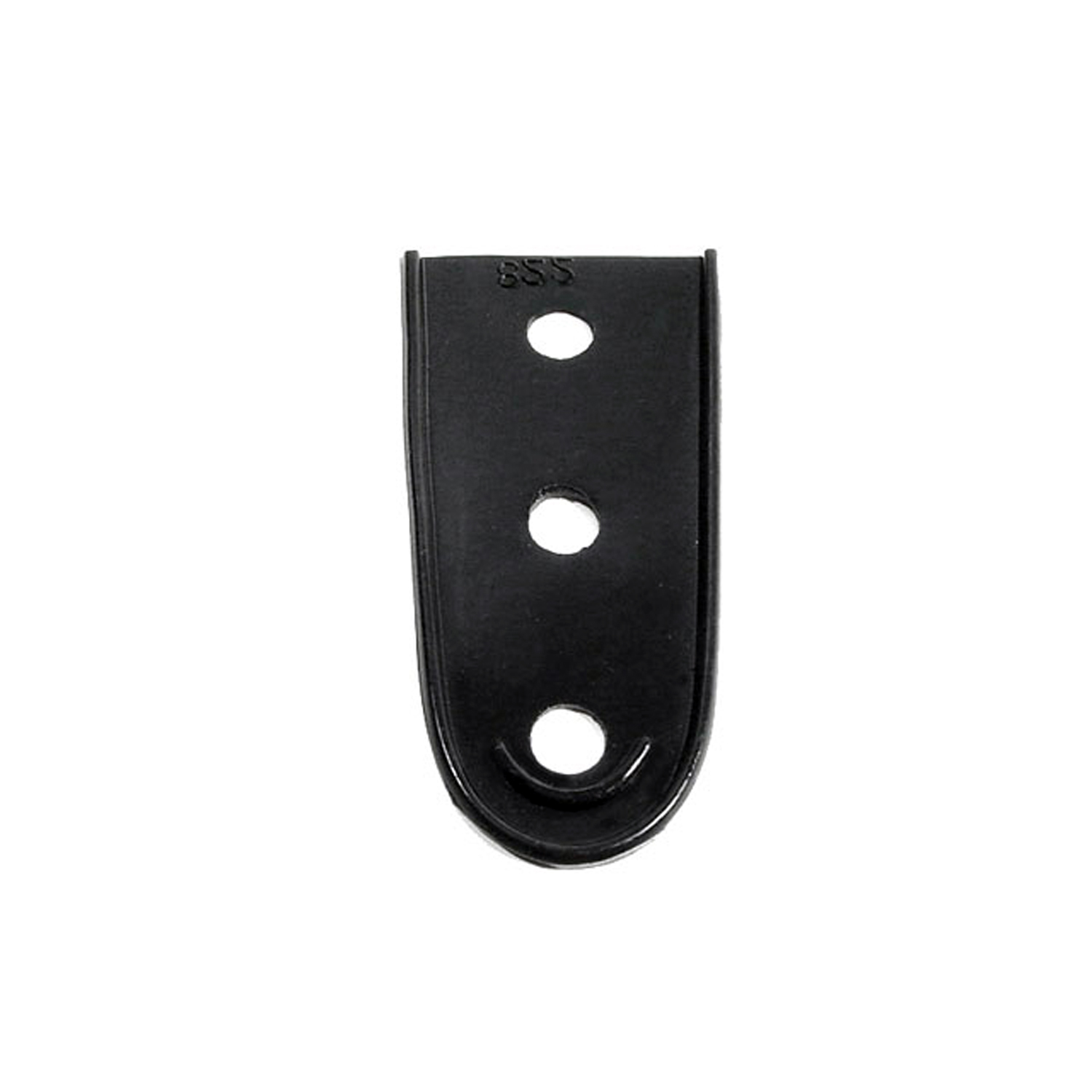 1946 Mercedes-Benz 170 V Trunk Lower Hinge Pad. 2-1/8" wide X 4-1/4" long. Each-MP 822Trunk Lower Hinge Pad. 2-1/8" wide X 4-1/4" long. Each
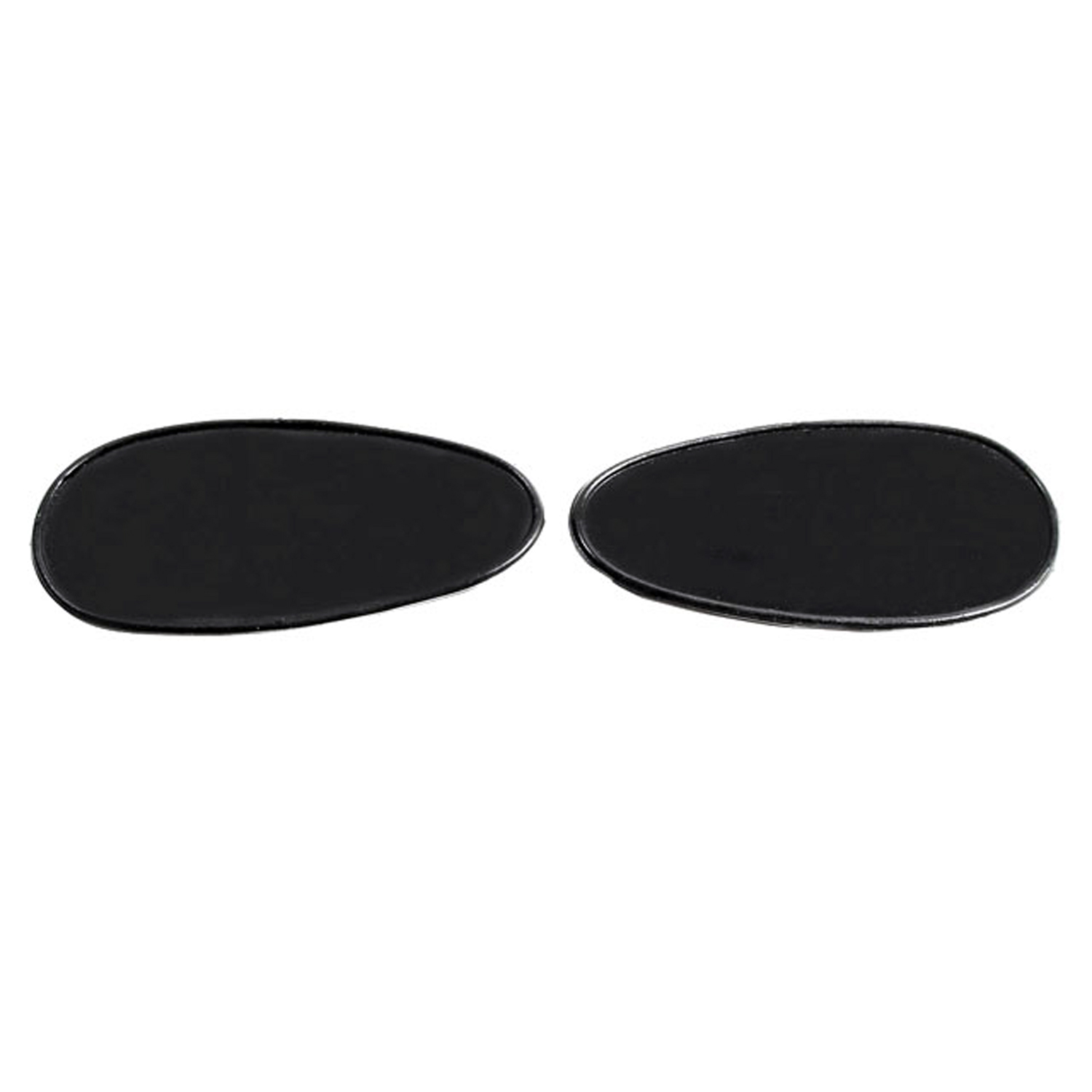 1946 Mercedes-Benz 170 V Tail-light Pads. 2-1/4" wide X 4-5/8" long. Pair-MP 823-BTail-light Pads. 2-1/4" wide X 4-5/8" long. Pair
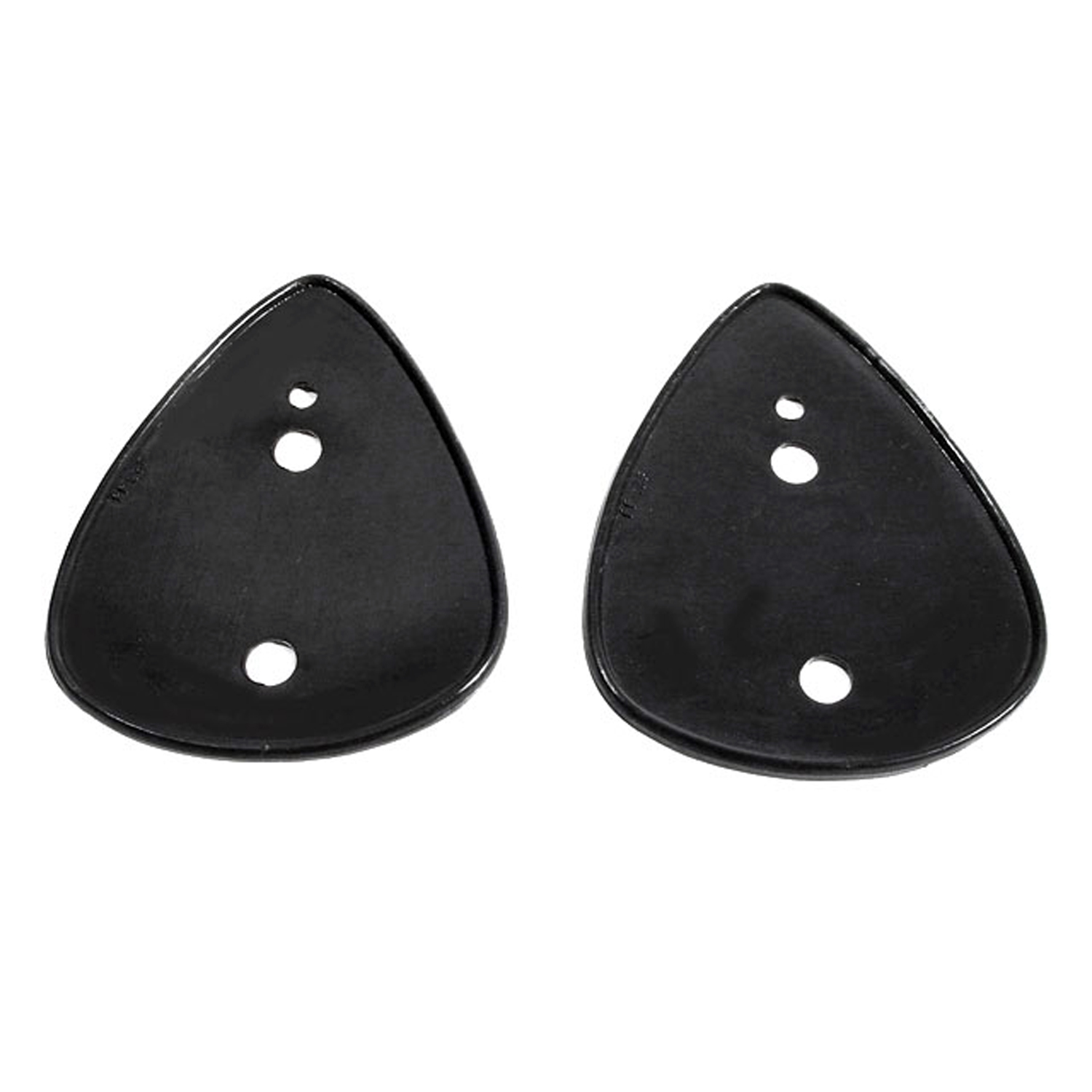 1946 Mercedes-Benz 170 V Park Light Pads. Made for the stamped fender light-MP 823-JJPark Light Pads. Made for the stamped fender light. 3-7/8" wide X 5-1/8" long. Pair
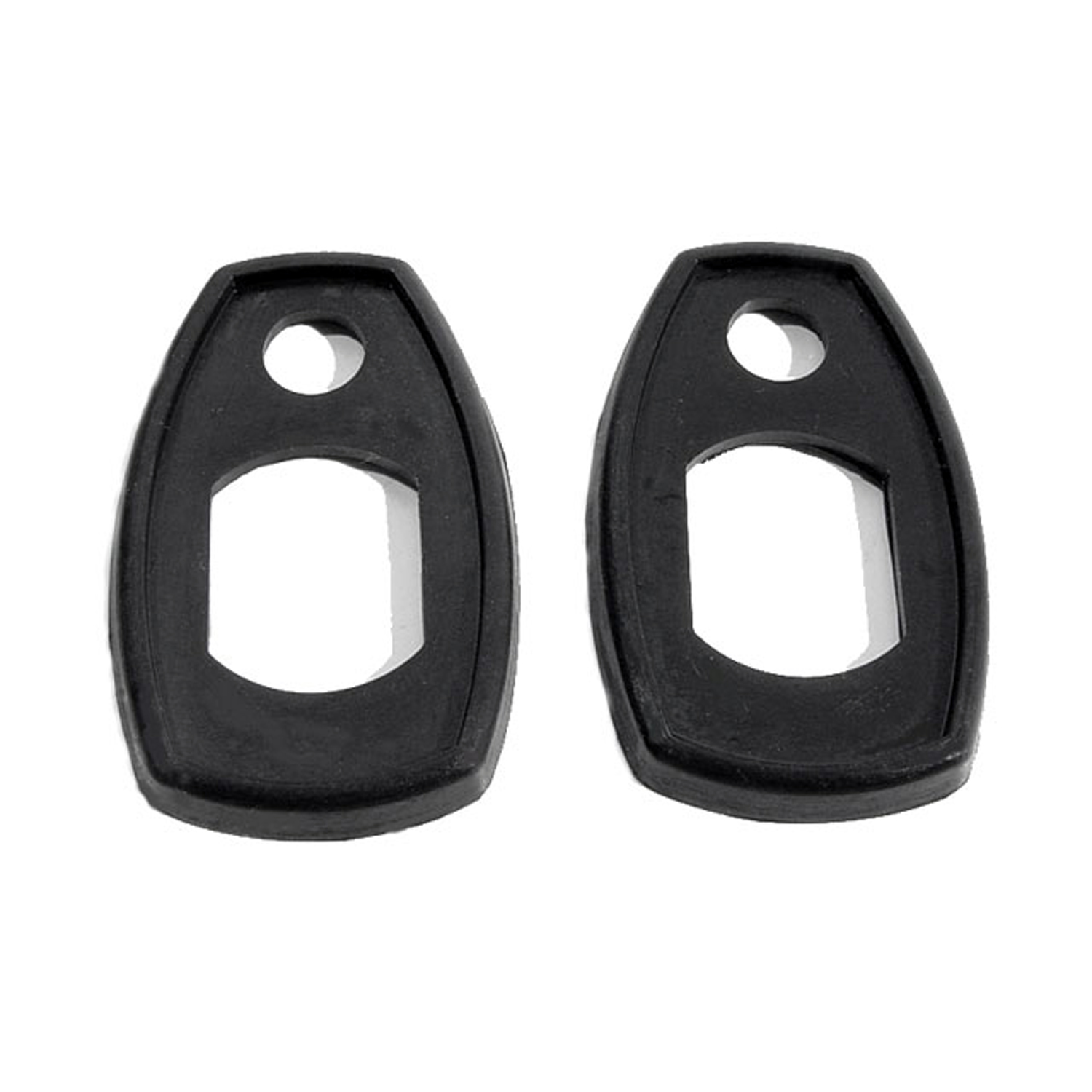 1946 Mercedes-Benz 170 V Door Handle Pads. 1-1/2" wide X 2-1/2" long. Pair-MP 823-NDoor Handle Pads. 1-1/2" wide X 2-1/2" long. Pair
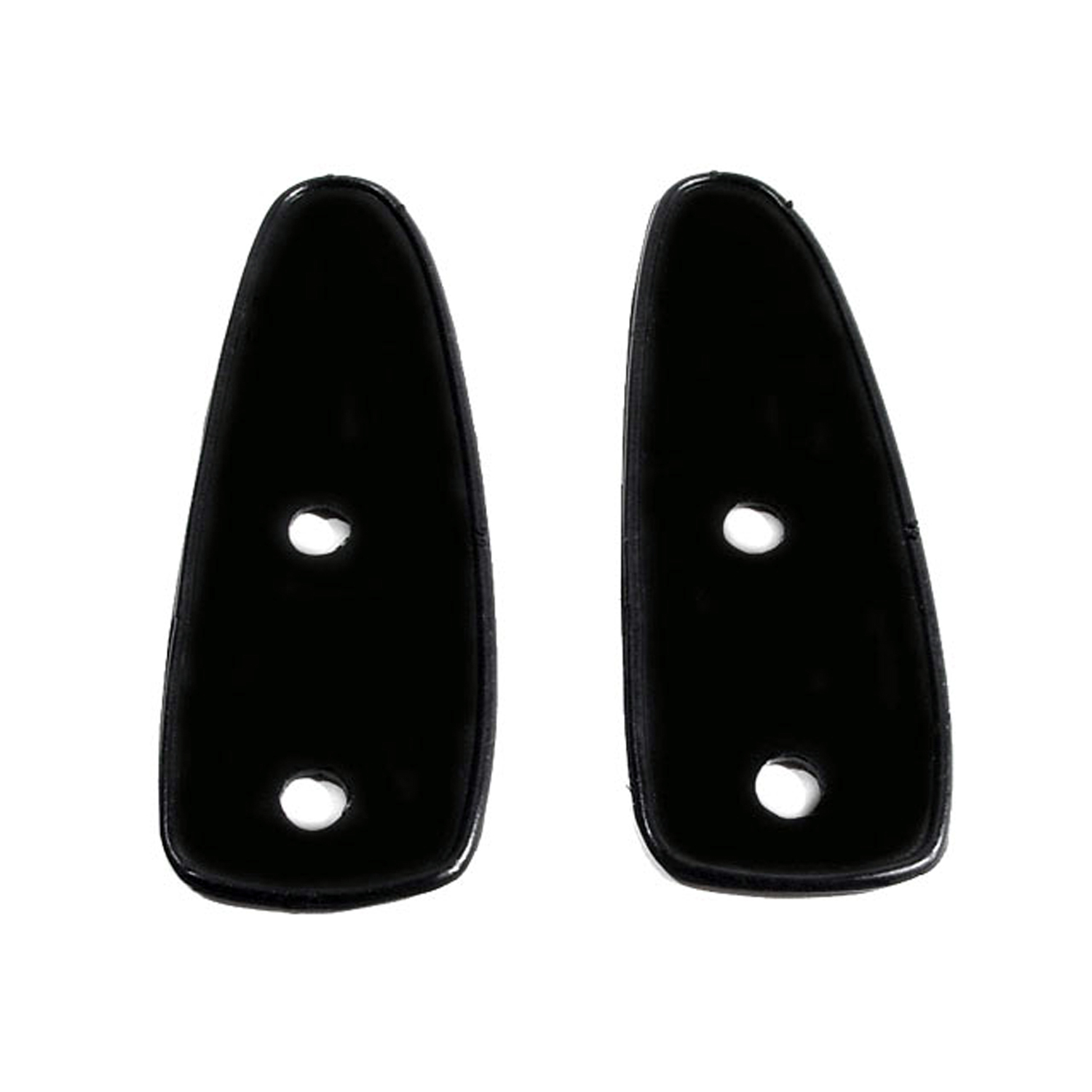 1946 Mercedes-Benz 170 V Park Light Pads. 2-1/4" wide X 6-1/8" long. Pair-MP 823-QPark Light Pads. 2-1/4" wide X 6-1/8" long. Pair
 1946 Mercedes-Benz 170 V Headlight Pads. 3-1/2" wide X 7-5/8" long. Pair-MP 824-PHeadlight Pads. 3-1/2" wide X 7-5/8" long. Pair
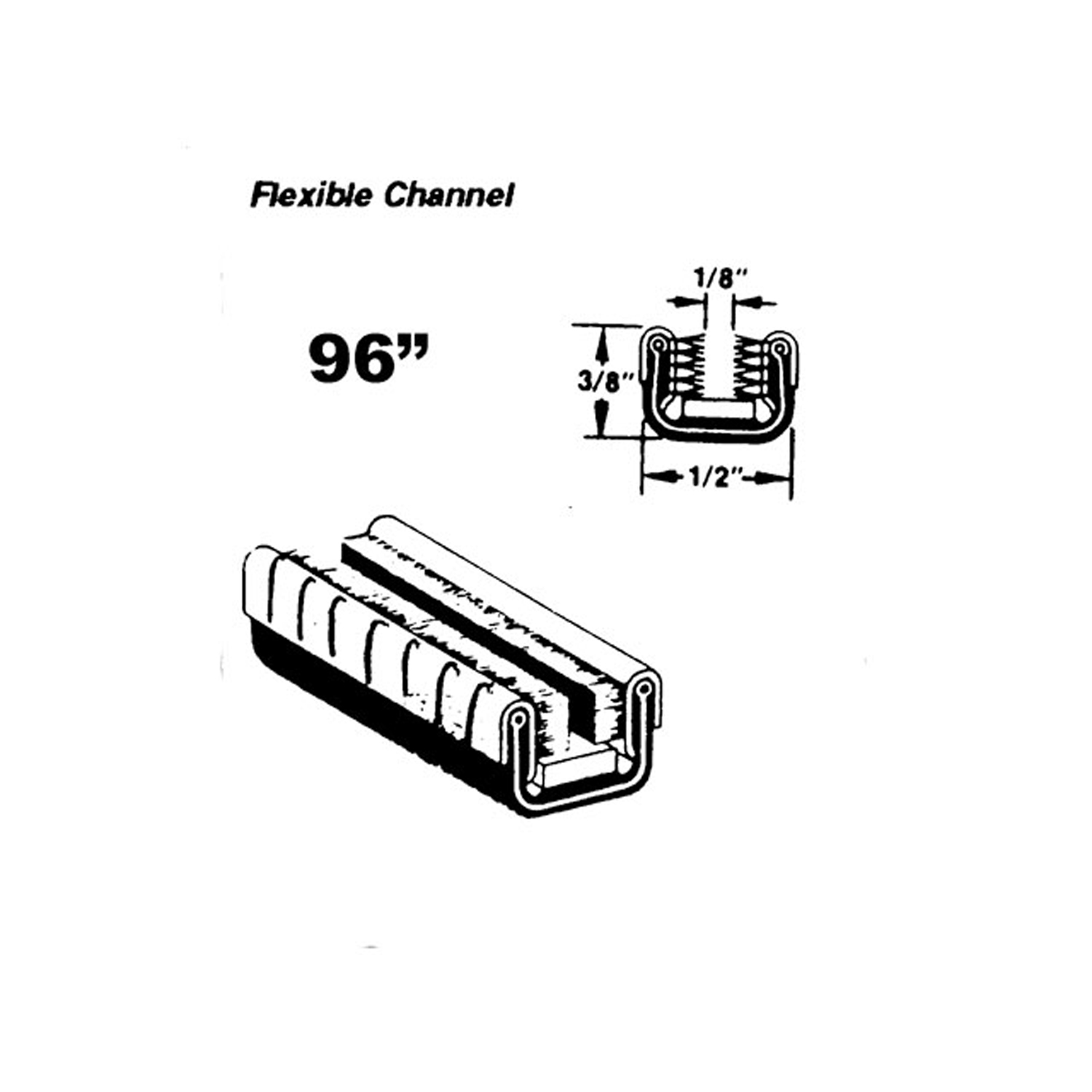 1946 Mercedes-Benz 170 V Flexible glass-run channel. Rubber covered and pile lined-WC 12-96Flexible glass-run channel. Rubber covered and pile lined. Unbeaded. 96 in. long. Each. NOTE: $20 special shipping charge applies for domestic orders. Call or email for overseas shipping costs. Part can be sectioned in two or three equal lengths to reduce overseas shipping costs.
Why Choose Metro?
For over 100 years, Metro Moulded Parts has been the pinnacle of quality in classic car restoration parts. Our commitment to precision and authenticity in every component ensures a perfect fit and an OEM-level appearance.
- Expert Craftsmanship & Quality: Each part is a testament to our dedication to reliability and perfection, crafted from original designs and thoroughly tested.
- Advanced Technology: We use cutting-edge techniques to create flawless, long-lasting parts that surpass others in performance.
- SuperSoft Sponge – The Ultimate Door Seal: Not only are our door seals 30% softer than competitors', but they're also guaranteed to never leak. They effectively reduce wind and road noise, enhancing your classic car's comfort and driving experience.
- Proudly American: Our parts are a product of American craftsmanship, made in the USA with a spirit of excellence and heritage.
- Unrivaled Warranty: We back our products with a 30-year industry-leading warranty, a testament to our confidence in their quality.
Join us in preserving the legacy of classic cars with parts that are crafted for perfection, not just made.