

Image of 1947 Mercedes-Benz 170 V, Note: These illustrations use artistic license and may differ from actual historical models.
Performance Metrics
Fundamental Metrics
Emotional Appeal
MMP Rating
| Engine Specifications | |
|---|---|
| Engine Options: | Inline 4 |
| Displacement Range: | 1.7L |
| Horsepower Range: | 38-52 hp |
| Torque: | Estimated at 74 lb-ft |
| Compression Ratio: | 6.5:1 |
| Ignition System: | Distributor ignition |
| Cooling System: | Water-cooled |
| Performance Specifications | |
| 0-60 Time: | Information not available |
| 1/4 Mile Time: | Information not available |
| Top Speed: | 75 mph |
| Transmission and Drive | |
| Drive Type: | Rear-wheel drive |
| Transmission Type: | 4-speed manual |
| Fuel and Efficiency | |
| Fuel System Type: | Carburetor |
| MPG: | Information not available |
| Dimensions and Brakes | |
| Brakes: | Drum brakes |
| Wheelbase: | 112.2 inches |
| Weight: | 2,425 lbs |
Note: Specifications for classic cars are given to the best of our ability, considering the limited and variant data available.
1947 Mercedes-Benz 170 V: A Postwar Classic Rebuilt for a New Era
The 1947 Mercedes-Benz 170 V was built for a country putting itself back together, and its modest, beautifully engineered four-door body became one of the first signs that German carmaking was moving again. Known internally as the W136, the 170 V came from Daimler-Benz, the company behind Mercedes-Benz, and had first appeared in 1936. After World War II interrupted civilian production, Mercedes returned to the model as a practical, established design that could be manufactured while the company rebuilt its factories and supply chains.
That makes the 1947 car more than a prewar design that happened to survive. It was part of Mercedes-Benz’s postwar restart. A notable detail is that the 170 V was also adapted for working life: alongside passenger cars, the range included commercial and special-purpose bodies such as delivery vans, pickups, and ambulances. Its sturdy, adaptable underpinnings helped make it useful well beyond the family garage.
Classic Mercedes Styling and Craftsmanship
The 170 V’s exterior is upright and formal, with the kind of confident proportions associated with prewar European saloons. Its tall radiator grille, upright Mercedes star, separate rounded headlamps, pronounced front fenders, and gently arched roofline give it a strong, unmistakable profile. The sedan’s compact dimensions make it look almost delicate beside a modern car, but the long hood and distinct fenders give it real presence.
Inside, the emphasis is on function and traditional workmanship rather than decoration for its own sake. Depending on the car’s specification and subsequent restoration, owners will find cloth or leather upholstery, a broad dashboard with clear analog instruments, and polished metal or painted trim. The cabin is simple by modern standards, but period-correct materials and careful restoration can make it feel warm and substantial. The column-mounted gear lever is a particularly distinctive detail, freeing up space in the front cabin.
Factory paint choices varied by year, market, and body style. Dark shades such as black, charcoal, and deep green suit the car’s formal character, while lighter gray, cream, and other subdued colors also appear on surviving examples. Black and dark gray are especially popular among restorers because they emphasize the Mercedes grille and brightwork without distracting from the car’s shape.
The four-door sedan, often described as a saloon or limousine, is the best-known and most common passenger-car form. The broader 170 V family also included Cabriolet A and Cabriolet B versions, as well as practical commercial and special bodies. Cabriolets are far less common and generally more valuable today, while the sedan remains the model’s most recognizable expression.
Engineering That Made the 170 V Stand Out
For its time, the 170 V combined a conventional-looking body with sophisticated chassis engineering. It used independent front suspension with double wishbones and coil springs, along with a swing-axle rear suspension. That layout helped the car ride more comfortably and maintain better road contact than a simple solid-axle design on rough surfaces. Hydraulic drum brakes provided the stopping power, and the rear-wheel-drive layout was familiar and serviceable.
The 170 V did not introduce a revolutionary new styling language in 1947. Its importance lay in continuity and execution: Mercedes resumed production with a known, adaptable model, then used it to restore manufacturing experience and customer confidence. The car’s engineering also supported a wide range of body styles, helping the company serve private owners, tradespeople, public services, and taxi operators with one basic platform.
The same adaptable foundation supported later developments. In 1949, Mercedes introduced the 170 D, a diesel-powered passenger car based on the 170 V family. That evolution helped establish a path for Mercedes diesel saloons in the years that followed.
Engine, Speed, and Road Manners
The 1947 170 V is powered by a front-mounted 1,697 cc inline-four. In typical specification, the side-valve engine produced about 38 metric horsepower, or roughly 37 mechanical horsepower, and drove the rear wheels through a four-speed manual gearbox. Exact figures can vary with market, condition, and specification, but a top speed of around 100 km/h, or 62 mph, is a useful guide.
There is no single dependable factory 0-to-60 mph figure commonly quoted for every 1947 version. Given the car’s modest power, gearing, and weight, an estimate of roughly 35 to 45 seconds is more realistic than any modern performance comparison suggests. It is a car to drive at a measured pace, not a machine built for quick overtaking.
On a bumpy road, the independent suspension gives the 170 V a more composed feel than its upright appearance might suggest. It is still a prewar-era car, however, and rough pavement will make itself known through the narrow tires, soft suspension, and older chassis. On winding roads, the steering is deliberate rather than quick. The car rewards smooth inputs and sensible cornering speeds, especially because its swing-axle rear suspension has different handling characteristics from a modern independent setup.
Behind the wheel, the experience is mechanical and unhurried. The four-cylinder engine gives a steady, workmanlike note, while the manual gearbox asks the driver to plan shifts rather than rush them. The view over the long hood, the upright seating position, and the feel of the steering all make the 170 V feel like a car from a different rhythm of motoring. It is best enjoyed on scenic routes, at rallies, and on relaxed local drives.
Living With a 170 V
Today, most 1947 170 Vs are collector cars, show cars, or occasional-use touring vehicles rather than daily transportation. They can be driven regularly, but modern traffic is a demanding environment for a car with modest acceleration, period brakes, and no contemporary safety equipment. A well-maintained example is most at home on quieter roads and at a pace suited to its age.
The mechanical layout is relatively straightforward, and an experienced classic-car mechanic can service the engine, gearbox, brakes, and suspension without needing modern diagnostic equipment. That does not automatically make ownership inexpensive. Age-related corrosion, worn suspension parts, tired electrical systems, and hard-to-source trim can turn a seemingly simple repair into a specialist project. Cabriolet restoration is particularly demanding because correct tops, interior details, and bodywork can be costly to reproduce.
Reliability depends heavily on the individual car’s maintenance and restoration history. A sound, regularly exercised example can be dependable for touring, but a car that has sat unused may need extensive recommissioning before it is safe to drive. Prospective owners should pay close attention to chassis and body corrosion, engine condition, brake hydraulics, and the quality of any previous restoration.
Little-Known 170 V Facts
The 170 V’s usefulness was a major part of its appeal. Its basic platform could be adapted for passenger, commercial, and emergency-service work, making it an important tool during the difficult postwar years. The 170 V family also had a military connection: related versions had been produced for military use before and during the war.
The 1947 model is not known for a speed record or a headline-grabbing racing victory. Its historical distinction is quieter but more consequential: it helped Mercedes-Benz resume passenger-car production after the war. Nor is there a reliably documented standalone production total for every 1947 body style. Broadly, approximately 49,000 postwar 170 V cars were built between 1946 and 1950, with several thousand likely produced in 1947. That estimate should not be confused with the much larger total for the full W136 family, which also includes prewar production.
Common criticisms are easy to understand. The car is slow by modern standards, its cabin and safety features are basic, and restoring a neglected example can be expensive. Some drivers also find the steering and gearbox less effortless than those of later Mercedes models. Those limitations are part of the ownership calculation, not surprises to discover after purchase.
Collector Values and Availability
Values depend strongly on body style, originality, restoration quality, and documentation. As a broad 2026 estimate in U.S. dollars, a project sedan may fall around $10,000 to $25,000, while a usable driver could bring roughly $25,000 to $50,000. A very well-restored sedan may reach about $50,000 to $85,000. Cabriolets are scarcer and can command approximately $100,000 to $200,000 or more when exceptionally restored and correctly specified.
These are guide ranges, not guaranteed asking or sale prices. A poor restoration can be worth less than a solid, honest car, and unusual body styles may attract a narrower but more dedicated group of buyers. Original parts, credible restoration records, and a known history can make a meaningful difference.
The 170 V is not impossible to find, but clean 1947 examples are not everyday listings, and the rare open cars are considerably harder to locate than sedans. Demand for well-presented Mercedes classics has generally supported values, particularly for scarce cabriolets. The market is best described as selective rather than uniformly booming: top-quality cars have the strongest prospects, while average examples can remain steady and restoration costs may limit appreciation.
Why the 1947 170 V Still Matters
The 1947 Mercedes-Benz 170 V paired a practical four-cylinder engine and adaptable body range with thoughtful suspension engineering and unmistakable prewar styling. Its pace is leisurely, its technology is from another era, and careful maintenance is part of the bargain. But as one of Mercedes-Benz’s key postwar passenger cars, it represents a company and a country rebuilding through skilled engineering and determined production.
For collectors, the 170 V offers more than an elegant old saloon. It is a tangible link between Mercedes-Benz’s prewar craftsmanship and the recovery that shaped its postwar identity.
1947 Mercedes-Benz 170 V Catalog of Parts
 1947 Mercedes-Benz 170 V Hood Corners. 2 Front and 2 Rear Corners. 4-Piece Set-HC 26Hood Corners. 2 Front and 2 Rear Corners. 4-Piece Set
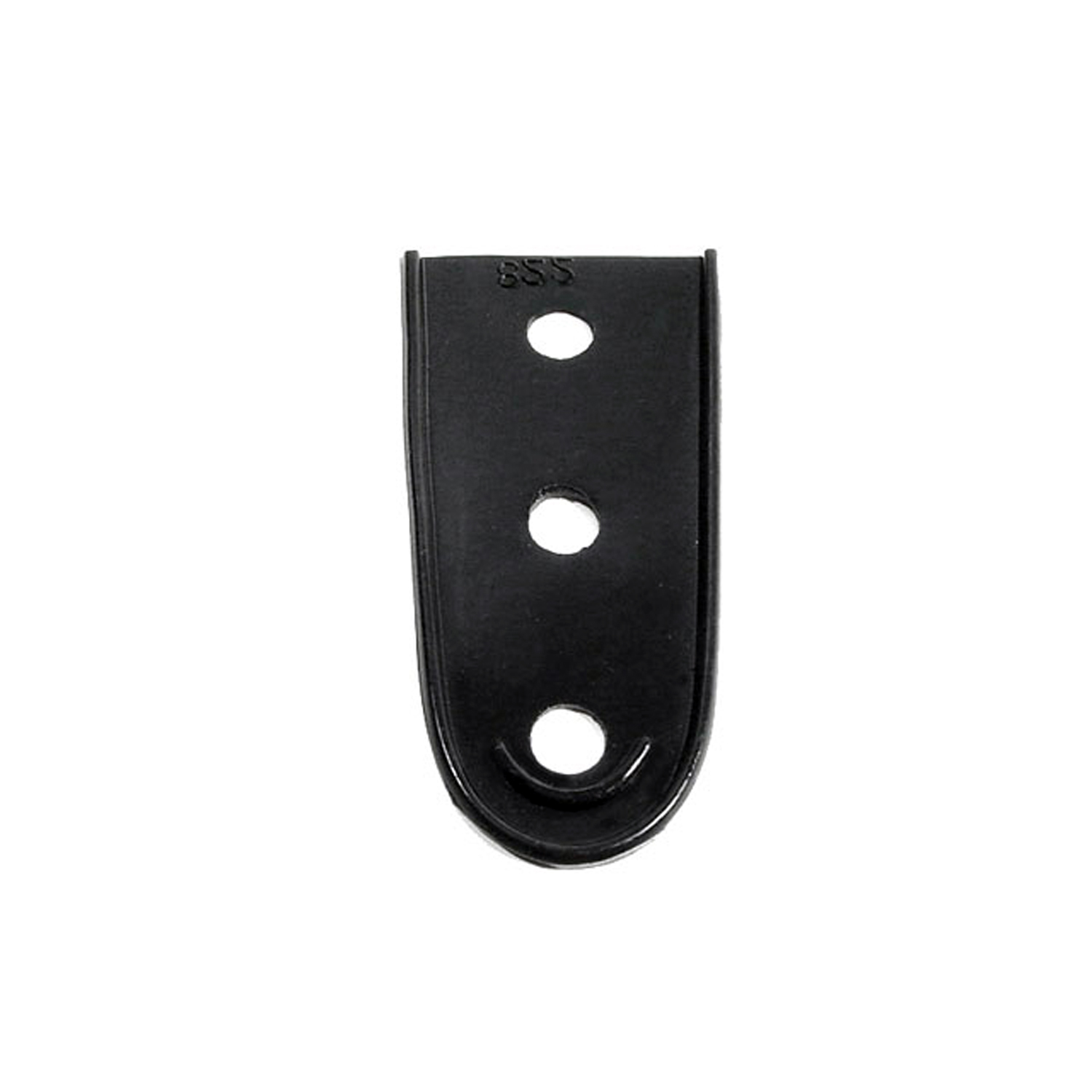 1947 Mercedes-Benz 170 V Trunk Lower Hinge Pad. 2-1/8" wide X 4-1/4" long. Each-MP 822Trunk Lower Hinge Pad. 2-1/8" wide X 4-1/4" long. Each
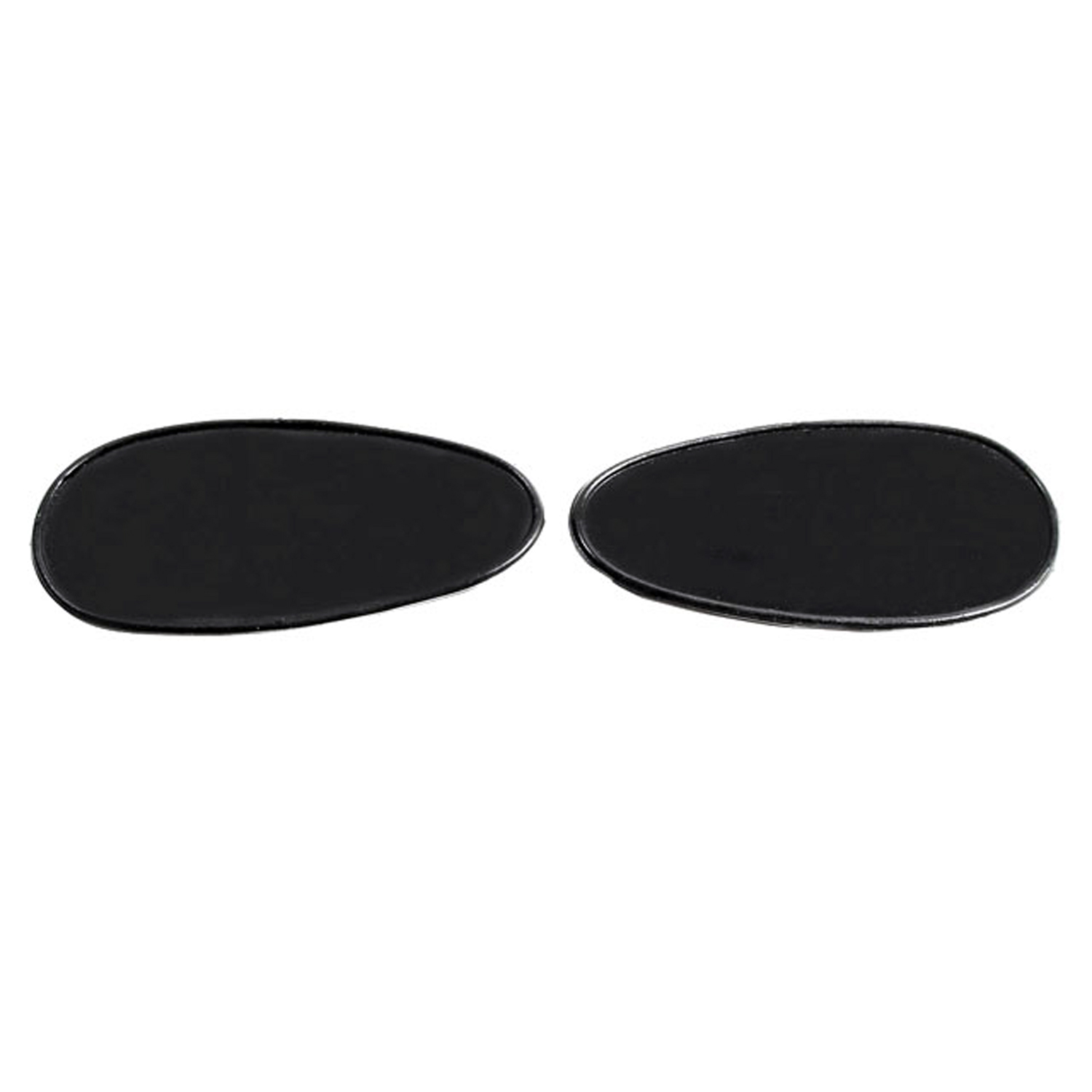 1947 Mercedes-Benz 170 V Tail-light Pads. 2-1/4" wide X 4-5/8" long. Pair-MP 823-BTail-light Pads. 2-1/4" wide X 4-5/8" long. Pair
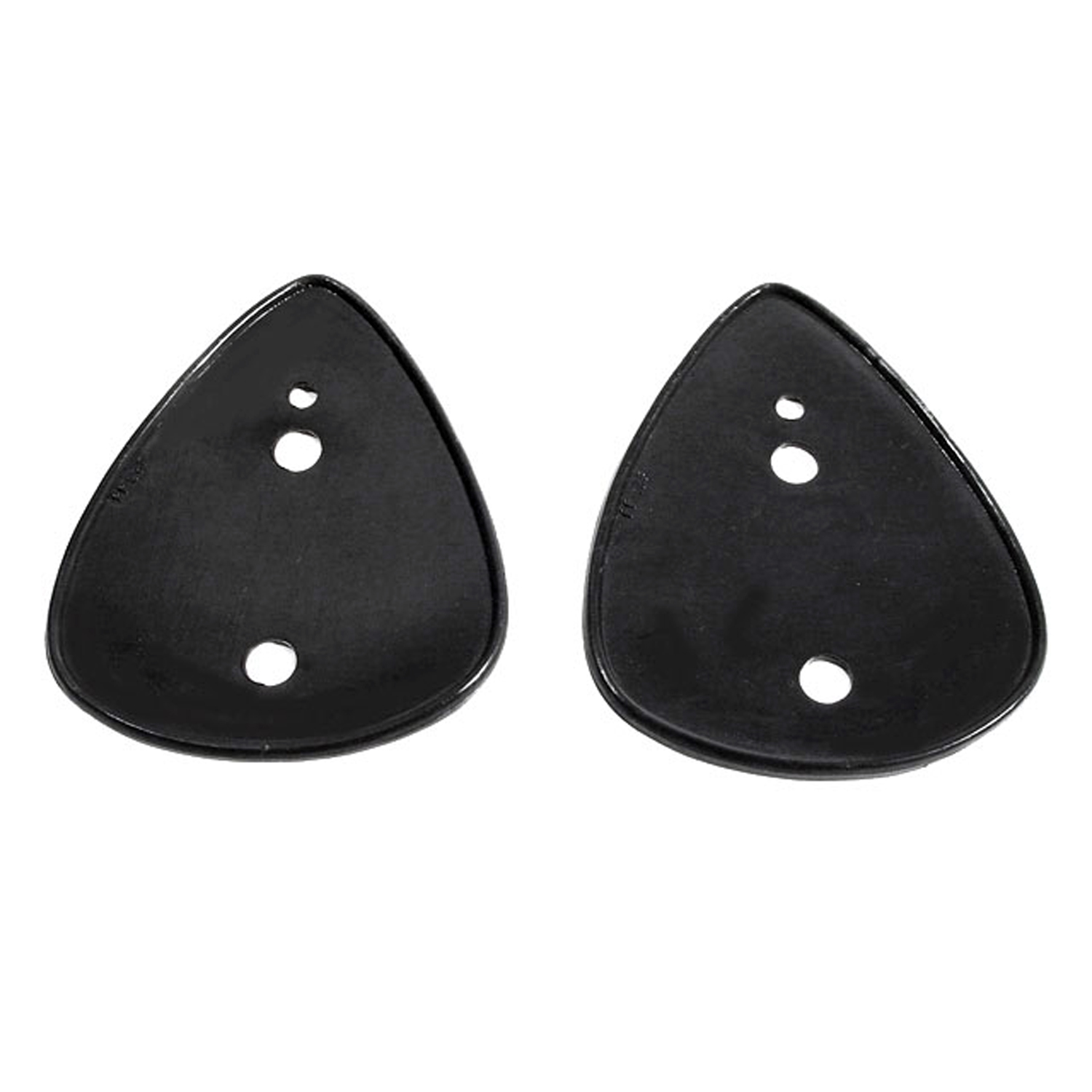 1947 Mercedes-Benz 170 V Park Light Pads. Made for the stamped fender light-MP 823-JJPark Light Pads. Made for the stamped fender light. 3-7/8" wide X 5-1/8" long. Pair
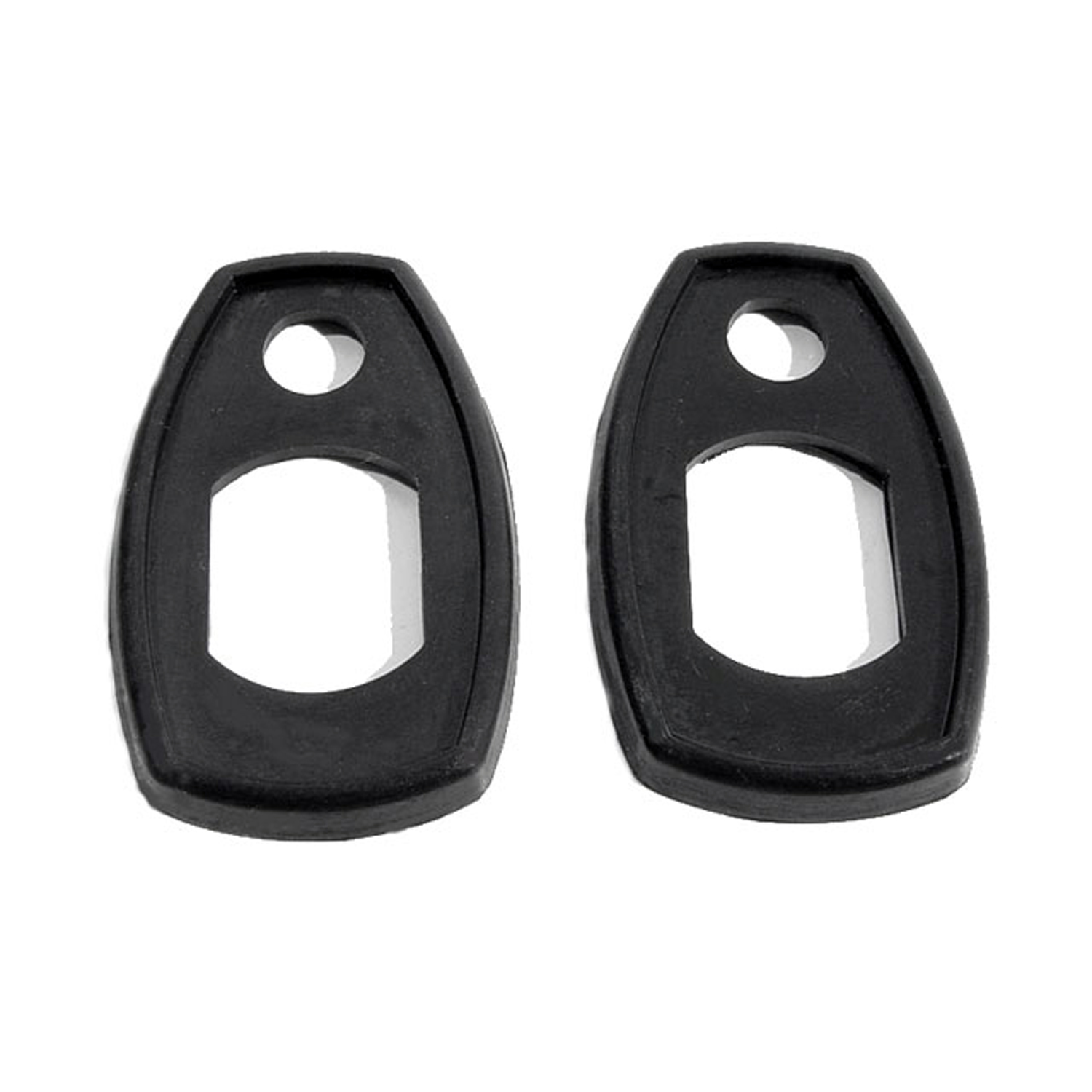 1947 Mercedes-Benz 170 V Door Handle Pads. 1-1/2" wide X 2-1/2" long. Pair-MP 823-NDoor Handle Pads. 1-1/2" wide X 2-1/2" long. Pair
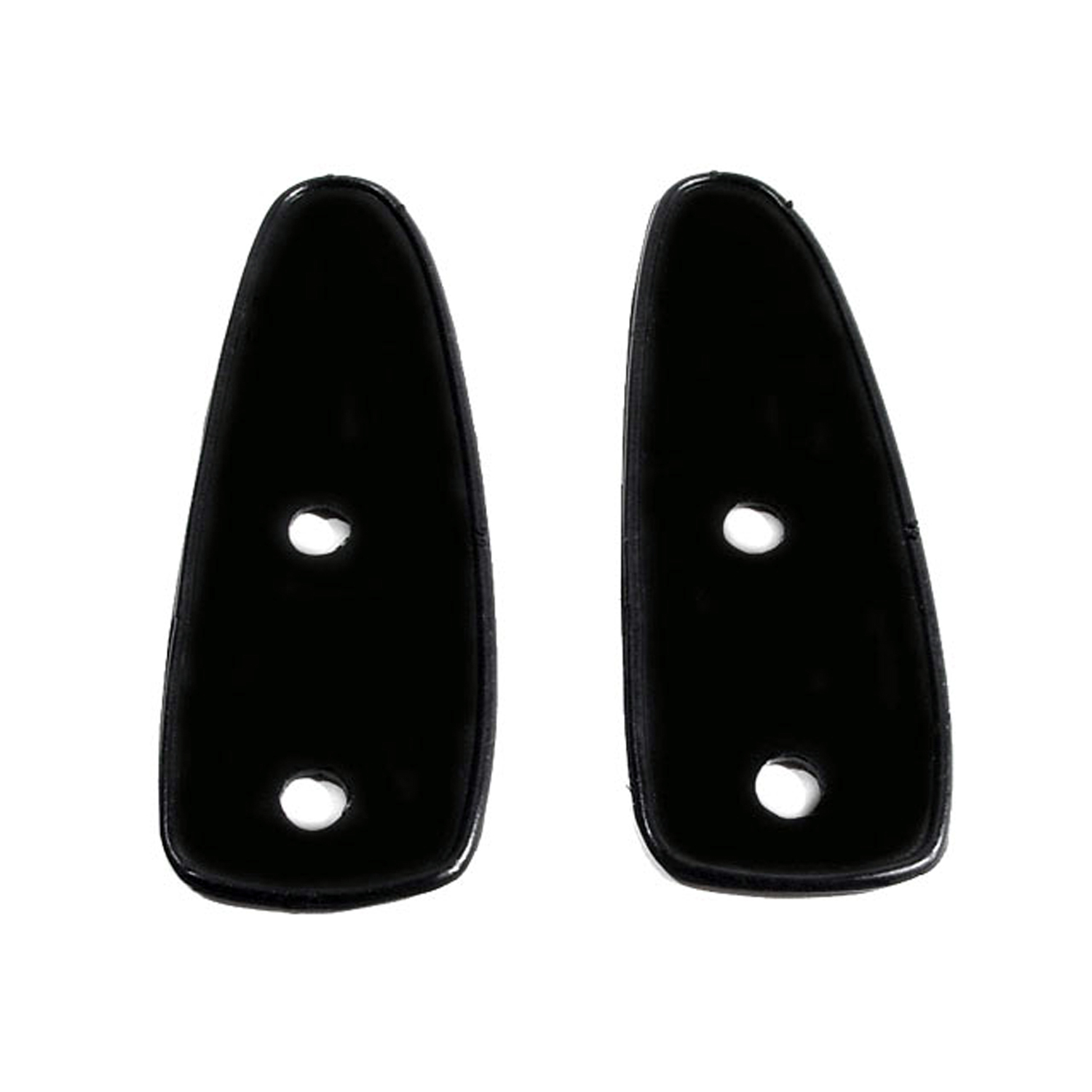 1947 Mercedes-Benz 170 V Park Light Pads. 2-1/4" wide X 6-1/8" long. Pair-MP 823-QPark Light Pads. 2-1/4" wide X 6-1/8" long. Pair
 1947 Mercedes-Benz 170 V Headlight Pads. 3-1/2" wide X 7-5/8" long. Pair-MP 824-PHeadlight Pads. 3-1/2" wide X 7-5/8" long. Pair
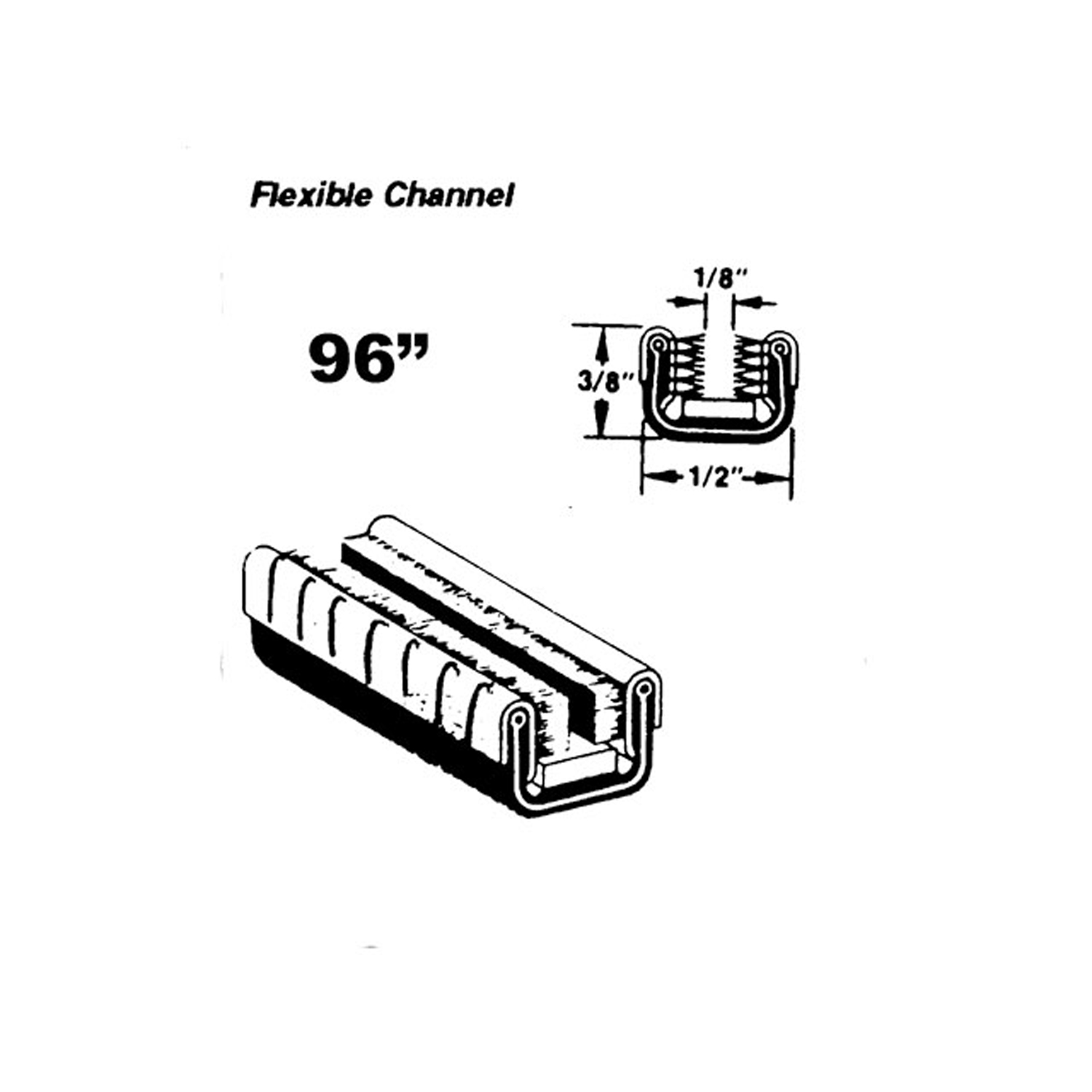 1947 Mercedes-Benz 170 V Flexible glass-run channel. Rubber covered and pile lined-WC 12-96Flexible glass-run channel. Rubber covered and pile lined. Unbeaded. 96 in. long. Each. NOTE: $20 special shipping charge applies for domestic orders. Call or email for overseas shipping costs. Part can be sectioned in two or three equal lengths to reduce overseas shipping costs.
Why Choose Metro?
For over 100 years, Metro Moulded Parts has been the pinnacle of quality in classic car restoration parts. Our commitment to precision and authenticity in every component ensures a perfect fit and an OEM-level appearance.
- Expert Craftsmanship & Quality: Each part is a testament to our dedication to reliability and perfection, crafted from original designs and thoroughly tested.
- Advanced Technology: We use cutting-edge techniques to create flawless, long-lasting parts that surpass others in performance.
- SuperSoft Sponge – The Ultimate Door Seal: Not only are our door seals 30% softer than competitors', but they're also guaranteed to never leak. They effectively reduce wind and road noise, enhancing your classic car's comfort and driving experience.
- Proudly American: Our parts are a product of American craftsmanship, made in the USA with a spirit of excellence and heritage.
- Unrivaled Warranty: We back our products with a 30-year industry-leading warranty, a testament to our confidence in their quality.
Join us in preserving the legacy of classic cars with parts that are crafted for perfection, not just made.