

Image of 1948 Mercedes-Benz 170 V, Note: These illustrations use artistic license and may differ from actual historical models.
Performance Metrics
Fundamental Metrics
Emotional Appeal
MMP Rating
| Engine Specifications | |
|---|---|
| Engine: | Inline 4 |
| Displacement: | 1767 cc |
| Horsepower: | 38-52 hp |
| Torque: | Not available |
| Compression Ratio: | Not available |
| Ignition System: | Battery Ignition |
| Cooling System: | Water-cooled |
| Performance Specifications | |
| 0-60 Time: | Not available |
| 1/4 Mile Time: | Not available |
| Top Speed: | 75 mph |
| Transmission and Drive | |
| Drive Type: | Rear-wheel drive |
| Transmission Type: | 4-speed manual |
| Fuel and Efficiency | |
| Fuel System Type: | Carburetor |
| MPG: | Not available |
| Dimensions and Brakes | |
| Brakes: | Hydraulic drum brakes |
| Wheelbase: | 112.2 inches |
| Weight: | 2,425 lbs |
Note: Specifications for classic cars are given to the best of our ability, considering the limited and variant data available.
1948 Mercedes-Benz 170 V: A Postwar Classic Reborn
In a Europe still rebuilding from the Second World War, the 1948 Mercedes-Benz 170 V offered a welcome sign that ordinary life, and the German automobile industry, could move forward again. Sturdy, carefully engineered and unmistakably Mercedes-Benz, it was more than a prewar design back on the road: it became the company’s essential bridge between wartime devastation and its postwar revival.
The 170 V, internally designated W 136, first appeared in 1936. Production paused during the war and restarted in 1946, making the 170 V the first passenger car Mercedes-Benz put back into production after the conflict. The 1948 version was therefore part of a crucial chapter in the company’s history. One intriguing detail is that the car’s straightforward engineering also made it useful for work beyond private motoring: the 170 V platform could underpin ambulances, delivery vehicles and other practical body styles at a time when every vehicle had to earn its keep.
Upright Lines, Thoughtful Engineering
The 170 V has the compact, formal proportions associated with prewar Mercedes-Benz design. Its tall radiator grille, rounded front fenders, separate headlamps and gently curved bonnet give it a dignified profile. The cabin sits high, with a near-vertical windscreen and a generous roofline. From the side, the distinct fenders and running boards make the car’s separate body forms easy to read. It looks elegant without being ostentatious, and purposeful without appearing purely utilitarian.
Inside, the emphasis is on function and solid workmanship rather than modern luxury. A broad dashboard, clear instruments and upright seating make the cabin feel airy by the standards of the period. Materials varied with body style and specification. Sedan interiors commonly used durable cloth and painted or finished metal surfaces, while more expensive open cars could have richer trim, including leather. As with many postwar cars, exact finishes depended on the individual car, its market and what was available when it was built.
Under the bonnet is a 1,697 cc inline-four, known as the M 136. It is a side-valve engine, a conventional layout for its era, and produces about 38 horsepower in the 170 V specification. A four-speed manual gearbox sends power to the rear wheels. The car’s engineering was notable less for flashy novelty than for sound fundamentals: a robust chassis, independent front suspension and a rear swing-axle arrangement with coil springs. These features helped give the 170 V a more composed ride than a simple rigid-axle design.
Factory colors depended on year, body and export market, so there is no single short list that applies to every 1948 example. Period cars were often finished in restrained shades such as black, gray, green, blue and burgundy. Dark colors suit the 170 V’s formal shape particularly well, though lighter finishes can bring out the curves of its fenders and bonnet.
The best-known body style is the four-door sedan, a practical choice for families and official use. The range also included open and special-purpose versions, such as Cabriolet A and Cabriolet B models, plus commercial derivatives including vans and ambulances. The sedan is the most familiar expression of the 170 V, while the cabriolets are especially desirable today for their rarity and more luxurious character.
A Mercedes-Benz Built for Recovery
The 170 V mattered because it gave Mercedes-Benz a workable passenger car when the company’s resources and production capacity were severely constrained. Rather than begin from scratch, the manufacturer returned to a proven prewar design and adapted it to the conditions of the late 1940s. The result was not a revolutionary new car, but a dependable foundation for rebuilding production, supplying customers and restoring the marque’s presence on public roads.
That practicality set the 170 V apart from more specialized or ambitious contemporaries. Its modest engine, useful cabin and adaptable chassis suited a period when fuel, materials and new vehicles were scarce. Its independent front suspension and carefully developed chassis also reflected Mercedes-Benz’s established interest in ride quality and road manners. The model’s lasting importance lies in that combination of engineering discipline and versatility: it helped carry the company from its prewar identity into the postwar era.
Performance and Road Manners
With roughly 38 horsepower, the 170 V is a relaxed tourer, not a fast car. Depending on body style, mechanical condition and gearing, period performance figures put top speed at about 100 to 108 km/h, or roughly 62 to 67 mph. A modernized estimate for 0 to 60 mph is around 30 to 35 seconds. These figures should be treated as approximations: a heavy cabriolet will feel slower than a lighter sedan, and surviving cars can vary considerably in tune and condition.
On a smooth road, the 170 V feels composed and deliberate. Its suspension takes the edge off ordinary bumps, although its tall body and period tires remind the driver that it is not a modern touring car. On winding roads, the steering calls for measured inputs and the swing-axle rear suspension rewards smooth driving. It can lean through corners, and a driver should avoid abrupt steering or throttle changes, especially on a rough surface.
The experience is pleasantly mechanical. The four-cylinder engine produces a steady, unhurried note rather than a sporty roar. The driver works a manual gearbox, listens to the engine and plans overtakes well in advance. The 170 V is happiest at a comfortable cruise, where its upright seating, clear view over the bonnet and supple ride make even a modest journey feel like an occasion.
Living with a 170 V
Today, most 1948 examples are used as weekend drivers, touring cars, museum pieces or show cars. A sound, well-maintained sedan can be driven on suitable roads, but the car’s age makes it a poor choice for regular modern commuting. Its modest pace, period braking and lack of contemporary safety equipment call for a patient driver and sensible routes.
The basic mechanical layout is relatively approachable for a classic specialist or an experienced home mechanic. The engine and running gear are conventional by vintage-car standards, and routine service work is not especially mysterious. The bigger challenges are often finding correct parts, preserving original details and dealing with decades of repairs or storage. Before buying, inspect the chassis and body carefully for corrosion, check the engine’s oil pressure and cooling system, and assess the gearbox, brakes, steering and suspension. A tidy-looking restoration can conceal costly structural work.
Curiosities and Common Criticisms
The 170 V’s most striking historical distinction is its role as Mercedes-Benz’s first postwar passenger car in production. Its flexible chassis also served working vehicles, including ambulance and delivery applications. That breadth of use says a lot about the model: it was designed to be more than a formal sedan for prosperous private owners.
There is no widely recognized speed or endurance record associated with the 1948 170 V. Its achievement was more practical than spectacular: helping restore passenger-car production during a difficult period. Common criticisms are equally straightforward. The car is slow by modern standards, offers limited crash protection, and requires careful handling at the limit. Its age also means that reliability depends far more on restoration quality and upkeep than on the model’s reputation alone.
Collector Values and Availability
Exact production totals for a single model year and body style can be difficult to pin down, particularly across the 170 V’s prewar and postwar production runs. As a broad estimate, roughly 8,000 to 10,000 170 V vehicles of all body types may have been built during 1948, though figures vary by source and counting method. Many surviving cars have been restored, and the number of original, well-documented examples is considerably smaller.
As an indicative 2026 market guide, a sedan needing work might sell for about US$15,000 to US$30,000. A sound, presentable sedan could fall around US$30,000 to US$55,000, with exceptional restorations sometimes exceeding that range. Cabriolet versions are much rarer and can command approximately US$80,000 to well over US$150,000, depending on authenticity, condition and documentation. These are broad estimates, not guaranteed valuations; regional demand and restoration quality make a major difference.
Values for desirable Mercedes-Benz classics have generally proved resilient, but the 170 V’s market is selective. The strongest cars, especially rare open models with credible histories, tend to attract the most interest. Sedans are more accessible, though restoration costs can easily outrun a car’s eventual sale price. Buyers should prioritize sound structure, correct components and good records over a glossy paint job.
Why the 1948 170 V Still Matters
The 1948 Mercedes-Benz 170 V combines prewar elegance with the practical engineering needed in a postwar world. Its modest performance and upright styling are part of its character, while its varied body styles and durable design reveal how much work the model was expected to do. Most importantly, it helped Mercedes-Benz return to passenger-car production when the company and the country were rebuilding.
For collectors, the 170 V is not simply an old sedan with a three-pointed star on the grille. It is a rolling record of resilience, and a reminder that sometimes the most important car is not the fastest or most extravagant, but the one that gets an industry moving again.
1948 Mercedes-Benz 170 V Catalog of Parts
 1948 Mercedes-Benz 170 V Hood Corners. 2 Front and 2 Rear Corners. 4-Piece Set-HC 26Hood Corners. 2 Front and 2 Rear Corners. 4-Piece Set
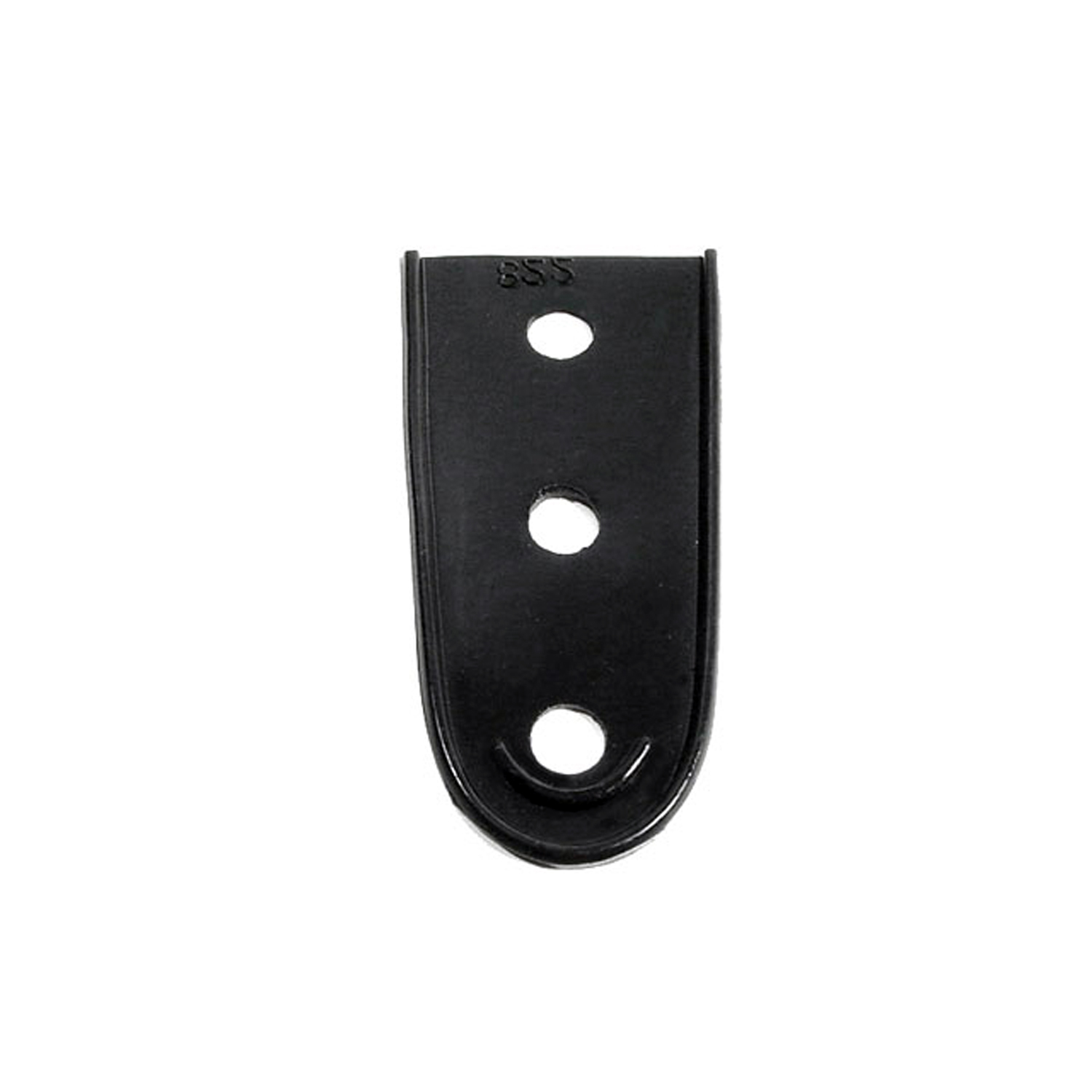 1948 Mercedes-Benz 170 V Trunk Lower Hinge Pad. 2-1/8" wide X 4-1/4" long. Each-MP 822Trunk Lower Hinge Pad. 2-1/8" wide X 4-1/4" long. Each
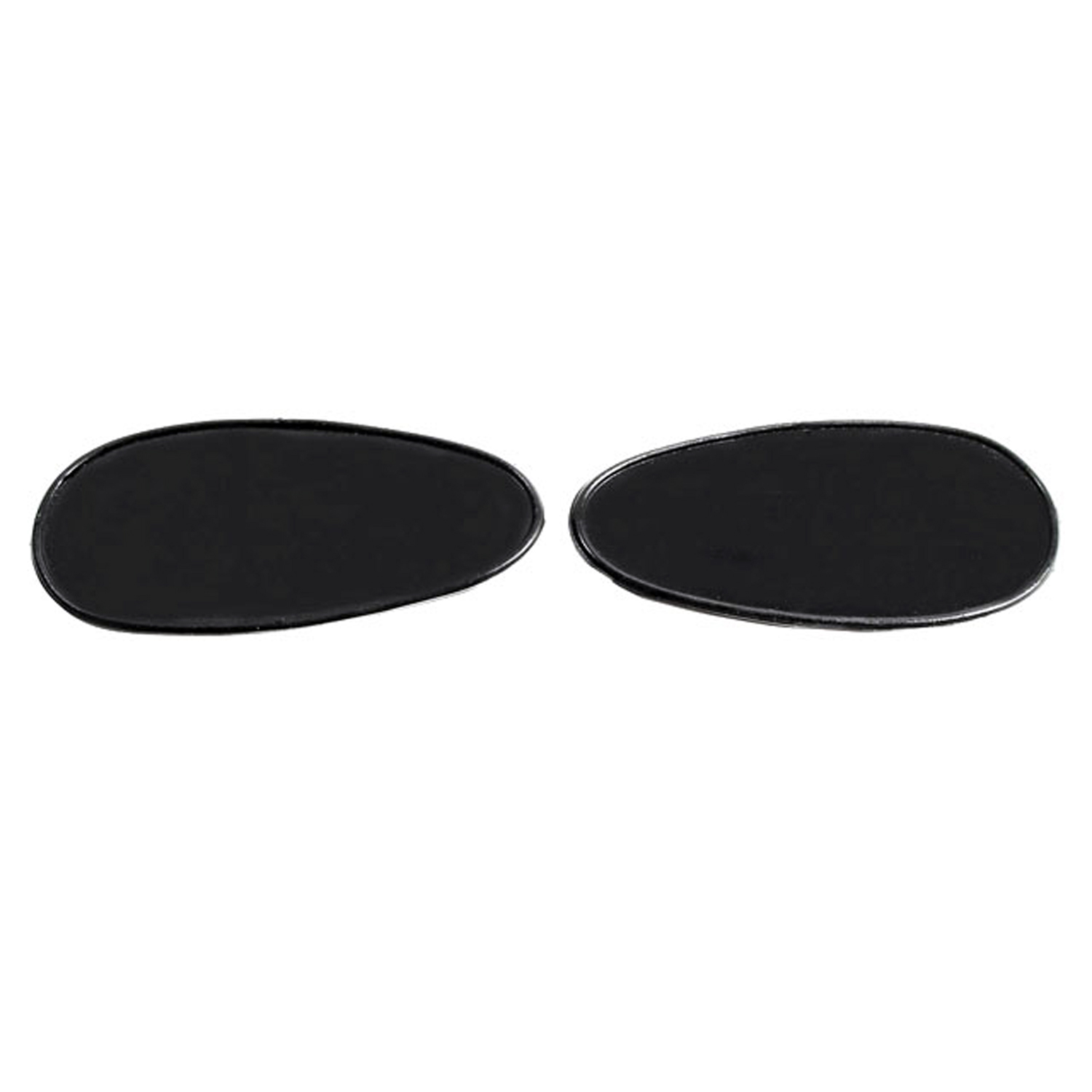 1948 Mercedes-Benz 170 V Tail-light Pads. 2-1/4" wide X 4-5/8" long. Pair-MP 823-BTail-light Pads. 2-1/4" wide X 4-5/8" long. Pair
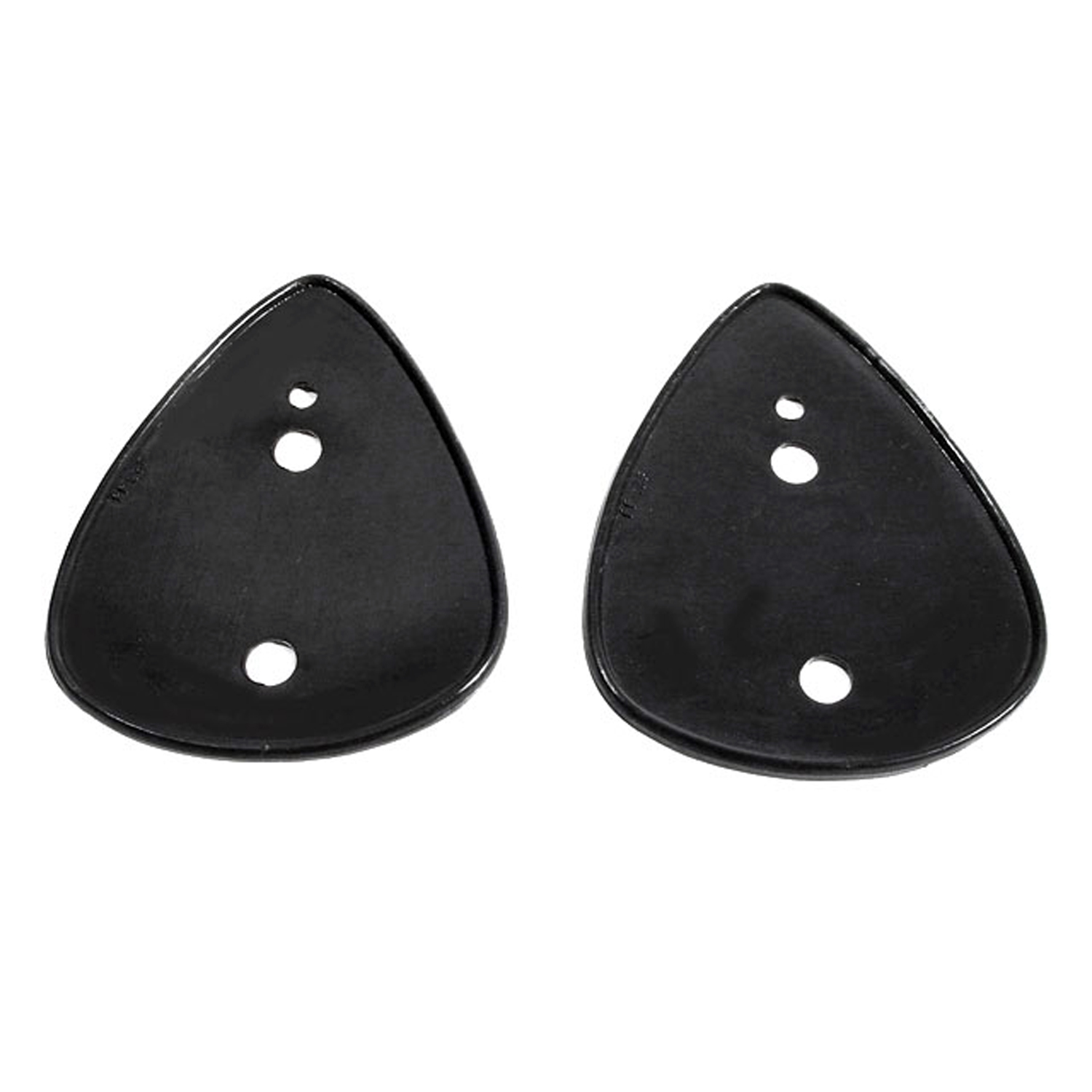 1948 Mercedes-Benz 170 V Park Light Pads. Made for the stamped fender light-MP 823-JJPark Light Pads. Made for the stamped fender light. 3-7/8" wide X 5-1/8" long. Pair
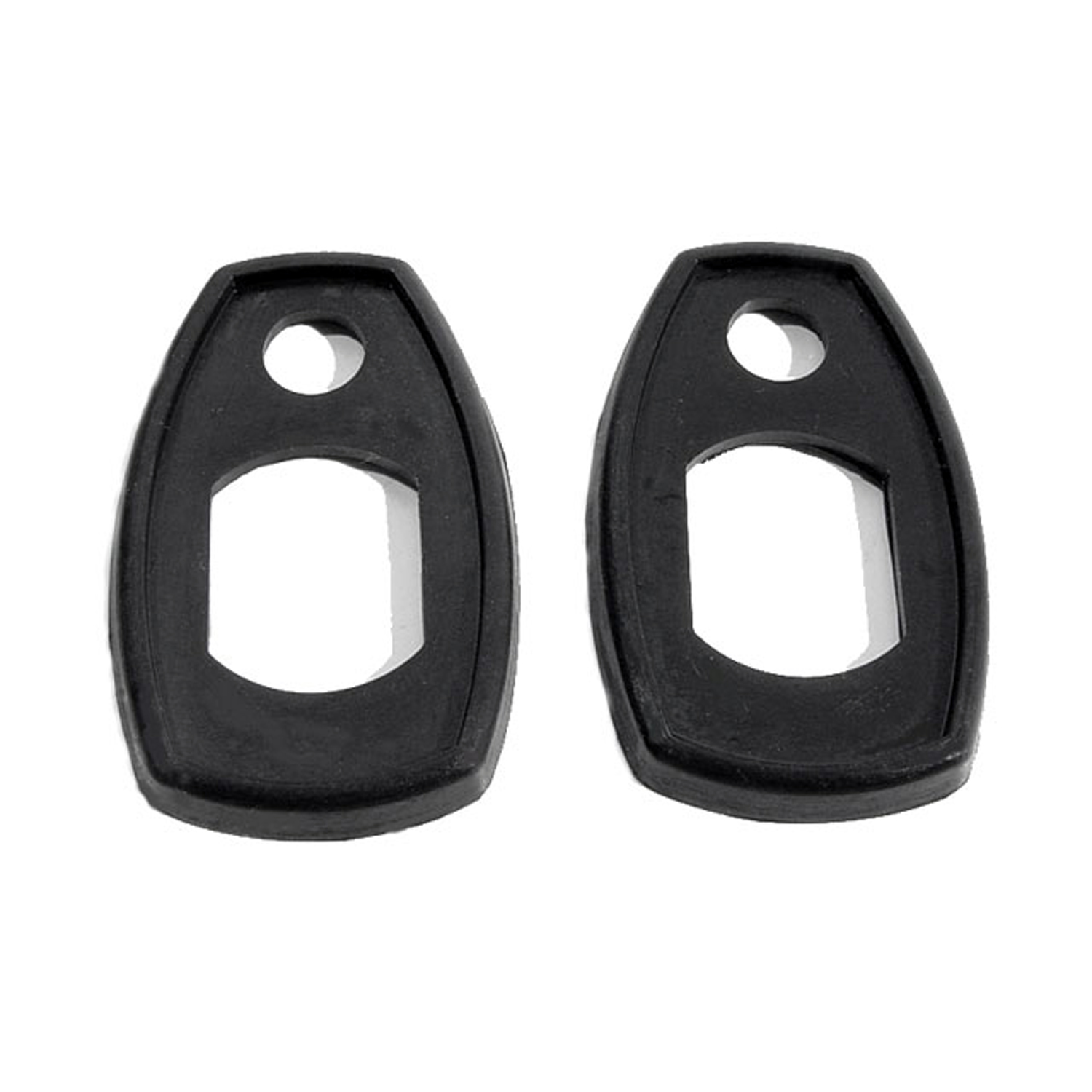 1948 Mercedes-Benz 170 V Door Handle Pads. 1-1/2" wide X 2-1/2" long. Pair-MP 823-NDoor Handle Pads. 1-1/2" wide X 2-1/2" long. Pair
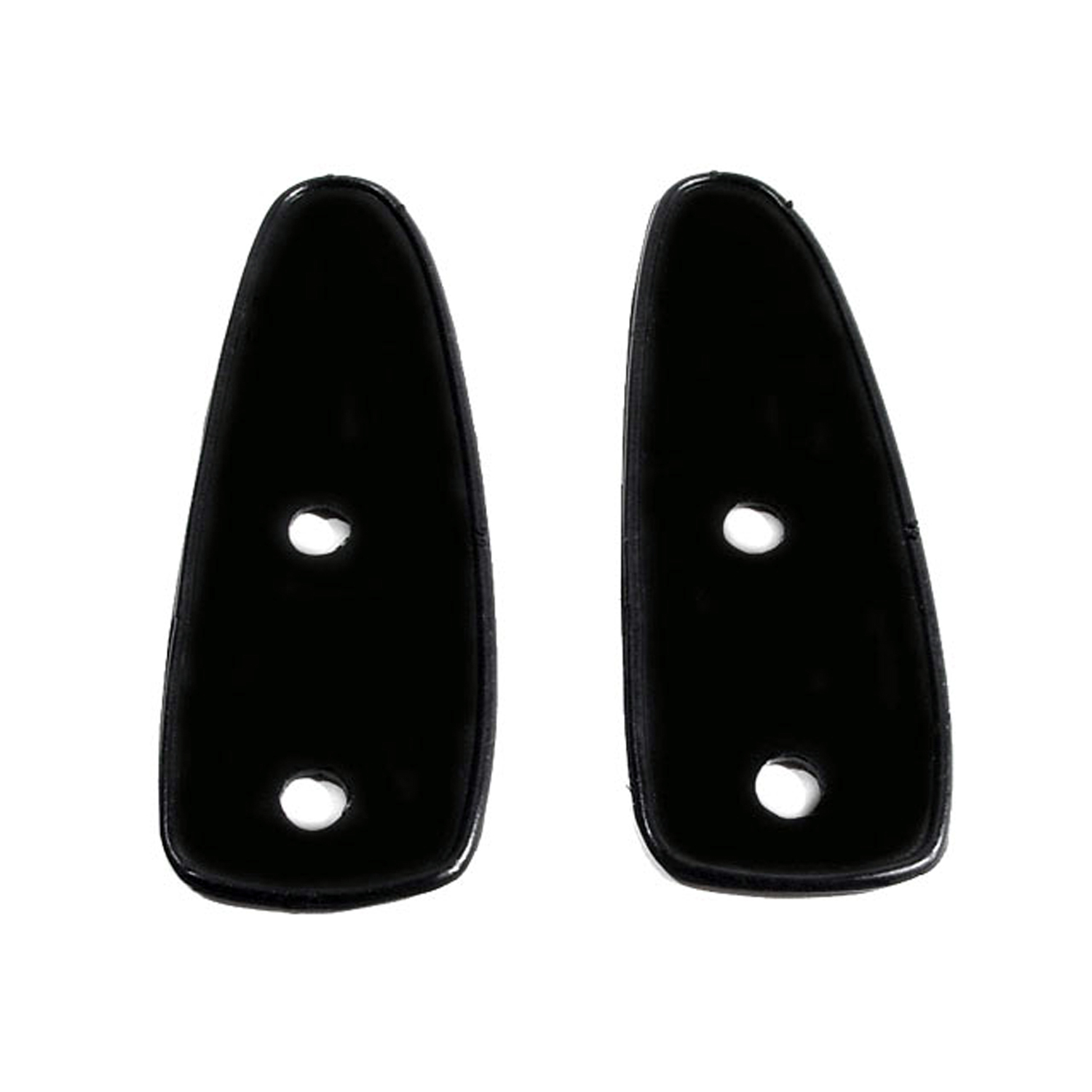 1948 Mercedes-Benz 170 V Park Light Pads. 2-1/4" wide X 6-1/8" long. Pair-MP 823-QPark Light Pads. 2-1/4" wide X 6-1/8" long. Pair
 1948 Mercedes-Benz 170 V Headlight Pads. 3-1/2" wide X 7-5/8" long. Pair-MP 824-PHeadlight Pads. 3-1/2" wide X 7-5/8" long. Pair
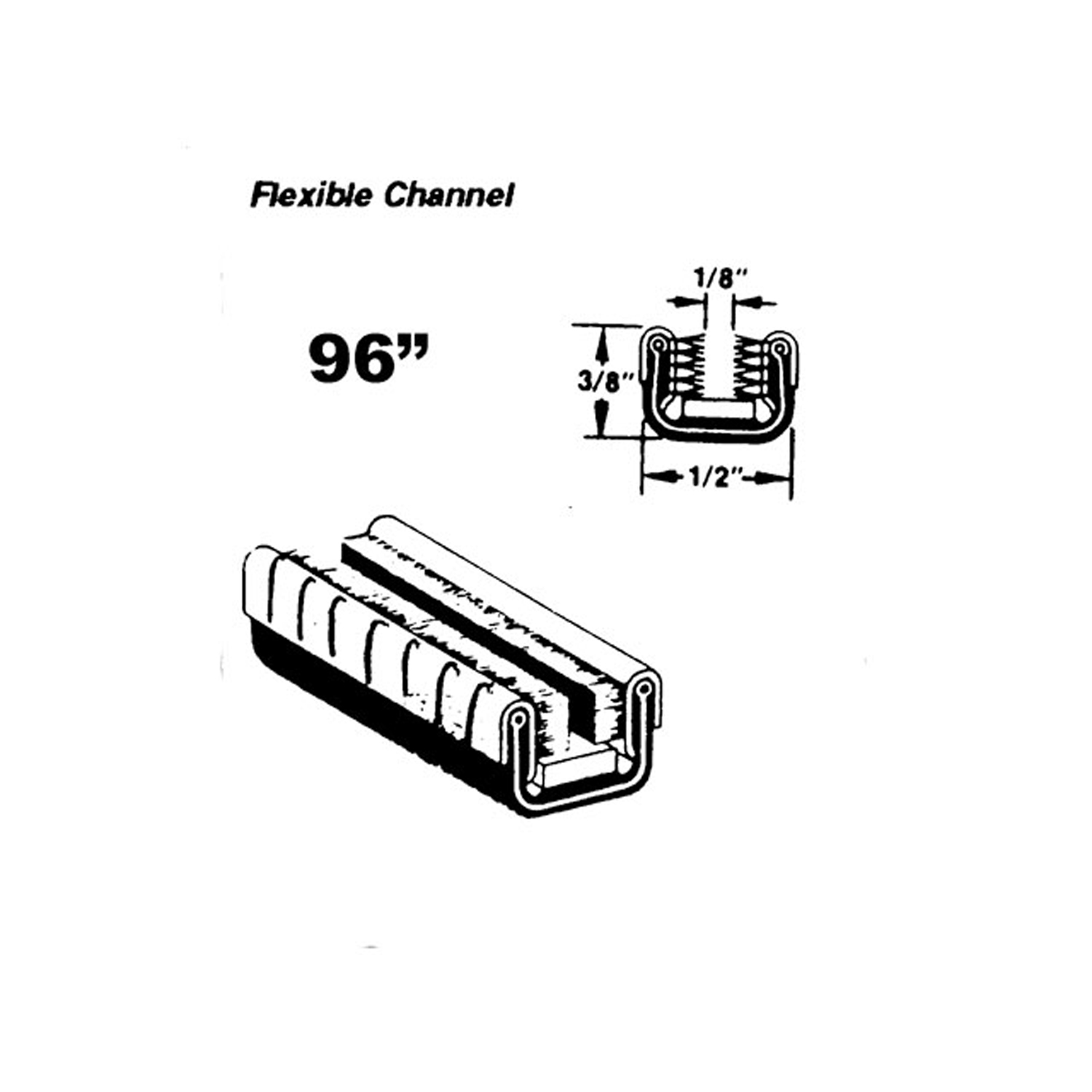 1948 Mercedes-Benz 170 V Flexible glass-run channel. Rubber covered and pile lined-WC 12-96Flexible glass-run channel. Rubber covered and pile lined. Unbeaded. 96 in. long. Each. NOTE: $20 special shipping charge applies for domestic orders. Call or email for overseas shipping costs. Part can be sectioned in two or three equal lengths to reduce overseas shipping costs.
Why Choose Metro?
For over 100 years, Metro Moulded Parts has been the pinnacle of quality in classic car restoration parts. Our commitment to precision and authenticity in every component ensures a perfect fit and an OEM-level appearance.
- Expert Craftsmanship & Quality: Each part is a testament to our dedication to reliability and perfection, crafted from original designs and thoroughly tested.
- Advanced Technology: We use cutting-edge techniques to create flawless, long-lasting parts that surpass others in performance.
- SuperSoft Sponge – The Ultimate Door Seal: Not only are our door seals 30% softer than competitors', but they're also guaranteed to never leak. They effectively reduce wind and road noise, enhancing your classic car's comfort and driving experience.
- Proudly American: Our parts are a product of American craftsmanship, made in the USA with a spirit of excellence and heritage.
- Unrivaled Warranty: We back our products with a 30-year industry-leading warranty, a testament to our confidence in their quality.
Join us in preserving the legacy of classic cars with parts that are crafted for perfection, not just made.