

Image of 1949 Mercedes-Benz 170 D, Note: These illustrations use artistic license and may differ from actual historical models.
Performance Metrics
Fundamental Metrics
Emotional Appeal
MMP Rating
| Engine Specifications | |
|---|---|
| Engine: | OM 636 IV Diesel Inline-4 |
| Displacement: | 1.8L (1767 cc) |
| Horsepower: | 40 hp at 3200 rpm |
| Torque: | 88 lb-ft at 2000 rpm |
| Compression Ratio: | 21:1 |
| Ignition System: | Diesel fuel injection |
| Cooling System: | Water-cooled |
| Performance Specifications | |
| 0-60 Time: | Estimated 35 seconds |
| 1/4 Mile Time: | Not available |
| Top Speed: | 65 mph |
| Transmission and Drive | |
| Drive Type: | Rear-wheel drive |
| Transmission Type: | 4-speed manual |
| Fuel and Efficiency | |
| Fuel System Type: | Diesel fuel injection |
| MPG: | Estimated 30-35 mpg |
| Dimensions and Brakes | |
| Brakes: | Drum brakes |
| Wheelbase: | 112.2 inches |
| Weight: | 2,646 lbs |
Note: Specifications for classic cars are given to the best of our ability, considering the limited and variant data available.
1949 Mercedes-Benz 170 D: The Diesel That Helped Rebuild a Nation
The 1949 Mercedes-Benz 170 D turned thrift into a point of pride. Quiet by no means, quick by no measure, it was a sturdy postwar saloon built to travel far on limited fuel, and it helped make diesel power a practical choice for ordinary passenger-car buyers.
Built by Mercedes-Benz in Stuttgart, the 170 D belonged to the W136 family, a design first introduced before the Second World War. The company resumed passenger-car production after the war with the petrol-powered 170 V. In 1949, it added the 170 D, pairing the familiar, conservatively styled body with a diesel engine. Germany was rebuilding, fuel and money were precious, and a car that could cover long distances economically had an obvious appeal.
One important distinction: the 170 D was not the first diesel passenger car. Mercedes-Benz had introduced the series-production 260 D in 1936. The 170 D’s significance was its postwar role, bringing economical diesel motoring back to a broad range of buyers and helping establish a tradition that would last for generations.
Upright Styling and Practical Cabin
The 170 D has the unmistakable proportions of a prewar Mercedes: a tall body, long bonnet, upright grille and separate, rounded front wings. Round headlamps sit high on the fenders, while running boards connect the front and rear wings along the car’s sides. Narrow tires and a high roof give the saloon a formal, almost carriage-like stance. Its appearance is restrained rather than flashy, with the Mercedes three-pointed star providing the most prominent flourish.
Inside, the emphasis is on durability and function. The cabin is upright and airy, with a broad steering wheel, simple instruments and a straightforward dashboard. Upholstery was generally cloth in the more practical saloons, while leather could be found on higher-specification or special-bodied examples. Materials and trim varied with body style, market and year, so an individual car’s original equipment should be checked against its chassis and factory records.
Factory colors also varied over the production run and by market. Black and other dark, conservative shades suit the car’s formal character, while period greens, grays, blues and burgundy tones can give it more visual warmth. As with any restored classic, a color that looks plausible is not necessarily the car’s original shade.
The four-door saloon, or Limousine, is the most recognizable and practical 170 D. Mercedes also offered special and open bodywork within the wider 170 range, including cabriolet forms, and some cars were adapted for taxi, ambulance or commercial duties. Such versions are far less common than the saloon. Buyers should confirm the precise model and factory body designation, since the 170 range included several closely related petrol and diesel versions.
Diesel Engineering for Everyday Motoring
Power came from the OM 636, a 1,697 cc, four-cylinder, indirect-injection diesel. Early 170 D examples are commonly listed at about 38 horsepower, with output differing slightly across later developments. It drove the rear wheels through a four-speed manual gearbox. The engine’s modest output was less about performance than dependable service and low fuel consumption.
The chassis was conventional in appearance but thoughtfully engineered for its day. It used independent front suspension, a rear swing-axle arrangement and hydraulic brakes. These features helped the 170 D deliver a more composed ride than its upright shape might suggest. It was not a radical new design: rather, Mercedes refined a proven platform and made it suitable for the demands of postwar use.
Why the 170 D Mattered
The 170 D’s achievement was making diesel power feel like a sensible passenger-car choice, not merely an industrial or commercial solution. Its efficiency appealed especially to high-mileage drivers, including taxi operators, who valued range and operating costs over brisk acceleration. In a country rebuilding its economy, that practical calculation mattered.
Compared with many contemporary family cars, the Mercedes offered a solid, carefully engineered feel and a reputation for durability. Its separate-fender styling already looked familiar, but its significance lay beneath the bonnet and in how it was used. The 170 D helped normalize diesel ownership in Europe, laying cultural groundwork for later Mercedes diesel sedans that became famous for covering exceptional mileages.
Performance: Steady Rather Than Swift
With roughly 38 horsepower, the 170 D was a patient car. Period specifications generally put its top speed at about 100 km/h, or 62 mph. A 0-to-60 mph time was not usually the headline figure for cars of this type; based on its power and weight, a rough estimate is around 40 to 50 seconds. That is best treated as an approximation, since condition, gearing, load and measurement methods all make a difference.
On the road, the engine rewards anticipation. The driver changes gear early, builds speed gradually and leaves plenty of room for overtaking. Its diesel has a distinct, firm clatter at idle and a low, workmanlike note under load. Long hills and fast traffic call for patience, but the car’s purpose was economical transport, not high-speed touring.
The suspension is well suited to uneven roads at sensible speeds. The 170 D’s tall body leans more than a modern car through bends, and its steering and brakes require more effort and attention. On a winding road, smooth inputs and moderate speed suit it best. The reward is an unhurried, mechanical driving experience: a large steering wheel in hand, a manual gearbox to work and a steady diesel rhythm from the engine bay.
Living With a 170 D
In period, the 170 D served as family transport, a long-distance workhorse and a popular taxi. Today, most examples are better suited to classic-car outings, local touring, rallies and shows than to daily commuting. A well-sorted car can still cover road distances, but modern traffic, limited speed and the age of the mechanical and electrical components make regular use a commitment.
The straightforward engineering is a benefit for experienced owners and specialist mechanics. Routine servicing is manageable, but age matters more than the car’s original simplicity. Rust in the body and chassis, tired suspension, worn brakes and neglected cooling systems can turn a seemingly affordable purchase into an expensive restoration. Diesel-specific checks include the injection pump, injectors, compression and cold-start system. Parts are available through marque specialists, though trim, body panels and model-specific components can take time to find.
Before buying, look for evidence of careful restoration and inspect the car on a lift. Confirm that its engine and body match the claimed model where possible. A sound, original car is often a better ownership prospect than a shiny restoration with hidden corrosion or poorly sorted mechanicals.
Trivia, Taxi Duty and Common Criticisms
The 170 D’s most notable real-world distinction is how well its qualities suited taxi work. A frugal engine, sturdy construction and spacious four-door body made it a practical tool for operators who accumulated miles for a living. That working reputation is part of the model’s story, even if it lacks the headline-grabbing speed records associated with sports cars.
There is no widely recognized speed or endurance record specific to the 170 D. Its legacy is quieter: the long service life of many Mercedes diesels helped build the brand’s reputation for durability. The car’s most common criticisms are equally straightforward. It is slow, the cabin can be noisy by modern standards, and its upright body and period suspension do not provide contemporary handling or crash protection. Those limitations are part of the bargain, and part of its character.
Collector Values and Availability
Production figures for individual 170 D versions can vary by source and by how body styles are counted. A reasonable estimate for the 170 D line is roughly 33,000 cars, with the ordinary saloon making up the most familiar form. That total does not mean examples are easy to find today: surviving cars in good condition are scattered across international markets, and special-bodied versions are much scarcer.
As a broad 2026 guide, a running but imperfect saloon might sell for about US$15,000 to US$25,000. A sound, presentable example may fall around US$25,000 to US$45,000, while a high-quality restoration can reach roughly US$45,000 to US$65,000 or more. Rare cabriolets and other desirable special bodies can command substantially higher prices, sometimes into six figures depending on authenticity, condition and provenance. These are estimates, not a substitute for comparing recent sales in the relevant country.
Values tend to favor originality, documented history and correct restoration over dramatic modifications. Well-presented examples have generally held collector interest, with the strongest price resilience among rare body styles and top-condition cars. The saloon market is more modest and selective, so a dramatic rise in value should not be assumed. Restoration costs can also exceed the value of an average car, making careful pre-purchase inspection essential.
The Enduring Appeal of the 170 D
The 1949 Mercedes-Benz 170 D is a landmark of practical engineering rather than outright performance. Its upright styling, durable construction and economical four-cylinder diesel made it useful in a demanding era, while its reputation helped give passenger-car diesels a lasting place in the European market.
It asks its driver to slow down, listen to the engine and work with the car instead of expecting modern speed and convenience. For enthusiasts who value that connection, the 170 D is more than a handsome postwar Mercedes. It is a rolling reminder that, sometimes, the most influential cars are the ones built to keep going.
1949 Mercedes-Benz 170 D Catalog of Parts
 1949 Mercedes-Benz 170 D Hood Corners. 2 Front and 2 Rear Corners. 4-Piece Set-HC 26Hood Corners. 2 Front and 2 Rear Corners. 4-Piece Set
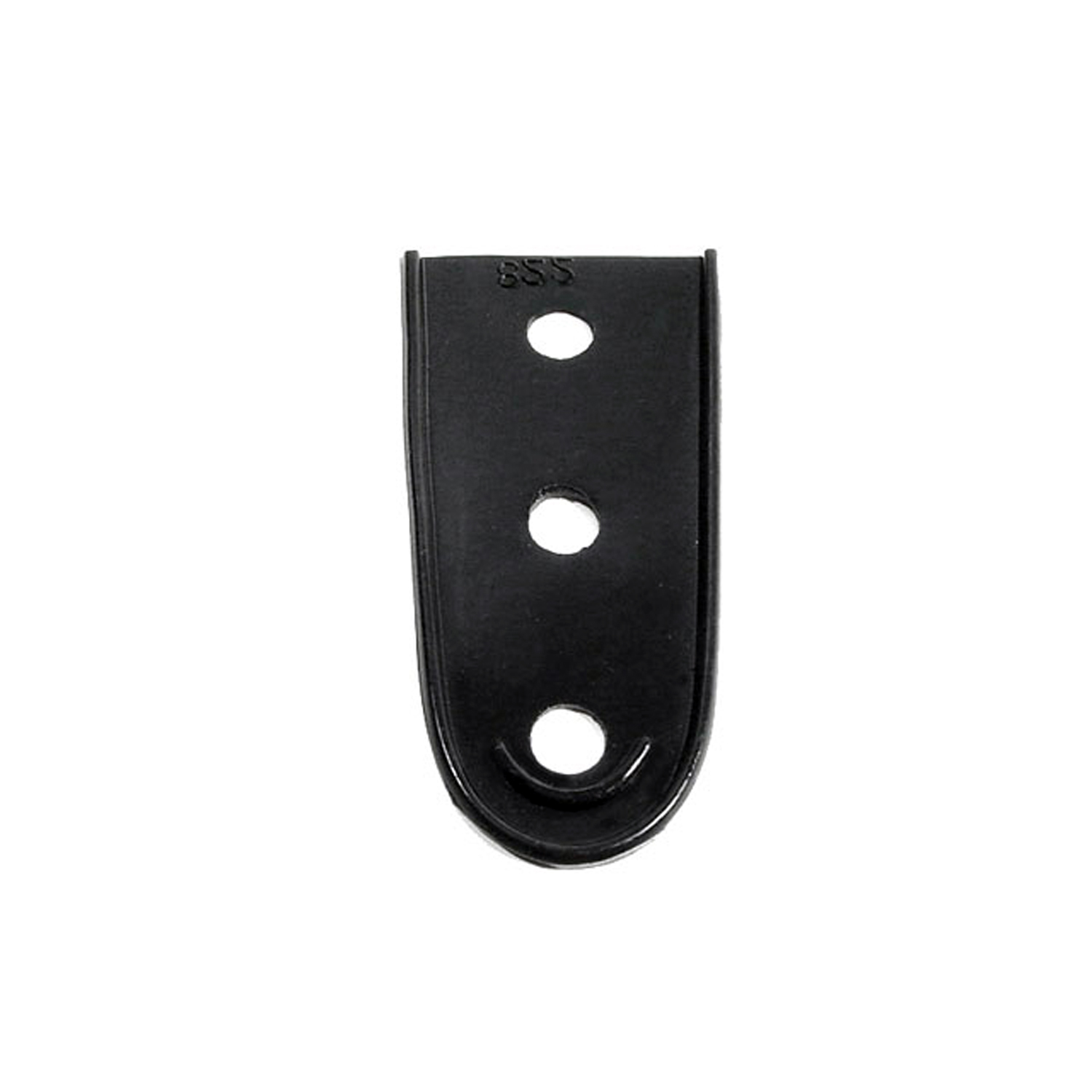 1949 Mercedes-Benz 170 D Trunk Lower Hinge Pad. 2-1/8" wide X 4-1/4" long. Each-MP 822Trunk Lower Hinge Pad. 2-1/8" wide X 4-1/4" long. Each
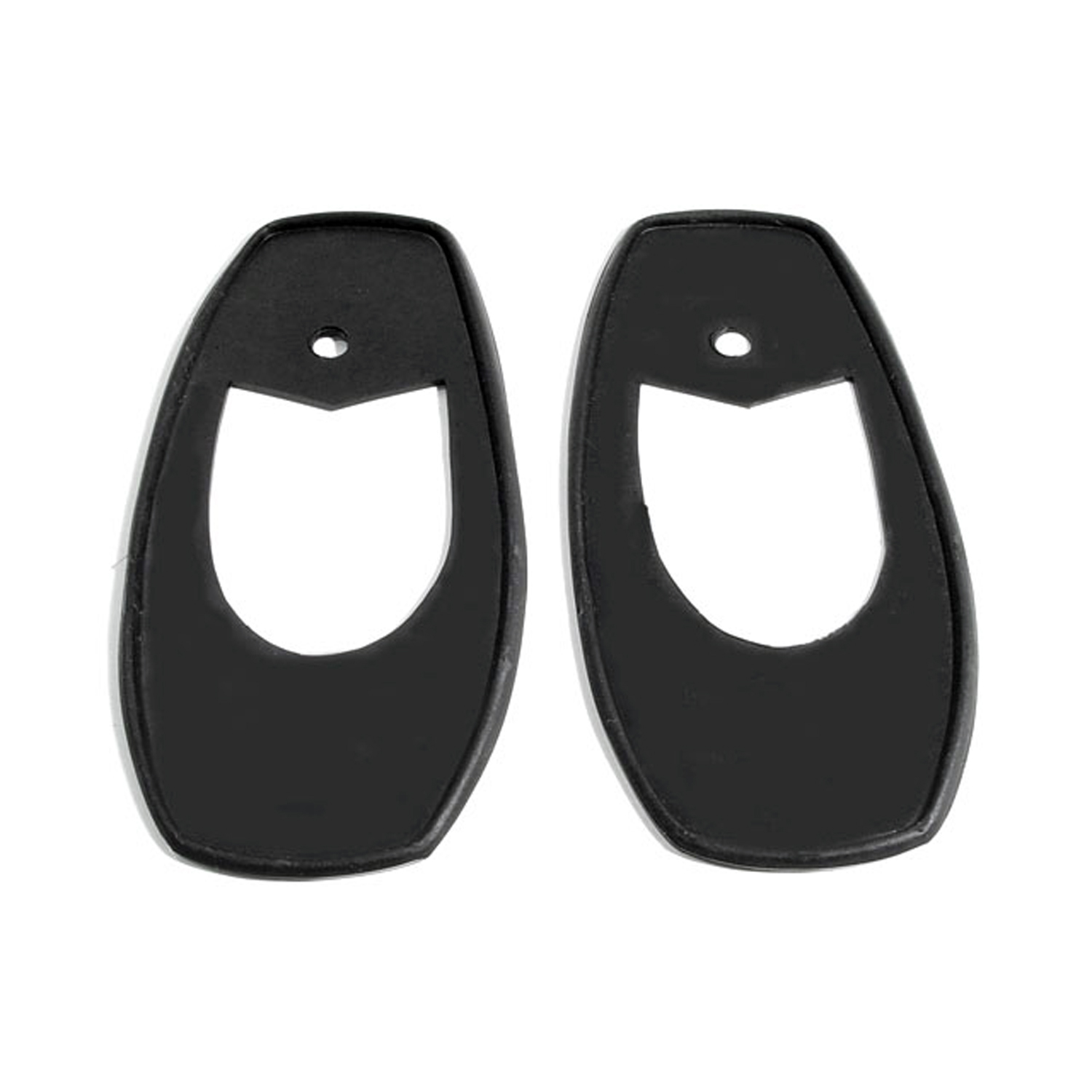 1949 Mercedes-Benz 170 D Headlight Pads. 3-1/8" wide X 6-1/2" long. Pair-MP 823-AHeadlight Pads. 3-1/8" wide X 6-1/2" long. Pair
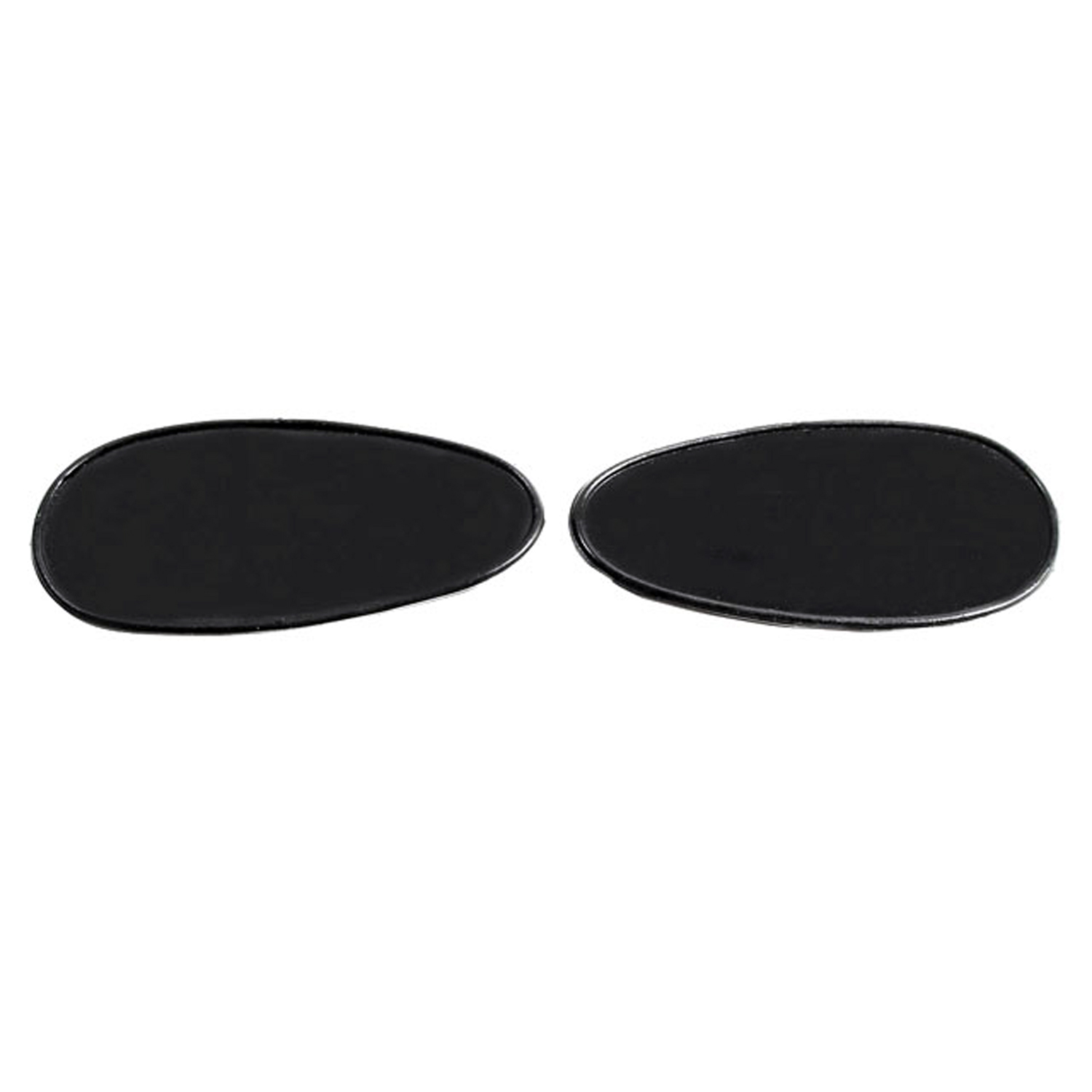 1949 Mercedes-Benz 170 D Tail-light Pads. 2-1/4" wide X 4-5/8" long. Pair-MP 823-BTail-light Pads. 2-1/4" wide X 4-5/8" long. Pair
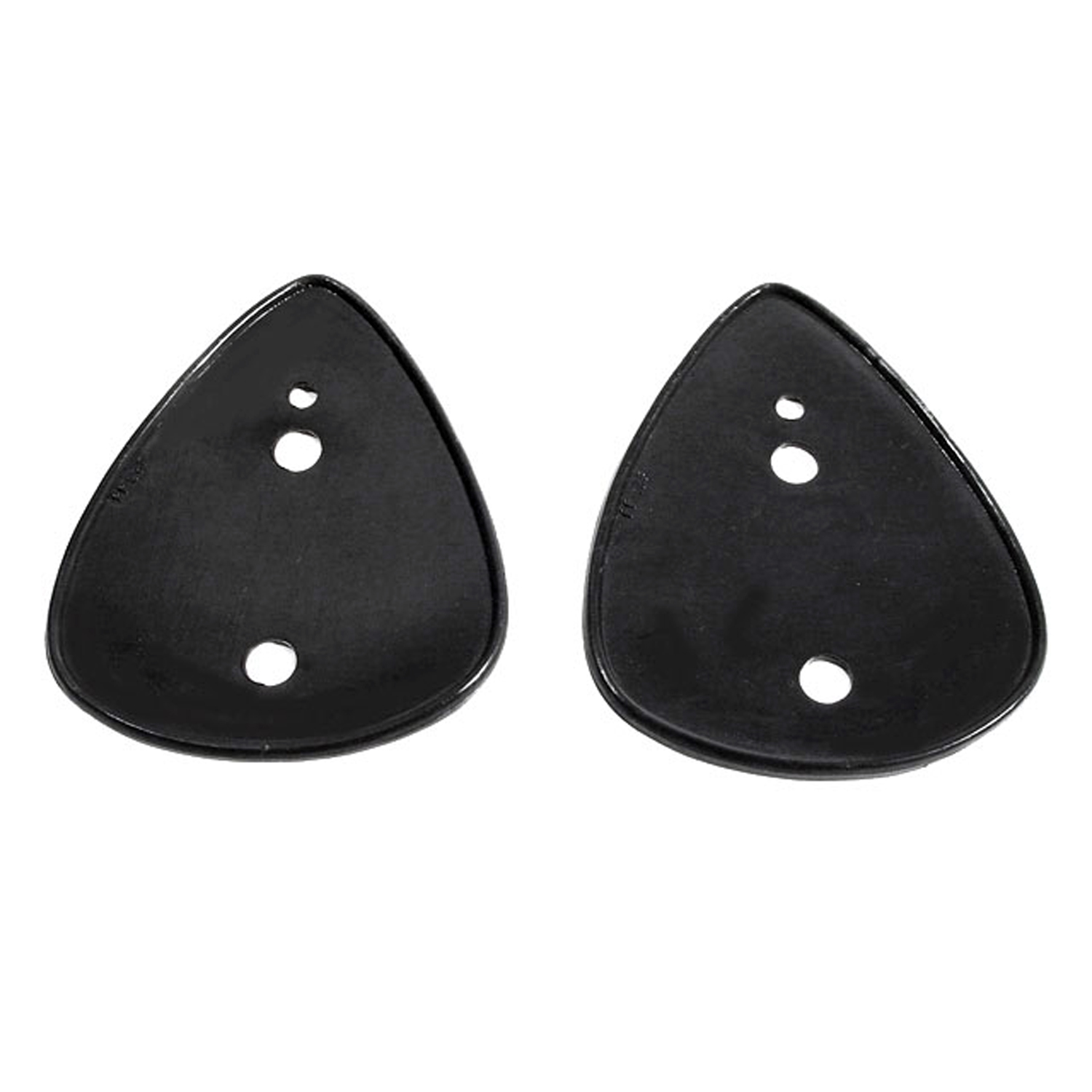 1949 Mercedes-Benz 170 D Park Light Pads. Made for the stamped fender light-MP 823-JJPark Light Pads. Made for the stamped fender light. 3-7/8" wide X 5-1/8" long. Pair
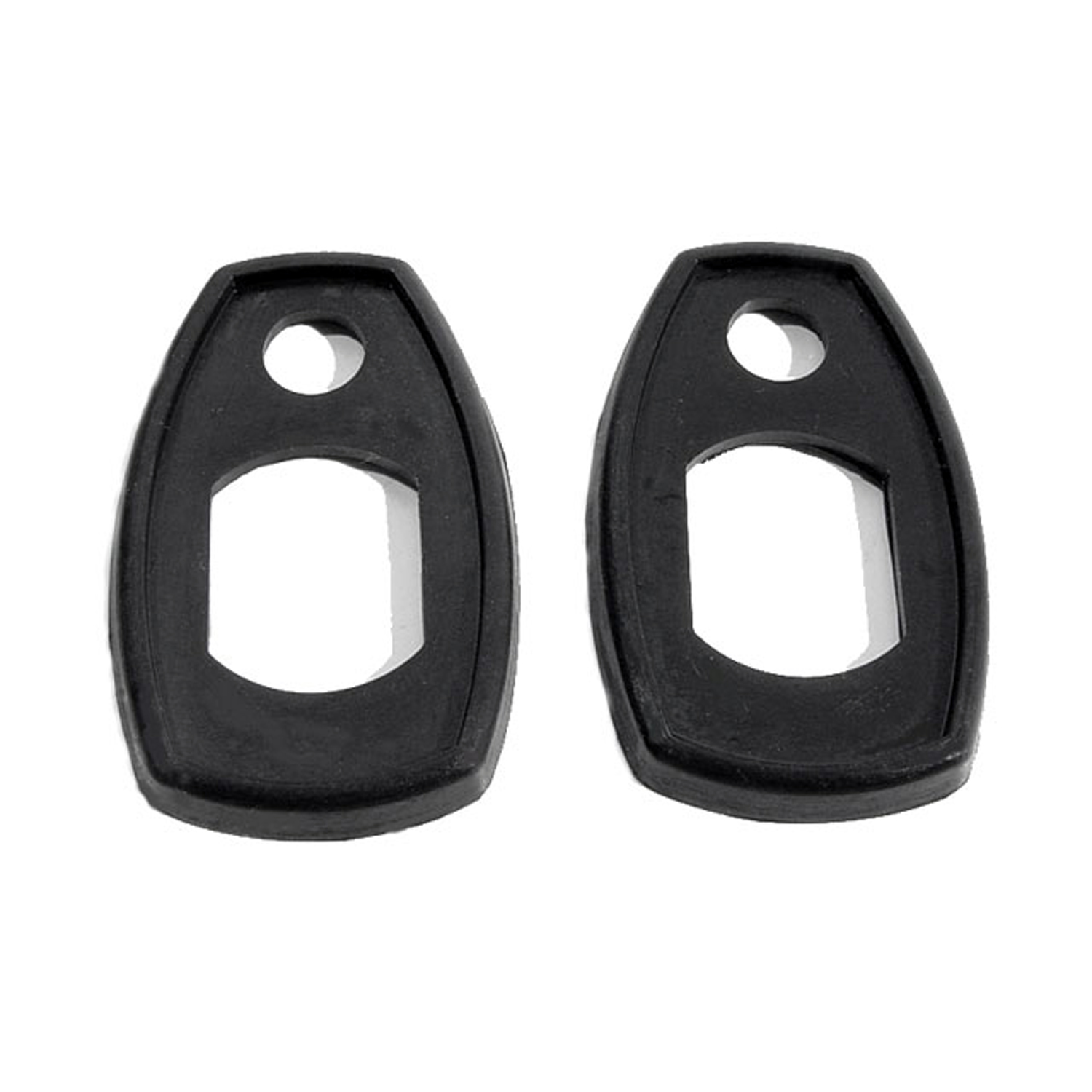 1949 Mercedes-Benz 170 D Door Handle Pads. 1-1/2" wide X 2-1/2" long. Pair-MP 823-NDoor Handle Pads. 1-1/2" wide X 2-1/2" long. Pair
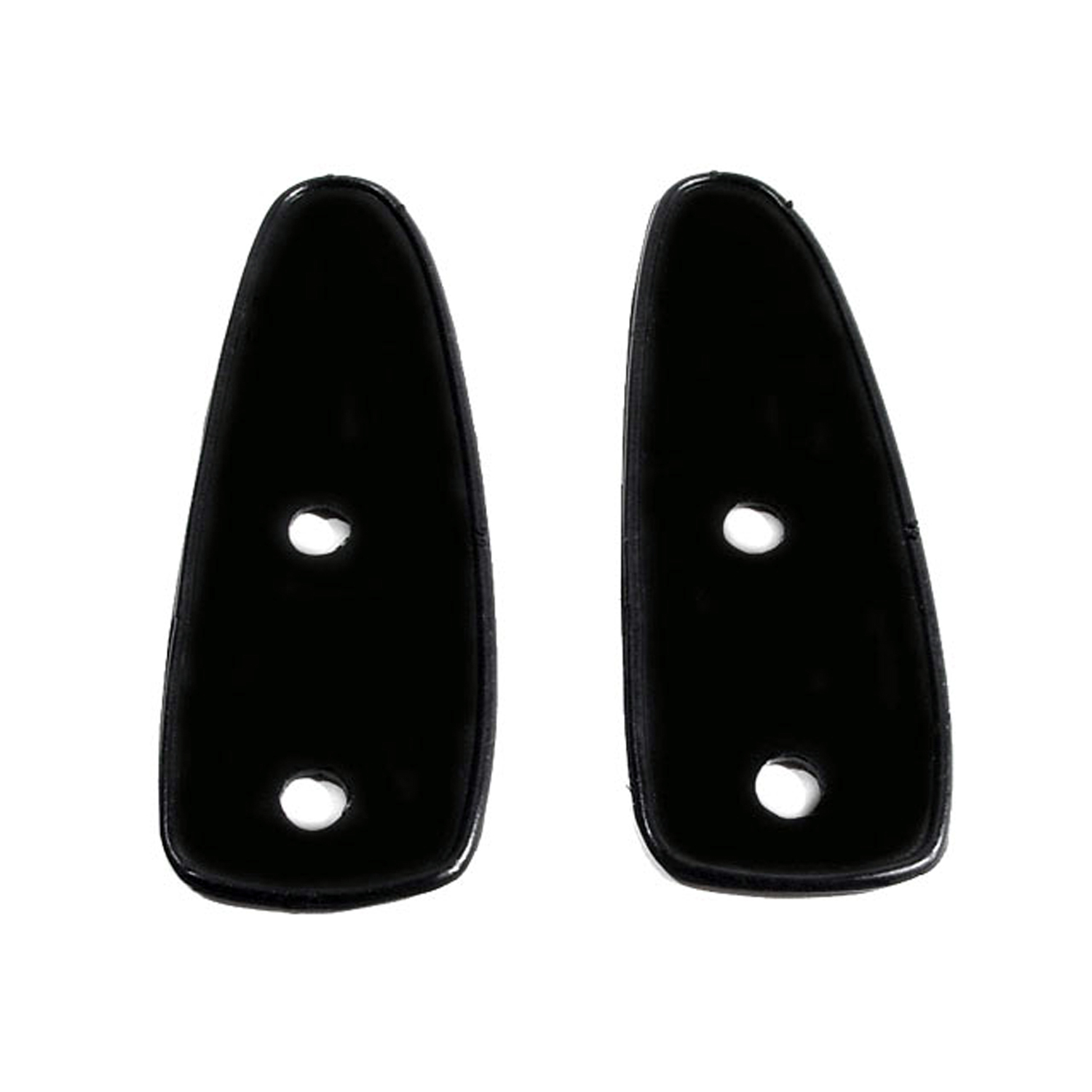 1949 Mercedes-Benz 170 D Park Light Pads. 2-1/4" wide X 6-1/8" long. Pair-MP 823-QPark Light Pads. 2-1/4" wide X 6-1/8" long. Pair
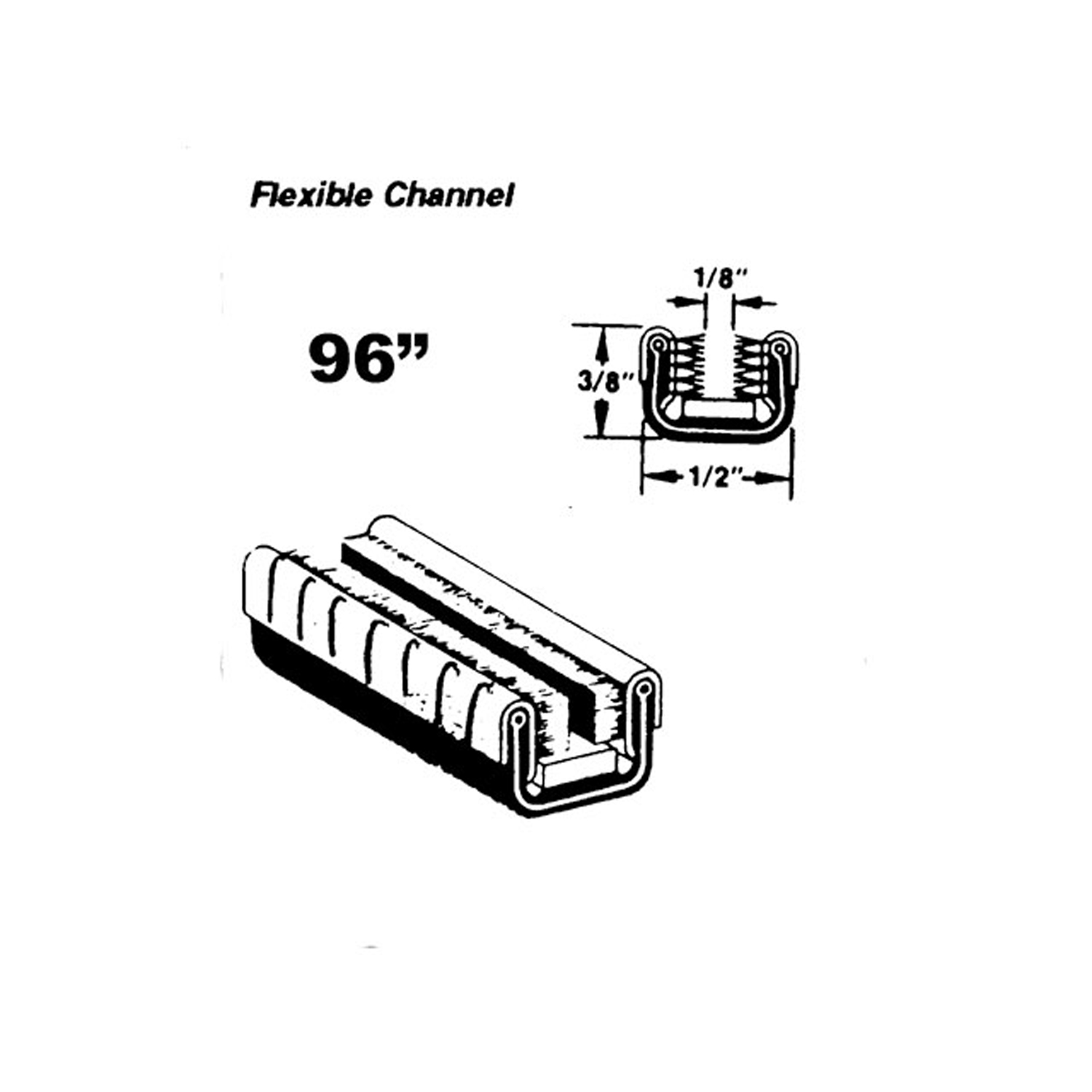 1949 Mercedes-Benz 170 D Flexible glass-run channel. Rubber covered and pile lined-WC 12-96Flexible glass-run channel. Rubber covered and pile lined. Unbeaded. 96 in. long. Each. NOTE: $20 special shipping charge applies for domestic orders. Call or email for overseas shipping costs. Part can be sectioned in two or three equal lengths to reduce overseas shipping costs.
Why Choose Metro?
For over 100 years, Metro Moulded Parts has been the pinnacle of quality in classic car restoration parts. Our commitment to precision and authenticity in every component ensures a perfect fit and an OEM-level appearance.
- Expert Craftsmanship & Quality: Each part is a testament to our dedication to reliability and perfection, crafted from original designs and thoroughly tested.
- Advanced Technology: We use cutting-edge techniques to create flawless, long-lasting parts that surpass others in performance.
- SuperSoft Sponge – The Ultimate Door Seal: Not only are our door seals 30% softer than competitors', but they're also guaranteed to never leak. They effectively reduce wind and road noise, enhancing your classic car's comfort and driving experience.
- Proudly American: Our parts are a product of American craftsmanship, made in the USA with a spirit of excellence and heritage.
- Unrivaled Warranty: We back our products with a 30-year industry-leading warranty, a testament to our confidence in their quality.
Join us in preserving the legacy of classic cars with parts that are crafted for perfection, not just made.