

Image of 1949 Mercedes-Benz 170 S, Note: These illustrations use artistic license and may differ from actual historical models.
Performance Metrics
Fundamental Metrics
Emotional Appeal
MMP Rating
| Engine Specifications | |
|---|---|
| Engine: | 1.8L 4-cylinder |
| Displacement: | 1767 cc |
| Horsepower: | 52 hp |
| Torque: | 81 lb-ft |
| Compression Ratio: | 6.5:1 |
| Ignition System: | Battery Ignition |
| Cooling System: | Water-cooled |
| Performance Specifications | |
| 0-60 Time: | Estimated 30 seconds |
| 1/4 Mile Time: | Not available |
| Top Speed: | 75 mph |
| Transmission and Drive | |
| Drive Type: | Rear-wheel drive |
| Transmission Type: | 4-speed manual |
| Fuel and Efficiency | |
| Fuel System Type: | Carburetor |
| MPG: | Estimated 20-25 mpg |
| Dimensions and Brakes | |
| Brakes: | Drum brakes |
| Wheelbase: | 112.2 inches |
| Weight: | 2,646 lbs |
Note: Specifications for classic cars are given to the best of our ability, considering the limited and variant data available.
1949 Mercedes-Benz 170 S: A Return to Luxury
The 1949 Mercedes-Benz 170 S brought a measure of prewar elegance back to a Germany still rebuilding from the Second World War. Introduced in May 1949, it was a more luxurious, more powerful development of the Mercedes-Benz 170 V, made by the Stuttgart-based company then known as Daimler-Benz. The “S” stood for “Sondermodell,” or special model, and signaled that this was more than a basic postwar saloon.
Its arrival was significant: Mercedes-Benz was rebuilding its reputation as a maker of refined, high-quality cars, not simply restoring production. One especially appealing detail is that buyers could order the 170 S not only as a practical four-door saloon, but also as hand-finished cabriolets. Those open cars gave postwar customers a rare combination of understated Mercedes engineering and open-air glamour.
Elegant Lines and a Carefully Finished Cabin
The 170 S has a dignified, upright shape, with a tall grille, rounded front wings and flowing fenders that blend into the body rather than appearing as separate bolt-on forms. Chrome accents, curved bumpers and neatly framed windows add polish without making the car look ostentatious. Its proportions are compact by later Mercedes standards, but the long hood and formal roofline give it a distinctly upmarket presence.
Inside, the emphasis is on comfort and craftsmanship. The saloon’s broad seats, generous upholstery and carefully finished trim made it feel a step above the more utilitarian 170 V. Depending on specification and market, buyers could find leather upholstery, quality cloth, wood trim and a well-arranged instrument panel. The cabriolets added an extra layer of hand-finished detail, particularly around the folding roof and interior appointments.
Factory paint choices varied by year and market. Period-appropriate shades included black, dark blue, gray and other restrained colors, while darker finishes remain especially associated with the model today. The body range included the four-door saloon, the two-seat Cabriolet A and the four-seat Cabriolet B. The saloon was the practical and more commonly encountered choice; the cabriolets are the most visually striking and collectible versions.
Engineering for a More Refined Ride
At the heart of the 170 S is a 1,767 cc M136 inline-four producing about 52 horsepower. It is paired with a four-speed manual gearbox, and the car uses hydraulic brakes. Its independent front suspension and swing-axle rear suspension were designed to deliver a more comfortable, controlled ride than a simple, work-focused setup.
The 170 S was not a radical technological leap, but it brought proven Mercedes engineering into a more luxurious package. Its combination of a relatively sophisticated chassis, solid construction and a well-appointed cabin helped establish the postwar identity of the marque’s upper-range cars. It also offered a clear distinction from smaller and more basic vehicles at a time when many buyers still prioritized durability and economy above comfort.
Where the 170 S Fit in Mercedes History
The 170 S helped Mercedes-Benz reconnect its prewar reputation for quality with the needs of the postwar market. Rather than chasing dramatic styling or outright speed, the company focused on sound engineering, a quiet and comfortable passenger experience, and a sense of permanence. That approach became a lasting part of the Mercedes-Benz formula.
The model also marked an important step in the evolution of the 170 family. It began as a more luxurious companion to the 170 V, then received further development in later versions such as the 170 Sb. The 170 S did not create a new automotive category, but it helped demonstrate that a postwar Mercedes could be both a dependable everyday car and a prestige automobile.
Performance and the Feel from Behind the Wheel
With roughly 52 horsepower, the 170 S is a relaxed cruiser rather than a fast car. Period figures put top speed at about 115 to 120 km/h, or roughly 71 to 75 mph, depending on body style and conditions. A modern estimate for 0 to 60 mph is around 30 seconds, though published figures and real-world results vary. The car rewards smooth, anticipatory driving rather than hurried acceleration.
The four-cylinder engine produces a steady, mechanical hum, with more noise under sustained acceleration. The gearbox calls for deliberate shifts, and the engine is happiest when kept within its modest power band. On rough roads, the suspension takes the sharpness out of bumps, while the car’s upright seating and generous glass area make it easy to place. On winding roads, its vintage steering and relatively narrow tires encourage a measured pace. It feels composed when driven smoothly, but it is not designed for modern high-speed cornering or sudden maneuvers.
Living with a 170 S Today
Most 170 S owners today use their cars for touring, club events, local drives and concours or classic-car shows. A sound saloon can still be driven regularly, but many examples are now too valuable or too delicate to serve as routine transportation. The cabriolets are more often treated as special-occasion cars.
Mechanical work is generally approachable for a specialist familiar with older Mercedes-Benz engineering. The straightforward four-cylinder engine and conventional manual transmission are less complex than later systems, but age makes condition the deciding factor. Parts availability is reasonable through marque specialists and enthusiast networks, though trim, body panels and cabriolet-specific components can be difficult or expensive to source. Rust, previous repairs, worn suspension parts and poor-quality restorations deserve particular attention during a pre-purchase inspection.
Little-Known Details and Common Criticisms
The “S” designation is commonly explained as “Sondermodell,” meaning special model, a fitting description for a car positioned above the standard 170 V. The Cabriolet A and Cabriolet B also show how far the range stretched: one was an intimate two-seater, while the other offered room for four. Their lower production and more labor-intensive construction make them much scarcer than saloons.
The 170 S was not built as a record-breaker, and it has no famous speed or endurance claim to define its reputation. Its historical importance lies instead in helping Mercedes-Benz resume production of desirable, well-engineered passenger cars after the war. Common criticisms are straightforward: acceleration is slow by modern standards, the cabin lacks contemporary safety features, and a neglected example can demand substantial restoration work. Those limitations are part of the experience of owning a car from the late 1940s, not flaws that can be solved by a tune-up.
Collector Values and Availability
Production estimates vary according to how body styles and related versions are counted, but a reasonable estimate is roughly 17,000 first-series 170 S cars built between 1949 and 1952. The saloon is the version collectors are most likely to find, although good examples are not common in every market. Cabriolet A and B models are significantly rarer and attract more attention.
As a broad 2026 guide, a project or driver-quality saloon might sell for around US$25,000 to $60,000. A well-restored saloon can reach roughly $60,000 to $100,000 or more, depending on originality and restoration quality. Cabriolet values vary much more widely: a Cabriolet B may fall around $90,000 to $180,000, while a highly original or exceptional Cabriolet A can exceed $200,000. These are general estimates, not appraisals; provenance, condition, matching components and the quality of any restoration can change the price substantially.
Interest in early postwar Mercedes-Benz models has supported values over the long term, particularly for rare cabriolets. The market is best described as condition-sensitive rather than uniformly rising: top examples remain desirable, while cars needing major body or interior work can be costly to restore relative to their eventual value. Buyers should focus on the individual car, not just its badge or body style.
Why the 170 S Still Matters
The 1949 Mercedes-Benz 170 S paired elegant, upright styling with thoughtful engineering and a level of finish that helped restore the company’s standing after the war. It was comfortable rather than quick, carefully made rather than flashy, and offered in everything from a practical saloon to rare open-top cabriolets. More than a collectible from a difficult period, it is an early chapter in Mercedes-Benz’s postwar return to luxury motoring.
Drive one today and its character comes through in every unhurried shift and measured mile: the 170 S is a reminder that prestige can be built not only on speed, but on craftsmanship, comfort and lasting purpose.
1949 Mercedes-Benz 170 S Catalog of Parts
 1949 Mercedes-Benz 170 S Hood Corners. 2 Front and 2 Rear Corners. 4-Piece Set-HC 26Hood Corners. 2 Front and 2 Rear Corners. 4-Piece Set
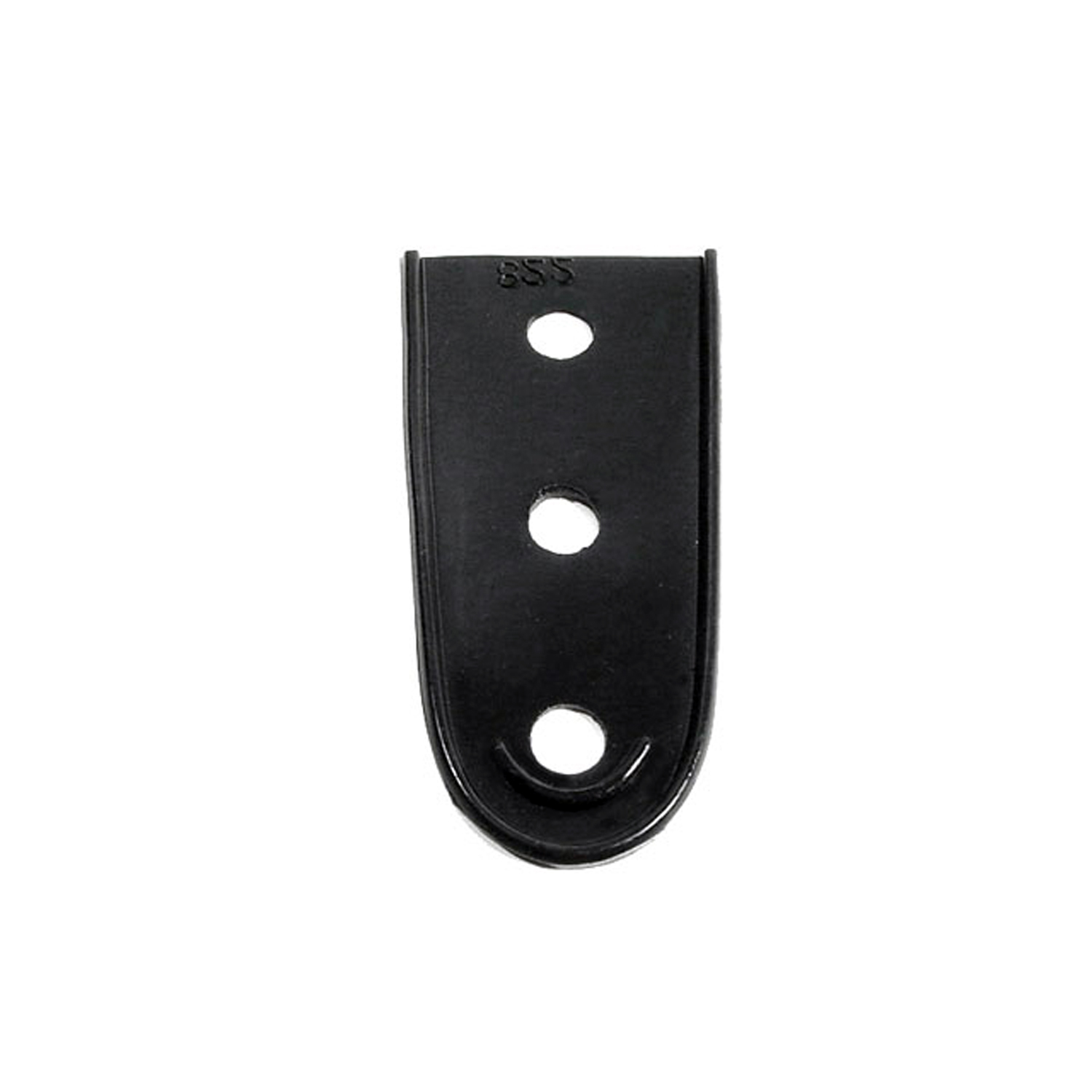 1949 Mercedes-Benz 170 S Trunk Lower Hinge Pad. 2-1/8" wide X 4-1/4" long. Each-MP 822Trunk Lower Hinge Pad. 2-1/8" wide X 4-1/4" long. Each
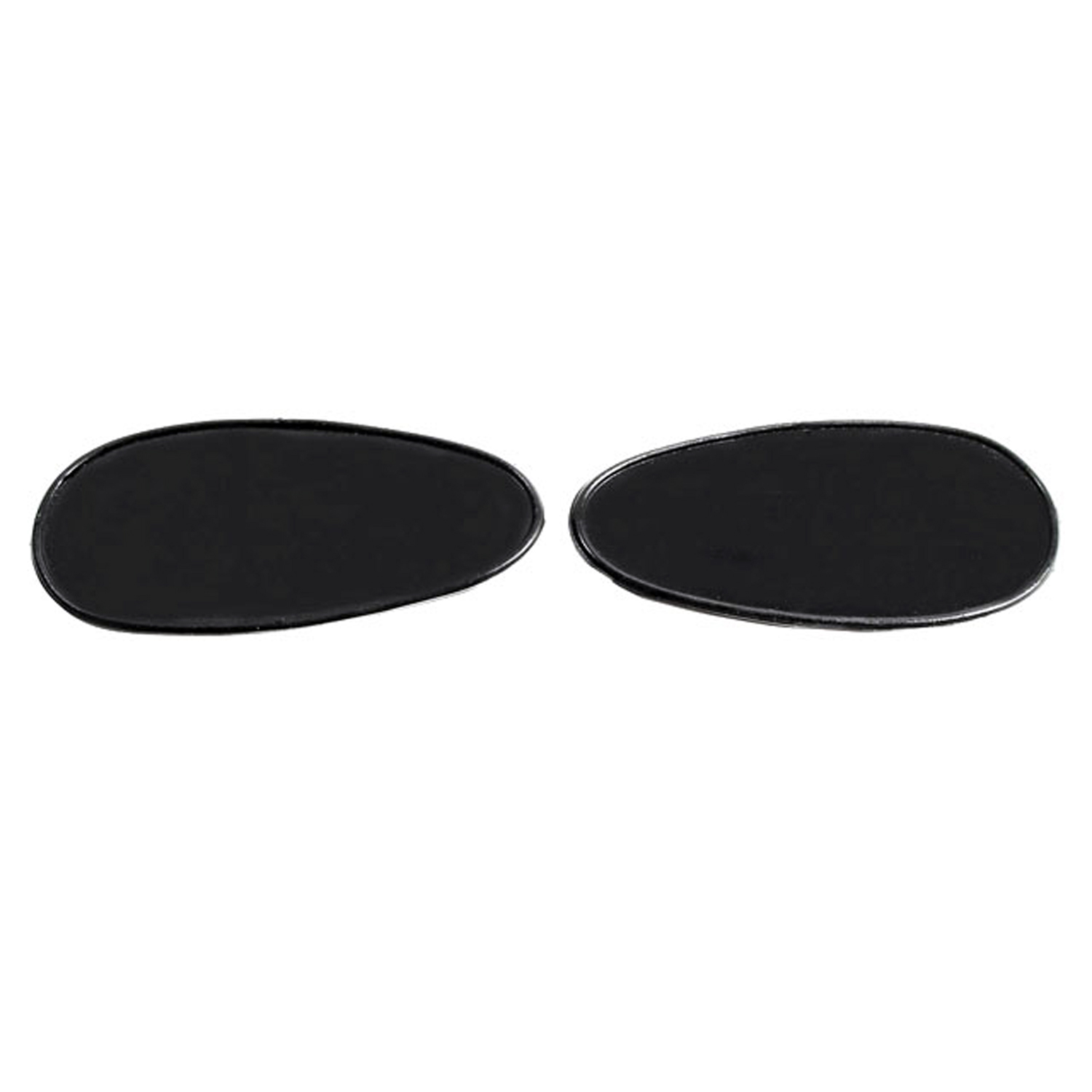 1949 Mercedes-Benz 170 S Tail-light Pads. 2-1/4" wide X 4-5/8" long. Pair-MP 823-BTail-light Pads. 2-1/4" wide X 4-5/8" long. Pair
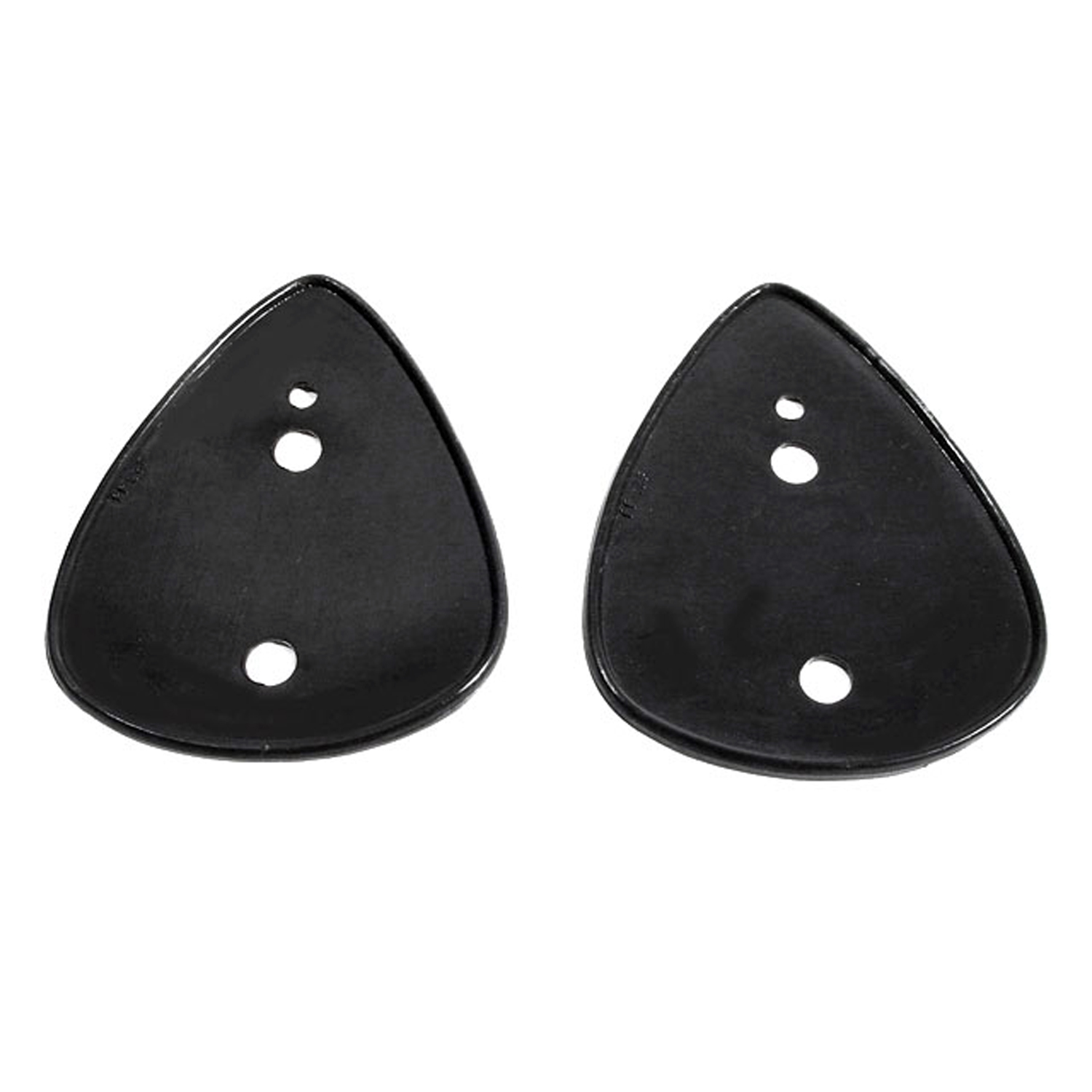 1949 Mercedes-Benz 170 S Park Light Pads. Made for the stamped fender light-MP 823-JJPark Light Pads. Made for the stamped fender light. 3-7/8" wide X 5-1/8" long. Pair
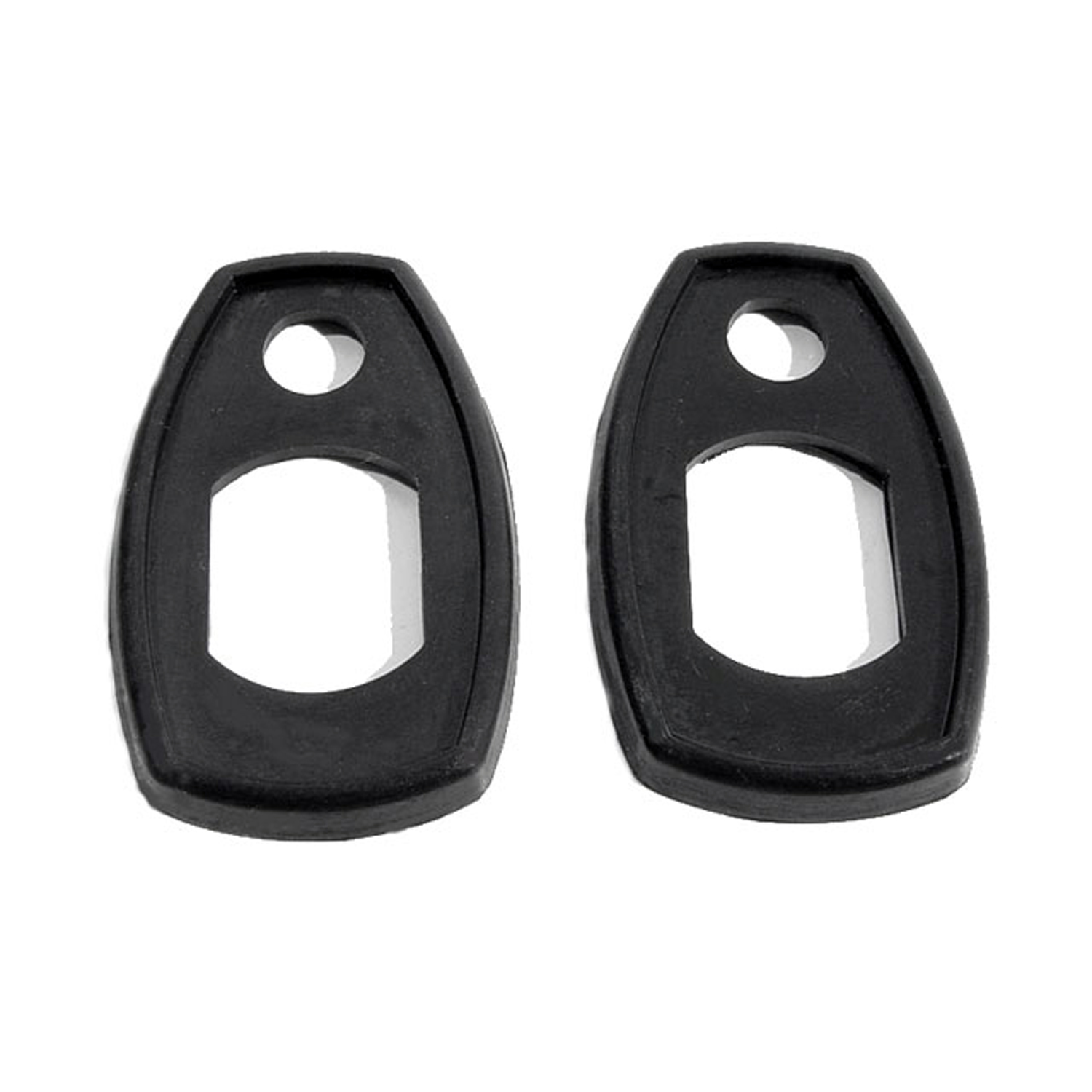 1949 Mercedes-Benz 170 S Door Handle Pads. 1-1/2" wide X 2-1/2" long. Pair-MP 823-NDoor Handle Pads. 1-1/2" wide X 2-1/2" long. Pair
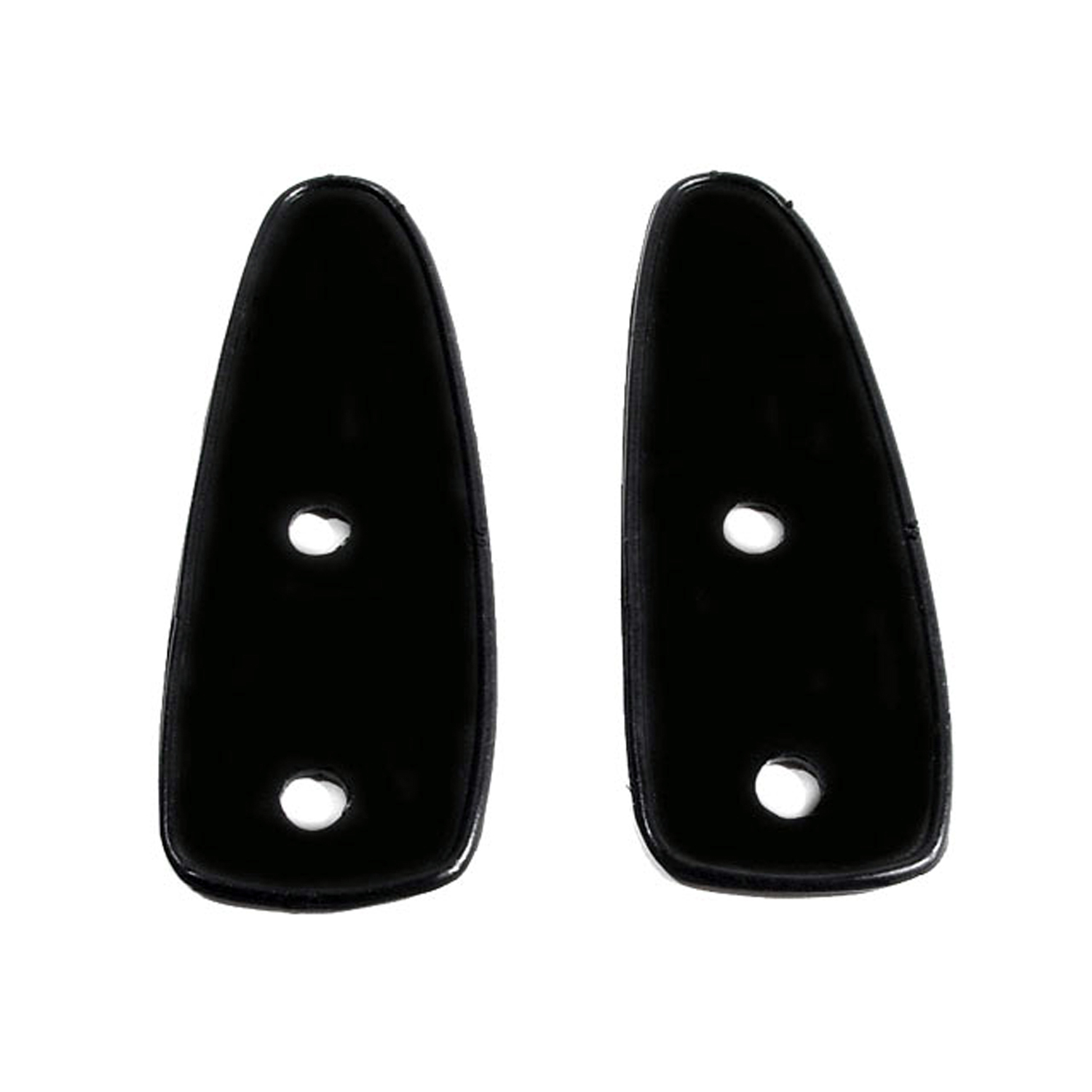 1949 Mercedes-Benz 170 S Park Light Pads. 2-1/4" wide X 6-1/8" long. Pair-MP 823-QPark Light Pads. 2-1/4" wide X 6-1/8" long. Pair
 1949 Mercedes-Benz 170 S Headlight Pads. 3-7/8" wide X 6-1/2" long. Pair-MP 824-QHeadlight Pads. 3-7/8" wide X 6-1/2" long. Pair
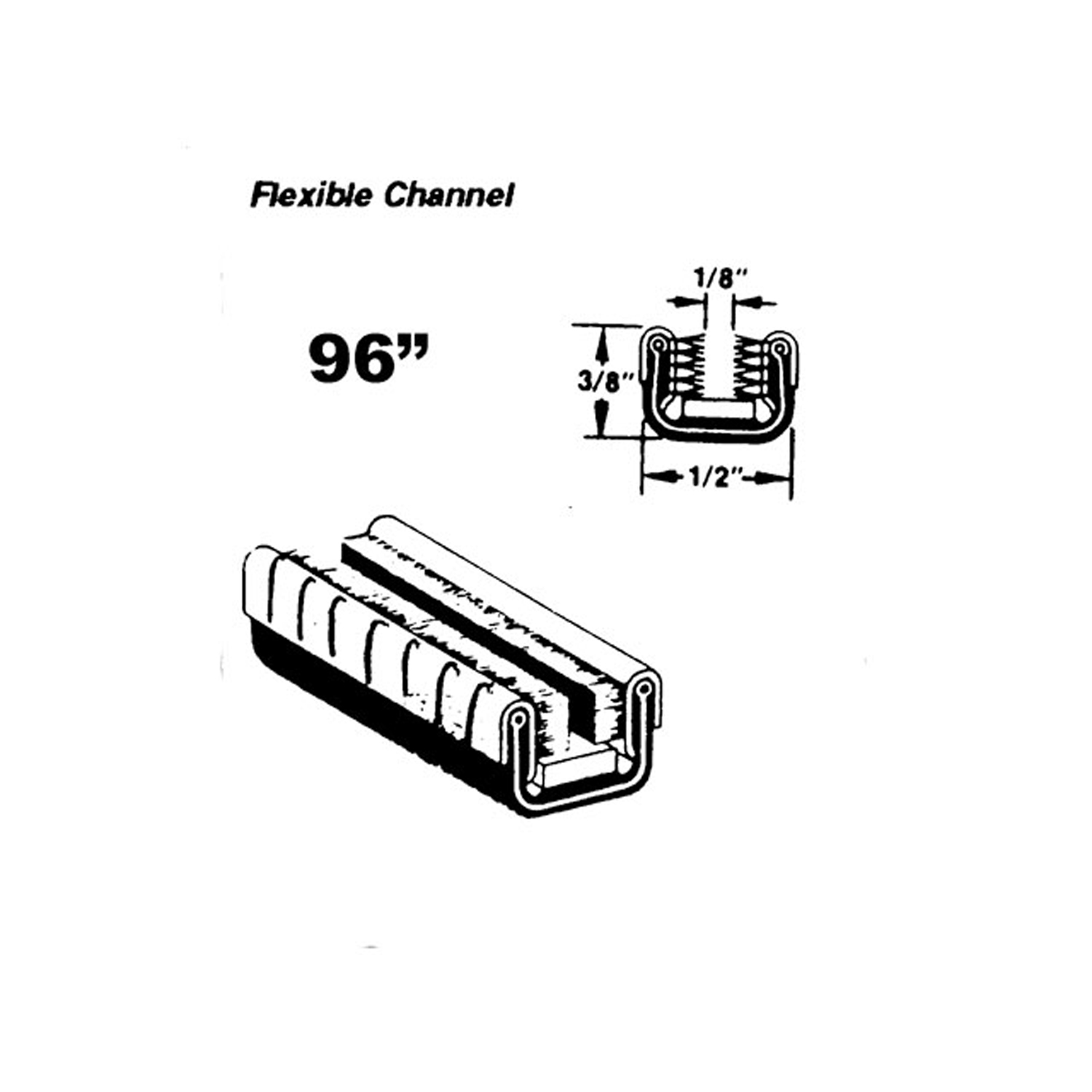 1949 Mercedes-Benz 170 S Flexible glass-run channel. Rubber covered and pile lined-WC 12-96Flexible glass-run channel. Rubber covered and pile lined. Unbeaded. 96 in. long. Each. NOTE: $20 special shipping charge applies for domestic orders. Call or email for overseas shipping costs. Part can be sectioned in two or three equal lengths to reduce overseas shipping costs.
Why Choose Metro?
For over 100 years, Metro Moulded Parts has been the pinnacle of quality in classic car restoration parts. Our commitment to precision and authenticity in every component ensures a perfect fit and an OEM-level appearance.
- Expert Craftsmanship & Quality: Each part is a testament to our dedication to reliability and perfection, crafted from original designs and thoroughly tested.
- Advanced Technology: We use cutting-edge techniques to create flawless, long-lasting parts that surpass others in performance.
- SuperSoft Sponge – The Ultimate Door Seal: Not only are our door seals 30% softer than competitors', but they're also guaranteed to never leak. They effectively reduce wind and road noise, enhancing your classic car's comfort and driving experience.
- Proudly American: Our parts are a product of American craftsmanship, made in the USA with a spirit of excellence and heritage.
- Unrivaled Warranty: We back our products with a 30-year industry-leading warranty, a testament to our confidence in their quality.
Join us in preserving the legacy of classic cars with parts that are crafted for perfection, not just made.