

Image of 1949 Mercedes-Benz 170 V, Note: These illustrations use artistic license and may differ from actual historical models.
Performance Metrics
Fundamental Metrics
Emotional Appeal
MMP Rating
| Engine Specifications | |
|---|---|
| Engine: | 1.7L 4-cylinder |
| Displacement: | 1.7L |
| Horsepower: | 38-52 HP |
| Torque: | Estimated 60 lb-ft |
| Compression Ratio: | 6.5:1 |
| Ignition System: | Distributor with points |
| Cooling System: | Water-cooled |
| Performance Specifications | |
| 0-60 Time: | Estimated 35 seconds |
| 1/4 Mile Time: | Not available |
| Top Speed: | 75 mph |
| Transmission and Drive | |
| Drive Type: | Rear-wheel drive |
| Transmission Type: | 4-speed manual |
| Fuel and Efficiency | |
| Fuel System Type: | Carburetor |
| MPG: | Estimated 20-25 MPG |
| Dimensions and Brakes | |
| Brakes: | Drum brakes |
| Wheelbase: | 112.2 inches |
| Weight: | 2,425 lbs |
Note: Specifications for classic cars are given to the best of our ability, considering the limited and variant data available.
1949 Mercedes-Benz 170 V: A Postwar Classic
The 1949 Mercedes-Benz 170 V was a modest-looking car with a monumental job: getting Mercedes-Benz back on the road after World War II. Built by Daimler-Benz in Stuttgart, the 170 V belonged to the W136 family, a model line first introduced in 1936. Its prewar roots were easy to spot, but its postwar role was entirely new. It carried families, businesses, police officers, and emergency services through a period of rebuilding.
One striking detail is that the 170 V became Mercedes-Benz’s first passenger car to return to production after the war. The factory initially concentrated on practical vehicles, including saloons and commercial bodies, rather than glamorous flagships. In 1949, the 170 V shared the spotlight with the newly introduced, more luxurious 170 S, but remained the dependable, workaday choice in the range.
Classic Mercedes Styling and Body Options
The 170 V’s styling was upright and formal, with the purposeful proportions typical of a prewar European saloon. Its tall chrome radiator grille, rounded front wings, separate headlamps, and gently curved bonnet gave it an unmistakable Mercedes face. The running boards and distinct fenders emphasized its separate, almost architectural forms. It looked dignified rather than fast, and its compact dimensions made it more manageable than many large luxury cars of the period.
The four-door saloon was the familiar choice, but the 170 V was also offered in open-body forms such as Cabriolet A and Cabriolet B, as well as commercial configurations. Depending on the body and specification, buyers could find delivery vans, pickups, ambulances, and other special-purpose vehicles. The saloon was the practical, broadly recognizable version, while the cabriolets are now among the most eye-catching and collectible.
Inside, the car favored durability and straightforward craftsmanship over lavish ornament. The cabin used a metal dashboard with clear, legible instruments, a broad steering wheel, and simple controls. Upholstery varied with body style and specification, with cloth commonly used in practical models and more luxurious trim available on better-equipped cars. The overall impression is sturdy and carefully assembled, though it is not the plush, wood-lined environment some people associate with later Mercedes-Benz luxury models.
Factory paint choices depended on the year, market, and body style. Period 170 V saloons are often seen in sober solid colors such as black, gray, blue, and green, while open cars could wear lighter or more striking finishes. Today, original color combinations and well-documented paintwork can add appeal, but condition and authenticity usually matter more than a particular shade.
Engineering Built for Everyday Use
Under the bonnet is a 1,697 cc inline-four petrol engine with side valves. In 170 V specification it produced about 38 horsepower. Power went to the rear wheels through a four-speed manual gearbox. This was conventional engineering for its era, but Mercedes-Benz paired it with a well-developed chassis and suspension system rather than treating the car as a simple engine-and-body package.
The 170 V used independent front suspension with double wishbones and coil springs, along with a swing-axle rear suspension. Hydraulic brakes and a sturdy frame-based construction helped make it a capable everyday vehicle for the roads of its day. The independent suspension was a notable feature in a class where many competitors still relied on less sophisticated arrangements, and it helped the Mercedes deliver a more composed ride over uneven surfaces.
In 1949, the range also expanded with the diesel-powered 170 D and the more upscale 170 S. Those models are distinct from the petrol 170 V, even though they share the broader 170 family name. That distinction matters when researching parts, specifications, and values.
Performance and the Driving Experience
The 170 V was built for steady progress, not quick acceleration. Period specifications commonly put its maximum speed at roughly 108 km/h, or 67 mph. A modern-style 0-to-60 mph figure was not consistently published for the car; based on its power, gearing, and weight, a realistic estimate is roughly 30 to 40 seconds. Actual performance varies with body style, mechanical condition, gearing, and load.
Behind the wheel, the engine delivers a measured, mechanical hum rather than a sporting roar. The four-speed gearbox rewards deliberate shifts, and the modest output encourages the driver to maintain momentum instead of making frequent, hurried passes. On rough roads, the independent suspension gives the car a more supple feel than its age might suggest, although its narrow tires, vintage steering, and limited power call for a relaxed pace. On winding roads, it feels stable when driven smoothly, but it is not designed for sharp cornering or modern traffic speeds.
The overall experience is engaging in a quiet way. The upright seating position provides a clear view over the bonnet, the large steering wheel makes low-speed maneuvering manageable, and the cabin communicates its mechanical character. It is a classic for enjoying the journey, not for chasing acceleration figures.
Why the 170 V Matters
The 170 V’s importance lies partly in what it represented. Mercedes-Benz had to rebuild production capacity and meet urgent demand for reliable transportation in a country recovering from war. A practical, relatively economical car made more sense than a high-performance model, and the 170 V helped restore the company’s presence in the passenger-car market.
Its engineering also showed continuity at a time of upheaval. The model retained a prewar design foundation, but features such as independent suspension and a robust chassis gave it a more advanced feel than many basic contemporary cars. It was not a radical styling or technology revolution, yet it helped bridge Mercedes-Benz’s prewar reputation and its postwar recovery. The later 170 S and the company’s subsequent passenger cars built on that renewed foundation.
Ownership, Maintenance, and Reliability
Today, most 170 V saloons are used as show cars, touring cars, or cherished weekend drivers. Some owners take them to historic motoring events, where the car’s period character is as much of an attraction as its badge. Commercial versions and cabriolets appeal to collectors seeking a less common body style.
The mechanical layout is relatively straightforward by classic-car standards, and many repairs can be handled by an experienced vintage Mercedes specialist. That does not mean every job is easy for a first-time owner. Age-related issues can include corrosion in the body and structural areas, worn suspension components, brake problems, tired wiring, and engine wear. Parts availability is generally better for common mechanical items than for rare body panels or trim, so inspect completeness carefully before buying a restoration project.
Reliability depends heavily on maintenance and the quality of any restoration. A properly sorted 170 V can be a pleasant touring car, but it is not a modern daily driver. Its braking distances, lighting, cruising speed, and crash protection reflect its era. Regular fluid checks, careful storage, and attentive upkeep are essential for safe, enjoyable use.
170 V Facts and Common Criticisms
The 170 V family served well beyond the private-car market. Its chassis and body variations made it useful for delivery work, public services, and emergency vehicles, including ambulances. That practical range is a reminder that the model was not simply a small luxury saloon. It was part of the transport infrastructure of postwar Germany.
There is no single famous record or celebrity association that defines the 1949 170 V. Its more meaningful achievement was helping Mercedes-Benz resume passenger-car production and serving a broad range of everyday needs. Common criticisms are straightforward: it is slow by modern standards, its cabin is basic compared with luxury Mercedes models, and surviving cars can require costly restoration. Buyers should also be careful not to confuse the petrol 170 V with the 170 D diesel or the more luxurious 170 S.
Collector Values and Rarity
Production figures for an individual model year and body style can be difficult to separate, but roughly 83,000 postwar 170 V-family cars are commonly cited for the 1946–1953 production period. That figure covers a much broader span than 1949 alone. Standard saloons are more attainable than cabriolets and unusual commercial bodies, though surviving examples vary greatly in condition and originality.
As a broad 2026 market estimate, a project car may sell for around $5,000 to $15,000, while a usable or well-presented saloon might fall in the $15,000 to $35,000 range. Excellent, correctly restored saloons can reach roughly $35,000 to $55,000. Cabriolets and especially rare or professionally restored examples may command about $60,000 to $120,000 or more. These are approximate ranges, not guaranteed sale prices; provenance, originality, body style, restoration quality, and local demand all make a substantial difference.
The market tends to favor well-documented, high-quality cars, particularly open models and unusual commercial variants. Good examples have generally held collector interest, but values can be uneven, and restoration costs may exceed the finished car’s value. A complete, honest car is often a smarter purchase than an inexpensive project with missing trim or significant structural corrosion.
A Mercedes-Benz That Helped Rebuild
The 1949 Mercedes-Benz 170 V is not remembered for speed or extravagance. Its importance comes from its blend of sound engineering, adaptable body styles, and timely return to production after the war. With its upright styling, independent suspension, and practical character, it became a useful companion for a nation finding its footing again. More than a small classic Mercedes, the 170 V is a rolling reminder of how dependable design can help a company, and a country, move forward.
1949 Mercedes-Benz 170 V Catalog of Parts
 1949 Mercedes-Benz 170 V Hood Corners. 2 Front and 2 Rear Corners. 4-Piece Set-HC 26Hood Corners. 2 Front and 2 Rear Corners. 4-Piece Set
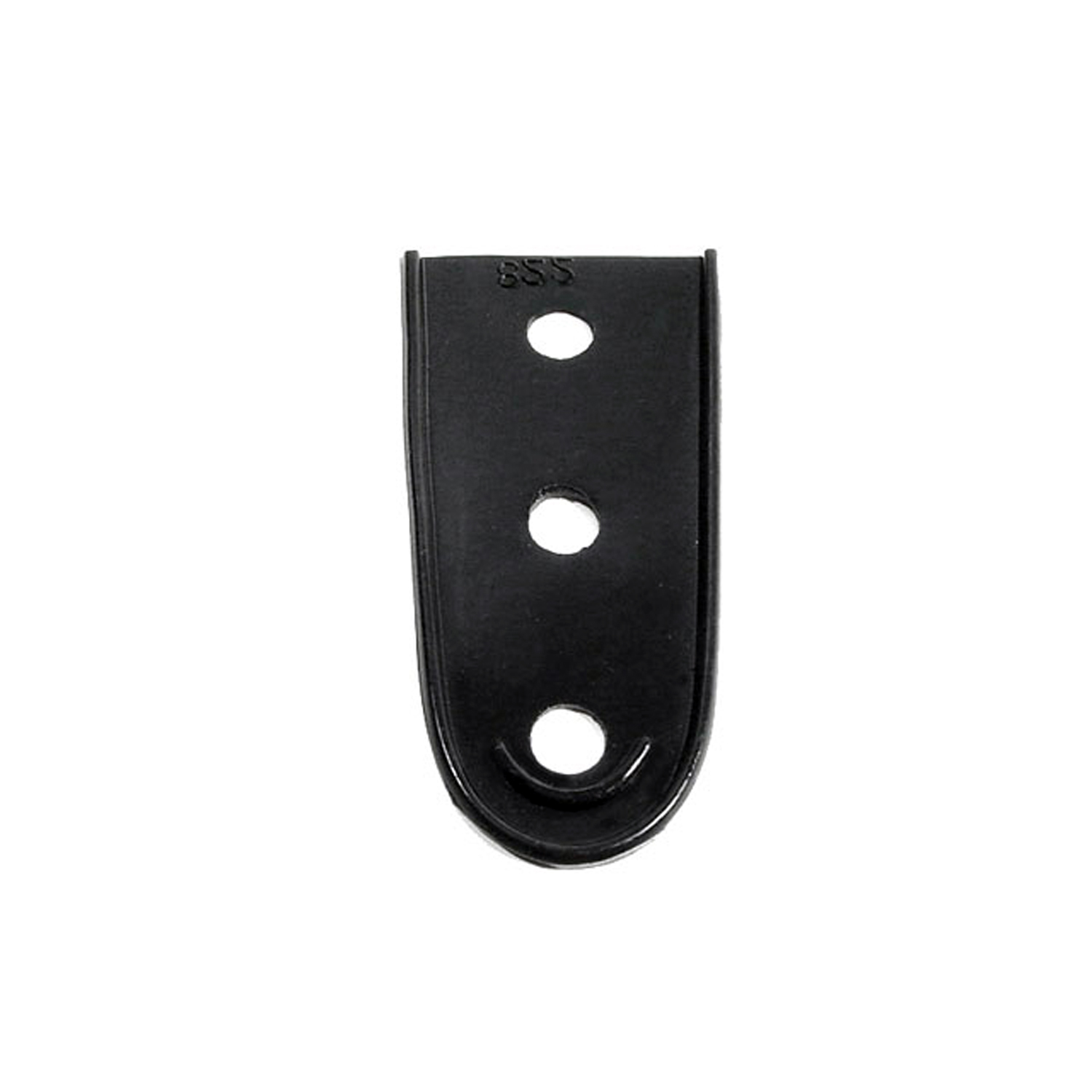 1949 Mercedes-Benz 170 V Trunk Lower Hinge Pad. 2-1/8" wide X 4-1/4" long. Each-MP 822Trunk Lower Hinge Pad. 2-1/8" wide X 4-1/4" long. Each
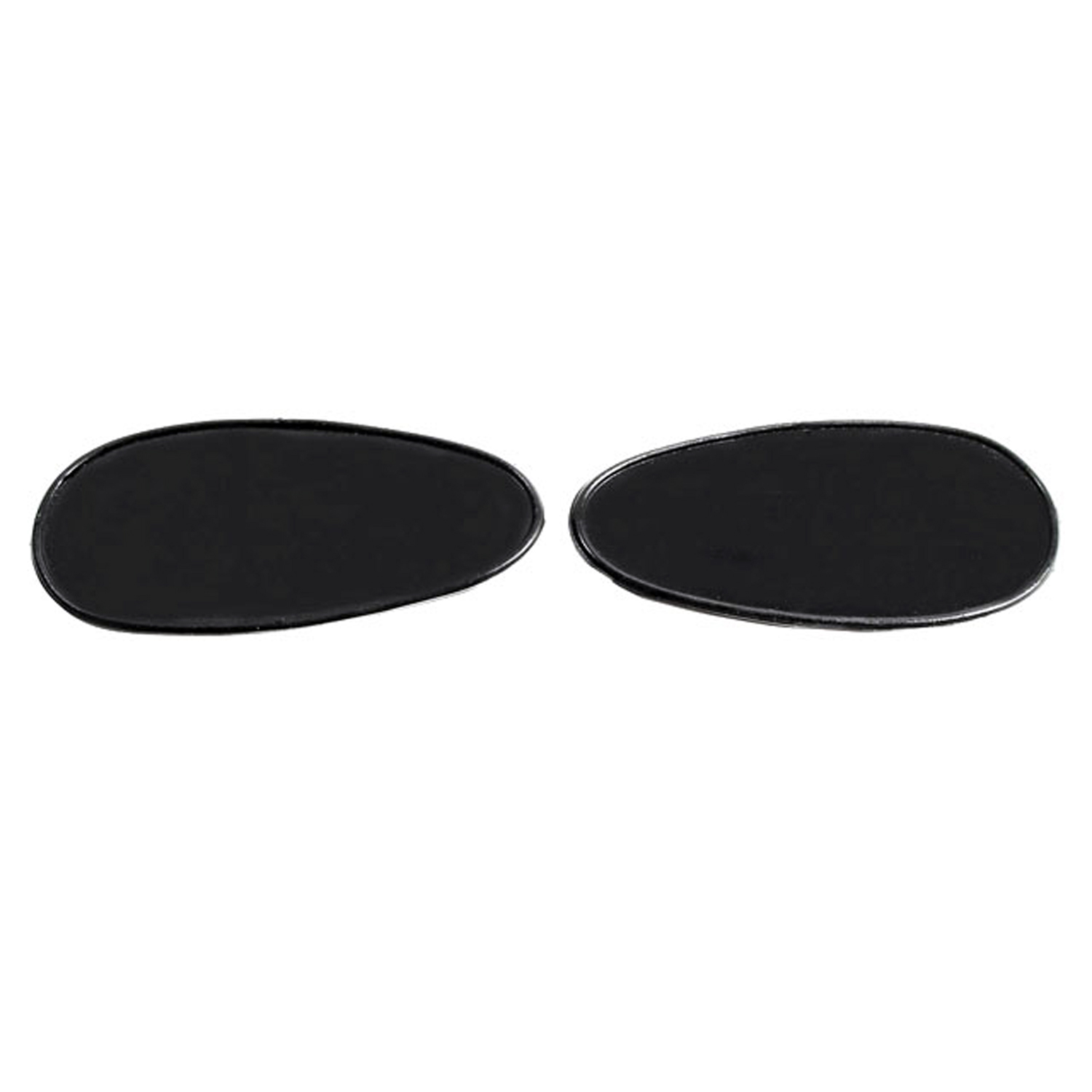 1949 Mercedes-Benz 170 V Tail-light Pads. 2-1/4" wide X 4-5/8" long. Pair-MP 823-BTail-light Pads. 2-1/4" wide X 4-5/8" long. Pair
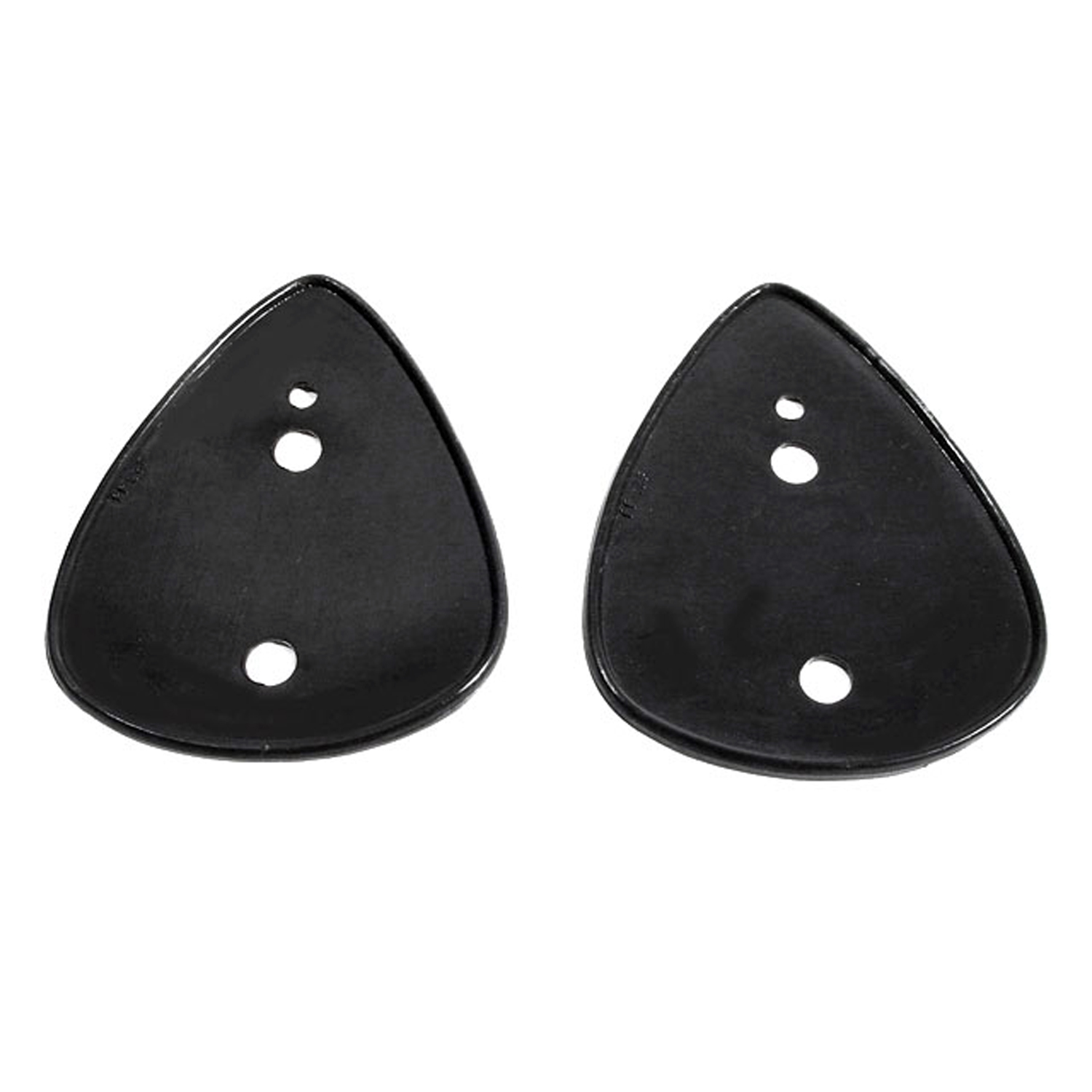 1949 Mercedes-Benz 170 V Park Light Pads. Made for the stamped fender light-MP 823-JJPark Light Pads. Made for the stamped fender light. 3-7/8" wide X 5-1/8" long. Pair
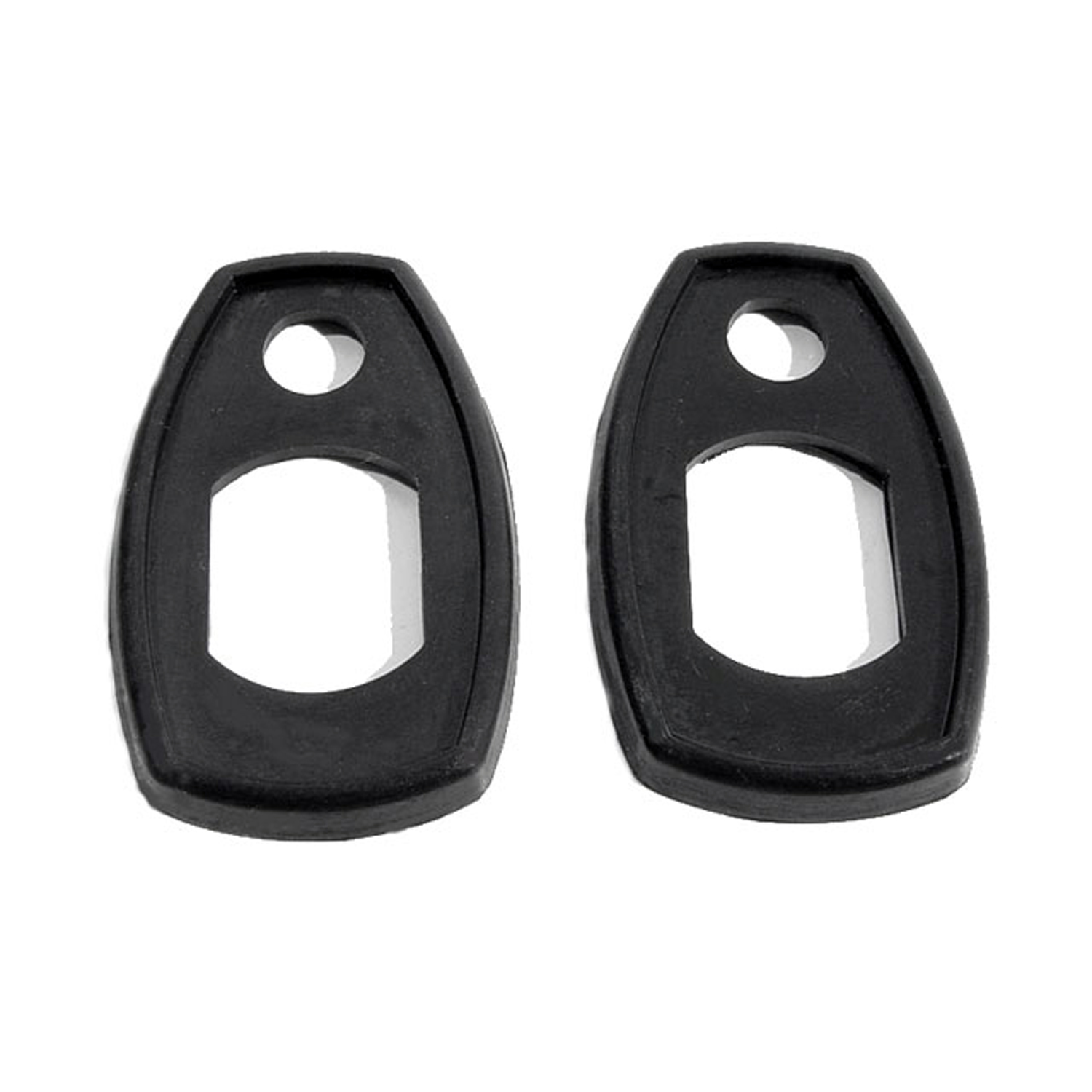 1949 Mercedes-Benz 170 V Door Handle Pads. 1-1/2" wide X 2-1/2" long. Pair-MP 823-NDoor Handle Pads. 1-1/2" wide X 2-1/2" long. Pair
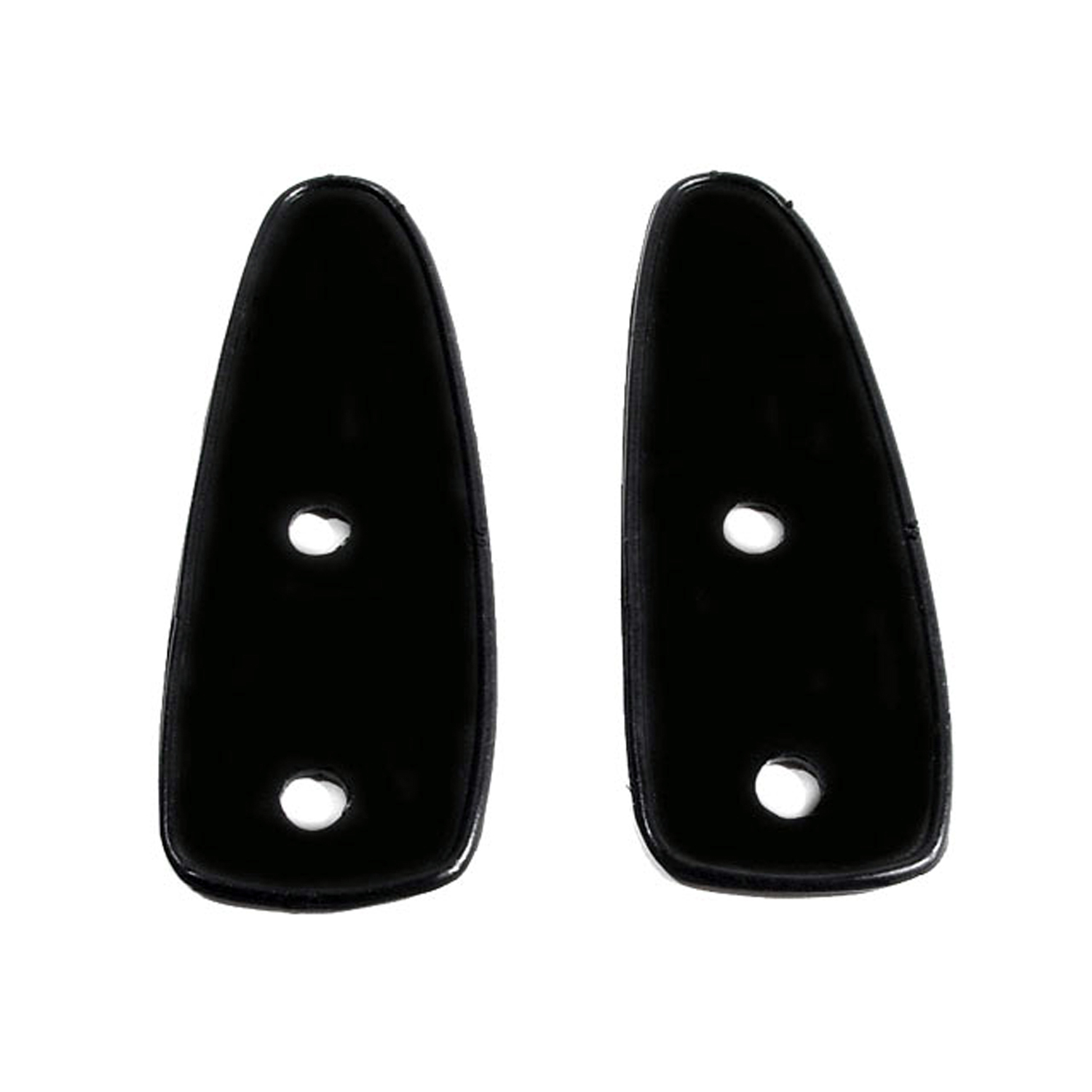 1949 Mercedes-Benz 170 V Park Light Pads. 2-1/4" wide X 6-1/8" long. Pair-MP 823-QPark Light Pads. 2-1/4" wide X 6-1/8" long. Pair
 1949 Mercedes-Benz 170 V Headlight Pads. 3-1/2" wide X 7-5/8" long. Pair-MP 824-PHeadlight Pads. 3-1/2" wide X 7-5/8" long. Pair
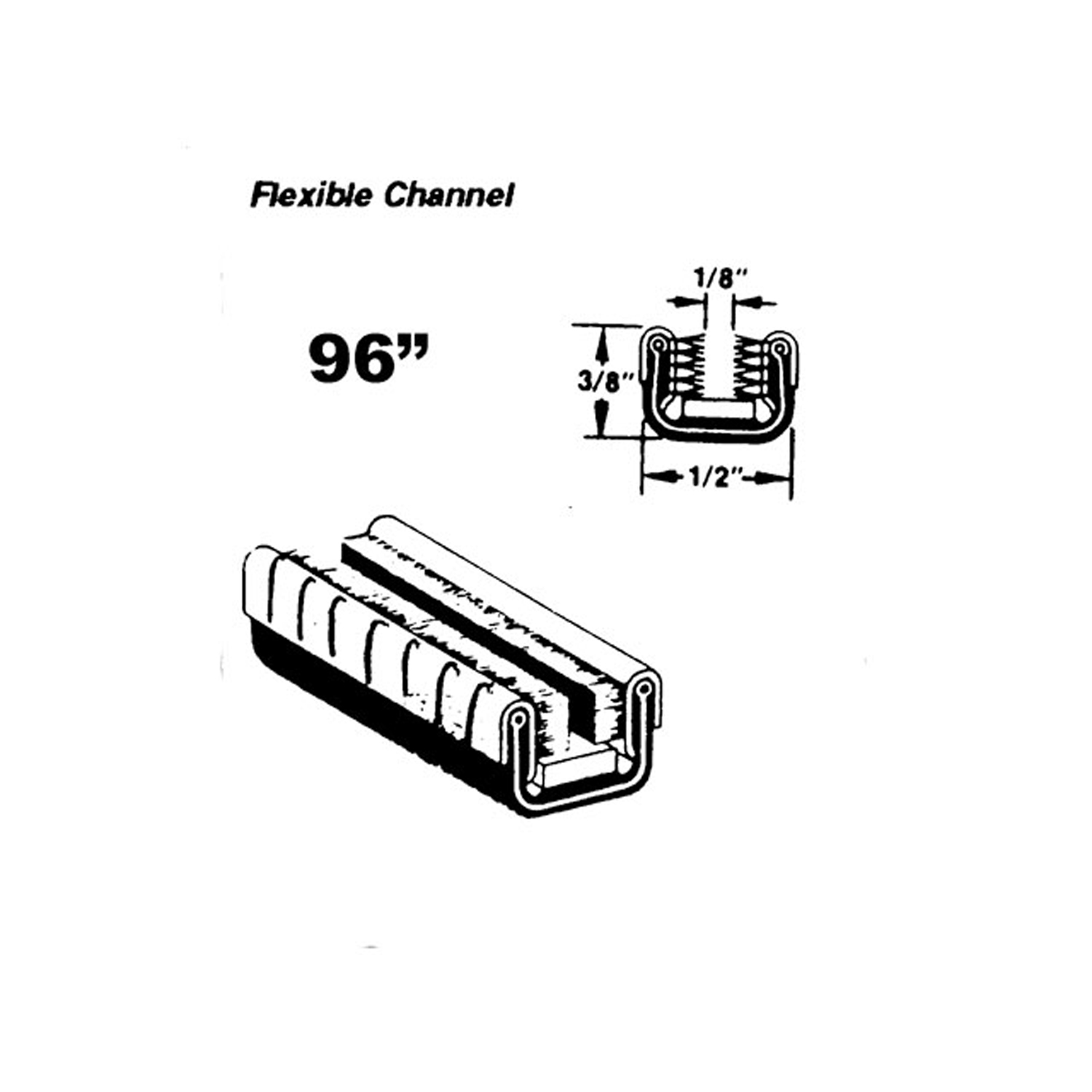 1949 Mercedes-Benz 170 V Flexible glass-run channel. Rubber covered and pile lined-WC 12-96Flexible glass-run channel. Rubber covered and pile lined. Unbeaded. 96 in. long. Each. NOTE: $20 special shipping charge applies for domestic orders. Call or email for overseas shipping costs. Part can be sectioned in two or three equal lengths to reduce overseas shipping costs.
Why Choose Metro?
For over 100 years, Metro Moulded Parts has been the pinnacle of quality in classic car restoration parts. Our commitment to precision and authenticity in every component ensures a perfect fit and an OEM-level appearance.
- Expert Craftsmanship & Quality: Each part is a testament to our dedication to reliability and perfection, crafted from original designs and thoroughly tested.
- Advanced Technology: We use cutting-edge techniques to create flawless, long-lasting parts that surpass others in performance.
- SuperSoft Sponge – The Ultimate Door Seal: Not only are our door seals 30% softer than competitors', but they're also guaranteed to never leak. They effectively reduce wind and road noise, enhancing your classic car's comfort and driving experience.
- Proudly American: Our parts are a product of American craftsmanship, made in the USA with a spirit of excellence and heritage.
- Unrivaled Warranty: We back our products with a 30-year industry-leading warranty, a testament to our confidence in their quality.
Join us in preserving the legacy of classic cars with parts that are crafted for perfection, not just made.