

Image of 1951 Mercedes-Benz 170s, Note: These illustrations use artistic license and may differ from actual historical models.
Performance Metrics
Fundamental Metrics
Emotional Appeal
MMP Rating
| Engine Specifications | |
|---|---|
| Engine: | Inline 4 |
| Displacement: | 1767 cc |
| Horsepower: | 52 hp at 3600 rpm |
| Torque: | 91 lb-ft at 2000 rpm |
| Compression Ratio: | 6.5:1 |
| Ignition System: | Battery Ignition |
| Cooling System: | Water-cooled |
| Performance Specifications | |
| 0-60 Time: | 30 seconds |
| 1/4 Mile Time: | Not available |
| Top Speed: | 75 mph |
| Transmission and Drive | |
| Drive Type: | Rear-wheel drive |
| Transmission Type: | 4-speed manual |
| Fuel and Efficiency | |
| Fuel System Type: | Carburetor |
| MPG: | 20-25 mpg |
| Dimensions and Brakes | |
| Brakes: | Drum brakes |
| Wheelbase: | 112.2 inches |
| Weight: | 2,866 lbs |
Note: Specifications for classic cars are given to the best of our ability, considering the limited and variant data available.
1951 Mercedes-Benz 170 S: A Postwar Luxury Classic
The 1951 Mercedes-Benz 170 S brought quiet confidence back to a company rebuilding after the Second World War. It was a refined, carefully engineered four-cylinder Mercedes-Benz for buyers who wanted more comfort and presence than the basic family saloons of the era could offer. Available as a stately four-door saloon or an elegant cabriolet, the 170 S helped re-establish Mercedes-Benz as a maker of premium cars.
Introduced in 1949, the 170 S belonged to the W136 family, a line that had first appeared before the war. Its roots were familiar, but its purpose was distinctly upscale. Mercedes-Benz gave the S a more powerful engine, a larger and more accommodating body, and a higher level of trim than the 170 V. The “S” is commonly associated with Sonderklasse, or “special class,” an apt description of the car’s position in the range.
One compelling detail is that the 170 S was not just a comfortable sedan. Mercedes-Benz also offered it as the open two-seat Cabriolet A and the four-seat Cabriolet B. These costly, coachbuilt-looking versions gave the model a glamorous side that could be easy to miss when it is described simply as a postwar family car.
Elegant W136 Styling and Craftsmanship
The 170 S has the upright proportions that define many classic Mercedes-Benz cars. Its tall, rounded radiator grille sits proudly between rounded front fenders, while separate headlamps and a long hood give the nose a formal, substantial look. The gently curved body, running boards, and rounded rear end reflect prewar design traditions, but the overall shape feels purposeful rather than fussy. It is a car designed to look dignified in front of a hotel, office, or country home.
The saloon’s four doors and generous glass area make it the most practical version. Cabriolet A models have a more intimate two-seat layout and a sweeping open-top profile, while Cabriolet B cars add two rear seats for occasional passengers. Both convertibles have a strong visual appeal, but their limited production and higher original price make them more sought after today.
Inside, the 170 S emphasizes comfort and quality over sporting drama. The upright seating position, broad bench-style seating, clear instruments, and generous cabin space make it feel more like a traditional touring car than a compact economy model. Upholstery depended on body style and specification: saloons commonly used durable cloth, while cabriolets could be trimmed in leather. Wood or wood-effect dashboard detailing, careful metal trim, and solid switchgear helped distinguish the S from the less expensive 170 V.
Factory paint choices varied by year, market, and individual specification. Black was a suitably formal and popular choice, while dark greens, blues, grays, and burgundy shades also suited the car’s restrained shape. On cabriolets, a contrasting fabric top could add extra visual character. Original colors are especially appealing to collectors, although period-correct repainting is often accepted when a car’s original finish is no longer present.
Engineering for Comfort and Control
Power comes from a front-mounted, water-cooled 1,767 cc inline-four with overhead valves. In 170 S specification, the engine produced about 52 horsepower, a useful improvement over the lower-powered 170 V. A four-speed manual transmission sends power to the rear wheels. The engine is tuned for smooth, dependable road use rather than high-revving performance.
The chassis combines independent front suspension with a swing-axle rear layout, giving the car a more sophisticated ride than its traditional exterior might suggest. The 170 S was also equipped with hydraulic brakes, which improved braking feel and control compared with older mechanical systems. These features were important parts of the car’s premium character, even if modern drivers will find its braking distances and handling limits very different from those of a contemporary vehicle.
Mercedes-Benz offered the 170 S in an era when buyers were beginning to expect more comfort and engineering refinement from a luxury car. Its suspension design, well-finished cabin, and stronger engine were not exotic by themselves, but their combination in a relatively compact, carefully built package set the S apart from basic postwar transportation.
Historical Importance in a Rebuilding Era
The 170 S was significant because it helped Mercedes-Benz return to the luxury-car market after the disruption of war. The company had to rebuild production capacity and restore its reputation while many European buyers still faced shortages and economic hardship. Rather than relying on appearance alone, Mercedes-Benz used familiar engineering with meaningful upgrades to create a car that felt more substantial and comfortable than an entry-level saloon.
Its relationship to the 170 V also shows how the company approached postwar development. The two models shared the W136 foundation, but the S received a more powerful engine, greater comfort, and a more prestigious position. In that sense, the 170 S demonstrated a practical path from a prewar design to a renewed luxury offering.
The 170 S did not establish a direct, unbroken technical lineage to every later Mercedes-Benz S-Class model. Its importance is better understood as part of the company’s postwar recovery and the broader return of Mercedes-Benz to premium-car production. It helped prove that the marque could still build refined, carefully engineered automobiles in a difficult period.
Road Performance and Driving Character
Period performance figures and modern test results vary with body style, gearing, vehicle condition, and how the car is measured. A sound 170 S is generally quoted with a top speed in the neighborhood of 70 to 75 mph, or roughly 110 to 120 km/h. Reaching 60 mph from rest takes around 30 seconds, give or take. Those figures make clear that the car is built for relaxed progress, not fast acceleration.
On the road, the 170 S rewards smooth inputs. Its four-cylinder engine produces a modest, steady sound rather than a dramatic exhaust note, and the manual gearbox asks the driver to plan overtakes well in advance. The steering is unassisted and can feel heavy at parking speeds, while its response becomes more agreeable once the car is moving. Drivers accustomed to modern cars should also allow extra room for braking.
The suspension helps the car settle over ordinary bumps and uneven pavement, although worn components can make an old example feel loose or unsettled. On a winding road, the 170 S is best driven at a measured pace. Its tall body and period rear suspension reward smooth cornering rather than abrupt steering or throttle changes. The experience is less about chasing speed and more about enjoying the view from the broad cabin, the steady engine note, and the deliberate rhythm of a classic manual car.
Living With a 170 S
Today, most 170 S models are used as collector cars, touring machines, or show cars rather than everyday transportation. A well-maintained saloon can still be driven on club outings and scenic trips, but modern traffic, limited acceleration, and the absence of contemporary safety equipment call for sensible route planning.
Routine servicing is manageable for an owner familiar with older Mercedes-Benz engineering. The simple four-cylinder engine and conventional mechanical systems are less complex than those in a modern luxury car. However, parts availability, specialist knowledge, and the condition of the individual vehicle matter greatly. Body restoration can be especially expensive: rust repair, correct panel work, paint, and interior retrimming may cost far more than routine mechanical maintenance.
Before buying, inspect the chassis and body carefully, check the engine for oil pressure and cooling problems, and assess the gearbox, brakes, suspension, and electrical system. A car that has been restored to a high standard can be a pleasure to own, but a low-priced project may require extensive work. For many owners, a marque specialist is invaluable for sourcing parts and keeping the car mechanically sound.
Notable Details and Common Criticisms
The 170 S’s three main body styles give it an unusually broad character: practical saloon, intimate Cabriolet A, and more accommodating Cabriolet B. The open versions were much more expensive when new and were produced in far smaller numbers than the sedan, which helps explain their stronger collector appeal today.
The 170 S is not known for a headline-grabbing speed record or a major racing victory. Its story is one of postwar recovery, careful engineering, and premium road use. Mercedes-Benz also offered a diesel-powered 170 DS in the wider 170 S family, but that is a separate model and should not be confused with the gasoline-powered 170 S covered here.
Common criticisms are straightforward: the car is slow by modern standards, the steering and brakes require more effort than contemporary systems, and restoration can be costly. Its restrained styling may also seem conservative to enthusiasts who prefer dramatic postwar designs. Yet those same qualities are part of its appeal. The 170 S is composed and understated, not flashy or sporting.
Collector Values and Market Outlook
Production figures vary according to how model versions and body styles are counted. A reasonable working estimate for the 170 S family is around 15,000 to 16,000 cars, with the saloon making up the largest share. The Cabriolet A and Cabriolet B are considerably less common. Exact totals should be treated cautiously because surviving factory records and published counts do not always group the variants in the same way.
As a broad 2026 U.S. market guide, a usable but imperfect 170 S saloon may fall around $25,000 to $50,000. A well-restored sedan can bring approximately $60,000 to $100,000, depending on originality and workmanship. Cabriolet values vary substantially by model and condition: a Cabriolet B may range roughly from $90,000 to $180,000, while a top-quality Cabriolet A can reach about $150,000 to $300,000 or more. These are estimates, not guaranteed sale prices, and exceptional provenance or a concours-level restoration can change the picture considerably.
Values tend to favor original, well-documented cars and high-quality restorations. The 170 S has a dedicated audience, but it is a more specialized market than that for famous sports cars or later Mercedes-Benz classics. Prices have generally held up best for rare cabriolets, while sedan values depend heavily on condition and restoration quality. As with any classic, a sound car with credible records is usually a better investment than an ambitious project.
Why the 1951 Mercedes-Benz 170 S Still Matters
The 1951 Mercedes-Benz 170 S combines prewar elegance with the engineering and ambition of a company finding its footing again. Its 1.8-liter-class four-cylinder engine, refined chassis, quality cabin, and range of body styles made it a genuine step above basic transportation in its day.
It is not a fast car, and it does not need to be. The 170 S is memorable for the way it represents Mercedes-Benz’s return to premium motoring: measured, carefully made, and quietly confident. For collectors, it offers a distinctive connection to one of the most important rebuilding chapters in the marque’s history.
1951 Mercedes-Benz 170s Catalog of Parts
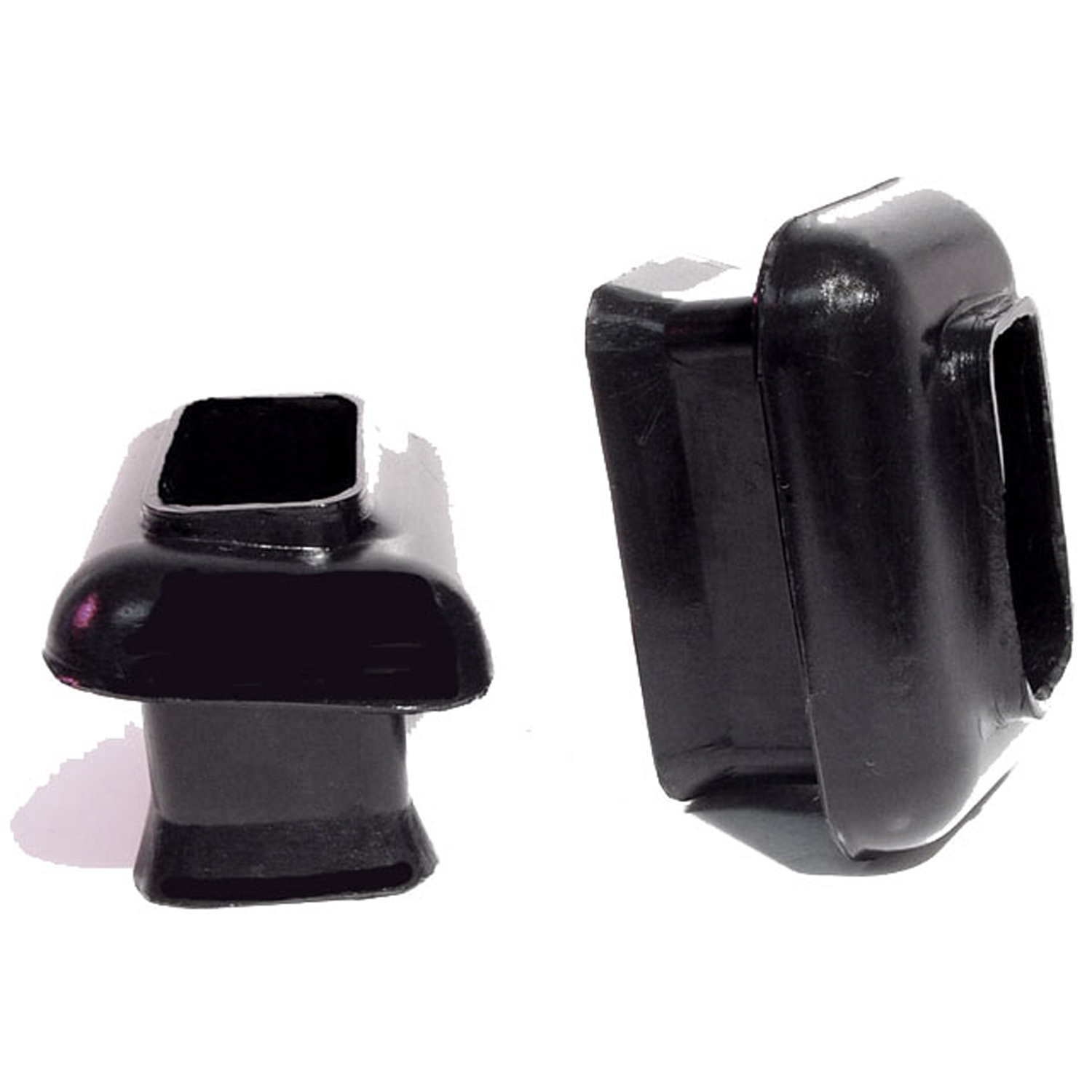 1951 Mercedes-Benz 170S Rear Bumper Arm Grommets. 2-1/2" long X 1-3/8" wide-BG 104Rear Bumper Arm Grommets. 2-1/2" long X 1-3/8" wide. Inner slot: 1-11/16" long X 13/16" wide. Pair
 1951 Mercedes-Benz 170S Hood Corners. 2 Front and 2 Rear Corners. 4-Piece Set-HC 26Hood Corners. 2 Front and 2 Rear Corners. 4-Piece Set
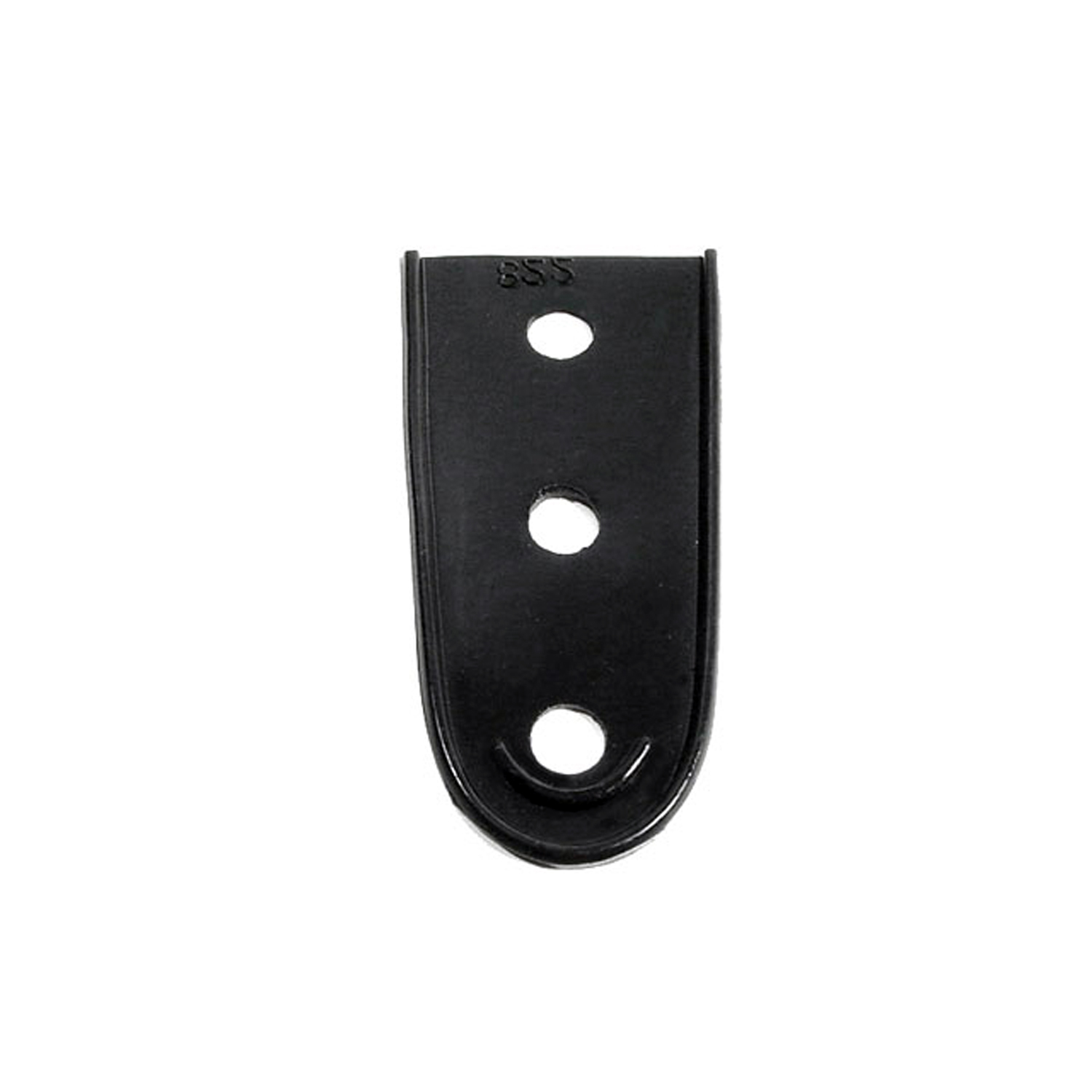 1951 Mercedes-Benz 170S Trunk Lower Hinge Pad. 2-1/8" wide X 4-1/4" long. Each-MP 822Trunk Lower Hinge Pad. 2-1/8" wide X 4-1/4" long. Each
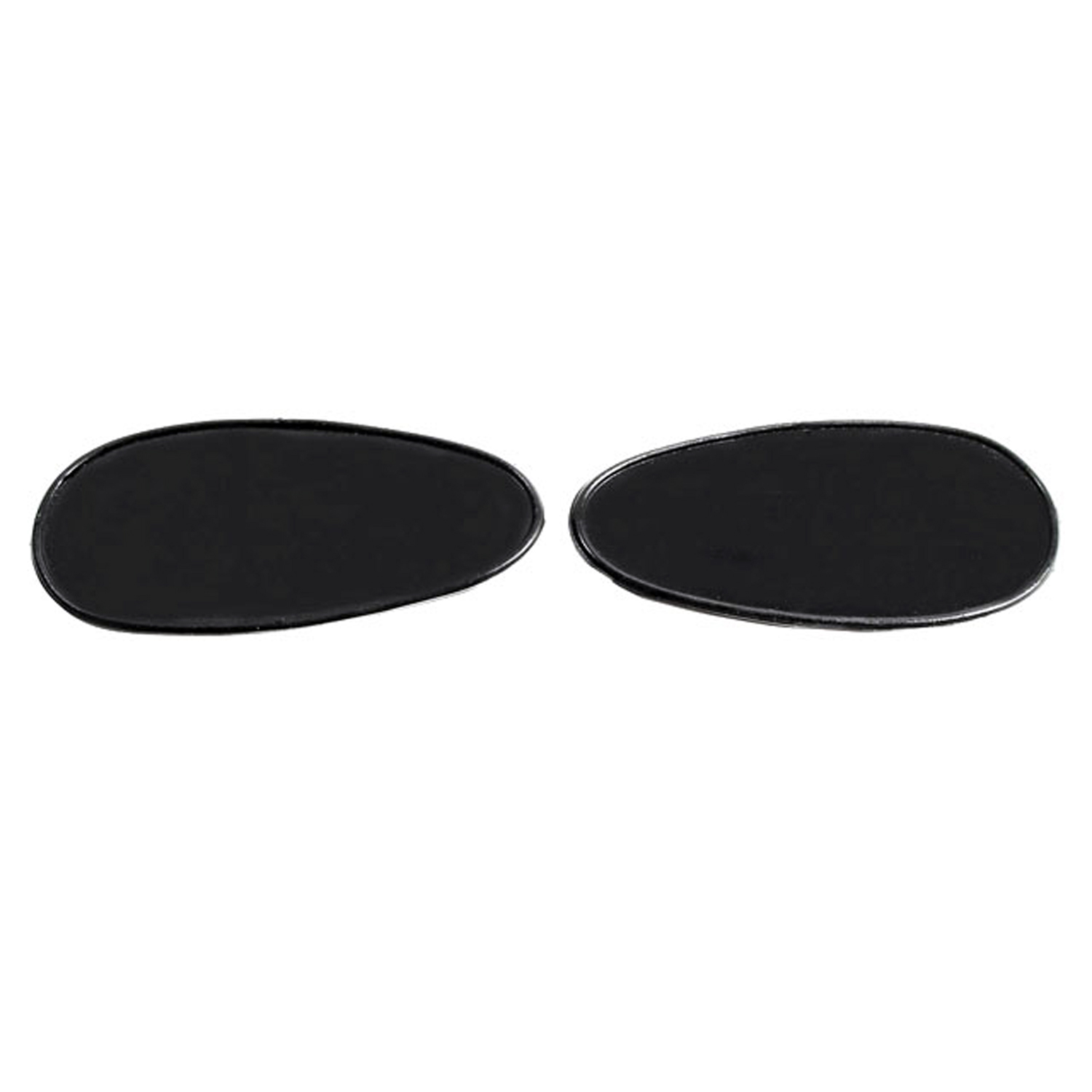 1951 Mercedes-Benz 170S Tail-light Pads. 2-1/4" wide X 4-5/8" long. Pair-MP 823-BTail-light Pads. 2-1/4" wide X 4-5/8" long. Pair
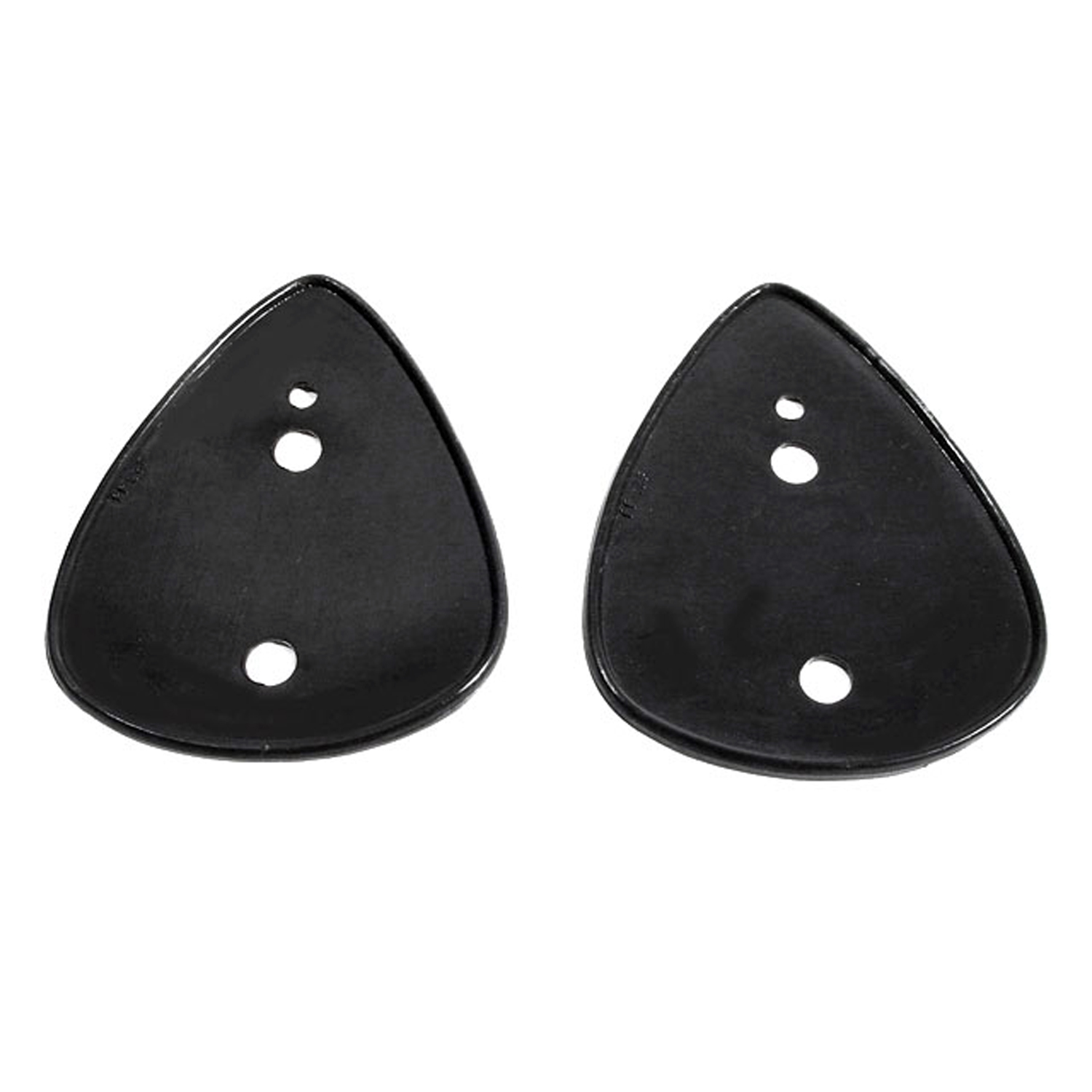 1951 Mercedes-Benz 170S Park Light Pads. Made for the stamped fender light-MP 823-JJPark Light Pads. Made for the stamped fender light. 3-7/8" wide X 5-1/8" long. Pair
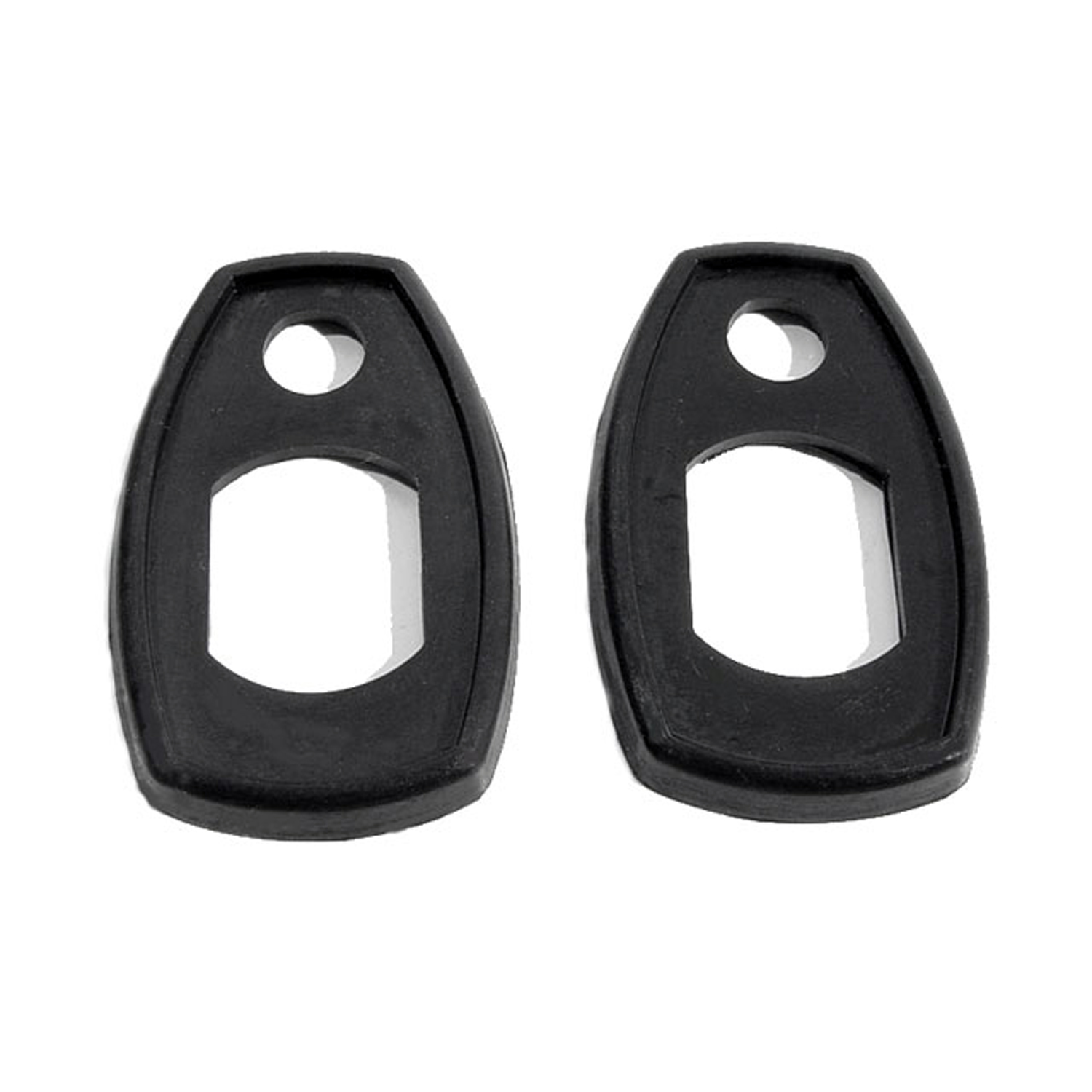 1951 Mercedes-Benz 170S Door Handle Pads. 1-1/2" wide X 2-1/2" long. Pair-MP 823-NDoor Handle Pads. 1-1/2" wide X 2-1/2" long. Pair
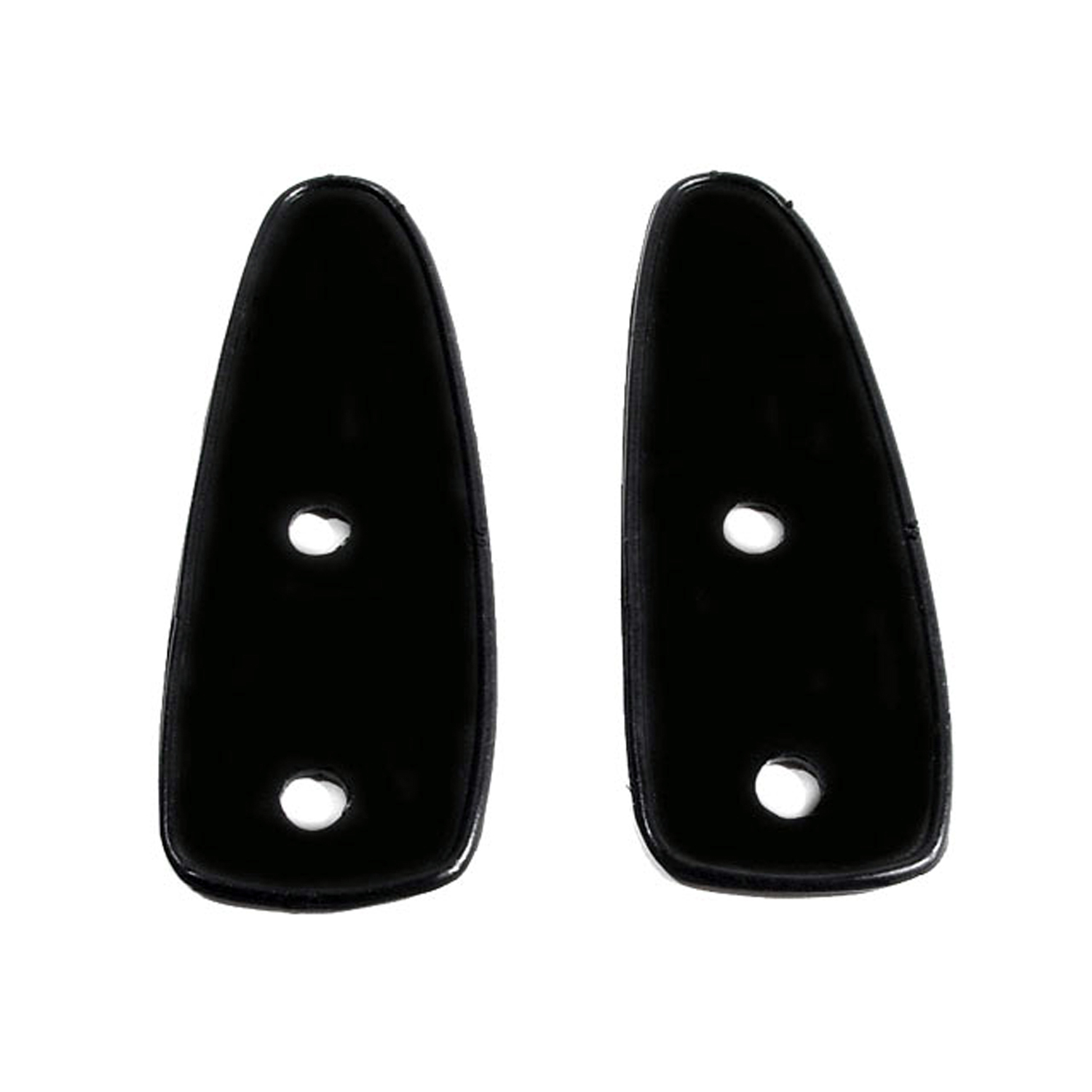 1951 Mercedes-Benz 170S Park Light Pads. 2-1/4" wide X 6-1/8" long. Pair-MP 823-QPark Light Pads. 2-1/4" wide X 6-1/8" long. Pair
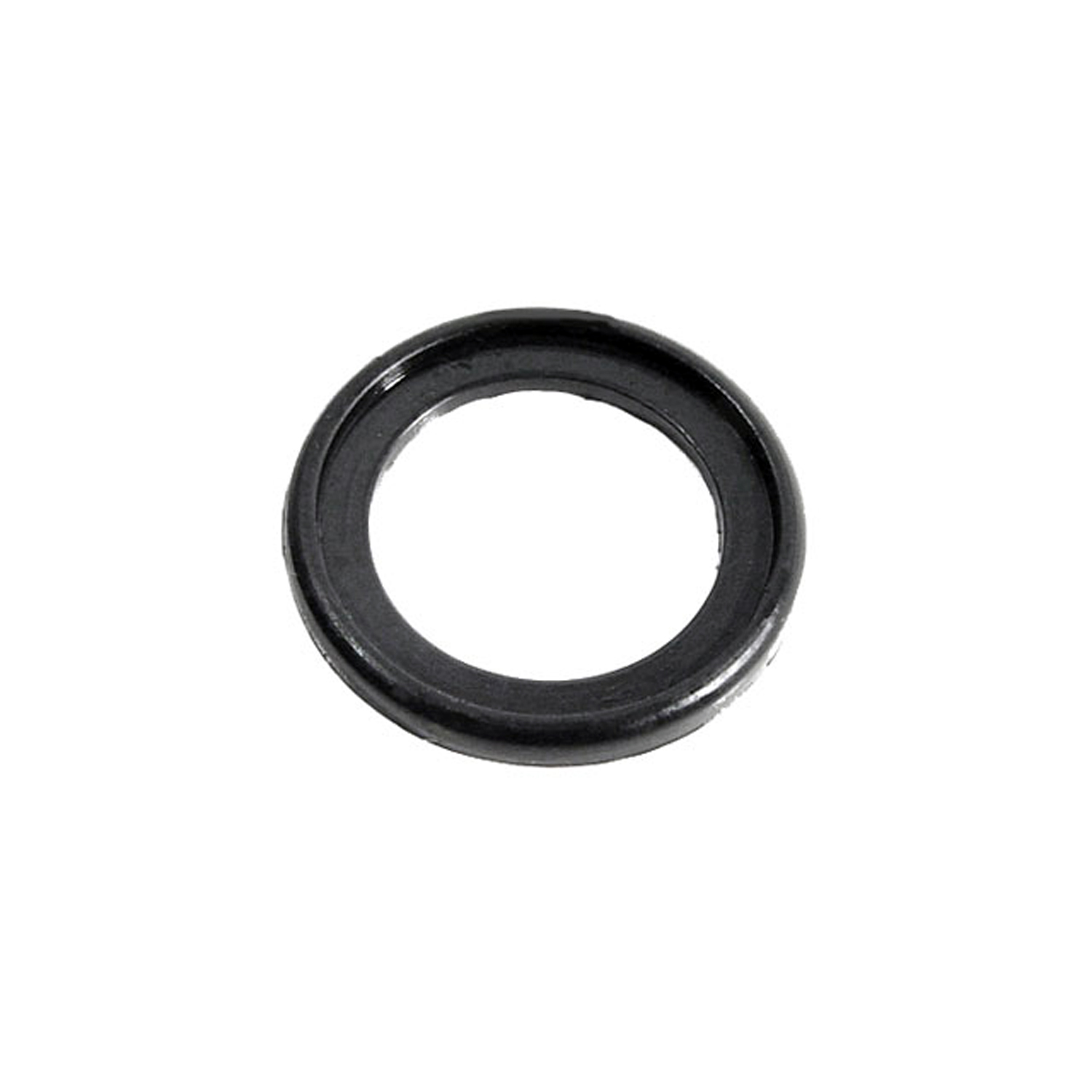 1951 Mercedes-Benz 170S Trunk Handle, Trunk Lock, Glove Box Lock & Gas Lock Pad-MP 824-HTrunk Handle, Trunk Lock, Glove Box Lock & Gas Lock Pad. 1-3/8" O.D. Each
 1951 Mercedes-Benz 170S Headlight Pads. 3-7/8" wide X 6-1/2" long. Pair-MP 824-QHeadlight Pads. 3-7/8" wide X 6-1/2" long. Pair
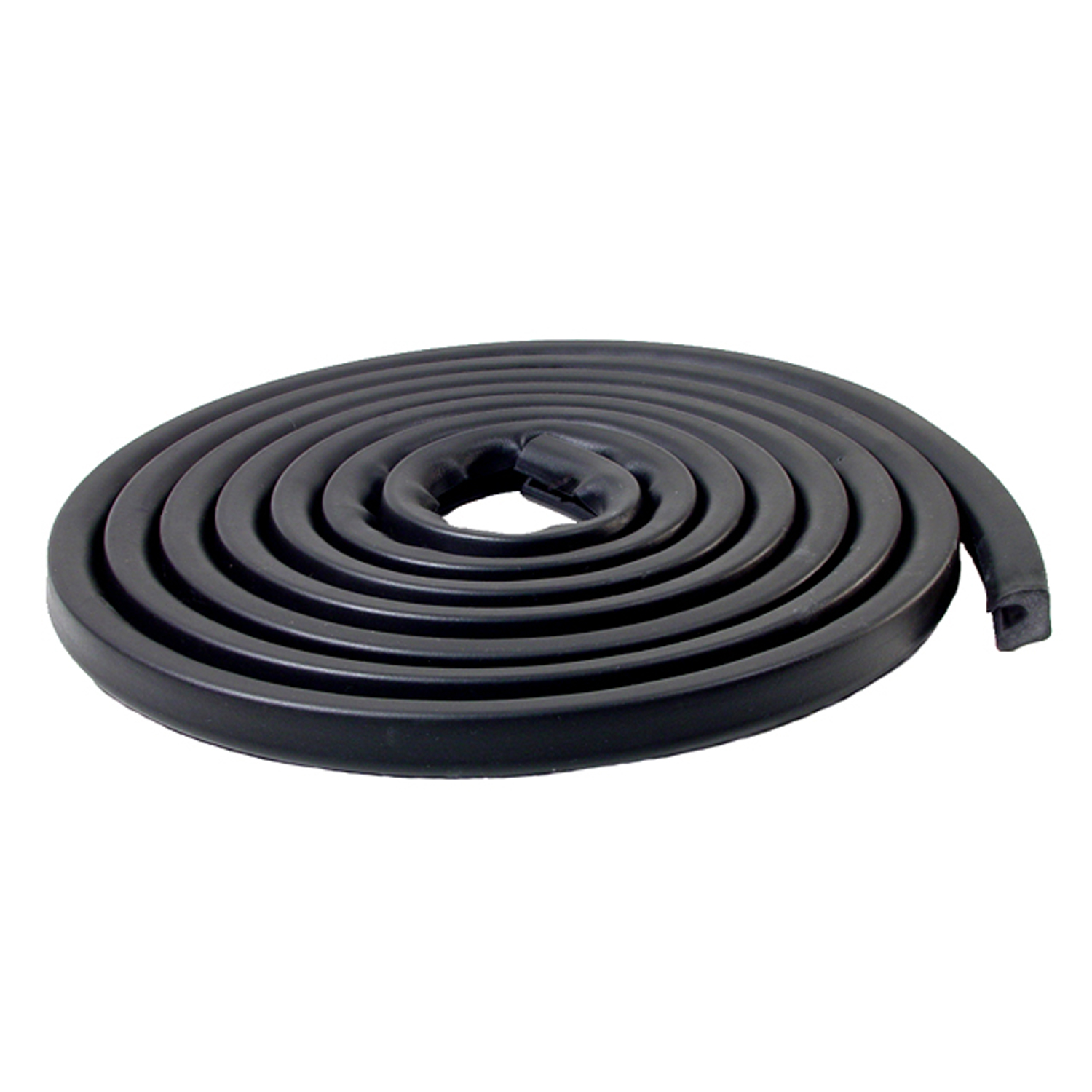 1951 Mercedes-Benz 170S Trunk Seal. Each-TK 63-M/15Trunk Seal. Each
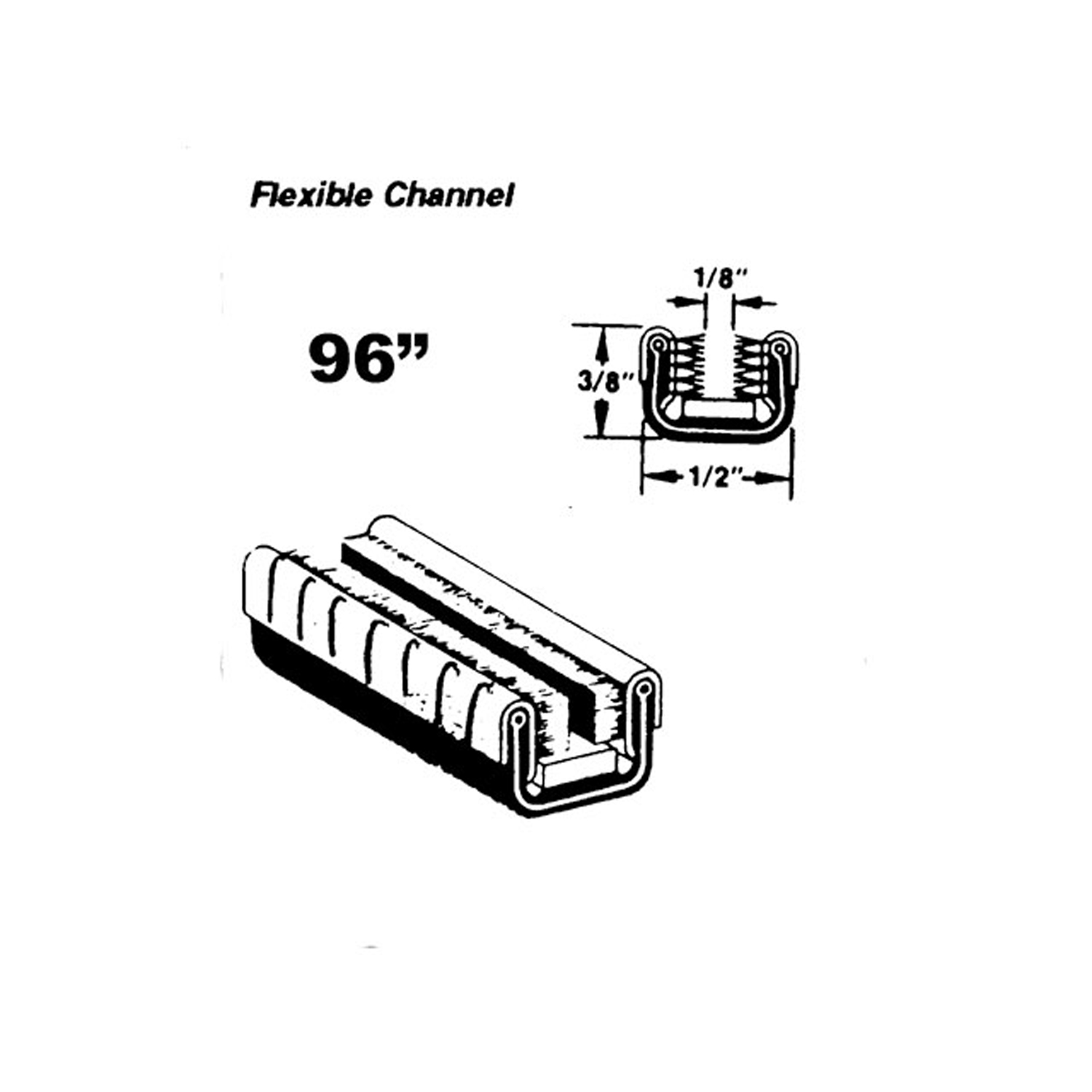 1951 Mercedes-Benz 170S Flexible glass-run channel. Rubber covered and pile lined-WC 12-96Flexible glass-run channel. Rubber covered and pile lined. Unbeaded. 96 in. long. Each. NOTE: $20 special shipping charge applies for domestic orders. Call or email for overseas shipping costs. Part can be sectioned in two or three equal lengths to reduce overseas shipping costs.
Why Choose Metro?
For over 100 years, Metro Moulded Parts has been the pinnacle of quality in classic car restoration parts. Our commitment to precision and authenticity in every component ensures a perfect fit and an OEM-level appearance.
- Expert Craftsmanship & Quality: Each part is a testament to our dedication to reliability and perfection, crafted from original designs and thoroughly tested.
- Advanced Technology: We use cutting-edge techniques to create flawless, long-lasting parts that surpass others in performance.
- SuperSoft Sponge – The Ultimate Door Seal: Not only are our door seals 30% softer than competitors', but they're also guaranteed to never leak. They effectively reduce wind and road noise, enhancing your classic car's comfort and driving experience.
- Proudly American: Our parts are a product of American craftsmanship, made in the USA with a spirit of excellence and heritage.
- Unrivaled Warranty: We back our products with a 30-year industry-leading warranty, a testament to our confidence in their quality.
Join us in preserving the legacy of classic cars with parts that are crafted for perfection, not just made.