

Image of 1954 Mercedes-Benz 180, Note: These illustrations use artistic license and may differ from actual historical models.
Performance Metrics
Fundamental Metrics
Emotional Appeal
MMP Rating
| Engine Specifications | |
|---|---|
| Engine: | 1.8L Inline-4 |
| Displacement: | 1767 cc |
| Horsepower: | 52 hp |
| Torque: | 74 lb-ft |
| Compression Ratio: | 7.6:1 |
| Ignition System: | Distributor ignition system |
| Cooling System: | Water-cooled |
| Performance Specifications | |
| 0-60 Time: | 27 seconds |
| 1/4 Mile Time: | Not available |
| Top Speed: | 76 mph |
| Transmission and Drive | |
| Drive Type: | Rear-wheel drive |
| Transmission Type: | 4-speed manual |
| Fuel and Efficiency | |
| Fuel System Type: | Carburetor |
| MPG: | 20-25 mpg |
| Dimensions and Brakes | |
| Brakes: | Drum brakes |
| Wheelbase: | 106.3 inches |
| Weight: | 2,646 lbs |
Note: Specifications for classic cars are given to the best of our ability, considering the limited and variant data available.
1954 Mercedes-Benz 180: The Ponton That Modernized Mercedes
The 1954 Mercedes-Benz 180 traded the upright, separate-fender look of prewar sedans for a smooth, integrated shape that pointed toward the modern family car. Known as the W120 and nicknamed the “Ponton” for its pontoon-like body sides, it was a practical four-door sedan built by Mercedes-Benz during West Germany’s postwar recovery.
Introduced in 1953, the 180 was among the first Mercedes-Benz passenger cars to use a unitary body, with the body and floor structure working together rather than sitting on a separate traditional chassis. That construction helped make the car feel more contemporary and spacious. A notable detail: the 180’s clean, full-width body styling became a template for the broader Mercedes-Benz lineup, including its larger Ponton sedans.
Ponton Styling and a Purposeful Cabin
The 180’s shape is understated but distinctive. Its rounded front fenders flow into the doors, while the rear fenders are largely absorbed into the body instead of standing apart as separate forms. A broad grille, upright Mercedes star, gently curved roof, and restrained chrome trim give the sedan a formal presence without the visual clutter of many earlier cars. The result is less flamboyant than some American cars of the era, but unmistakably Mercedes-Benz.
Inside, the cabin is designed around comfort and durability. The broad dashboard, clear round instruments, and generous glass area make for a light, easy-to-read driving environment. Depending on the market and specification, upholstery could include durable cloth, Mercedes’ leatherette-style materials, or leather. Wood trim and other appointments varied, but the overall approach favored careful assembly and long service life over flashy decoration.
Period paint colors varied by market and year. Black and sober shades of gray, green, blue, and cream suited the 180’s formal character, while darker colors remain especially familiar on surviving examples. The factory’s exact palette depended on specification, so original paint codes are the best guide when assessing a particular car.
The standard W120 180 was a four-door sedan. It was not offered as a regular factory coupe or convertible, making the saloon the model’s defining body style. Buyers could also choose the 180D diesel, a closely related version that became particularly popular with taxi operators.
Engineering Behind the Mercedes 180
The 180’s biggest innovation was not a single gadget, but the way its structure and mechanical layout brought Mercedes-Benz into a new era. Its unitary body was lighter and more space-efficient than a separate body-on-frame arrangement. The design also gave the car a clean, integrated profile and a solid feel that suited its role as a dependable family and business sedan.
Under the hood, the gasoline 180 used a 1,767 cc inline-four derived from Mercedes-Benz’s earlier M136 engine family. It produced about 52 horsepower. A four-speed manual gearbox, commonly operated by a column-mounted shifter, sent power to the rear wheels. The suspension used independent front suspension and a swing-axle rear layout, while drum brakes handled stopping at all four corners.
The W120 was not the Mercedes-Benz model that introduced the company’s later, widely celebrated safety body with carefully engineered crumple zones. That development arrived in production form with the 1959 W111 “Fintail.” Still, the 180’s modern body construction and the company’s continuing focus on passenger protection formed part of the longer evolution that led to those advances.
Performance, Ride, and Road Manners
The 180 was built for steady travel, not rapid acceleration. Its 52-horsepower engine could take the sedan to roughly 125 km/h, or about 78 mph, when conditions were favorable. Period performance figures put acceleration from 0 to 100 km/h at around 29 seconds. A 0-to-60-mph estimate is roughly 25 to 28 seconds, though actual results depend on the car’s condition, gearing, and test method.
On the road, the Mercedes feels composed rather than quick. The engine makes a measured four-cylinder hum, and the driver has to plan overtakes and hills with patience. The manual gearbox rewards deliberate shifts, while the column shifter gives the cabin a distinctly period character. Steering is unassisted, so parking takes more effort than in a modern car, but it becomes lighter once the car is moving.
The suspension favors comfort over sharp cornering. It takes ordinary bumps and rough pavement in a calm, solid manner, although worn springs, tired dampers, or aging suspension joints can make a surviving example feel unsettled. On winding roads, the 180 is best driven smoothly. Its rear swing axle and vintage tires call for sensible speeds and progressive inputs, rather than abrupt cornering or braking.
Living With a 1954 Mercedes-Benz 180
In its own time, the 180 served as family transport, business transportation, and, especially in diesel form, a working taxi. Today, most are used as weekend classics, touring cars, or show vehicles. A well-sorted example can handle relaxed local drives and vintage rallies, but its modest pace and period safety equipment make it less suited to mixing with fast modern traffic.
Routine mechanical work is straightforward for an experienced classic-car mechanic, and many service tasks are accessible. The car’s age is the bigger challenge: rubber parts, electrical connections, brake components, and fuel-system pieces may need attention even when the engine runs. Owners should also inspect the body and structural areas carefully for corrosion. Rust repair and sourcing correct trim or body parts can be more demanding than ordinary engine maintenance.
Parts availability is reasonable for common service items, but certain model-specific parts and quality restoration components can take time to find. As with any vintage Mercedes, a car with documented maintenance and sound bodywork is usually a better buy than a cheaper project with hidden structural problems.
Facts and Myths About the W120
The “Ponton” nickname refers to the car’s integrated body sides, a styling treatment that replaced the separate-looking fenders of earlier generations. The W120 family also included the 180D, whose economical diesel engine helped establish the model as a practical choice for high-mileage commercial use. Diesel versions continued beyond the gasoline 180’s initial production run.
There is no widely recognized 180-specific land-speed record or major motorsport achievement to rival the exploits of Mercedes-Benz’s racing models. The 180’s distinction is more everyday: it helped put modern, streamlined Mercedes sedans on roads around the world. Nor is there a single celebrity ownership story that defines the model. Its reputation was built more through working use and long service than through famous drivers.
Common criticisms are easy to understand. The gasoline engine is slow by modern standards, the cabin can be noisy at speed, and drum brakes require more anticipation than modern disc systems. Yet those limitations are part of the car’s honest character: the 180 was designed to provide dependable, comfortable transportation, not sporting thrills.
1954 Mercedes-Benz 180 Values and Rarity
Production figures vary according to how model versions and model years are counted. A reasonable estimate for the gasoline 180 is about 52,000 cars built between 1953 and 1957. The diesel 180D was produced in much larger numbers, with roughly 114,000 made over its longer production life. These are family-wide totals, not the number built specifically during 1954.
The 180 is less common in today’s classic-car market than its original production figures might suggest, but it is not exceptionally rare compared with low-volume luxury or sports cars. Cars do appear for sale, though condition, originality, and location strongly affect availability. In the United States, a usable but imperfect sedan might bring roughly $10,000 to $20,000. A sound, well-presented example could fall around $20,000 to $35,000, while an excellent restoration may reach approximately $35,000 to $50,000 or more. These are broad estimates, not a guaranteed appraisal; unusual provenance and market conditions can shift prices substantially.
Values have generally benefited from growing interest in postwar Mercedes-Benz models, but the 180 remains more attainable than the marque’s celebrated sports cars. The strongest examples tend to hold their appeal, while rough projects can be expensive to restore relative to their eventual value. A careful inspection and realistic restoration budget matter more than chasing a bargain.
Why the 1954 Mercedes-Benz 180 Matters
The 1954 Mercedes-Benz 180 brought together the qualities that would define the modern Mercedes sedan: integrated body construction, restrained styling, practical engineering, and a focus on lasting use. It was not fast, rare in the exotic sense, or built to dominate a racetrack. Its significance lies in how successfully it moved the company forward while serving ordinary drivers and hardworking businesses.
For collectors, the Ponton offers an approachable way to experience an important chapter in Mercedes-Benz history. For anyone who appreciates thoughtful engineering and quietly confident design, the 180 proves that a car does not need to be spectacular to be memorable. It simply needs to get the fundamentals right.
1954 Mercedes-Benz 180 Catalog of Parts
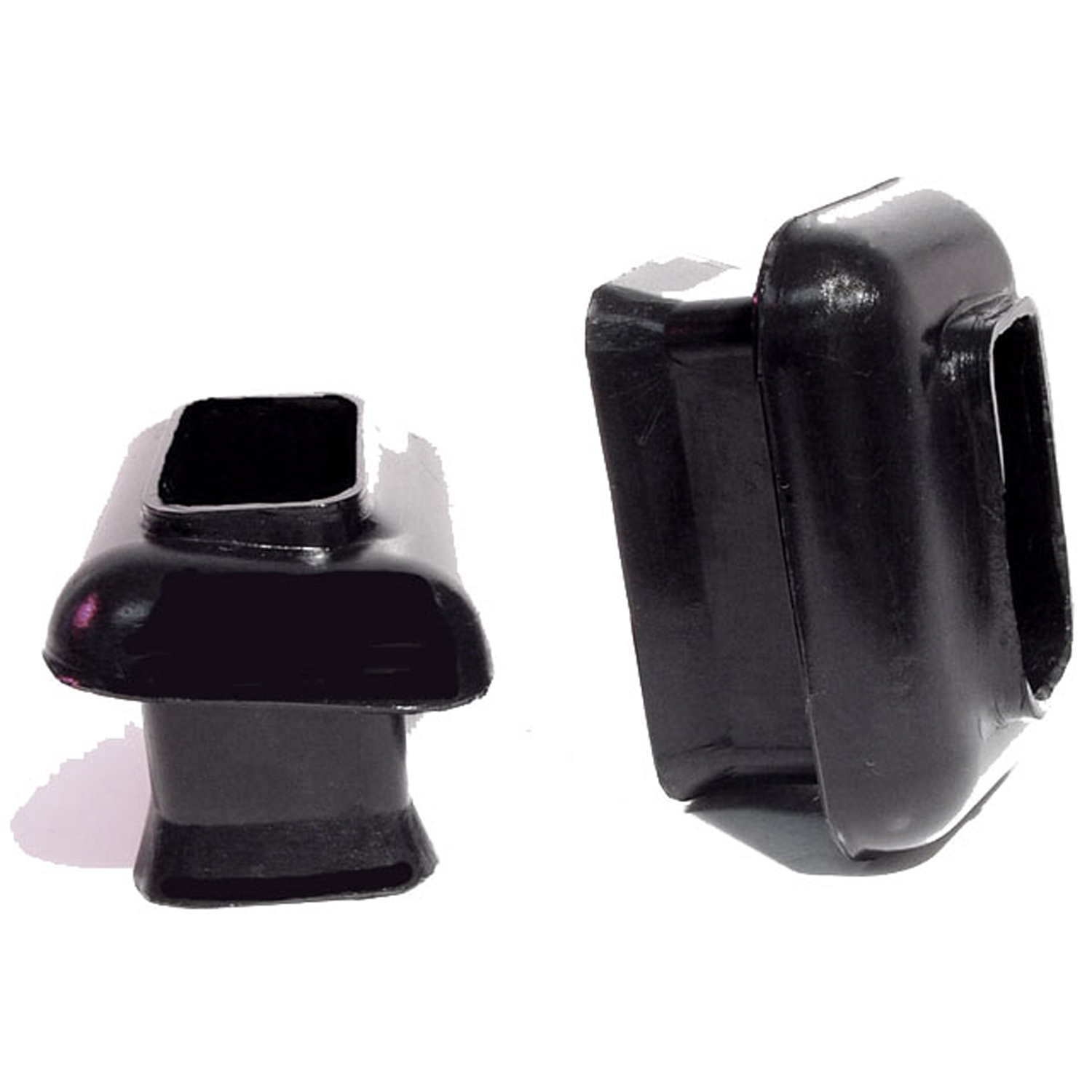 1954 Mercedes-Benz 180 Rear Bumper Arm Grommets. 2-1/2" long X 1-3/8" wide-BG 104Rear Bumper Arm Grommets. 2-1/2" long X 1-3/8" wide. Inner slot: 1-11/16" long X 13/16" wide. Pair
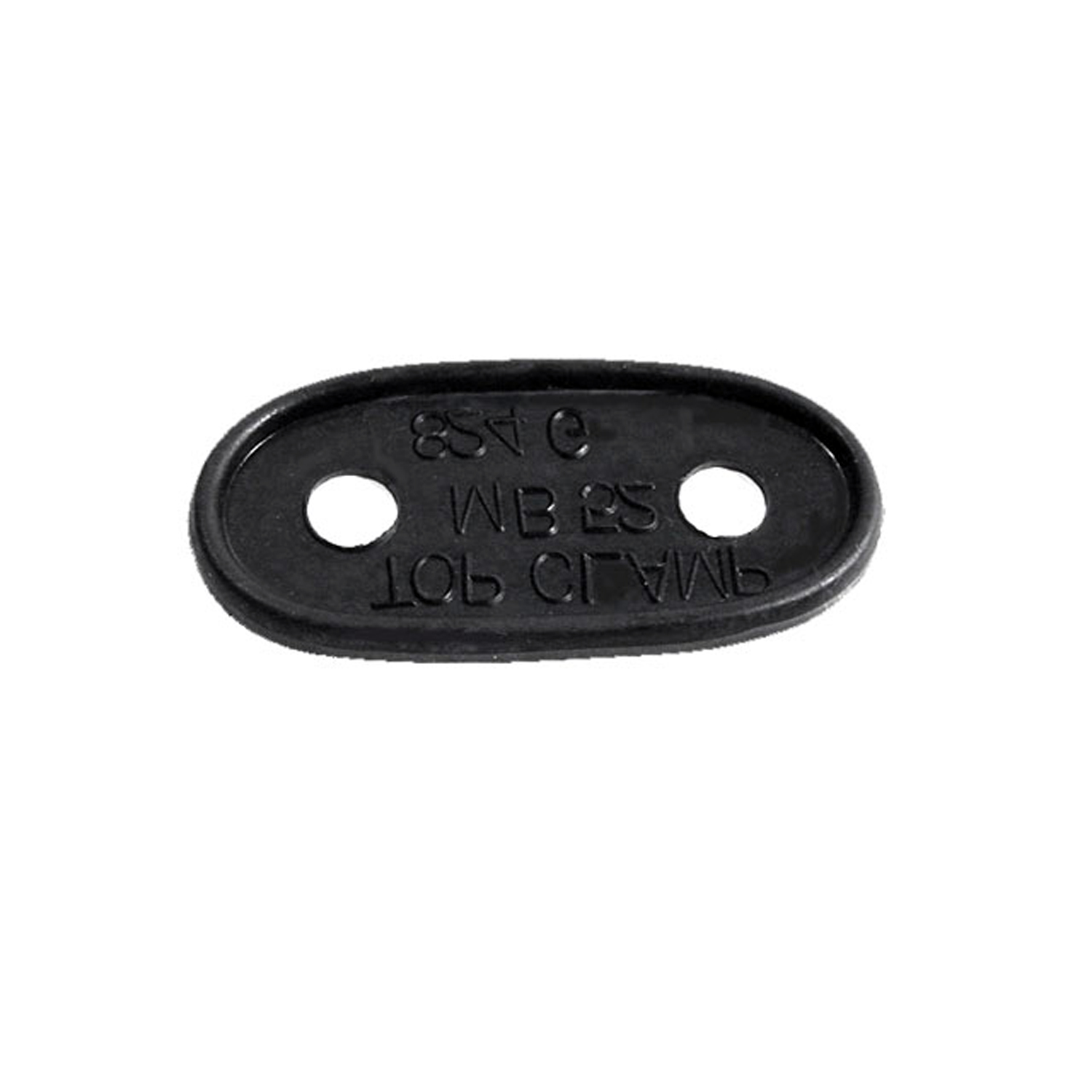 1954 Mercedes-Benz 180 Clamp Cushion Pad, for Convertible-MP 824-GClamp Cushion Pad, for Convertible. 1-1/4" wide X 2-1/2" long. Each
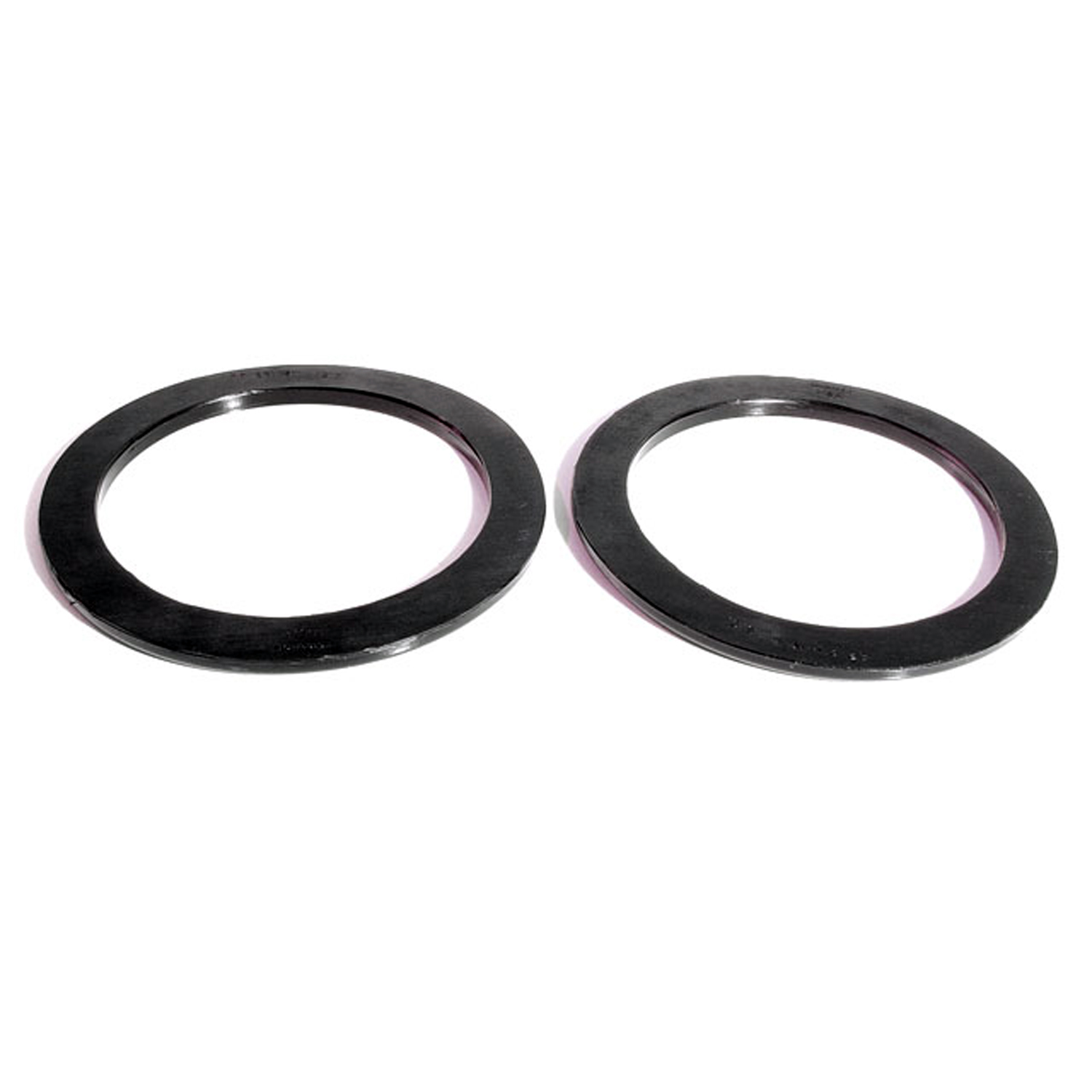 1954 Mercedes-Benz 180 Coil Spring Pads. 4" I.D., 5-1/2" O.D. Pair-RP 23-MCoil Spring Pads. 4" I.D., 5-1/2" O.D. Pair
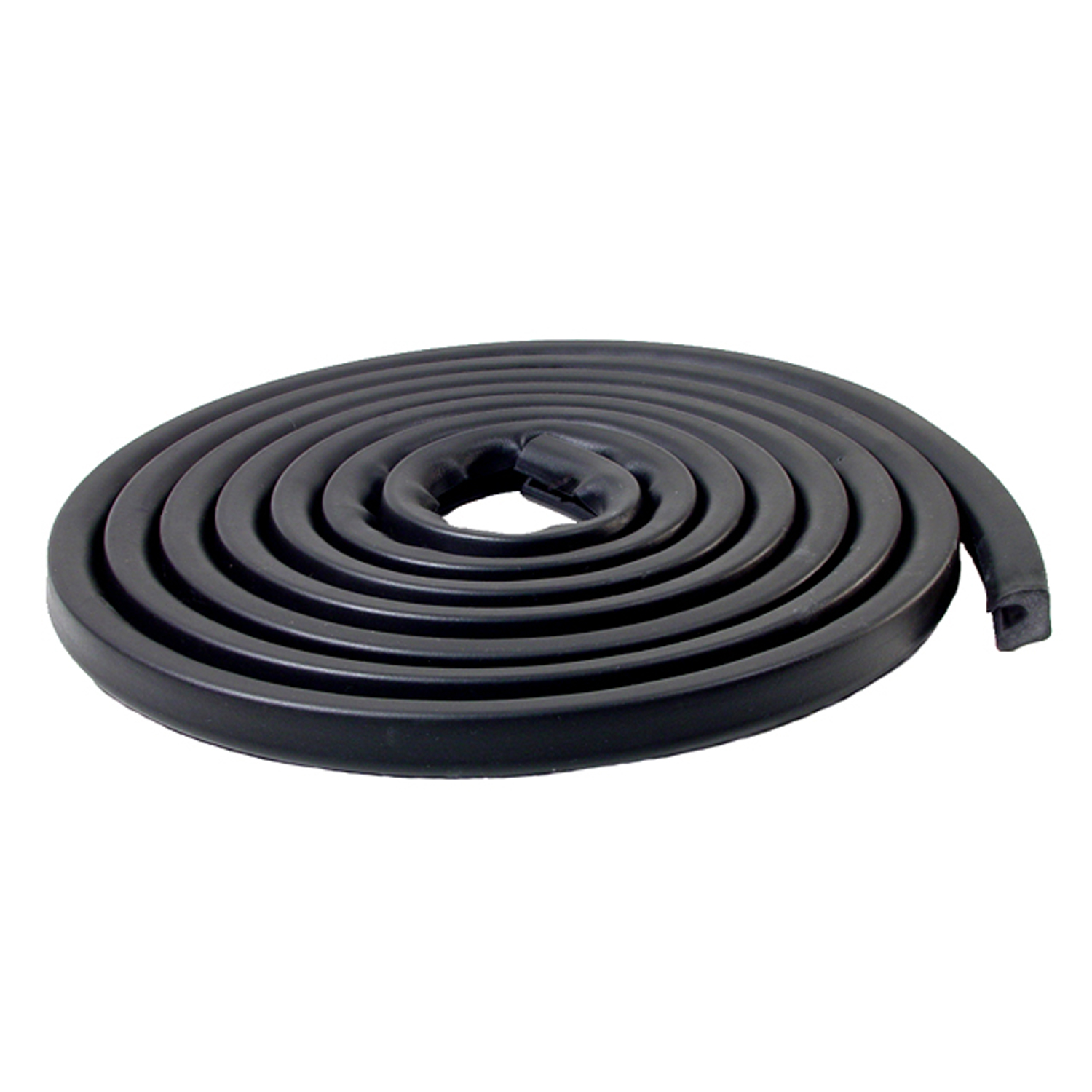 1954 Mercedes-Benz 180 Trunk Seal. Each-TK 63-M/15Trunk Seal. Each
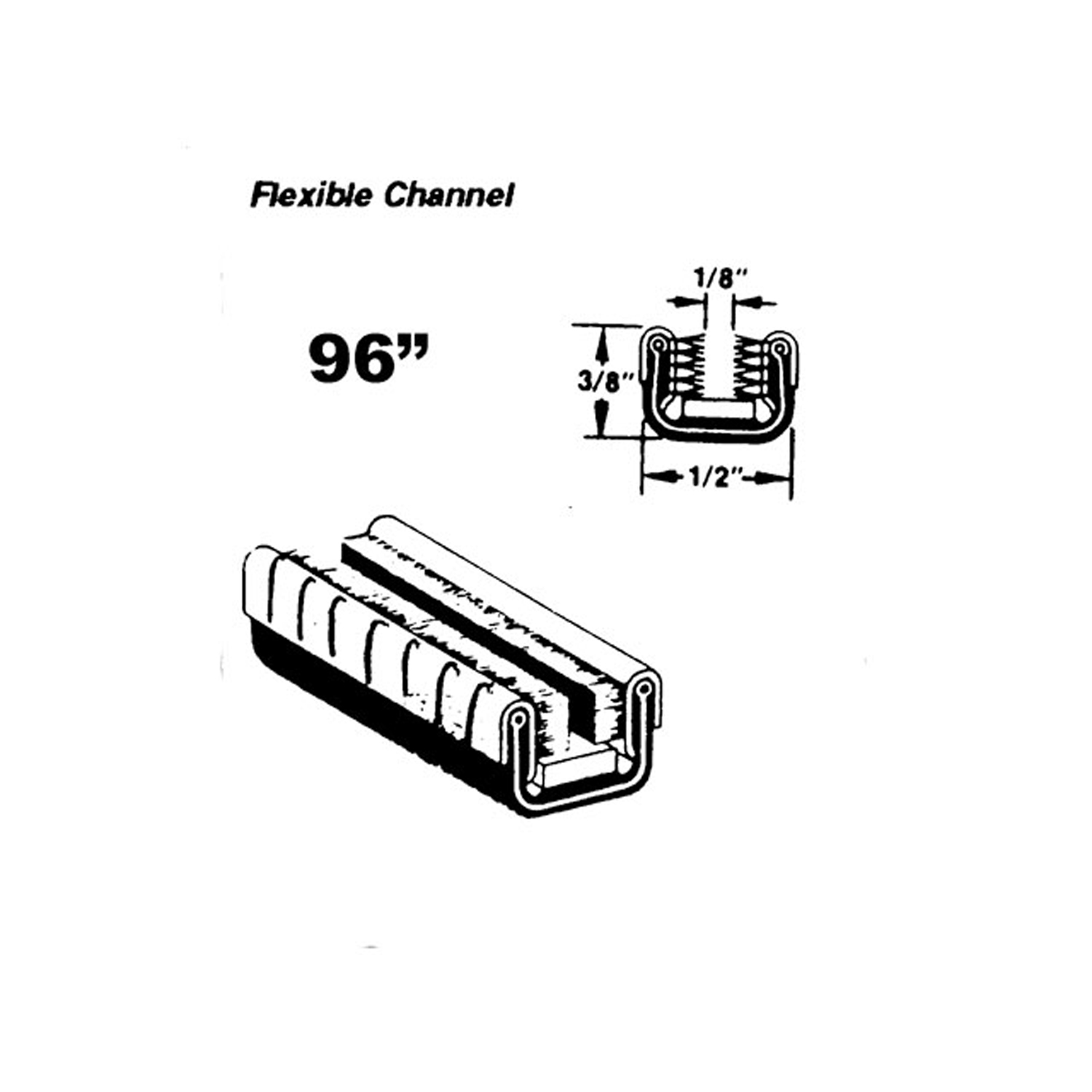 1954 Mercedes-Benz 180 Flexible glass-run channel. Rubber covered and pile lined-WC 12-96Flexible glass-run channel. Rubber covered and pile lined. Unbeaded. 96 in. long. Each. NOTE: $20 special shipping charge applies for domestic orders. Call or email for overseas shipping costs. Part can be sectioned in two or three equal lengths to reduce overseas shipping costs.
Why Choose Metro?
For over 100 years, Metro Moulded Parts has been the pinnacle of quality in classic car restoration parts. Our commitment to precision and authenticity in every component ensures a perfect fit and an OEM-level appearance.
- Expert Craftsmanship & Quality: Each part is a testament to our dedication to reliability and perfection, crafted from original designs and thoroughly tested.
- Advanced Technology: We use cutting-edge techniques to create flawless, long-lasting parts that surpass others in performance.
- SuperSoft Sponge – The Ultimate Door Seal: Not only are our door seals 30% softer than competitors', but they're also guaranteed to never leak. They effectively reduce wind and road noise, enhancing your classic car's comfort and driving experience.
- Proudly American: Our parts are a product of American craftsmanship, made in the USA with a spirit of excellence and heritage.
- Unrivaled Warranty: We back our products with a 30-year industry-leading warranty, a testament to our confidence in their quality.
Join us in preserving the legacy of classic cars with parts that are crafted for perfection, not just made.