

Image of 1968 Mercedes-Benz 220, Note: These illustrations use artistic license and may differ from actual historical models.
Performance Metrics
Fundamental Metrics
Emotional Appeal
MMP Rating
| Engine Specifications | |
|---|---|
| Engine: | Inline 4 |
| Displacement: | 2.2L |
| Horsepower: | 95-105 HP |
| Torque: | 113 lb-ft |
| Compression Ratio: | 9.0:1 |
| Ignition System: | Electronic Ignition |
| Cooling System: | Liquid Cooled |
| Performance Specifications | |
| 0-60 Time: | 14 seconds |
| 1/4 Mile Time: | Estimated at 19 seconds |
| Top Speed: | 100 mph |
| Transmission and Drive | |
| Drive Type: | Rear Wheel Drive |
| Transmission Type: | 4-speed manual or 4-speed automatic |
| Fuel and Efficiency | |
| Fuel System Type: | Carburetor |
| MPG: | 20 MPG |
| Dimensions and Brakes | |
| Brakes: | Disc Brakes |
| Wheelbase: | 106.3 inches |
| Weight: | 3000 lbs |
Note: Specifications for classic cars are given to the best of our ability, considering the limited and variant data available.
1968 Mercedes-Benz 220: The Start of the “/8” Era
Built to make Mercedes-Benz quality more accessible without giving up the marque’s famous solidity, the 1968 Mercedes-Benz 220 introduced a new generation of practical, carefully engineered sedans. It belonged to the W115 series, part of the W114/W115 family nicknamed “/8” or “Strich Acht,” a reference to the 1968 model year. The 220 was the four-cylinder gasoline model, positioned below the six-cylinder W114 versions and alongside the increasingly popular diesel sedans.
The car arrived during a period when buyers wanted family transport that was comfortable, durable, and suitable for long-distance travel. Mercedes answered with a thoroughly modern chassis and conservative styling that was built to age gracefully. One intriguing detail: the /8 became so familiar in European taxi fleets that its reputation for taking daily punishment became nearly as important as its showroom image.
Clean Lines and a Thoughtful Cabin
The 220’s design is an exercise in restraint. Its upright grille, crisp hood, straight beltline, and large glass area give it a formal but unfussy appearance. Chrome bumpers and trim add a touch of polish, while the tall greenhouse and generous windows make the car feel airy by modern standards. It is not a flamboyant classic. Its appeal lies in its proportions and the impression that every line has a purpose.
Inside, the cabin favors durability and clear function over ornament. Depending on market and specification, buyers could find vinyl or leather upholstery, with wood trim used on selected interior details. The seats are broad and supportive, the controls are logically arranged, and the dashboard is designed for easy reading. Materials and assembly quality were notably robust for a midsize sedan of the era, though a 220 today may show wear in its upholstery, door seals, dashboard, or trim.
Mercedes offered the 220 in a range of factory paint colors that varied by year and market. Buyers could choose understated whites, creams, grays, and blacks, as well as blues, greens, and other period shades. Neutral colors remain popular among collectors, but well-preserved examples in original, less common colors can have special appeal.
The most familiar body style was the four-door sedan. Long-wheelbase versions were also available in the wider W114/W115 range, while estate-bodied cars were generally specialist conversions rather than ordinary factory production models. The two-door coupes belonged to the six-cylinder W114 lineup, so they should not be mistaken for standard 220 variants.
Engineering That Made the /8 Stand Out
The 1968 220 used a 2,197 cc inline-four gasoline engine, commonly identified as the M115. In period specification it produced about 105 horsepower, depending on the measurement standard and market. A four-speed manual gearbox was typical, with an automatic transmission available in some markets. The car also featured independent suspension at all four wheels, front disc brakes, and a solid, carefully engineered body structure.
Mercedes’ approach to occupant protection was another part of the car’s significance. The /8 continued the company’s emphasis on a strong passenger compartment and controlled front and rear deformation, building on safety research that had already influenced earlier Mercedes models. It did not invent modern crash safety, but it helped bring that engineering philosophy to a practical sedan sold in substantial numbers.
What set the 220 apart from many contemporaries was the combination of refinement and service-life engineering. It was more expensive than a basic economy car, but the money went into durable mechanical components, a composed chassis, and a cabin intended to remain usable after years of hard driving. The W114/W115 family became one of Mercedes-Benz’s defining postwar model ranges and helped cement the brand’s reputation for long-lived passenger cars.
Performance and Road Manners
The 220 was a comfortable touring sedan, not a sports saloon. Period figures vary, but a sound example generally reaches about 100 mph, or 160 to 170 km/h, and accelerates from 0 to 60 mph in roughly 14 to 16 seconds. Those numbers reflect its role: steady, relaxed progress rather than quick launches or sharp competition performance.
On uneven roads, the suspension filters out many bumps without making the car feel disconnected. The long wheelbase and substantial body give it a calm ride, while the independent suspension helps it remain composed over changing surfaces. On winding roads, the 220 rewards smooth steering and measured inputs. It is stable and predictable, though its size, period tires, and comparatively modest power make it less agile than a modern compact sedan.
Behind the wheel, the four-cylinder engine sounds purposeful rather than sporty. It is at its happiest when allowed to build speed gradually, and the manual gearbox gives the driver a direct connection to the car’s measured pace. The steering has a traditional, weighty feel, particularly at low speeds on cars without power assistance. The overall experience is quiet, solid, and unhurried, exactly the sort of character that made the 220 a capable long-distance companion.
Living With a Classic Mercedes 220
Today, the 220 works well as a weekend driver, touring car, or entry point into classic Mercedes ownership. A carefully maintained example can handle regular use, but many owners reserve especially original or restored cars for club events, shows, and sunny-day trips. It is not generally chosen for racing, although the broader /8 family has a history of hard commercial service.
Routine maintenance is straightforward for an experienced home mechanic. The engine bay is accessible, and many service procedures follow conventional mechanical principles. Parts support for the W114/W115 family is generally good, though trim, correct interior pieces, and certain model-specific parts can take more effort to source. Rust is the major concern. Inspect the sills, floors, wheel arches, jacking points, door bottoms, and areas around the windshield and rear window. Hidden corrosion can turn an apparently affordable car into an expensive restoration.
Mechanical durability is a strength, but age still matters. Check the cooling system, oil leaks, suspension bushings, steering components, brakes, and transmission. A worn example may need substantial work even if the engine starts readily. For most buyers, a well-documented, rust-free car is a better purchase than a cheaper car with fresh paint hiding structural problems.
Facts, Reputation, and Common Criticisms
The “/8” nickname is one of the model’s best-known bits of trivia. In German, “Strich Acht” means “stroke eight,” referring to the slash-eight designation associated with the 1968 launch. The broader W114/W115 range became a familiar sight as taxis, company cars, and family sedans, helping its image of endurance develop through everyday use rather than through a single headline-grabbing record.
There is no widely recognized speed or sales record specific to the 1968 220. A famous endurance story belongs to a relative rather than this exact model: a Greek taxi driver, Gregorios Sachinidis, reportedly drove a Mercedes-Benz 240D to more than 4.6 million kilometers. That diesel was a later W115-family car, but the tale captures the durability reputation shared by the /8 range.
Common criticisms are just as practical. The 220 is not fast by modern standards, its fuel economy is modest compared with contemporary small cars, and corrosion can be severe. The steering and braking feel are also unmistakably from another era. Those limitations are part of the experience, but they are worth understanding before treating a vintage sedan as carefree daily transport.
Collector Values and Availability
The W114/W115 family was produced in large numbers, with total production for the broader range commonly put at roughly 1.9 million cars. The 1968 220 represents only one model within that total. Exact production figures for the 220 vary among published sources, but a reasonable estimate is around 120,000 to 140,000 examples. Survivors in good condition are far less common than the original production total suggests, especially in regions where road salt and humid climates accelerated rust.
As a broad 2026 estimate in the United States, a project car may sell for about $4,000 to $9,000, while a usable driver often falls around $10,000 to $18,000. A clean, well-maintained example can bring roughly $18,000 to $30,000, with exceptional restorations or unusually original cars sometimes reaching $35,000 to $50,000 or more. Location, originality, rust condition, service records, and transmission specification can all shift the price substantially.
Values have generally been steady to gradually appreciating for the best cars, rather than rising at the pace of the most fashionable sports classics. The 220 remains relatively approachable, but buyers increasingly prize solid bodies and documented originality. The market lesson is simple: condition matters more than a shiny repaint, and a sound car is worth paying extra for.
Why the 1968 Mercedes-Benz 220 Still Matters
The 1968 Mercedes-Benz 220 combined conservative styling, thoughtful safety engineering, a comfortable independent-suspension chassis, and the kind of durability that made the /8 a fixture on roads around the world. It was never the quickest sedan of its day, but it offered something many rivals struggled to match: calm, capable transport designed to keep working long after the novelty wore off.
For today’s enthusiast, the 220 is a classic you can appreciate both in the garage and on the open road. Find one with a sound body and a careful maintenance history, and you get more than an old Mercedes. You get a rolling example of the engineering philosophy that helped define the marque.
1968 Mercedes-Benz 220 Catalog of Parts
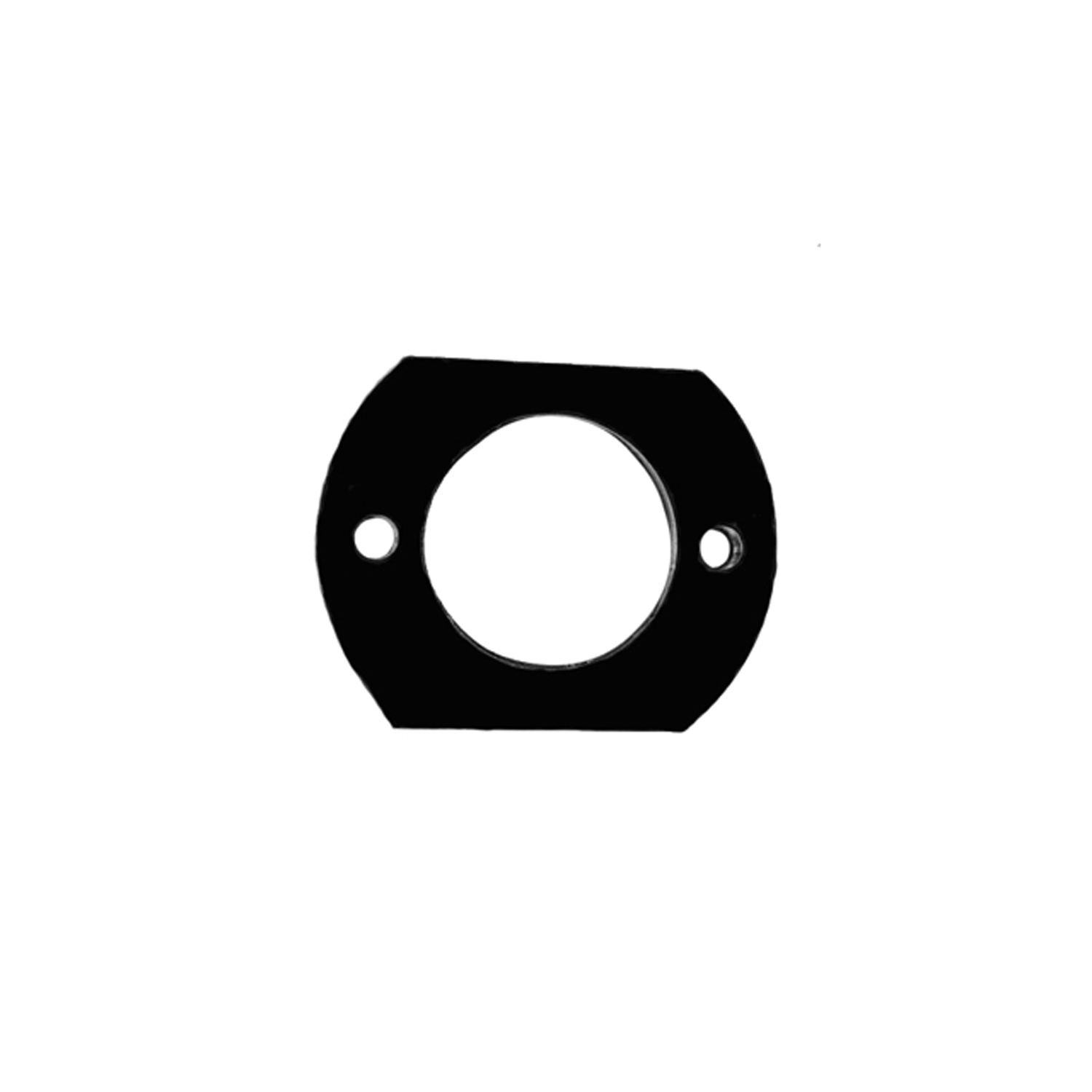 1968 Mercedes-Benz 220 Door Jam Light Switch Seal. 1-1/8" x 1-1/2", 13/16" I.D-MB 540Door Jam Light Switch Seal. 1-1/8" x 1-1/2", 13/16" I.D. Each
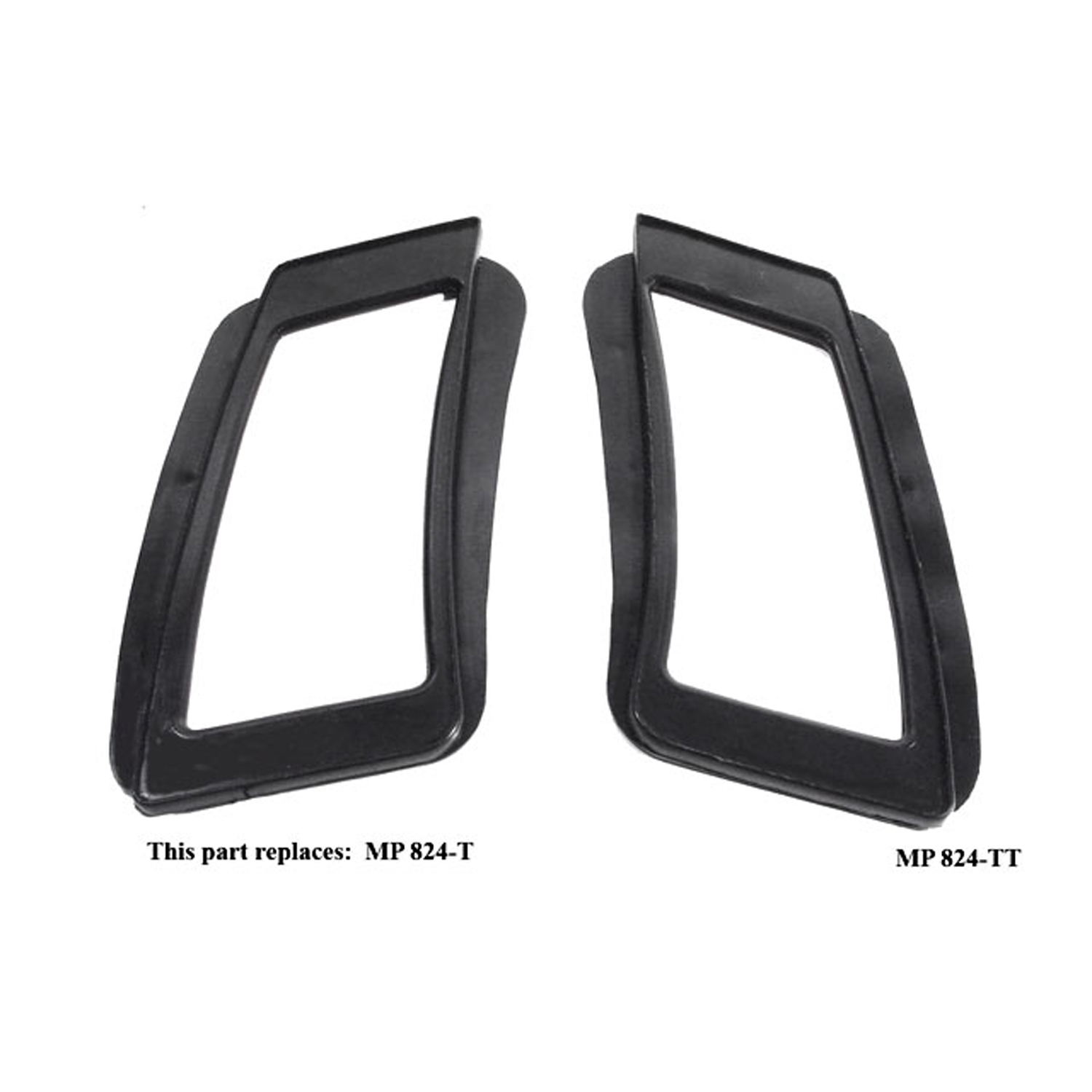 1968 Mercedes-Benz 220 Tail-light Pads, for the Cabriolet-MP 824-TTTail-light Pads, for the Cabriolet. 3-3/4" wide X 6-3/4" long. (Replaces part number MP 824-T) Pair R&L
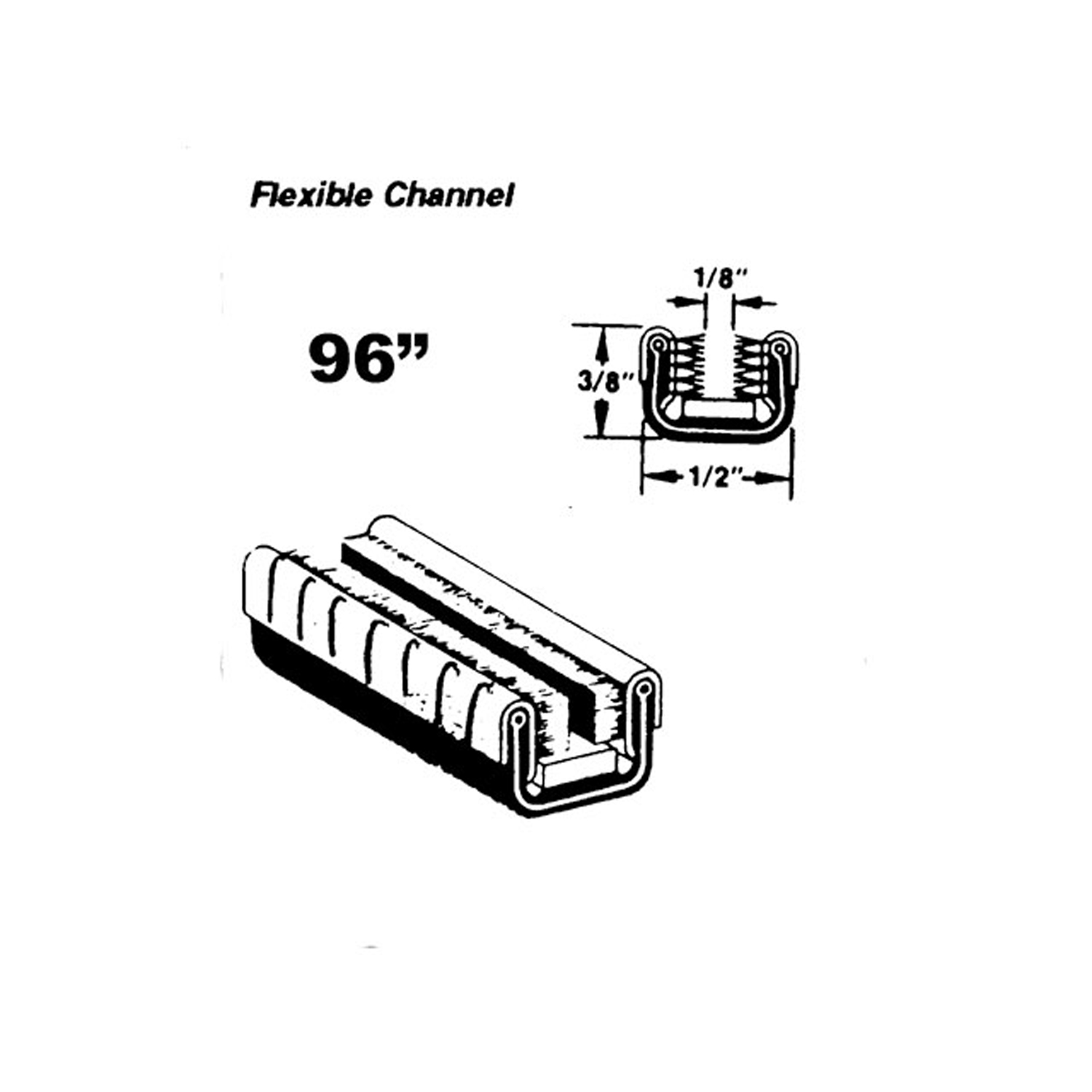 1968 Mercedes-Benz 220 Flexible glass-run channel. Rubber covered and pile lined-WC 12-96Flexible glass-run channel. Rubber covered and pile lined. Unbeaded. 96 in. long. Each. NOTE: $20 special shipping charge applies for domestic orders. Call or email for overseas shipping costs. Part can be sectioned in two or three equal lengths to reduce overseas shipping costs.
Why Choose Metro?
For over 100 years, Metro Moulded Parts has been the pinnacle of quality in classic car restoration parts. Our commitment to precision and authenticity in every component ensures a perfect fit and an OEM-level appearance.
- Expert Craftsmanship & Quality: Each part is a testament to our dedication to reliability and perfection, crafted from original designs and thoroughly tested.
- Advanced Technology: We use cutting-edge techniques to create flawless, long-lasting parts that surpass others in performance.
- SuperSoft Sponge – The Ultimate Door Seal: Not only are our door seals 30% softer than competitors', but they're also guaranteed to never leak. They effectively reduce wind and road noise, enhancing your classic car's comfort and driving experience.
- Proudly American: Our parts are a product of American craftsmanship, made in the USA with a spirit of excellence and heritage.
- Unrivaled Warranty: We back our products with a 30-year industry-leading warranty, a testament to our confidence in their quality.
Join us in preserving the legacy of classic cars with parts that are crafted for perfection, not just made.