

Image of 1976 Mercedes-Benz 280c, Note: These illustrations use artistic license and may differ from actual historical models.
Performance Metrics
Fundamental Metrics
Emotional Appeal
MMP Rating
| Engine Specifications | |
|---|---|
| Engine: | Inline 6 |
| Displacement: | 2746 cc |
| Horsepower: | 160 hp |
| Torque: | 170 lb-ft |
| Compression Ratio: | 9.0:1 |
| Ignition System: | Electronic ignition system |
| Cooling System: | Liquid-cooled |
| Performance Specifications | |
| 0-60 Time: | 10 seconds |
| 1/4 Mile Time: | 17 seconds |
| Top Speed: | 115 mph |
| Transmission and Drive | |
| Drive Type: | Rear-wheel drive |
| Transmission Type: | 4-speed automatic or 4-speed manual |
| Fuel and Efficiency | |
| Fuel System Type: | Fuel injection |
| MPG: | 16-18 mpg |
| Dimensions and Brakes | |
| Brakes: | Disc brakes |
| Wheelbase: | 108.3 inches |
| Weight: | 3,400 lbs |
Note: Specifications for classic cars are given to the best of our ability, considering the limited and variant data available.
1976 Mercedes-Benz 280C: The Elegant Stroke-Eight Coupe
The 1976 Mercedes-Benz 280C is a graceful, six-cylinder grand touring coupe from an era when Mercedes-Benz paired understated design with serious engineering. Part of the W114 family, it brought the comfort and solidity of the marque’s mid-size sedans into a sleek, pillarless two-door body. Its appeal is not about outright speed or flashy luxury. It is about the way a well-built Mercedes can make an ordinary road feel like a special occasion.
The W114 and its four-cylinder W115 siblings earned the nickname “Stroke-Eight” because they were introduced in 1968, or “/8” in Mercedes-Benz notation. The range became a familiar sight around the world, serving as private transport, taxis, and official cars. The coupe was the more exclusive choice, and the 280C sat near the top of its range. One useful distinction for buyers: the 280C used a carburetor, while the more expensive 280CE used fuel injection.
Bracq Styling and Pillarless Coupe Design
The 280C’s shape was designed under the direction of Paul Bracq, then a leading Mercedes-Benz stylist. Its long hood, restrained chrome grille, clean flanks, and gently sloping roof give it a poised, formal look without making it seem heavy. The coupe has a lower roofline and a different rear profile from the sedan, while its frameless side glass can be lowered to create an open, pillarless sweep. That uninterrupted window opening is one of the car’s most memorable design details.
Inside, the cabin is traditional Mercedes-Benz: clear instruments, a broad dashboard, substantial switchgear, and materials chosen for durability as well as appearance. Depending on specification, buyers could find MB-Tex upholstery, cloth, or leather, along with wood trim on the dashboard. The front seats are supportive, and the cabin feels carefully assembled rather than decorated for show. Rear-seat room is more limited than in the sedan, as expected in a two-door coupe, but remains useful for shorter trips.
Color availability varied by market and model year. Period palettes included shades of white, silver, blue, green, brown, and red, paired with coordinated interior colors. Silver, white, and darker blues suit the coupe’s restrained character especially well, though original paint codes and correct trim combinations matter more to collectors than any one fashionable color.
The W114 range included sedans and coupes, but the coupe is the most distinctive and sought-after body style today. Within the coupes, the 280C offers the appeal of the larger six-cylinder engine without the added complexity of the fuel-injected 280CE.
Engineering That Put Safety First
The 280C was not a technology showcase in the modern sense, but its engineering reflected Mercedes-Benz priorities: stability, durability, and occupant protection. It used independent suspension at all four wheels, with a double-wishbone front arrangement and a semi-trailing-arm rear setup, as well as four-wheel disc brakes. These features helped give the car predictable road manners and confident braking for its era.
Mercedes-Benz also emphasized a rigid passenger compartment, controlled front and rear deformation, and carefully arranged interior components as part of its approach to crash safety. The 280C predates modern airbags, electronic stability control, and anti-lock brakes, so it should not be mistaken for a contemporary safety design. Its significance is that it brought a serious, integrated safety philosophy to a comfortable production car at a time when many rivals gave the subject less attention.
The coupe’s lasting influence lies in its combination of formal elegance and practical engineering. It was luxurious without being ostentatious, and its build quality helped establish the idea that a personal luxury car could be both stylish and durable. The W114/115 family also became famous for hard service in demanding markets, reinforcing Mercedes-Benz’s reputation for longevity.
M110 Six-Cylinder Performance
Power comes from Mercedes-Benz’s M110, a 2.8-liter inline-six with a dual overhead camshaft and two valves per cylinder. In the 280C, the engine was carbureted; exact output figures depend on market and emissions specification. A typical U.S.-market 1976 example is rated at about 142 horsepower, while versions sold elsewhere could have different quoted figures. A three-speed automatic was common, with manual transmissions available in some markets.
Period performance figures vary with transmission, gearing, and test method, but a 0-to-60-mph time in roughly 10 to 12 seconds and a top speed around 110 to 115 mph are reasonable estimates for a healthy car. Those numbers tell only part of the story. The 280C is a relaxed touring coupe, not a sports car. Its six-cylinder engine delivers smooth, steady power, and the automatic transmission encourages an unhurried pace.
On a rough road, the suspension absorbs bumps with the composed, slightly firm feel associated with Mercedes-Benz cars of the period. On a winding road, the steering is measured rather than quick, and the car’s weight is apparent, but the chassis remains stable and predictable. In a crosswind or at highway speed, the long wheelbase and substantial body help it feel planted. The engine’s subdued mechanical hum, the solid closing sound of the doors, and the calm ride are central to the experience.
Living With a 1976 280C
Today, most 280Cs are used as weekend drivers, touring cars, or show vehicles rather than as everyday commuter transport. A sound example can handle regular use, but age, condition, and parts availability matter more than the model’s original reputation for durability. These are nearly 50-year-old cars, and even a well-engineered Mercedes needs careful inspection and ongoing maintenance.
Routine service is manageable for an experienced home mechanic. The engine bay is accessible, and many mechanical jobs are familiar to shops that know classic Mercedes-Benz models. The carburetor, ignition system, cooling system, suspension, and automatic transmission all deserve close attention. Rust is often the larger concern: inspect the floors, sills, wheel arches, jacking points, trunk, and areas around the windows. Body and trim restoration can become expensive, particularly if rare coupe-specific parts are missing.
Comfort and usability depend on specification. Air conditioning, power steering, and other convenience equipment may be present, but condition varies from car to car. Before buying, check that electrical accessories work, the engine starts and idles properly, and the transmission shifts smoothly. A detailed service history is valuable, but a hands-on inspection by a Mercedes-Benz specialist is better still.
280C Facts and Myths
The 280C is often confused with the 280CE. The “E” identifies the fuel-injected version, while the 280C uses a carburetor. That difference affects original specification and driving character, and it should be verified when assessing a car’s authenticity. The model also belongs to the final years of the W114/W115 generation, which was replaced by the W123 series beginning in the mid-1970s.
The coupe is the rarest and most visually distinctive body style in the W114/W115 family, but the 280C is not a limited-edition or competition model. There is no widely recognized 280C speed or endurance record. Its better-known legacy is the reputation of the broader Stroke-Eight range for surviving heavy use in countries around the world. As for common criticisms, the 280C is not especially quick, its automatic transmission can feel leisurely, and rust or deferred maintenance can turn an inexpensive purchase into a costly restoration.
Collector Values and Availability
Production figures are commonly reported at roughly 13,000 to 14,000 Mercedes-Benz 280C coupes, though totals can vary depending on how markets and model variants are counted. That makes the 280C less common than the W114/W115 sedans, but it is not so rare that examples never appear for sale. Condition, originality, rust, and documentation have a major effect on value.
As a broad U.S. market estimate for 2026, a project car or rough driver might sell for about $5,000 to $10,000. A usable, presentable example could fall around $10,000 to $20,000, while a very good, well-maintained car may bring roughly $20,000 to $30,000. Exceptional, highly original, or professionally restored examples can exceed that range, though top prices depend on finding the right buyer. These are guide figures, not a substitute for comparing recent sales of similar cars.
Values have generally strengthened for clean, original classic Mercedes-Benz coupes, but the 280C is not a guaranteed investment. Its market remains condition-sensitive, and restoration costs can quickly outrun the value of an average car. A sound example bought at a fair price is usually a more satisfying proposition than a rusty bargain with ambitious plans attached.
Why the 280C Still Matters
The 1976 Mercedes-Benz 280C combines Paul Bracq’s clean coupe styling, a smooth DOHC inline-six, four-wheel disc brakes, and the durable engineering that defined the Stroke-Eight generation. It is not a muscle car, and it does not pretend to be one. Its strengths are composure, craftsmanship, and a distinctive pillarless profile that still draws attention without shouting for it.
For collectors, it offers a more individual alternative to the familiar Mercedes sedan. For drivers, it delivers a measured, analog kind of luxury that rewards patient ownership. The 280C’s enduring charm is simple: it makes solid engineering look elegant, and elegance feel built to last.
1976 Mercedes-Benz 280c Catalog of Parts
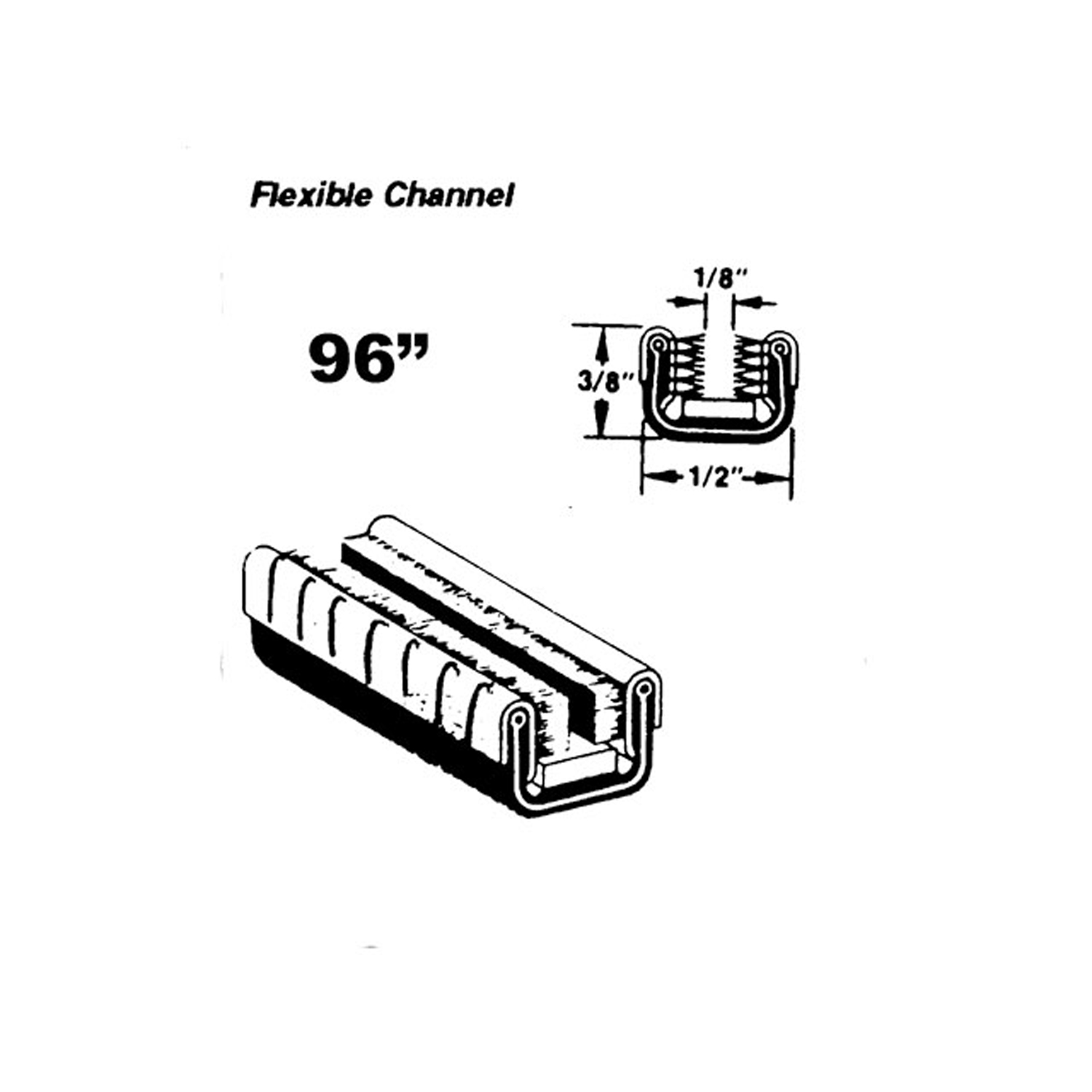 1976 Mercedes-Benz 280C Flexible glass-run channel. Rubber covered and pile lined-WC 12-96Flexible glass-run channel. Rubber covered and pile lined. Unbeaded. 96 in. long. Each. NOTE: $20 special shipping charge applies for domestic orders. Call or email for overseas shipping costs. Part can be sectioned in two or three equal lengths to reduce overseas shipping costs.
Why Choose Metro?
For over 100 years, Metro Moulded Parts has been the pinnacle of quality in classic car restoration parts. Our commitment to precision and authenticity in every component ensures a perfect fit and an OEM-level appearance.
- Expert Craftsmanship & Quality: Each part is a testament to our dedication to reliability and perfection, crafted from original designs and thoroughly tested.
- Advanced Technology: We use cutting-edge techniques to create flawless, long-lasting parts that surpass others in performance.
- SuperSoft Sponge – The Ultimate Door Seal: Not only are our door seals 30% softer than competitors', but they're also guaranteed to never leak. They effectively reduce wind and road noise, enhancing your classic car's comfort and driving experience.
- Proudly American: Our parts are a product of American craftsmanship, made in the USA with a spirit of excellence and heritage.
- Unrivaled Warranty: We back our products with a 30-year industry-leading warranty, a testament to our confidence in their quality.
Join us in preserving the legacy of classic cars with parts that are crafted for perfection, not just made.