

Image of 1941 Mercury Series 19a, Note: These illustrations use artistic license and may differ from actual historical models.
Performance Metrics
Fundamental Metrics
Emotional Appeal
MMP Rating
| Engine Specifications | |
|---|---|
| Engine: | Flathead V8 |
| Displacement: | 239.4 cu in (3.9 L) |
| Horsepower: | Estimated 95-100 hp |
| Torque: | 180 lb-ft |
| Compression Ratio: | Estimated 6.2:1 |
| Ignition System: | Distributor and coil |
| Cooling System: | Water-cooled |
| Performance Specifications | |
| 0-60 Time: | Information not available |
| 1/4 Mile Time: | Information not available |
| Top Speed: | Estimated 80-85 mph |
| Transmission and Drive | |
| Drive Type: | Rear-wheel drive |
| Transmission Type: | 3-speed manual |
| Fuel and Efficiency | |
| Fuel System Type: | Carburetor |
| MPG: | Information not available |
| Dimensions and Brakes | |
| Brakes: | Hydraulic drum brakes |
| Wheelbase: | 118 in |
| Weight: | Estimated 3100-3200 lbs |
Note: Specifications for classic cars are given to the best of our ability, considering the limited and variant data available.
1941 Mercury Series 19A: The Mercury Eight Before the War
The 1941 Mercury Series 19A brought V8 power, graceful prewar styling, and near-luxury comfort together in a car built just as America’s civilian automobile industry was about to change dramatically. Sold as the Mercury Eight, it came from the Mercury division of the Ford Motor Company, a marque established in 1938 under the direction of Edsel Ford to fill the price and prestige gap between Ford and Lincoln.
The Series 19A belonged to Mercury’s early years, when the brand was still establishing its identity. Its longer, more substantial proportions helped distinguish it from a Ford, while its price made it more attainable than a Lincoln. One memorable detail of its timing: 1941 was the last full model year before wartime restrictions brought ordinary U.S. passenger-car production to a halt in early 1942. That gives the Series 19A a place at the close of the prewar American-car era.
Streamlined Style and a Comfortable Cabin
The 1941 Mercury looks substantial without appearing ponderous. Its rounded roofline flows into full-length fenders, while the broad front end and carefully integrated headlamps give it a smoother, more unified appearance than the upright cars of only a few years earlier. Bright trim adds definition without overwhelming the body. The result is a car with a distinctly 1940s character: formal enough for a family sedan, yet sleek enough to suggest motion while parked.
Inside, the Series 19A offered a wide front bench, a generous rear seat in four-door models, and a cabin trimmed in patterned cloth and durable materials suited to everyday use. The dashboard combined painted metal with polished trim and clear, period-style instrumentation. It was not a modern luxury-car interior, but it felt roomier and more finished than a basic economy car. A column-mounted gearshift helped keep the front seating area open.
Mercury offered the car in a selection of factory paint colors that varied by body style and production details. Buyers could choose from understated dark shades as well as richer blues, greens, grays, and maroons. Black and deep, conservative colors remain popular with restorers seeking an authentic period appearance, while brighter shades make a beautifully restored Mercury stand out at shows.
Series 19A body offerings included two-door and four-door passenger-car styles, with coupe and convertible versions available in the broader Mercury Eight range. A wood-bodied station wagon was also part of the period’s Mercury offerings, though it is far less commonly encountered today. The two-door coupe has a particularly appealing profile, while the convertible is often the most attention-grabbing and collectible choice. Exact model names and availability can differ among catalogs and surviving production records, so buyers should check the specific body style against reliable documentation.
What Made the 1941 Mercury Matter
Mercury’s purpose was to offer more size, power, and finish than a Ford without asking buyers to pay Lincoln money. The Series 19A illustrates that strategy well. Its styling was more substantial than the entry-level Ford’s, and its V8 gave it the relaxed performance expected of a mid-priced American car. It helped establish Mercury as a distinct step in Ford’s lineup rather than simply a Ford with extra trim.
The car also reflects a broader change in American automotive design. By the early 1940s, designers were moving away from separate-looking components and toward more integrated bodies, with fenders, lamps, and front-end details flowing together. Mercury’s rounded lines fit that trend. The 1941 model is not as famous among custom-car fans as the 1949 to 1951 Mercury, but it belongs to the same evolving marque and provides an earlier expression of the smooth, low-slung look that would later inspire generations of customizers.
Its influence is best understood as part of Mercury’s development, rather than as a single revolutionary technical breakthrough. It offered a well-equipped, V8-powered middle ground at a pivotal moment, then disappeared from the showroom when wartime production priorities took over.
Flathead V8 Performance and Road Manners
Power came from Ford’s familiar 239-cubic-inch (3.9-liter) flathead V8. In 1941 Mercury trim, it produced about 95 horsepower, routed through a three-speed manual transmission. The engine’s side-valve layout was already an established design, but its smooth power delivery and broad low-speed pull suited a heavy family car. Four-wheel hydraulic drum brakes provided stopping power, and the electrical system was a conventional six-volt setup.
Period performance figures are not as standardized as modern test results, and condition makes a major difference today. As a general guide, a sound, correctly tuned car may reach roughly 80 to 85 mph, with a 0-to-60-mph time in the neighborhood of 20 to 25 seconds. Those are estimates, not guaranteed factory figures. A tired engine, worn transmission, incorrect gearing, or modern traffic conditions can change the experience considerably.
On a smooth road, the Mercury feels composed and relaxed. Its long body and soft suspension absorb ordinary bumps well, though the car can float or lean more than a modern driver expects. On winding roads, the steering is slower and less precise, and the tall body rewards a measured pace. Crosswinds can be noticeable, especially with older tires and loose suspension components. The drum brakes also require more anticipation than modern disc brakes.
The driving experience is part of the appeal. The flathead V8 produces a subdued, even burble rather than a high-revving modern-engine note. The clutch, three-speed gearbox, and steering all ask for deliberate input. In return, the driver gets a distinctly mechanical connection to the car and a calm, unhurried ride that encourages cruising rather than rushing.
Living With a Series 19A
Today, most 1941 Mercurys are weekend drivers, show cars, or restoration projects rather than everyday transportation. A well-sorted example can handle local trips and occasional touring, but modern highways demand realistic expectations. It lacks contemporary crash protection, climate control, braking performance, and speed. Many owners preserve the original specification, while others discreetly upgrade tires, lighting, cooling, or brakes for safer touring. Such changes can improve usability, but they should be documented if originality matters to a future buyer.
The flathead V8 is relatively straightforward for a mechanic familiar with prewar Ford-family cars. Routine work includes maintaining the cooling system, ignition, carburetor, clutch, and mechanical brakes. The basic design is well understood, and many service parts are available through specialist suppliers. Body trim, interior pieces, and wood-wagon components can be much harder to locate than engine parts.
Reliability depends heavily on restoration quality. An old engine that overheats, a neglected fuel system, or an incomplete brake overhaul can quickly turn a pleasant drive into a roadside repair. Before buying, inspect the frame and body for corrosion, check the cooling system under load, and confirm that the brakes stop the car evenly. For a restored car, invoices and photographs are valuable evidence of what was actually rebuilt.
Notable Details, Rarity, and Common Complaints
The Series 19A is a prewar Mercury, but it is not a special limited edition. Its significance comes from its timing and its role in establishing the Mercury Eight, rather than from a famous speed record or a headline-grabbing competition history. Mercury production in 1941 is commonly estimated at roughly 90,000 cars across the range. That figure is a useful ballpark, not a precise count for every Series 19A body style. There is no dependable census of surviving examples, and rare body styles such as convertibles and wood-bodied wagons are far less visible than sedans.
There is no widely recognized production record or endurance achievement associated specifically with the 1941 Series 19A. Its historical story is more closely tied to the interruption of civilian carmaking during World War II. The model belongs to the final wave of normal prewar American passenger cars, after which factories shifted to wartime needs.
Collectors commonly praise the Mercury’s proportions, V8 character, and relative mechanical simplicity. The usual criticisms are familiar to anyone shopping for a car of this age: modest acceleration by modern standards, heavy steering at low speeds, drum-brake limitations, and the challenge of finding correct trim or restoration-quality body parts. Original wood-bodied wagons are especially demanding because their timber structure needs careful inspection as well as the mechanical checks required by any old car.
1941 Mercury Values and Market Outlook
Collector values vary sharply with body style, originality, restoration quality, and documentation. As a broad U.S. market guide, a project car may fall around $10,000 to $20,000; a usable driver may bring roughly $25,000 to $45,000; and a high-quality restored sedan or coupe may reach about $50,000 to $85,000. Exceptional convertibles and rare, well-restored wagons can exceed those ranges, sometimes reaching $80,000 to $125,000 or more. These are estimates rather than formal appraisals, and individual sales can differ substantially.
Well-presented, rare body styles generally attract the strongest interest, while ordinary sedans are more accessible. Values have tended to be steady to moderately stronger for excellent examples, but inflation-adjusted gains are less certain. Restoration costs can also exceed the market value of a standard sedan, so buyers should compare the cost of a completed car with the expense of bringing a project up to the same standard. Condition and authenticity usually matter more than optimistic asking prices.
A Prewar Mercury With Lasting Appeal
The 1941 Mercury Series 19A combines a smooth flathead V8, handsome streamlined styling, and the comfort of a substantial American car. It helped define Mercury’s place between Ford and Lincoln, then became part of the final chapter of civilian production before wartime manufacturing reshaped the industry.
It may not be the fastest or most famous Mercury, but it offers something more lasting: a direct link to the moment when American cars were becoming smoother, roomier, and more distinctly modern. For collectors who appreciate prewar design and mechanical character, the Series 19A is a Mercury worth remembering and a classic worth taking out on the road.
1941 Mercury Series 19a Catalog of Parts
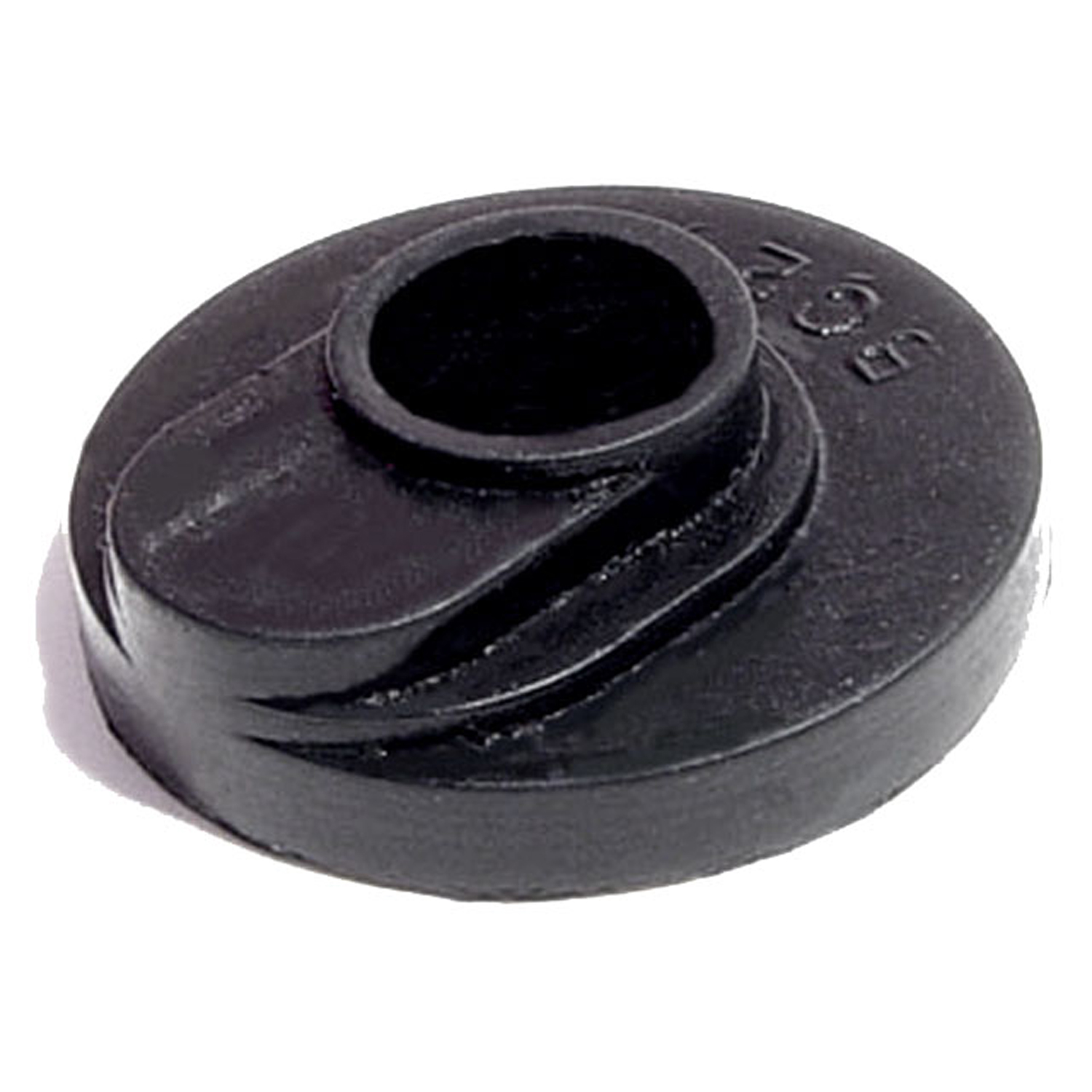 1941 Mercury Series 19A Fender Grommet. 1-1/8" O.D., 3/8" I.D. Each-BC 28Fender Grommet. 1-1/8" O.D., 3/8" I.D. Each
 1941 Mercury Series 19A Running Board Cushion. 1-7/8" O.D., 1" I.D., 3/8" Thick-BC 29Running Board Cushion. 1-7/8" O.D., 1" I.D., 3/8" Thick. Each.
 1941 Mercury Series 19A Running Board Cushion. 1-7/8" O.D., 3/8" I.D., 1/2" Thick-BC 30Running Board Cushion. 1-7/8" O.D., 3/8" I.D., 1/2" Thick. Each.
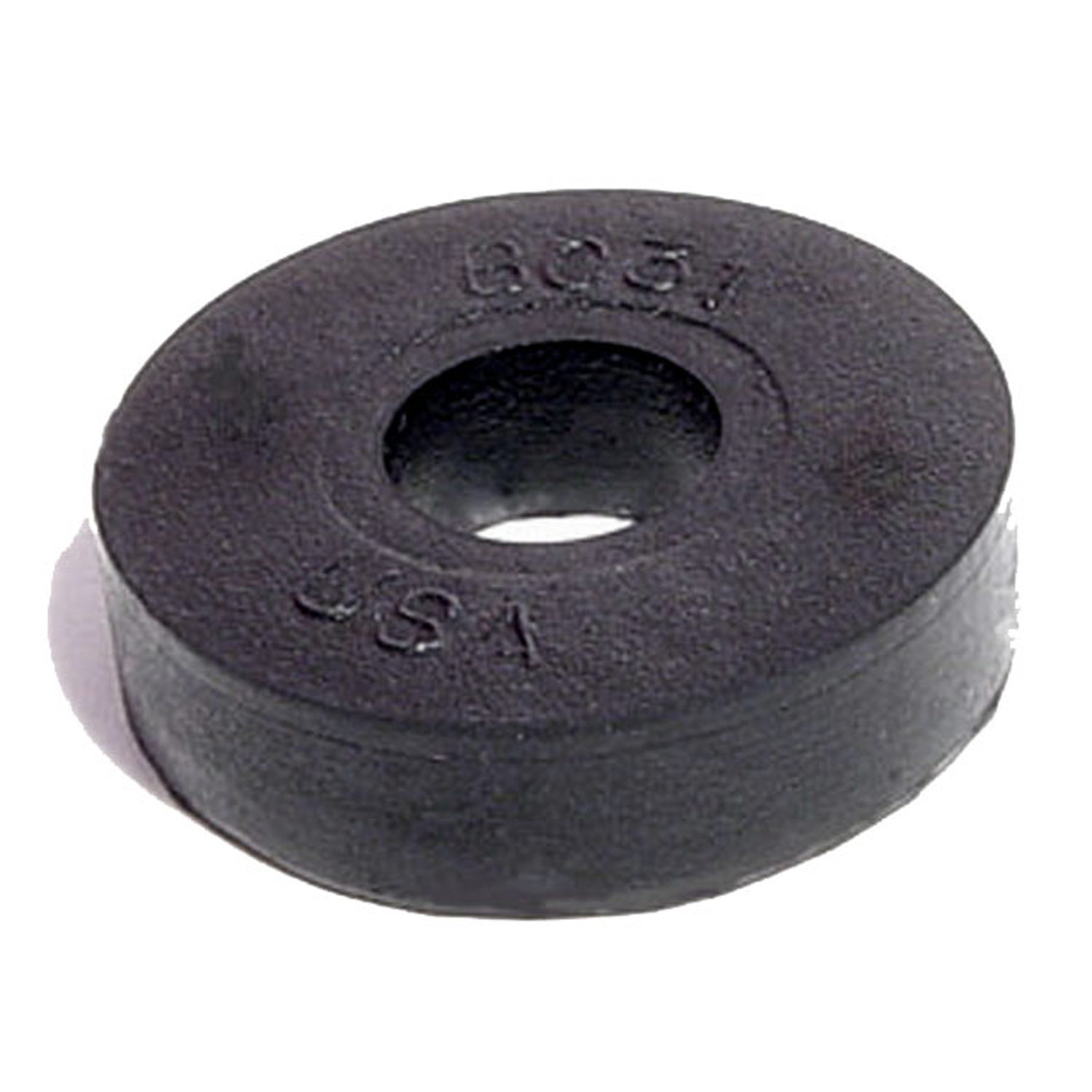 1941 Mercury Series 19A Fender Washer Cushion. 1" O.D., 3/8" I.D. Each-BC 31Fender Washer Cushion. 1" O.D., 3/8" I.D. Each
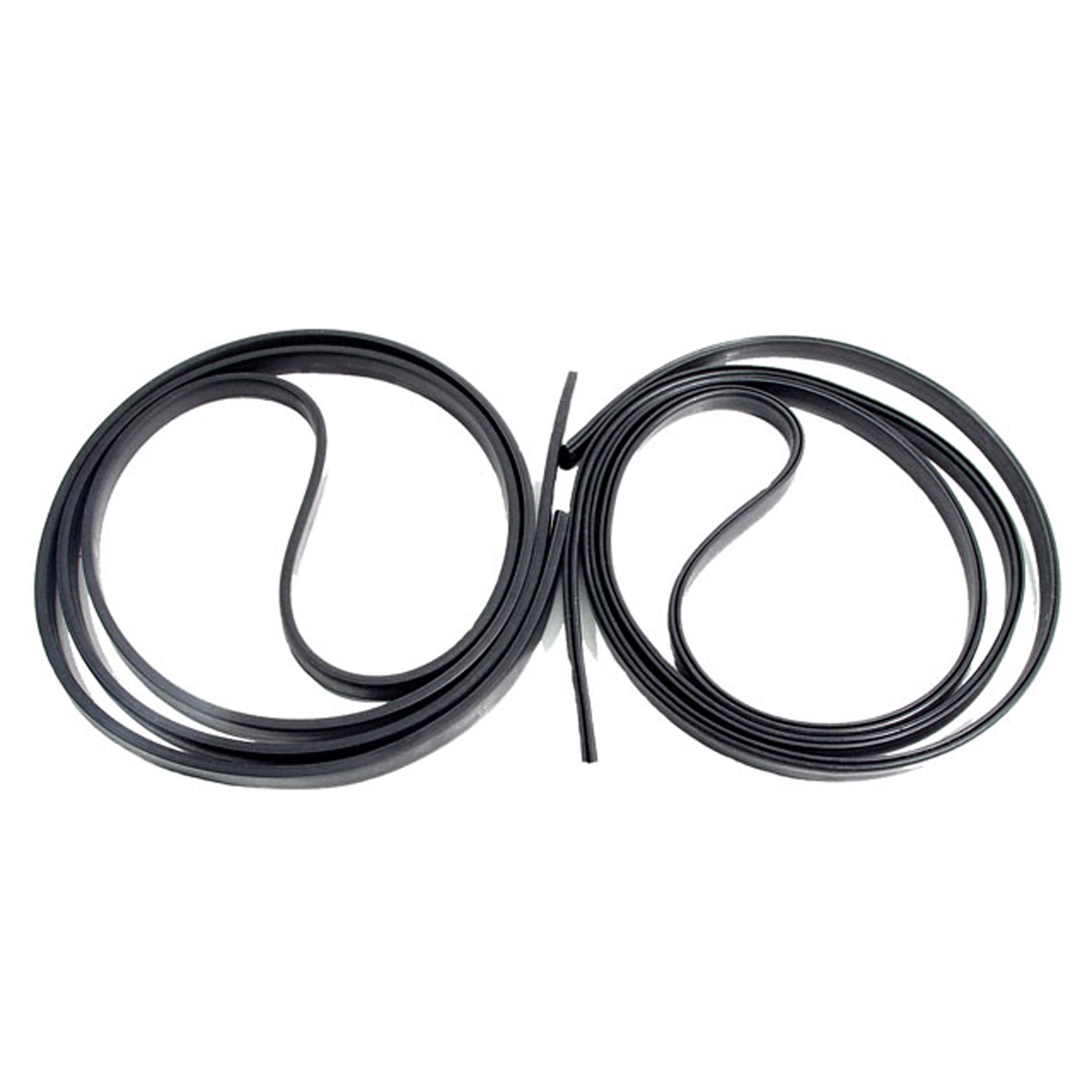 1941 Mercury Series 19A Fender Skirt Seals. Each Piece 5' long. Pair-BG 111-PFender Skirt Seals. Each Piece 5' long. Pair
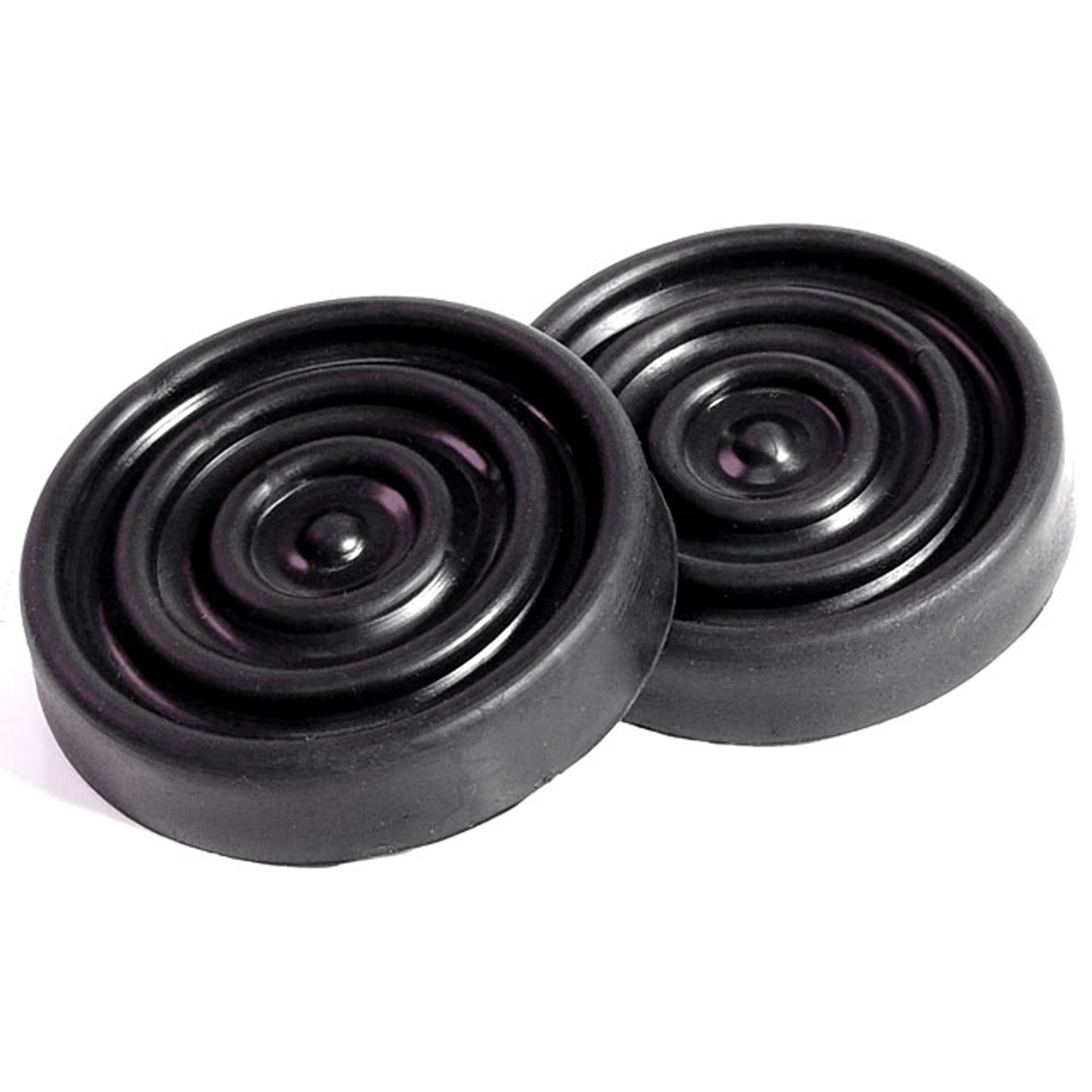 1941 Mercury Series 19A Clutch and Brake Pedal Pads-CB 106Clutch and Brake Pedal Pads. Made with molded steel core and threaded stud. 3" diameter. Pair
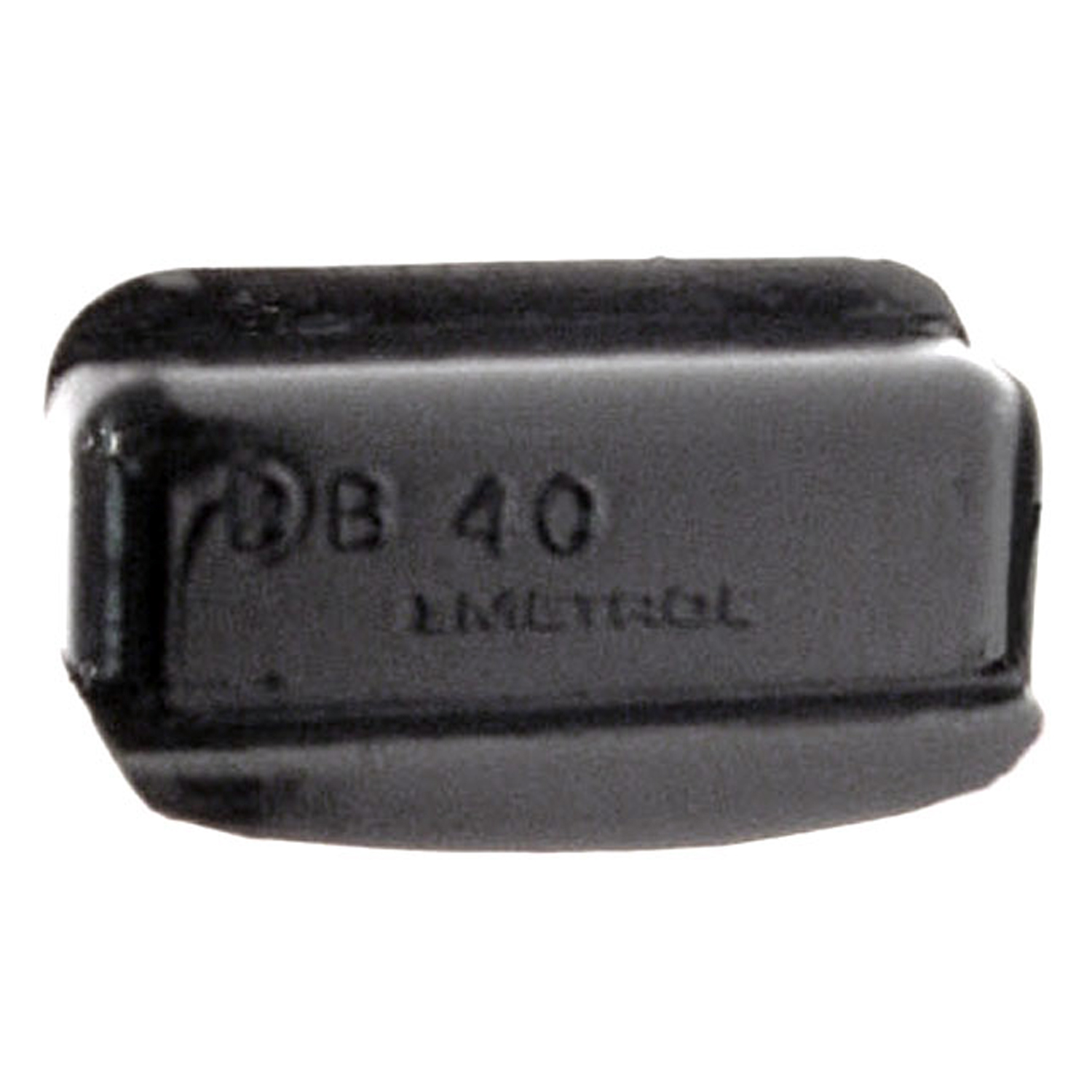 1941 Mercury Series 19A Door Bumper. 3/4" high X 1-7/16" wide X 9/16" thick. Each-DB 40Door Bumper. 3/4" high X 1-7/16" wide X 9/16" thick. Each
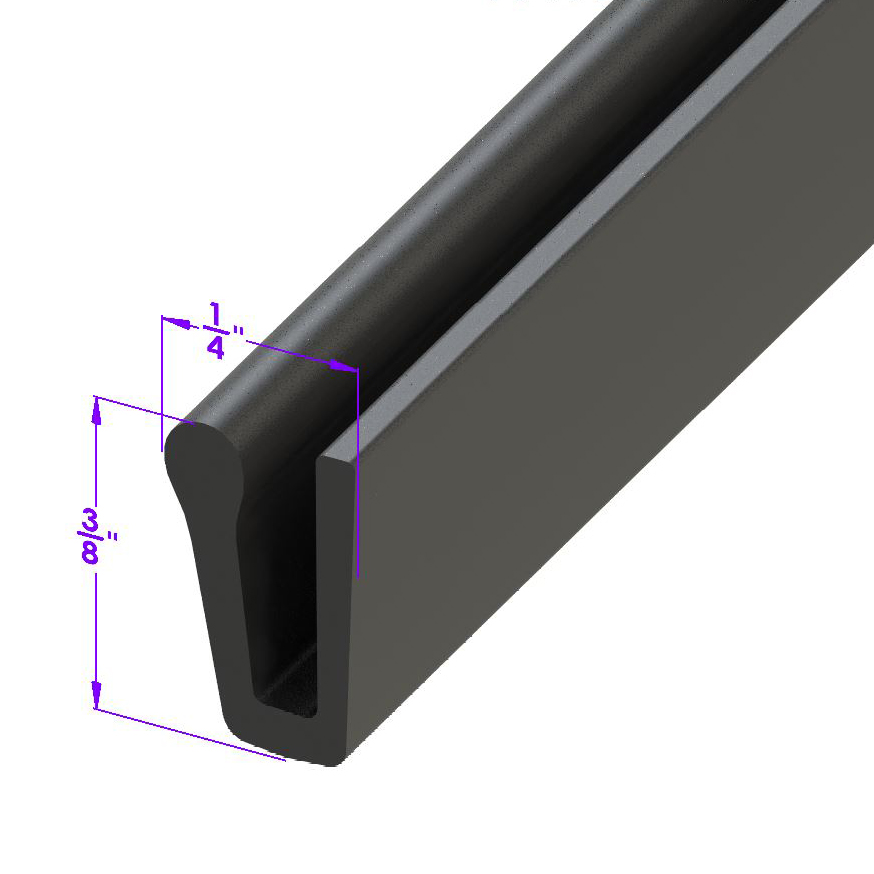 1941 Mercury Series 19A Fender Skirt Seal. Sold by the foot-LP 111-P/FTFender Skirt Seal. Sold by the foot
 1941 Mercury Series 19A Tail-light Pads. 3-3/4" wide X 5-7/8" long. Pair-MP 1003Tail-light Pads. 3-3/4" wide X 5-7/8" long. Pair
 1941 Mercury Series 19A Park Light Pads. 1-7/8" wide X 7-5/8" long. Pair R&L-MP 1003-APark Light Pads. 1-7/8" wide X 7-5/8" long. Pair R&L
 1941 Mercury Series 19A Trunk Pad. 7-3/4" wide X 5-3/8" long. Each-MP 1009-HTrunk Pad. 7-3/4" wide X 5-3/8" long. Each
 1941 Mercury Series 19A Running Board Covers. Each is made in one piece-RB 3300Running Board Covers. Each is made in one piece. Perfect reproduction. Pair
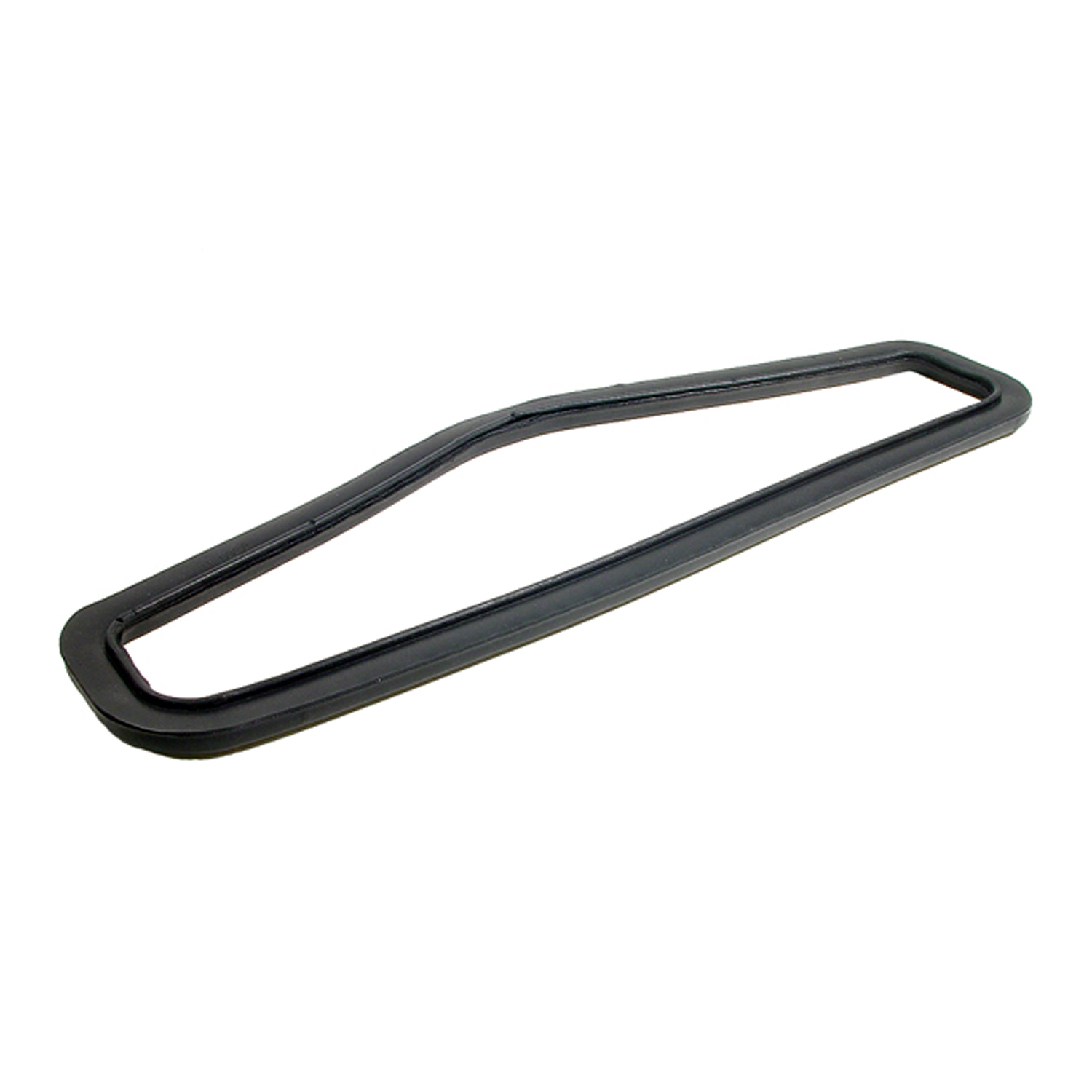 1941 Mercury Series 19A Cowl Vent Seal. Made of skin-covered, molded sponge-RP 100-ICowl Vent Seal. Made of skin-covered, molded sponge. 3-1/8" wide at side X 17" long. Each
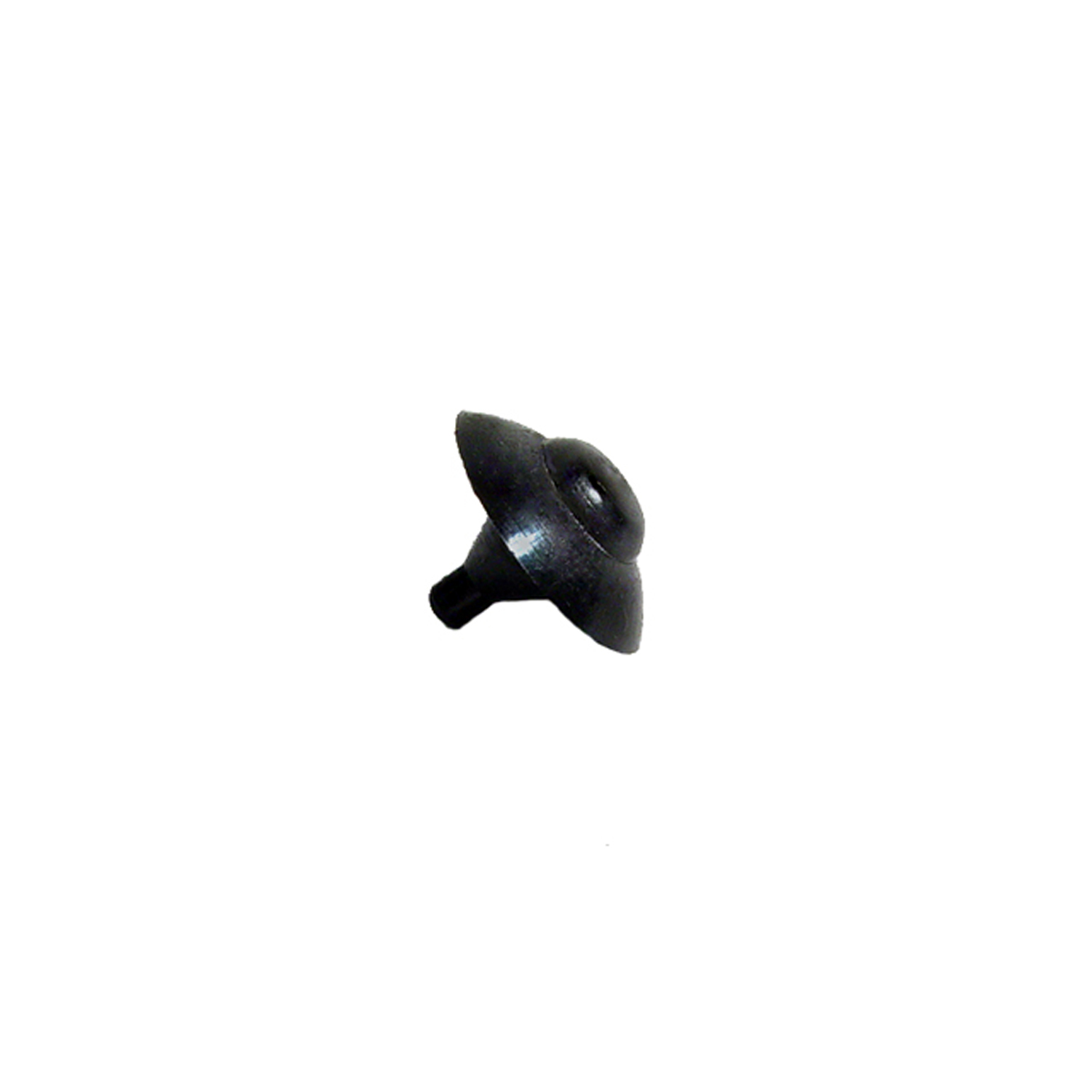 1941 Mercury Series 19A Engine Compartment Gravel Shield Bumper-SB 57-AEngine Compartment Gravel Shield Bumper. Twelve used per car. Each
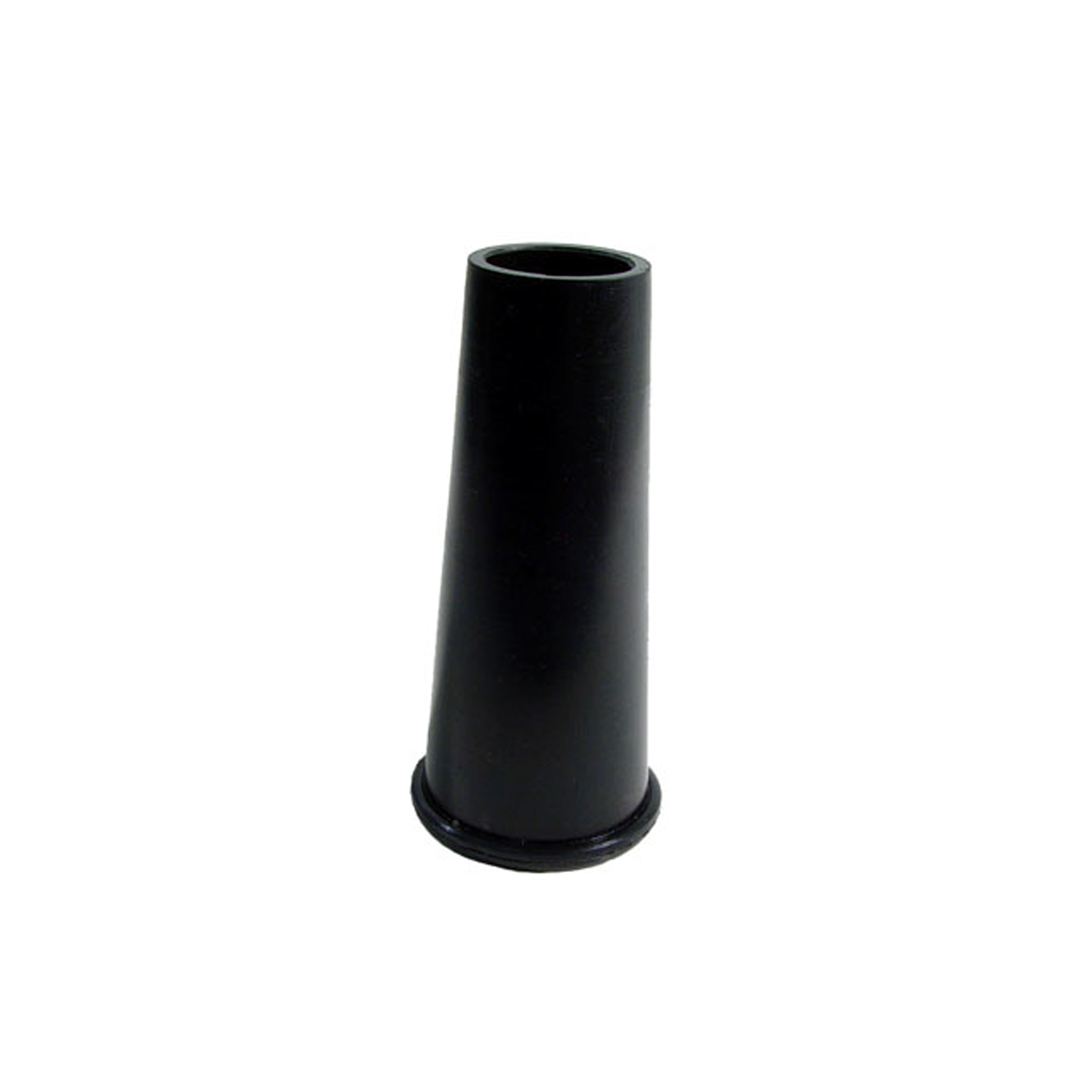 1941 Mercury Series 19A Distributor Ignition Boot. 3-1/8", 1-1/4" O.D., 3/4" I.D-SM 65-DDistributor Ignition Boot. 3-1/8", 1-1/4" O.D., 3/4" I.D. Each
 1941 Mercury Series 19A Choke and Throttle Cable Grommet. Fits a 9/16" hole-SM 83Choke and Throttle Cable Grommet. Fits a 9/16" hole. Angled hole in part. Each
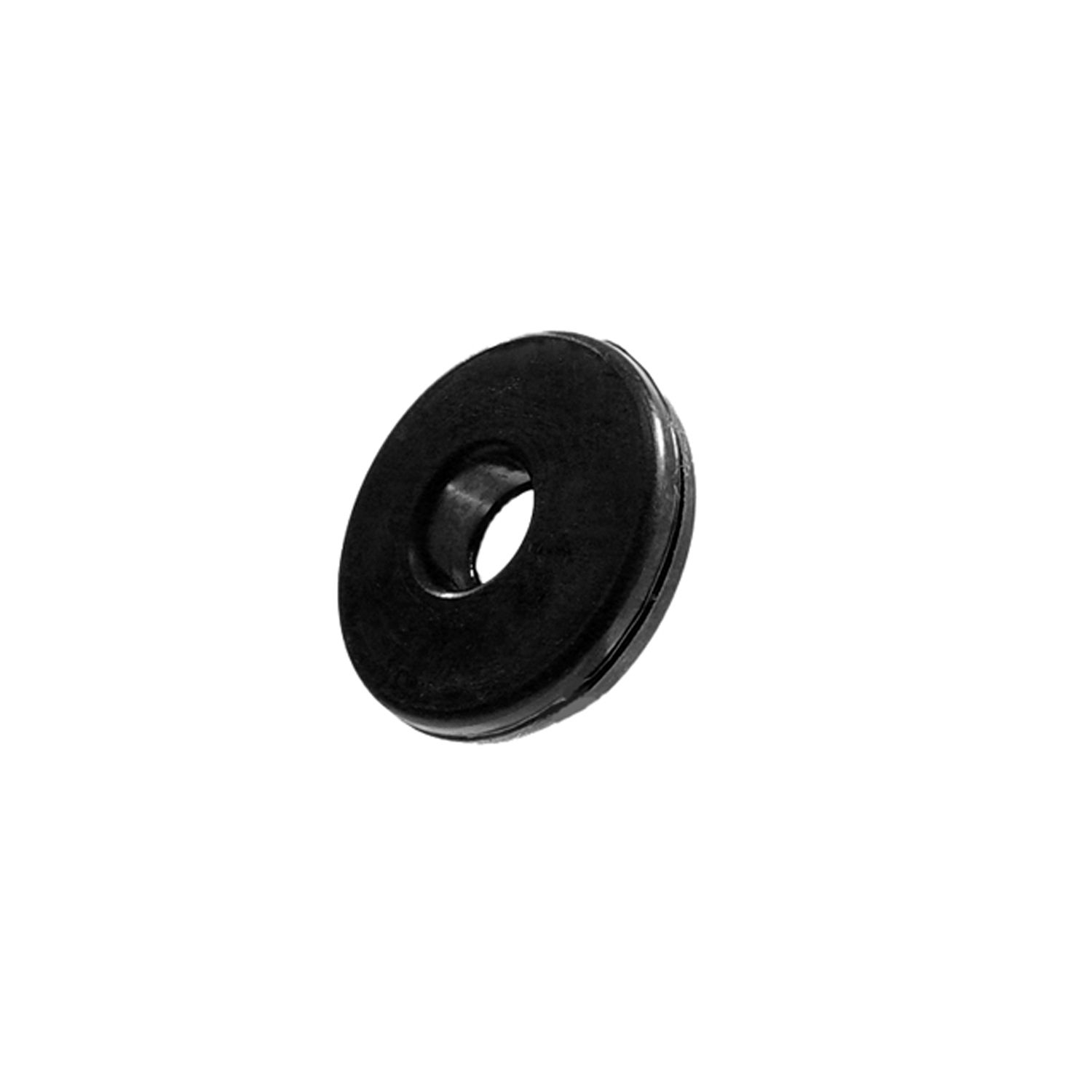 1941 Mercury Series 19A Headlight Wires through Inner Splash Pan, Front Fenders-SM 96Headlight Wires through Inner Splash Pan, Front Fenders. Two used per car. 3/8" I.D., 1-5/16" O.D. Each
Why Choose Metro?
For over 100 years, Metro Moulded Parts has been the pinnacle of quality in classic car restoration parts. Our commitment to precision and authenticity in every component ensures a perfect fit and an OEM-level appearance.
- Expert Craftsmanship & Quality: Each part is a testament to our dedication to reliability and perfection, crafted from original designs and thoroughly tested.
- Advanced Technology: We use cutting-edge techniques to create flawless, long-lasting parts that surpass others in performance.
- SuperSoft Sponge – The Ultimate Door Seal: Not only are our door seals 30% softer than competitors', but they're also guaranteed to never leak. They effectively reduce wind and road noise, enhancing your classic car's comfort and driving experience.
- Proudly American: Our parts are a product of American craftsmanship, made in the USA with a spirit of excellence and heritage.
- Unrivaled Warranty: We back our products with a 30-year industry-leading warranty, a testament to our confidence in their quality.
Join us in preserving the legacy of classic cars with parts that are crafted for perfection, not just made.