
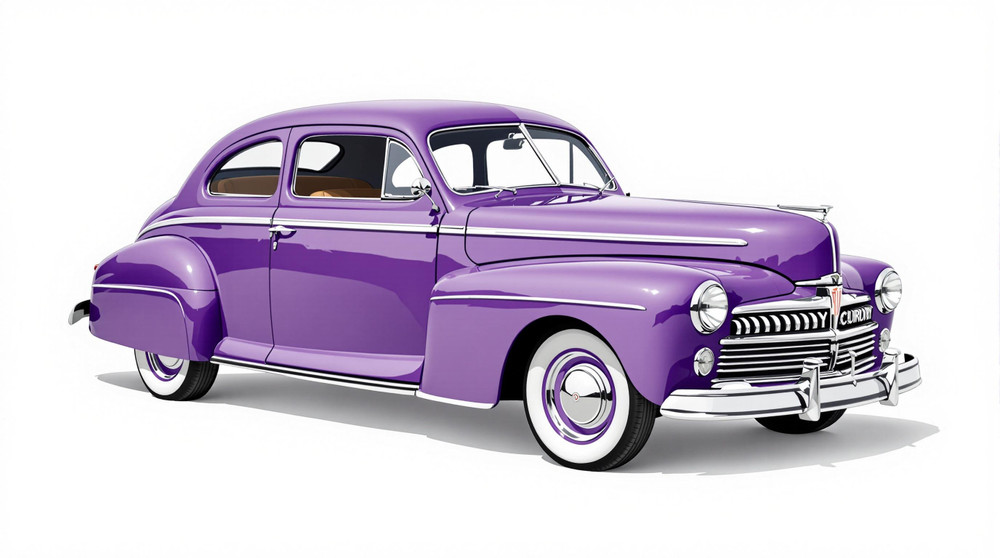
Image of 1946 Mercury Mercury, Note: These illustrations use artistic license and may differ from actual historical models.
Performance Metrics
Fundamental Metrics
Emotional Appeal
MMP Rating
| Engine Specifications | |
|---|---|
| Engine: | Flathead V8 |
| Displacement: | 239.4 cu in (3.9 L) |
| Horsepower: | Estimated 100 hp |
| Torque: | 180 lb-ft |
| Compression Ratio: | Estimated 6.8:1 |
| Ignition System: | Distributor and coil |
| Cooling System: | Liquid-cooled |
| Performance Specifications | |
| 0-60 Time: | Information not available |
| 1/4 Mile Time: | Information not available |
| Top Speed: | Estimated 80 mph |
| Transmission and Drive | |
| Drive Type: | Rear-wheel drive |
| Transmission Type: | 3-speed manual |
| Fuel and Efficiency | |
| Fuel System Type: | Carburetor |
| MPG: | Information not available |
| Dimensions and Brakes | |
| Brakes: | Drum brakes |
| Wheelbase: | 118 in |
| Weight: | Estimated 3,200 lbs |
Note: Specifications for classic cars are given to the best of our ability, considering the limited and variant data available.
1946 Mercury Eight: A Postwar Classic Reborn
The 1946 Mercury Eight brought prewar American style back to the road, with a broad chrome grille, flowing fenders and a smooth-running flathead V8. Built by Ford’s Mercury division, it occupied the space between the more affordable Ford and the upscale Lincoln, offering buyers a roomier, more substantial car without stepping into luxury-car prices.
Mercury was created by Edsel Ford in 1938, and its first cars arrived for the 1939 model year. The 1946 Eight was not an all-new postwar design. Civilian automobile production had been halted during World War II, and Mercury resumed with a lightly revised version of its 1942 design. That makes the car a fascinating bridge between prewar streamlining and the more modern styling that would arrive later in the decade.
One detail gives the 1946 model particular character: it appeared just as American factories were returning to civilian car production after years devoted to wartime manufacturing. Buyers were eager for new cars, but manufacturers had limited time and materials to create fresh designs. Mercury’s answer was to refine a proven, well-liked car and put it back on sale.
Streamlined Styling and Body Choices
The 1946 Mercury Eight looks substantial without appearing boxy. Its front fenders blend into the body rather than sitting apart like separate wings, while the long hood and rounded roofline give the car a clean, flowing profile. At the nose, a wide horizontal grille framed by bright trim gives the Mercury a confident face. Chrome accents, rounded headlamps and generous bumpers add the period’s unmistakable sense of occasion.
Mercury offered several body styles, including two- and four-door sedans, a coupe, a convertible and a wood-bodied station wagon. The sedan was the practical, familiar choice, while the coupe delivered a sportier profile. The convertible is among the most eye-catching versions today, and the station wagon stands out for its wood exterior trim and comparatively limited production. Availability and production totals differed by body style.
Inside, the Eight was designed for comfortable long-distance motoring. Upholstery materials and trim depended on the body style and equipment, with cloth commonly used in closed cars and more upscale finishes available in open models. A broad dashboard placed the gauges and controls within easy reach, and woodgrain-style trim gave the cabin a warmer appearance. It was not hand-built luxury, but it felt more dressed up than a basic Ford.
Factory paint choices varied over the model year and by body style. Buyers could choose from restrained shades such as black, gray and muted earth tones, as well as more colorful blues, greens and maroons. Dark finishes suit the car’s formal character, but period-appropriate lighter colors can make its sculpted fenders and chrome stand out. As with many classics, surviving cars may wear colors chosen during a later repaint rather than the shade in which they left the factory.
Technology for the 1940s
The Eight’s most important feature was its 239-cubic-inch flathead V8. The engine used side valves, a layout that was already well established but valued for its smoothness, straightforward construction and strong low-speed pull. A three-speed manual transmission was standard, and overdrive was available on some cars. The combination favored relaxed cruising over quick acceleration.
Other equipment reflects the era. The car used a six-volt electrical system and hydraulic drum brakes, along with conventional steering and suspension. Compared with modern vehicles, it had few driver aids and demanded more effort from the person behind the wheel. Its appeal was not cutting-edge electronics or advanced safety equipment. It was a proven mechanical package wrapped in handsome bodywork.
Why the 1946 Mercury Still Matters
The 1946 Mercury did not introduce a revolutionary engine or a new kind of chassis. Its importance lies in how it served as a polished postwar continuation of Mercury’s mid-price formula. It offered buyers a distinct identity and a larger, more substantial feel than a Ford, while remaining more attainable than a Lincoln.
Its greatest cultural influence came later. Mercury Eights became favorites among custom-car builders, who lowered them, altered their proportions and fitted them with distinctive paint and trim. The chopped-roof, lowered Mercury became one of the defining images of postwar American custom culture. That legacy has helped keep the car recognizable even to people who do not follow classic-car history closely.
Against contemporaries, the Mercury’s blend of V8 power, size and styling made it an appealing all-rounder. It was not as exclusive as a luxury car or as inexpensive as a basic family sedan. Instead, it offered a middle ground that helped establish Mercury’s identity for decades.
Flathead V8 Performance and Road Manners
The 239-cubic-inch V8 produced approximately 100 horsepower in typical 1946 specification. Period performance figures vary with condition, gearing and test methods, but a sound, stock car is generally estimated to reach about 80 to 85 mph. Acceleration from 0 to 60 mph is slow by modern standards, commonly estimated in the high teens to low 20-second range. These are useful guide figures, not guarantees for an individual car.
On the road, the flathead delivers its power in a smooth, steady manner, with the best response arriving at modest engine speeds. The three-speed manual asks the driver to work the gear lever more than a modern automatic would, but the controls are direct and the engine’s torque makes ordinary driving unhurried rather than strenuous. The V8’s deep, muted exhaust note is a large part of the experience.
The Mercury’s long wheelbase and substantial weight help it settle into a comfortable ride on ordinary roads. Its period suspension can soften bumps, though rough pavement still produces more body movement than a modern car. On a winding road, expect deliberate steering, noticeable body lean and drum brakes that need more planning and pressure than contemporary brakes. It is most at home on open roads, where it can cruise at a steady pace, rather than being hustled through tight corners.
Living With a 1946 Mercury
Most surviving Eights are now used as show cars, weekend cruisers, touring vehicles or custom projects. A well-maintained example can still cover local trips and relaxed drives, but it is not an effortless daily driver by modern standards. It lacks modern crash protection, climate control and the convenience features most owners take for granted.
Mechanical repairs are relatively approachable for an owner with basic experience. The flathead V8 is well documented, and parts support remains strong thanks to the engine’s popularity in Ford and Mercury restorations and hot rods. However, age makes condition more important than design simplicity. Cooling-system problems, worn steering and suspension parts, tired wiring, brake issues and rust can all turn an inexpensive purchase into a major project.
Before buying, inspect the frame, floors, rocker panels, lower body sections and trunk area for corrosion or old repairs. Check that the engine starts cleanly, runs at a stable temperature and does not show signs of poor oil pressure. Confirm that the brakes stop the car evenly and that the transmission shifts properly. Replacement parts are available for many mechanical components, but sound original trim, body parts and wood-wagon pieces can be harder to source.
1946 Mercury Facts and Myths
The 1946 Eight’s flathead V8 links it to one of the best-known American engine families of the era. Ford introduced its first production flathead V8 in 1932, and the design remained influential among everyday drivers and hot rodders for years. Mercury’s 239-cubic-inch version gave the larger car a smooth, appropriately relaxed character.
The model is also closely associated with the custom-car movement. Lowered and modified Mercury coupes became icons of postwar hot rodding, though a stock 1946 car is a very different machine from a heavily customized “lead sled.” Buyers should distinguish original or restored examples from modified cars, since changes can affect value, drivability and authenticity.
There is no single widely recognized speed, sales or endurance record that defines the 1946 Mercury. Its stronger claim to fame is its lasting presence in American custom-car culture and its role in Mercury’s return to civilian production. It is best not to assume that a celebrity or famous historical figure owned a particular car without documentation.
Common criticisms are familiar to anyone considering a car from the 1940s: modest acceleration, heavy steering, drum brakes, a six-volt electrical system and limited occupant protection. Parts availability is generally better for mechanical components than for some body and trim items. These drawbacks are part of the ownership calculation, not flaws that a tune-up can entirely erase.
Collector Values and Availability
Production is commonly estimated at roughly 86,000 Mercury Eights for the 1946 model year, though published totals can vary and body-style breakdowns are less consistent. That makes the model far from a one-off rarity, but good examples are not always easy to find. Sedans and coupes appear more regularly than well-preserved convertibles and wood-bodied wagons.
As a broad U.S. market guide in 2026, a project car may sell for around $8,000 to $18,000, depending on completeness and rust. A usable driver or older restoration might fall in the $18,000 to $35,000 range. A strong, well-restored car can bring roughly $35,000 to $60,000, while exceptional convertibles, wagons or highly desirable customs can exceed that range. Condition, originality, quality of restoration and buyer demand all matter; these are estimates, not formal appraisals.
Values have generally held up best for cars with solid structure, documented restoration and appealing body styles. Prices can rise for exceptional examples, but the broader market has not moved uniformly upward, especially after accounting for inflation and restoration costs. Buyers tend to reward quality and provenance more than a low asking price or a long list of modifications.
A Mercury Worth Remembering
The 1946 Mercury Eight is a handsome postwar return to a proven formula: smooth flathead V8 power, distinctive streamlined styling and a more substantial feel than an ordinary family car. Its performance is leisurely, its road manners unmistakably vintage and its maintenance demands real attention, but its design has aged into something special.
From the polished sedan to the iconic custom coupe, the Eight captures a moment when American motoring was starting again and Mercury was finding its place between Ford and Lincoln. For collectors, it is more than a stylish old car. It is a rolling link between prewar engineering, postwar optimism and the custom-car culture that made Mercury a legend.
1946 Mercury Mercury Catalog of Parts
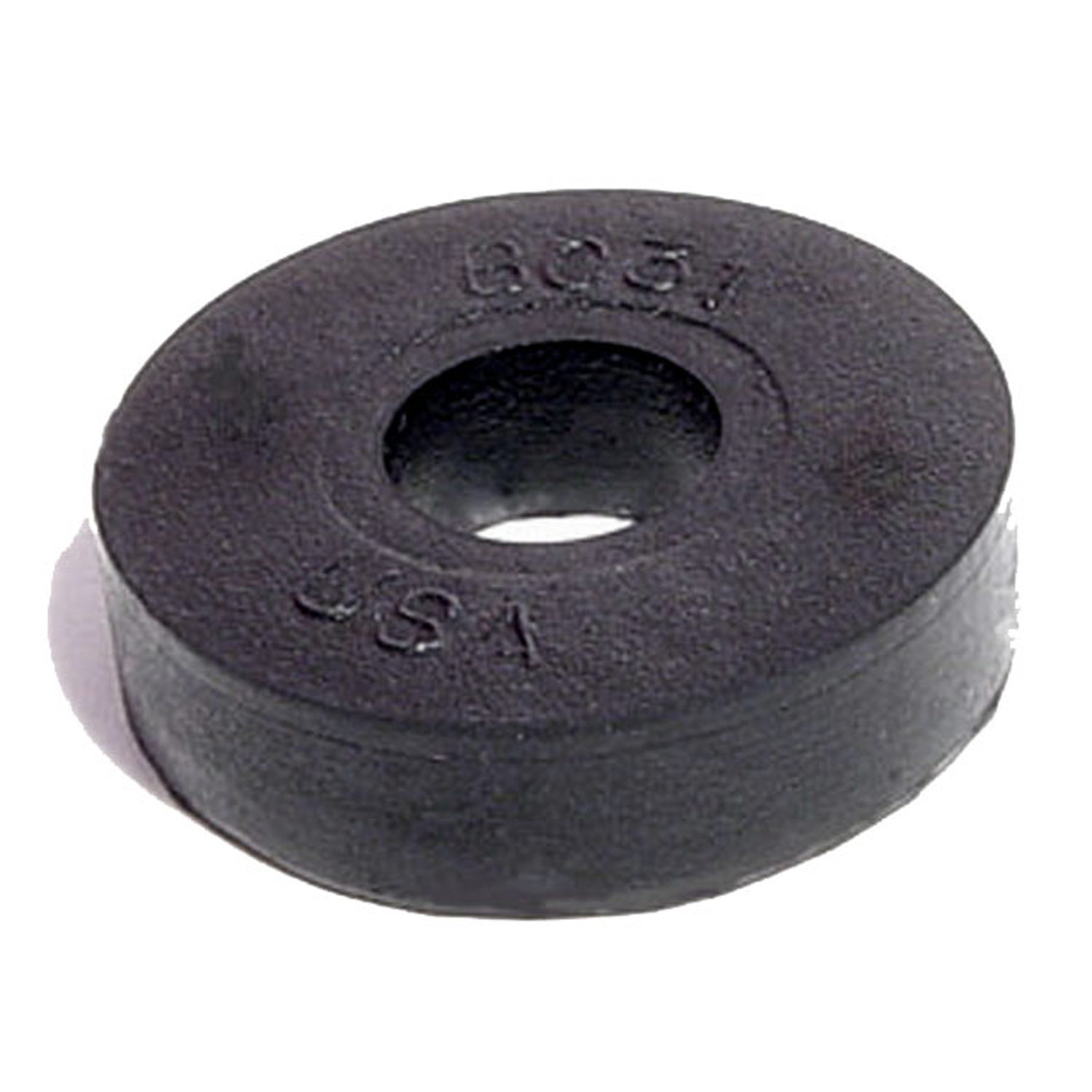 1946 Mercury Mercury Fender Washer Cushion. 1" O.D., 3/8" I.D. Each-BC 31Fender Washer Cushion. 1" O.D., 3/8" I.D. Each
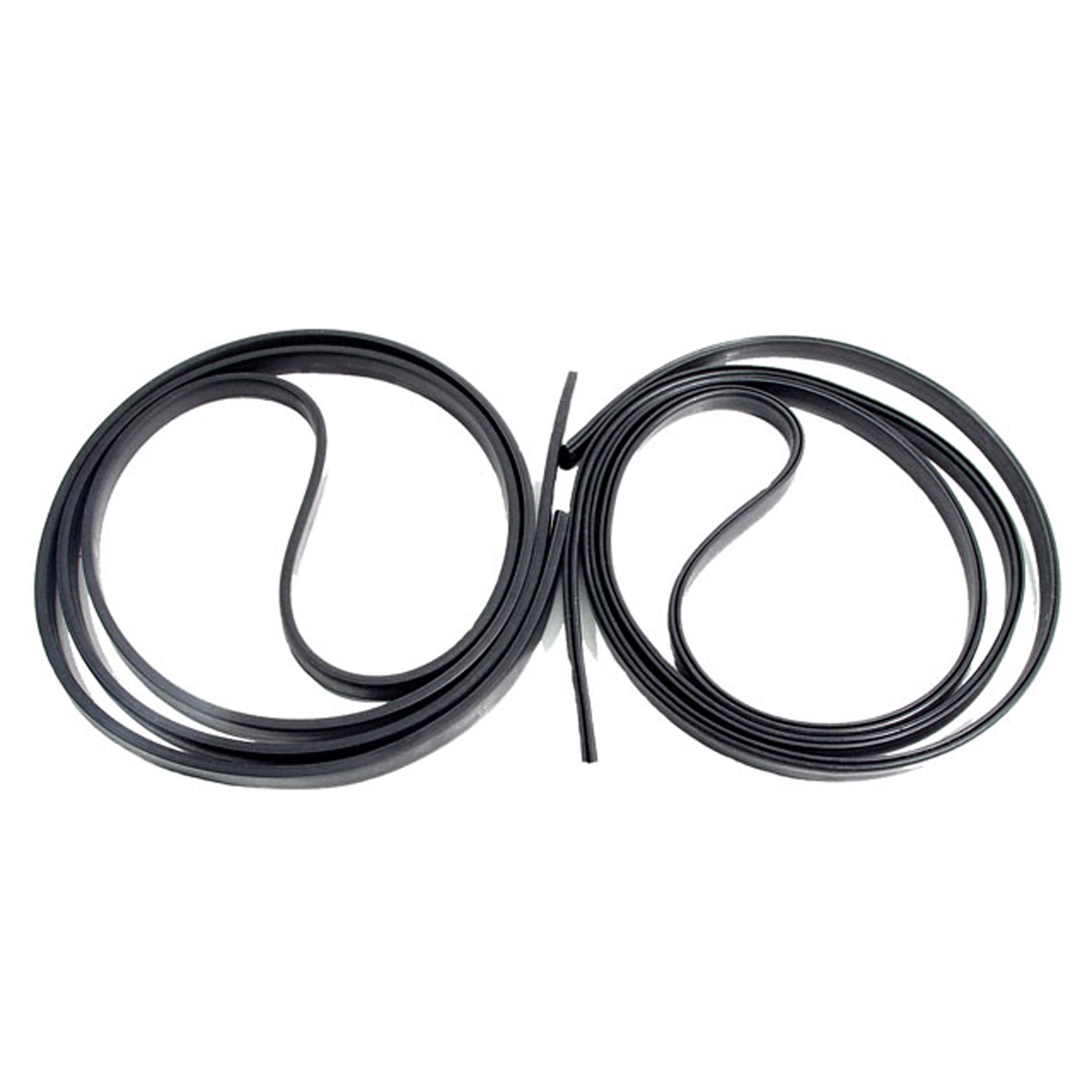 1946 Mercury Mercury Fender Skirt Seals. Each Piece 5' long. Pair-BG 111-PFender Skirt Seals. Each Piece 5' long. Pair
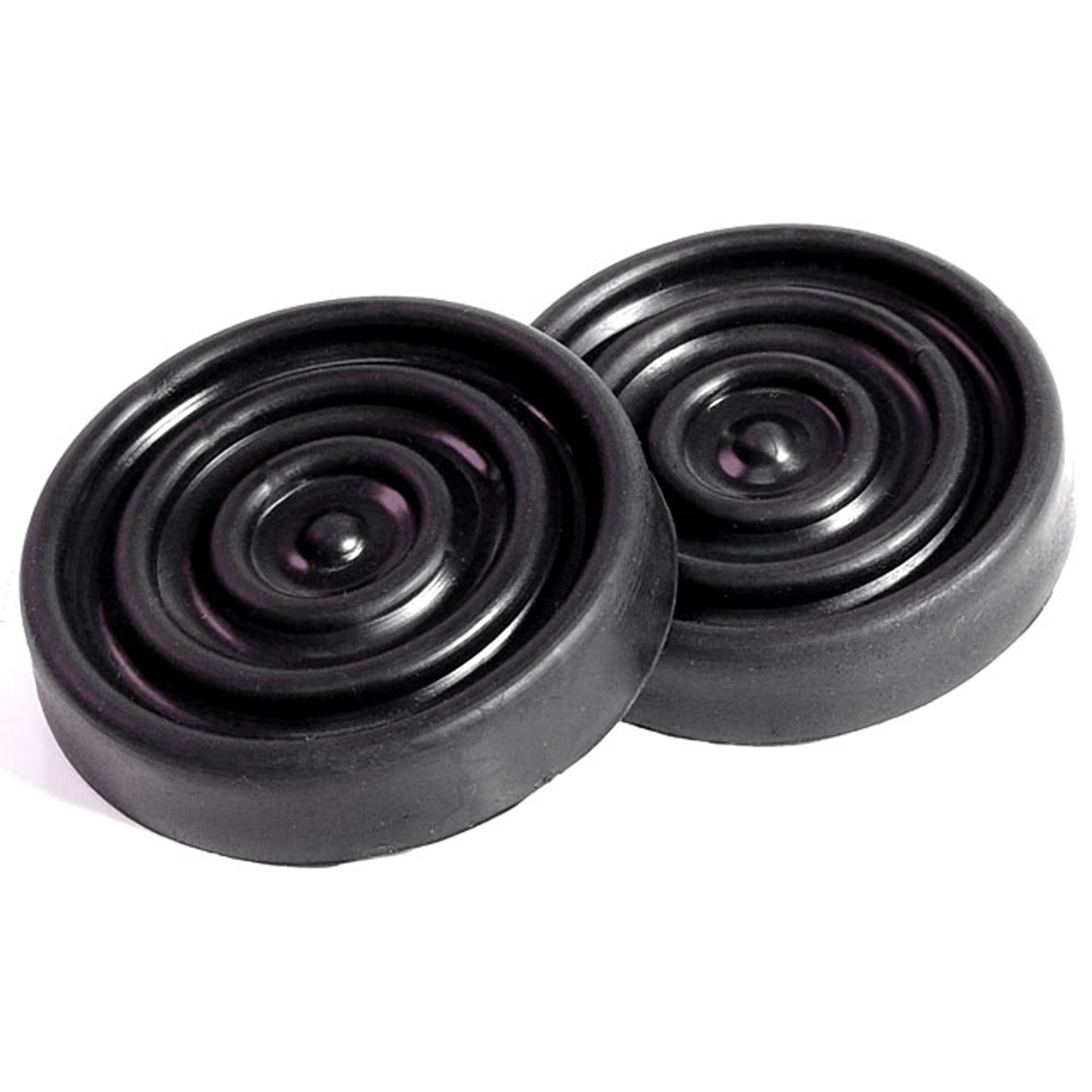 1946 Mercury Mercury Clutch and Brake Pedal Pads-CB 106Clutch and Brake Pedal Pads. Made with molded steel core and threaded stud. 3" diameter. Pair
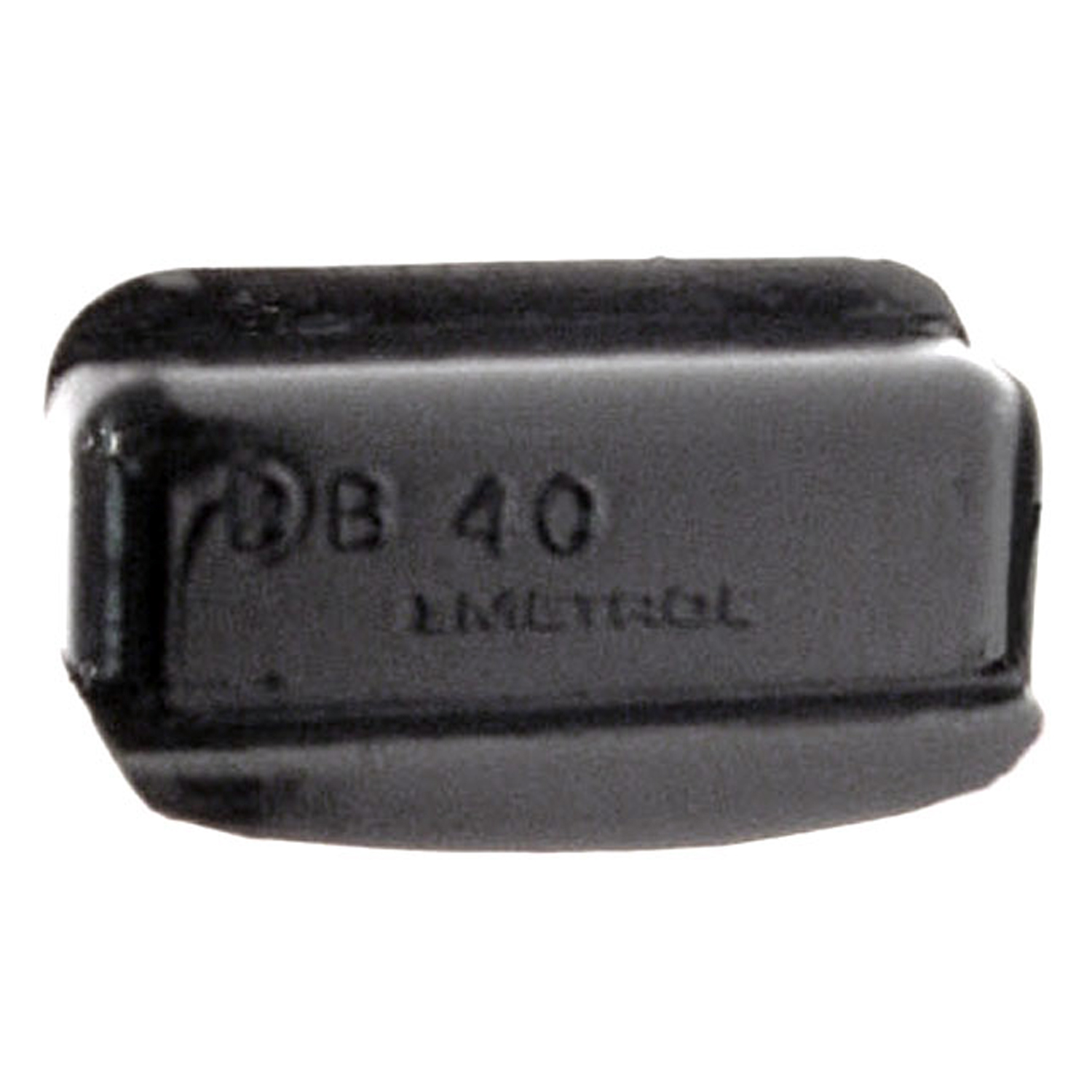 1946 Mercury Mercury Door Bumper. 3/4" high X 1-7/16" wide X 9/16" thick. Each-DB 40Door Bumper. 3/4" high X 1-7/16" wide X 9/16" thick. Each
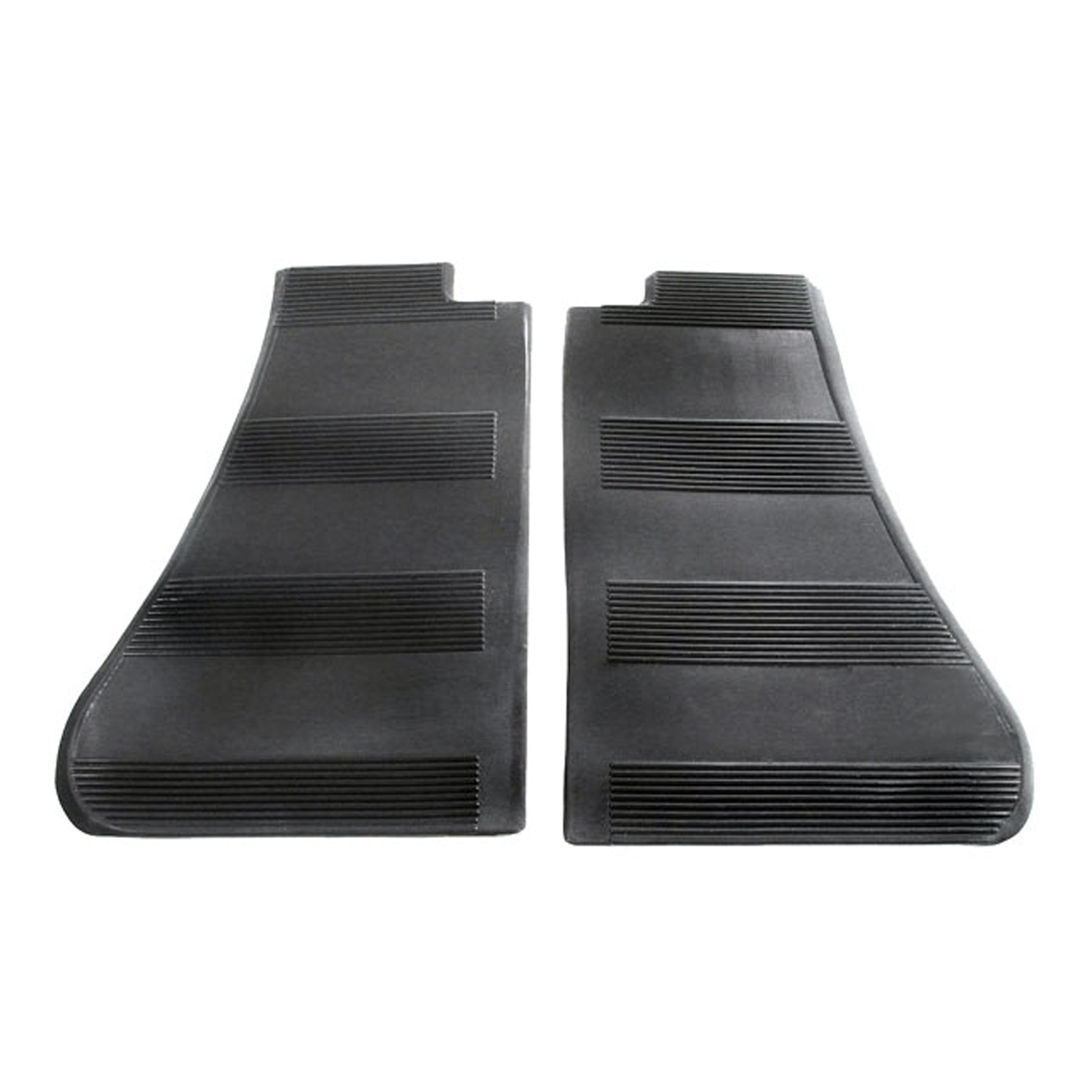 1946 Mercury Mercury Gravel Shields (for station wagon only)-FS 60Gravel Shields (for station wagon only). 16-3/4" long X 10-1/4" wide at top and 5" wide at bottom. Will conform to all curves perfectly. Pair R&L
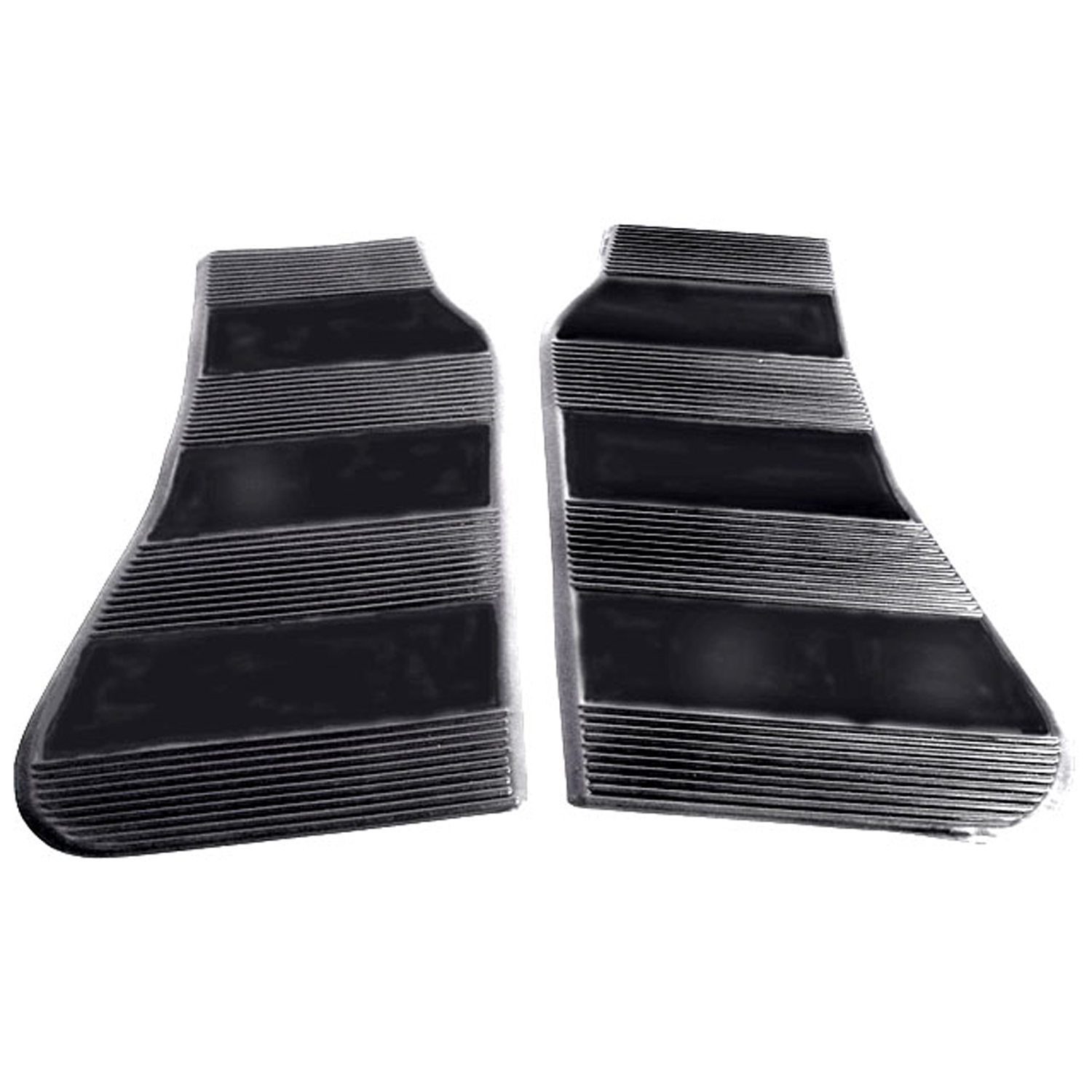 1946 Mercury Mercury Gravel Shields. Will conform to all curves perfectly-FS 61Gravel Shields. Will conform to all curves perfectly. 17" long X 7-3/4" wide at top X 5-1/4" wide at bottom. Pair R&L
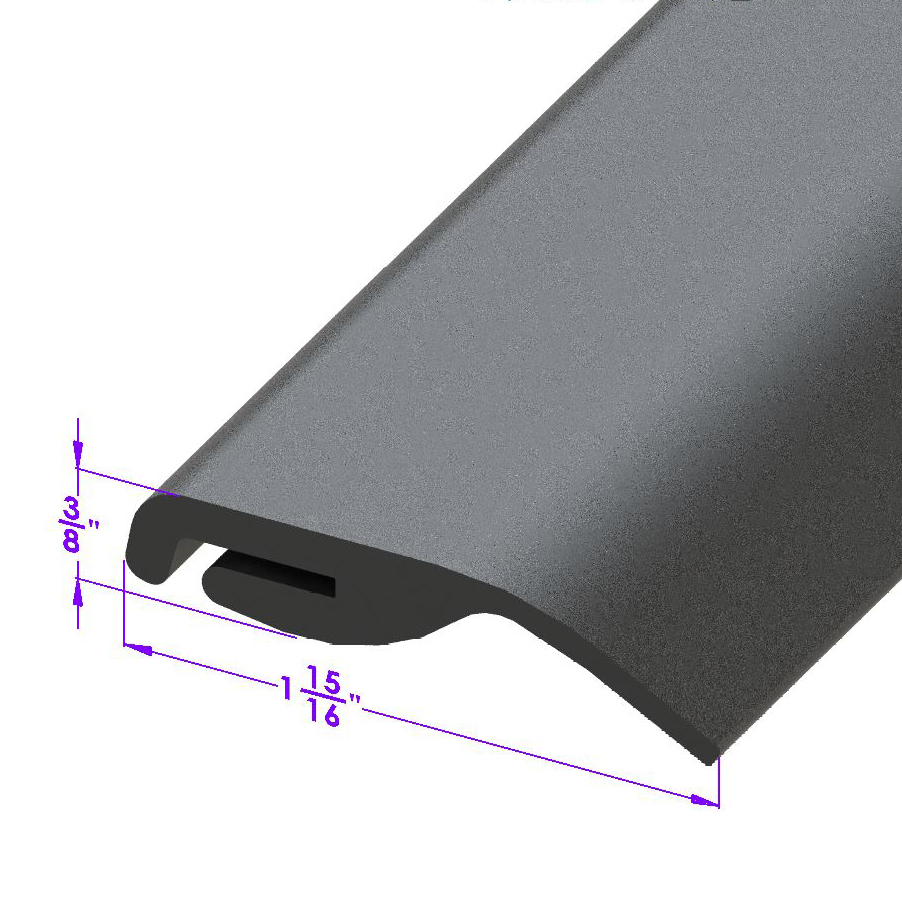 1946 Mercury Mercury Bumper to Body Seal. 2" Wide. Sold by the foot-LP 109-KBumper to Body Seal. 2" Wide. Sold by the foot
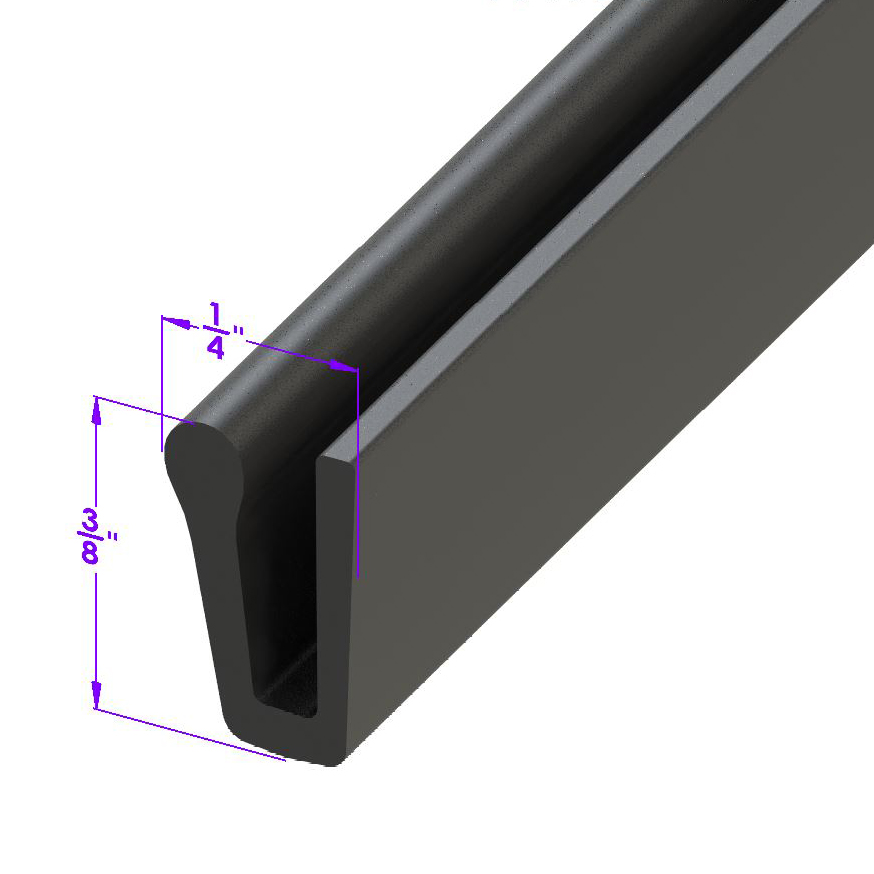 1946 Mercury Mercury Fender Skirt Seal. Sold by the foot-LP 111-P/FTFender Skirt Seal. Sold by the foot
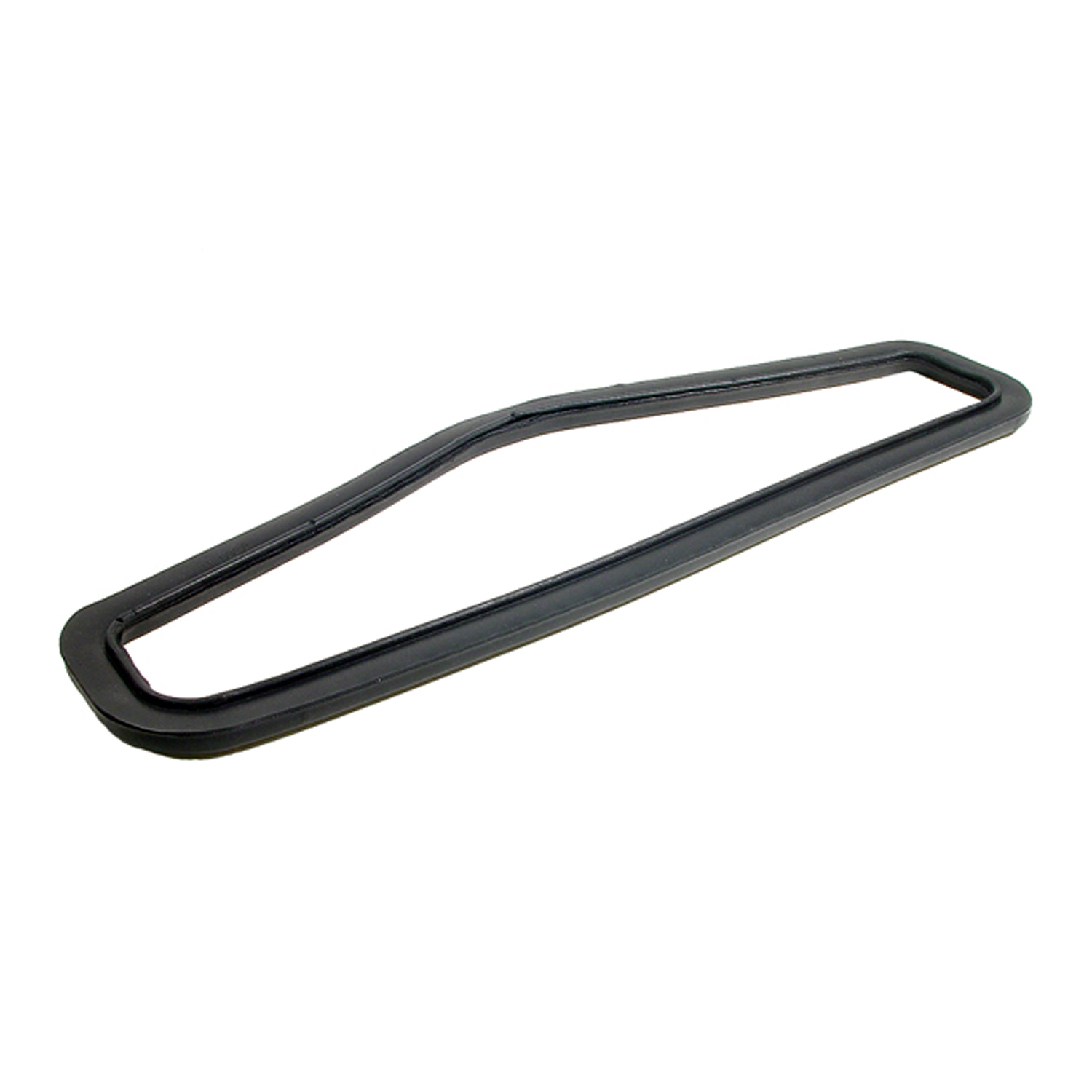 1946 Mercury Mercury Cowl Vent Seal. Made of skin-covered, molded sponge-RP 100-ICowl Vent Seal. Made of skin-covered, molded sponge. 3-1/8" wide at side X 17" long. Each
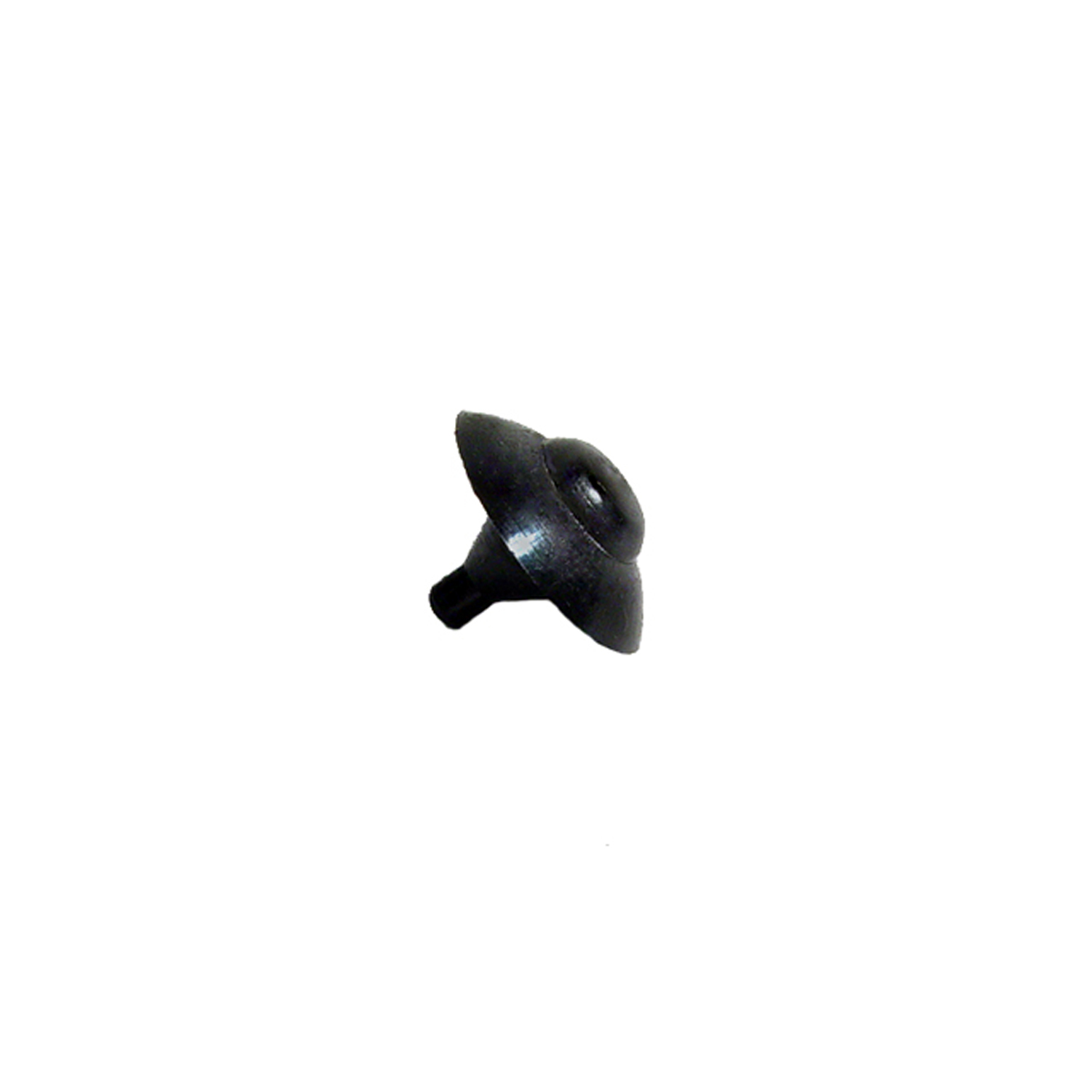 1946 Mercury Mercury Engine Compartment Gravel Shield Bumper-SB 57-AEngine Compartment Gravel Shield Bumper. Twelve used per car. Each
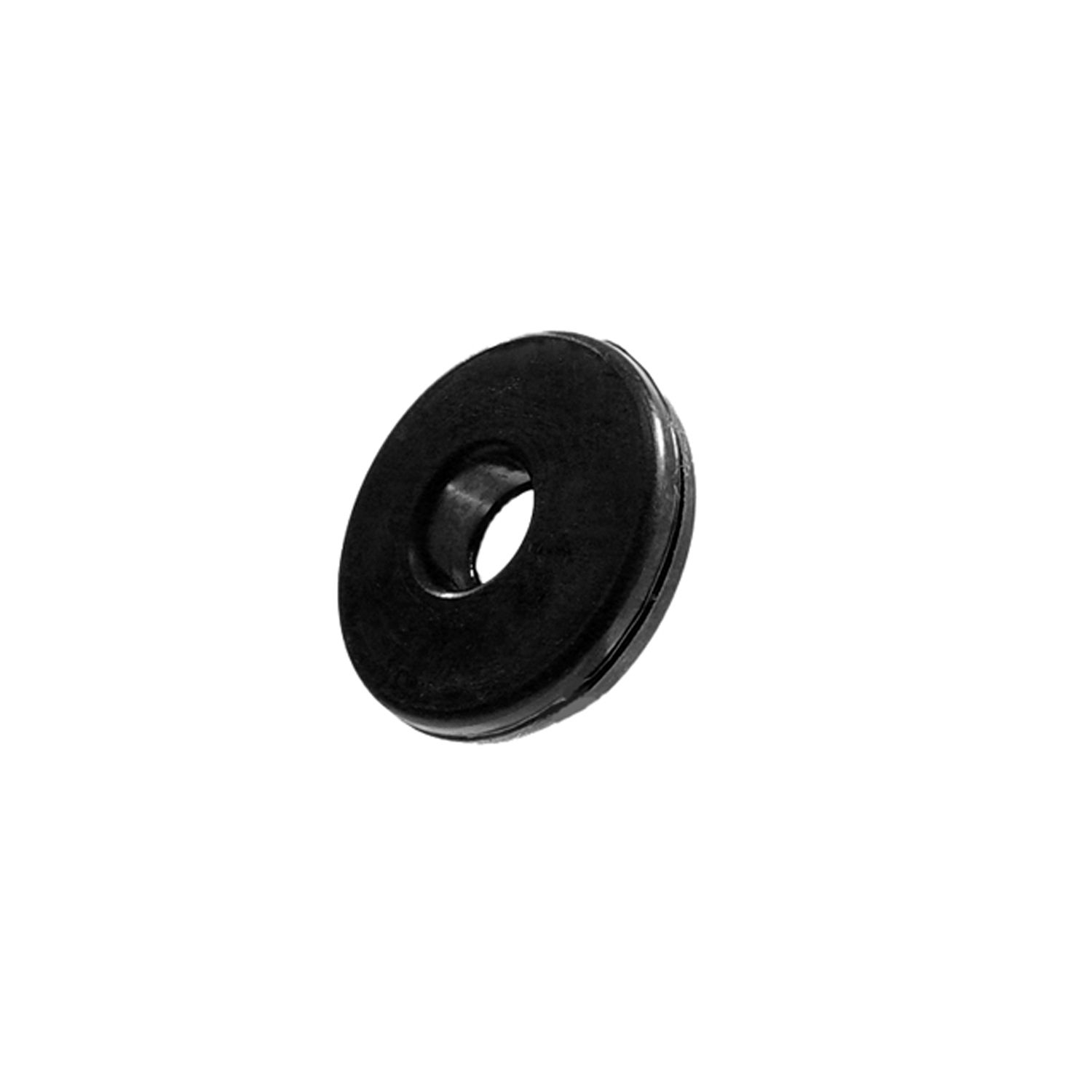 1946 Mercury Mercury Headlight Wires through Inner Splash Pan, Front Fenders-SM 96Headlight Wires through Inner Splash Pan, Front Fenders. Two used per car. 3/8" I.D., 1-5/16" O.D. Each
 1946 Mercury Mercury Rear Vent Window Seals, for 2-Door Sedans. Pair R&L-WR 3308-RRear Vent Window Seals, for 2-Door Sedans. Pair R&L
Why Choose Metro?
For over 100 years, Metro Moulded Parts has been the pinnacle of quality in classic car restoration parts. Our commitment to precision and authenticity in every component ensures a perfect fit and an OEM-level appearance.
- Expert Craftsmanship & Quality: Each part is a testament to our dedication to reliability and perfection, crafted from original designs and thoroughly tested.
- Advanced Technology: We use cutting-edge techniques to create flawless, long-lasting parts that surpass others in performance.
- SuperSoft Sponge – The Ultimate Door Seal: Not only are our door seals 30% softer than competitors', but they're also guaranteed to never leak. They effectively reduce wind and road noise, enhancing your classic car's comfort and driving experience.
- Proudly American: Our parts are a product of American craftsmanship, made in the USA with a spirit of excellence and heritage.
- Unrivaled Warranty: We back our products with a 30-year industry-leading warranty, a testament to our confidence in their quality.
Join us in preserving the legacy of classic cars with parts that are crafted for perfection, not just made.