

Image of 1957 Mercury Voyager, Note: These illustrations use artistic license and may differ from actual historical models.
Performance Metrics
Fundamental Metrics
Emotional Appeal
MMP Rating
| Engine Specifications | |
|---|---|
| Engine: | 312 CID V8, 368 CID V8 |
| Displacement: | 312-368 cu in. |
| Horsepower: | 224-290 hp |
| Torque: | 325-400 lb-ft |
| Compression Ratio: | 9.7:1 (312 CID V8), 10.5:1 (368 CID V8) |
| Ignition System: | Conventional points ignition system |
| Cooling System: | Liquid-cooled |
| Performance Specifications | |
| 0-60 Time: | 10-12 seconds |
| 1/4 Mile Time: | 17-19 seconds |
| Top Speed: | 110-120 mph |
| Transmission and Drive | |
| Drive Type: | Rear-wheel drive |
| Transmission Type: | 3-speed manual, 3-speed automatic |
| Fuel and Efficiency | |
| Fuel System Type: | Carburetor |
| MPG: | 10-12 mpg |
| Dimensions and Brakes | |
| Brakes: | Drum brakes |
| Wheelbase: | 122 inches |
| Weight: | 3,600-3,800 lbs |
Note: Specifications for classic cars are given to the best of our ability, considering the limited and variant data available.
1957 Mercury Voyager: A Big-Finned Family Wagon
The 1957 Mercury Voyager brought full-size V8 style to the family station wagon, combining a roomy cargo area with the bold fins and chrome that made the decade’s cars hard to miss. Built by the Ford Motor Company’s Mercury division, the Voyager sat in a lineup aimed between mainstream Fords and more expensive luxury cars. It was a practical wagon, but one dressed for the open road.
The Voyager’s place in Mercury’s 1957 range is important to understanding it: it was the two-door station wagon, while the Commuter and wood-trimmed Colony Park served buyers seeking four-door wagon layouts. That makes the Voyager an unusual blend of family utility and personal-car styling. Its two-door configuration also gives it a distinctive profile among surviving American wagons of the period.
One detail worth noting is that the Voyager shared Mercury’s dramatic 1957 design language with the brand’s sedans, including its sweeping rear fins and lavish brightwork. It was not a stripped-down box on wheels. Mercury made the wagon part of its visual statement.
Tailfins, Chrome, and Wagon Practicality
The Voyager’s exterior is unmistakably late-1950s Mercury. A broad, horizontal grille fills the front end, framed by prominent chrome trim and paired headlights. The hood and front fenders look long and substantial, while the roof stretches back into a practical cargo body. At the rear, rising fins, sculpted taillights, and generous chrome detailing give the wagon the same theatrical finish as Mercury’s passenger cars.
Its two-door body has a particularly clean side profile. With fewer door cuts than a four-door wagon, the long rear quarter panels emphasize the car’s length and fins. The design still has the upright roof and broad glass needed for passenger and cargo space, but it avoids looking purely utilitarian.
Inside, buyers could expect a wide bench seat, durable upholstery, bright metal trim, and a spacious cabin typical of a full-size American car. Materials and trim depended on the selected interior package, but cloth and vinyl combinations were common choices. The dashboard was broad and heavily styled, with a large steering wheel and period-appropriate gauges. It was comfortable by the standards of its day, though today’s drivers will notice the thin door panels, generous use of painted metal, and lack of modern safety equipment.
Mercury offered a range of exterior colors and two-tone combinations, with light roof colors paired against stronger body shades among the popular looks of the era. Exact paint choices varied by production and trim, so a restoration should be checked against the correct 1957 Mercury paint charts. White paired with turquoise, red, or other saturated colors captures the period especially well, but originality is the best guide for a specific car.
As a two-door, six-passenger station wagon, the Voyager was the standout body style in its own right. Buyers could specify convenience and comfort equipment such as power steering, power brakes, a radio, and an automatic transmission, depending on the car’s original order. The more elaborate wood-look exterior belonged to the Colony Park, not the Voyager. It is also worth separating Voyager equipment from features associated with other Mercury models: the elaborate retractable rear window, for example, is more closely associated with the 1957 Turnpike Cruiser than with the Voyager.
Where the Voyager Fit in Mercury History
The 1950s were a boom period for American station wagons. Suburban growth and expanding road networks made a roomy car useful for commuting, shopping, vacations, and hauling family gear. Mercury’s wagon range gave buyers a choice between a more practical appearance and a more upscale presentation, while the Voyager offered a distinctive two-door alternative.
The Voyager did not introduce a revolutionary engine or a new type of body construction. Its significance lies instead in how it reflected a major design trend: manufacturers were making utility vehicles as stylish and chrome-laden as their sedans. The Voyager’s fins and long, low-looking body brought the era’s space-age optimism to a vehicle designed to carry people and luggage.
Compared with many contemporaries, the Voyager stood out for its Mercury styling and its less-common two-door wagon layout. It was more upscale in presentation than a basic work wagon, but still designed to be used. That balance is part of its appeal today: it looks like a show car from the curb, yet its original purpose was family transportation.
V8 Power and Period Road Manners
Mercury’s 1957 full-size cars were powered by V8 engines. Commonly cited choices for the Voyager include a 312-cubic-inch V8 rated at about 255 horsepower and an optional 368-cubic-inch V8 rated at about 290 horsepower. Ratings and equipment could vary by configuration, so buyers assessing a particular car should verify its engine, transmission, and identification numbers rather than relying on badges alone.
Period performance figures are not as consistent as modern standardized tests. As a reasonable guide, a healthy V8 Voyager might reach 60 mph in roughly 10 to 13 seconds, depending on engine, gearing, transmission, and load. Top speed estimates generally fall around 100 to 110 mph, but those figures should be treated as approximate rather than as a guaranteed factory test result. This was a substantial family wagon, not a lightweight sports car.
On the road, the Voyager’s long wheelbase and soft suspension deliver the relaxed ride expected of a 1950s full-size Mercury. It can soak up ordinary road imperfections well, though worn springs, tired shocks, or aging suspension bushings can make a surviving example feel loose or floaty. On a winding road, the car’s size, soft suspension, and period tires call for smooth inputs rather than quick direction changes. Crosswinds and uneven pavement can also make a tall, long-bodied wagon demand more attention than a modern car.
The V8 produces a deep, unhurried burble, with the automatic transmission shifting in a deliberate fashion rather than with modern precision. Behind the broad steering wheel, the driver sits high and gets a commanding view over the hood. Steering and braking effort depend on whether power assistance is fitted, and even a well-maintained Voyager requires more planning for stops than a contemporary car with disc brakes and modern tires.
Living With a 1957 Mercury Voyager
Today, most Voyagers are enjoyed as show cars, weekend cruisers, and occasional-use classics. Their wagon bodies make them natural conversation starters at car shows, while their spacious interiors suit relaxed local drives. Regular commuting is possible for a carefully maintained example, but fuel consumption, old-fashioned braking, and the scarcity of some body-specific parts make daily use less convenient.
The mechanical layout is familiar to many classic-car specialists. Routine engine work, brake service, and basic electrical repairs are manageable for an experienced home mechanic with the right manuals and tools. Parts for common Ford and Mercury mechanical components are generally easier to source than original Voyager-specific trim, glass, body panels, and interior pieces. That distinction matters: a mechanically sound car can still require substantial time and expense to restore correctly.
Reliability depends heavily on condition and previous repairs. Before buying, inspect the frame and floor for corrosion, check the wagon’s rear body and tailgate area carefully, and look for signs of old collision repair or water intrusion. Test the engine’s oil pressure and cooling system, examine the transmission, and assess the wiring and brakes. A car that has been stored for years may need extensive recommissioning even if it starts and moves under its own power.
Voyager Trivia and Common Misconceptions
The Voyager’s two-door layout is one of its most memorable features. It gives the car a longer, uninterrupted side panel and makes it less common in appearance than the four-door wagons many people picture when they think of a family car from the 1950s. It was not the wood-sided Mercury wagon; that role belonged to the Colony Park.
There is no widely recognized Voyager speed or endurance record, and the model is not chiefly remembered for celebrity ownership or a major historical event. Its appeal is more grounded: it represents the postwar station-wagon boom and Mercury’s effort to make a useful family vehicle feel stylish and special.
Common criticisms include its size, fuel consumption, heavy controls when power assistance is absent, and the work involved in finding wagon-specific trim. As with many cars of the period, braking and handling also fall short of modern expectations. Those compromises are part of the ownership experience, not defects that can be wished away with a fresh coat of paint.
1957 Mercury Voyager Values and Rarity
Exact Voyager production figures can be difficult to confirm consistently across reference sources. A commonly quoted figure for the 1957 two-door Voyager is approximately 3,300 cars. Treat that as a useful estimate rather than a definitive count, and remember that the number of surviving, complete examples is much smaller. Compared with mainstream sedans, the Voyager is uncommon; finding one with sound bodywork and intact wagon trim can be the harder task.
In the current U.S. collector market, a project car may fall roughly in the $8,000 to $18,000 range, depending on completeness and rust. A usable driver or older restoration might bring about $20,000 to $40,000, while a high-quality restoration or especially appealing original example could reach approximately $45,000 to $70,000 or more. These are broad estimates: condition, documentation, originality, engine, location, and the quality of the restoration all affect the final price.
Values for distinctive 1950s wagons have generally benefited from growing interest in family-car history and bold period styling, but the Voyager remains a niche collectible. Its market is smaller than that for celebrated convertibles or high-performance models, so prices can vary sharply from one sale to another. A well-documented, correctly restored car is likely to hold value better than an ambitious restoration with missing parts.
Why the Voyager Still Turns Heads
The 1957 Mercury Voyager is a full-size family wagon with the visual drama of its decade: V8 power, a generous cabin, sweeping fins, and enough chrome to announce its arrival. Its two-door body makes it especially distinctive, while its place in Mercury’s wagon lineup captures the moment when practical transportation became a canvas for bold automotive design.
It may not be the quickest or easiest classic to own, but the Voyager offers something more memorable than a spec-sheet victory. It turns an ordinary errand into a small piece of American automotive history, and that is why this uncommon Mercury still earns a second look.
1957 Mercury Voyager Catalog of Parts
 1957 Mercury Voyager Shock Absorber Grommet. 1" bottom O.D-BN 11Shock Absorber Grommet. 1" bottom O.D., 3/4" high, with 5/8" I.D. Each
 1957 Mercury Voyager Shock Absorber Grommet. 1-1/4" bottom O.D., 1" high-BN 12Shock Absorber Grommet. 1-1/4" bottom O.D., 1" high., with 3/4" I.D. Each
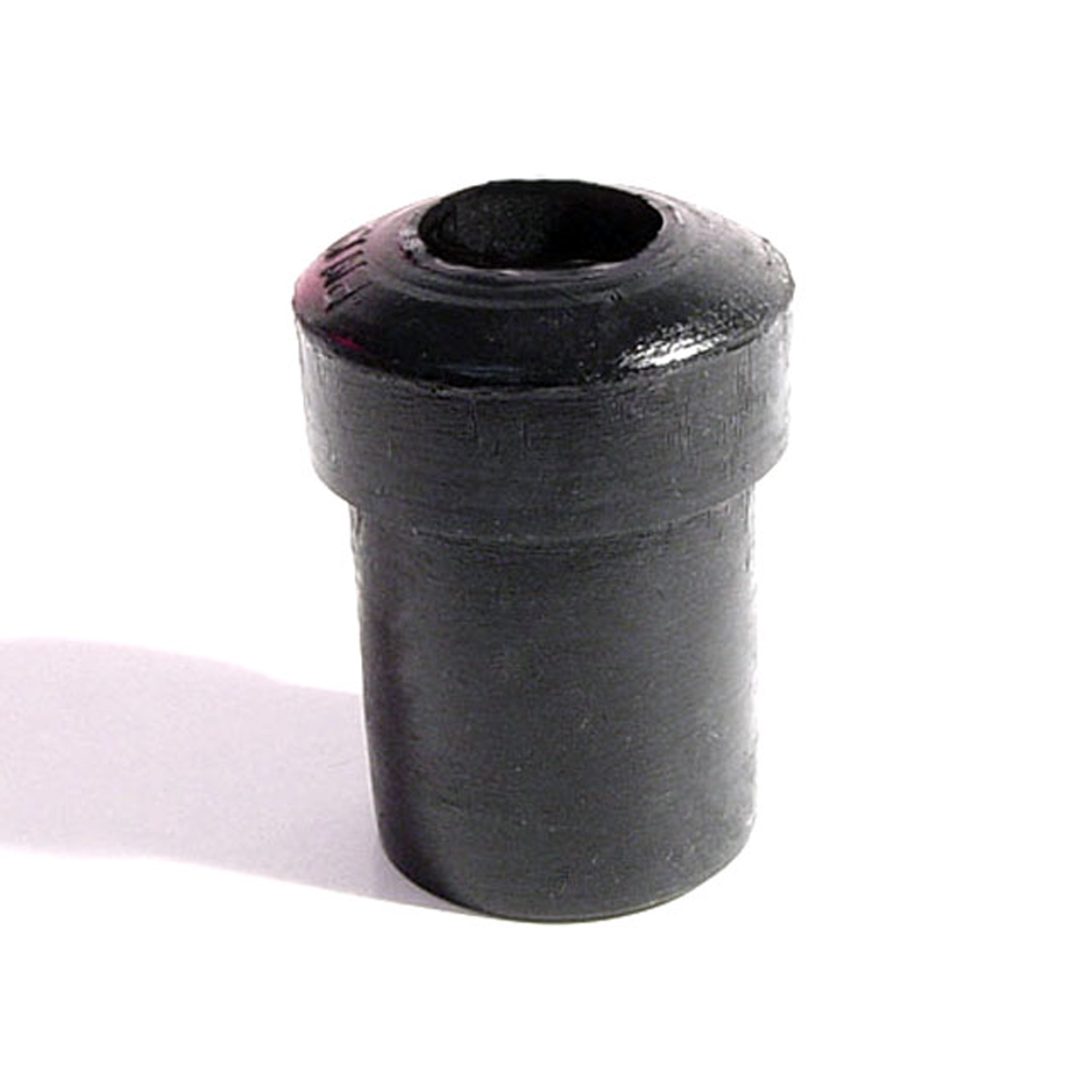 1957 Mercury Voyager Spring and Shackle Bushing. 7/8" bottom O.D-BN 19Spring and Shackle Bushing. 7/8" bottom O.D. X 1-1/4" high, with 1/2" I.D. Each
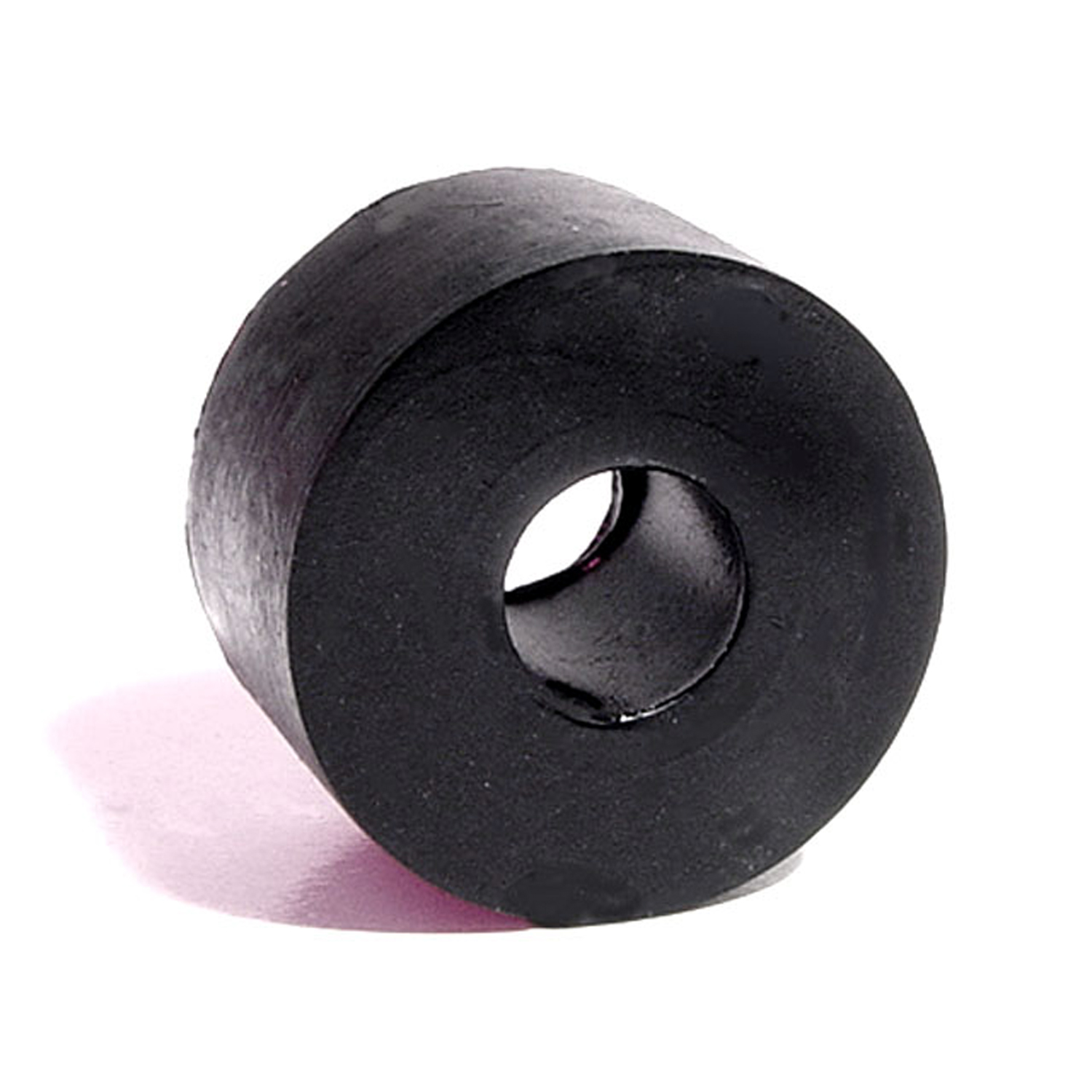 1957 Mercury Voyager Shock Absorber Grommet. 1" bottom O.D-BN 6Shock Absorber Grommet. 1" bottom O.D. X 1/2" high, with 3/8" I.D. Each
 1957 Mercury Voyager Hood Bumper. Each-HF 1Hood Bumper. Each
 1957 Mercury Voyager Front Fender Lower Rear Plug and Door Vent Adjustment Plug-SB 58-AFront Fender Lower Rear Plug and Door Vent Adjustment Plug. Fits 1-5/16" hole. Each
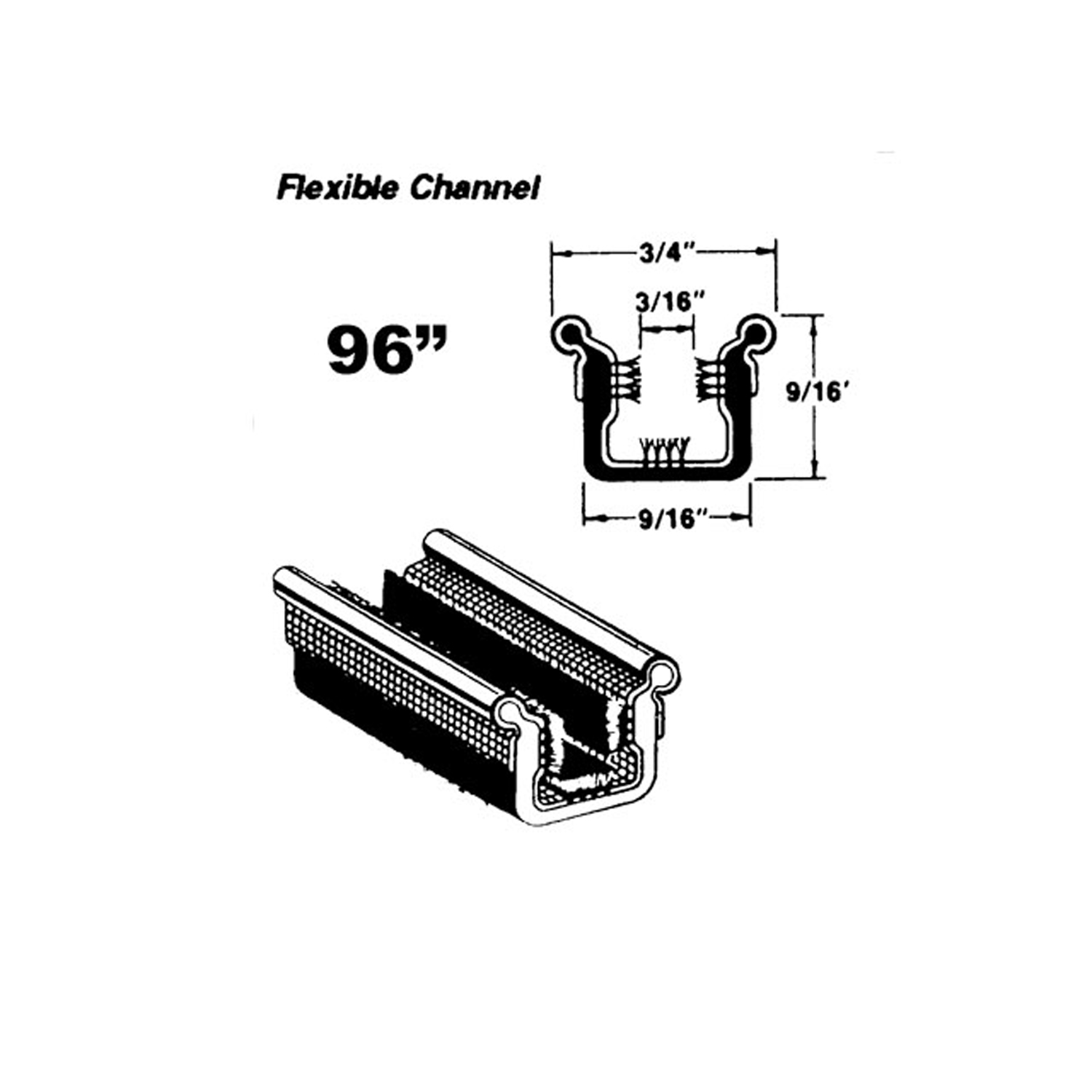 1957 Mercury Voyager Flexible window channel-WC 10-96Flexible window channel. Rubber covered with mohair lining and stainless steel bead. 96 in. long. Each. NOTE: $20 special shipping charge applies for domestic orders. Call or email for overseas shipping costs. Part can be sectioned in two or three equal lengths to reduce overseas shipping costs.
Why Choose Metro?
For over 100 years, Metro Moulded Parts has been the pinnacle of quality in classic car restoration parts. Our commitment to precision and authenticity in every component ensures a perfect fit and an OEM-level appearance.
- Expert Craftsmanship & Quality: Each part is a testament to our dedication to reliability and perfection, crafted from original designs and thoroughly tested.
- Advanced Technology: We use cutting-edge techniques to create flawless, long-lasting parts that surpass others in performance.
- SuperSoft Sponge – The Ultimate Door Seal: Not only are our door seals 30% softer than competitors', but they're also guaranteed to never leak. They effectively reduce wind and road noise, enhancing your classic car's comfort and driving experience.
- Proudly American: Our parts are a product of American craftsmanship, made in the USA with a spirit of excellence and heritage.
- Unrivaled Warranty: We back our products with a 30-year industry-leading warranty, a testament to our confidence in their quality.
Join us in preserving the legacy of classic cars with parts that are crafted for perfection, not just made.