

Image of 1961 Mercury Comet, Note: These illustrations use artistic license and may differ from actual historical models.
Performance Metrics
Fundamental Metrics
Emotional Appeal
MMP Rating
| Engine Specifications | |
|---|---|
| Engine Options: | 144 CID I6, 170 CID I6 |
| Displacement Range: | 144-170 cubic inches |
| Horsepower Range: | 85-101 hp |
| Torque: | 134-155 lb-ft |
| Compression Ratio: | 8.7:1 |
| Ignition System: | Conventional |
| Cooling System: | Liquid-cooled |
| Performance Specifications | |
| 0-60 Time: | 14-16 seconds |
| 1/4 Mile Time: | 19-21 seconds |
| Top Speed: | 90-95 mph |
| Transmission and Drive | |
| Drive Type: | Rear-wheel drive |
| Transmission Type: | 2-speed automatic, 3-speed manual |
| Fuel and Efficiency | |
| Fuel System Type: | Carburetor |
| MPG: | 20-25 mpg |
| Dimensions and Brakes | |
| Brakes: | Drum brakes |
| Wheelbase: | 114 inches |
| Weight: | 2,600-2,800 lbs |
Note: Specifications for classic cars are given to the best of our ability, considering the limited and variant data available.
1961 Mercury Comet: The Compact That Outlived the Edsel
The 1961 Mercury Comet brought a touch of Mercury polish to the new American compact, with a distinctive rear end, roomy cabin, and economical six-cylinder power. It also carried an unusual family history: the Comet began as a proposed Edsel, survived that brand’s collapse, and became one of Mercury’s most successful compact models.
Ford introduced the Comet for the 1960 model year, selling it through Lincoln-Mercury dealers without initially making Mercury part of its official name. For 1961, the Comet joined the Mercury lineup more formally. It shared its basic underpinnings with Ford’s Falcon, but its longer wheelbase, Mercury-specific trim, and more elaborate styling helped it feel like a distinct car rather than a simple badge swap.
That backstory gives the Comet a notable place in Ford history. It was meant to help fill a gap left by the Edsel, but instead it became a survivor in its own right. The 1961 model also introduced the sporty S-22 package, a trim-and-interior treatment that gave the practical compact a more youthful personality without turning it into a high-performance car.
Distinctive Styling and Cabin Details
The Comet’s design was tidy and recognizable, with a long, clean body, restrained chrome, and a formal front end that suited its Mercury showroom position. Its most memorable feature sat at the back: tall, sculpted taillights set high on the rear quarters, giving the car a distinctive “cat-eye” look. The rear styling made the Comet easy to tell apart from the more plainly finished Falcon, especially when viewed from behind.
Inside, the Comet offered the straightforward, durable layout expected of a compact from the early 1960s. The dashboard was broad and uncomplicated, with clear instruments and controls that were easy to reach. Depending on trim and options, buyers could get vinyl upholstery or cloth-and-vinyl combinations, along with upgraded trim and carpeting. The S-22 added sportier touches, including bucket seats and a floor console, giving its two-door sedan a more personal feel.
Available paint choices varied with the body style and trim, but buyers could choose from period solids and two-tone combinations. White, black, red, and blue or turquoise shades were among the colors that suited the Comet’s clean lines particularly well. Two-tone treatments were especially appealing on wagons, where contrasting body and roof colors emphasized the long roofline.
The 1961 range covered two- and four-door sedans, as well as two- and four-door station wagons. Mercury also offered the Villager wagon, a better-trimmed family model with distinctive exterior detailing. The two-door sedan became the natural choice for buyers who wanted a compact with a slightly sportier look, while the wagons made the Comet a practical alternative to larger family cars.
Compact-Car Innovation in Context
The Comet arrived as American manufacturers responded to growing interest in smaller, more economical cars. Its compact dimensions and six-cylinder engines helped it compete in a market that had long favored large, powerful domestic sedans. Yet it did not ask buyers to give up all the comfort and ornament they associated with a Mercury. That blend of economy and a more upscale presentation was central to its appeal.
Underneath, the Comet used unitized construction and a conventional, serviceable layout. Its front suspension used independent coil springs, while the rear axle rode on leaf springs. Drum brakes and recirculating-ball steering were typical for the era. These were not exotic engineering features, but they made the car a useful example of how American automakers were adapting familiar technology to lighter, more economical vehicles.
What set the Comet apart was the way it bridged Ford and Mercury. It shared basic engineering with the Falcon, but its longer proportions and extra trim gave it a more substantial appearance. The car helped establish the Comet as Mercury’s compact line, a role it would continue to fill for years. Its success also showed that buyers would consider a smaller car when it offered recognizable brand character and everyday usefulness.
Six-Cylinder Performance and Road Manners
The 1961 Comet was powered by an inline-six, not a V8. The standard engine was a 144-cubic-inch unit rated at about 90 horsepower. Buyers could also choose a 170-cubic-inch six producing roughly 101 horsepower. A three-speed manual transmission was available, along with an optional automatic transmission marketed as Merc-O-Matic. Exact equipment and ratings could vary by configuration and market.
Performance was modest by modern standards. A standard-engine Comet generally needed around 18 to 20 seconds to reach 60 mph, while a 170-equipped car could manage the run in roughly 16 to 18 seconds. Depending on engine, transmission, gearing, and condition, top speed was in the neighborhood of 85 to 95 mph. These are useful period-style estimates rather than guaranteed figures for every surviving car. The S-22 improved the look and cabin atmosphere, but it did not add a V8 or transform the Comet into a muscle car.
On the road, the Comet is best understood as a relaxed cruiser. Its suspension can feel soft over broken pavement, though worn shocks, bushings, and springs can make an old example wallow or bounce more than it should. The relatively light body is manageable on winding roads, but narrow period tires, drum brakes, and unassisted steering on some cars call for measured inputs. It is not built for sharp cornering or repeated hard stops.
From behind the wheel, the six-cylinder engine delivers a steady, workmanlike hum rather than a performance-car roar. The ride feels upright and uncomplicated, and the driver sits amid large windows and simple controls. A sound Comet can be pleasant in modern traffic at moderate speeds, but it rewards anticipation: leave room for braking, plan passes carefully, and avoid expecting contemporary acceleration.
Living With a 1961 Comet
Today, Comets are most often used as weekend cruisers, local show cars, and nostalgic family drivers. Wagons are particularly useful for vintage events and light hauling, while the S-22 appeals to owners who want the most distinctive cabin and sportier presentation from the 1961 range. The car’s straightforward mechanical design also makes it approachable for hobbyists who enjoy doing their own maintenance.
Many routine service parts for the Falcon-related six-cylinder drivetrain are shared with, or closely related to, parts used across other Ford products of the period. That can make basic engine and chassis work easier than sourcing parts for a rare, highly specialized model. However, Comet-specific trim, emblems, taillight pieces, and some body panels may take more searching. Rust is a key concern, particularly in floors, rocker panels, lower quarters, and wagon areas exposed to trapped moisture.
Before buying, check the car’s body and structure carefully, confirm which engine and transmission it has, and inspect the brakes, steering, and cooling system. A car that has sat unused may need fuel-system work, fresh rubber components, and a thorough brake overhaul even if the engine starts. Mechanical repairs are generally manageable; finding correct cosmetic parts and undoing old, poorly documented repairs can be the harder part.
Comet Facts and Common Misconceptions
The Comet’s Edsel connection is its best-known bit of trivia. It was conceived to serve the market position that the Edsel had been intended to occupy, but the Comet’s launch timing and its separate identity helped it escape the troubled brand’s fate. Its transition from a stand-alone name in 1960 to a Mercury model for 1961 makes the early cars especially interesting to collectors.
The S-22 is another detail worth knowing. It gave the Comet a sportier look and a more distinctive interior, but it was an appearance and comfort package, not a factory muscle package. Another common misconception is that the 1961 Comet could be ordered with a V8. The model-year lineup was six-cylinder only; V8 power arrived in the Comet range later.
The Comet is not generally remembered for a headline speed record or a major racing victory. Its achievement was more practical: it helped make the compact Mercury a lasting part of the brand’s lineup. Its main criticisms today are familiar ones for an early compact: modest acceleration, drum-brake stopping distances, limited high-speed comfort, and the challenge of finding some model-specific trim.
Collector Values and Availability
There is no single authoritative production figure that is consistently quoted for every 1961 Comet body style, but a reasonable estimate for total model-year production is about 190,000 to 200,000 cars. That makes the Comet a successful car in its day, not an inherently rare one. Survivors are much less common than the original production total suggests, especially in sound condition with complete trim.
As a broad U.S. market estimate, a project car may sell for around $5,000 to $10,000. A presentable driver often falls between $12,000 and $25,000, while a well-restored example can reach roughly $25,000 to $40,000 or more. Exceptional restorations, desirable S-22 cars, and attractive Villager wagons can command higher prices, though values depend heavily on originality, rust, documentation, and the quality of the work. These ranges are estimates, not appraisals, and actual sale prices can vary by region and season.
Values for early Comets have generally strengthened gradually as interest in less commonly celebrated American classics has grown. They remain more affordable than many muscle cars and rare Mercury models, which keeps them accessible to new collectors. The strongest examples are likely to hold their appeal, but condition and completeness matter far more than a seller’s claim that a particular car is rare.
Why the 1961 Comet Still Matters
The 1961 Mercury Comet combined compact-car practicality with enough Mercury character to stand apart from its Ford cousin. Its crisp styling, unusual Edsel-era origins, useful wagon choices, and approachable six-cylinder mechanics make it an appealing classic for owners who value history as much as horsepower.
It was never the fastest car on the road, and it was not meant to be. The Comet’s real accomplishment was showing that a smaller Mercury could be attractive, useful, and successful enough to earn a lasting place in the lineup. More than six decades later, that smart little escapee from the Edsel story remains a memorable piece of American automotive history.
1961 Mercury Comet Catalog of Parts
 1961 Mercury Comet Power Steering Stop Insulator. Die stamped. 1-7/16" O.D-BN 107-APower Steering Stop Insulator. Die stamped. 1-7/16" O.D., 1-1/16" I.D., .808 thick. Each
 1961 Mercury Comet Shock Absorber Grommet. 1-1/4" bottom O.D., 1" high-BN 12Shock Absorber Grommet. 1-1/4" bottom O.D., 1" high., with 3/4" I.D. Each
 1961 Mercury Comet Shock Absorber Grommet. 1" bottom O.D., 1-7/16" high-BN 3Shock Absorber Grommet. 1" bottom O.D., 1-7/16" high., with 5/8" I.D. Each
 1961 Mercury Comet Front Stabilizer Bar Bushings. Made of hard rubber-BN 32-BFront Stabilizer Bar Bushings. Made of hard rubber. 1-5/8" long X 1-7/8" wide X 1-5/8" high. Pair
 1961 Mercury Comet Stabilizer Bar Bushings-BN 32-DStabilizer Bar Bushings. 1-9/16" long X 1-1/2" wide X 1-5/8" high, 15/16" I.D. Pair
 1961 Mercury Comet Front stabilizer bar to frame bushings-BN 32-FFront stabilizer bar to frame bushings, '59-'66 Ford and Mercury passenger car, station wagon and sedan delivery models, pair. Replaces OEM # B9A-5493-B.
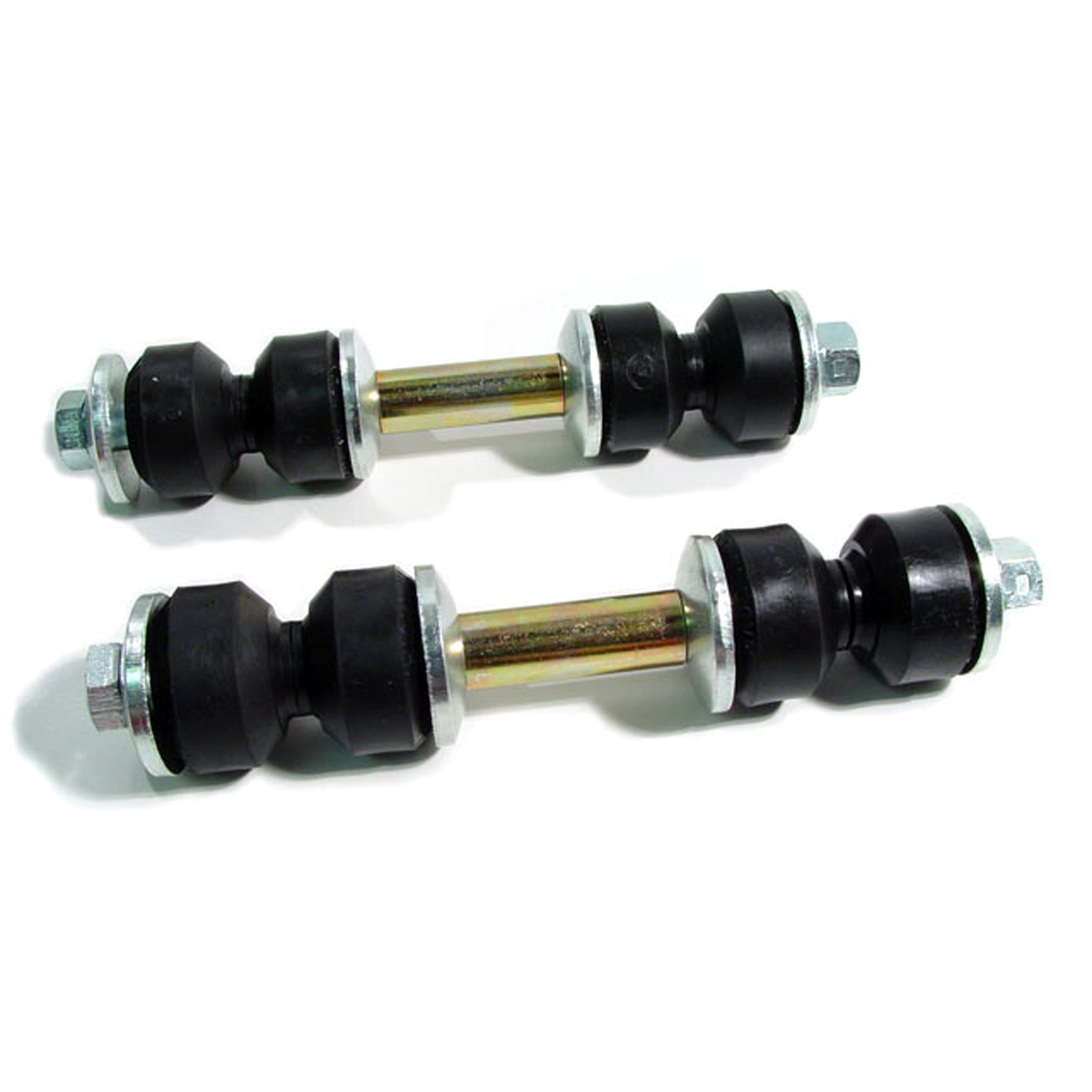 1961 Mercury Comet Front Stabilizer End Repair Kit-BNK 22Front Stabilizer End Repair Kit. 22-piece set for two stabilizer bars. Contains all rubber bushings, washers, bolts and nuts, enough for one front end. Set
 1961 Mercury Comet Hood Bumper. Made with steel core. Held by screw. Each-HF 40Hood Bumper. Made with steel core. Held by screw. Each
 1961 Mercury Comet Antenna Base Pad. 1-5/8" wide X 2-1/8" long. Each-MP 800-GAntenna Base Pad. 1-5/8" wide X 2-1/8" long. Each
 1961 Mercury Comet Generator Boot. Replaces OEM #C1AZ10170B-RP 2-FGenerator Boot. Replaces OEM #C1AZ10170B. Note: Notch may have to be cut by purchaser. Each
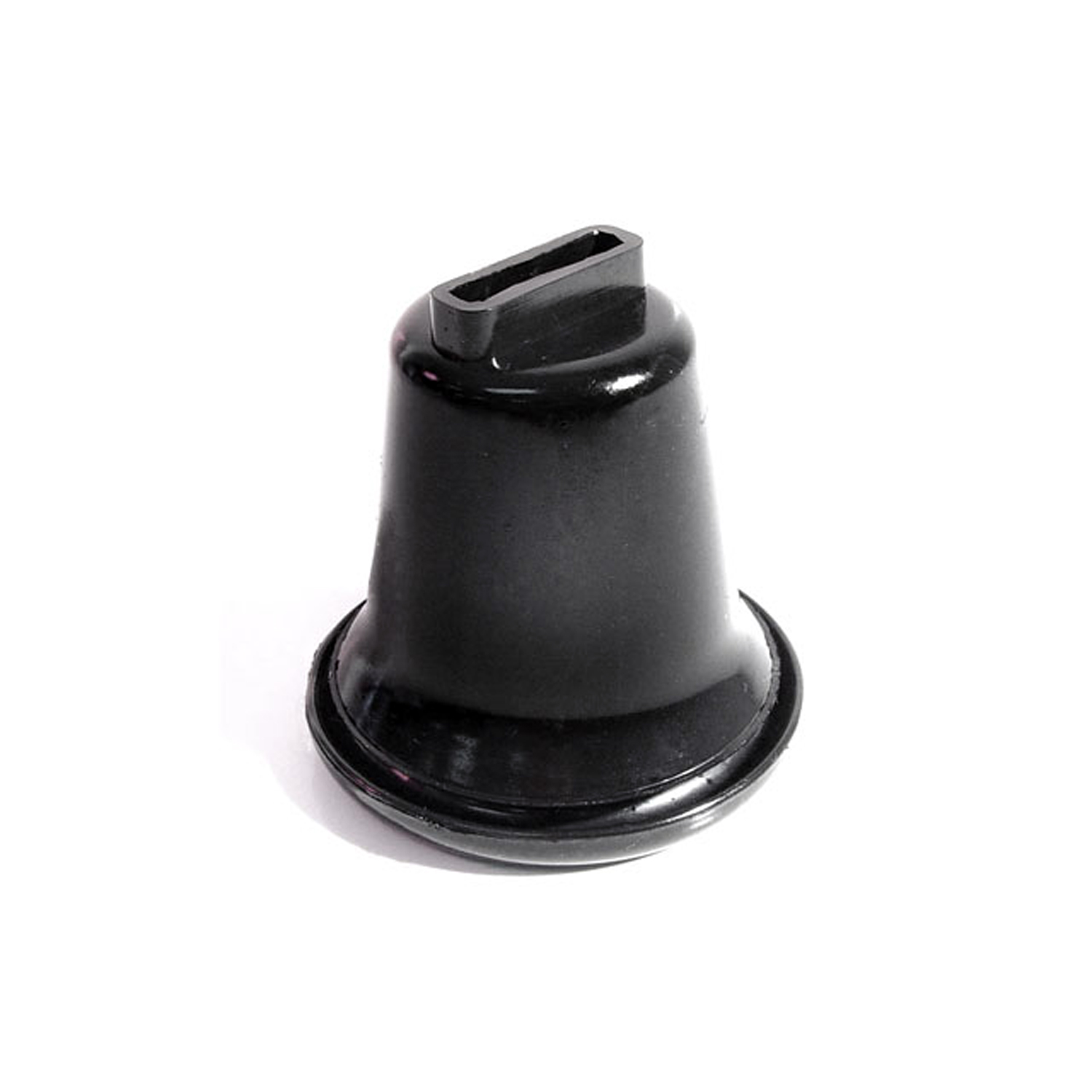 1961 Mercury Comet Brake Booster Boot. Each-RP 32-AABrake Booster Boot. Each
 1961 Mercury Comet Hood Bumper. Snap-in wire base like original. Each-SB 89-AHood Bumper. Snap-in wire base like original. Each
 1961 Mercury Comet Trunk Seal, 14'1" long. Fits all models except Fastback-TK 51-A/14Trunk Seal, 14'1" long. Fits all models except Fastback. Each
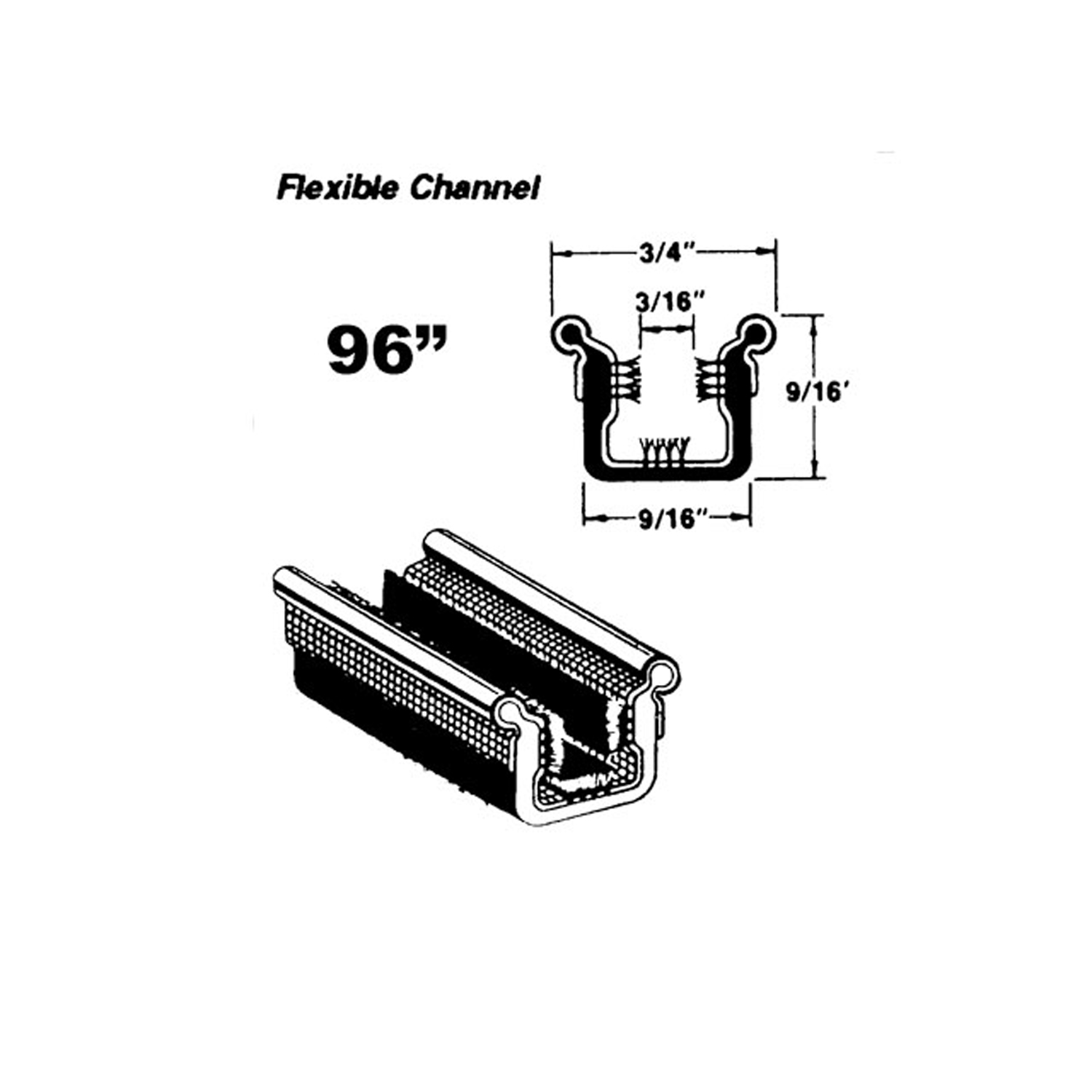 1961 Mercury Comet Flexible window channel-WC 10-96Flexible window channel. Rubber covered with mohair lining and stainless steel bead. 96 in. long. Each. NOTE: $20 special shipping charge applies for domestic orders. Call or email for overseas shipping costs. Part can be sectioned in two or three equal lengths to reduce overseas shipping costs.
 1961 Mercury Comet Flexible Sweeper. Made of rubber-WC 23-/FTFlexible Sweeper. Made of rubber. Seal for outside of side window. Sold by the foot
 1961 Mercury Comet Flexible Sweeper. Made of rubber-WC 23-48Flexible Sweeper. Made of rubber. Seal for outside of side window. 48" Piece. Each
 1961 Mercury Comet Flexible Sweeper. Made of rubber-WC 23-96Flexible Sweeper. Made of rubber. Seal for outside of side window. 96" Piece. each
Why Choose Metro?
For over 100 years, Metro Moulded Parts has been the pinnacle of quality in classic car restoration parts. Our commitment to precision and authenticity in every component ensures a perfect fit and an OEM-level appearance.
- Expert Craftsmanship & Quality: Each part is a testament to our dedication to reliability and perfection, crafted from original designs and thoroughly tested.
- Advanced Technology: We use cutting-edge techniques to create flawless, long-lasting parts that surpass others in performance.
- SuperSoft Sponge – The Ultimate Door Seal: Not only are our door seals 30% softer than competitors', but they're also guaranteed to never leak. They effectively reduce wind and road noise, enhancing your classic car's comfort and driving experience.
- Proudly American: Our parts are a product of American craftsmanship, made in the USA with a spirit of excellence and heritage.
- Unrivaled Warranty: We back our products with a 30-year industry-leading warranty, a testament to our confidence in their quality.
Join us in preserving the legacy of classic cars with parts that are crafted for perfection, not just made.