

Image of 1961 Mercury Meteor, Note: These illustrations use artistic license and may differ from actual historical models.
Performance Metrics
Fundamental Metrics
Emotional Appeal
MMP Rating
| Engine Specifications | |
|---|---|
| Engine: | 223 CID Mileage Maker I6, 292 CID Y-block V8, 352 CID FE V8 |
| Displacement: | 223-352 CID |
| Horsepower: | 135-300 HP |
| Torque: | 206-381 lb-ft |
| Compression Ratio: | 8.4:1 - 8.9:1 |
| Ignition System: | Conventional |
| Cooling System: | Liquid-cooled |
| Performance Specifications | |
| 0-60 Time: | Estimated 10-12 seconds |
| 1/4 Mile Time: | Estimated 17-19 seconds |
| Top Speed: | 105-120 mph |
| Transmission and Drive | |
| Drive Type: | Rear-wheel drive |
| Transmission Type: | 3-speed manual, 2-speed automatic, 3-speed automatic |
| Fuel and Efficiency | |
| Fuel System Type: | Carburetor |
| MPG: | Estimated 10-15 mpg |
| Dimensions and Brakes | |
| Brakes: | Drum brakes |
| Wheelbase: | 119 inches |
| Weight: | 3,200-3,600 lbs |
Note: Specifications for classic cars are given to the best of our ability, considering the limited and variant data available.
1961 Mercury Meteor: A New Kind of Mercury
The 1961 Mercury Meteor brought Mercury style to a lower price point, giving buyers a full-size American car with a little more polish than a basic Ford. Built by the Ford Motor Company, it was introduced as a new entry-level Mercury series for the U.S. market. Its timing mattered: after the late-1950s boom in oversized cars and ornate styling, Detroit was moving toward cleaner shapes and more carefully tiered model ranges.
The Meteor name has a twist in its history. Canadian buyers had known Meteor as a Ford-based car line for years, but the U.S. Mercury Meteor was a different product, positioned within the Mercury family. The 1961 model was its first U.S. appearance, and it would soon change character: in 1962, the Meteor name moved to a smaller, intermediate-sized Mercury. That makes the 1961 car a one-year example of the name applied to a full-size Mercury.
1961 Meteor Styling and Body Styles
Mercury’s 1961 full-size design was lower, cleaner, and less flamboyant than many cars of the late 1950s. The Meteor had a broad front end, a wide grille, paired headlights, and a long hood that flowed into gently sculpted sides. Its tail was comparatively restrained, with modest rear fins and crisp horizontal details rather than towering tailfins. The overall effect was still unmistakably American, but more composed than the chrome-heavy cars that had come before it.
Buyers could choose from a range of sedan, hardtop, and station-wagon configurations, with availability depending on series and equipment. Two-door and four-door sedans emphasized value and practicality, while hardtops offered a more stylish, pillarless look. The wagons brought the Meteor’s full-size cabin and cargo space into family and vacation duty. The exact body-style mix is less familiar today than the better-known Monterey and Montclair ranges, which helps make surviving Meteors an interesting find.
Period paint choices included conservative whites, blacks, silvers, and darker shades alongside brighter reds, blues, and turquoise tones. Two-tone treatments suited the car’s long body particularly well. Red or turquoise paired with white made for a striking show-car look, while darker single colors gave the Meteor a more formal appearance. Paint names and combinations varied by production schedule and trim.
Cabin Comfort and 1961 Features
Inside, the Meteor was designed to feel like a proper Mercury without the cost of a more lavish model. The cabin offered a broad front bench seat, generous passenger room, and a wide dashboard with clear, period-style instrumentation. Materials were appropriate to its price class: durable cloth and vinyl upholstery, painted or textured trim, and bright metal accents. Higher equipment levels could add richer upholstery and additional convenience features.
Power steering, power brakes, a radio, heater, and automatic transmission were among the comfort and convenience options buyers could specify, depending on configuration. Many cars used a three-speed manual transmission, while Mercury’s Merc-O-Matic automatic appealed to drivers who wanted easier city cruising. By modern standards the Meteor’s technology was straightforward. It had no electronic driver aids or complex engine management, but that simplicity is part of its appeal to owners who enjoy hands-on maintenance.
Why the Meteor Mattered
The 1961 Meteor was significant less for a revolutionary invention than for its place in Mercury’s strategy. It gave the division a lower-priced full-size offering at a time when buyers were comparing value, equipment, and operating costs more closely. The Meteor helped Mercury reach customers who wanted a step up from a Ford but did not need, or could not justify, a more expensive Mercury series.
Its styling also reflected the industry’s broader shift toward cleaner, more restrained design. The car retained the long proportions and comfort expected of a full-size American model, but its surfaces were less exaggerated than those of many late-1950s predecessors. The Meteor was not a design trendsetter on the scale of a landmark sports car, yet it captures an important transition in American automotive styling and marketing.
One distinction matters when researching or buying one: a 1961 U.S. Mercury Meteor is not the same car as a Canadian Meteor from the same period. Their shared name can lead to confusion in old advertisements, parts listings, and online discussions. Always check the market of origin and the car’s identification details before ordering parts.
Engine Performance and Road Manners
Engine availability depended on series and equipment. Six-cylinder power was offered for buyers focused on economy, while V8s provided the more effortless acceleration most people associate with a full-size Mercury. Commonly listed choices included a 223-cubic-inch six and V8 engines such as the 292 and 352. Exact horsepower figures varied by engine, carburetion, and factory rating method, so the vehicle’s data plate and original sales literature are the best guides to a particular car.
As a broad period-performance estimate, a six-cylinder Meteor could take roughly 15 to 18 seconds to reach 60 mph, while a V8 car might manage the run in about 11 to 14 seconds. A well-equipped V8 example could approach 100 mph, with actual top speed affected by engine, gearing, condition, and tires. These are estimates rather than universal test results: a 65-year-old car’s current performance depends heavily on how well it has been maintained or restored.
On the road, the Meteor favors relaxed cruising over sharp, sporty responses. Its long wheelbase helps it settle over ordinary pavement, and the soft suspension absorbs road imperfections in the comfortable manner expected of a full-size American car of the era. On a winding road, the body leans and the steering feels less precise than a modern car’s. Crosswinds and rough pavement ask for a steady hand, especially if the suspension, steering box, or tires are worn.
The driving experience is pleasantly direct. The engine’s low, even V8 burble, the broad bench seat, and the long hood give the car an unhurried character. With manual steering and brakes, the driver works harder at parking and in heavy traffic. Power-assisted equipment makes the car easier to manage, while a Merc-O-Matic suits relaxed highway travel. Either way, a Meteor is best enjoyed at a classic-car pace rather than driven like a modern performance sedan.
Living With a 1961 Meteor
Today, the Meteor is most often used as a weekend cruiser, local-show car, or vintage-tour vehicle. A sound example can handle occasional longer trips, but regular daily use calls for careful attention to cooling, brakes, tires, lighting, and electrical connections. Older cars need more frequent inspection than a modern commuter, particularly before highway driving.
Mechanical work is approachable for a capable home mechanic. The engines and basic systems are from an era before computerized controls, and many service procedures are straightforward. Some Ford-family mechanical parts may be shared with related models, but that should never be assumed. Mercury-specific trim, body pieces, interior details, and Meteor badges can be much harder to locate than routine service items. Rust in the floors, lower body panels, trunk, and structural areas can turn an otherwise simple project into an expensive restoration.
Facts, Rarity, and Common Criticisms
The Meteor’s most useful piece of trivia is its name’s double life. The Canadian Meteor and the U.S. Mercury Meteor were not interchangeable versions of the same car. Another notable detail is the brevity of the Meteor’s full-size U.S. role: by 1962, the name had shifted to a smaller Mercury, making the 1961 model a distinctive first-year, full-size chapter.
The car is not known for a major speed record or a headline-grabbing racing achievement. Its significance is more everyday and historical: it represents Mercury’s effort to broaden its appeal during a changing market. Common criticisms are also typical of full-size cars of the period. The Meteor is large, thirsty by modern standards, and less nimble than a smaller car. Its soft ride and simple technology are advantages for cruising, but they are not a match for modern handling, braking, or fuel economy.
Production figures for the Meteor are not consistently presented as a single, easy-to-verify total across all body styles and series. A reasonable broad estimate for U.S. 1961 Meteor production is roughly 50,000 to 75,000 cars, but treat that as an informed estimate rather than an official count. Surviving examples are uncommon compared with popular Ford models of the era, and clean, complete cars are less frequently encountered than projects.
Collector Values and Market Outlook
Values depend greatly on body style, originality, rust, and the quality of any restoration. As a general U.S. market guide, a rough project might sell for about $5,000 to $12,000. A usable driver could fall around $12,000 to $25,000, while a very good, well-presented example may reach roughly $25,000 to $40,000 or more. Exceptional restorations and especially desirable configurations can exceed those ranges, while incomplete or heavily corroded cars may sell for less.
These figures are broad estimates, not a formal appraisal. The Meteor’s lower profile among collectors means it typically does not command the prices of a rare muscle car or a high-demand convertible. Its market is niche, and condition often matters more than ambitious restoration spending. Over time, values have generally followed the wider classic-car market, with the best-preserved cars holding interest better than ordinary drivers. A well-bought Meteor is most attractive to someone who values its character, not someone expecting a guaranteed investment return.
A Full-Size Mercury With a Short U.S. Chapter
The 1961 Mercury Meteor combines full-size comfort, restrained early-1960s styling, and straightforward mechanicals in a model that is easy to overlook beside the better-known Mercury nameplates. It was a practical addition to the lineup, but its brief life as a U.S. full-size car gives it a distinct place in Mercury history. For collectors who appreciate uncommon cruisers and the turning point between 1950s excess and 1960s restraint, the Meteor is a quietly compelling classic.
1961 Mercury Meteor Catalog of Parts
 1961 Mercury Meteor Power Steering Stop Insulator. Die stamped. 1-7/16" O.D-BN 107-APower Steering Stop Insulator. Die stamped. 1-7/16" O.D., 1-1/16" I.D., .808 thick. Each
 1961 Mercury Meteor Shock Absorber Grommet. 1-1/4" bottom O.D., 1" high-BN 12Shock Absorber Grommet. 1-1/4" bottom O.D., 1" high., with 3/4" I.D. Each
 1961 Mercury Meteor Shock Absorber Grommet. 1" bottom O.D., 1-7/16" high-BN 3Shock Absorber Grommet. 1" bottom O.D., 1-7/16" high., with 5/8" I.D. Each
 1961 Mercury Meteor Stabilizer Bar Bushings-BN 32-DStabilizer Bar Bushings. 1-9/16" long X 1-1/2" wide X 1-5/8" high, 15/16" I.D. Pair
 1961 Mercury Meteor Hood Bumper. Made with steel core. Held by screw. Each-HF 40Hood Bumper. Made with steel core. Held by screw. Each
 1961 Mercury Meteor Generator Boot. Replaces OEM #C1AZ10170B-RP 2-FGenerator Boot. Replaces OEM #C1AZ10170B. Note: Notch may have to be cut by purchaser. Each
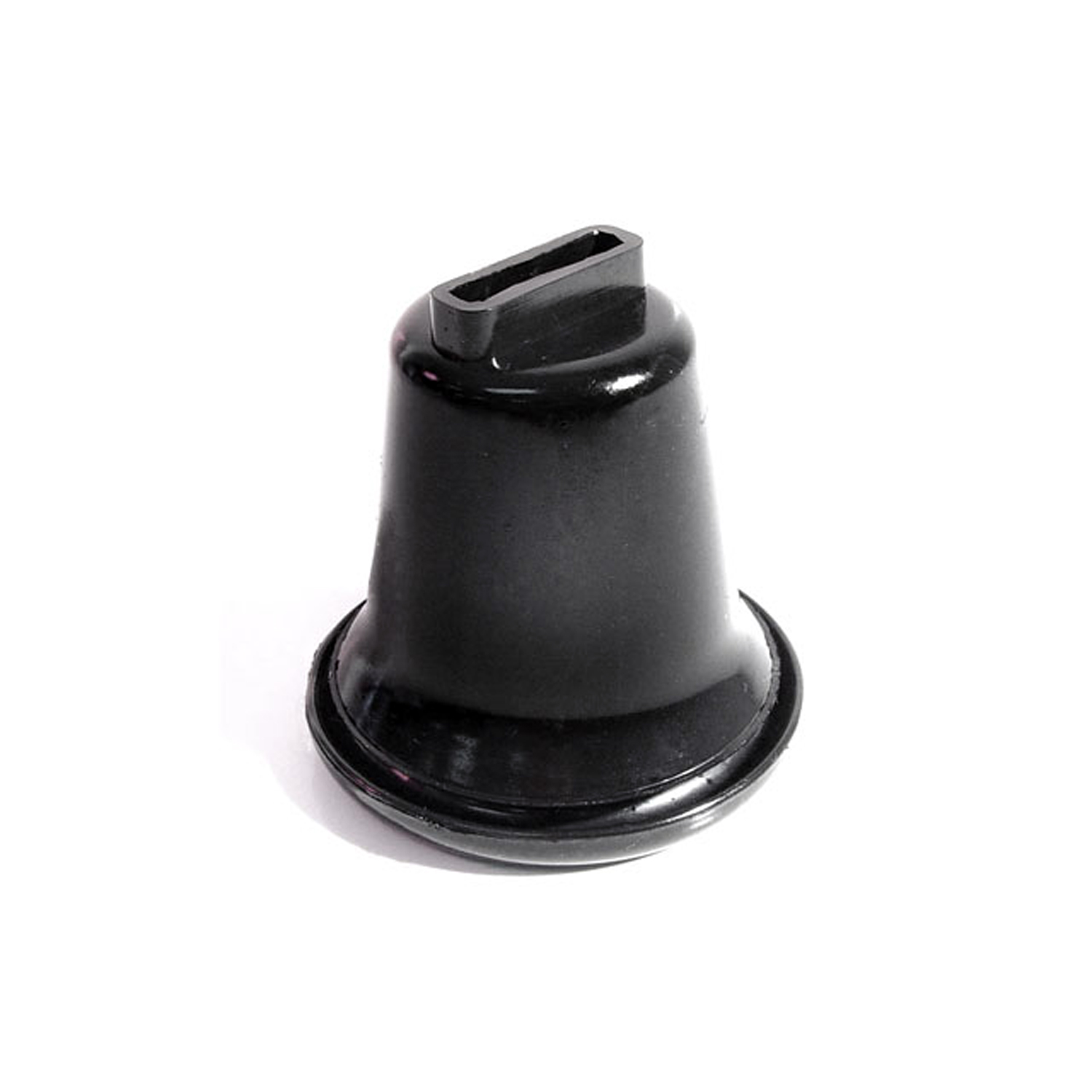 1961 Mercury Meteor Brake Booster Boot. Each-RP 32-AABrake Booster Boot. Each
 1961 Mercury Meteor Hood Bumper. Snap-in wire base like original. Each-SB 89-AHood Bumper. Snap-in wire base like original. Each
 1961 Mercury Meteor Vertical Vent Seals-VS 6-DVertical Vent Seals. Fits 2 & 4 door sedans and station wagons. Pair
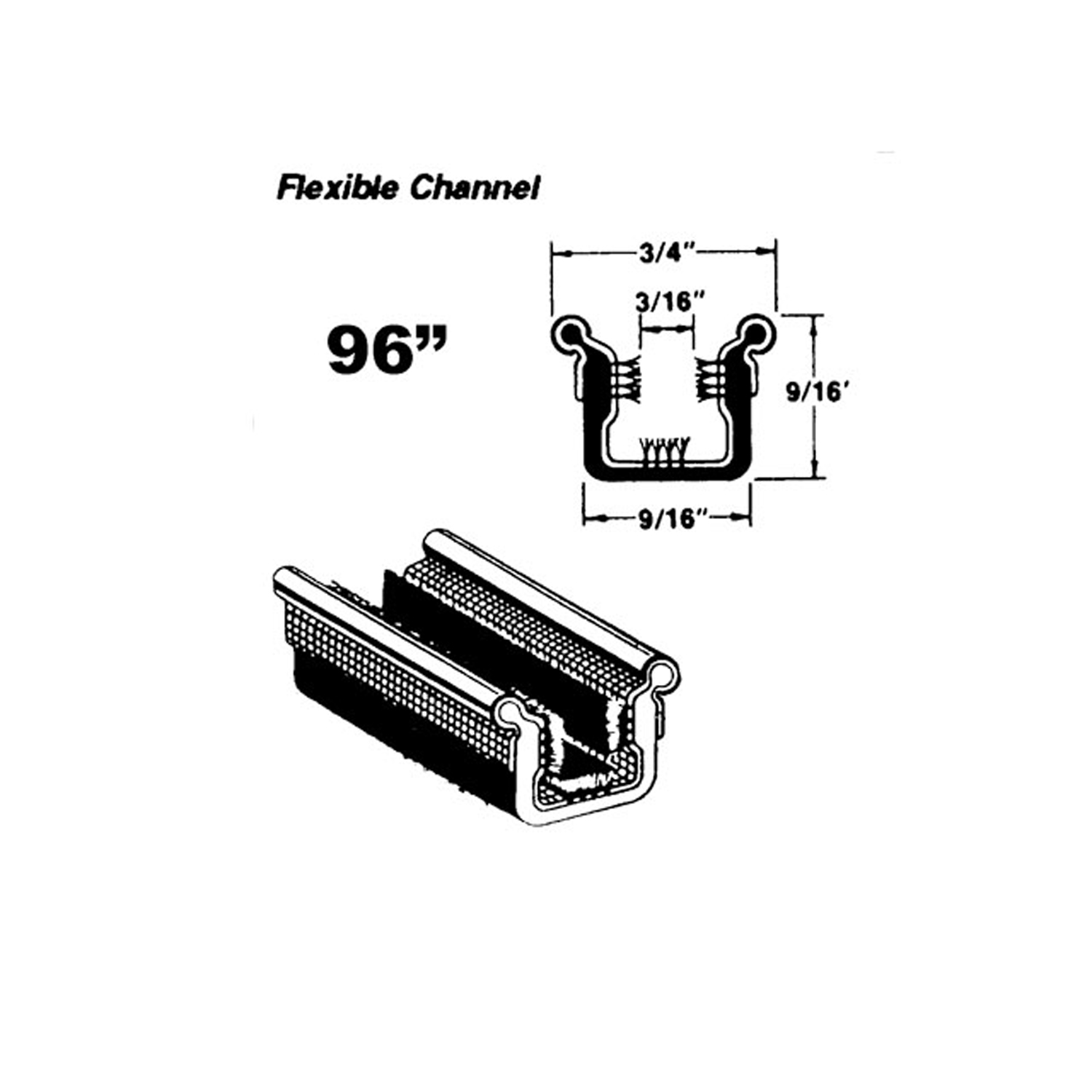 1961 Mercury Meteor Flexible window channel-WC 10-96Flexible window channel. Rubber covered with mohair lining and stainless steel bead. 96 in. long. Each. NOTE: $20 special shipping charge applies for domestic orders. Call or email for overseas shipping costs. Part can be sectioned in two or three equal lengths to reduce overseas shipping costs.
 1961 Mercury Meteor Flexible Sweeper. Made of rubber-WC 23-/FTFlexible Sweeper. Made of rubber. Seal for outside of side window. Sold by the foot
 1961 Mercury Meteor Flexible Sweeper. Made of rubber-WC 23-48Flexible Sweeper. Made of rubber. Seal for outside of side window. 48" Piece. Each
 1961 Mercury Meteor Flexible Sweeper. Made of rubber-WC 23-96Flexible Sweeper. Made of rubber. Seal for outside of side window. 96" Piece. each
Why Choose Metro?
For over 100 years, Metro Moulded Parts has been the pinnacle of quality in classic car restoration parts. Our commitment to precision and authenticity in every component ensures a perfect fit and an OEM-level appearance.
- Expert Craftsmanship & Quality: Each part is a testament to our dedication to reliability and perfection, crafted from original designs and thoroughly tested.
- Advanced Technology: We use cutting-edge techniques to create flawless, long-lasting parts that surpass others in performance.
- SuperSoft Sponge – The Ultimate Door Seal: Not only are our door seals 30% softer than competitors', but they're also guaranteed to never leak. They effectively reduce wind and road noise, enhancing your classic car's comfort and driving experience.
- Proudly American: Our parts are a product of American craftsmanship, made in the USA with a spirit of excellence and heritage.
- Unrivaled Warranty: We back our products with a 30-year industry-leading warranty, a testament to our confidence in their quality.
Join us in preserving the legacy of classic cars with parts that are crafted for perfection, not just made.