

Image of 1962 Mercury Commuter, Note: These illustrations use artistic license and may differ from actual historical models.
Performance Metrics
Fundamental Metrics
Emotional Appeal
MMP Rating
| Engine Specifications | |
|---|---|
| Engine: | 223 CID I6, 292 CID V8, 352 CID V8, 390 CID V8 |
| Displacement: | 223-390 cubic inches |
| Horsepower: | 138-300 hp |
| Torque: | 217-427 lb-ft |
| Compression Ratio: | 8.4:1 - 10.6:1 |
| Ignition System: | Conventional breaker-point ignition system |
| Cooling System: | Liquid-cooled |
| Performance Specifications | |
| 0-60 Time: | Estimated 10-12 seconds |
| 1/4 Mile Time: | Estimated 17-19 seconds |
| Top Speed: | 105-120 mph |
| Transmission and Drive | |
| Drive Type: | Rear-wheel drive |
| Transmission Type: | 3-speed manual, 3-speed automatic |
| Fuel and Efficiency | |
| Fuel System Type: | Carburetor |
| MPG: | Estimated 10-15 mpg |
| Dimensions and Brakes | |
| Brakes: | Drum brakes |
| Wheelbase: | 119 inches |
| Weight: | 3,600-4,000 lbs |
Note: Specifications for classic cars are given to the best of our ability, considering the limited and variant data available.
1962 Mercury Commuter: The Full-Size Family Hauler
The 1962 Mercury Commuter was built for families who needed room for people, luggage, and one more stop on the way home. Produced by Ford Motor Company’s Mercury division, it was a full-size station wagon positioned between a mainstream Ford and a more lavish Mercury Colony Park. Its appeal was straightforward: generous space, V8 power, and a more restrained look than the woodgrain-trimmed wagons that often get the spotlight today.
The Commuter arrived at an important moment in American motoring. The postwar station wagon had become a practical alternative to the sedan, serving families, businesses, and road-trippers well before the modern SUV existed. A distinctive detail of the Mercury range is that the Commuter offered wagon practicality without the Colony Park’s imitation wood exterior trim. That cleaner presentation makes it a less familiar, but appealing, choice among early-1960s full-size wagons.
Clean Mercury Styling and Practical Details
Mercury’s 1962 design was broad and relatively restrained, with a long hood, straight-sided body, and crisp horizontal lines. The front end wore a wide grille and prominent headlamps, while the wagon’s extended roof and large side glass emphasized its useful interior. Bright trim added polish without overwhelming the bodywork. At the rear, a broad tailgate made the cargo area accessible for everything from groceries to vacation luggage.
The Commuter’s cabin was designed around durability and space rather than luxury. Depending on the equipment and trim, buyers could find cloth and vinyl upholstery, a broad front bench seat, and straightforward controls. The cargo area was the real attraction: foldable or removable seating arrangements could turn the wagon into a people-mover or a long, useful load carrier. Mercury offered six-passenger and, in some configurations, nine-passenger layouts, with the latter adding a rear-facing third seat.
Available equipment varied by car, but period options included an automatic transmission, power steering, power brakes, radio, and air conditioning. These were not exotic technologies, yet they could make a large wagon considerably easier to live with. The 1962 Commuter did not rely on a novel gadget to stand out. Its innovation was the combination of full-size carrying capacity and an accessible place in Mercury’s lineup.
Factory paint choices varied by year and production schedule. Buyers could choose from subdued whites, grays, greens, blues, and other period colors, often paired with a contrasting or coordinated interior. Light colors suit the Commuter’s long body particularly well, while darker blues and greens give it a more formal, upscale appearance. Unlike the Colony Park, the Commuter’s visual identity was not tied to simulated woodgrain.
Wagon Body Styles and Seating
The 1962 Commuter was a station wagon rather than a separate sedan model. The range included two-door and four-door wagon configurations, with seating and passenger capacity dependent on the body style. The four-door wagon is often the most recognizable family-hauler version, while a nine-passenger configuration adds an especially period-correct touch. The Colony Park sat above it as Mercury’s more luxurious, wood-trimmed wagon.
For shoppers comparing Mercury wagons, the distinction was simple: the Commuter favored value and utility, while the Colony Park added a more decorative, upscale presentation. That made the Commuter a practical choice for buyers who wanted Mercury size and comfort without paying for the top wagon’s extra trim.
Where the Commuter Fits in Mercury History
The Commuter reflects a time when automakers offered several wagon trim levels to suit different budgets and tastes. Mercury occupied the middle ground in Ford Motor Company’s brand ladder, and the Commuter helped carry that idea into the station wagon market. It gave buyers a full-size Mercury with everyday usefulness, while the Colony Park served customers looking for a more luxurious statement.
Its influence was less about introducing a single breakthrough than about representing the American wagon at its height. Long roofs, multiple seating rows, and large cargo areas were essential family-car features before minivans and SUVs took over those roles. The Commuter’s clean, non-woodgrain appearance also shows that not every premium wagon of the period needed a faux-country-club look.
There is no widely recognized speed, endurance, or sales record associated specifically with the 1962 Commuter. Its significance is more everyday and, in some ways, more revealing: it was part of the practical transportation that carried families across a rapidly expanding postwar America.
352 V8 Power and Road Manners
Most 1962 Commuters were equipped with a 352-cubic-inch V8, rated at about 220 horsepower in common specifications. A larger 390-cubic-inch V8 was available in some Mercury configurations, though equipment and availability depended on the exact car. A three-speed manual transmission was offered, while Mercury’s Merc-O-Matic automatic was a popular choice for buyers who wanted relaxed driving.
Mercury did not publish a single universal acceleration or top-speed figure for every Commuter configuration, and period performance varied with engine, transmission, axle ratio, passenger load, and condition. As a broad estimate, a healthy 352-powered wagon might take roughly 11 to 13 seconds to reach 60 mph. A plausible top-speed range is around 100 to 110 mph, though that should be treated as an estimate rather than a factory guarantee. These numbers describe a comfortable family wagon, not a muscle car.
On the road, the Commuter feels substantial. The V8 delivers a low, steady rumble and enough torque for ordinary traffic and highway cruising. The automatic-equipped car is best enjoyed with an easy throttle, allowing the engine to move the wagon without constant effort. Expect a soft ride over broken pavement, with the long wheelbase smoothing out many bumps. On winding roads, the car’s size, body roll, and period tires call for measured steering inputs rather than quick direction changes. Crosswinds and a full passenger load can also make the wagon feel less nimble than a modern vehicle.
The driving experience is part of its charm. The bench seat, broad hood, large steering wheel, and gentle V8 soundtrack create a distinctly early-1960s feel. It is a car for unhurried cruising, not aggressive cornering or rapid acceleration.
Living With a 1962 Mercury Commuter
Today, a Commuter is most at home as a weekend cruiser, show car, or vintage family hauler. Some owners use their wagons for local errands and road trips, but daily driving depends on the car’s mechanical condition and the owner’s tolerance for older-car fuel economy, drum-brake stopping distances, and less modern safety equipment. It is not a natural racing candidate, although a sound V8 wagon can certainly keep pace with ordinary traffic.
Many mechanical components are related to other Ford and Mercury products of the era, which can make routine service manageable for an experienced home mechanic. Tune-ups, brake work, and many engine repairs follow familiar 1960s American-car practices. The bigger challenge is often finding correct wagon-specific trim, glass, tailgate components, interior pieces, and rust-free body panels. Before buying, inspect the floors, frame and body mounting areas, rocker panels, tailgate, and lower quarters. A wagon that spent years outdoors may hide corrosion beneath trim or inside its load area.
Reliability depends more on maintenance and restoration quality than on the badge. A properly serviced V8 and transmission can provide enjoyable cruising, but a neglected example may need substantial work. Check the cooling system, brakes, steering, suspension bushings, wiring, and automatic-transmission behavior before planning a long trip.
Commuter Trivia and Common Complaints
The Commuter name itself neatly described the car’s mission: useful transportation for workdays and family life, with room for more than a sedan could comfortably carry. Its closest visual contrast within Mercury’s wagon range was the Colony Park, whose woodgrain-look exterior made it the more conspicuous choice. The Commuter’s simpler appearance is now a point of distinction for collectors who prefer an understated wagon.
There are no widely documented celebrity associations or famous historical-event appearances that define the 1962 Commuter. Its strongest claim to fame is its role in the pre-minivan, pre-SUV era, when a full-size wagon was a common answer to the question of how to move a large family and its luggage.
Common criticisms are typical of the period: fuel consumption is high by modern standards, the car is large to park, and handling is soft compared with newer vehicles. Parts specific to the wagon can also take patience to locate. In return, owners get a spacious cabin, classic V8 character, and a body style that is increasingly uncommon on today’s roads.
Collector Value and Rarity
Production totals for individual 1962 Commuter body and seating configurations are not consistently reported in commonly available references. A reasonable working estimate is roughly 20,000 to 30,000 Commuters across the model year, but this should be treated as an informed approximation rather than a confirmed factory total. Surviving cars are much less common than the estimate might suggest, especially in original condition with complete wagon-specific trim.
As a broad U.S. market guide for 2026, a project or rough driver might sell for about $5,000 to $12,000. A presentable, roadworthy example could fall around $12,000 to $25,000, while a high-quality restoration may reach approximately $25,000 to $40,000 or more, depending on originality, condition, engine, and documentation. Exceptional cars can exceed those ranges, but wagons often attract a narrower buyer pool than the most desirable performance models.
Values have generally benefited from renewed interest in classic wagons, though the Commuter remains more affordable than many famous muscle cars and luxury wagons. Prices are best understood as condition-driven rather than guaranteed to rise. A well-preserved example with correct parts is likely to be easier to sell than an ambitious restoration needing extensive rust repair.
Why the 1962 Commuter Still Matters
The 1962 Mercury Commuter combined full-size comfort, V8 power, and genuine carrying capacity in a cleanly styled package. It was not the flashiest Mercury wagon, nor was it designed to set speed records. Its appeal lies in what it did exceptionally well: move people and their belongings in the spacious, relaxed manner that defined American motoring before the SUV age.
For collectors, the Commuter offers a less obvious route into early-1960s Mercury ownership. For everyone else, it is a reminder that a family car could be imposing, practical, and full of character all at once. The Commuter may have been built for ordinary journeys, but surviving examples make those journeys feel anything but ordinary.
1962 Mercury Commuter Catalog of Parts
 1962 Mercury Commuter Shock Absorber Grommet. 1" bottom O.D-BN 11Shock Absorber Grommet. 1" bottom O.D., 3/4" high, with 5/8" I.D. Each
 1962 Mercury Commuter Shock Absorber Grommet. 1-1/4" bottom O.D., 1" high-BN 12Shock Absorber Grommet. 1-1/4" bottom O.D., 1" high., with 3/4" I.D. Each
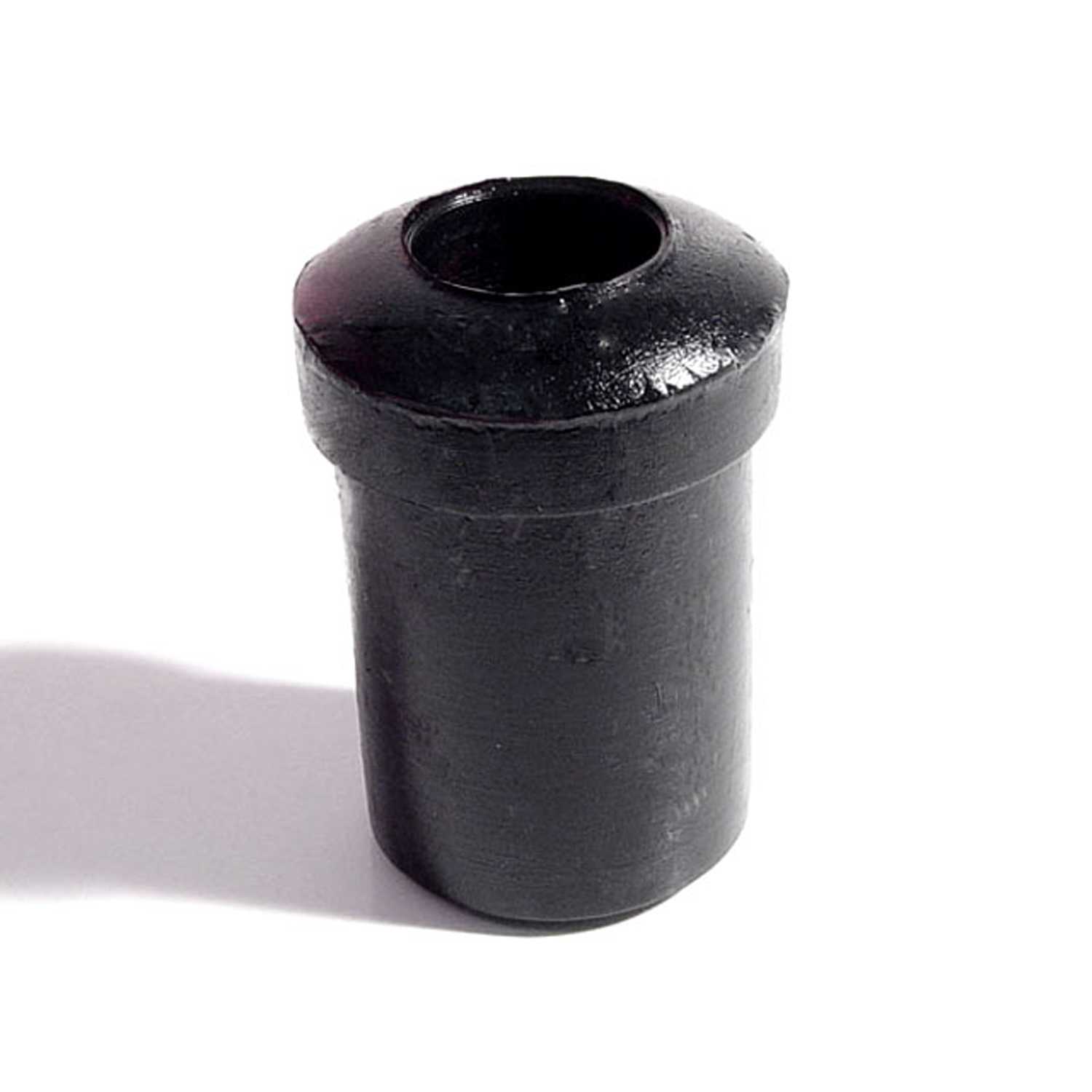 1962 Mercury Commuter Spring and Shackle Bushing. 1" bottom O.D-BN 20Spring and Shackle Bushing. 1" bottom O.D. X 1-5/8" high, with 9/16" I.D. Each
 1962 Mercury Commuter Shock Absorber Grommet. 1" bottom O.D., 1-7/16" high-BN 3Shock Absorber Grommet. 1" bottom O.D., 1-7/16" high., with 5/8" I.D. Each
 1962 Mercury Commuter Stabilizer Bar Bushings-BN 32-DStabilizer Bar Bushings. 1-9/16" long X 1-1/2" wide X 1-5/8" high, 15/16" I.D. Pair
 1962 Mercury Commuter Hood Bumper. Made with steel core. Held by screw. Each-HF 40Hood Bumper. Made with steel core. Held by screw. Each
 1962 Mercury Commuter Generator Boot. Replaces OEM #C1AZ10170B-RP 2-FGenerator Boot. Replaces OEM #C1AZ10170B. Note: Notch may have to be cut by purchaser. Each
 1962 Mercury Commuter Door Lock Knob. Black Rubber. Each-RP 306Door Lock Knob. Black Rubber. Each
 1962 Mercury Commuter Door Lock Knob. 1-1/2" high. Made of red rubber. Each-RP 306-ADoor Lock Knob. 1-1/2" high. Made of red rubber. Each
 1962 Mercury Commuter Door Lock Knob. 1-1/2" high. Made of blue rubber. Each-RP 306-BDoor Lock Knob. 1-1/2" high. Made of blue rubber. Each
 1962 Mercury Commuter Door Lock Knob. 1-1/2" high. Made of turquoise rubber-RP 306-CDoor Lock Knob. 1-1/2" high. Made of turquoise rubber. Each
 1962 Mercury Commuter Door Lock Knob. 1-1/2" high. Made of beige rubber. Each-RP 306-DDoor Lock Knob. 1-1/2" high. Made of beige rubber. Each
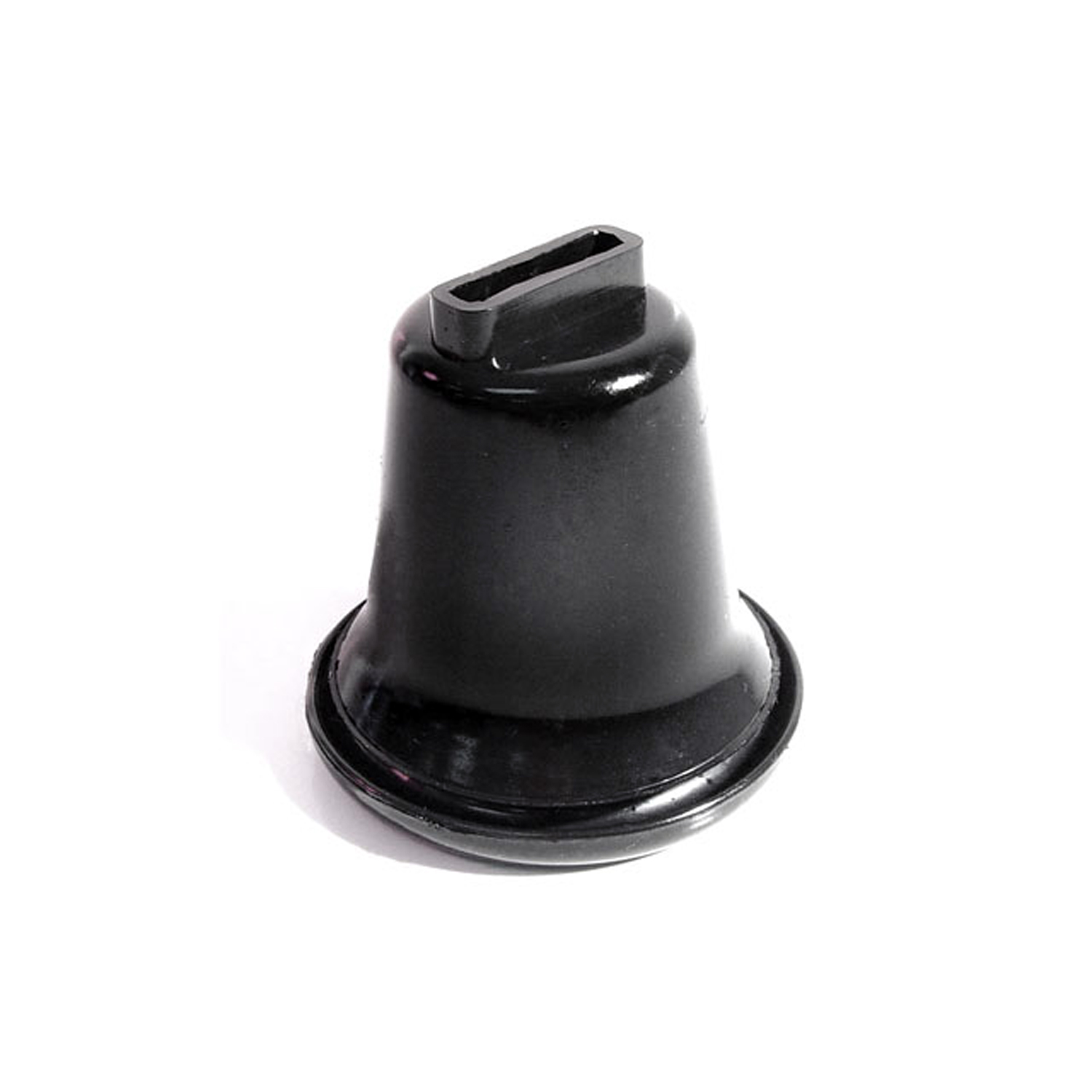 1962 Mercury Commuter Brake Booster Boot. Each-RP 32-AABrake Booster Boot. Each
 1962 Mercury Commuter Hood Bumper. Snap-in wire base like original. Each-SB 89-AHood Bumper. Snap-in wire base like original. Each
 1962 Mercury Commuter Trunk Seal. Each-TK 51-A/18Trunk Seal. Each 1962 Mercury Commuter Trunk Seal. Each-TK 51-F/18Trunk Seal. Each
 1962 Mercury Commuter Vertical Vent Seals-VS 6-DVertical Vent Seals. Fits 2 & 4 door sedans and station wagons. Pair
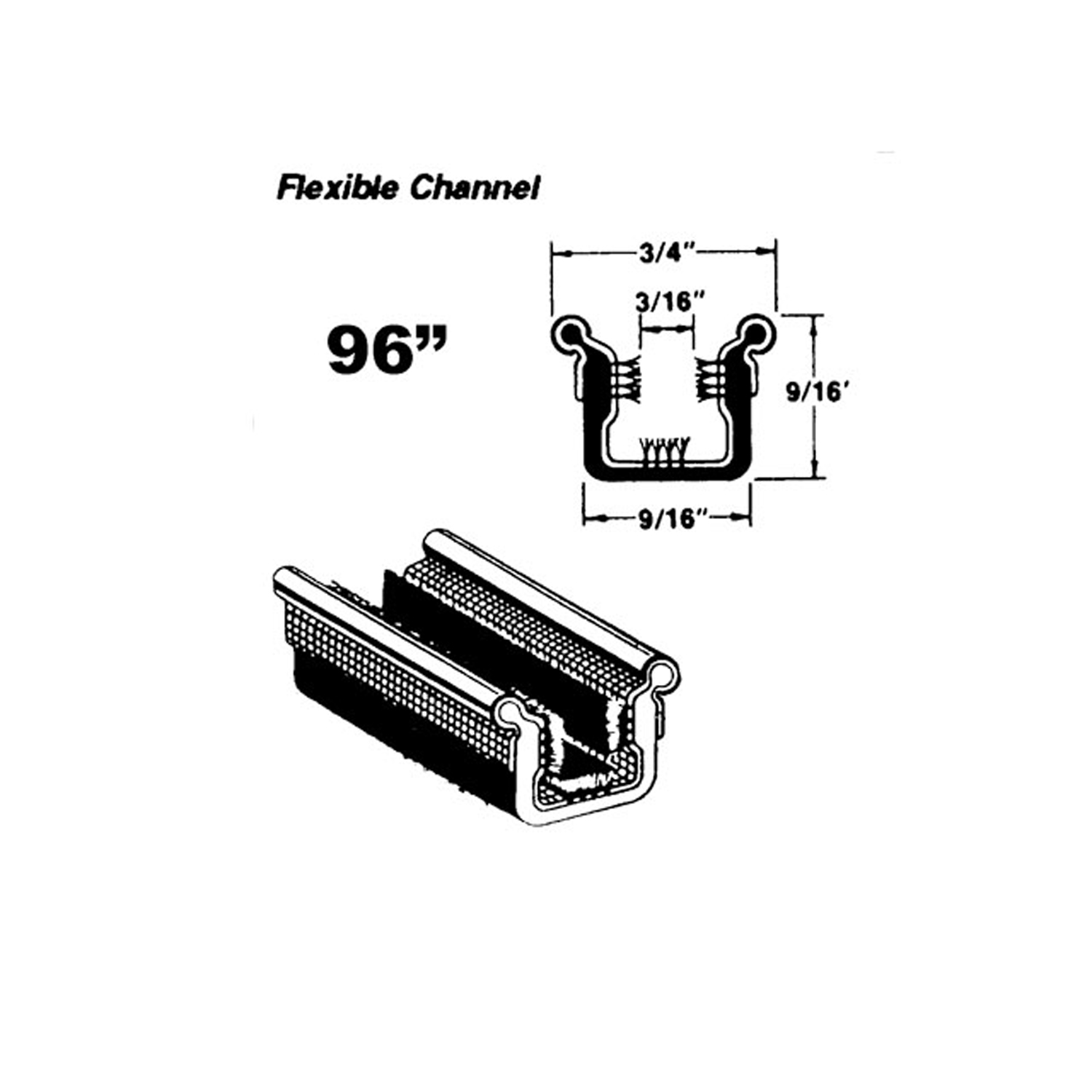 1962 Mercury Commuter Flexible window channel-WC 10-96Flexible window channel. Rubber covered with mohair lining and stainless steel bead. 96 in. long. Each. NOTE: $20 special shipping charge applies for domestic orders. Call or email for overseas shipping costs. Part can be sectioned in two or three equal lengths to reduce overseas shipping costs.
 1962 Mercury Commuter Flexible Sweeper. Made of rubber-WC 23-/FTFlexible Sweeper. Made of rubber. Seal for outside of side window. Sold by the foot
 1962 Mercury Commuter Flexible Sweeper. Made of rubber-WC 23-48Flexible Sweeper. Made of rubber. Seal for outside of side window. 48" Piece. Each
 1962 Mercury Commuter Flexible Sweeper. Made of rubber-WC 23-96Flexible Sweeper. Made of rubber. Seal for outside of side window. 96" Piece. each
Why Choose Metro?
For over 100 years, Metro Moulded Parts has been the pinnacle of quality in classic car restoration parts. Our commitment to precision and authenticity in every component ensures a perfect fit and an OEM-level appearance.
- Expert Craftsmanship & Quality: Each part is a testament to our dedication to reliability and perfection, crafted from original designs and thoroughly tested.
- Advanced Technology: We use cutting-edge techniques to create flawless, long-lasting parts that surpass others in performance.
- SuperSoft Sponge – The Ultimate Door Seal: Not only are our door seals 30% softer than competitors', but they're also guaranteed to never leak. They effectively reduce wind and road noise, enhancing your classic car's comfort and driving experience.
- Proudly American: Our parts are a product of American craftsmanship, made in the USA with a spirit of excellence and heritage.
- Unrivaled Warranty: We back our products with a 30-year industry-leading warranty, a testament to our confidence in their quality.
Join us in preserving the legacy of classic cars with parts that are crafted for perfection, not just made.