

Image of 1963 Mercury Marauder, Note: These illustrations use artistic license and may differ from actual historical models.
Performance Metrics
Fundamental Metrics
Emotional Appeal
MMP Rating
| Engine Specifications | |
|---|---|
| Engine: | 390 cu in (6.4 L) FE V8, 406 cu in (6.7 L) FE V8, 427 cu in (7.0 L) FE V8 |
| Displacement: | 390-427 cu in |
| Horsepower: | 250-425 hp |
| Torque: | 375-480 lb-ft |
| Compression Ratio: | 10.5:1 - 11.6:1 |
| Ignition System: | Conventional distributor and coil system |
| Cooling System: | Liquid-cooled |
| Performance Specifications | |
| 0-60 Time: | 7-8 seconds |
| 1/4 Mile Time: | 15-16 seconds |
| Top Speed: | 120-130 mph |
| Transmission and Drive | |
| Drive Type: | Rear-wheel drive |
| Transmission Type: | 3-speed manual, 4-speed manual, 3-speed automatic |
| Fuel and Efficiency | |
| Fuel System Type: | Carburetor |
| MPG: | 10-12 mpg |
| Dimensions and Brakes | |
| Brakes: | Drum brakes |
| Wheelbase: | 119 inches |
| Weight: | 3,600-3,800 lbs |
Note: Specifications for classic cars are given to the best of our ability, considering the limited and variant data available.
1963 Mercury Marauder: The Fastback That Took Mercury to NASCAR
The 1963 Mercury Marauder made a full-size American car look ready to leave the boulevard and head for the high banks of a speedway. Built by the Ford Motor Company’s Mercury division, the Marauder paired a roomy, upscale interior with a sleek fastback roofline and, in its strongest versions, serious big-block power. It was not a separate model line in the modern sense. “Marauder” identified the dramatic two-door hardtop body style offered within Mercury’s full-size range, including the Monterey, Montclair, and Park Lane.
Its arrival came as American manufacturers were paying closer attention to racing and aerodynamics. Mercury needed more than comfort and chrome to stand out against rivals such as Chevrolet’s Impala and Ford’s Galaxie. The Marauder’s sloping roof gave the car a distinctive profile and made it a natural fit for stock-car competition. Here was a family-sized Mercury with the proportions and engine options to chase serious speed.
A notable twist in the Marauder story is that its fastback shape was more than a styling flourish. Mercury promoted the car in NASCAR competition, where reducing aerodynamic drag could matter on long, fast tracks. The road car and racing effort helped give the Marauder a performance identity that many luxury-leaning full-size cars of the period lacked.
Fastback Styling and 1963 Mercury Design
The Marauder’s most recognizable feature is its roof. Instead of the more formal, upright profile common on many big coupes, the roof sweeps back in a smooth arc to meet a short, broad rear deck. That single line changes the whole character of the car: from the side, the Marauder looks lower, longer, and more purposeful than its generous dimensions suggest.
At the front, the 1963 Mercury wore a wide grille and paired headlamps framed by crisp, horizontal bodywork. Bright trim emphasized the long hood and substantial flanks, while the rear styling kept the car visually broad and grounded. Mercury offered different trim treatments according to series, so a Monterey Marauder could look comparatively restrained while a Montclair or Park Lane brought more exterior ornament and upscale detailing.
Inside, the Marauder remained a full-size Mercury, not a stripped-down racer. Depending on series and equipment, buyers could get cloth-and-vinyl or vinyl upholstery, patterned seat fabrics, padded surfaces, bright trim, and a broad dashboard. Higher-trim cars added a richer finish and more convenience equipment. Front bench seats were common, while bucket seats and a console were available with select performance-oriented equipment and packages. Materials and condition vary considerably in surviving cars, but a well-preserved interior feels suitably substantial for an early-1960s American grand touring coupe.
Mercury’s available convenience features included options such as power steering, power brakes, power windows, air conditioning, and an automatic transmission. Buyers could also choose a manual gearbox, including a four-speed on appropriate engine and equipment combinations. These were meaningful choices in 1963: a Marauder could be ordered as a comfortable highway car or configured with a more hands-on performance feel.
Paint choices differed by series and model year ordering information, but the palette included the period’s familiar range of whites, blacks, reds, blues, and metallic or muted shades. Bright red and blue cars make especially striking show-field examples, while white, black, and silver-toned finishes suit the Marauder’s long, formal lines. Original color codes and trim combinations are worth checking when assessing a restoration.
The defining Marauder body style was the two-door fastback hardtop. It was available across Mercury’s full-size series rather than as a single, separately priced model line. The conventional-roof coupes, four-door sedans, and convertibles in the broader Mercury range are not Marauder fastbacks, even if they share engines and much of their structure. The roofline is the key distinction, and its large glass and specialized trim are among the details that can be difficult to source today.
Why the Marauder Mattered
The 1963 Marauder showed how a production car’s silhouette could serve both marketing and competition. Its roofline gave Mercury a fresher, more athletic look, while its full-size platform and available V-8s made it a credible stock-car contender. It also reflected a wider shift in Detroit: manufacturers were beginning to sell performance through a combination of appearance, engine power, and racing associations rather than through mechanical specifications alone.
What set the Marauder apart from many contemporaries was the contrast between its size and its intent. It offered the space and comfort expected of a large Mercury, yet its fastback shape and optional high-output engines hinted at speed. It did not invent the fastback or begin NASCAR’s relationship with production-based cars, but it helped make the aerodynamic full-size coupe a visible part of Mercury’s performance identity. The Marauder name would return on later Mercurys, most famously on the large 1969–70 models, but the 1963 fastback established an important early chapter.
Engines, Speed, and Road Manners
Engine availability depended on series, equipment, and timing. The 390-cubic-inch V-8 was a common choice, with output generally quoted at about 250 horsepower in two-barrel form and around 300 horsepower with a four-barrel carburetor. Higher-performance cars could be equipped with the 406, rated at roughly 385 horsepower, or the 427, offered in versions commonly quoted at approximately 410 or 425 horsepower. These are period gross-horsepower ratings, so they should not be compared directly with modern net ratings.
Performance varies with engine, transmission, axle gearing, vehicle condition, and test method. A healthy 390-powered Marauder is generally a roughly nine-to-eleven-second 0–60 mph car, with a top speed in the neighborhood of 110–120 mph depending on gearing. A properly equipped 427 car could reach 60 mph in roughly the six-to-eight-second range and achieve a theoretical or period-reported top speed around 125–135 mph. Treat those figures as useful estimates, not guarantees for every surviving car. Tire age, carburetor tuning, compression, and drivetrain condition can make a major difference.
On the road, the Marauder feels like a big American car because it is one. The long wheelbase helps it settle into a steady highway rhythm, and power steering makes parking and low-speed turns easier. Its suspension favors comfort over sharp cornering, so it can float or lean more than a modern performance coupe. Over broken pavement, a properly maintained car absorbs the broad bumps well, though worn shocks, tired springs, or loose steering components can make it feel vague.
On a winding road, the Marauder rewards smooth inputs rather than hurried direction changes. Its size and weight are always present, but the fastback roof gives the driver a stronger sense of purpose than the upright styling of some full-size rivals. A 390 produces a relaxed V-8 rumble and easy cruising power. The high-performance engines bring a deeper exhaust note and a more urgent response, especially when paired with a manual transmission. The best driving experience is not about carving corners; it is about the sound, torque, and confident sweep of a big Mercury gathering speed.
Living With a 1963 Marauder
Today, Marauders are most often used as weekend cruisers, show cars, and part of collections focused on Mercury or early-1960s American performance. A sound, stock 390 car can be driven regularly, but its age makes preventive maintenance essential. Cooling-system condition, brake hydraulics, steering components, suspension bushings, and electrical connections deserve careful attention before long trips.
Many mechanical parts are shared with other Ford and Mercury products of the era, which helps with routine service and engine work. A mechanically capable owner can handle much of the maintenance with standard tools and period service information. The harder parts to find are often model-specific: fastback glass, interior trim, exterior moldings, and correct series details. Restoration costs can climb quickly if a car is incomplete or has significant rust, particularly around floors, lower body panels, and structural areas.
Common criticisms are predictable for a large 1960s car. Fuel consumption is high by modern standards, the cabin and controls lack contemporary safety and convenience features, and the car’s mass limits nimble handling. Fastback-specific parts can also make an unfinished project more challenging than a more common sedan. On the other hand, the Marauder’s straightforward V-8 layout and broad parts interchangeability make ordinary mechanical repairs less intimidating than the trim and bodywork.
Marauder Trivia and Racing Roots
The name “Marauder” had already appeared in Mercury’s history as an engine designation before it became associated with the 1963 fastback body style. That connection suited the car’s dual identity: a polished full-size Mercury with a name that sounded ready for competition.
Mercury used the Marauder’s fastback profile in its stock-car efforts, part of the intense manufacturer competition that made NASCAR a major proving ground for American V-8s. The car’s racing association is a genuine part of its appeal, but it is best not to confuse the production Marauder with a factory-built race car. Competition machines received substantial preparation, and race results depended on the driver, team, engine, and event as much as the showroom body shape.
There is no single, dependable production figure for every 1963 Marauder fastback configuration because Mercury counted its cars by series and body style, not as one standalone Marauder model line. A reasonable estimate is roughly 30,000 to 40,000 fastback hardtops across the Monterey, Montclair, and Park Lane series, though exact totals can vary by source and counting method. That makes the car uncommon today without putting it in the same category as a very limited-production special.
Collector Values and Market Outlook
Collector value depends heavily on series, originality, condition, and engine. As a broad 2026 guide, a project or rough driver may fall around $10,000 to $20,000. A presentable, running 390 car often lands in the $20,000 to $35,000 range, while a strong, well-restored example can bring roughly $35,000 to $55,000 or more. Rare, documented high-performance cars, especially those equipped with a 427, can command substantially higher prices, potentially reaching six figures when condition and provenance are exceptional. These are estimates rather than guaranteed sale prices, and local markets vary.
The Marauder has become more appreciated as collectors look beyond the best-known Ford and Chevrolet muscle-era names. Its values have generally been supported by its distinctive styling and racing connection, though it remains a more specialized market than that for a Mustang or Galaxie. Good cars are not always easy to find, and original fastback-specific parts matter. A documented, correctly equipped example is likely to hold interest better than a heavily modified or incomplete car.
The 1963 Mercury Marauder’s Lasting Appeal
The 1963 Mercury Marauder brought together full-size comfort, a memorable fastback roofline, and engines ranging from easygoing 390s to serious 406 and 427 V-8s. Its place in Mercury’s racing story gives the design more depth than its handsome shape alone, while its relative rarity makes it a distinctive choice at a classic-car meet.
It was never a lightweight sports car, and it was not meant to be. The Marauder’s appeal lies in its scale, sound, and confident combination of style and speed. More than six decades later, it remains a reminder that a family-sized American coupe could look elegant on the boulevard and still carry a little NASCAR spirit beneath its long hood.
1963 Mercury Marauder Catalog of Parts
 1963 Mercury Marauder Power Steering Stop Insulator. Die stamped. 1-7/16" O.D-BN 107-APower Steering Stop Insulator. Die stamped. 1-7/16" O.D., 1-1/16" I.D., .808 thick. Each
 1963 Mercury Marauder Shock Absorber Grommet. 1-1/4" bottom O.D., 1" high-BN 12Shock Absorber Grommet. 1-1/4" bottom O.D., 1" high., with 3/4" I.D. Each
 1963 Mercury Marauder Stabilizer Bar Bushings-BN 32-DStabilizer Bar Bushings. 1-9/16" long X 1-1/2" wide X 1-5/8" high, 15/16" I.D. Pair
 1963 Mercury Marauder Front stabilizer bar to frame bushings-BN 32-FFront stabilizer bar to frame bushings, '59-'66 Ford and Mercury passenger car, station wagon and sedan delivery models, pair. Replaces OEM # B9A-5493-B.
 1963 Mercury Marauder Hood Bumper. Made with steel core. Held by screw. Each-HF 40Hood Bumper. Made with steel core. Held by screw. Each
 1963 Mercury Marauder Generator Boot. Replaces OEM #C1AZ10170B-RP 2-FGenerator Boot. Replaces OEM #C1AZ10170B. Note: Notch may have to be cut by purchaser. Each
 1963 Mercury Marauder Door Lock Knob. Black Rubber. Each-RP 306Door Lock Knob. Black Rubber. Each
 1963 Mercury Marauder Door Lock Knob. 1-1/2" high. Made of red rubber. Each-RP 306-ADoor Lock Knob. 1-1/2" high. Made of red rubber. Each
 1963 Mercury Marauder Door Lock Knob. 1-1/2" high. Made of blue rubber. Each-RP 306-BDoor Lock Knob. 1-1/2" high. Made of blue rubber. Each
 1963 Mercury Marauder Door Lock Knob. 1-1/2" high. Made of turquoise rubber-RP 306-CDoor Lock Knob. 1-1/2" high. Made of turquoise rubber. Each
 1963 Mercury Marauder Door Lock Knob. 1-1/2" high. Made of beige rubber. Each-RP 306-DDoor Lock Knob. 1-1/2" high. Made of beige rubber. Each
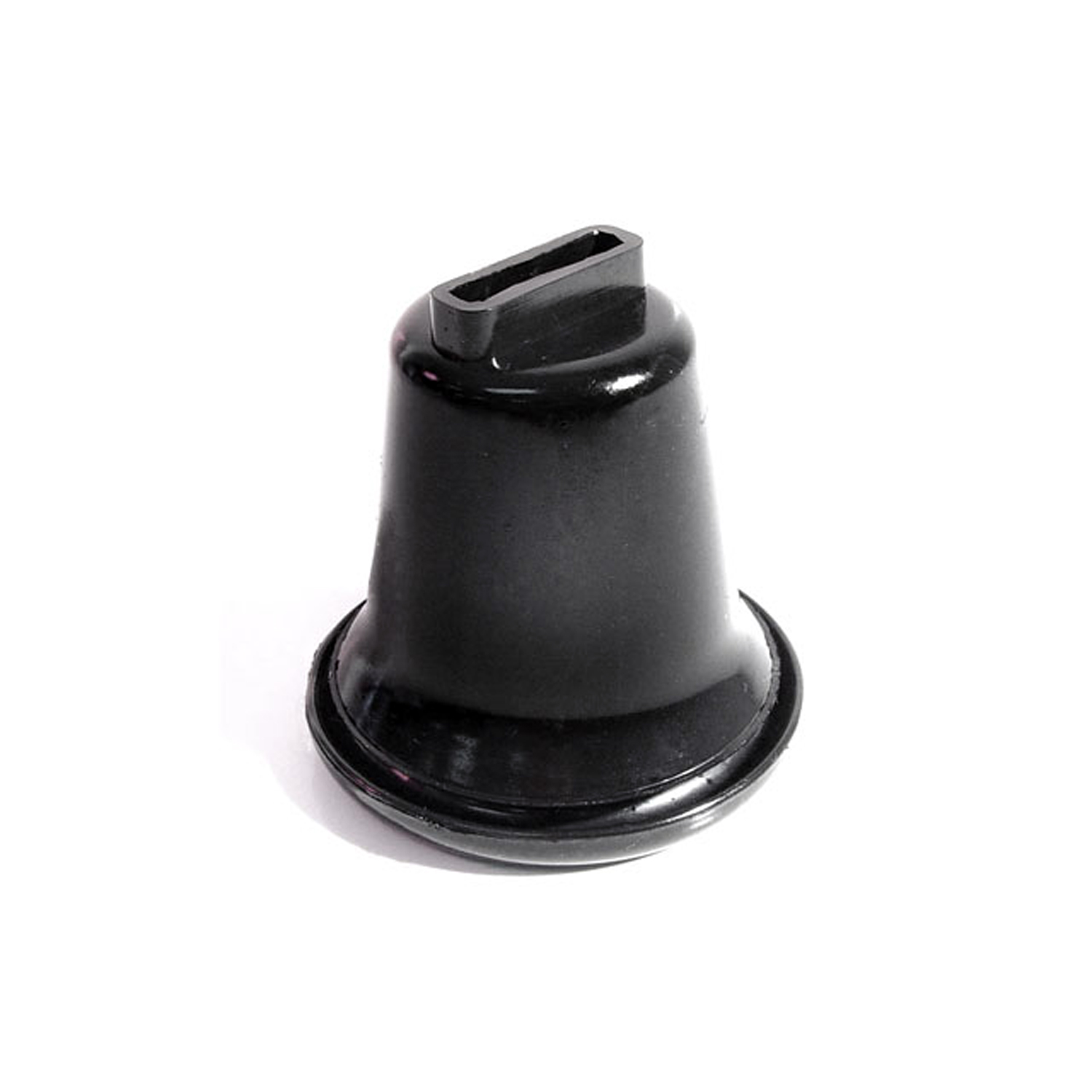 1963 Mercury Marauder Brake Booster Boot. Each-RP 32-AABrake Booster Boot. Each
 1963 Mercury Marauder Hood Bumper. Snap-in wire base like original. Each-SB 89-AHood Bumper. Snap-in wire base like original. Each
 1963 Mercury Marauder Flexible Sweeper. Made of rubber-WC 23-/FTFlexible Sweeper. Made of rubber. Seal for outside of side window. Sold by the foot
 1963 Mercury Marauder Flexible Sweeper. Made of rubber-WC 23-48Flexible Sweeper. Made of rubber. Seal for outside of side window. 48" Piece. Each
 1963 Mercury Marauder Flexible Sweeper. Made of rubber-WC 23-96Flexible Sweeper. Made of rubber. Seal for outside of side window. 96" Piece. each
Why Choose Metro?
For over 100 years, Metro Moulded Parts has been the pinnacle of quality in classic car restoration parts. Our commitment to precision and authenticity in every component ensures a perfect fit and an OEM-level appearance.
- Expert Craftsmanship & Quality: Each part is a testament to our dedication to reliability and perfection, crafted from original designs and thoroughly tested.
- Advanced Technology: We use cutting-edge techniques to create flawless, long-lasting parts that surpass others in performance.
- SuperSoft Sponge – The Ultimate Door Seal: Not only are our door seals 30% softer than competitors', but they're also guaranteed to never leak. They effectively reduce wind and road noise, enhancing your classic car's comfort and driving experience.
- Proudly American: Our parts are a product of American craftsmanship, made in the USA with a spirit of excellence and heritage.
- Unrivaled Warranty: We back our products with a 30-year industry-leading warranty, a testament to our confidence in their quality.
Join us in preserving the legacy of classic cars with parts that are crafted for perfection, not just made.