

Image of 1964 Mercury Comet, Note: These illustrations use artistic license and may differ from actual historical models.
Performance Metrics
Fundamental Metrics
Emotional Appeal
MMP Rating
| Engine Specifications | |
|---|---|
| Engine: | 170 CID I6, 260 CID V8, 289 CID V8 |
| Displacement: | 170-289 cubic inches |
| Horsepower: | 101-210 hp |
| Torque: | 156-300 lb-ft |
| Compression Ratio: | 8.7:1 - 10.0:1 |
| Ignition System: | Conventional, distributor |
| Cooling System: | Water-cooled |
| Performance Specifications | |
| 0-60 Time: | 10-8 seconds |
| 1/4 Mile Time: | 17-15 seconds |
| Top Speed: | 105-120 mph |
| Transmission and Drive | |
| Drive Type: | Rear-wheel drive |
| Transmission Type: | 3-speed manual, 4-speed manual, 3-speed automatic |
| Fuel and Efficiency | |
| Fuel System Type: | Carburetor |
| MPG: | 15-20 mpg |
| Dimensions and Brakes | |
| Brakes: | Drum brakes |
| Wheelbase: | 114 inches |
| Weight: | 2,800-3,200 lbs |
Note: Specifications for classic cars are given to the best of our ability, considering the limited and variant data available.
1964 Mercury Comet: The Compact with a Big Mercury Attitude
The 1964 Mercury Comet brought a little glamour and genuine V8 muscle to the American compact-car class. Built by the Ford Motor Company’s Mercury division, it was a roomier, more upscale companion to the Ford Falcon, with a broad model range that stretched from practical family transportation to the sporty Comet Cyclone.
The Comet had an unusual origin: it was developed during the Edsel era, then launched in 1960 through Lincoln-Mercury dealers after the Edsel brand was discontinued. By 1964, the name had become firmly established as a Mercury. That year also marked an important performance milestone, as the Cyclone put a high-output 289-cubic-inch V8 in a compact Mercury and gave the Comet a new role on the street and at the drag strip.
Clean Lines, Distinctive Mercury Style
The 1964 Comet wore the restrained, crisp styling that suited the compact-car boom of the early 1960s. Its long hood and relatively short rear deck gave it a tidy profile, while the front end featured a wide horizontal grille, paired headlamps, and modest brightwork. Subtle sculpting along the sides kept the body from looking plain without adding the heavy ornamentation common on larger cars.
Inside, the Comet was straightforward but more polished than a bare-bones economy car. The cabin used durable vinyl upholstery, with cloth-and-vinyl combinations and upgraded trim available on higher-series models. A broad, simple instrument panel put the key gauges and controls within easy reach. Depending on trim and options, buyers could add a radio, heater, power steering, power brakes, and more decorative interior appointments. The Cyclone brought a sportier atmosphere, including bucket-seat and console options on suitably equipped cars.
Paint choices varied with series and equipment, but period Comets could be ordered in shades such as red, blue, turquoise, green, white, black, and pale yellow, along with metallic finishes. Bright colors suited the Cyclone’s performance image, while more conservative hues were common on family sedans and wagons.
Comet Body Styles and Trim
Mercury offered the 1964 Comet in several forms, including two- and four-door sedans and two- and four-door station wagons. The range included value-minded 202 and better-equipped 404 models, with the Caliente serving as a more upscale choice. The Caliente was also available as a convertible, an appealing option for buyers who wanted compact dimensions with open-air cruising.
The most memorable version was the two-door Comet Cyclone hardtop. Its lower, sleeker roofline gave it a sportier look than the sedans, and its available V8 power made it the natural choice for performance-minded buyers. The Cyclone name would become an increasingly important part of Mercury’s identity as muscle cars gained popularity.
Innovation in the Compact-Car Era
The Comet’s significance was not that it invented the compact car. Rather, it showed how a compact could offer more than low purchase and running costs. Its unibody construction helped keep weight in check, while its larger-than-economy-car feel, wider model selection, and Mercury trim gave buyers a step up without requiring a full-size car.
Underneath, the Comet used a conventional front-engine, rear-wheel-drive layout. Coil springs at the front and a leaf-spring rear axle provided familiar, serviceable hardware. A three-speed manual transmission was available, while an automatic transmission offered easier everyday driving. The mechanical layout was simple by later standards, but that simplicity was part of its appeal: owners and independent shops could understand and repair it without specialized electronic equipment.
The 1964 Comet also stood apart from many compact rivals by offering V8 power, especially in the Cyclone. That combination of modest size and big-car engine character anticipated a formula that would become central to the American muscle-car era.
Engines, Speed, and Road Manners
Engine availability depended on model and equipment, but the Comet range included inline-six options and V8 power. Six-cylinder cars were the sensible choice for economical daily use. V8 versions offered stronger acceleration, with the Cyclone’s 289-cubic-inch V8 delivering the most compelling performance. Output figures varied by engine and carburetion; the Cyclone’s 289 is commonly listed at about 210 horsepower.
Period performance figures vary with transmission, axle ratio, vehicle condition, and testing method. As a useful general guide, a healthy 289-powered Cyclone can reach 60 mph in roughly 8.5 to 10 seconds and may approach 110 to 115 mph. Six-cylinder Comets are considerably more relaxed, often taking around 15 seconds or more to reach 60 mph. Those are estimates, not guaranteed figures for every surviving car.
On the road, the Comet feels compact and relatively easy to place compared with a full-size American sedan. The suspension is tuned for comfort rather than sharp cornering, so it absorbs ordinary road imperfections in a pleasantly soft manner. On rough surfaces, worn bushings, tired shocks, or sagging springs can make an old Comet feel loose, but a well-maintained example remains an agreeable cruiser. On winding roads, expect period-appropriate body lean and steering that communicates less than a modern car’s. The Cyclone is livelier, but it is still a 1960s American compact, not a contemporary sports coupe.
A six-cylinder Comet gives off a smooth, understated hum. The V8 adds a deeper exhaust note and a more satisfying surge as the throttle opens. The driving experience is direct and mechanical: the driver works a conventional steering wheel, pedals, and gear selector, with no electronic systems filtering the sensations. That simplicity is a major part of the car’s appeal today.
From Family Transport to Drag-Strip Contender
Most 1964 Comets were built for ordinary transportation. Sedans and wagons served as family cars, commuters, and practical second vehicles. Today, those same versions can make relaxed weekend drivers, while convertibles and well-preserved Calientes are popular at local shows. Cyclones attract enthusiasts looking for a more performance-focused car.
The Comet’s racing story adds an extra layer to its reputation. Mercury-backed Comets appeared in drag racing during the period, including highly modified cars built for competition. These racers were far removed from stock production cars, but they helped connect the compact Mercury name with speed. It is important to distinguish them from a regular Cyclone: a factory 289 car is collectible in its own right, while a race-prepared or historically documented competition car occupies a different category altogether.
Ownership, Maintenance, and Common Concerns
The Comet is generally approachable for a classic-car owner who is comfortable with basic mechanical work. Its carbureted engines, rear-wheel-drive layout, and conventional suspension are familiar to many restoration shops, and routine service does not require modern diagnostic tools. Replacement parts for common Ford mechanical components are generally easier to locate than model-specific trim and body pieces.
As with any car more than six decades old, condition matters more than reputation. Buyers should inspect the floors, rocker panels, lower fenders, trunk floor, and suspension mounting areas for rust or old repairs. Check the engine for oil leaks and overheating, verify that the transmission shifts properly, and examine the brakes, steering, wiring, and fuel system. Hard-to-find exterior trim, glass, upholstery details, and Cyclone-specific pieces can turn a seemingly simple restoration into a costly one.
Common criticisms include modest braking and handling by modern standards, limited performance in six-cylinder form, and road noise compared with newer cars. Some owners also find the original cabin equipment basic. Those drawbacks are balanced by easygoing character, relatively simple mechanics, and a strong supply of enthusiast knowledge.
Comet Trivia and Collector Appeal
The Comet’s connection to the Edsel project is one of the most interesting details in its history. It began as a car intended for the ill-fated Edsel program, but the brand’s collapse led to a change in marketing plans. The Comet survived, found an audience, and eventually became a lasting Mercury nameplate.
Another noteworthy point is the gap between the showroom Cyclone and the competition Comets of the era. Drag racers modified their cars extensively, sometimes using specialized engines and chassis changes. A racing Comet with credible provenance can be far more significant than an ordinary production car, but the word “Cyclone” alone does not mean a car was factory-built as a race machine.
Production estimates for the full 1964 Comet range are best treated as approximate. A reasonable estimate is roughly 175,000 to 185,000 cars across the lineup, rather than a single precise total. That makes the Comet far from unknown, but surviving examples are unevenly distributed: ordinary sedans can be found, while excellent convertibles, original Cyclones, and well-documented special cars are much less common.
1964 Mercury Comet Values Today
Collector values vary substantially with body style, originality, rust, documentation, and mechanical condition. As a broad U.S. market estimate, a project or driver-quality six-cylinder sedan might sell for about $4,000 to $12,000. A clean, well-presented sedan or wagon can bring roughly $12,000 to $22,000. A strong Cyclone or desirable Caliente may fall in the $20,000 to $40,000 range, with exceptional examples and sought-after convertibles potentially exceeding that range.
These figures are general estimates, not a formal appraisal. A rare specification, documented history, high-quality restoration, or unusually original condition can shift a sale considerably. In recent years, the Comet has benefited from growing interest in overlooked 1960s American cars. The best examples and performance models have the clearest potential to appreciate, while ordinary cars tend to move more gradually and remain price-sensitive to condition.
Why the 1964 Comet Still Matters
The 1964 Mercury Comet combined compact-car practicality with the comfort, trim, and personality expected of a Mercury. Its range covered family sedans, useful wagons, a stylish convertible, and the V8-powered Cyclone. Its mechanical simplicity makes it approachable to own, while its Edsel-era origins and racing connections give it an unusually rich backstory.
More than a modest commuter from the compact-car boom, the Comet helped prove that a small American car could still have style, choice, and real performance potential. That blend of everyday usefulness and unexpected Mercury character is what keeps the 1964 Comet worth remembering.
1964 Mercury Comet Catalog of Parts
 1964 Mercury Comet Power Steering Stop Insulator. Die stamped. 1-7/16" O.D-BN 107-APower Steering Stop Insulator. Die stamped. 1-7/16" O.D., 1-1/16" I.D., .808 thick. Each
 1964 Mercury Comet Shock Absorber Grommet. 1-1/4" bottom O.D., 1" high-BN 12Shock Absorber Grommet. 1-1/4" bottom O.D., 1" high., with 3/4" I.D. Each
 1964 Mercury Comet Stabilizer Bar Bushings-BN 32-DStabilizer Bar Bushings. 1-9/16" long X 1-1/2" wide X 1-5/8" high, 15/16" I.D. Pair
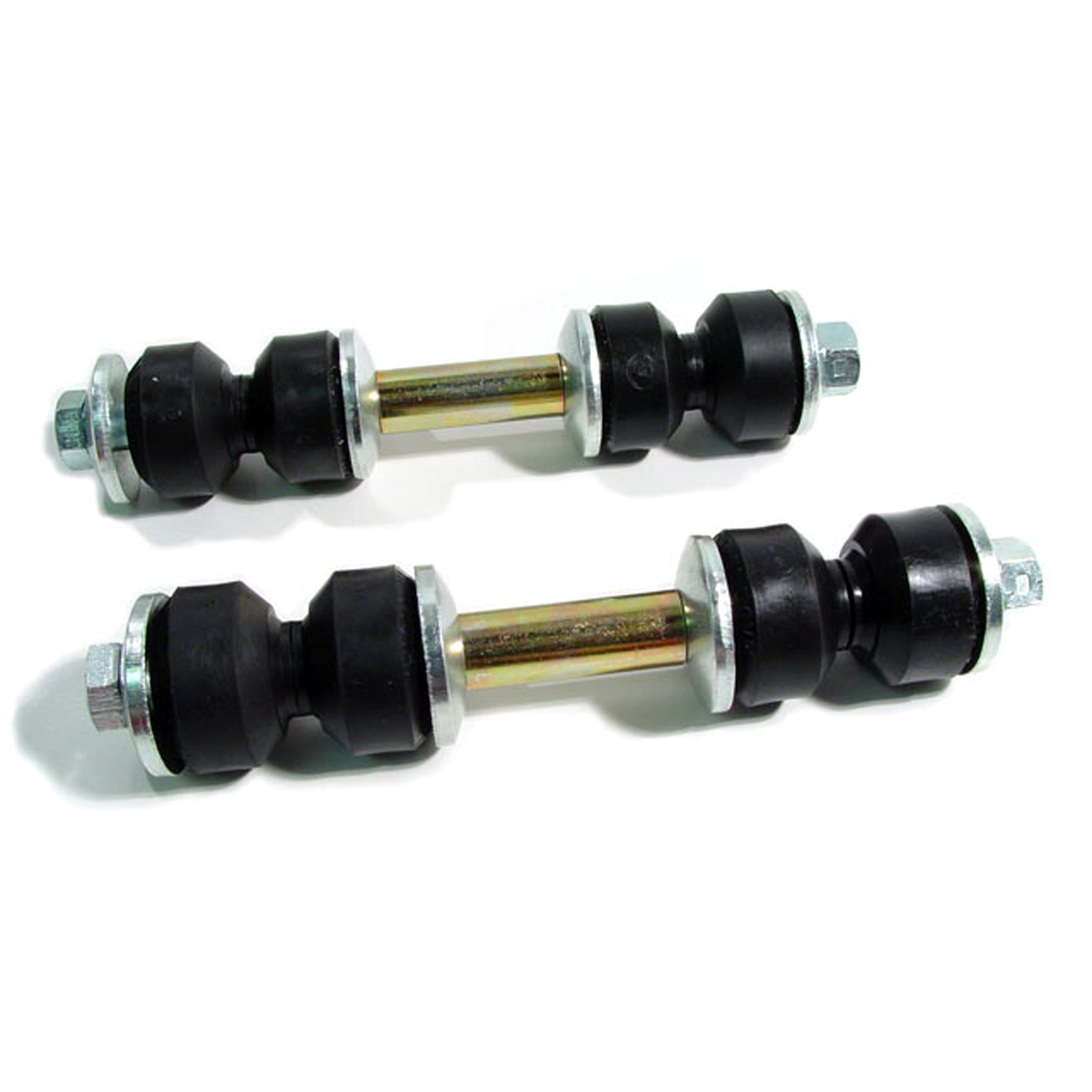 1964 Mercury Comet Front Stabilizer End Repair Kit-BNK 22Front Stabilizer End Repair Kit. 22-piece set for two stabilizer bars. Contains all rubber bushings, washers, bolts and nuts, enough for one front end. Set
 1964 Mercury Comet Hood Bumper. Made with steel core. Held by screw. Each-HF 40Hood Bumper. Made with steel core. Held by screw. Each
 1964 Mercury Comet Door Seals, 63-65 Ford Falcon & Mercury Comet 2 Doors, Pair-LM 10-MDoor Seals, 63-65 Ford Falcon & Mercury Comet 2 Door Hardtops and Convertibles, Pair. This seal mounts on the door with weatherstrip adhesive (not included). This product is made from the original specs and with high quality ozone resistant EPDM rubber for a great fit and long life.
 1964 Mercury Comet Generator Boot. Replaces OEM #C1AZ10170B-RP 2-FGenerator Boot. Replaces OEM #C1AZ10170B. Note: Notch may have to be cut by purchaser. Each
 1964 Mercury Comet Door Lock Knob. Black Rubber. Each-RP 306Door Lock Knob. Black Rubber. Each
 1964 Mercury Comet Door Lock Knob. 1-1/2" high. Made of red rubber. Each-RP 306-ADoor Lock Knob. 1-1/2" high. Made of red rubber. Each
 1964 Mercury Comet Door Lock Knob. 1-1/2" high. Made of blue rubber. Each-RP 306-BDoor Lock Knob. 1-1/2" high. Made of blue rubber. Each
 1964 Mercury Comet Door Lock Knob. 1-1/2" high. Made of turquoise rubber-RP 306-CDoor Lock Knob. 1-1/2" high. Made of turquoise rubber. Each
 1964 Mercury Comet Door Lock Knob. 1-1/2" high. Made of beige rubber. Each-RP 306-DDoor Lock Knob. 1-1/2" high. Made of beige rubber. Each
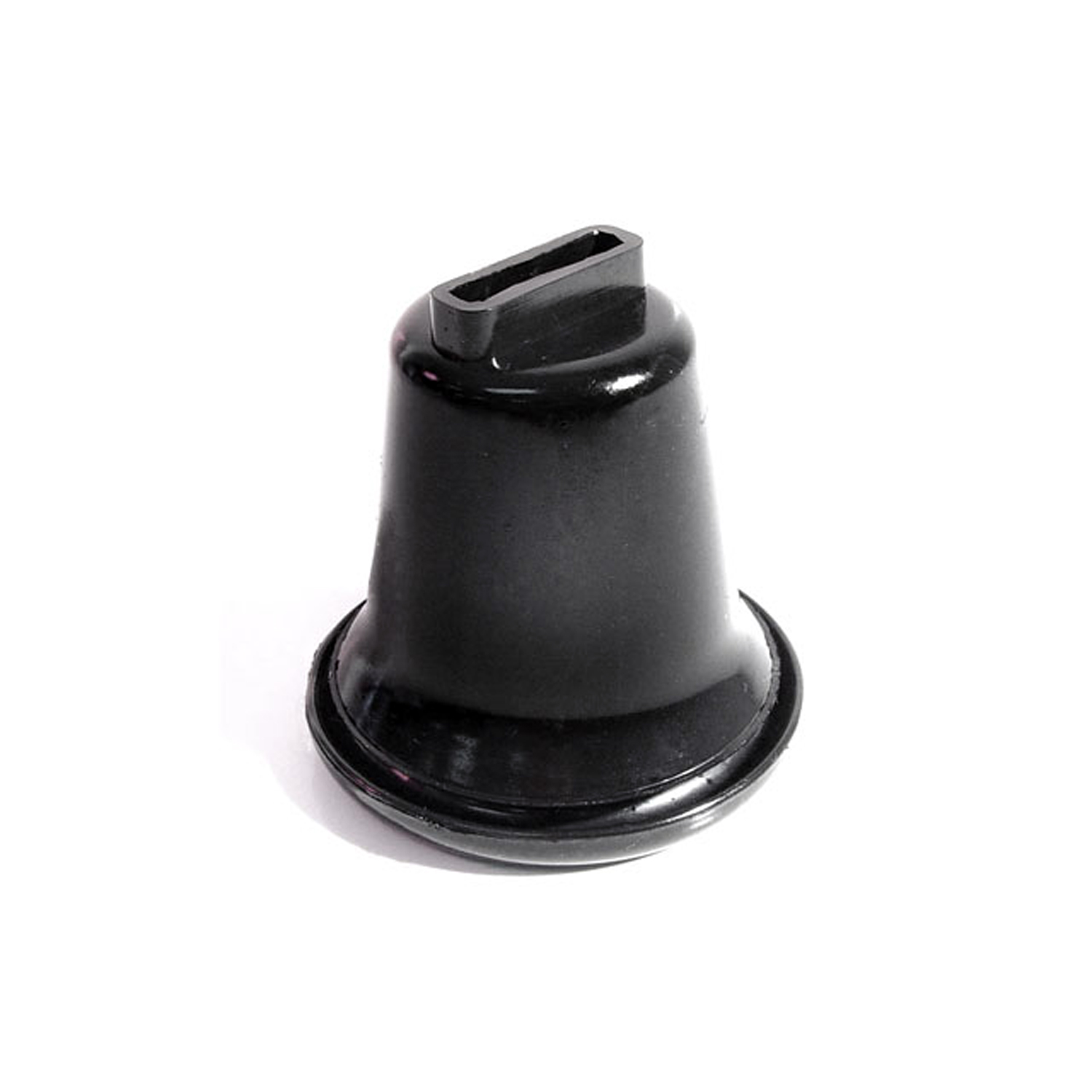 1964 Mercury Comet Brake Booster Boot. Each-RP 32-AABrake Booster Boot. Each
 1964 Mercury Comet Convertible top rail kit including header seal fits 63-67 Falcon and Comet-RR 6300Convertible top-rail kit. '63-'67 Falcon and Comet convertibles only. Includes all left-side and right-side top-rail seals and windshield top header seal. Made from the OEM specs to install and fit for an authentic appearance.
 1964 Mercury Comet Hood Bumper. Snap-in wire base like original. Each-SB 89-AHood Bumper. Snap-in wire base like original. Each
 1964 Mercury Comet Trunk Seal, 14'1" long. Fits all models except Fastback-TK 51-A/14Trunk Seal, 14'1" long. Fits all models except Fastback. Each
 1964 Mercury Comet Window Sweeper Kit Fits 63-65 Falcon/Comet Convertible. 8 piece set-WC 1400-15This eight (8) piece set is a must-have for anyone looking to keep their car's side windows clean. The inner and outer felt beltline weatherstrips are perfect for the door and quarter windows, wiping the glass when it's lowered. They're easy to install, with finished ends and body curvature bends for a factory like appearance.
 1964 Mercury Comet Flexible Sweeper. Made of rubber-WC 23-/FTFlexible Sweeper. Made of rubber. Seal for outside of side window. Sold by the foot
 1964 Mercury Comet Flexible Sweeper. Made of rubber-WC 23-48Flexible Sweeper. Made of rubber. Seal for outside of side window. 48" Piece. Each
 1964 Mercury Comet Flexible Sweeper. Made of rubber-WC 23-96Flexible Sweeper. Made of rubber. Seal for outside of side window. 96" Piece. each
Why Choose Metro?
For over 100 years, Metro Moulded Parts has been the pinnacle of quality in classic car restoration parts. Our commitment to precision and authenticity in every component ensures a perfect fit and an OEM-level appearance.
- Expert Craftsmanship & Quality: Each part is a testament to our dedication to reliability and perfection, crafted from original designs and thoroughly tested.
- Advanced Technology: We use cutting-edge techniques to create flawless, long-lasting parts that surpass others in performance.
- SuperSoft Sponge – The Ultimate Door Seal: Not only are our door seals 30% softer than competitors', but they're also guaranteed to never leak. They effectively reduce wind and road noise, enhancing your classic car's comfort and driving experience.
- Proudly American: Our parts are a product of American craftsmanship, made in the USA with a spirit of excellence and heritage.
- Unrivaled Warranty: We back our products with a 30-year industry-leading warranty, a testament to our confidence in their quality.
Join us in preserving the legacy of classic cars with parts that are crafted for perfection, not just made.