

Image of 1964 Mercury Commuter, Note: These illustrations use artistic license and may differ from actual historical models.
Performance Metrics
Fundamental Metrics
Emotional Appeal
MMP Rating
| Engine Specifications | |
|---|---|
| Engine: | 390 cu in (6.4 L) FE V8, 427 cu in (7.0 L) FE V8 |
| Displacement: | 390-427 cu in |
| Horsepower: | 250-410 hp |
| Torque: | 365-480 lb-ft |
| Compression Ratio: | 10.5:1 |
| Ignition System: | Conventional breaker-point ignition system |
| Cooling System: | Liquid-cooled |
| Performance Specifications | |
| 0-60 Time: | Estimated 8-10 seconds |
| 1/4 Mile Time: | Estimated 15-17 seconds |
| Top Speed: | 120 mph |
| Transmission and Drive | |
| Drive Type: | Rear-wheel drive |
| Transmission Type: | 3-speed automatic, 4-speed manual |
| Fuel and Efficiency | |
| Fuel System Type: | Carburetor |
| MPG: | Estimated 10-12 mpg |
| Dimensions and Brakes | |
| Brakes: | Drum brakes |
| Wheelbase: | 119 in |
| Weight: | 3,800 lbs |
Note: Specifications for classic cars are given to the best of our ability, considering the limited and variant data available.
1964 Mercury Commuter: Full-Size Wagon With a Clever Tailgate
The 1964 Mercury Commuter brought big-car comfort and genuine cargo-carrying ability together in a station wagon with a surprisingly clever trick: its rear tailgate could open in more than one direction. Built by the Ford Motor Company’s Mercury division, the Commuter was the practical, comparatively affordable member of Mercury’s full-size wagon range, below the wood-trimmed Colony Park.
By 1964, the American station wagon had become a family workhorse, serving as everyday transportation, holiday luggage carrier, and suburban status symbol. The Commuter fit that moment perfectly. It offered generous room and V8 power without the Colony Park’s upscale wood-grain appearance. Its two-door version is especially unusual today, giving the wagon a distinctive profile that is far less familiar than the four-door models.
Mercury Styling and Wagon Design
The Commuter wore the clean, formal styling of Mercury’s 1964 full-size cars. Its long hood, broad front end, quad headlights, and substantial chrome grille gave it a confident road presence. Along the sides, restrained character lines and large windows kept the wagon from looking overly bulky. At the rear, the extended roof and upright cargo area made its purpose clear, while bright trim added a touch of Mercury polish.
Mercury offered the Commuter as a two-door or four-door station wagon. Seating and configuration depended on the body style and order: six-passenger layouts were common, while some four-door wagons could be equipped for nine passengers with a rear-facing third seat. The two-door model is a particularly appealing choice for collectors because it combines the practicality of a wagon with a less common, almost sporty side profile.
Inside, the Commuter emphasized durability and space over luxury. Buyers could find broad bench seats, vinyl or cloth-and-vinyl upholstery, and practical hard-wearing trim. The cabin was airy by modern standards, helped by its large side glass. With the rear seats folded or removed from use, the wagon could handle bulky loads that would have been awkward in a sedan.
Paint choices varied by factory color chart and trim combination. Period Mercury colors included lively reds and blues alongside white, silver, green, and neutral shades. Bright colors suit the Commuter’s long body particularly well, while white or silver paired with a contrasting interior gives it a more restrained, upscale look. Original paint and trim codes are worth checking on any restoration, since colors and combinations could differ by production date and market.
The Magic Door-Gate Advantage
One of the Commuter’s most useful period features was Ford’s two-way tailgate design, commonly known as the Magic Doorgate. Depending on the configuration, the gate could swing open like a door or fold down like a conventional tailgate. That made it easier to load cargo in tight spaces and more convenient to reach into the rear compartment.
The rear window could retract into the tailgate, clearing the opening for longer or taller cargo. This was not merely a styling flourish: it helped make a large wagon more versatile in everyday use. As with any surviving example, buyers should check that the window, lift mechanism, and tailgate hardware work correctly. Repairs can require patience, especially if original parts are missing.
Where the Commuter Fit in Mercury History
Mercury’s 1964 wagon range included the Commuter, Country Cruiser, and upscale Colony Park. The Commuter’s role was straightforward: provide the space and utility of a full-size wagon at a more accessible point in the lineup. It did not introduce a new class of vehicle, but it shows how manufacturers were refining the family wagon into a comfortable, well-equipped alternative to a sedan.
Its lasting interest comes from that balance of utility and style, as well as the way it reflects Mercury’s position between mainstream Ford and luxury-minded Lincoln. The Commuter shared much of its underlying engineering with other full-size Ford and Mercury models, which helps with mechanical familiarity today. Its distinctive bodywork and wagon-specific fittings, however, make it more specialized than a standard sedan.
The Commuter was not a high-volume performance car or a major motorsport name. Its significance is quieter: it represents the era when a family wagon could be a long-distance cruiser, a work vehicle, and a comfortable daily driver all at once. The clever tailgate is a particularly memorable example of practical innovation applied to an ordinary task.
V8 Power and Road Manners
A 390-cubic-inch V8 was a common choice for the full-size Commuter, with power ratings and equipment depending on the specific engine and configuration. Mercury’s larger full-size cars also had higher-performance engine options in this period, but a 427-powered Commuter should be treated as a special claim and verified with factory documentation. Engine availability could vary by body style and order.
With a typical V8 and automatic transmission, a sound 1964 Commuter is best understood as a relaxed cruiser rather than a quick modern car. Period performance estimates vary with engine, axle ratio, transmission, vehicle condition, and test method. A representative 390-equipped example might reach 0 to 60 mph in roughly 10 to 12 seconds, with a theoretical top speed in the neighborhood of 100 to 110 mph. Those figures are estimates, not a promise for every surviving car, and a vintage wagon should not be pushed to its maximum speed without first confirming that its tires, brakes, and suspension are safe.
On the road, the Commuter’s long wheelbase and substantial weight help it settle into a smooth, steady ride. It handles broken pavement with the soft, body-on-frame composure associated with American cars of the era, though its suspension is not designed for sharp cornering. On winding roads, expect noticeable body lean and slower steering response than in a modern car. Crosswinds and a full load can also remind the driver that this is a large, tall wagon.
The V8 provides an unmistakable low-frequency rumble, especially under acceleration, while the cabin tends to feel calm at a steady cruise when the car is properly maintained. Steering is generally heavier and less precise than modern rack-and-pinion systems, and braking requires more planning than it does in a contemporary vehicle. The experience is relaxed and mechanical: the driver feels the car’s size, hears the engine, and takes a more deliberate approach to the road.
Living With a 1964 Commuter
Today, the Commuter is most often used as a weekend cruiser, show car, vintage road-trip vehicle, or occasional hauler. Some owners keep them in regular service, but a nearly 60-year-old car needs careful inspection before being trusted as a daily driver. A solid, well-maintained example can be enjoyable, though fuel consumption, period safety equipment, and the availability of wagon-specific parts make modern commuting less convenient.
Mechanical maintenance is relatively approachable for an owner familiar with classic American cars. The V8, automatic transmission, and many chassis components share Ford-family engineering with other models of the period. Routine service items and some mechanical parts are obtainable through classic-car suppliers. The biggest challenges are often body rust, aging wiring, worn suspension, and specialized wagon components such as tailgate hardware, rear-window mechanisms, and trim.
Inspect the frame and floor structure, lower body panels, wheel arches, and the areas around the tailgate for corrosion. Test every window and latch, and check that the seats fold or move as intended. A car that looks complete can still need substantial work if its wagon-specific mechanisms are frozen or incomplete.
Commuter Facts and Common Misconceptions
The two-way tailgate is the Commuter’s most memorable bit of engineering, but it is also a feature that deserves a thorough inspection before purchase. Its operation depends on correctly functioning latches and hardware, so a seller’s claim that it “just needs adjustment” should be tested carefully.
There is no widely cited, definitive production total for every 1964 Commuter body and seating configuration. A reasonable working estimate is that production was in the low tens of thousands, perhaps roughly 15,000 to 25,000 cars, but that is an estimate rather than a confirmed factory figure. Surviving examples are much scarcer than the original production suggests, particularly two-door cars in sound, original condition.
The Commuter is not closely associated with a major speed record, racing achievement, or headline-making historical event. Its appeal is more everyday and period-specific: it captures the American family wagon at a time when large V8-powered cars were a normal choice for long-distance travel. Common criticisms include its size, fuel use, soft handling, and the difficulty of finding certain wagon-only parts.
Collector Value and Market Outlook
Values vary considerably with rust, originality, engine, body style, and the condition of the tailgate and rear-window mechanisms. As a broad 2026 U.S. market guide, a project car may fall around $5,000 to $12,000, while a usable driver could bring roughly $12,000 to $25,000. A clean, well-restored example may sell in the $25,000 to $40,000 range, with exceptional cars or unusually documented configurations potentially exceeding that range.
These are practical estimates, not a formal appraisal. The two-door body, original condition, and rare or well-documented equipment can influence interest, but restoration costs can quickly outrun the value of an average car. Before buying, compare recent sales of similar Mercury wagons rather than relying on asking prices alone.
The Commuter is a niche collector car, and its market is generally steadier than that of more famous muscle cars. Well-presented examples have the potential to appreciate gradually as interest grows in less commonly seen full-size wagons. Still, condition and completeness matter more than speculative rarity. A solid driver with working wagon hardware is often a smarter buy than a glamorous but incomplete restoration project.
Why the 1964 Mercury Commuter Still Matters
The 1964 Mercury Commuter is a spacious, V8-powered snapshot of American family motoring. Its handsome full-size styling, practical interior, and clever two-way tailgate made it a capable all-purpose wagon, while its shared Ford-family mechanicals keep much of the routine work familiar to classic-car owners.
It may not have the fame of a muscle car or the ornament of a luxury wood-sided wagon, but the Commuter has a character all its own. For collectors who value useful engineering and road-going presence, this Mercury remains a memorable reminder that the family station wagon could be both a hardworking tool and a thoroughly stylish classic.
1964 Mercury Commuter Catalog of Parts
 1964 Mercury Commuter Shock Absorber Grommet. 1" bottom O.D-BN 11Shock Absorber Grommet. 1" bottom O.D., 3/4" high, with 5/8" I.D. Each
 1964 Mercury Commuter Shock Absorber Grommet. 1-1/4" bottom O.D., 1" high-BN 12Shock Absorber Grommet. 1-1/4" bottom O.D., 1" high., with 3/4" I.D. Each
 1964 Mercury Commuter Stabilizer Bar Bushings-BN 32-DStabilizer Bar Bushings. 1-9/16" long X 1-1/2" wide X 1-5/8" high, 15/16" I.D. Pair
 1964 Mercury Commuter Hood Bumper. Made with steel core. Held by screw. Each-HF 40Hood Bumper. Made with steel core. Held by screw. Each
 1964 Mercury Commuter Generator Boot. Replaces OEM #C1AZ10170B-RP 2-FGenerator Boot. Replaces OEM #C1AZ10170B. Note: Notch may have to be cut by purchaser. Each
 1964 Mercury Commuter Door Lock Knob. Black Rubber. Each-RP 306Door Lock Knob. Black Rubber. Each
 1964 Mercury Commuter Door Lock Knob. 1-1/2" high. Made of red rubber. Each-RP 306-ADoor Lock Knob. 1-1/2" high. Made of red rubber. Each
 1964 Mercury Commuter Door Lock Knob. 1-1/2" high. Made of blue rubber. Each-RP 306-BDoor Lock Knob. 1-1/2" high. Made of blue rubber. Each
 1964 Mercury Commuter Door Lock Knob. 1-1/2" high. Made of turquoise rubber-RP 306-CDoor Lock Knob. 1-1/2" high. Made of turquoise rubber. Each
 1964 Mercury Commuter Door Lock Knob. 1-1/2" high. Made of beige rubber. Each-RP 306-DDoor Lock Knob. 1-1/2" high. Made of beige rubber. Each
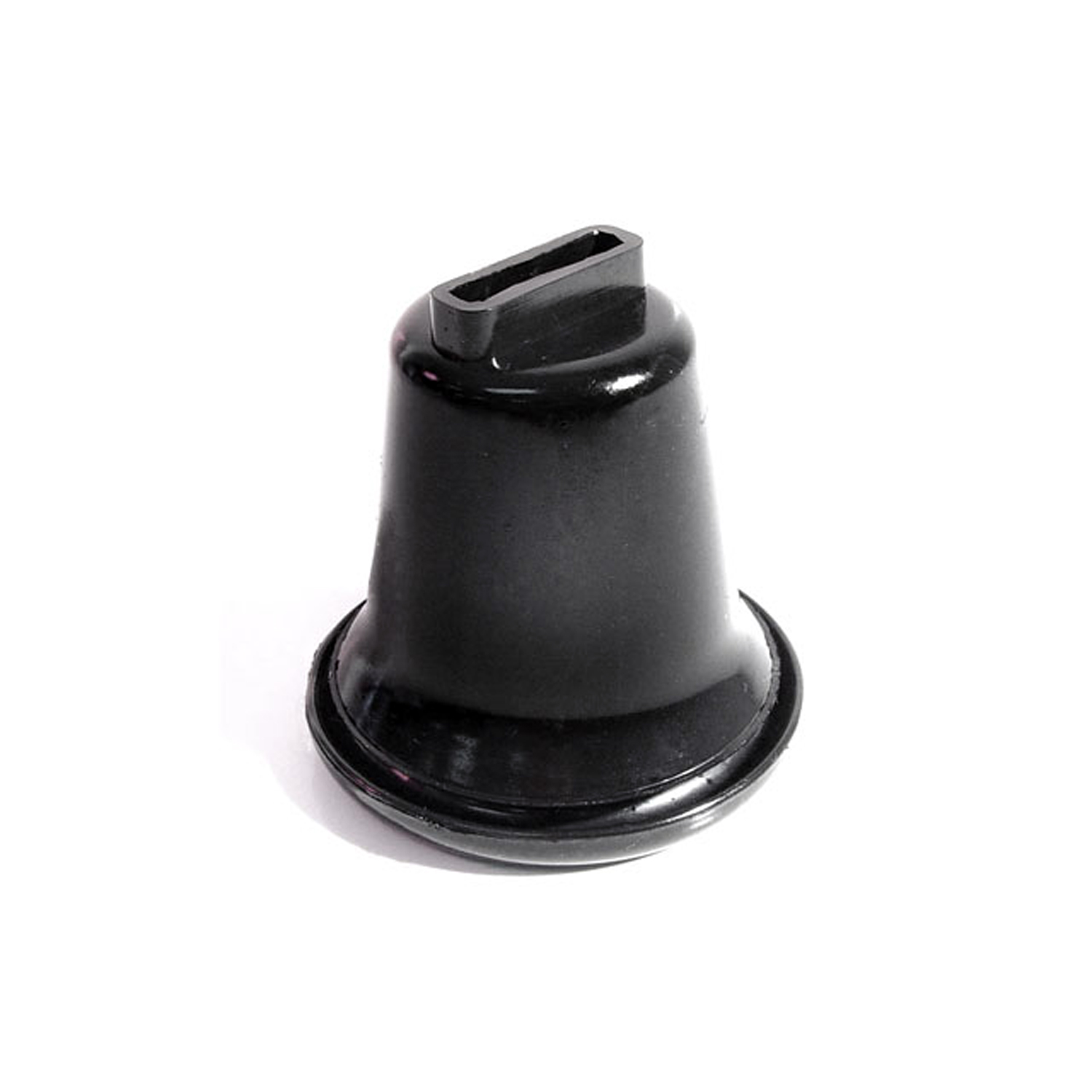 1964 Mercury Commuter Brake Booster Boot. Each-RP 32-AABrake Booster Boot. Each
 1964 Mercury Commuter Hood Bumper. Snap-in wire base like original. Each-SB 89-AHood Bumper. Snap-in wire base like original. Each
 1964 Mercury Commuter Trunk Seal. 18 feet long. Each-TK 51-18Trunk Seal. 18 feet long. Each
 1964 Mercury Commuter Vertical Vent Seals-VS 6-DVertical Vent Seals. Fits 2 & 4 door sedans and station wagons. Pair
 1964 Mercury Commuter Flexible Sweeper. Made of rubber-WC 23-/FTFlexible Sweeper. Made of rubber. Seal for outside of side window. Sold by the foot
 1964 Mercury Commuter Flexible Sweeper. Made of rubber-WC 23-48Flexible Sweeper. Made of rubber. Seal for outside of side window. 48" Piece. Each
 1964 Mercury Commuter Flexible Sweeper. Made of rubber-WC 23-96Flexible Sweeper. Made of rubber. Seal for outside of side window. 96" Piece. each
 1964 Mercury Commuter Vent Window Seals-WR 3363Vent Window Seals. Fits 2 & 4 door sedans and station wagons. Pair
Why Choose Metro?
For over 100 years, Metro Moulded Parts has been the pinnacle of quality in classic car restoration parts. Our commitment to precision and authenticity in every component ensures a perfect fit and an OEM-level appearance.
- Expert Craftsmanship & Quality: Each part is a testament to our dedication to reliability and perfection, crafted from original designs and thoroughly tested.
- Advanced Technology: We use cutting-edge techniques to create flawless, long-lasting parts that surpass others in performance.
- SuperSoft Sponge – The Ultimate Door Seal: Not only are our door seals 30% softer than competitors', but they're also guaranteed to never leak. They effectively reduce wind and road noise, enhancing your classic car's comfort and driving experience.
- Proudly American: Our parts are a product of American craftsmanship, made in the USA with a spirit of excellence and heritage.
- Unrivaled Warranty: We back our products with a 30-year industry-leading warranty, a testament to our confidence in their quality.
Join us in preserving the legacy of classic cars with parts that are crafted for perfection, not just made.