

Image of 1964 Mercury Montclair, Note: These illustrations use artistic license and may differ from actual historical models.
Performance Metrics
Fundamental Metrics
Emotional Appeal
MMP Rating
| Engine Specifications | |
|---|---|
| Engine: | 390 CID V8 |
| Displacement: | 390 cubic inches |
| Horsepower: | 250-330 HP |
| Torque: | 427 lb-ft |
| Compression Ratio: | 10.5:1 |
| Ignition System: | Conventional breaker-point ignition system |
| Cooling System: | Liquid-cooled |
| Performance Specifications | |
| 0-60 Time: | 8 seconds |
| 1/4 Mile Time: | 16 seconds |
| Top Speed: | 120 mph |
| Transmission and Drive | |
| Drive Type: | Rear-wheel drive |
| Transmission Type: | 3-speed automatic or 4-speed manual |
| Fuel and Efficiency | |
| Fuel System Type: | Carburetor |
| MPG: | 10-12 mpg |
| Dimensions and Brakes | |
| Brakes: | Drum brakes |
| Wheelbase: | 119 inches |
| Weight: | 3,800 lbs |
Note: Specifications for classic cars are given to the best of our ability, considering the limited and variant data available.
1964 Mercury Montclair: A Full-Size Mercury with Style
The 1964 Mercury Montclair paired big-car comfort with one of the era’s most distinctive rooflines: the Breezeway, whose reverse-slanted rear glass gave the car a look unlike most of its rivals. Built by the Mercury division of Ford Motor Company, the Montclair sat between the Monterey and the more upscale Park Lane in Mercury’s full-size lineup.
The Montclair name had been introduced in 1955, when it represented Mercury’s top trim level. By 1964, it was an established middle-to-upper series, aimed at buyers who wanted generous space and polished styling without stepping up to the most expensive model. One intriguing detail is that some Breezeway configurations had a power-operated rear window that lowered into the body, letting fresh air circulate without opening a side window.
Mercury Montclair Styling and Interior
Mercury gave its 1964 full-size cars a cleaner, flatter look than the more elaborate designs of the late 1950s. The Montclair wore a broad grille, quad headlamps, restrained chrome trim and long, straight body sides. Its size was unmistakable, but the design avoided excessive ornament. A crisp beltline and brightwork along the body helped emphasize the car’s length.
The Breezeway roof was the visual standout. Its rear window leaned forward toward the roof, rather than following the conventional rearward slope. On equipped cars, the glass could be lowered electrically. The arrangement was practical as well as unusual: it offered ventilation while preserving the car’s formal, upright profile. Other roof treatments were available, including a more conventional hardtop look, depending on body style and equipment.
Inside, the Montclair was made for relaxed cruising. Buyers could choose cloth-and-vinyl or vinyl upholstery, with broad bench seats, substantial door panels and bright interior trim. The dashboard was wide and straightforward, with the speedometer and main controls easy to see from the driver’s seat. Power steering, power brakes, air conditioning, power windows, a power seat and an AM radio were among the comfort and convenience options, though equipment varied from car to car.
Mercury offered the Montclair in period paint colors that included subdued metallics, light neutrals and stronger shades such as red, blue and green. White and silver tones suited the car’s formal character, while red and darker blues made the chrome stand out. Exact color names and availability depended on the production date and market, so a factory data plate or build record is the best guide to a particular car’s original finish.
The core Montclair body styles were the two-door hardtop, four-door hardtop and four-door sedan. Convertibles were available elsewhere in Mercury’s full-size range, but they were not a regular Montclair body style. The two-door hardtop is often the most visually striking to collectors, while the four-door hardtop makes a particularly memorable Breezeway cruiser.
Why the 1964 Montclair Matters
The Montclair was not a radical engineering breakthrough, but it showed how Mercury used roof design and trim to distinguish its full-size cars from comparable Fords and other domestic sedans. The Breezeway was a genuine design statement with a practical purpose, and its retractable rear glass gave the car a feature that still draws attention at shows.
Mercury’s position between mainstream Ford and luxury-minded Lincoln also shaped the Montclair’s character. It offered generous dimensions, a broad range of comfort options and V8 power, while keeping a more restrained appearance than some of the decade’s flashier cars. The result was a distinctive American road car rather than a technical trendsetter, and its unusual rear-window treatment has become a lasting part of Mercury’s design identity.
V8 Power and Road Manners
Most 1964 Montclairs were powered by a 390-cubic-inch V8. Depending on carburetion and specification, period ratings included versions around 250 horsepower and 300 horsepower. A three-speed manual transmission was available, while many buyers chose Mercury’s Merc-O-Matic automatic. High-performance engines, including 427-cubic-inch V8s, were offered in certain full-size Mercury and performance configurations, but they were far less common than the 390. Check the car’s documentation before assuming a Montclair has one of these rare engines.
There was no single factory top-speed or 0-to-60-mph figure that applies to every Montclair. For a healthy 390-powered car, a reasonable period-style estimate is roughly 10 to 12 seconds from 0 to 60 mph, with a top speed in the neighborhood of 110 to 120 mph depending on gearing, engine, body style and condition. A 300-horsepower version could be quicker. These are broad estimates, not guaranteed test results, and modern tires, tune and transmission condition make a substantial difference.
On the road, the Montclair feels like a full-size American car should: quiet, relaxed and substantial. Its long wheelbase helps it glide over ordinary pavement joints and broad bumps, while the soft suspension favors comfort over sharp cornering. On a winding road, the car leans noticeably and responds more slowly than a modern sedan. Crosswinds and rough pavement can make its size and age apparent, especially if the shocks, bushings or tires are worn.
With the windows up, a well-maintained car settles into a mellow V8 rumble. Acceleration is smooth rather than urgent, and the automatic transmission encourages an easy, unhurried driving style. Power steering lightens parking maneuvers, while the broad hood and large cabin make the driver feel connected to a much bigger machine than a contemporary compact car.
Living with a Montclair
Today, a Montclair is most often used as a weekend cruiser, show car or occasional-use classic. It can handle local errands and highway trips, but its fuel consumption, large dimensions and age-related maintenance needs make it less convenient than a modern daily driver. A car with working air conditioning, sound brakes and a healthy cooling system is far more enjoyable in regular use.
Many routine repairs are manageable for an experienced home mechanic. The 390 V8 is part of Ford’s familiar FE engine family, and common service items such as ignition components, belts, hoses and brake parts are generally easier to source than highly specialized trim. However, body panels, Breezeway window mechanisms, interior pieces and model-specific brightwork can take patience to find. Before buying, inspect the rear-window mechanism, floor and trunk for corrosion, and check the transmission, cooling system and electrical accessories.
As with any early-1960s car, reliability depends more on the quality of its restoration and maintenance than on its reputation when new. A neglected example can quickly need brakes, tires, suspension work and electrical troubleshooting. A properly sorted Montclair, by contrast, can be a pleasant long-distance cruiser.
Montclair Trivia and Common Criticisms
The Breezeway is the car’s best-known conversation starter. Its reverse-slanted glass was not merely fixed styling: on equipped examples, the powered window could lower into the body. That feature is especially useful to check when viewing a car, because a nonworking mechanism can be difficult or costly to put right.
The Montclair also reflects a time when Mercury used several distinct nameplates to create a carefully tiered lineup. Monterey, Montclair and Park Lane shared the full-size mission but differed in trim and positioning. The Montclair’s appeal lies in that balance: it feels upscale without being as ornate as a top-trim luxury car.
Common criticisms are familiar to owners of large American cars from the period. The Montclair is thirsty, takes up a lot of road and does not handle like a modern vehicle. Its soft suspension and drum-brake-era design also call for sensible driving distances and speeds. Buyers should value originality and condition over claims of performance, particularly when a car is advertised with a rare engine or unusual factory equipment.
1964 Montclair Values and Rarity
Production totals for individual Montclair body styles are not consistently reported in the reference material available to collectors, so any single figure should be treated as an estimate. A reasonable broad estimate is roughly 50,000 to 70,000 Montclairs for the 1964 model year, with the exact total depending on how body and trim variations are counted. That makes the car uncommon today, but not so scarce that a determined buyer can never find one.
U.S. asking prices vary widely with rust, originality, body style and mechanical condition. As a general guide, a project or rough driver might fall around $5,000 to $12,000. A usable, presentable car often lands in the $15,000 to $30,000 range, while a high-quality restoration can reach approximately $30,000 to $50,000 or more. Exceptional cars with rare, documented equipment may bring higher prices, though the market for a Montclair is smaller than for the most famous muscle cars.
Values have generally been supported by growing interest in distinctive early-1960s American cars, but they are not guaranteed to rise steadily. Well-preserved and correctly restored examples tend to attract the strongest buyers. A car needing extensive metalwork or hard-to-find trim can be expensive to restore relative to its eventual sale price, so condition and documentation matter more than optimistic seller claims.
A Distinctive American Cruiser
The 1964 Mercury Montclair combines full-size V8 comfort, clean mid-century styling and the memorable Breezeway rear window. It was not built to be a corner-carving sports sedan or a technological revolution. Its strengths are space, relaxed road manners and an individual design feature that still makes people stop and look.
For collectors, the Montclair offers a less predictable choice than the best-known classics: a substantial Mercury with a story, a distinctive silhouette and enough character to turn an ordinary drive into an event.
1964 Mercury Montclair Catalog of Parts
 1964 Mercury Montclair Power Steering Stop Insulator. Die stamped. 1-7/16" O.D-BN 107-APower Steering Stop Insulator. Die stamped. 1-7/16" O.D., 1-1/16" I.D., .808 thick. Each
 1964 Mercury Montclair Shock Absorber Grommet. 1" bottom O.D-BN 11Shock Absorber Grommet. 1" bottom O.D., 3/4" high, with 5/8" I.D. Each
 1964 Mercury Montclair Shock Absorber Grommet. 1-1/4" bottom O.D., 1" high-BN 12Shock Absorber Grommet. 1-1/4" bottom O.D., 1" high., with 3/4" I.D. Each
 1964 Mercury Montclair Stabilizer Bar Bushings-BN 32-DStabilizer Bar Bushings. 1-9/16" long X 1-1/2" wide X 1-5/8" high, 15/16" I.D. Pair
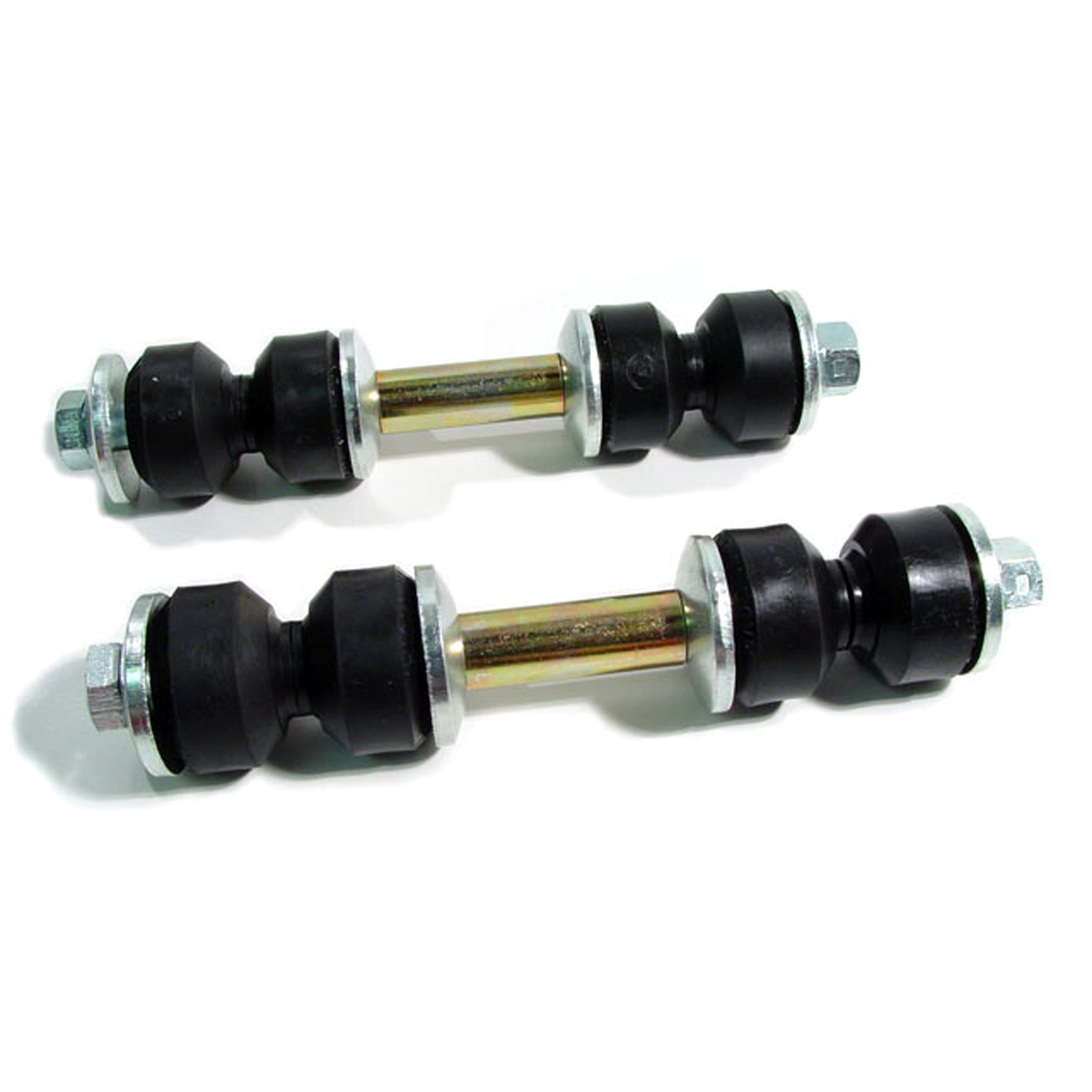 1964 Mercury Montclair Front Stabilizer End Repair Kit-BNK 22Front Stabilizer End Repair Kit. 22-piece set for two stabilizer bars. Contains all rubber bushings, washers, bolts and nuts, enough for one front end. Set
 1964 Mercury Montclair Hood Bumper. Made with steel core. Held by screw. Each-HF 40Hood Bumper. Made with steel core. Held by screw. Each
 1964 Mercury Montclair Generator Boot. Replaces OEM #C1AZ10170B-RP 2-FGenerator Boot. Replaces OEM #C1AZ10170B. Note: Notch may have to be cut by purchaser. Each
 1964 Mercury Montclair Door Lock Knob. Black Rubber. Each-RP 306Door Lock Knob. Black Rubber. Each
 1964 Mercury Montclair Door Lock Knob. 1-1/2" high. Made of red rubber. Each-RP 306-ADoor Lock Knob. 1-1/2" high. Made of red rubber. Each
 1964 Mercury Montclair Door Lock Knob. 1-1/2" high. Made of blue rubber. Each-RP 306-BDoor Lock Knob. 1-1/2" high. Made of blue rubber. Each
 1964 Mercury Montclair Door Lock Knob. 1-1/2" high. Made of turquoise rubber-RP 306-CDoor Lock Knob. 1-1/2" high. Made of turquoise rubber. Each
 1964 Mercury Montclair Door Lock Knob. 1-1/2" high. Made of beige rubber. Each-RP 306-DDoor Lock Knob. 1-1/2" high. Made of beige rubber. Each
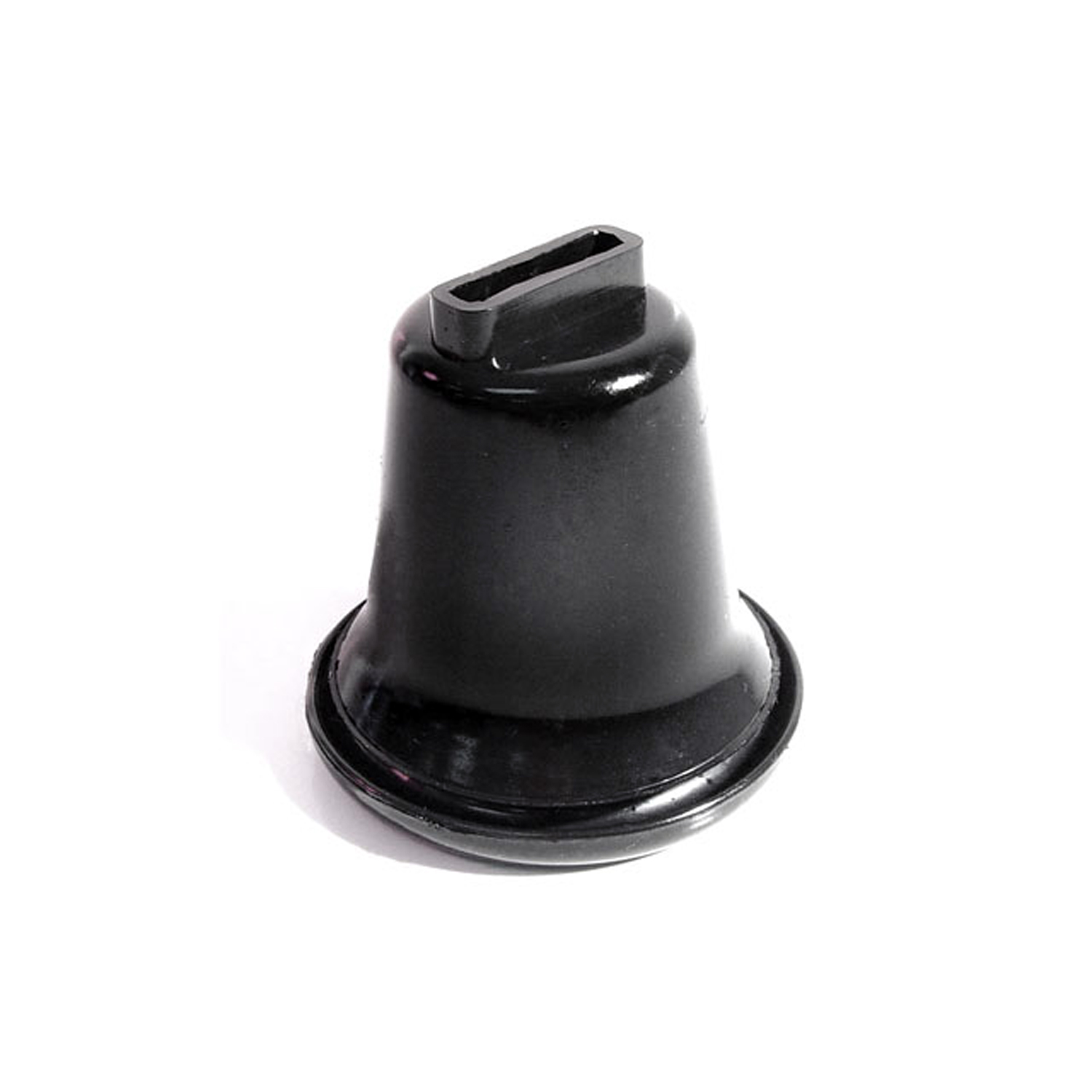 1964 Mercury Montclair Brake Booster Boot. Each-RP 32-AABrake Booster Boot. Each
 1964 Mercury Montclair Molded roof-rail seals-RR 3301-AMolded roof-rail seals. Fits '64 Ford Galaxie 500, Mercury Montclair and Park Lane 4-door hardtops. Replaces OEM#'s C4AZ 5751222B/3B. Pair. R&L.
 1964 Mercury Montclair Hood Bumper. Snap-in wire base like original. Each-SB 89-AHood Bumper. Snap-in wire base like original. Each
 1964 Mercury Montclair Trunk Seal. 18 feet long. Each-TK 51-18Trunk Seal. 18 feet long. Each
 1964 Mercury Montclair Vertical Vent Seals-VS 6-DVertical Vent Seals. Fits 2 & 4 door sedans and station wagons. Pair
 1964 Mercury Montclair Flexible Sweeper. Made of rubber-WC 23-/FTFlexible Sweeper. Made of rubber. Seal for outside of side window. Sold by the foot
 1964 Mercury Montclair Flexible Sweeper. Made of rubber-WC 23-48Flexible Sweeper. Made of rubber. Seal for outside of side window. 48" Piece. Each
 1964 Mercury Montclair Flexible Sweeper. Made of rubber-WC 23-96Flexible Sweeper. Made of rubber. Seal for outside of side window. 96" Piece. each
 1964 Mercury Montclair Vent Window Seals-WR 3363Vent Window Seals. Fits 2 & 4 door sedans and station wagons. Pair
Why Choose Metro?
For over 100 years, Metro Moulded Parts has been the pinnacle of quality in classic car restoration parts. Our commitment to precision and authenticity in every component ensures a perfect fit and an OEM-level appearance.
- Expert Craftsmanship & Quality: Each part is a testament to our dedication to reliability and perfection, crafted from original designs and thoroughly tested.
- Advanced Technology: We use cutting-edge techniques to create flawless, long-lasting parts that surpass others in performance.
- SuperSoft Sponge – The Ultimate Door Seal: Not only are our door seals 30% softer than competitors', but they're also guaranteed to never leak. They effectively reduce wind and road noise, enhancing your classic car's comfort and driving experience.
- Proudly American: Our parts are a product of American craftsmanship, made in the USA with a spirit of excellence and heritage.
- Unrivaled Warranty: We back our products with a 30-year industry-leading warranty, a testament to our confidence in their quality.
Join us in preserving the legacy of classic cars with parts that are crafted for perfection, not just made.