

Image of 1964 Mercury Park Lane, Note: These illustrations use artistic license and may differ from actual historical models.
Performance Metrics
Fundamental Metrics
Emotional Appeal
MMP Rating
| Engine Specifications | |
|---|---|
| Engine: | 390 CID V8, 427 CID V8 |
| Displacement: | 390-427 cubic inches |
| Horsepower: | 300-425 hp |
| Torque: | 427-480 lb-ft |
| Compression Ratio: | 10.5:1 for 390 CID V8, 11.6:1 for 427 CID V8 |
| Ignition System: | Conventional breaker-point ignition system |
| Cooling System: | Liquid-cooled |
| Performance Specifications | |
| 0-60 Time: | 8.0 seconds |
| 1/4 Mile Time: | 16.0 seconds |
| Top Speed: | 120 mph |
| Transmission and Drive | |
| Drive Type: | Rear-wheel drive |
| Transmission Type: | 3-speed automatic, 4-speed manual |
| Fuel and Efficiency | |
| Fuel System Type: | Carburetor |
| MPG: | 10-12 mpg |
| Dimensions and Brakes | |
| Brakes: | Drum brakes |
| Wheelbase: | 123 inches |
| Weight: | 4,000 lbs |
Note: Specifications for classic cars are given to the best of our ability, considering the limited and variant data available.
1964 Mercury Park Lane: Mercury’s Full-Size Flagship
The 1964 Mercury Park Lane brought big-car comfort, polished styling, and V8 power together in one of Mercury’s most prestigious models. Built by the Mercury division of Ford Motor Company, it sat above the Monterey and Montclair in the brand’s full-size lineup, appealing to buyers who wanted an upscale American car without stepping into the highest-priced luxury class.
The Park Lane name had first appeared in 1958, then returned for 1964 after a brief absence. That return mattered: Mercury was sharpening the distinction between its mainstream models and its premium offerings, and the Park Lane became the division’s formal, well-equipped flagship. A particularly memorable detail was Mercury’s Breezeway ventilation system, which could let fresh air into the cabin through a power-operated rear window on select body styles.
Long, Low, and unmistakably Mercury
The Park Lane wore the confident proportions expected of a 1960s full-size car. Its long hood, broad grille, clean flanks, and squared-off rear gave it a substantial presence without relying on the heavy tail fins of the late 1950s. Bright chrome trim, carefully shaped wheel openings, and distinctive taillights added decoration while keeping the overall look relatively restrained.
Inside, the Park Lane emphasized space and comfort. Buyers got wide seating, a broad dashboard, and higher-grade trim than in less expensive Mercury models. Depending on configuration, the cabin could feature patterned cloth, vinyl, or leather upholstery, along with metallic or wood-tone accents. Period options included power steering, power brakes, power windows, power seats, air conditioning, and an AM radio. These conveniences made the Park Lane feel especially well appointed by mid-1960s standards.
Mercury offered the Park Lane as a two-door hardtop, four-door hardtop, four-door sedan, and convertible. The hardtops delivered the sleek, pillarless profile many buyers associated with premium American cars, while the convertible offered the most open-air glamour. The Breezeway rear-window arrangement was available on applicable sedan configurations. Its rear glass lowered electrically, improving ventilation without requiring the car to be driven with a side window open.
Color choices varied by paint and trim combination, with period shades ranging from subtle whites, grays, and blues to more vivid reds, greens, and metallic finishes. Buyers often paired restrained exterior colors with contrasting interiors, but brighter hues made the Park Lane’s chrome and long body sides stand out at a glance.
Why the Park Lane Mattered
The 1964 Park Lane was not a revolutionary engineering experiment. Its significance was more about how it brought together the era’s priorities: generous dimensions, V8 power, upscale trim, and practical comfort features. Mercury positioned it as a more distinctive alternative to an ordinary family sedan while keeping it within reach of buyers who did not want a top-tier luxury marque.
The Breezeway was one of the car’s most recognizable innovations. Rather than simply adding a large fixed rear window, Mercury made the glass power-operated on equipped models. It was a clever solution to cabin ventilation and a feature that gave the car a memorable identity. The system also reflected a period when manufacturers used unusual convenience features and roof designs to distinguish their full-size cars.
Compared with many contemporaries, the Park Lane offered a quieter, more formal personality than a performance-focused muscle car. It shared the decade’s appetite for big engines and broad interiors, but its appeal was as much about comfortable cruising and upscale presentation as outright speed. Its influence is best seen in Mercury’s effort to maintain a separate, premium character within the Ford family rather than in a particular design feature copied across the industry.
390 V8 Power and Highway Manners
Most 1964 Park Lanes were powered by a 390-cubic-inch V8. Depending on carburetion and equipment, the engine was rated at roughly 250 horsepower in a two-barrel form or about 300 horsepower with a four-barrel carburetor. A three-speed automatic was a common choice, while transmission and axle combinations varied. Mercury’s larger performance engines were available in parts of its full-size range, but the 390 is the sensible reference point for a typical Park Lane.
Exact performance depended on engine, gearing, body style, and condition. A healthy 390-equipped car could generally reach 60 mph in roughly 9 to 11 seconds, with four-barrel versions tending toward the quicker end. Estimated top speed falls in the neighborhood of 110 to 120 mph under favorable conditions, though these cars were designed for relaxed highway travel, not sustained high-speed running. Those figures are period-style estimates, not a guarantee for an individual car.
On the road, the Park Lane feels substantial and smooth. Its coil-spring front suspension and leaf-spring rear setup favor comfort, soaking up ordinary pavement joints and rough patches with the easygoing motion expected of a large American cruiser. On a winding road, the long wheelbase and soft suspension make it less nimble than a smaller car, and body lean is part of the experience. Strong crosswinds can also remind the driver just how much automobile is moving down the road.
With the windows up, the V8 produces a subdued, deep rumble rather than a sharp performance-car bark. Acceleration arrives with a steady swell of torque, and the automatic transmission encourages an unhurried pace. The steering is light when power assisted, the hood stretches out ahead, and the driver sits in a spacious cabin that feels made for long-distance trips.
Living With a 1964 Park Lane
Today, the Park Lane is most often used as a weekend cruiser, show car, or restoration project. Its comfortable seating and relaxed highway character make it a natural choice for local touring and classic-car events. It can be driven regularly, but its size, fuel consumption, drum brakes, and vintage safety equipment call for a different mindset than a modern daily driver.
Mechanical maintenance is generally straightforward for an owner or shop familiar with Ford products of the period. The 390 V8 is well understood, and many routine service items are shared with other Ford and Mercury models. Brake work, ignition service, carburetor tuning, cooling-system upkeep, and transmission maintenance are familiar jobs for a classic-car mechanic. The main challenge is often finding correct trim, interior parts, and body-specific pieces, particularly for a car with the Breezeway system or unusual options.
As with any six-decade-old vehicle, condition matters more than the model’s reputation. Check for rust in the floors, lower body panels, trunk, and structural areas, and inspect the electrical system carefully. On a Breezeway-equipped car, confirm that the rear window operates smoothly and seals properly. A running car is not automatically a sound car, so a pre-purchase inspection is money well spent.
Park Lane Trivia and Common Gripes
The Park Lane’s most distinctive talking point is its place at the top of Mercury’s 1964 passenger-car range. Its Breezeway rear glass is another conversation starter, especially when it lowers at the push of a switch. The convertible is the most visually dramatic version, while the pillarless hardtops capture the clean, open-sided look that made full-size American cars so popular in the period.
The Park Lane was not a major racing name, and there is no widely recognized production record or endurance achievement attached to the model. It is better understood as a premium road car than as a competition machine. Claims about special celebrity ownership or a uniquely famous 1964 Park Lane should be checked against documentation rather than assumed from a car’s appearance or seller’s description.
Its common criticisms are familiar ones for a large 1960s car: fuel economy is modest, parking takes practice, and handling is comfort-oriented rather than sporty. The brakes and safety equipment also feel dated beside modern standards. The Breezeway window adds charm, but its motor, seals, and mechanism can require attention after decades of use.
Collector Values and Availability
The 1964 Park Lane is uncommon today, though it is not typically treated as an ultra-rare collectible. A reasonable working estimate is roughly 25,000 to 30,000 examples across the model-year lineup, but production figures can vary by body style and source. Convertibles and cars with desirable factory equipment are scarcer than ordinary hardtops and sedans, and surviving examples are fewer still.
As a broad U.S. market guide for 2026, a project or rough driver might sell for about $5,000 to $10,000. A usable, presentable car often falls around $10,000 to $25,000, while a well-restored example can bring roughly $25,000 to $40,000 or more. A particularly sharp convertible or exceptionally documented car may exceed that range. These are estimates, not appraisals; originality, rust, restoration quality, and local demand can move a price substantially.
Values have generally been steadier than those of headline muscle cars. The Park Lane has a devoted following, but it does not enjoy the same broad collector demand as a famous performance model. Clean, original cars and high-quality convertibles are likely to remain the most desirable, while rough projects can be difficult to justify once restoration costs are added. In other words, buy the best example you can afford rather than counting on a quick resale profit.
A Premium Mercury With a Personality of Its Own
The 1964 Mercury Park Lane combined generous V8 power, comfortable full-size proportions, upscale trim, and distinctive features such as the Breezeway rear window. It was not built to dominate a race track or set a new engineering benchmark. Its achievement was delivering a composed, well-equipped American cruiser with more character than an ordinary family car.
Today, a good Park Lane offers a rewarding slice of Mercury history: roomy, stylish, mechanically approachable, and just unusual enough to stand out at a show. When that long hood meets the road and the 390 settles into its easy V8 rumble, the Park Lane makes a compelling case for the classic American luxury cruiser.
1964 Mercury Park Lane Catalog of Parts
 1964 Mercury Park Lane Shock Absorber Grommet. 1-1/4" bottom O.D., 1" high-BN 12Shock Absorber Grommet. 1-1/4" bottom O.D., 1" high., with 3/4" I.D. Each
 1964 Mercury Park Lane Stabilizer Bar Bushings-BN 32-DStabilizer Bar Bushings. 1-9/16" long X 1-1/2" wide X 1-5/8" high, 15/16" I.D. Pair
 1964 Mercury Park Lane Hood Bumper. Made with steel core. Held by screw. Each-HF 40Hood Bumper. Made with steel core. Held by screw. Each
 1964 Mercury Park Lane Generator Boot. Replaces OEM #C1AZ10170B-RP 2-FGenerator Boot. Replaces OEM #C1AZ10170B. Note: Notch may have to be cut by purchaser. Each
 1964 Mercury Park Lane Door Lock Knob. Black Rubber. Each-RP 306Door Lock Knob. Black Rubber. Each
 1964 Mercury Park Lane Door Lock Knob. 1-1/2" high. Made of red rubber. Each-RP 306-ADoor Lock Knob. 1-1/2" high. Made of red rubber. Each
 1964 Mercury Park Lane Door Lock Knob. 1-1/2" high. Made of blue rubber. Each-RP 306-BDoor Lock Knob. 1-1/2" high. Made of blue rubber. Each
 1964 Mercury Park Lane Door Lock Knob. 1-1/2" high. Made of turquoise rubber-RP 306-CDoor Lock Knob. 1-1/2" high. Made of turquoise rubber. Each
 1964 Mercury Park Lane Door Lock Knob. 1-1/2" high. Made of beige rubber. Each-RP 306-DDoor Lock Knob. 1-1/2" high. Made of beige rubber. Each
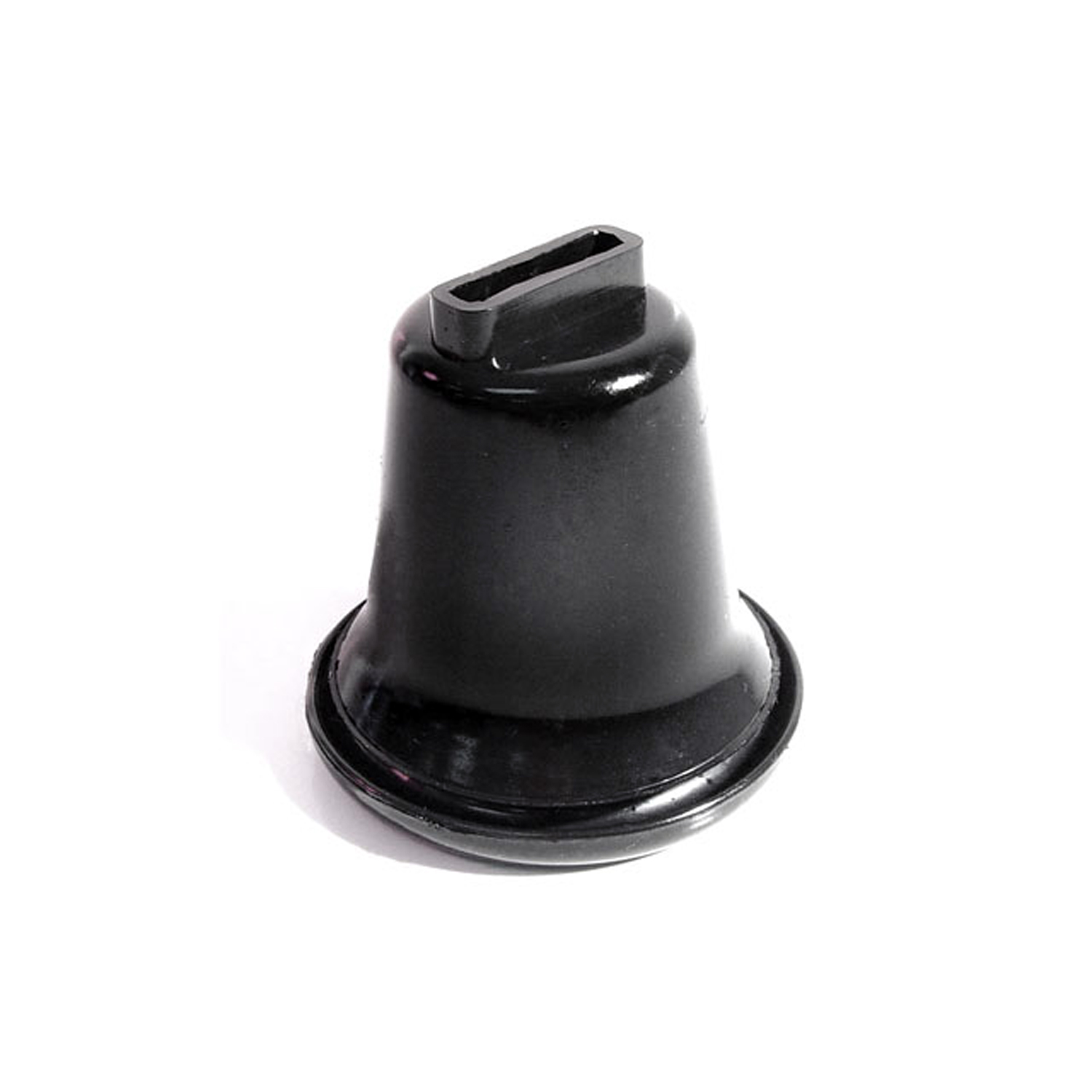 1964 Mercury Park Lane Brake Booster Boot. Each-RP 32-AABrake Booster Boot. Each
 1964 Mercury Park Lane Molded roof-rail seals-RR 3301-AMolded roof-rail seals. Fits '64 Ford Galaxie 500, Mercury Montclair and Park Lane 4-door hardtops. Replaces OEM#'s C4AZ 5751222B/3B. Pair. R&L.
 1964 Mercury Park Lane Hood Bumper. Snap-in wire base like original. Each-SB 89-AHood Bumper. Snap-in wire base like original. Each
 1964 Mercury Park Lane Vertical Vent Seals-VS 6-DVertical Vent Seals. Fits 2 & 4 door sedans and station wagons. Pair
 1964 Mercury Park Lane Flexible Sweeper. Made of rubber-WC 23-/FTFlexible Sweeper. Made of rubber. Seal for outside of side window. Sold by the foot
 1964 Mercury Park Lane Flexible Sweeper. Made of rubber-WC 23-48Flexible Sweeper. Made of rubber. Seal for outside of side window. 48" Piece. Each
 1964 Mercury Park Lane Flexible Sweeper. Made of rubber-WC 23-96Flexible Sweeper. Made of rubber. Seal for outside of side window. 96" Piece. each
 1964 Mercury Park Lane Vent Window Seals-WR 3363Vent Window Seals. Fits 2 & 4 door sedans and station wagons. Pair
Why Choose Metro?
For over 100 years, Metro Moulded Parts has been the pinnacle of quality in classic car restoration parts. Our commitment to precision and authenticity in every component ensures a perfect fit and an OEM-level appearance.
- Expert Craftsmanship & Quality: Each part is a testament to our dedication to reliability and perfection, crafted from original designs and thoroughly tested.
- Advanced Technology: We use cutting-edge techniques to create flawless, long-lasting parts that surpass others in performance.
- SuperSoft Sponge – The Ultimate Door Seal: Not only are our door seals 30% softer than competitors', but they're also guaranteed to never leak. They effectively reduce wind and road noise, enhancing your classic car's comfort and driving experience.
- Proudly American: Our parts are a product of American craftsmanship, made in the USA with a spirit of excellence and heritage.
- Unrivaled Warranty: We back our products with a 30-year industry-leading warranty, a testament to our confidence in their quality.
Join us in preserving the legacy of classic cars with parts that are crafted for perfection, not just made.