

Image of 1965 Mercury Park Lane, Note: These illustrations use artistic license and may differ from actual historical models.
Performance Metrics
Fundamental Metrics
Emotional Appeal
MMP Rating
| Engine Specifications | |
|---|---|
| Engine Options: | 390 cu in (6.4 L) FE V8, 410 cu in (6.7 L) MEL V8, 428 cu in (7.0 L) FE V8 |
| Displacement Range: | 390-428 cu in |
| Horsepower Range: | 250-345 hp |
| Torque: | 375-462 lb-ft |
| Compression Ratio: | 10.5:1 |
| Ignition System: | Conventional points ignition system |
| Cooling System: | Liquid cooled |
| Performance Specifications | |
| 0-60 Time: | 8.0-9.0 seconds |
| 1/4 Mile Time: | 16.0-17.0 seconds |
| Top Speed: | 120 mph |
| Transmission and Drive | |
| Drive Type: | Rear-wheel drive |
| Transmission Type: | 3-speed automatic, 3-speed manual |
| Fuel and Efficiency | |
| Fuel System Type: | Carburetor |
| MPG: | 10-12 mpg |
| Dimensions and Brakes | |
| Brakes: | Drum brakes |
| Wheelbase: | 123 inches |
| Weight: | 4,000-4,500 lbs |
Note: Specifications for classic cars are given to the best of our ability, considering the limited and variant data available.
1965 Mercury Park Lane: Mercury’s Full-Size Luxury Flagship
The 1965 Mercury Park Lane brought big-car presence and V8 power together in a freshly restyled package built for drivers who wanted more polish than a basic family sedan. Made by Ford’s Mercury division, the Park Lane sat near the top of Mercury’s full-size lineup, above the Monterey and Montclair. It was aimed at buyers seeking American luxury without stepping up to a Lincoln.
The 1965 model year was significant because Mercury introduced a redesigned full-size range with a lower, wider-looking profile and cleaner, more modern lines. One especially intriguing option was the muscular 427-cubic-inch V8, which could turn this plush cruiser into a surprisingly serious performer. The Park Lane was not a dedicated muscle car, but with that engine it could deliver the sort of straight-line pace that challenged its comfortable image.
Long Lines, Rich Trim, and Marauder Style
The Park Lane wore the confident proportions expected of a premium American car: a long hood, generous cabin, and broad rear quarters. Its squared-off front end featured a wide grille and stacked headlights, while sculpted body sides and restrained brightwork gave the car a formal, substantial look. It had presence without relying on the excessive ornamentation found on some earlier full-size models.
Inside, the Park Lane offered a spacious cabin trimmed with upscale materials for the period. Buyers could expect patterned cloth, vinyl, or combinations of the two, depending on body style and chosen trim. A wide dashboard, full-size front seating, and generous legroom made the car comfortable on long trips. Options such as power windows, power seats, air conditioning, and an upgraded radio added convenience and luxury.
Mercury offered the Park Lane as a two-door hardtop, four-door hardtop, and convertible. The hardtops gave the car a sleek, pillarless appearance with the side windows lowered. Two-door models could be ordered with Mercury’s fastback-style Marauder roofline, a particularly distinctive choice that gave the car a sportier silhouette. The convertible, with its power-operated top available, offered the most open-air glamour.
Factory paint choices covered a broad range of period colors, including whites, blacks, reds, blues, greens or turquoise shades, and metallic finishes. Exact color names and availability depended on the production date and market. Today, red, turquoise, metallic blue, and black are especially eye-catching choices, though original paint codes and documentation matter more to a careful restorer than a color’s current popularity.
Comfort First, with Useful Period Technology
The Park Lane’s innovations were chiefly about making a large car easier and more pleasant to use. Power steering and power brakes were available, as were automatic transmission, air conditioning, power windows, and power-adjustable seating. These features were not unusual in the luxury class, but together they made the Park Lane a well-equipped long-distance car.
Safety expectations were changing quickly in the mid-1960s. Seat belts and other emerging safety provisions were part of the period’s evolving standards, while padded interior surfaces and improved braking equipment reflected growing attention to occupant protection. By modern standards, the Park Lane lacks contemporary safety systems such as airbags, stability control, and anti-lock brakes, so it requires a more attentive driving style.
Why the Park Lane Mattered
The Park Lane represented Mercury’s effort to occupy a distinct place between mainstream Ford models and the more expensive Lincoln range. It combined substantial size and comfort with more expressive styling than a conventional family sedan. Its 1965 redesign also reflected a broader industry shift toward cleaner surfaces, lower visual mass, and more integrated bodywork.
What set the Park Lane apart from many contemporaries was the range it covered. It could serve as a quiet family cruiser, a stylish convertible, or, with the right engine, a full-size performance car. The available 427 V8 is a reminder that American manufacturers often put serious power into cars whose primary mission was comfort. The Park Lane did not create a new automotive category, but it helped define the idea of the powerful, well-trimmed personal full-size Mercury.
390 Power and Big-Car Road Manners
The common Park Lane engine was a 390-cubic-inch V8 rated at approximately 300 horsepower in its four-barrel form. A 427-cubic-inch V8 was available on select configurations, offering substantially greater performance. Exact output and equipment depended on the engine and specification, so a car represented as a 427 should be checked carefully against its factory documentation and identification details.
Period performance figures vary with engine, transmission, axle ratio, vehicle condition, and testing method. A 390-powered Park Lane can be expected to reach 60 mph in roughly 9 to 11 seconds, with a top speed in the neighborhood of 110 to 120 mph under favorable conditions. A properly equipped 427 car could be quicker and faster, but these figures are best treated as estimates rather than guarantees for an individual car.
On the road, the Park Lane feels like a large American cruiser. Its long wheelbase helps it glide over broad pavement irregularities, while softer suspension tuning favors comfort over sharp cornering. On a winding road, drivers will notice body lean and the effort required to manage a sizeable car. Crosswinds and uneven pavement call for steady steering inputs, particularly if the suspension, tires, or steering components are worn.
The 390 delivers a deep, relaxed V8 rumble, with plenty of low-speed torque for easy progress. The automatic transmission, when fitted, suits the car’s unhurried character. From behind the broad steering wheel, the driver sits high over a long hood and gets a strong sense of the car’s scale. It is less about carving corners than settling into a comfortable pace and enjoying the engine’s effortless pull.
Living with a Park Lane Today
Most Park Lanes now serve as show cars, weekend cruisers, or occasional-use classics rather than everyday transportation. A sound example can handle local trips and relaxed highway drives, but fuel consumption is high by modern standards. The car’s size also makes tight parking spaces and crowded urban streets less convenient.
The 390 belongs to Ford’s FE engine family, which has a long history and a healthy enthusiast following. Many mechanical repairs are familiar to classic Ford specialists, and routine service parts are generally easier to source than body-specific pieces. The 427 is more desirable and valuable, but it can also be more expensive to authenticate, rebuild, and maintain.
As with any 60-year-old car, condition matters more than reputation. Check the frame and body carefully for corrosion, especially around structural areas, floor pans, lower body panels, and the trunk. Inspect the transmission, brakes, cooling system, and electrical components. Park Lane-specific trim, glass, interior pieces, and convertible-top parts may take more time to locate than common mechanical components.
Park Lane Facts and Common Complaints
The Park Lane’s most surprising performance story is its available 427 V8. In a full-size luxury car, that engine created a genuine sleeper: understated compared with a purpose-built performance model, but capable of serious acceleration when correctly equipped. Because engine swaps and restorations are common in the classic-car world, buyers should verify a claimed high-performance specification rather than relying on badges or seller descriptions.
There is no widely recognized speed or endurance record associated with the 1965 Park Lane, and it is not chiefly remembered for a particular celebrity owner or historic event. Its appeal is more representative: it captures the period when American manufacturers paired large, comfortable bodies with increasingly powerful engines.
Common criticisms are familiar to anyone considering a big 1960s car. The Park Lane is thirsty, its handling is soft by modern standards, and its size can be a challenge in daily traffic. Some owners also find that locating original trim and finishing details takes more patience than sourcing basic engine parts. In return, it offers space, style, and a road presence that modern cars rarely match.
Collector Values and Rarity
Exact production totals vary by body style and source, and reliable figures are not always easy to compare. As a broad estimate, around 25,000 to 35,000 Park Lanes across the 1965 body styles is a reasonable working range, with surviving cars far less common today. Convertibles and genuine 427-equipped examples are scarcer and generally attract stronger interest than ordinary hardtops.
In the current collector market, a project car may sell for roughly $5,000 to $10,000, depending on completeness and rust. A sound driver often falls around $12,000 to $25,000, while a well-restored or particularly attractive example may bring $25,000 to $40,000 or more. A documented 427 car or an exceptional convertible can exceed those ranges, though condition, authenticity, and buyer demand make a major difference.
Values have generally been steady to gradually appreciating for well-kept, correctly presented examples, with the strongest gains reserved for rare specifications and high-quality restorations. The Park Lane remains more accessible than many celebrated muscle cars, but rising restoration costs and the shrinking supply of clean cars support the value of good examples. These are broad estimates, not formal appraisals; recent comparable sales are the best guide for a specific vehicle.
A Full-Size Mercury with More Than One Side
The 1965 Mercury Park Lane blended a newly modernized full-size design with a comfortable interior, useful luxury options, and the unmistakable character of a big V8. It could be a graceful hardtop, an open-air convertible, or a surprisingly quick cruiser when equipped with the 427. Its size and thirst are part of the ownership bargain, but so are its presence and relaxed road manners.
For collectors, the Park Lane is a rewarding alternative to better-known muscle cars: a substantial piece of Mercury history that still knows how to make an entrance. Open the throttle, hear that V8 settle into its rhythm, and the car’s appeal becomes clear.
1965 Mercury Park Lane Catalog of Parts
 1965 Mercury Park Lane Shock Absorber Grommet. 1-1/4" bottom O.D., 1" high-BN 12Shock Absorber Grommet. 1-1/4" bottom O.D., 1" high., with 3/4" I.D. Each
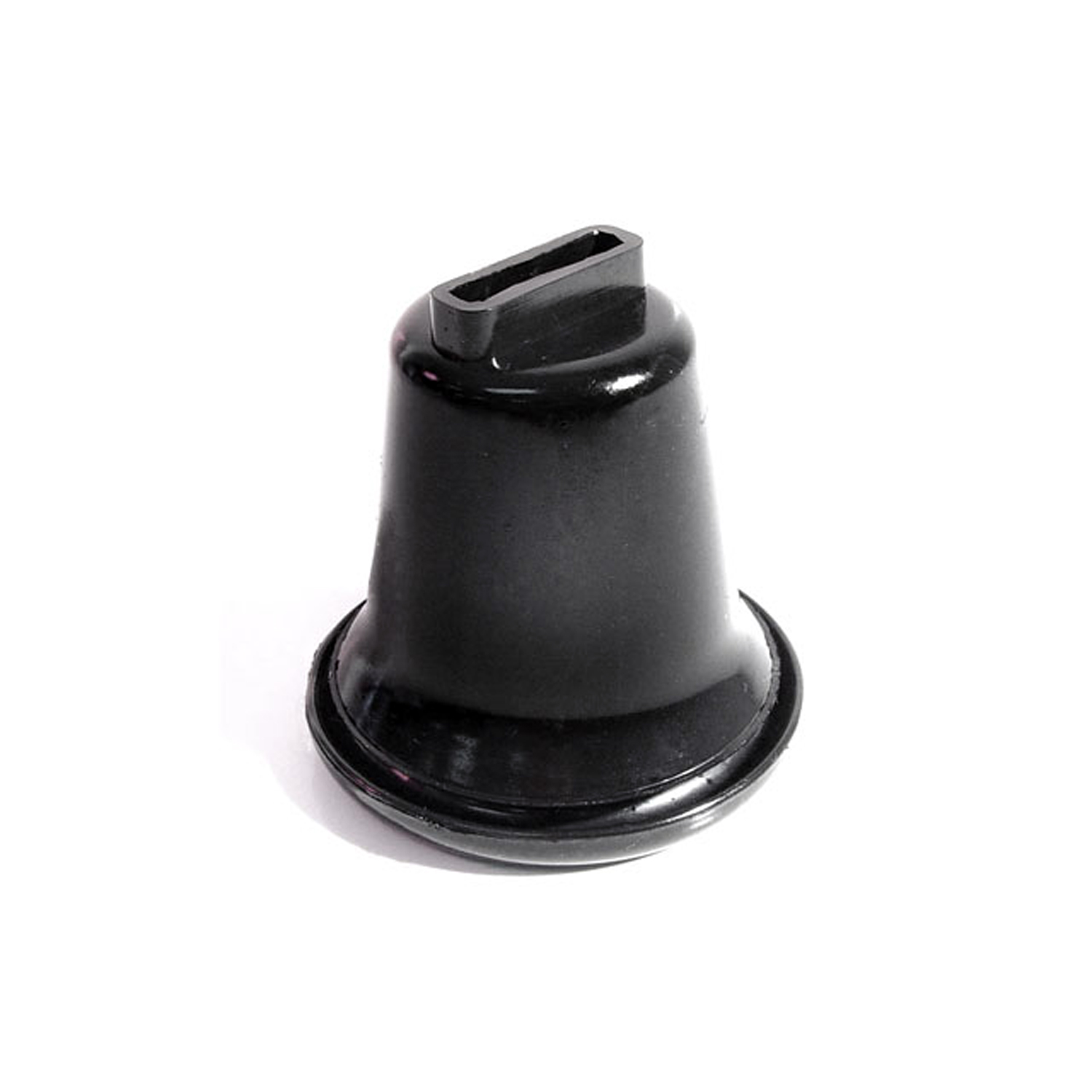 1965 Mercury Park Lane Brake Booster Boot. Each-RP 32-AABrake Booster Boot. Each
 1965 Mercury Park Lane Hood Bumper. Snap-in wire base like original. Each-SB 89-AHood Bumper. Snap-in wire base like original. Each
Why Choose Metro?
For over 100 years, Metro Moulded Parts has been the pinnacle of quality in classic car restoration parts. Our commitment to precision and authenticity in every component ensures a perfect fit and an OEM-level appearance.
- Expert Craftsmanship & Quality: Each part is a testament to our dedication to reliability and perfection, crafted from original designs and thoroughly tested.
- Advanced Technology: We use cutting-edge techniques to create flawless, long-lasting parts that surpass others in performance.
- SuperSoft Sponge – The Ultimate Door Seal: Not only are our door seals 30% softer than competitors', but they're also guaranteed to never leak. They effectively reduce wind and road noise, enhancing your classic car's comfort and driving experience.
- Proudly American: Our parts are a product of American craftsmanship, made in the USA with a spirit of excellence and heritage.
- Unrivaled Warranty: We back our products with a 30-year industry-leading warranty, a testament to our confidence in their quality.
Join us in preserving the legacy of classic cars with parts that are crafted for perfection, not just made.