

Image of 1966 Mercury Caliente, Note: These illustrations use artistic license and may differ from actual historical models.
Performance Metrics
Fundamental Metrics
Emotional Appeal
MMP Rating
| Engine Specifications | |
|---|---|
| Engine: | 289 CID 2V V-8, 390 CID 4V V-8 |
| Displacement: | 289-390 cu in |
| Horsepower: | 200-335 hp |
| Torque: | 282-427 lb-ft |
| Compression Ratio: | 9.3:1 (289 CID), 10.5:1 (390 CID) |
| Ignition System: | Conventional, distributor |
| Cooling System: | Liquid-cooled |
| Performance Specifications | |
| 0-60 Time: | 8.0-6.5 seconds |
| 1/4 Mile Time: | 16.0-14.5 seconds |
| Top Speed: | 115-130 mph |
| Transmission and Drive | |
| Drive Type: | Rear-wheel drive |
| Transmission Type: | 3-speed manual, 4-speed manual, 3-speed automatic |
| Fuel and Efficiency | |
| Fuel System Type: | Carburetor |
| MPG: | 10-15 mpg |
| Dimensions and Brakes | |
| Brakes: | Front disc, rear drum |
| Wheelbase: | 116 in |
| Weight: | 3,200-3,600 lbs |
Note: Specifications for classic cars are given to the best of our ability, considering the limited and variant data available.
1966 Mercury Caliente: Mercury’s Stylish Mid-Size Cruiser
The 1966 Mercury Caliente brought a little extra polish to the American family car, pairing mid-size proportions with Mercury’s more upscale trim and a choice of smooth six-cylinder or V8 power. Built by the Mercury division of Ford Motor Company, the Caliente sat near the top of the Comet range, offering a more refined alternative to a basic transportation car without stepping all the way into the performance-focused Cyclone line.
The Comet name had begun in 1960 on a compact car. For 1966, the Comet grew into a larger, intermediate-size package, sharing its general platform family with Ford’s Fairlane. That change gave the Caliente more room and a stronger presence on the road. One useful distinction for shoppers and enthusiasts: a Caliente could look sporty, especially as a hardtop or convertible, but it was a trim level, not automatically a high-performance Cyclone.
Its name offered a hint of the car’s personality. “Caliente” means “hot” in Spanish, a lively label for a comfortable Mercury that could be ordered with V8 power. The car was part of an era when American manufacturers made style, trim, and engine choice central to a buyer’s experience.
1966 Caliente Design and Interior
The Caliente wore the clean, confident styling typical of mid-1960s Mercury: a broad front end, a defined grille, long body lines, and brightwork that added distinction without turning the car into a chrome showpiece. Its profile looked especially balanced as a two-door hardtop, with a sweeping roofline and no fixed center pillar when the windows were lowered. The convertible offered the same easygoing character with the added appeal of open-air motoring.
Inside, the Caliente was dressed to feel a step above an entry-level Comet. Buyers could expect more decorative trim and a more finished cabin, with upholstery and materials varying by body style and equipment. Bench seats suited the car’s relaxed, family-friendly mission, while available bucket seats and a center console gave the two-door versions a sportier look. As with many cars of the period, surviving interiors range from durable original vinyl to richer cloth-and-vinyl combinations, depending on specification and condition.
Available features could include an automatic transmission, power steering, power brakes, air conditioning, and an AM radio. These were options rather than universal equipment, so a present-day car’s specification depends heavily on its original order sheet. The Caliente’s technology was conventional by modern standards, but automatic shifting, power assists, and optional comfort equipment helped make it an easy car to live with in its day.
Factory paint choices followed the bright, varied palette of the 1960s, with solid colors and more vivid hues available depending on the order. Today, strong reds, blues, and other period-bright finishes tend to catch attention at shows, while understated whites, silvers, and darker colors can suit the car’s restrained lines. Original color and trim codes matter to restoration-minded buyers.
The Caliente was offered in several passenger-car body styles, including two-door and four-door configurations, with the two-door hardtop often regarded as the most visually distinctive. Convertible examples are especially appealing to collectors. Buyers should check the body-style and trim details carefully, since Comet wagons and other Comet models are sometimes casually grouped together in listings even when they are not Calientes.
Why the Caliente Mattered
The 1966 Caliente reflected a shift in the Comet’s role. Rather than remaining simply Mercury’s compact offering, the redesigned Comet entered the intermediate class, where buyers expected more cabin space, more substantial road manners, and broader engine choices. That move helped Mercury compete for customers who wanted a comfortable American car with a touch more finish than a basic model.
What set the Caliente apart was not a single groundbreaking invention. Its appeal came from the combination of Mercury styling, a well-equipped trim level, and the flexibility to choose a practical six-cylinder or a V8. It occupied a useful middle ground between economical transportation and the sportier image promoted by the Cyclone. That approach became a familiar formula across the industry: offer a shared platform in several personalities, then let trim, body style, and powertrain shape the buyer’s experience.
The Caliente is not as famous as the Mustang or as collectible as a top-spec Cyclone GT, but that is part of its charm. It represents the broad middle of the 1960s American market, where manufacturers made attractive, comfortable cars for everyday driving and gave buyers plenty of ways to personalize them.
Engine Options and Road Manners
Caliente buyers could choose a 200-cubic-inch inline-six or a 289-cubic-inch V8, with output and equipment depending on the exact engine and carburetion ordered. The six-cylinder was the sensible choice for steady cruising and lower operating costs. A 289 V8 gave the car stronger passing power and the familiar, deeper exhaust note that many classic-car fans seek.
Period performance figures vary with engine, transmission, axle ratio, vehicle condition, and test method. As a general modern estimate, a V8 Caliente in good mechanical condition might reach 60 mph in roughly 10 to 12 seconds, with a top speed in the neighborhood of 105 to 115 mph. Six-cylinder cars are generally slower, often taking around 14 seconds or more to reach 60 mph. These are estimates, not guaranteed factory figures for every Caliente configuration, and a well-preserved original car may perform differently from a freshly tuned example.
On the road, the Caliente is best understood as a relaxed cruiser rather than a precision sports sedan. Its suspension is designed to absorb ordinary road imperfections, and the car feels most at home on open roads and gentle curves. Over broken pavement, expect the softer, more body-moving ride of a 1960s American car. On a winding road, the steering and handling feel less direct than those of a modern vehicle, especially if the suspension, tires, or steering components are worn.
A V8 car brings a satisfying burble at idle and a fuller growl under acceleration, while the six is quieter and more subdued. The driving experience is tactile: a broad hood ahead, a large steering wheel in hand, and a sense of weight and motion that newer cars tend to filter out. Power steering and an automatic transmission, if fitted, make the Caliente particularly easy to guide through town or along a highway.
Living With a 1966 Mercury Caliente
Today, most Calientes are used as weekend cruisers, show cars, or occasional drivers rather than year-round commuters. A sound example can handle local errands and scenic trips, but age-related issues deserve attention before regular use. Inspect the body for rust, especially around floor pans, lower panels, trunk areas, and other moisture-prone spots. Check the frame and suspension carefully, too.
Mechanical repairs are generally approachable for an experienced home mechanic. The Caliente uses conventional carbureted engines and traditional rear-wheel-drive hardware, and many service procedures are familiar to classic Ford and Mercury specialists. Parts availability is good for common wear items and much of the shared mechanical equipment, but model-specific trim, interior pieces, and body parts can take more searching.
Reliability depends less on the badge than on the car’s maintenance history. Cooling-system condition, ignition tune, fuel delivery, brakes, and electrical connections all deserve a thorough inspection. A car that has sat for years may need far more than a quick tune-up. Before buying, look for signs of quality repairs and confirm that the engine, transmission, brakes, and charging system work as they should.
Caliente Trivia and Common Misconceptions
The Caliente name can lead people to assume every example was a performance model. In Mercury’s lineup, however, the Cyclone was the more overtly sporty and performance-oriented Comet. A Caliente with a 289 V8 can be a lively cruiser, but it should not automatically be described as a Cyclone or as a high-performance special.
There is no widely recognized land-speed or endurance record associated with the Caliente, and it is not chiefly remembered for a famous celebrity owner or a major historical event. Its significance is more everyday and more representative: it was one of the many well-equipped American mid-size cars that filled highways, driveways, and family travel plans in the 1960s.
Common criticisms are familiar to owners of period cars. Fuel economy is modest by modern standards, the handling is not especially sharp, and aged rubber, seals, wiring, and interior materials can require attention. The Caliente also lacks the instant name recognition of more celebrated muscle cars, which can make it a less obvious choice for collectors seeking a high-profile showpiece. For buyers who value distinctive Mercury styling and a less common choice, that relative anonymity can be a plus.
Collector Values and Availability
Exact production totals for individual 1966 Caliente body styles are not consistently available in commonly cited references, so a precise count is difficult to establish. A reasonable estimate is that total Caliente production was in the tens of thousands, perhaps around 25,000 to 40,000 across the range, rather than a tiny limited run. That estimate should be treated as a broad guide, not a verified factory figure. Surviving cars are much less common than everyday Ford models, and clean convertibles are harder to find than ordinary sedans.
In the current U.S. market, a project car may sell for roughly $3,000 to $8,000, depending on completeness and rust. A usable driver often falls around $10,000 to $20,000. Well-restored or unusually clean examples can bring approximately $25,000 to $40,000, with exceptional convertibles potentially exceeding that range. These are broad estimates: regional demand, originality, documentation, body style, and the quality of restoration can move a sale price substantially.
Caliente values have generally been steadier than those of high-demand muscle cars. The best examples may appreciate gradually as well-preserved 1960s Mercurys become harder to find, but the model is not usually a rapid-growth investment. Buyers should focus on condition and authenticity rather than assuming every restoration will return its full cost. A solid, correctly identified car is usually a better prospect than an impressive-looking project with hidden rust or incomplete trim.
A Mercury Worth Rediscovering
The 1966 Mercury Caliente combined intermediate-size comfort, crisp mid-1960s styling, and a choice of practical or V8 power. Its place in the Comet lineup gave buyers a more polished alternative to basic transportation, while its hardtop and convertible versions delivered the kind of presence that still looks right at a weekend cruise-in.
It may not carry the fame of a muscle-car icon, but the Caliente tells an important story about the American car market: style and comfort were not reserved for luxury cars, and an everyday Mercury could still have plenty of personality. For the collector who wants something distinctive, usable, and just outside the usual spotlight, the Caliente is a classic worth bringing back onto the road.
1966 Mercury Caliente Catalog of Parts
 1966 Mercury Caliente Shock Absorber Grommet. 1-1/4" bottom O.D., 1" high-BN 12Shock Absorber Grommet. 1-1/4" bottom O.D., 1" high., with 3/4" I.D. Each
 1966 Mercury Caliente Door Side Seal extrusion with proper installation clips-C/LP 40-FDoor Side Seal extrusion with proper installation clips. Clips installed 4" on center. Sold by the foot.
 1966 Mercury Caliente Door Side Seal, Without Clips (for seal with clips-LP 40-FDoor Side Seal, Without Clips (for seal with clips, see C/LP 40-F). Sold by the foot
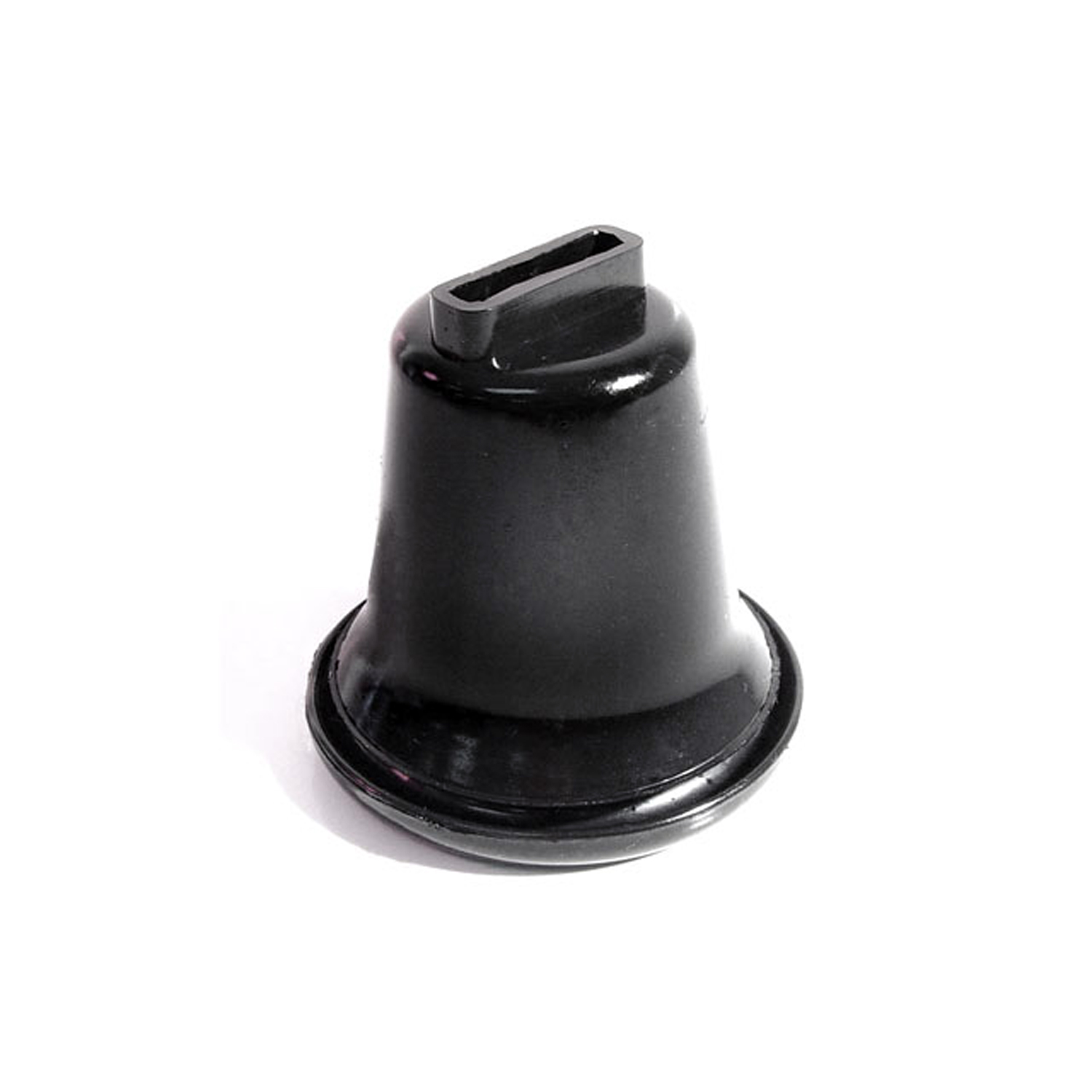 1966 Mercury Caliente Brake Booster Boot. Each-RP 32-AABrake Booster Boot. Each
 1966 Mercury Caliente Molded Roof Rail Seals, for 2-Door Hardtop. Pair R&L-RR 6800Molded Roof Rail Seals, for 2-Door Hardtop. Pair R&L
 1966 Mercury Caliente Hood Bumper. Snap-in wire base like original. Each-SB 89-AHood Bumper. Snap-in wire base like original. Each
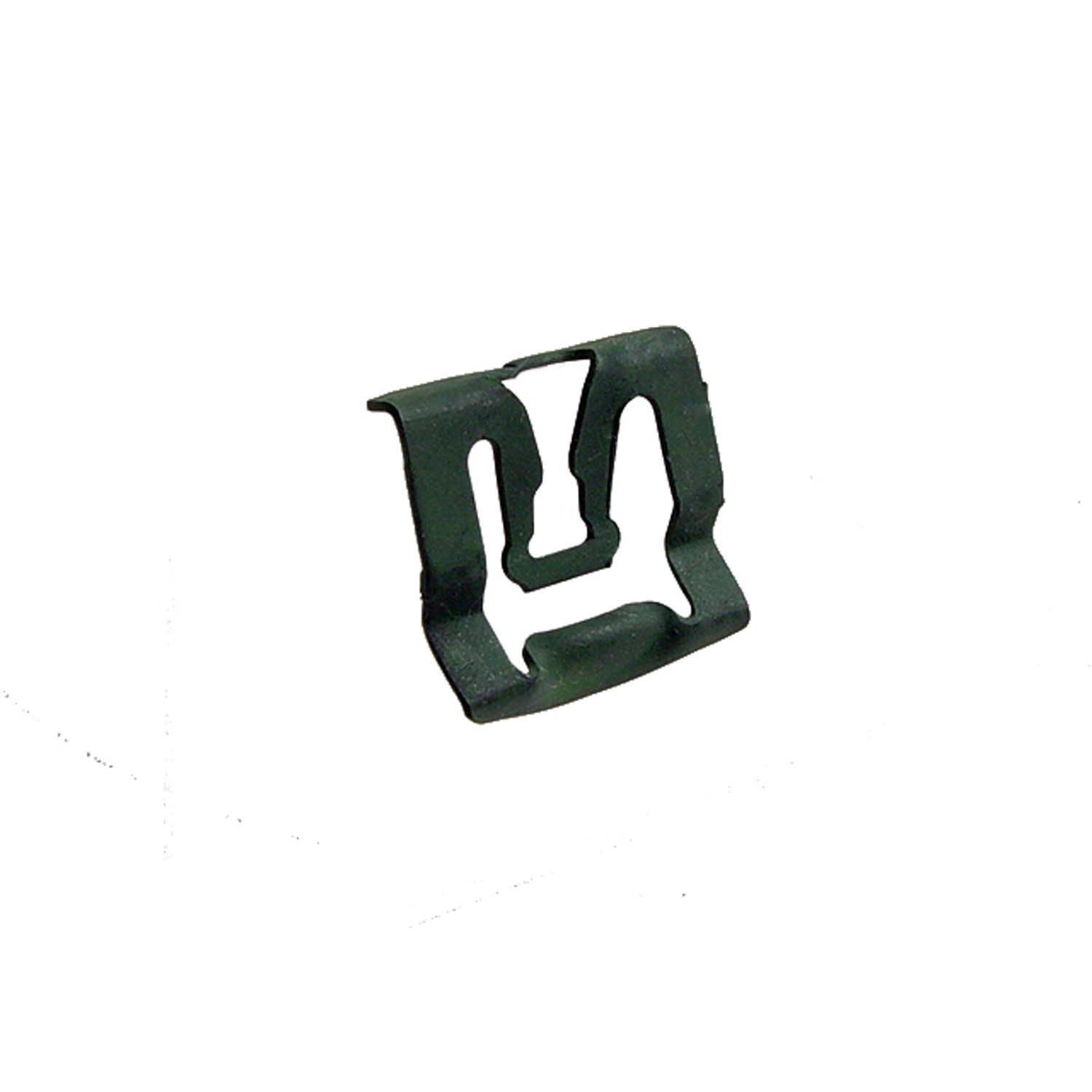 1966 Mercury Caliente Windshield Reveal Molding Clip. Made of steel. Each-WF 228-AWindshield Reveal Molding Clip. Made of steel. Each
Why Choose Metro?
For over 100 years, Metro Moulded Parts has been the pinnacle of quality in classic car restoration parts. Our commitment to precision and authenticity in every component ensures a perfect fit and an OEM-level appearance.
- Expert Craftsmanship & Quality: Each part is a testament to our dedication to reliability and perfection, crafted from original designs and thoroughly tested.
- Advanced Technology: We use cutting-edge techniques to create flawless, long-lasting parts that surpass others in performance.
- SuperSoft Sponge – The Ultimate Door Seal: Not only are our door seals 30% softer than competitors', but they're also guaranteed to never leak. They effectively reduce wind and road noise, enhancing your classic car's comfort and driving experience.
- Proudly American: Our parts are a product of American craftsmanship, made in the USA with a spirit of excellence and heritage.
- Unrivaled Warranty: We back our products with a 30-year industry-leading warranty, a testament to our confidence in their quality.
Join us in preserving the legacy of classic cars with parts that are crafted for perfection, not just made.