

Image of 1966 Mercury Capri, Note: These illustrations use artistic license and may differ from actual historical models.
Performance Metrics
Fundamental Metrics
Emotional Appeal
MMP Rating
| Engine Specifications | |
|---|---|
| Engine Options: | 289 CID 2V V-8, 390 CID 4V V-8 |
| Displacement Range: | 289-390 cubic inches |
| Horsepower Range: | 200-315 hp |
| Torque: | 282-427 lb-ft |
| Compression Ratio: | 9.3:1 for 289 CID, 10.5:1 for 390 CID |
| Ignition System: | Conventional, breaker point |
| Cooling System: | Liquid-cooled |
| Performance Specifications | |
| 0-60 Time: | 8-9 seconds |
| 1/4 Mile Time: | 16 seconds |
| Top Speed: | 120 mph |
| Transmission and Drive | |
| Drive Type: | Rear-wheel drive |
| Transmission Type: | 3-speed manual, 4-speed manual, 3-speed automatic |
| Fuel and Efficiency | |
| Fuel System Type: | Carburetor |
| MPG: | 10-15 mpg |
| Dimensions and Brakes | |
| Brakes: | Front disc, rear drum |
| Wheelbase: | 116 inches |
| Weight: | 3,400 lbs |
Note: Specifications for classic cars are given to the best of our ability, considering the limited and variant data available.
1966 Mercury Capri: The Classic That Never Was
There is one important twist to the story of the 1966 Mercury Capri: Mercury did not sell a Capri in 1966. The name belongs to a later car, the European Ford Capri, which debuted in 1969 and reached American showrooms as the Mercury Capri for the 1970 model year. So there are no factory-built 1966 Mercury Capris, original specifications, or authentic 1966 Capri production figures.
The mix-up is easy to understand. Mercury did sell sporty compact cars in the 1960s, including the Comet, while the Capri name later became one of the company’s best-known European imports. This guide explains the Capri’s real history, design, performance, and collector appeal, with a note on the 1966 Mercury Comet for readers who may have that car in mind.
From European Ford to Mercury Showroom
Ford of Europe introduced the Capri in 1969 as a stylish, relatively affordable coupe with the looks of a grand touring car. Its formula echoed the success of the Ford Mustang: offer eye-catching long-hood, short-deck proportions, a range of engines, and enough options to let buyers choose between sensible transportation and sportier performance.
In the United States, the car was sold through Lincoln-Mercury dealers as the Mercury Capri, beginning with the 1970 model year. It was imported from Ford’s European operations rather than built as a 1960s Mercury product in the United States. The Capri gave Mercury a compact, European-flavored alternative to larger domestic coupes and helped the brand appeal to buyers who wanted sporty styling without moving up to a more expensive luxury car.
A notable part of its story is how quickly the Capri found an identity of its own. In Britain, Ford promoted it with the line “The car you always promised yourself.” In America, its European origins and broad engine range made it a distinctive choice beside homegrown pony cars.
Capri Styling and Cabin
The first-generation Capri had a low roofline, a long hood, a short rear deck, and a tapered fastback profile. Its crisp body creases and compact dimensions gave it a purposeful look without relying on excessive chrome or bulky ornamentation. The grille, headlamp arrangement, and trim details varied by year and market, but the overall shape remained the car’s calling card.
The Capri was a two-door fastback coupe, not a convertible or sedan. Buyers could select from different trim and equipment packages, as well as a variety of engines. That choice was central to the model’s appeal: a buyer could have a modest, economical Capri or move toward a more powerful version with sportier equipment.
Inside, the Capri was compact and straightforward. The dashboard and controls were functional rather than lavish, with materials and trim depending on the version and market. It was not a plush American luxury coupe, but its driving position, clear instruments, and snug cabin suited its sporting character. Rear-seat space and luggage capacity were limited by the sloping roof and compact body, a practical compromise for the style.
Paint choices varied by year and country, so there is no single definitive color list for every Capri. Period offerings included restrained shades as well as brighter colors that suited the car’s sporty image. Buyers today often seek vivid original colors, but condition, documented originality, and correct trim usually matter more to value than a particular paint shade.
What Made the Capri Stand Out
The Capri was not revolutionary because of a single new technology. Its achievement was in packaging: European styling, a wide choice of engines, and a sporty driving character in a relatively accessible coupe. Like the Mustang, it let customers choose how much performance they wanted without requiring them to buy a high-powered model.
That flexibility set it apart from many contemporaries. The Capri was smaller and more European in feel than a typical American intermediate coupe, while still offering the visual drama buyers associated with a sporty car. It also showed how Ford could use different regional products to serve similar tastes in different markets. The American Mercury Capri was related to the European Ford, not simply a rebadged 1966 Mercury or a US-built Mustang.
Its influence is best understood as part of the broader rise of the affordable sporty coupe. The Capri helped make European design and compact performance more visible to American buyers, and its name remained in use through later generations, even as the car itself changed substantially.
Engines, Speed, and Road Manners
There is no legitimate performance figure for a 1966 Mercury Capri, because that model did not exist. First-generation Mercury Capris sold in the early 1970s came with different engines depending on model year and market. American versions included four-cylinder engines and, in some years, a Cologne-built V6. Exact output and performance varied with engine, transmission, emissions equipment, gearing, and vehicle condition.
As a general period estimate, a four-cylinder Capri was an economical rather than truly quick coupe. A V6-equipped example offered stronger acceleration, with representative 2.6-liter cars commonly reaching 60 mph in roughly 10 to 12 seconds and top speeds around 100 to 110 mph, depending on specification. These are broad estimates, not a universal factory figure for every Mercury Capri.
On the road, the Capri’s compact size and European suspension tuning gave it a more nimble feel than many larger American coupes. It was suited to winding roads, where its dimensions made it easier to place through a corner. The trade-off was a firmer ride over broken pavement, and an older example’s behavior depends heavily on the condition of its suspension bushings, shocks, tires, and steering components.
The driving experience is more mechanical and direct than that of a modern car. The engine’s sound changes markedly between the smaller four-cylinder versions and the V6, while the steering and chassis communicate more road texture than a contemporary driver may expect. A well-maintained Capri feels light on its feet; a neglected one can feel loose, noisy, or unsettled.
Ownership and Maintenance
Today, a Mercury Capri is most often a weekend driver, show car, or restoration project. Some owners use them for local touring and vintage events, while others modify them for club motorsport. Their compact size and uncomplicated mechanical layout can make routine work approachable for an experienced home mechanic.
Parts availability is mixed. Many service items and some mechanical components can be sourced through specialist suppliers, enthusiast networks, or European Ford parts channels. Correct trim, interior pieces, body panels, and model-specific details can take more searching. Before buying, inspect the body carefully for rust, especially in structural areas and around repaired panels. Also check the cooling system, drivetrain, electrical connections, and the condition of any previous restoration work.
Reliability is less about the Capri’s reputation than the age and upkeep of the individual car. A sound example with regular maintenance can be enjoyable, but a decades-old import should not be treated as carefree modern transportation. A pre-purchase inspection by a mechanic familiar with classic Fords is money well spent.
Capri Trivia and Common Myths
The most useful Capri fact is also the easiest to miss: a Mercury Capri is not the same thing as a 1966 Mercury Comet, and neither is a 1966 Ford or Mercury Mustang. The Mercury Capri arrived in America for 1970, after the European model’s 1969 launch.
There is no verified 1966 Capri special edition, celebrity-owned 1966 example, or production record to report. Claims about a “1966 Mercury Capri” generally point to a mistaken model year, an inaccurately described vehicle, or a custom project. A modified car may wear Capri badges, but that does not make it a factory-built 1966 Capri.
The first-generation Capri was produced in large numbers across its international markets, with total production often reported at roughly 1.2 million worldwide from 1969 through 1974. That global figure should not be confused with American Mercury Capri sales alone. The model’s broad production helped make it a familiar sight in its day, although good, original examples are much less common now.
Collector Values and Availability
Because no 1966 Mercury Capri was built, it has no genuine collector value as a factory model. A car advertised that way should be checked carefully against its title, identification numbers, and documented history. It may actually be a 1966 Mercury Comet, a later Mercury Capri, or a customized vehicle.
For a real first-generation Mercury Capri from 1970 to 1974, a rough US-market estimate is about $5,000 to $15,000 for a usable driver, around $15,000 to $30,000 for a clean, well-presented example, and more for an exceptional restoration or unusually desirable specification. These are broad guide prices, not a formal appraisal. Rust, originality, documentation, mechanical condition, and the quality of restoration can move the price substantially.
First-generation Capris are available, but finding one that is both solid and correctly represented takes patience. Values have generally benefited from renewed interest in 1970s European and American sporty coupes, though the market is selective. Strong, original cars tend to hold attention better than poorly executed modifications or incomplete restoration projects.
If the intended car is a 1966 Mercury Comet, its value depends on the specific body style, engine, trim, and condition. The Comet is a genuine 1966 Mercury model, but its specifications and collector market are separate from those of the Capri.
A Classic Worth Getting Right
The 1966 Mercury Capri makes for a fascinating classic-car story precisely because it is a model-year mix-up. Mercury’s Capri was a real and influential sporty coupe, but it did not reach American dealers until 1970. Its European styling, varied engine choices, and nimble character helped it stand apart from larger domestic cars, and well-kept examples remain rewarding classics today.
So when a supposed 1966 Mercury Capri turns up, start by checking what the car really is. That small bit of detective work protects the history, helps establish fair value, and leads to the right story: the Capri was not a 1966 Mercury, but it became one of the most memorable imports to wear the Mercury name.
1966 Mercury Capri Catalog of Parts
 1966 Mercury Capri Shock Absorber Grommet. 1-1/4" bottom O.D., 1" high-BN 12Shock Absorber Grommet. 1-1/4" bottom O.D., 1" high., with 3/4" I.D. Each
 1966 Mercury Capri Door Side Seal extrusion with proper installation clips-C/LP 40-FDoor Side Seal extrusion with proper installation clips. Clips installed 4" on center. Sold by the foot.
 1966 Mercury Capri Door Side Seal, Without Clips (for seal with clips-LP 40-FDoor Side Seal, Without Clips (for seal with clips, see C/LP 40-F). Sold by the foot
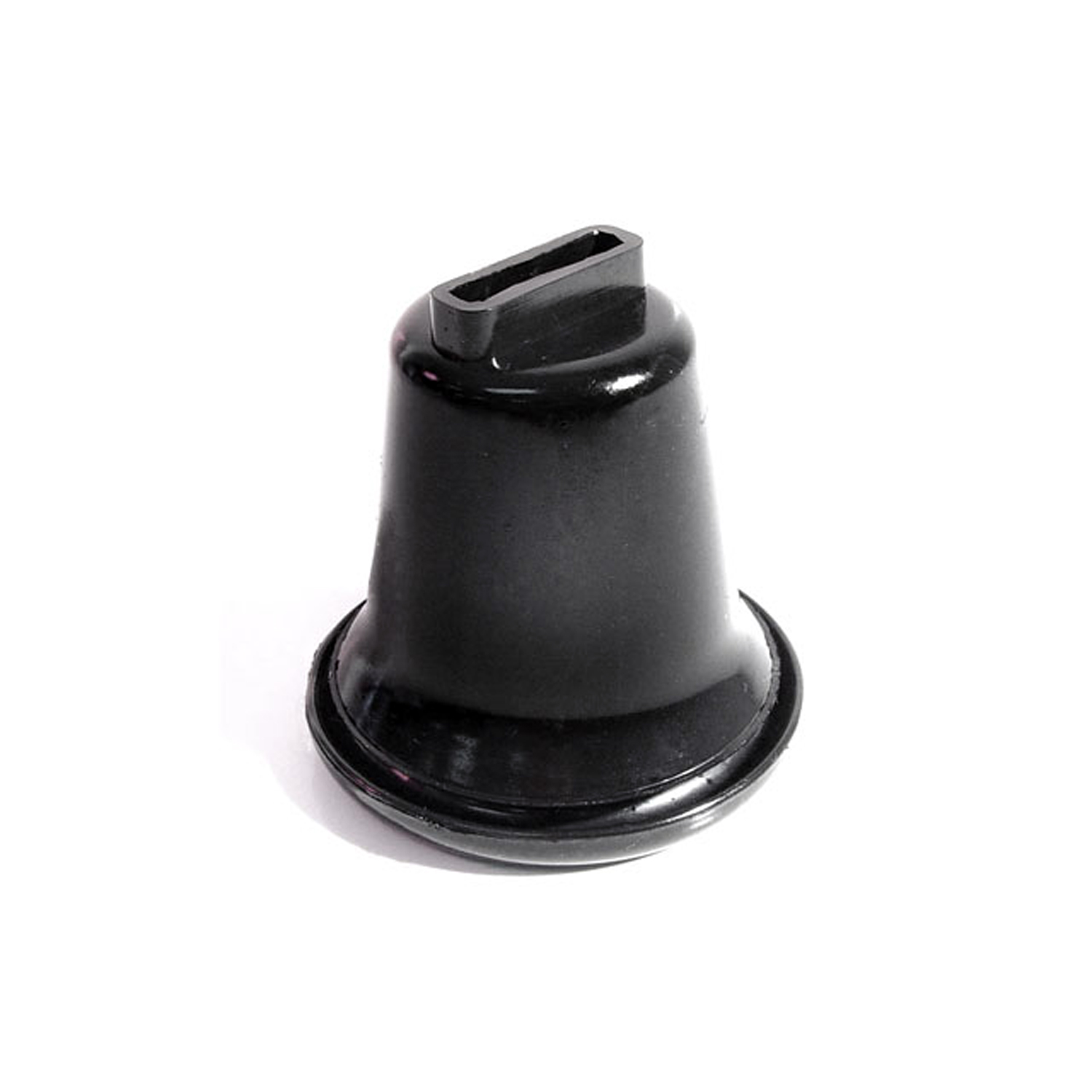 1966 Mercury Capri Brake Booster Boot. Each-RP 32-AABrake Booster Boot. Each
 1966 Mercury Capri Hood Bumper. Snap-in wire base like original. Each-SB 89-AHood Bumper. Snap-in wire base like original. Each
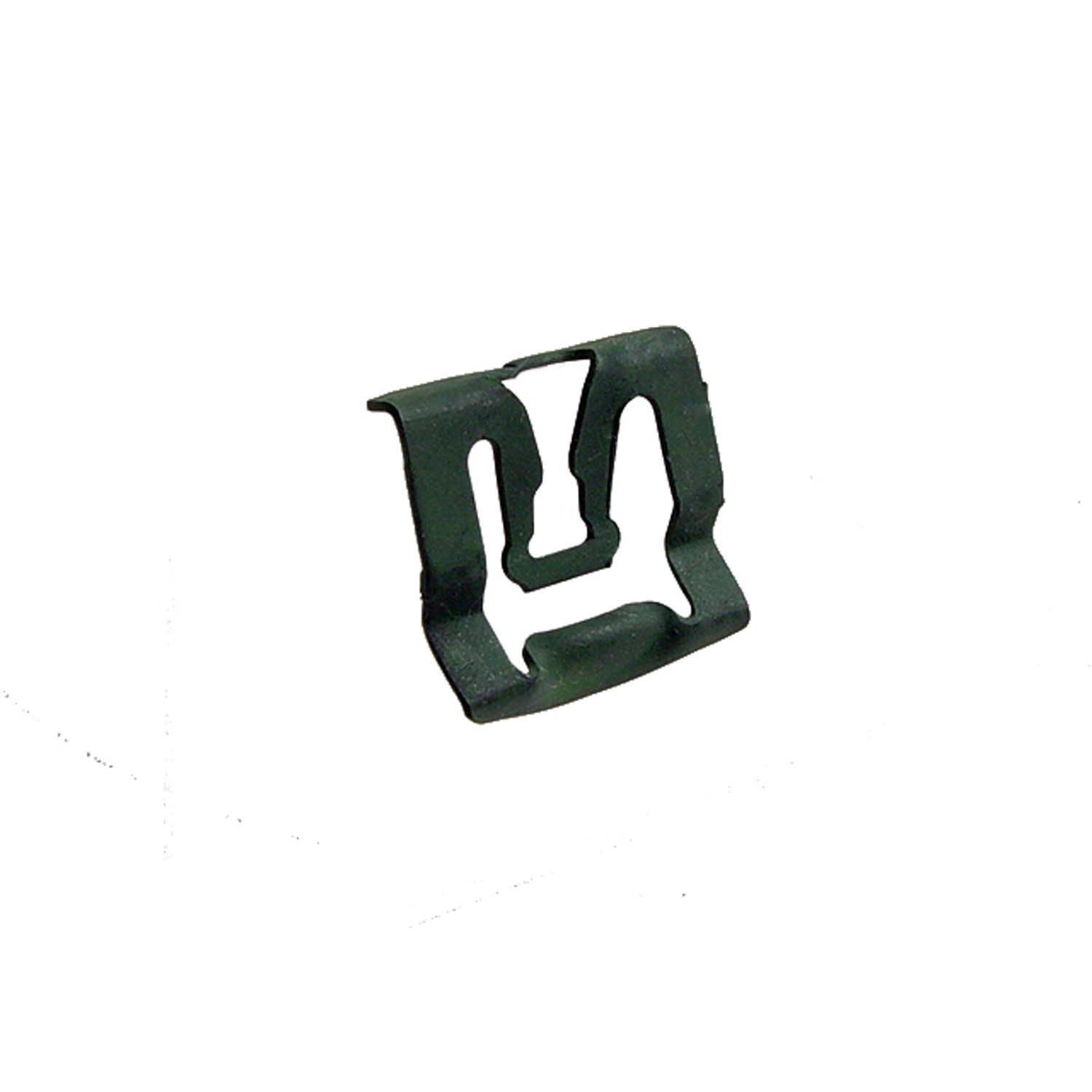 1966 Mercury Capri Windshield Reveal Molding Clip. Made of steel. Each-WF 228-AWindshield Reveal Molding Clip. Made of steel. Each
Why Choose Metro?
For over 100 years, Metro Moulded Parts has been the pinnacle of quality in classic car restoration parts. Our commitment to precision and authenticity in every component ensures a perfect fit and an OEM-level appearance.
- Expert Craftsmanship & Quality: Each part is a testament to our dedication to reliability and perfection, crafted from original designs and thoroughly tested.
- Advanced Technology: We use cutting-edge techniques to create flawless, long-lasting parts that surpass others in performance.
- SuperSoft Sponge – The Ultimate Door Seal: Not only are our door seals 30% softer than competitors', but they're also guaranteed to never leak. They effectively reduce wind and road noise, enhancing your classic car's comfort and driving experience.
- Proudly American: Our parts are a product of American craftsmanship, made in the USA with a spirit of excellence and heritage.
- Unrivaled Warranty: We back our products with a 30-year industry-leading warranty, a testament to our confidence in their quality.
Join us in preserving the legacy of classic cars with parts that are crafted for perfection, not just made.