

Image of 1966 Mercury Commuter, Note: These illustrations use artistic license and may differ from actual historical models.
Performance Metrics
Fundamental Metrics
Emotional Appeal
MMP Rating
| Engine Specifications | |
|---|---|
| Engine Options: | 390 cu in (6.4 L) FE V8, 410 cu in (6.7 L) MEL V8, 428 cu in (7.0 L) FE V8 |
| Displacement Range: | 390-428 cu in |
| Horsepower Range: | 265-345 hp |
| Torque: | 405-462 lb-ft |
| Compression Ratio: | 10.5:1 |
| Ignition System: | Conventional breaker-point ignition system |
| Cooling System: | Liquid-cooled |
| Performance Specifications | |
| 0-60 Time: | Estimated 8-10 seconds |
| 1/4 Mile Time: | Estimated 15-17 seconds |
| Top Speed: | 120 mph |
| Transmission and Drive | |
| Drive Type: | Rear-wheel drive |
| Transmission Type: | 3-speed automatic, 4-speed manual |
| Fuel and Efficiency | |
| Fuel System Type: | Carburetor |
| MPG: | Estimated 10-12 mpg |
| Dimensions and Brakes | |
| Brakes: | Drum brakes |
| Wheelbase: | 119 inches |
| Weight: | 3,800-4,200 lbs |
Note: Specifications for classic cars are given to the best of our ability, considering the limited and variant data available.
1966 Mercury Commuter: The Full-Size Family Wagon
The 1966 Mercury Commuter was built for families who needed room for people, luggage, and the occasional bulky weekend project, but wanted something more substantial than a basic utility wagon. Made by the Mercury division of Ford Motor Company, it sat in Mercury’s full-size station-wagon range as a practical, relatively straightforward alternative to the better-trimmed Voyager and woodgrain-adorned Colony Park.
Its roots lay in a particularly competitive era for American wagons. Suburban families were buying vehicles that could serve as weekday transport, vacation haulers, and workhorses, all in one. The Commuter answered with full-size comfort and V8 power, without making its wagon identity a mere styling flourish. A useful detail that captures the period: with the right equipment, its tailgate could be opened in more than one way, making it easier to load long or awkward cargo.
Mercury Styling and Cabin Comfort
The Commuter wore the long, low proportions that defined a classic American wagon: a broad hood, generous glass area, extended roof, and a cargo section that carried the body’s lines to the rear bumper. Its 1966 front end featured a wide grille and quad headlamps, while crisp side detailing and restrained rear trim kept the wagon looking smart without the extra woodgrain treatment associated with the Colony Park.
Inside, the Commuter was designed for use rather than ceremony. Buyers could choose durable vinyl or cloth-and-vinyl upholstery, with carpeting and trim options that gave the cabin a more finished feel. The broad front bench seat and roomy rear compartment made it well suited to family travel. Depending on the equipment ordered, features could include power steering, power brakes, air conditioning, and a rear-facing third seat. That optional seat turned the wagon into a genuine people carrier, though it was best suited to children and shorter trips.
Mercury offered the Commuter in a range of factory colors, from conservative whites, blacks, and blues to brighter period shades and metallic finishes. There was no single signature Commuter color: restrained tones suited its practical character, while the more vivid colors made the long body stand out at a time when family cars were becoming increasingly expressive.
For 1966, the Commuter was a four-door station wagon. Its position in the range was part of the appeal: it offered the scale and comfort of a full-size Mercury without the Colony Park’s more elaborate exterior decoration. Equipment and trim varied, so surviving cars can differ noticeably from one another.
What Set the Commuter Apart
The Commuter was not a pioneering sports wagon or a technology showcase. Its significance was more grounded: it brought Mercury’s full-size ride, room, and V8 character to a body style that American families relied on every day. It occupied the space between basic transportation and luxury-oriented wagons, offering a useful balance of comfort and cargo capacity.
Its tailgate arrangement was one of the era’s clever practical touches. Ford called its two-way design the Magic Doorgate, and related versions of the system appeared across the company’s wagon range. Depending on the configuration, the gate could swing down like a conventional tailgate or open to the side, while the rear glass could retract into it. That made loading easier in tight spaces and showed how much thought manufacturers were putting into wagon usability.
The Commuter did not introduce a feature that transformed the industry, but it represents an important stage in the American station wagon’s evolution. It was a family vehicle built before minivans and SUVs took over those duties, when a long roof, rear-wheel drive, and a large V8 still made sense as an all-purpose package.
V8 Performance and Road Manners
Exact specifications depend on the car’s original engine and drivetrain. The 1966 Commuter was commonly associated with a 390-cubic-inch Mercury V8, with output varying by carburetion and equipment. Transmission and axle choices also affected how the car accelerated and cruised. As a heavy, full-size wagon, it was built for relaxed power rather than quick launches.
Period performance figures vary, but a healthy V8 Commuter would typically be expected to reach 60 mph in roughly 10 to 13 seconds, with a maximum speed in the neighborhood of 105 to 115 mph depending on gearing, engine specification, and condition. Those are estimates, not a single factory figure for every car. Today, tire age, brake condition, engine wear, and traffic make a bigger difference than the original brochure numbers.
On the road, the Commuter feels substantial. Its body-on-frame construction, front coil springs, and rear leaf springs deliver the soft, composed ride many buyers wanted from a family cruiser. It absorbs ordinary bumps well, although a worn example can float, wander, or bounce more than a modern driver expects. On winding roads, the long wheelbase and tall wagon body favor smooth, unhurried steering inputs over fast direction changes. Power steering, if fitted, makes parking easier, but the car still has the broad turning circle and dimensions of a full-size 1960s wagon.
The V8’s sound is part of the appeal: a low, unhurried burble that builds into a deeper rumble under acceleration. The driver sits behind a large steering wheel and a straightforward instrument panel, with the road filtered through a soft suspension and a long hood. The experience is less about sharp handling than the steady, roomy confidence of a traditional American cruiser.
Living With a 1966 Commuter
In its own time, the Commuter was a family daily driver, road-trip car, and cargo carrier. Today, it is more often a weekend cruiser, a vintage car-show entry, or a carefully maintained classic used for occasional trips. Its generous load area still makes it useful, but its fuel consumption, size, and older safety equipment are reminders that it belongs to another driving era.
Mechanical work is generally approachable for an owner with classic-car experience. The V8 and many other components share familiar Ford-family engineering, and routine jobs such as ignition service, brake work, and carburetor maintenance are well within the reach of a capable home mechanic. Parts availability is reasonable for common mechanical items, though wagon-specific trim, tailgate components, glass, and interior pieces can take more searching.
Before buying, pay particular attention to structural rust, the floor and cargo area, body mounts, suspension, and the condition of the tailgate and retractable rear glass. Check that the rear window moves smoothly and that the gate closes and latches correctly. A car that looks complete can still need costly wagon-specific repairs, so a thorough inspection matters.
Commuter Trivia and Common Complaints
The Commuter’s most memorable practical feature is its two-way tailgate setup, which helped make a large wagon easier to load. Another period-correct option worth looking for is the rear-facing third seat, a layout that could carry extra passengers while making the car feel like a compact rolling lounge.
The Commuter is not especially known for celebrity ownership, racing records, or a headline-grabbing speed achievement. Its distinction is its everyday role in the great American station-wagon era. Common criticisms are predictable: it is thirsty, large to park, and not nimble on tight roads. Its drum-brake-equipped examples also need careful attention to brake adjustment and condition, especially if the car will see modern traffic.
Collector Values and Rarity
Production figures specifically for the 1966 Commuter are not consistently reported in commonly available model summaries, so an exact total should be treated cautiously. A reasonable working estimate is somewhere in the low tens of thousands, perhaps around 10,000 to 20,000 cars, rather than a precise verified count. Surviving examples are much less common than popular Ford or Chevrolet wagons, and original, rust-free cars with complete wagon hardware are increasingly difficult to find.
As a broad current-market estimate, a project or rough driver might sell for about $5,000 to $10,000. A sound, usable example could fall around $12,000 to $25,000, while a well-restored or unusually original car may reach roughly $25,000 to $40,000 or more. These figures are approximate and depend heavily on rust, mechanical condition, originality, documentation, and the quality of any restoration. A rare color or desirable options can help, but condition and completeness usually matter more.
Values have generally benefited from renewed interest in full-size American wagons, though the Commuter remains a niche collector car rather than a blue-chip classic. Good examples have room to appreciate as clean survivors become harder to locate, but buyers should not assume every restoration will return its cost. The best purchases are usually complete cars with solid bodies and working wagon-specific parts.
Why the 1966 Mercury Commuter Still Matters
The 1966 Mercury Commuter combined full-size comfort, V8 character, and real cargo capacity in a practical family wagon. It was less ornate than the Colony Park and less focused on luxury than some of its rivals, but that straightforward identity is part of its charm. Its roomy cabin, distinctive tailgate, and relaxed road manners tell the story of an era when one vehicle was expected to handle nearly every family job.
For today’s enthusiast, the Commuter is an appealing alternative to more familiar collector cars: spacious, unmistakably period-correct, and built to be used. Find a solid example, keep its wagon hardware working, and it remains a memorable reminder of the American road-trip wagon at full size.
1966 Mercury Commuter Catalog of Parts
 1966 Mercury Commuter Shock Absorber Grommet. 1" bottom O.D-BN 11Shock Absorber Grommet. 1" bottom O.D., 3/4" high, with 5/8" I.D. Each
 1966 Mercury Commuter Shock Absorber Grommet. 1-1/4" bottom O.D., 1" high-BN 12Shock Absorber Grommet. 1-1/4" bottom O.D., 1" high., with 3/4" I.D. Each
 1966 Mercury Commuter Door Side Seal extrusion with proper installation clips-C/LP 40-FDoor Side Seal extrusion with proper installation clips. Clips installed 4" on center. Sold by the foot.
 1966 Mercury Commuter Door Side Seal, Without Clips (for seal with clips-LP 40-FDoor Side Seal, Without Clips (for seal with clips, see C/LP 40-F). Sold by the foot
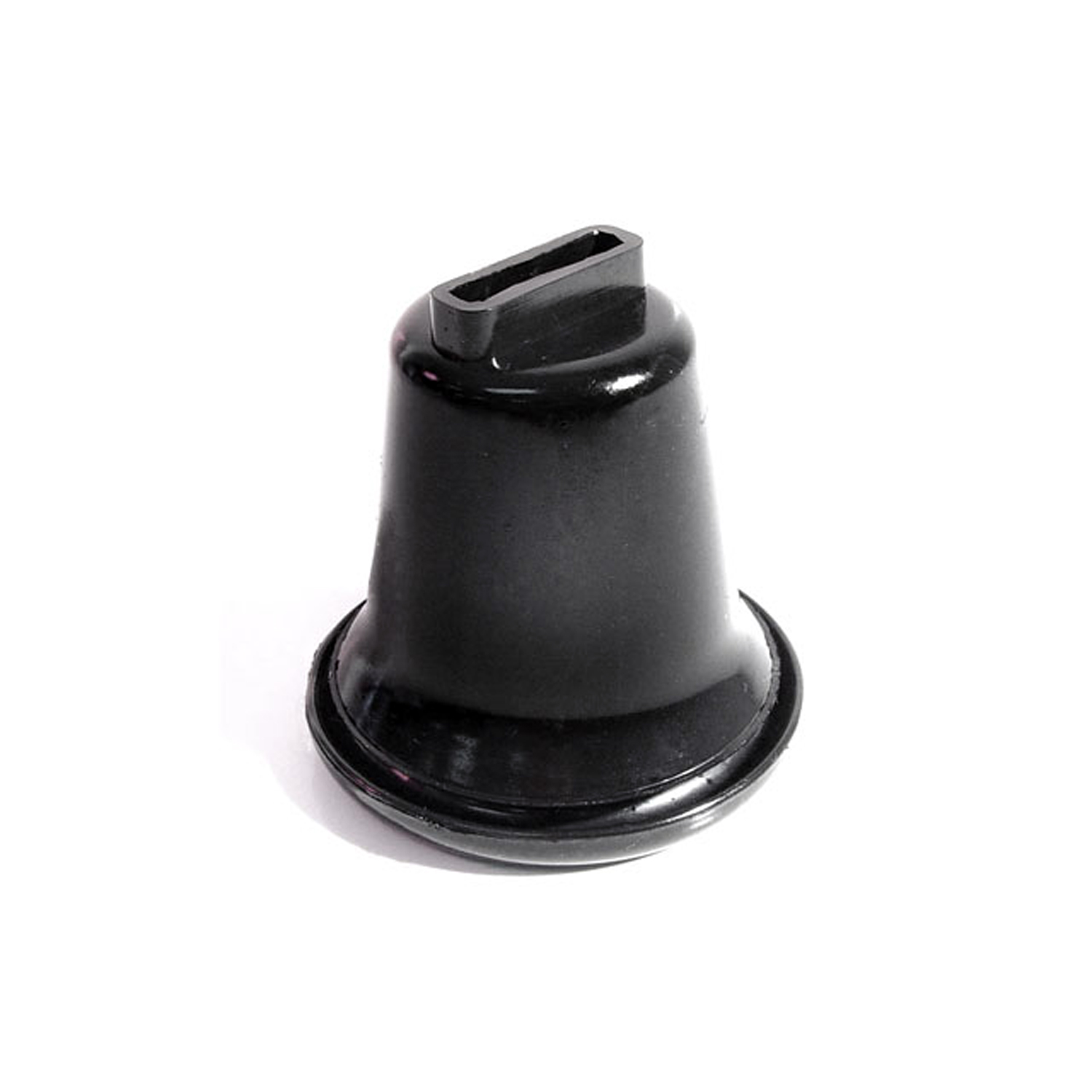 1966 Mercury Commuter Brake Booster Boot. Each-RP 32-AABrake Booster Boot. Each
 1966 Mercury Commuter Hood Bumper. Snap-in wire base like original. Each-SB 89-AHood Bumper. Snap-in wire base like original. Each
 1966 Mercury Commuter Trunk Seal. 18 feet long. Each-TK 51-18Trunk Seal. 18 feet long. Each
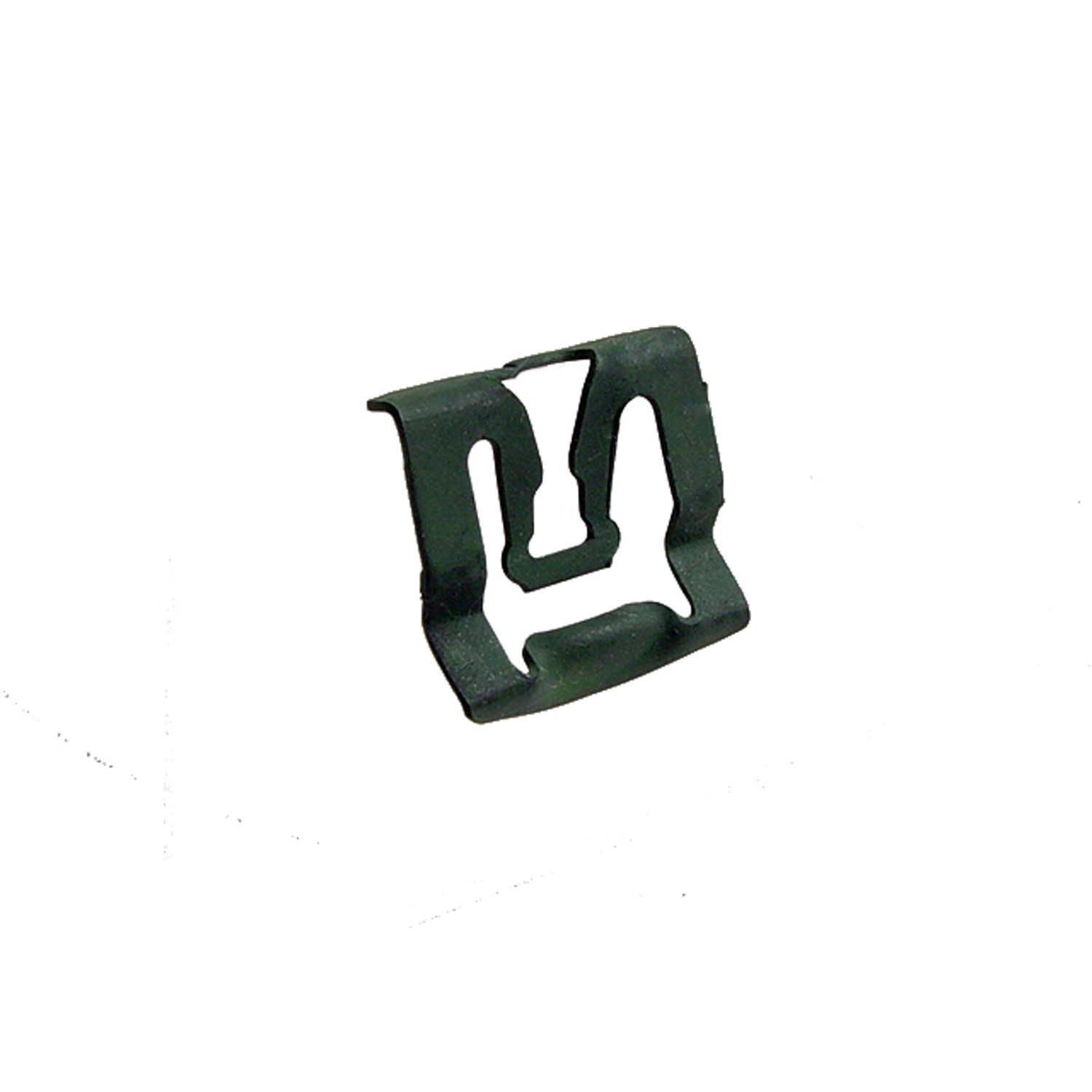 1966 Mercury Commuter Windshield Reveal Molding Clip. Made of steel. Each-WF 228-AWindshield Reveal Molding Clip. Made of steel. Each
Why Choose Metro?
For over 100 years, Metro Moulded Parts has been the pinnacle of quality in classic car restoration parts. Our commitment to precision and authenticity in every component ensures a perfect fit and an OEM-level appearance.
- Expert Craftsmanship & Quality: Each part is a testament to our dedication to reliability and perfection, crafted from original designs and thoroughly tested.
- Advanced Technology: We use cutting-edge techniques to create flawless, long-lasting parts that surpass others in performance.
- SuperSoft Sponge – The Ultimate Door Seal: Not only are our door seals 30% softer than competitors', but they're also guaranteed to never leak. They effectively reduce wind and road noise, enhancing your classic car's comfort and driving experience.
- Proudly American: Our parts are a product of American craftsmanship, made in the USA with a spirit of excellence and heritage.
- Unrivaled Warranty: We back our products with a 30-year industry-leading warranty, a testament to our confidence in their quality.
Join us in preserving the legacy of classic cars with parts that are crafted for perfection, not just made.