

Image of 1966 Mercury Marauder, Note: These illustrations use artistic license and may differ from actual historical models.
Performance Metrics
Fundamental Metrics
Emotional Appeal
MMP Rating
| Engine Specifications | |
|---|---|
| Engine: | 390 CID 2V V-8, 410 CID 4V V-8, 428 CID 4V V-8 |
| Displacement: | 390-428 cubic inches |
| Horsepower: | 265-345 hp |
| Torque: | 405-462 lb-ft |
| Compression Ratio: | 10.5:1 |
| Ignition System: | Conventional, breaker point |
| Cooling System: | Liquid-cooled |
| Performance Specifications | |
| 0-60 Time: | 8.0 seconds |
| 1/4 Mile Time: | 16.0 seconds |
| Top Speed: | 120 mph |
| Transmission and Drive | |
| Drive Type: | Rear-wheel drive |
| Transmission Type: | 3-speed automatic, 4-speed manual |
| Fuel and Efficiency | |
| Fuel System Type: | Carburetor |
| MPG: | 10-12 mpg |
| Dimensions and Brakes | |
| Brakes: | Front disc, rear drum |
| Wheelbase: | 119 inches |
| Weight: | 3,800 lbs |
Note: Specifications for classic cars are given to the best of our ability, considering the limited and variant data available.
1966 Mercury Marauder: A Quick Model-Year Check
The 1966 Mercury Marauder is a tempting name for a big, fast-looking classic, but there is an important detail for buyers and history buffs: Mercury did not sell a factory Marauder model for the 1966 model year. The original Marauder run ended after 1965, and the name returned for 1969. A car advertised today as a “1966 Marauder” is usually a full-size 1966 Mercury, a car with Marauder-style associations, or a vehicle whose title or listing uses the name loosely.
The distinction matters because it affects factory specifications, production figures, and collector value. This guide covers the Marauder’s background and explains what a comparable 1966 Mercury offered, while keeping the model-year facts clear. If you are considering a purchase, verify the car’s original model and trim using its data plate, VIN, and factory records where available.
How the Marauder Earned Its Name
Mercury, Ford Motor Company’s mid-priced division, introduced the Marauder name in the early 1960s. It was associated with a sleek, fastback roofline offered on full-size Mercury two-door hardtops, including cars in the Monterey, Montclair, and Park Lane lines. The idea had both style and competition behind it: the lower, sloping roof gave a large American car a more purposeful profile at a time when NASCAR success could influence showroom appeal.
That original Marauder identity belongs to the 1963–1965 period. Mercury’s 1966 full-size lineup moved on to its own updated designs and model names, including the Monterey, Montclair, and Park Lane. The Marauder name was absent for three model years before its return as a distinct performance-oriented full-size car for 1969.
One intriguing part of the Marauder story is that the name was tied to more than a trim badge. Its fastback image connected Mercury’s road cars to the brand’s effort to look competitive on high-speed tracks. That racing-minded reputation has helped the earlier Marauders remain memorable, even though it can also lead to 1966 cars being mislabeled.
1966 Mercury Styling and Cabin
A 1966 full-size Mercury still delivered the presence expected of a premium American car. Its long hood, broad body, substantial bumpers, and formal front-end treatment gave it a more upscale look than a basic family sedan. Depending on the model and body style, the roofline could be more formal or more swept, but it should not be assumed to be a factory Marauder just because it is a two-door hardtop.
Inside, Mercury emphasized comfort and space. Buyers could find broad bench seating, generous legroom, and an instrument panel laid out for relaxed highway driving. Upholstery and trim varied by series and options, with vinyl, cloth, and upgraded combinations available. Higher-spec cars could add conveniences such as power windows, power seats, air conditioning, and an upgraded radio. Exact equipment depended on the original model and order sheet, so surviving cars can differ considerably.
Period color choices included a wide range of solid and metallic shades, from restrained white, black, silver, and darker tones to brighter blues, greens, and turquoise-inspired hues. A color that suits the car’s original trim and documentation is usually more appealing to collectors than a recent repaint in a fashionable but non-original shade.
The 1966 full-size Mercury range included two-door and four-door cars, with station wagons also available in the broader lineup. For a buyer drawn to the old Marauder look, the two-door hardtop is the most natural place to start. Still, body style alone does not establish Marauder identity: the factory model designation is what counts.
Why the Marauder Still Matters
The Marauder helped Mercury give its large cars a sportier image without abandoning their size or comfort. The fastback roofline was a visible expression of the period’s growing interest in aerodynamics and stock-car competition. It also showed how manufacturers could use a body-style variation to make a familiar platform feel more performance-oriented.
Its influence is best understood as part of a broader trend rather than as a single technological breakthrough. American manufacturers were shaping full-size cars for both showroom impact and racing presence, and the Marauder became one of Mercury’s most recognizable names from that period. The later 1969–1970 Marauders carried the performance image forward in a different form.
A 1966 Mercury can share the era’s powerful V8 character and substantial road presence, but it should be judged on its own factory identity. That distinction is important when comparing specifications or deciding whether a seller’s “Marauder” description is accurate.
V8 Performance and Road Manners
There is no factory 1966 Marauder performance specification because Mercury did not offer that model in 1966. Comparable full-size Mercurys could be ordered with several V8 engines, with displacement and output varying by series and configuration. Common engine choices included 390-cubic-inch V8s, while larger 410- and 428-cubic-inch V8 options were available in parts of the full-size range. Engine availability and horsepower ratings should be checked against the specific car’s original documentation.
As a general period comparison, a well-equipped big Mercury with a strong V8 could reach 60 mph in roughly eight to ten seconds, with top speed commonly estimated in the neighborhood of 110 to 120 mph, depending on engine, gearing, transmission, and condition. Those are broad estimates for comparable cars, not verified factory figures for a 1966 Marauder. Performance today also depends heavily on whether the engine, carburetor, ignition, and drivetrain remain in sound tune.
On the road, expect a traditional full-size American-car experience: a long, soft ride, light steering when power-assisted, and a feeling of substantial weight through corners. The suspension is suited to cruising over imperfect pavement, not quick changes of direction. On a winding road, the car rewards smooth inputs and sensible speeds rather than aggressive cornering.
With the windows down, a V8 Mercury brings the familiar deep rumble of a large-displacement engine. An automatic transmission makes relaxed cruising easy, while a manual-equipped example, if properly documented, offers a more involved drive. The wheel is large, the hood stretches out ahead, and the car’s size is part of the experience.
Living With a 1966 Mercury
These cars are best suited to weekend cruising, local shows, and preservation or restoration projects. A sound example can be driven regularly, but a large 1960s Mercury is not as economical or compact as a modern daily driver. Fuel consumption is substantial, and age-related issues can matter more than the car’s original engineering.
Mechanical repairs are generally approachable for an experienced home mechanic. The V8 layout and conventional rear-wheel-drive hardware are familiar to many classic-car shops, and routine service items are usually easier to manage than specialized body or trim repairs. Parts availability is mixed: mechanical components are often obtainable, while correct interior pieces, brightwork, glass, and model-specific trim may take patience to locate.
Before buying, inspect the frame and body for rust, especially around floorpans, lower body panels, trunk areas, and suspension mounting points. Check the cooling system, transmission behavior, brake condition, and electrical accessories. On a car described as a Marauder, carefully confirm the model identity rather than relying on a badge, a seller’s wording, or a registration entry.
Notable Facts and Common Misconceptions
The most useful piece of trivia may also be the easiest one to overlook: a factory 1966 Mercury Marauder is not part of Mercury’s model-year lineup. The original Marauder name paused after 1965 and returned in 1969. That gap explains why listings for a “1966 Marauder” deserve extra scrutiny.
The earlier Marauder’s reputation is closely linked to Mercury’s interest in NASCAR and the appeal of fastback styling. But a 1966 Mercury should not automatically be described as a factory race model, and no special 1966 Marauder speed or sales record exists. A car may have been modified for competition or restored to a period-inspired style, but those are different claims from factory provenance.
A common criticism of big Mercurys from this era is their size and thirst for fuel. Their soft suspension and wide turning circle can also feel old-fashioned on modern roads. For many enthusiasts, those traits are part of the charm: the car was built to cover distance in comfort, not to behave like a small sports coupe.
Collector Values and Rarity
Because there was no separate 1966 Marauder model, there is no meaningful factory production total for a “1966 Marauder.” Any production estimate presented under that exact name should be treated cautiously. The number of surviving 1966 Mercurys varies by model, body style, and trim, and a genuine count of similar two-door cars would require factory records that distinguish those categories.
As a broad U.S. market estimate, an ordinary 1966 full-size Mercury project might sell for about $3,000 to $8,000. A usable driver can fall around $8,000 to $18,000, while a very good, well-restored example may reach roughly $20,000 to $35,000 or more. These ranges are general estimates, not a guaranteed appraisal; model, engine, originality, rust, restoration quality, and local demand make a major difference.
Well-documented, original cars tend to attract more confidence than vehicles relying on an incorrect Marauder label. Values for big American cars have generally risen more slowly than those of the most famous muscle cars. Clean, unusual, and correctly identified examples may appreciate gradually, but condition and provenance matter more than a performance-sounding name in an advertisement.
Is a 1966 Mercury Marauder Worth Chasing?
If you want a genuine Marauder, focus on the 1963–1965 or 1969–1970 model years and confirm the car’s identity before negotiating. If you are drawn to a 1966 Mercury, treat it as the specific Monterey, Montclair, Park Lane, or other factory model it actually is. That approach makes it easier to assess originality, parts needs, and fair value.
The Marauder remains a compelling name because it captures Mercury’s blend of full-size comfort, V8 power, and racing-inspired style. A 1966 Mercury can still deliver much of that classic-road presence, but its real significance is best appreciated with the history straight: the Marauder badge took a model-year break, and knowing that makes the cars on either side of it all the more distinctive.
1966 Mercury Marauder Catalog of Parts
 1966 Mercury Marauder Shock Absorber Grommet. 1-1/4" bottom O.D., 1" high-BN 12Shock Absorber Grommet. 1-1/4" bottom O.D., 1" high., with 3/4" I.D. Each
 1966 Mercury Marauder Door Side Seal extrusion with proper installation clips-C/LP 40-FDoor Side Seal extrusion with proper installation clips. Clips installed 4" on center. Sold by the foot.
 1966 Mercury Marauder Door Side Seal, Without Clips (for seal with clips-LP 40-FDoor Side Seal, Without Clips (for seal with clips, see C/LP 40-F). Sold by the foot
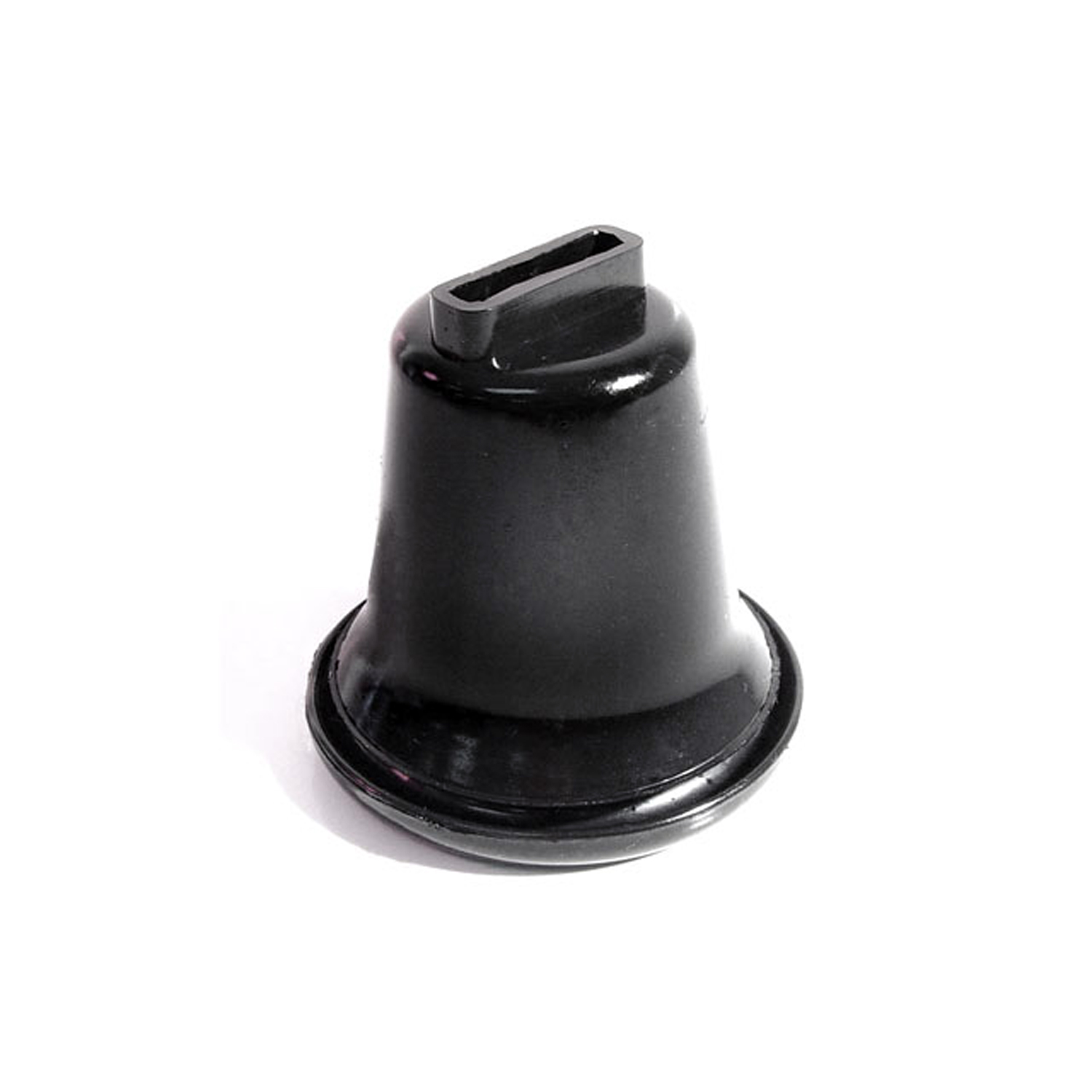 1966 Mercury Marauder Brake Booster Boot. Each-RP 32-AABrake Booster Boot. Each
 1966 Mercury Marauder Hood Bumper. Snap-in wire base like original. Each-SB 89-AHood Bumper. Snap-in wire base like original. Each
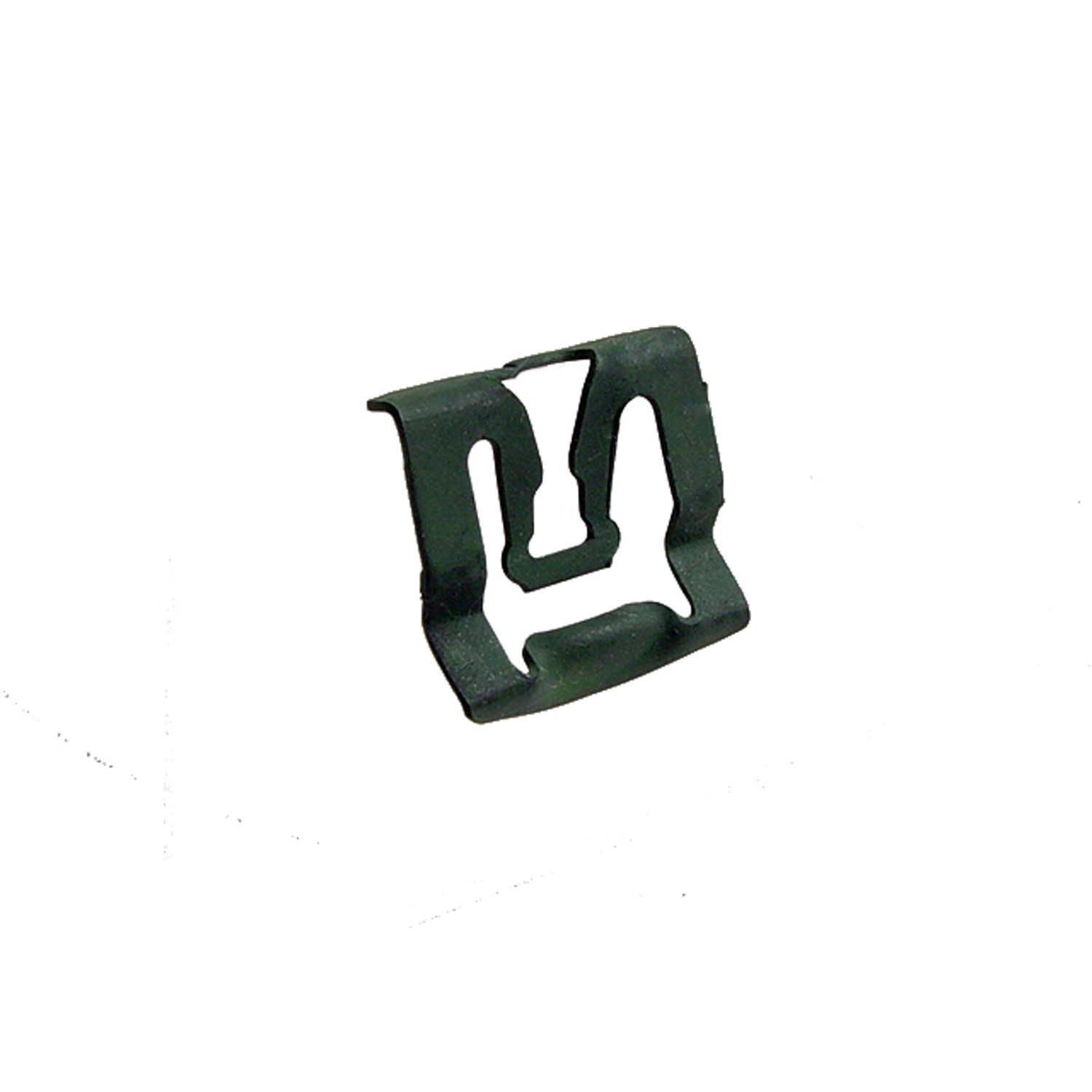 1966 Mercury Marauder Windshield Reveal Molding Clip. Made of steel. Each-WF 228-AWindshield Reveal Molding Clip. Made of steel. Each
Why Choose Metro?
For over 100 years, Metro Moulded Parts has been the pinnacle of quality in classic car restoration parts. Our commitment to precision and authenticity in every component ensures a perfect fit and an OEM-level appearance.
- Expert Craftsmanship & Quality: Each part is a testament to our dedication to reliability and perfection, crafted from original designs and thoroughly tested.
- Advanced Technology: We use cutting-edge techniques to create flawless, long-lasting parts that surpass others in performance.
- SuperSoft Sponge – The Ultimate Door Seal: Not only are our door seals 30% softer than competitors', but they're also guaranteed to never leak. They effectively reduce wind and road noise, enhancing your classic car's comfort and driving experience.
- Proudly American: Our parts are a product of American craftsmanship, made in the USA with a spirit of excellence and heritage.
- Unrivaled Warranty: We back our products with a 30-year industry-leading warranty, a testament to our confidence in their quality.
Join us in preserving the legacy of classic cars with parts that are crafted for perfection, not just made.