

Image of 1966 Mercury Montclair, Note: These illustrations use artistic license and may differ from actual historical models.
Performance Metrics
Fundamental Metrics
Emotional Appeal
MMP Rating
| Engine Specifications | |
|---|---|
| Engine: | 390 CID V8, 410 CID V8, 428 CID V8 |
| Displacement: | 390-428 cubic inches |
| Horsepower: | 265-345 hp |
| Torque: | 405-480 lb-ft |
| Compression Ratio: | 10.5:1 |
| Ignition System: | Conventional breaker-point ignition system |
| Cooling System: | Liquid-cooled |
| Performance Specifications | |
| 0-60 Time: | 8.0 seconds |
| 1/4 Mile Time: | 16.0 seconds |
| Top Speed: | 120 mph |
| Transmission and Drive | |
| Drive Type: | Rear-wheel drive |
| Transmission Type: | 3-speed automatic or 4-speed manual |
| Fuel and Efficiency | |
| Fuel System Type: | Carburetor |
| MPG: | 10-12 mpg |
| Dimensions and Brakes | |
| Brakes: | Drum brakes |
| Wheelbase: | 119 inches |
| Weight: | 3,800 lbs |
Note: Specifications for classic cars are given to the best of our ability, considering the limited and variant data available.
1966 Mercury Montclair: Mercury’s Full-Size Middle Ground
The 1966 Mercury Montclair brought quiet confidence to the American full-size car: long, low, generously appointed, and powered by a V8. Built by Ford’s Mercury division, it sat between the Monterey and the more upscale Park Lane, giving buyers a roomy family car with a little extra polish. One detail made certain Montclairs especially memorable: Mercury’s Breezeway design, with a power-operated rear window that lowered to bring fresh air into the cabin.
The Montclair name had been part of Mercury’s lineup since 1955. By 1966, the model served a different role from its early years, as one rung in a carefully tiered range. It arrived during an era when American manufacturers competed through size, comfort, styling, and increasingly powerful engines. The Montclair was not a limited-production performance special. Its appeal was broader: a substantial, well-equipped car for people who wanted more refinement than a basic full-size model without moving to the top of the line.
1966 Montclair Styling and Breezeway Design
Mercury gave the 1966 Montclair the bold proportions expected of a mid-sixties full-size car. Its long hood, wide body, and squared-off rear made it look substantial without appearing crude. A broad grille and crisp horizontal lines emphasized width, while brightwork along the body added an upscale finish. The result was more formal than a sporty fastback, but its two-door hardtop had a sweeping roofline that kept the silhouette from feeling heavy.
The Montclair was offered as a two-door hardtop, a four-door hardtop, and a four-door sedan. The two-door hardtop is often the most eye-catching choice, thanks to its clean roofline and open, pillarless side glass. Four-door versions, meanwhile, delivered easier access and a more traditional family-car profile. Mercury’s trim and roof details could vary by body style and equipment, so buyers today should compare a car’s features with factory literature rather than assume every Montclair was configured the same way.
The Breezeway was a distinctive Mercury feature, not simply a decorative name. On appropriately equipped models, the rear window could be lowered electrically, creating ventilation through the cabin. It was a clever alternative to opening a side window and a memorable piece of mid-century automotive design. The feature is especially interesting to collectors, though its mechanism should be checked carefully on any car being considered for purchase.
Inside, the Montclair offered a wide bench seat, a full-width dashboard, and generous space for passengers. Depending on trim and options, upholstery could be cloth and vinyl or vinyl, with brighter interior finishes available. The materials and layout aimed for comfort and an upscale impression rather than a sports-car feel. Period options included conveniences such as air conditioning, power steering, power brakes, power windows, and an AM radio. The available exterior paint palette ranged from restrained whites, silvers, and darker tones to brighter blues, reds, and turquoise shades. Original color codes are the best guide when authenticity matters.
Engines, Equipment, and Mid-Sixties Innovation
The Montclair’s character came from its V8 power. A 390-cubic-inch Marauder V8 was a principal engine choice, commonly listed at about 265 horsepower in its two-barrel form. A higher-output 390 and the 410-cubic-inch V8 were also available in the Mercury full-size range, with the 410 generally rated around 330 horsepower. Exact equipment and ratings depended on engine version and factory configuration, so a car’s data plate and original documentation are useful when identifying what it left the factory with.
Most Montclairs were set up for relaxed cruising, often with Mercury’s Cruise-O-Matic automatic transmission. The combination suited the car’s size and mission: smooth shifts, easy starts, and effortless progress on the open road. Power steering and power brakes were popular options that made a large car less tiring to maneuver. These were not futuristic technologies, but together with features such as the Breezeway window, they made the Montclair feel well equipped for its time.
What the Montclair Meant to Mercury
The Montclair’s significance is less about introducing a revolutionary mechanical system and more about how it expressed Mercury’s place in the market. Ford positioned Mercury as a step above its mainstream cars, with extra trim, a more distinctive identity, and a richer selection of comfort features. The 1966 Montclair embodied that strategy in a period when American buyers expected full-size cars to serve as family transport, highway cruisers, and visible statements of taste.
It competed in a crowded field that included full-size offerings from Buick, Oldsmobile, Chrysler, and Ford. What helped it stand apart was its combination of Mercury-specific styling and features such as the Breezeway rear window. That feature would not transform the industry, but it gave the car a recognizable personality. The Montclair is now a useful reminder that mid-sixties American design was not only about horsepower and tailfins. It was also about comfort, ventilation, trim, and the experience of traveling in a spacious cabin.
1966 Mercury Montclair Performance and Road Feel
Performance varies with engine, transmission, axle ratio, vehicle condition, and test method. As a practical guide, a 390-powered Montclair in good tune might reach 60 mph in roughly 10 to 12 seconds. A 410-equipped example could be quicker, with estimates often falling in the high-eight- to low-ten-second range. A healthy car may be capable of approximately 110 to 120 mph, but that is a broad period-style estimate, not a guaranteed figure for every car. These were heavy road cars, and top speed was far less important to their design than smooth, steady highway travel.
On ordinary roads, the Montclair feels substantial and relaxed. Its long wheelbase and soft suspension take the sting out of broad pavement joints and modest bumps. The tradeoff is noticeable body roll and less precise steering than drivers expect from a modern sedan. On a winding road, it rewards a measured pace rather than quick direction changes. Crosswinds can also remind the driver that this is a large, tall-sided car, especially with worn suspension components or tires that are not suited to its weight.
Behind the wheel, the V8 provides a deep, unhurried rumble, while the automatic transmission tends to favor smoothness over sharp, sporting shifts. The driver sits behind a broad hood and a simple, period-style instrument panel. It feels more like piloting a comfortable highway cruiser than hustling a performance coupe. A well-maintained example should track confidently and ride with real composure, but age-related steering, brake, and suspension wear can change that experience dramatically.
Living With a Montclair Today
Most owners use a 1966 Montclair as a weekend cruiser, show car, or occasional-use classic rather than a year-round daily driver. Its broad bench seats and roomy cabin make it a natural choice for local tours and relaxed highway trips. The size that once made it practical can make modern parking lots and narrow streets less convenient, and fuel consumption is high by contemporary standards.
Mechanical upkeep is generally approachable for an owner familiar with older American cars. The V8 and conventional automatic transmission use familiar, serviceable technology, and many routine repairs do not require specialist tools. Parts availability is reasonable for common mechanical items, though model-specific trim, interior pieces, and Breezeway window components can take more searching. Before buying, inspect the frame and body for rust, check the transmission for clean operation, and test every electrical accessory. On a Breezeway car, confirm that the rear window moves smoothly and seals properly.
Reliability depends heavily on maintenance and restoration quality. A neglected car may need brake, cooling, fuel-system, wiring, and suspension work before it is safe for regular use. The Montclair is not inherently difficult to own, but a large, nearly sixty-year-old car should not be mistaken for a low-maintenance modern commuter.
Montclair Trivia and Common Misconceptions
The Breezeway rear window is the Montclair’s most conversation-starting feature. It provided ventilation without relying solely on open side windows, and it gave certain Mercury models a profile and cabin experience that were distinctly their own. It is important, however, not to assume every 1966 Montclair has one. Body style and equipment matter.
The Montclair was not a famous racing model and did not establish a major speed or endurance record. Its historical interest lies in representing Mercury’s upscale full-size offerings and in preserving a distinctive design idea. It also should not be confused with the Mercury S-55, a sportier model in the same general era, or with the Monterey and Park Lane, which occupied different positions in Mercury’s lineup.
Common criticisms are predictable: the car is thirsty, large, and less agile than a modern vehicle. Its soft ride can feel floaty to drivers accustomed to firmer suspension, and original comfort features may require repair after decades of use. For fans, those qualities are part of the appeal. The Montclair was built for space and smooth cruising, not tight corners or fuel economy.
1966 Mercury Montclair Collector Values
Montclair production was modest compared with the most common full-size Fords, but it was not a rare, hand-built specialty car. A reasonable working estimate is roughly 30,000 to 40,000 Montclairs produced for 1966, with about 35,000 as a practical midpoint. Exact totals vary by body style and source, so treat that figure as an estimate rather than a verified factory count. Survivors are less common today, particularly cars with complete trim, sound bodies, and functional Breezeway hardware.
As a broad 2026-market guide, a project car may sell for about $4,000 to $8,000, while a usable driver often falls around $8,000 to $15,000. A clean, well-presented car can bring roughly $16,000 to $28,000, and an exceptional, correctly restored example may exceed $30,000. These are general estimates, not appraisals. Location, originality, rust, documentation, engine configuration, and the quality of any restoration can shift the price substantially. A desirable body style or working Breezeway system can help a car stand out, but condition remains the main value driver.
Values have generally followed the broader market for American classics: the best examples hold their appeal, while ordinary drivers tend to move gradually rather than surge dramatically. The Montclair’s relative obscurity can be an advantage for buyers seeking full-size Mercury character without paying the premium associated with more famous muscle cars. Its market is specialized, so selling may take patience, especially for a car needing major restoration.
Why the 1966 Montclair Still Matters
The 1966 Mercury Montclair combined full-size comfort, V8 power, distinctive Mercury styling, and practical luxury features in a package built for the open road. It was not a record-breaker or a groundbreaking performance car, but it captured an important part of American automotive life: the era when a family cruiser could be spacious, stylish, and technologically playful at the same time.
Today, a good Montclair offers more than a nostalgic drive. It preserves a distinctive chapter in Mercury history, right down to the softly rumbling V8 and, on the right model, a rear window that still knows how to make an entrance.
1966 Mercury Montclair Catalog of Parts
 1966 Mercury Montclair Shock Absorber Grommet. 1" bottom O.D-BN 11Shock Absorber Grommet. 1" bottom O.D., 3/4" high, with 5/8" I.D. Each
 1966 Mercury Montclair Shock Absorber Grommet. 1-1/4" bottom O.D., 1" high-BN 12Shock Absorber Grommet. 1-1/4" bottom O.D., 1" high., with 3/4" I.D. Each
 1966 Mercury Montclair Door Side Seal extrusion with proper installation clips-C/LP 40-FDoor Side Seal extrusion with proper installation clips. Clips installed 4" on center. Sold by the foot.
 1966 Mercury Montclair Door Side Seal, Without Clips (for seal with clips-LP 40-FDoor Side Seal, Without Clips (for seal with clips, see C/LP 40-F). Sold by the foot
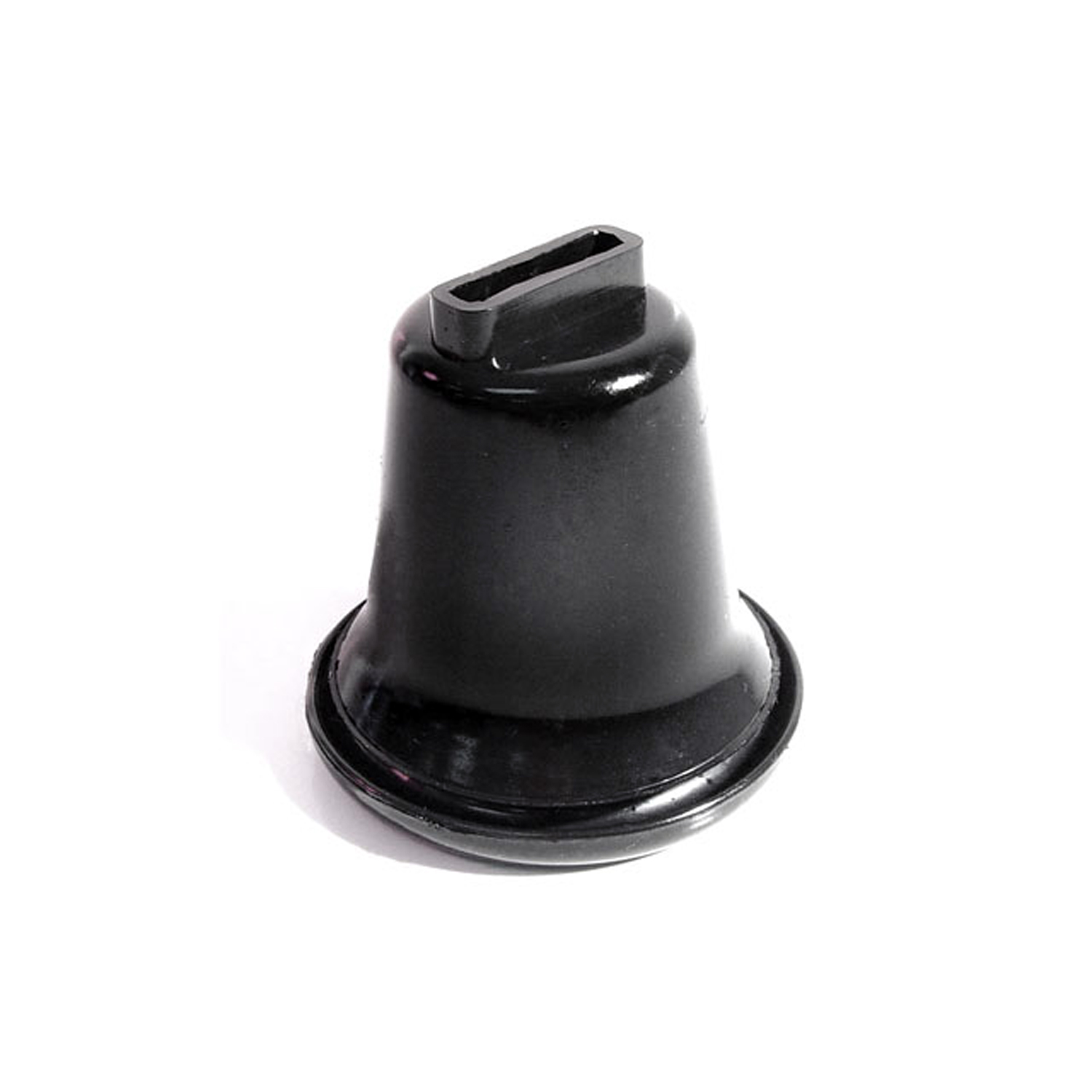 1966 Mercury Montclair Brake Booster Boot. Each-RP 32-AABrake Booster Boot. Each
 1966 Mercury Montclair Hood Bumper. Snap-in wire base like original. Each-SB 89-AHood Bumper. Snap-in wire base like original. Each
 1966 Mercury Montclair Trunk Seal. 18 feet long. Each-TK 51-18Trunk Seal. 18 feet long. Each
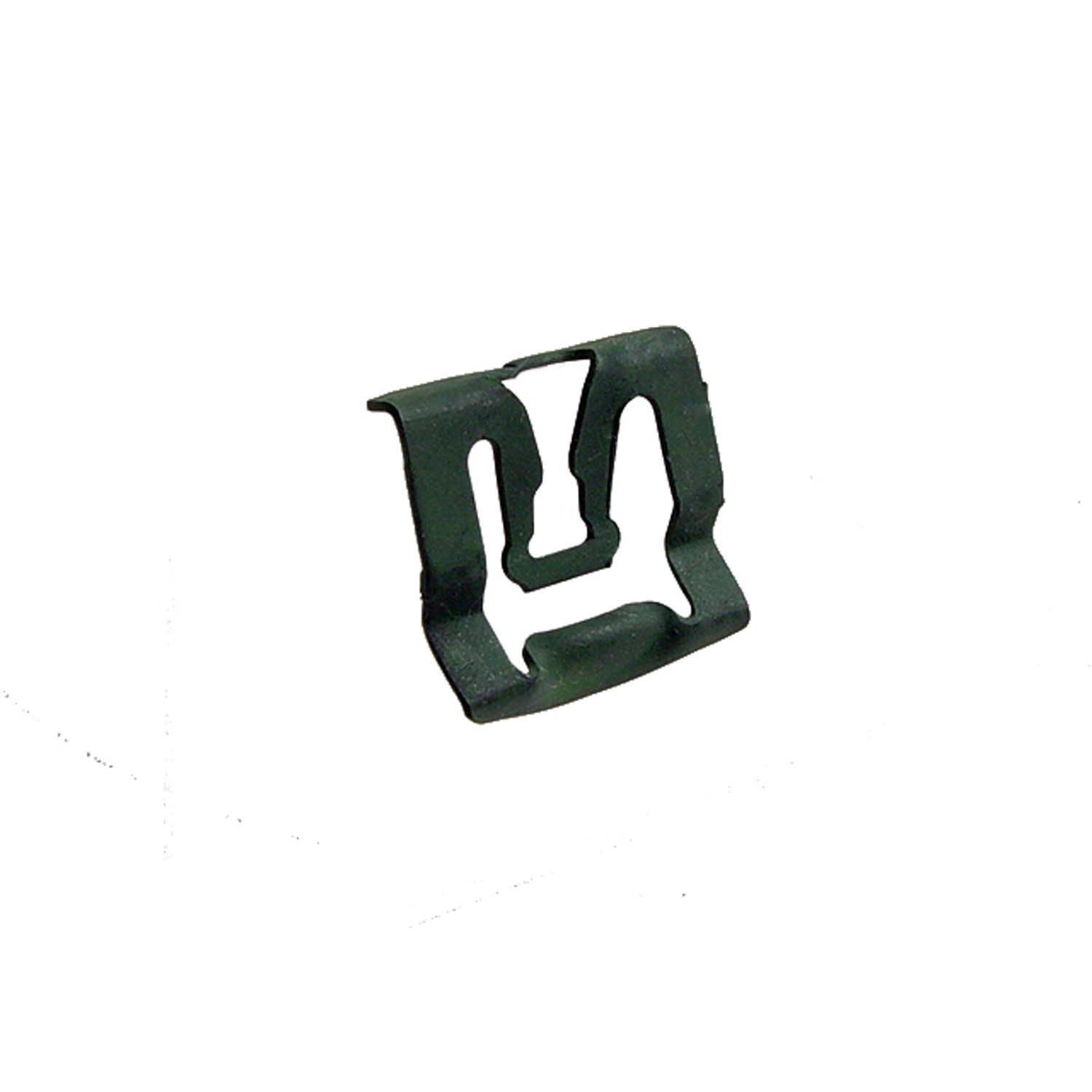 1966 Mercury Montclair Windshield Reveal Molding Clip. Made of steel. Each-WF 228-AWindshield Reveal Molding Clip. Made of steel. Each
Why Choose Metro?
For over 100 years, Metro Moulded Parts has been the pinnacle of quality in classic car restoration parts. Our commitment to precision and authenticity in every component ensures a perfect fit and an OEM-level appearance.
- Expert Craftsmanship & Quality: Each part is a testament to our dedication to reliability and perfection, crafted from original designs and thoroughly tested.
- Advanced Technology: We use cutting-edge techniques to create flawless, long-lasting parts that surpass others in performance.
- SuperSoft Sponge – The Ultimate Door Seal: Not only are our door seals 30% softer than competitors', but they're also guaranteed to never leak. They effectively reduce wind and road noise, enhancing your classic car's comfort and driving experience.
- Proudly American: Our parts are a product of American craftsmanship, made in the USA with a spirit of excellence and heritage.
- Unrivaled Warranty: We back our products with a 30-year industry-leading warranty, a testament to our confidence in their quality.
Join us in preserving the legacy of classic cars with parts that are crafted for perfection, not just made.