

Image of 1967 Mercury Breezeway, Note: These illustrations use artistic license and may differ from actual historical models.
Performance Metrics
Fundamental Metrics
Emotional Appeal
MMP Rating
| Engine Specifications | |
|---|---|
| Engine: | 200 CID I6, 289 CID V8, 390 CID V8 |
| Displacement: | 200-390 CID |
| Horsepower: | 120-320 HP |
| Torque: | 190-427 lb-ft |
| Compression Ratio: | 9.3:1 - 10.5:1 |
| Ignition System: | Conventional breaker-point ignition system |
| Cooling System: | Liquid-cooled |
| Performance Specifications | |
| 0-60 Time: | 8-10 seconds |
| 1/4 Mile Time: | 15-17 seconds |
| Top Speed: | 115-130 mph |
| Transmission and Drive | |
| Drive Type: | Rear-wheel drive |
| Transmission Type: | 3-speed manual, 4-speed manual, 3-speed automatic |
| Fuel and Efficiency | |
| Fuel System Type: | Carburetor |
| MPG: | 10-15 mpg |
| Dimensions and Brakes | |
| Brakes: | Drum brakes |
| Wheelbase: | 119 inches |
| Weight: | 3,400-3,800 lbs |
Note: Specifications for classic cars are given to the best of our ability, considering the limited and variant data available.
1967 Mercury Breezeway: The Full-Size Mercury with a Rear Window That Opened
The 1967 Mercury Breezeway offered a wonderfully unusual answer to a simple question: how do you let fresh air into a big American sedan without opening a side window? Lower the rear glass. Built by the Mercury division of Ford Motor Company, the Breezeway was a body style and roof design rather than a separate model, and its power-operated, retractable back window gave it a character few rivals could match.
Mercury positioned its full-size cars between mainstream Fords and more expensive luxury marques. The 1967 lineup arrived with fresh, more squared-off styling, and Breezeway versions brought the distinctive reverse-slanted rear glass to selected full-size body styles. The idea had appeared earlier in the decade, but by 1967 it was a memorable holdover from an era when American automakers were willing to experiment with architecture as much as horsepower.
Here is the memorable detail: with the rear window lowered, the Breezeway could create a flow of air through the cabin without lowering the front windows. It was not a convertible, and the glass did not disappear into the trunk. It descended into a dedicated space behind the rear seat, giving the car a practical ventilation feature wrapped in an unmistakably mid-century design.
Mercury Breezeway Styling and Interior
The Breezeway’s profile is its calling card. Instead of sweeping forward in the fastback style that was becoming increasingly popular, the rear window leaned back toward the trunk. That reverse angle gave the roofline a formal, almost architectural appearance. Long body sides, a broad hood, generous glass, and Mercury’s crisp 1967 lines made the car look substantial without relying on excessive ornament.
At the front, the full-size Mercury wore a wide grille and horizontal design details that emphasized its width. Trim varied by model and package, but the overall effect was restrained compared with some earlier chrome-heavy American cars. From the side, the Breezeway’s unusual rear glass interrupts the long roofline; from behind, it makes the car instantly recognizable among contemporary sedans.
Inside, buyers found a spacious cabin with a broad dashboard, a large steering wheel, and seating designed for relaxed cruising. Depending on the trim and options, the interior could include cloth-and-vinyl upholstery, upgraded vinyl, carpeting, bright trim, and more elaborate seat and door-panel treatments. The materials were appropriate to a comfortable full-size Mercury: durable and handsome, with higher-grade finishes available, though not equivalent to a modern luxury-car cabin.
Period color choices varied by model and paint availability. Buyers could choose from subdued whites, blacks, and metallic shades as well as more expressive blues, reds, greens, and gold tones. A light exterior with a contrasting dark roof or interior could emphasize the formal roofline, while metallic blue and green finishes suited the car’s broad, sculpted sides. Exact colors and combinations depended on the specific model and order.
Body Styles, Engines, and 1967 Equipment
“Breezeway” describes the retractable rear-window design, not one single trim level. Mercury offered full-size cars in several series, including Monterey, Montclair, and Park Lane, with body-style availability varying across the lineup. Breezeway versions were associated with sedan-style bodies, while other Mercury roof designs offered hardtop profiles. Because combinations differed by series, it is worth checking the body tag and original sales literature when identifying a particular car.
Engine choices also depended on series and equipment. The full-size range could be ordered with an economical six-cylinder or a selection of V8s, including 390-cubic-inch engines and larger-displacement options in certain configurations. A three-speed automatic was a common choice, while transmission and axle combinations varied. Many cars were ordered for smooth, easy travel rather than high-performance driving.
For its time, the power-operated rear window was the headline technology. It gave passengers a useful alternative to side-window ventilation and helped distinguish Mercury’s roof design from conventional sedans. Other available equipment could include power steering, power brakes, air conditioning, upgraded radios, and front disc brakes, depending on the car’s original specification. These features were options, not guarantees on every Breezeway.
Why the Breezeway Mattered
The 1967 Breezeway captures a period when automakers used distinctive body engineering to separate one brand from another. Mercury was not simply selling a Ford with extra trim. The Breezeway’s rear glass changed the car’s silhouette and offered a practical feature that could be demonstrated at a dealership and appreciated on the road.
It also represents a transitional point in American styling. Formal roofs and generous proportions remained popular, but the market was shifting toward more streamlined designs, personal-luxury coupes, and performance-focused models. The Breezeway did not set a lasting industry standard, yet its unusual glass arrangement became one of Mercury’s most recognizable design signatures. Today, it stands out precisely because few modern cars attempt anything similar.
1967 Mercury Breezeway Performance and Road Manners
Performance depends heavily on the engine, transmission, axle ratio, vehicle condition, and body style. A six-cylinder car is best understood as a steady cruiser. A healthy 390 V8-equipped example is noticeably stronger, with period-style estimates putting 0-to-60 mph acceleration in roughly the 10-to-12-second range. Larger engines could improve that figure, while a heavier car or conservative gearing could make it slower. A broadly plausible top-speed range is about 100 to 115 mph, but these are estimates, not a guaranteed factory rating for every Breezeway.
On the road, the Mercury feels large, calm, and geared toward comfort. Its long wheelbase helps it glide over ordinary pavement imperfections, while the soft suspension and substantial body give it the relaxed ride expected of a full-size American car. It is not a modern sports sedan: tight bends bring body lean, and narrow, winding roads require planning rather than quick changes of direction.
Windy conditions can make any tall, broad car of this era feel less settled than a modern vehicle, especially on older tires or with worn suspension components. Steering is typically light with power assistance, and the driver sits behind a broad hood with a commanding view of the road. A V8 adds the familiar low rumble of a period American engine, while the automatic transmission encourages an easy, unhurried rhythm. Lowering the Breezeway glass adds fresh air, though it can also bring more cabin noise at speed.
Living with a Breezeway Today
Most 1967 Mercury Breezeway owners use their cars for weekend cruising, local shows, historic events, or occasional pleasure drives. They are generally too large and thirsty to make ideal daily transportation by modern standards, and their age makes regular commuting less convenient. Still, a well-maintained example can be a rewarding driver for someone who enjoys the pace and personality of a classic full-size car.
The basic mechanical layout is familiar to many classic-car specialists, and common service work on the engine, brakes, and suspension is manageable for an experienced home mechanic with the right tools. Parts for Ford and Mercury mechanical components are often easier to source than unique trim or body pieces. The retractable rear-window mechanism deserves particular attention: worn switches, motors, seals, or guides can turn a signature feature into a repair project.
Before buying, inspect the frame and body for rust, especially around floors, lower body panels, trunk areas, and window channels. Check that the rear glass moves smoothly and seals properly, and look for water damage in the cabin and trunk. As with any nearly 60-year-old car, condition and maintenance history matter more than a shiny repaint. Brake performance, steering play, cooling-system health, and the quality of previous repairs should all be part of a careful inspection.
Breezeway Trivia and Common Complaints
The name can be confusing: a Breezeway is not a convertible and does not mean that the whole rear window folds down. It refers to the distinctive reverse-slanted rear glass that retracts electrically. That feature is the car’s best conversation starter, but it also means buyers should test the mechanism rather than assume it works because the car is complete.
There is no widely recognized speed, endurance, or production record associated specifically with the 1967 Breezeway, and no single celebrity-owner story defines its history. Its appeal is more individual: a rare-looking roofline, an unusual ventilation system, and the pleasure of finding a full-size Mercury that has not been mistaken for a more common Ford.
Common criticisms are practical rather than mysterious. The car is large, fuel economy is modest, and special Breezeway glass or trim can be harder to locate than routine mechanical parts. Some owners also find the reverse-slanted rear window’s appearance less conventional than a hardtop or fastback. These quirks are part of the car’s identity, but they are worth considering before buying.
1967 Mercury Breezeway Values and Rarity
There is no dependable production figure that cleanly isolates every 1967 Breezeway body and trim combination, so an exact total would be misleading. As a broad estimate, production across the available Breezeway configurations may have reached the tens of thousands, perhaps somewhere around 15,000 to 30,000 cars. That should be treated as an informed guess, not a verified factory count. Surviving examples are much less common today, especially cars with complete trim and a working rear-window system.
In the U.S. collector market, values vary widely with rust, originality, mechanical condition, and documentation. A project car may sell for roughly $3,000 to $8,000. A usable driver often falls around $8,000 to $18,000, while a clean, well-presented example may bring about $18,000 to $30,000. A highly restored or exceptionally original car could reach $30,000 to $40,000 or more, though exceptional prices depend on the specific model, equipment, and buyer interest.
The Breezeway is better viewed as a distinctive classic than as a high-growth investment. Values have generally been more approachable than those of famous muscle cars, and the market tends to reward condition rather than just the name on the fender. Good examples may appreciate gradually, but costs for restoration, hard-to-find parts, storage, and upkeep can outweigh any increase in market value. A well-bought car with a sound body and working rear glass is usually a smarter choice than a cheap one needing extensive restoration.
What Makes the 1967 Mercury Breezeway Special
The 1967 Mercury Breezeway combines full-size American comfort with one of the most distinctive roof designs of its era. Its reverse-slanted, power-retractable rear window was practical, memorable, and unmistakably Mercury. Add a roomy cabin, a range of six- and eight-cylinder powertrains, and a relaxed cruising character, and you have a classic that offers more than nostalgia alone.
It may not be the fastest or most famous Mercury, but the Breezeway has something rarer: a design feature that makes people stop and ask how it works. That sliding pane of glass is a small piece of automotive ingenuity, and it gives the 1967 Mercury Breezeway a place in classic-car history all its own.
1967 Mercury Breezeway Catalog of Parts
 1967 Mercury BREEZEWAY Shock Absorber Grommet. 1-1/4" bottom O.D., 1" high-BN 12Shock Absorber Grommet. 1-1/4" bottom O.D., 1" high., with 3/4" I.D. Each
 1967 Mercury BREEZEWAY Door Side Seal extrusion with proper installation clips-C/LP 40-FDoor Side Seal extrusion with proper installation clips. Clips installed 4" on center. Sold by the foot.
 1967 Mercury BREEZEWAY Door Side Seal, Without Clips (for seal with clips-LP 40-FDoor Side Seal, Without Clips (for seal with clips, see C/LP 40-F). Sold by the foot
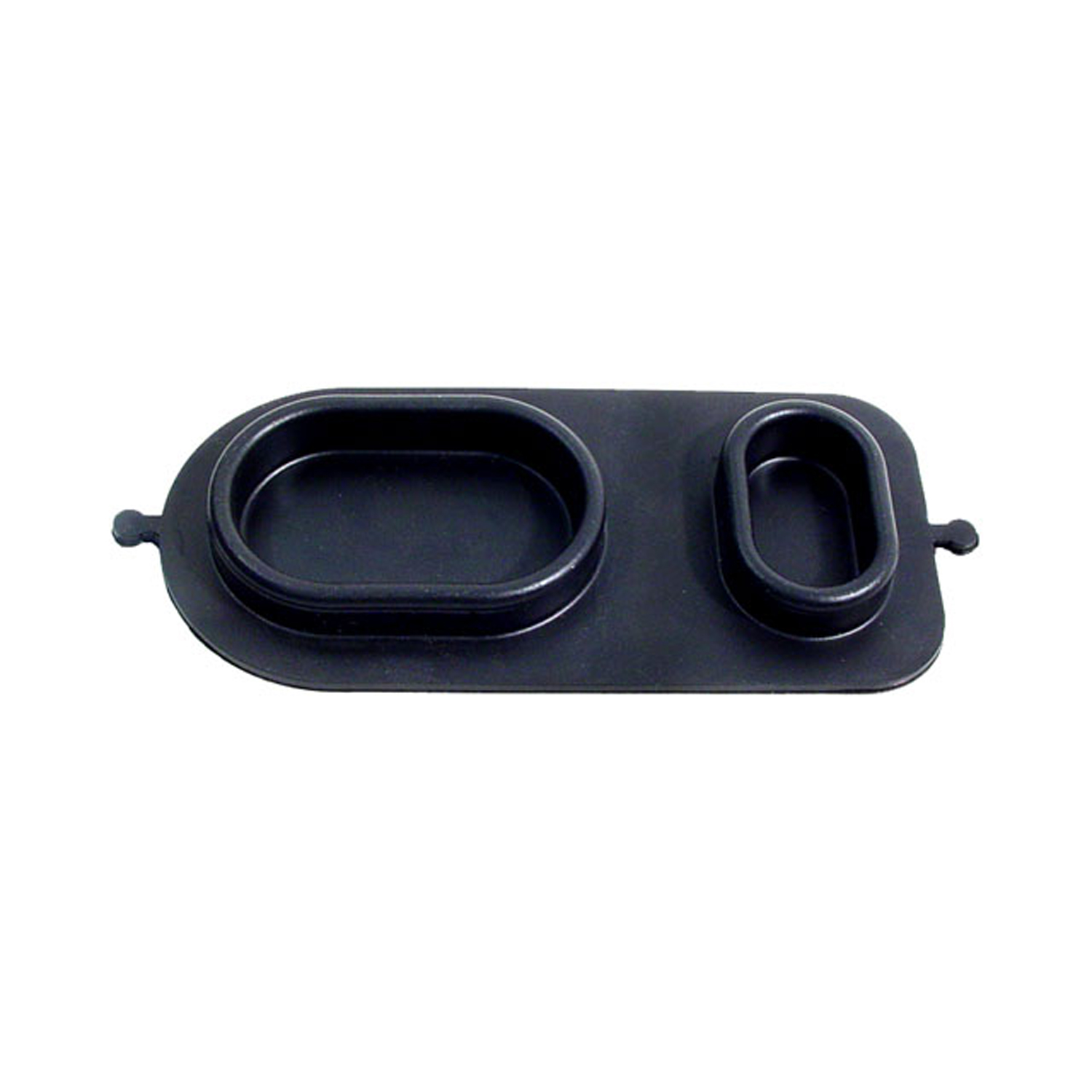 1967 Mercury BREEZEWAY Brake Master Cylinder Cover Seal. Replaces OEM #5470861-RP 2-CBrake Master Cylinder Cover Seal. Replaces OEM #5470861. 5-9/16" long, 2-5/8" wide. Each
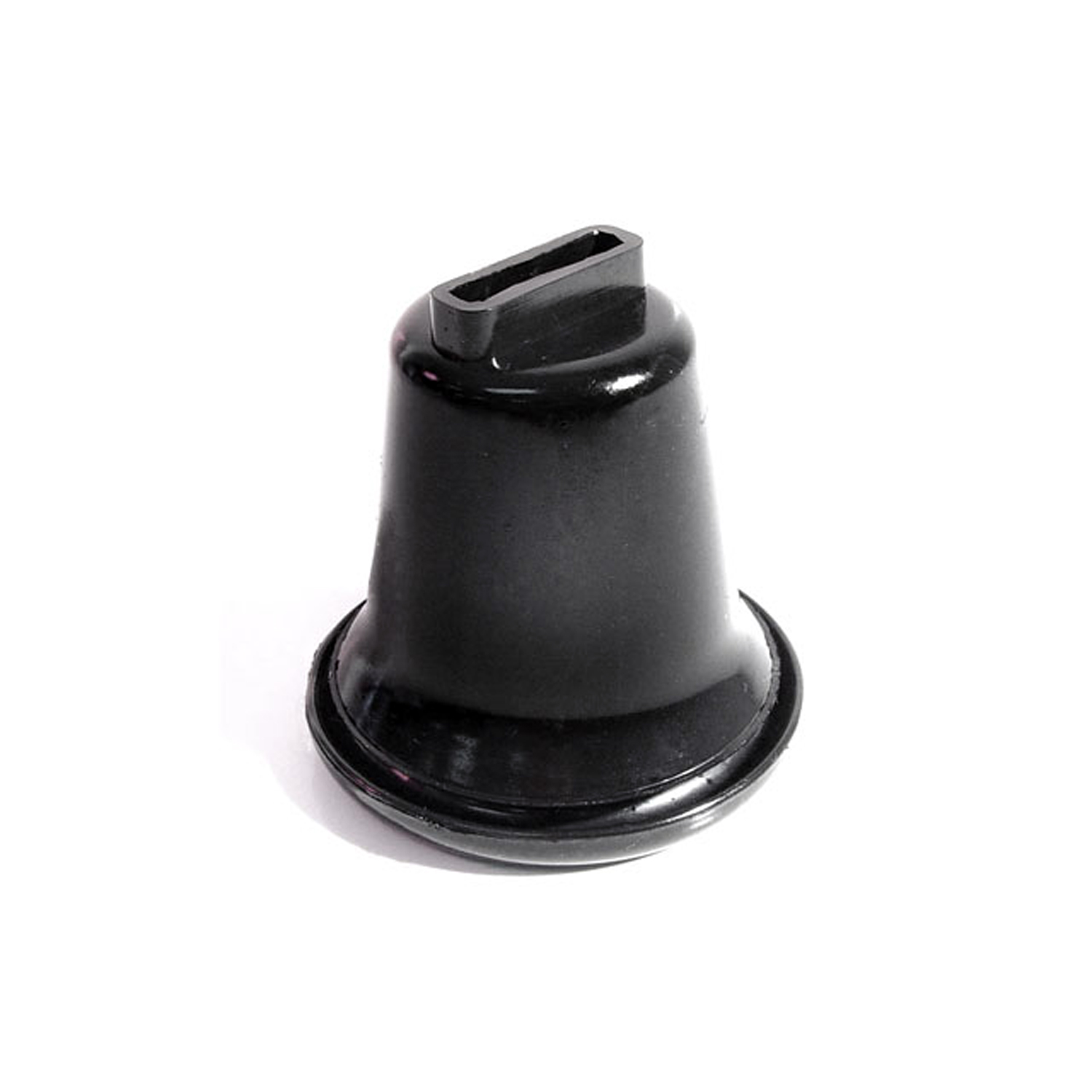 1967 Mercury BREEZEWAY Brake Booster Boot. Each-RP 32-AABrake Booster Boot. Each
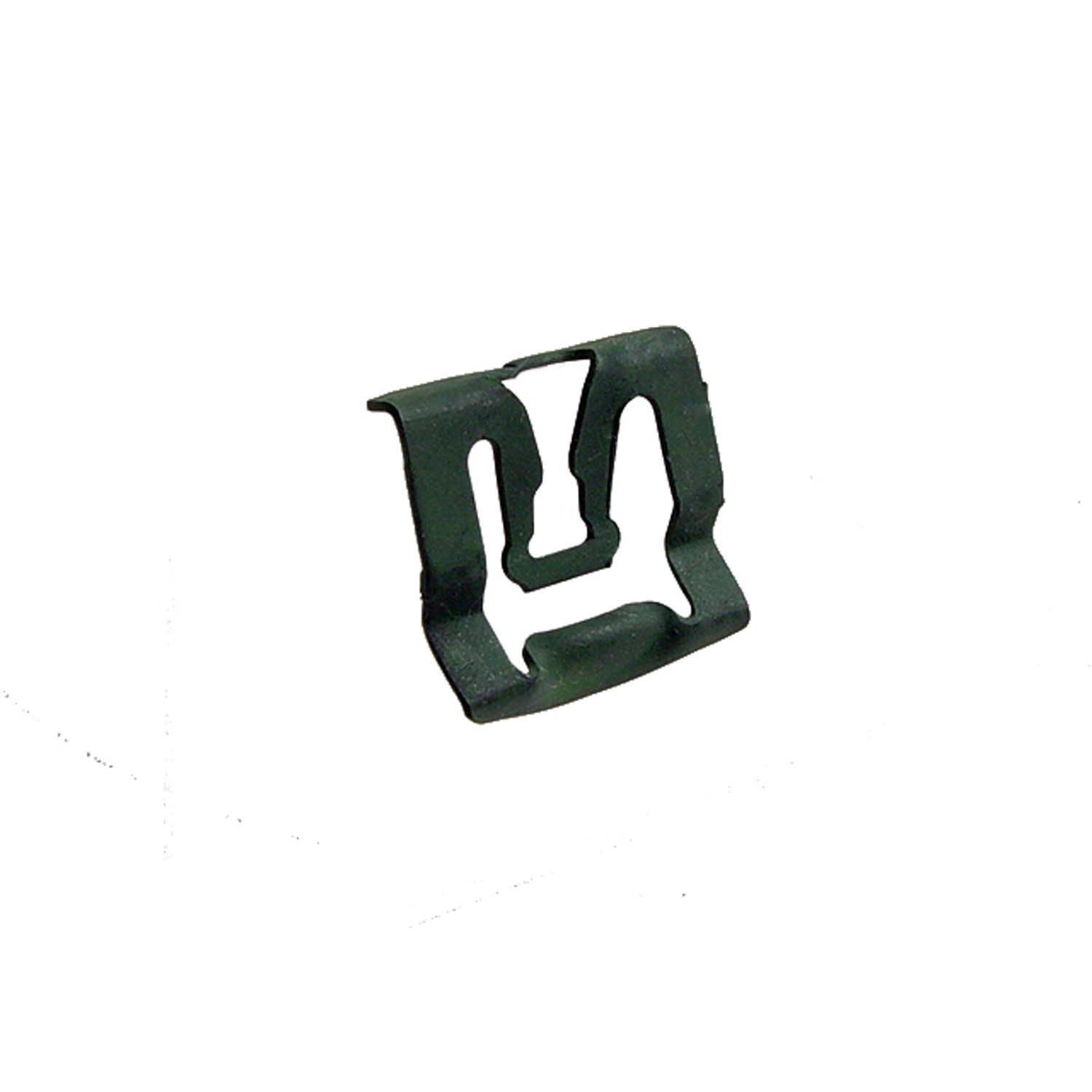 1967 Mercury BREEZEWAY Windshield Reveal Molding Clip. Made of steel. Each-WF 228-AWindshield Reveal Molding Clip. Made of steel. Each
Why Choose Metro?
For over 100 years, Metro Moulded Parts has been the pinnacle of quality in classic car restoration parts. Our commitment to precision and authenticity in every component ensures a perfect fit and an OEM-level appearance.
- Expert Craftsmanship & Quality: Each part is a testament to our dedication to reliability and perfection, crafted from original designs and thoroughly tested.
- Advanced Technology: We use cutting-edge techniques to create flawless, long-lasting parts that surpass others in performance.
- SuperSoft Sponge – The Ultimate Door Seal: Not only are our door seals 30% softer than competitors', but they're also guaranteed to never leak. They effectively reduce wind and road noise, enhancing your classic car's comfort and driving experience.
- Proudly American: Our parts are a product of American craftsmanship, made in the USA with a spirit of excellence and heritage.
- Unrivaled Warranty: We back our products with a 30-year industry-leading warranty, a testament to our confidence in their quality.
Join us in preserving the legacy of classic cars with parts that are crafted for perfection, not just made.