

Image of 1967 Mercury Brougham, Note: These illustrations use artistic license and may differ from actual historical models.
Performance Metrics
Fundamental Metrics
Emotional Appeal
MMP Rating
| Engine Specifications | |
|---|---|
| Engine Options: | 390 CID V8, 410 CID V8, 428 CID V8 |
| Displacement Range: | 390-428 cubic inches |
| Horsepower Range: | 270-345 hp |
| Torque: | 405-480 lb-ft |
| Compression Ratio: | 10.5:1 |
| Ignition System: | Conventional breaker-point ignition system |
| Cooling System: | Liquid-cooled |
| Performance Specifications | |
| 0-60 Time: | 8-9 seconds |
| 1/4 Mile Time: | 16 seconds |
| Top Speed: | 120 mph |
| Transmission and Drive | |
| Drive Type: | Rear-wheel drive |
| Transmission Type: | 3-speed automatic |
| Fuel and Efficiency | |
| Fuel System Type: | Carburetor |
| MPG: | 10-12 mpg |
| Dimensions and Brakes | |
| Brakes: | Front disc and rear drum brakes |
| Wheelbase: | 119 inches |
| Weight: | 4,000 lbs |
Note: Specifications for classic cars are given to the best of our ability, considering the limited and variant data available.
1967 Mercury Brougham: Big-Car Luxury, Mercury Style
The 1967 Mercury Brougham made a statement without needing a sports-car stance or a flashy badge: it was a broad, quiet American luxury car built to turn long miles into easy ones. Produced by the Mercury division of Ford Motor Company, the Brougham sat near the top of Mercury’s full-size range, offering more comfort and trim than a basic Monterey and sharing much of its engineering with other large Mercurys of the period.
Its arrival came during a changing moment in American motoring. Buyers still wanted roomy V8-powered cars, but manufacturers were adding more convenience, safety equipment, and upscale appointments to attract customers who might otherwise consider a Lincoln or Cadillac. The Brougham answered with a substantial body, plush cabin, and strong engine choices. One intriguing detail is that “Brougham” described a luxury level as much as a single rigid specification, so equipment and body-style details can vary between surviving cars. Original sales paperwork and factory documentation are especially useful when authenticating one.
Full-Size Mercury Styling
The Brougham wore the confident proportions expected of a 1960s American luxury car: a long hood, generous glass area, broad shoulders, and a spacious passenger compartment. Its front end was formal and substantial, with a wide grille and quad headlamps giving the car a composed, almost architectural appearance. Bright trim outlined the body without overwhelming it, while the long rear quarters and full-width visual emphasis made the car look planted from the side and rear.
Mercury’s styling for 1967 balanced crisp lines with rounded edges. The Brougham did not chase the sharp, sporty look of a muscle car. Instead, its presence came from its size and restraint. Period-correct wheel covers, bright window moldings, and carefully maintained chrome make a major difference today. A car with straight body panels and clean trim looks far more impressive than one wearing non-original accessories or mismatched brightwork.
A Quiet, Well-Trimmed Cabin
Inside, the Brougham’s mission was comfort. Buyers could find upholstered seating in cloth, vinyl, or combinations of materials, depending on configuration and equipment. The broad bench seats, generous legroom, and large windows suited family travel and highway cruising. Wood-tone accents, patterned seat fabrics, bright interior trim, and carpeting helped distinguish the more luxurious cabin from a basic full-size sedan.
Convenience equipment could include power steering, power brakes, air conditioning, power windows, and power-operated seat adjustment. Availability varied by car, so it is best to check the specific vehicle rather than assume every Brougham received every feature. The dashboard was straightforward by modern standards, with large, legible instruments and familiar controls. That simplicity is part of the appeal: there are no touchscreens or complicated electronic systems to distract from the driving.
Factory color choices reflected the period’s wide palette, from conservative whites, blacks, and silvers to blues, greens, golds, and other richer shades. Metallic and darker colors suit the Brougham’s formal character particularly well, while a light exterior paired with a contrasting roof or interior gives it a classic executive look. Exact colors and combinations varied, so enthusiasts should use the vehicle’s identification information and factory paint references when judging originality.
Body Styles and Equipment
The Brougham name is most closely associated with Mercury’s four-door full-size luxury cars, including sedan and hardtop forms in the broader 1967 lineup. The hardtop’s clean roofline, without a fixed center pillar between the side windows, is especially sought after for its open, airy appearance. The four-door configuration also makes the car practical for family use and comfortable access to the rear seat.
Mercury’s full-size range included other body styles, such as two-door cars and station wagons, but those should not automatically be described as Broughams. Model names and trim applications can be confusing when cars are advertised decades later. For a collector, the door data plate, original sales invoice, and period literature are better guides than a modern listing title.
Where the Brougham Fit in 1967
The Brougham was part of a larger shift in how American manufacturers defined luxury. Rather than reserving comfort features for the most expensive marques, Mercury offered a more accessible version of the big-car experience: ample space, V8 power, automatic-transmission convenience, and available power accessories. It gave buyers an upscale alternative without requiring them to move into a full luxury brand.
It was not a technological breakthrough in the way a new safety system or independent suspension might be. Its significance was in packaging familiar, proven hardware into a comfortable and well-appointed automobile. The Brougham represented a popular American ideal of the time: a car could be a family vehicle, a long-distance tourer, and a status symbol all at once. That formula influenced the look and equipment expectations of full-size cars throughout the late 1960s.
V8 Power and Highway Manners
Engine availability depended on the exact model and equipment. Mercury’s 1967 full-size offerings included a 390-cubic-inch V8, with larger-displacement options available in parts of the range. A 410-cubic-inch V8 is also associated with some upscale Mercury configurations. Because engines could be changed over the years, a car’s current engine should be checked against its original documentation before it is treated as factory-correct.
These cars were heavy, full-size cruisers, not lightweight performance machines. A healthy V8 and automatic transmission provide strong low-speed pull, making it easy to merge into traffic or settle into a steady highway pace. Depending on engine, gearing, condition, and test method, a representative Brougham might reach 0 to 60 mph in roughly 9 to 12 seconds. Estimated top speed is generally in the neighborhood of 105 to 120 mph, though sustained high-speed driving is not what these cars were designed for, and tire and brake condition should always take priority over a speed estimate.
On ordinary roads, the Brougham’s long wheelbase and soft suspension take the sharp edge off bumps and broken pavement. It feels most at home cruising straight ahead, where the steering is relaxed and the cabin is spacious. On a winding road, its size and weight become more obvious. Expect body lean, a wide turning circle, and less precise responses than a modern sedan. Good shocks, sound suspension bushings, properly adjusted steering, and quality tires make a substantial difference.
Behind the wheel, the experience is about presence rather than urgency. The V8 produces a deep, measured rumble, while the automatic transmission shifts smoothly when properly maintained. The hood stretches out ahead, the bench seat encourages an easy posture, and the car’s ride filters much of the road’s roughness. It feels like a machine built to cover distance comfortably, not to attack corners.
Living With a 1967 Brougham
Most Broughams today are used as weekend drivers, classic-car show entries, and comfortable touring cars. Their size and period character make them natural candidates for local cruise nights and vintage events. They can be driven regularly, but their fuel consumption, parking footprint, and age-related maintenance needs make them less convenient as a modern daily driver.
Mechanical repairs are generally approachable for an experienced home mechanic. The V8, automatic transmission, brakes, and much of the chassis use conventional, serviceable components. Parts support for common Ford and Mercury mechanical items is better than for many unusual imports, although trim-specific pieces, correct interior materials, and some Brougham-only details can take patience to locate.
Reliability depends heavily on condition and upkeep. Before buying, inspect the frame and body for rust, especially around floors, lower body panels, and structural areas. Check the cooling system, oil pressure, transmission operation, steering play, brake performance, and electrical accessories. A car that has sat for years may need much more than a battery and fresh fuel. Preventive attention to hoses, belts, fluids, tires, and brakes is essential before regular road use.
Trivia, Reputation, and Common Complaints
The Brougham is a less familiar name today than Mercury’s better-known Park Lane or Monterey, which gives it a bit of under-the-radar appeal at shows. Its strongest claim is not a speed record or a racing victory. It is a snapshot of the American full-size luxury market at a time when comfort, size, and V8 power were central selling points.
There is no widely recognized production record or major motorsport achievement associated specifically with the 1967 Brougham. Nor is it especially famous for a single celebrity owner or defining film appearance. Its relative obscurity is part of the fun: owners often get questions from people who know the Mercury name but have never seen this particular model in person.
Common criticisms are familiar to anyone who owns a large 1960s car. The Brougham is thirsty, takes up plenty of space, and can feel ponderous on tight roads. Its soft suspension and period steering are not to everyone’s taste. Some buyers also find that locating correct trim and restoring aged interiors takes longer than repairing the basic mechanicals. In return, it offers a roomy, relaxed, and unmistakably period driving experience.
Collector Values and Availability
Values vary widely with body style, originality, rust, mechanical condition, and the quality of any restoration. As a broad U.S. estimate in the current market, a project car may sell for about $3,000 to $8,000. A usable driver commonly falls around $10,000 to $20,000, while a clean, well-presented example may bring roughly $20,000 to $35,000. Exceptional, highly original, or professionally restored cars can exceed that range, especially when documentation and desirable equipment are present. These are general estimates, not a formal appraisal.
There is no dependable, widely published production total specifically for every 1967 Brougham body and equipment combination. A reasonable working estimate is that production was in the low tens of thousands, perhaps around 10,000 to 20,000 cars, but that figure should be treated as an informed approximation rather than an official factory count. Survivor numbers are much lower, and correct, rust-free examples can take time to find.
Market demand tends to be steadier than spectacular. The Brougham has not generally followed the price spikes seen in the most famous muscle cars, but good examples can hold their value and well-restored cars may appreciate gradually. Buyers should prioritize condition, originality, and documentation over a seller’s claim that a car is rare. A solid, complete car is usually a better investment than a cheap project missing hard-to-find trim.
Why the 1967 Mercury Brougham Still Matters
The 1967 Mercury Brougham delivers the essentials of a classic American luxury car: a formal full-size shape, a spacious and well-appointed cabin, V8 power, and a calm highway ride. It was not built to set a track record or introduce radical engineering. Its achievement was making everyday travel feel special, with a level of comfort and presence that defined Mercury’s place in the market.
For collectors, its appeal lies in that combination of useful size, period style, and relative rarity. Find a sound example, give its mechanicals the care they deserve, and the Brougham rewards you with something increasingly uncommon: an honest, comfortable 1960s Mercury that makes every ordinary drive feel like a small occasion.
1967 Mercury Brougham Catalog of Parts
 1967 Mercury Brougham Shock Absorber Grommet. 1-1/4" bottom O.D., 1" high-BN 12Shock Absorber Grommet. 1-1/4" bottom O.D., 1" high., with 3/4" I.D. Each
 1967 Mercury Brougham Door Side Seal extrusion with proper installation clips-C/LP 40-FDoor Side Seal extrusion with proper installation clips. Clips installed 4" on center. Sold by the foot.
 1967 Mercury Brougham Door Side Seal, Without Clips (for seal with clips-LP 40-FDoor Side Seal, Without Clips (for seal with clips, see C/LP 40-F). Sold by the foot
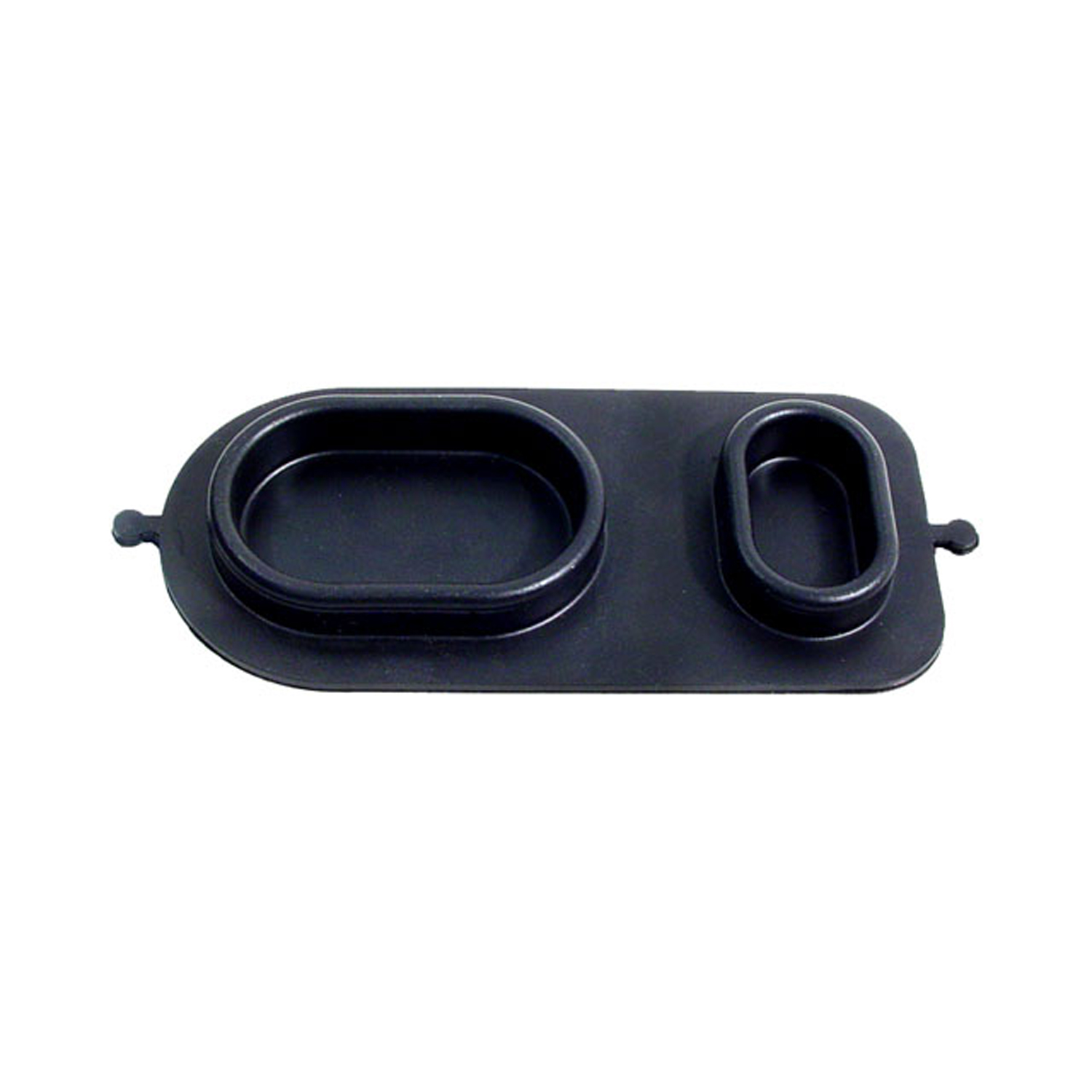 1967 Mercury Brougham Brake Master Cylinder Cover Seal. Replaces OEM #5470861-RP 2-CBrake Master Cylinder Cover Seal. Replaces OEM #5470861. 5-9/16" long, 2-5/8" wide. Each
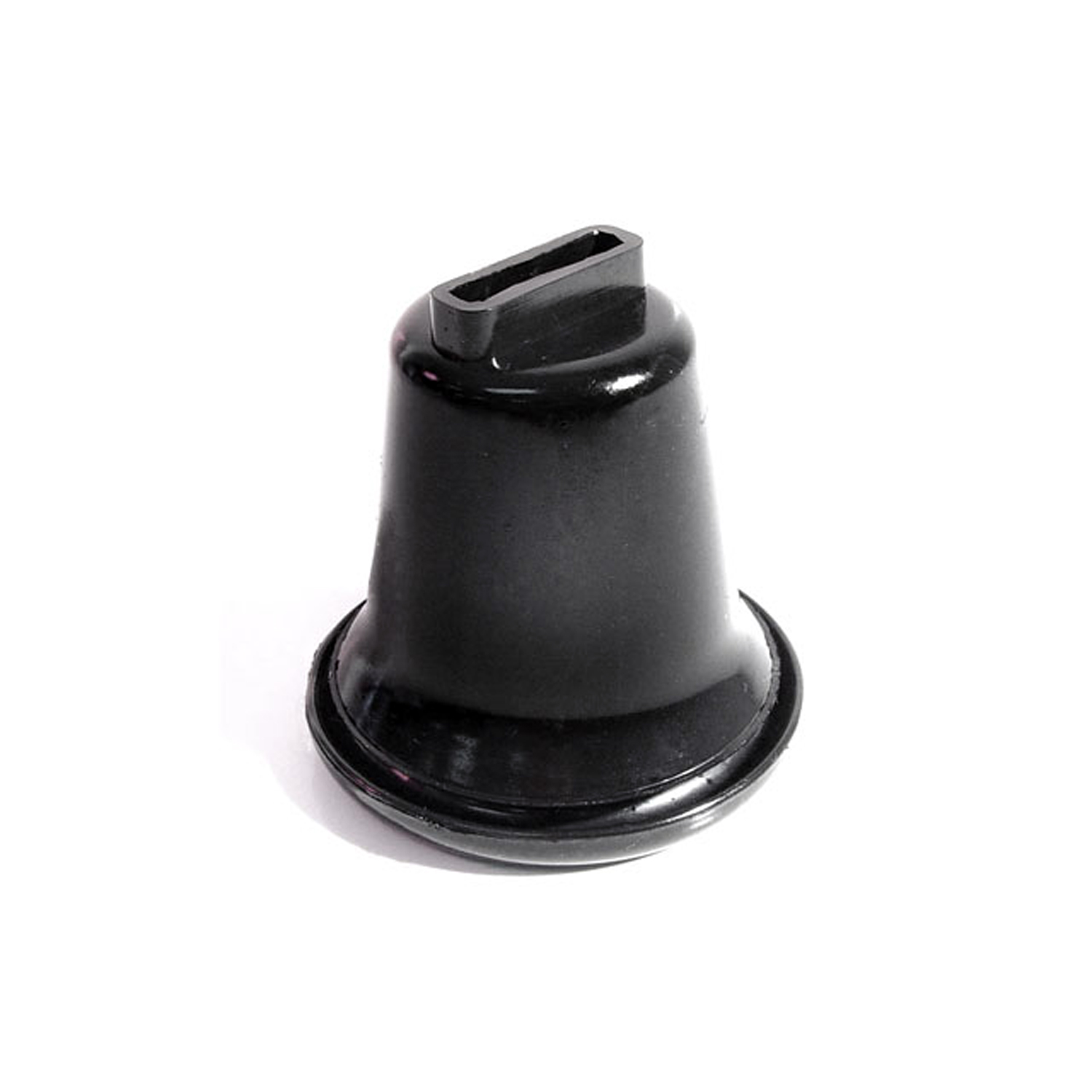 1967 Mercury Brougham Brake Booster Boot. Each-RP 32-AABrake Booster Boot. Each
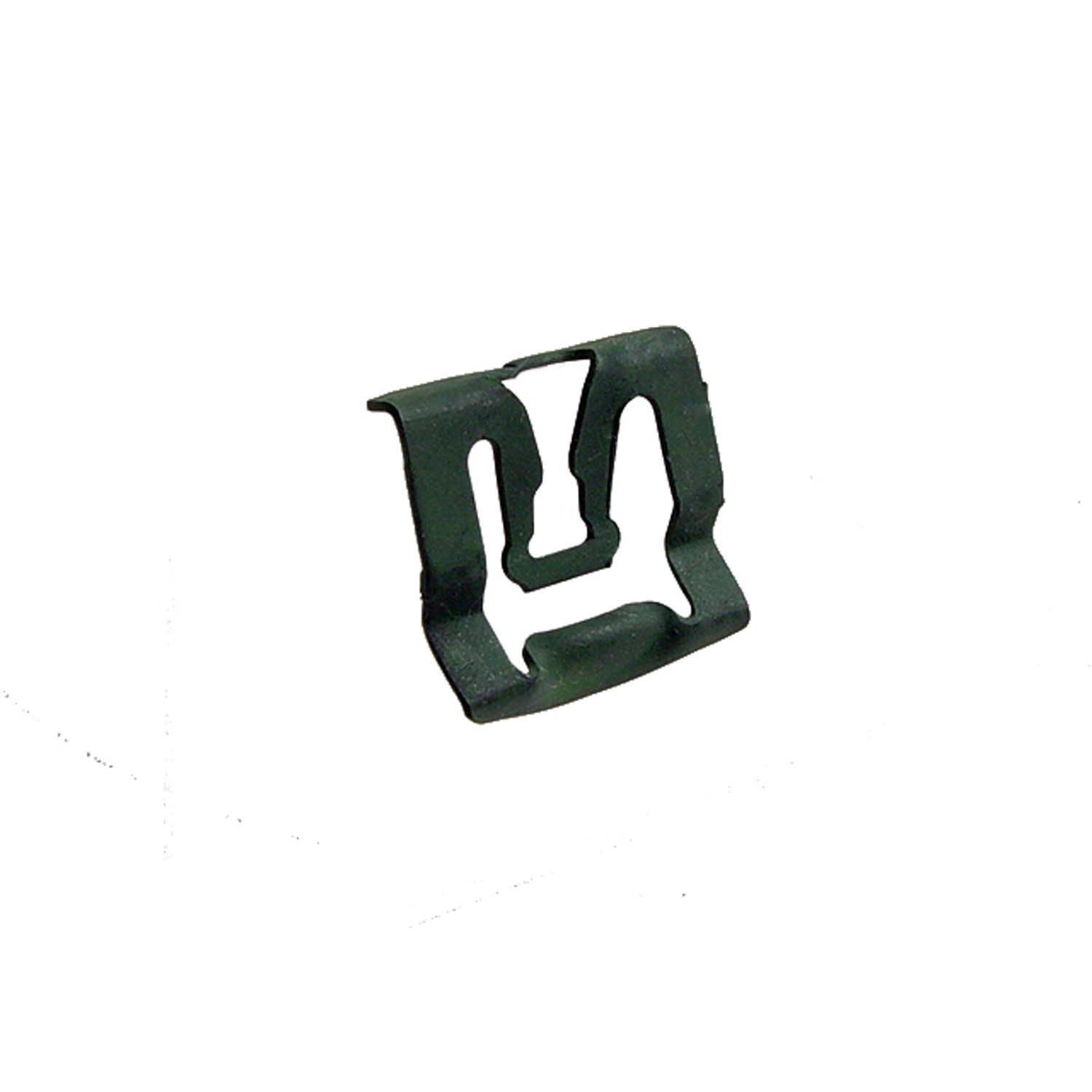 1967 Mercury Brougham Windshield Reveal Molding Clip. Made of steel. Each-WF 228-AWindshield Reveal Molding Clip. Made of steel. Each
Why Choose Metro?
For over 100 years, Metro Moulded Parts has been the pinnacle of quality in classic car restoration parts. Our commitment to precision and authenticity in every component ensures a perfect fit and an OEM-level appearance.
- Expert Craftsmanship & Quality: Each part is a testament to our dedication to reliability and perfection, crafted from original designs and thoroughly tested.
- Advanced Technology: We use cutting-edge techniques to create flawless, long-lasting parts that surpass others in performance.
- SuperSoft Sponge – The Ultimate Door Seal: Not only are our door seals 30% softer than competitors', but they're also guaranteed to never leak. They effectively reduce wind and road noise, enhancing your classic car's comfort and driving experience.
- Proudly American: Our parts are a product of American craftsmanship, made in the USA with a spirit of excellence and heritage.
- Unrivaled Warranty: We back our products with a 30-year industry-leading warranty, a testament to our confidence in their quality.
Join us in preserving the legacy of classic cars with parts that are crafted for perfection, not just made.