

Image of 1967 Mercury Cyclone, Note: These illustrations use artistic license and may differ from actual historical models.
Performance Metrics
Fundamental Metrics
Emotional Appeal
MMP Rating
| Engine Specifications | |
|---|---|
| Engine: | 289 CID 2V V-8, 390 CID 4V V-8, 427 CID 4V V-8 |
| Displacement: | 289 - 427 cu in |
| Horsepower: | 200 - 425 hp |
| Torque: | 282 - 480 lb-ft |
| Compression Ratio: | 10.0:1 - 11.6:1 |
| Ignition System: | Conventional, breaker point |
| Cooling System: | Liquid-cooled |
| Performance Specifications | |
| 0-60 Time: | 7.5 - 8.5 seconds |
| 1/4 Mile Time: | 15.5 - 16.5 seconds |
| Top Speed: | 120 - 130 mph |
| Transmission and Drive | |
| Drive Type: | Rear-wheel drive |
| Transmission Type: | 3-speed manual, 4-speed manual, 3-speed automatic |
| Fuel and Efficiency | |
| Fuel System Type: | Carburetor |
| MPG: | 10 - 15 mpg |
| Dimensions and Brakes | |
| Brakes: | Front disc, rear drum |
| Wheelbase: | 116 in |
| Weight: | 3,400 - 3,600 lbs |
Note: Specifications for classic cars are given to the best of our ability, considering the limited and variant data available.
1967 Mercury Cyclone: Mercury’s Stylish Mid-Size Muscle Car
The 1967 Mercury Cyclone brought big-block muscle into a sleek, mid-size package, pairing Mercury’s upscale finish with the straight-line attitude of the late-1960s performance-car boom. Built by the Mercury division of Ford Motor Company, the Cyclone began as a sporty Comet option before becoming a distinct model in its own right. By 1967, it had grown into a serious rival for cars such as the Pontiac GTO, Chevrolet Chevelle SS and Ford Fairlane GT.
One detail that makes the Cyclone especially interesting is how its identity could change with a few letters. The GT added performance equipment and distinctive trim, while the GTA designation generally identified an automatic-transmission GT. A buyer could order a handsome hardtop for cruising or a GT convertible that combined open-air motoring with genuine V8 muscle.
1967 Cyclone Styling and Interior
The Cyclone’s long hood, short rear deck and low roofline gave it the classic mid-1960s muscle-car proportions. Its broad grille and cleanly integrated front-end details looked purposeful without being as flamboyant as some competitors. The GT added visual muscle, including sportier trim, striping and a hood scoop, though exact equipment could vary with the package and options fitted.
Inside, the Cyclone balanced performance-car cues with Mercury’s more comfortable image. Bucket seats, a center console and a floor shifter were popular choices, and the driver faced a straightforward instrument panel designed for quick reading. Depending on the car’s trim and order sheet, upholstery could include vinyl or combinations of vinyl and cloth. It was a period-correct cabin: attractive and comfortable, but with plenty of painted metal and hard surfaces compared with a modern interior.
Buyers could choose from a range of Mercury exterior colors. Bright red, blue and green shades suited the Cyclone’s sporty character, while more restrained colors gave it a subtler look. Exact names and availability depended on the paint chart and production date, so original paint codes are worth checking when evaluating a surviving car.
The main Cyclone body style was the two-door hardtop. GT models were also offered as convertibles, making the open-top GT one of the most distinctive versions. The hardtop remains the familiar Cyclone silhouette, while a documented GT convertible is especially appealing to collectors.
Engines, Options and Period Technology
Engine availability depended on the model and equipment package. V8 choices included 289-cubic-inch small-blocks and 390-cubic-inch big-blocks, with output varying by carburetion and specification. The 390 was the engine that gave the Cyclone GT its strongest mainstream performance credentials. Some period references and surviving cars also point to limited high-performance 427-cubic-inch configurations, but these were not ordinary production choices. Any claimed 427 car deserves careful verification through factory documentation and specialist inspection.
Transmission options included manual gearboxes and Ford’s automatic. A four-speed manual suited drivers who wanted to work the engine themselves, while the automatic made the car easier to live with in traffic. The GTA badge is associated with the automatic-equipped GT. Power steering and power brakes were among the available comfort and convenience features, and front disc brakes could be ordered on some configurations.
By today’s standards, the Cyclone’s technology was conventional. It relied on familiar front coil springs, a rear leaf-spring setup and recirculating-ball steering. Its appeal was not electronic sophistication, but the straightforward mechanical formula of a V8, a rear-drive chassis and equipment that an owner or local mechanic could understand.
Why the 1967 Cyclone Mattered
The Cyclone did not invent the muscle car, and it did not introduce a technology that transformed the industry. Its importance lies in how effectively Mercury adapted the mid-size performance formula for its own audience. It offered the speed and visual confidence buyers wanted, while keeping the slightly more polished character associated with the Mercury name.
That position set it apart from both its Ford cousins and its General Motors rivals. The Cyclone shared its basic mechanical family with other Ford products, but Mercury styling and trim gave it a distinct identity. It also showed how broad the muscle-car market had become: buyers could choose not only among brands and engines, but among different levels of comfort, trim and performance within the same basic formula.
The 1967 model sits at an appealing point in the Cyclone’s development. It has the classic proportions and relatively simple hardware of an early muscle car, but enough model-specific trim and engine variety to reward careful research. Its lasting influence is less about a single engineering breakthrough and more about representing Mercury’s confident entry in a crowded performance market.
1967 Mercury Cyclone Performance and Road Manners
Performance figures vary with engine, transmission, axle ratio, tires and vehicle condition. As a broad period-style estimate, a 390-equipped Cyclone GT in good tune could reach 0 to 60 mph in roughly 7 to 8 seconds and approach a top speed around 115 to 125 mph. A 289-powered car was generally slower, while a properly configured high-performance 427 car could be quicker still. These are estimates, not a single factory figure applicable to every Cyclone.
On the road, the Cyclone feels like a classic American performance car: substantial, relaxed at cruising speed and most comfortable when driven with some space around it. Its suspension can absorb ordinary bumps reasonably well, but rough pavement may produce a firm, sometimes unsettled ride by modern standards. On a winding road, the car’s size, period tires and comparatively slow steering call for smooth inputs rather than abrupt direction changes.
The best part of the driving experience is the engine. A healthy V8 delivers a deep idle and a broad, low-rev torque surge, with a sharper exhaust note as the throttle opens. The driver feels closely connected to the machinery through the gear selector, steering wheel and mechanical controls, but should not expect modern braking distances or cornering grip. A well-maintained example is enjoyable on back roads and at weekend events, provided the driver respects its age and equipment.
Owning and Maintaining a Cyclone
Today, most 1967 Cyclones are weekend cruisers, show cars or occasional-use classics rather than dependable daily transportation. A solid, properly sorted car can handle local trips and highway drives, but modern traffic, fuel availability and the age of rubber, wiring and brake components all matter.
Many mechanical parts are related to other Ford and Mercury models of the period, which helps with routine servicing and restoration. The 289 and 390 engines are familiar to classic-Ford specialists, and basic jobs such as ignition service, carburetor tuning and brake work are manageable for an experienced home mechanic. Body and trim parts can be more challenging to source, particularly Cyclone-specific pieces and convertible components.
Before buying, inspect the frame and structural areas for rust, along with the floors, trunk, lower body panels and suspension mounting points. Check that the engine, transmission and rear axle match the car’s claimed specification, and look for signs of careless modifications. Correct parts and factory documentation matter especially on GTs and any car advertised as having a rare engine.
Rare Versions, Trivia and Common Myths
The GT convertible is one of the most eye-catching versions, while a genuine high-performance 427-equipped Cyclone, if properly documented, belongs in a different rarity category from an ordinary small-block car. The GTA is also frequently misunderstood: it refers to a particular GT configuration, commonly associated with the automatic transmission, rather than simply being a more powerful engine designation.
There is no widely recognized production record or headline speed record that defines the 1967 Cyclone. Its reputation comes instead from the broader performance culture of the period, including street driving and drag-strip competition. The model should not be confused with Mercury’s better-known NASCAR Cyclones from later years, which became more prominent in stock-car racing.
A common criticism is that the Cyclone lacks the name recognition and reproduction-parts support enjoyed by better-known muscle cars. Some buyers also find its steering and braking feel dated, even compared with other classics from the era. Those drawbacks are part of the ownership calculation, but the relative rarity and Mercury-specific character are exactly what attract many enthusiasts.
Collector Values and Production Estimates
As of 2026, a rough U.S. market guide for a 1967 Mercury Cyclone is about $15,000 to $30,000 for a usable driver, with condition, originality and engine specification making a major difference. A clean, well-restored example may fall around $30,000 to $50,000 or more. A desirable GT convertible or a genuinely rare, documented high-performance car can exceed those figures substantially, sometimes reaching six figures for exceptional examples. These are broad estimates, not appraisals, and local market conditions can shift prices.
Exact production totals can be difficult to pin down because figures are reported differently by model and body style. A reasonable working estimate is roughly 10,000 to 15,000 Cyclone-badged cars for the 1967 model year, with the GT representing a portion of that total. Treat that as an informed estimate rather than a definitive factory count. Convertibles and unusual engine combinations are far less common than standard hardtops.
Values have generally benefited from growing interest in less-common muscle cars, but the market is highly condition-sensitive. Clean, original cars and documented performance models tend to hold the strongest interest. Projects can look affordable at first, but rust repair, missing trim and a questionable engine swap can quickly erase the apparent bargain.
The Cyclone’s Lasting Appeal
The 1967 Mercury Cyclone combines classic muscle-car proportions, useful V8 performance and a distinctive place in Mercury history. It was not the loudest or most technologically advanced car of its era, but it delivered a compelling blend of style, comfort and speed, with hardtop and convertible versions to suit different tastes.
For collectors, its greatest strength is its individuality: it offers the thrill of a 1960s American performance car without simply repeating the better-known names. Find a well-documented example, and the Cyclone becomes more than a handsome old Mercury. It is a vivid reminder that the muscle-car era had room for more than one kind of legend.
1967 Mercury Cyclone Catalog of Parts
 1967 Mercury Cyclone Shock Absorber Grommet. 1-1/4" bottom O.D., 1" high-BN 12Shock Absorber Grommet. 1-1/4" bottom O.D., 1" high., with 3/4" I.D. Each
 1967 Mercury Cyclone Door Side Seal extrusion with proper installation clips-C/LP 40-FDoor Side Seal extrusion with proper installation clips. Clips installed 4" on center. Sold by the foot.
 1967 Mercury Cyclone Door Side Seal, Without Clips (for seal with clips-LP 40-FDoor Side Seal, Without Clips (for seal with clips, see C/LP 40-F). Sold by the foot
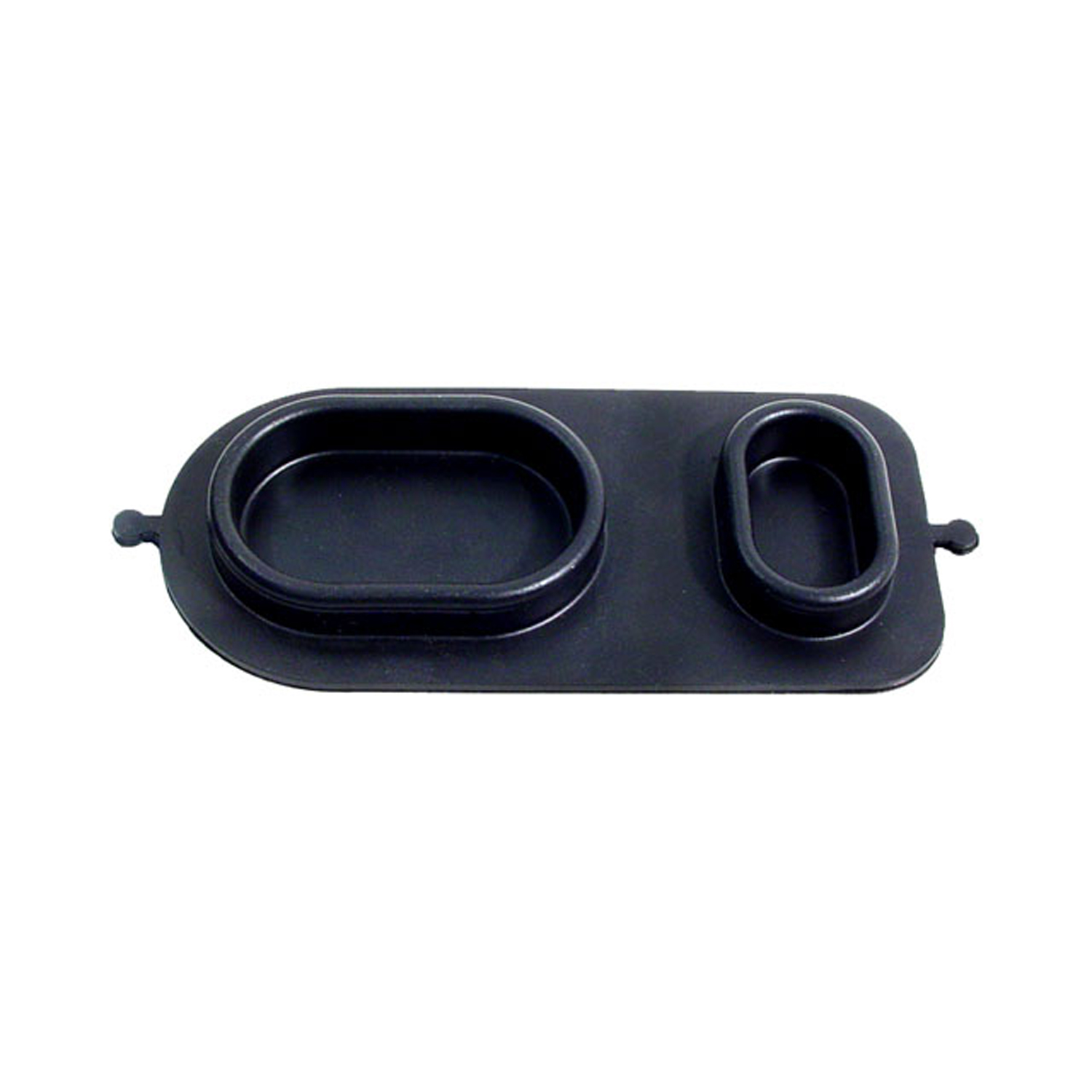 1967 Mercury Cyclone Brake Master Cylinder Cover Seal. Replaces OEM #5470861-RP 2-CBrake Master Cylinder Cover Seal. Replaces OEM #5470861. 5-9/16" long, 2-5/8" wide. Each
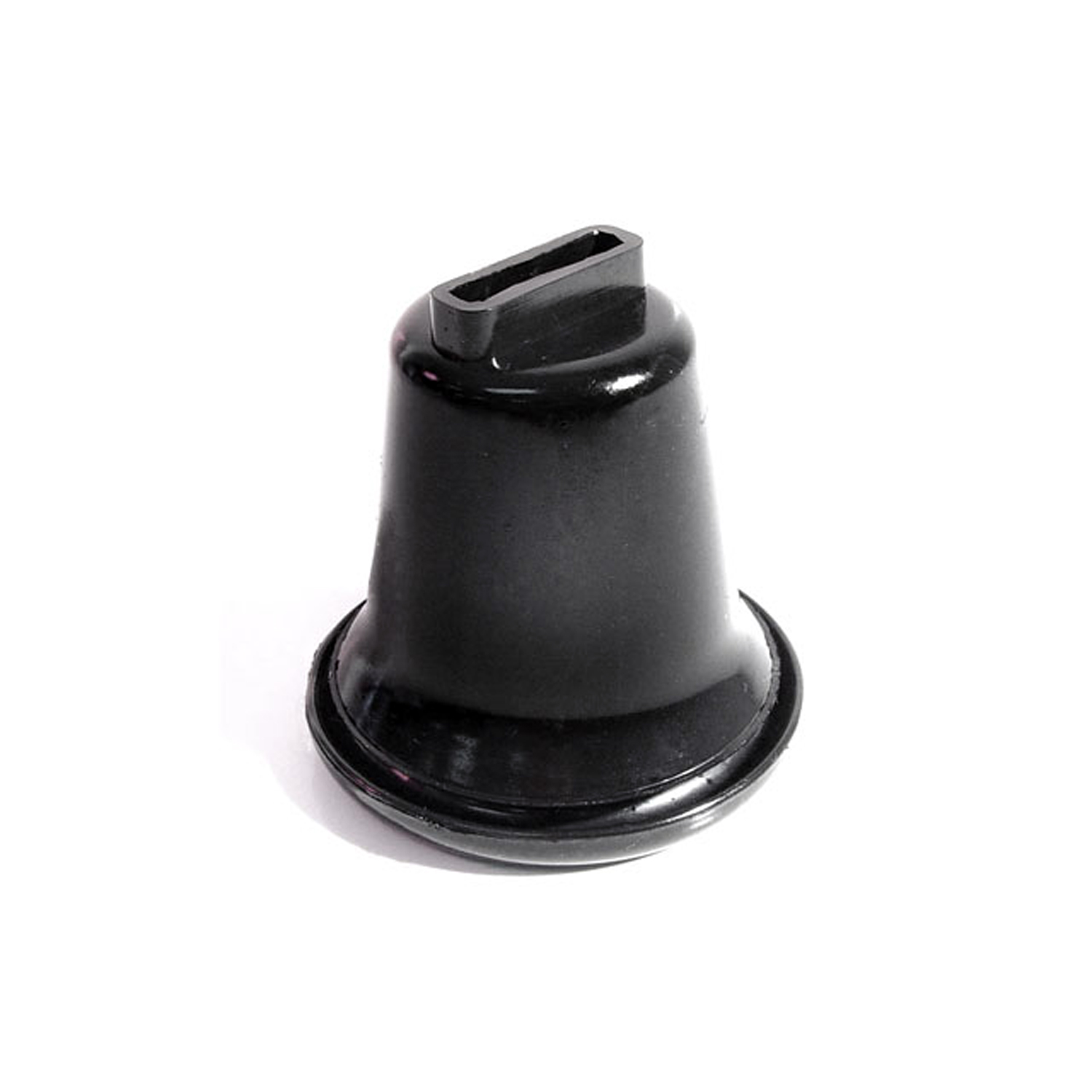 1967 Mercury Cyclone Brake Booster Boot. Each-RP 32-AABrake Booster Boot. Each
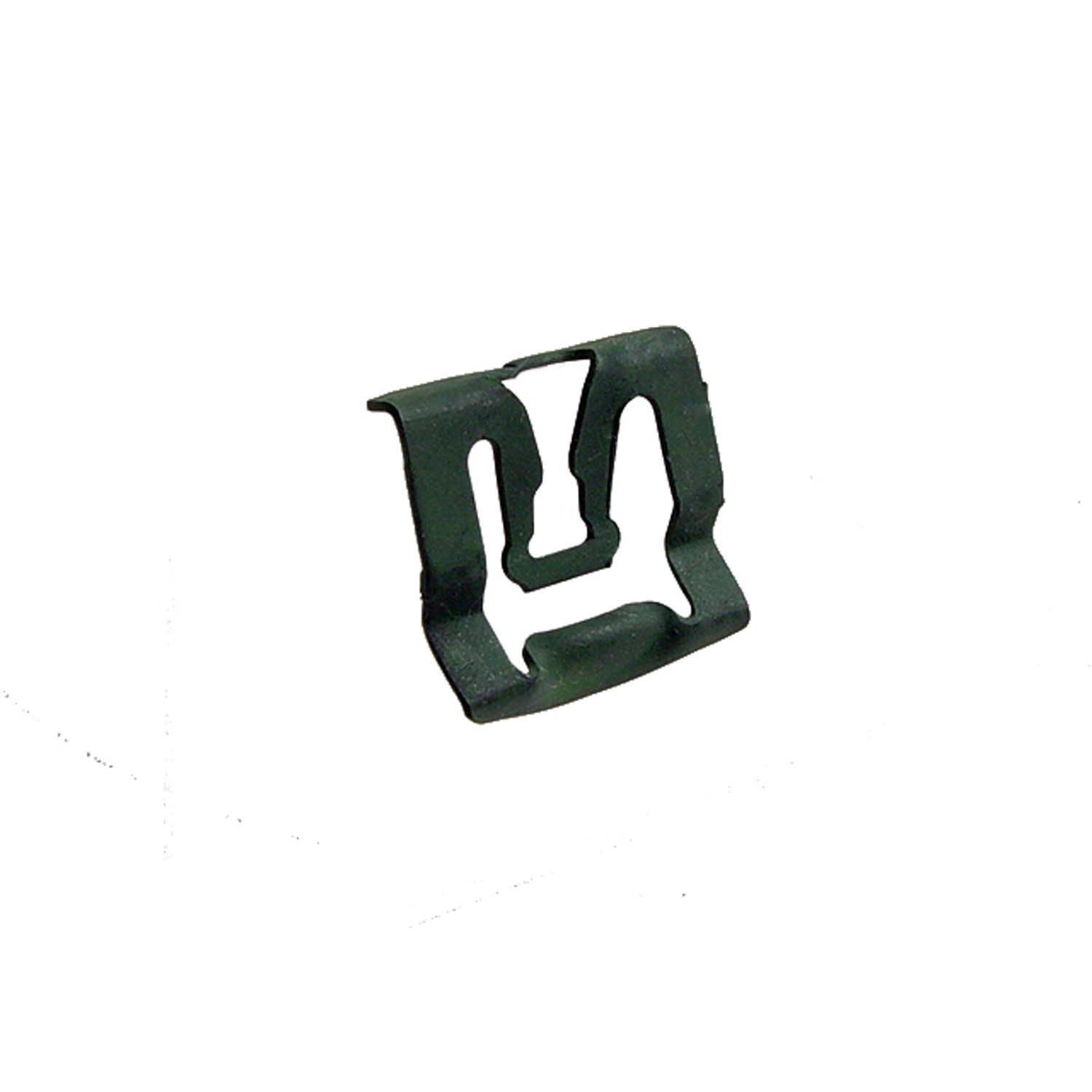 1967 Mercury Cyclone Windshield Reveal Molding Clip. Made of steel. Each-WF 228-AWindshield Reveal Molding Clip. Made of steel. Each
Why Choose Metro?
For over 100 years, Metro Moulded Parts has been the pinnacle of quality in classic car restoration parts. Our commitment to precision and authenticity in every component ensures a perfect fit and an OEM-level appearance.
- Expert Craftsmanship & Quality: Each part is a testament to our dedication to reliability and perfection, crafted from original designs and thoroughly tested.
- Advanced Technology: We use cutting-edge techniques to create flawless, long-lasting parts that surpass others in performance.
- SuperSoft Sponge – The Ultimate Door Seal: Not only are our door seals 30% softer than competitors', but they're also guaranteed to never leak. They effectively reduce wind and road noise, enhancing your classic car's comfort and driving experience.
- Proudly American: Our parts are a product of American craftsmanship, made in the USA with a spirit of excellence and heritage.
- Unrivaled Warranty: We back our products with a 30-year industry-leading warranty, a testament to our confidence in their quality.
Join us in preserving the legacy of classic cars with parts that are crafted for perfection, not just made.