

Image of 1967 Mercury Marquis, Note: These illustrations use artistic license and may differ from actual historical models.
Performance Metrics
Fundamental Metrics
Emotional Appeal
MMP Rating
| Engine Specifications | |
|---|---|
| Engine: | 410 cu in (6.7 L) FE V8, 428 cu in (7.0 L) FE V8 |
| Displacement: | 410-428 cu in |
| Horsepower: | 320-345 hp |
| Torque: | 427-462 lb-ft |
| Compression Ratio: | 10.5:1 |
| Ignition System: | Conventional breaker-point ignition system |
| Cooling System: | Liquid-cooled |
| Performance Specifications | |
| 0-60 Time: | Estimated 8.0-9.0 seconds |
| 1/4 Mile Time: | Estimated 16.0-17.0 seconds |
| Top Speed: | 120 mph |
| Transmission and Drive | |
| Drive Type: | Rear-wheel drive |
| Transmission Type: | 3-speed automatic, 4-speed manual |
| Fuel and Efficiency | |
| Fuel System Type: | Carburetor |
| MPG: | Estimated 10-12 mpg |
| Dimensions and Brakes | |
| Brakes: | Front disc and rear drum brakes |
| Wheelbase: | 123 inches |
| Weight: | 4,000 lbs |
Note: Specifications for classic cars are given to the best of our ability, considering the limited and variant data available.
1967 Mercury Marquis: Mercury’s New Flagship Coupe
The 1967 Mercury Marquis made luxury look long, low, and unmistakably American. Introduced by Ford Motor Company’s Mercury division as a new top-of-the-line model, the Marquis paired full-size comfort with a formal two-door hardtop body and a powerful V8. It arrived as buyers were embracing upscale personal cars, giving Mercury a more prestigious presence without abandoning the roomy, rear-wheel-drive formula that defined big American sedans and coupes.
The Marquis name was new for 1967, but Mercury already had experience building premium full-size cars. The model gave the division a distinct flagship above its established offerings and helped establish a nameplate that would remain important for decades. A notable detail is that the first-year Marquis was offered as a two-door hardtop, making its long, pillarless roofline central to its identity.
Formal Styling and Full-Size Comfort
From the front, the Marquis looked substantial and carefully tailored. A broad grille, sculpted hood, and crisply defined fenders gave it a confident stance, while the long body and restrained chrome trim communicated luxury without looking as ornate as some earlier American cars. Its two-door hardtop roof had no fixed center pillar, creating an open, uninterrupted side profile when the windows were lowered. The formal roofline flowed into a broad rear deck, giving the car an elegant, almost limousine-like proportion.
Inside, the Marquis emphasized space and finish. Depending on equipment, buyers could choose richly trimmed upholstery, patterned cloth and vinyl, or other upscale interior treatments. Woodgrain-style accents, bright metal details, and a broad dashboard helped distinguish the cabin from a basic family car. Front seating and console arrangements varied with configuration, while power accessories such as windows and seat adjustment could add a distinctly premium feel. Today, interior condition matters greatly to collectors because original upholstery, trim, and dashboard components can be harder to find than routine mechanical parts.
Mercury offered the Marquis in a range of period paint colors, from subdued whites, creams, and dark blues to more vivid greens, reds, and metallic shades. Actual names and availability depended on the paint chart and production date. Darker metallic colors and classic light neutrals suit the car’s formal character especially well, although original color codes are worth checking before a restoration or repaint.
The defining 1967 body style was the two-door hardtop. Buyers could personalize the car with convenience and luxury equipment, including air conditioning, power steering, power brakes, power windows, and upgraded audio options. The exact combination varied, so a factory invoice, build sheet, or original dealer documentation is valuable when verifying a particular car.
Big-Car Engineering in a Changing Era
The Marquis arrived when automakers were competing to make full-size cars feel more luxurious and distinctive. It shared the basic full-size, rear-wheel-drive architecture used elsewhere in the Ford and Mercury ranges, but its trim, presentation, and positioning gave it a more exclusive identity. That balance was central to the car’s appeal: buyers got familiar, serviceable American mechanicals wrapped in a more prestigious package.
Its timing also placed it alongside a growing market for personal-luxury cars such as the Buick Riviera and Oldsmobile Toronado. Those rivals leaned more heavily into specialized styling and, in the Toronado’s case, front-wheel drive. The Marquis took a different route. It delivered a traditional long-hood, rear-drive grand touring experience, with a roomy cabin and V8 power rather than radical engineering. Its influence was less about introducing a new technology than reinforcing the idea that a full-size Mercury could serve as a luxury flagship in its own right.
For 1967, federally mandated safety updates were becoming part of the automotive landscape. Features such as a dual-circuit braking system and an energy-absorbing steering column reflected the industry’s response to new safety requirements. The Marquis also offered the comfort and convenience equipment expected in an upscale American car, including available power accessories and climate control.
410 V8 Power and Highway Manners
The standard engine was Mercury’s 410-cubic-inch Marauder V8, rated at approximately 330 horsepower in period specifications. A 428-cubic-inch V8 was available as an upgrade, with output commonly listed at about 345 horsepower. Exact ratings and equipment can vary by source and configuration. Power went to the rear wheels through an automatic transmission, making the Marquis a relaxed, effortless cruiser rather than a sports coupe.
Published performance figures are not consistent across surviving tests and configurations, and decades of changes to engines, gearing, tires, and carburetors can alter results. As a broad period-style estimate, a healthy 410-powered car may reach 60 mph in roughly 8 to 10 seconds, with a top speed in the neighborhood of 115 to 120 mph under suitable conditions. These are estimates, not guaranteed figures for every surviving car. The Marquis’s real strength was confident passing power and quiet highway pace, not stoplight racing.
On the road, the car feels large and substantial. Its suspension is tuned for comfort, so it absorbs ordinary pavement joints and road imperfections with the soft, settled motion expected of a full-size American luxury coupe. On a winding road, its length, weight, and soft suspension make it less eager than a smaller performance car. Drivers should anticipate body lean and allow extra room when cornering. Crosswinds and uneven pavement are manageable, but the broad body and period tires reward a measured driving style.
Start the V8 and the experience is unmistakably old-school: a deep idle, a subdued burble under light throttle, and a stronger, fuller rumble when the engine is asked to work. The steering is typically light with power assist, and the automatic transmission encourages smooth, unhurried driving. Behind the wheel, the Marquis feels less like a modern car and more like a comfortable private lounge that happens to cover ground quickly.
Living With a 1967 Marquis
Today, most Marquis owners use their cars for weekend drives, local shows, club events, and occasional highway trips. A well-maintained example can be driven regularly, but its size, fuel consumption, and age make it less practical as an everyday commuter than a modern car. It is not a natural racing choice, although its V8 power and sturdy full-size construction make it suitable for relaxed touring.
Routine maintenance is familiar to anyone who has worked on a period Ford or Mercury V8. Ignition, carburetor, cooling, and brake work can be handled by a capable home mechanic, and many mechanical components are shared with related Ford Motor Company models. The main ownership challenge is often not basic service but finding correct Mercury-specific trim, interior pieces, and body parts. Rust-prone areas, previous repairs, electrical connections, and the condition of the automatic transmission deserve close inspection before purchase.
For regular use, attention to cooling-system health, brake condition, suspension bushings, tires, and charging-system performance is essential. A pre-purchase inspection by a mechanic familiar with classic American cars can help uncover hidden corrosion or improvised repairs. Originality also affects value: a mechanically sound car with well-preserved trim is often more appealing than a flashy restoration with incorrect details.
Marquis Facts and Common Misconceptions
The 1967 Marquis was a new nameplate, not simply a renamed version of an older Mercury model. Its first-year two-door-hardtop-only identity is one reason it has a distinctive place in Mercury history. The name would go on to serve Mercury across several generations and body styles, eventually becoming one of the division’s best-known badges.
The Marquis was a luxury road car, not a record-setting competition machine, and it is not widely associated with major racing achievements or speed records. Its significance lies in Mercury’s product strategy and the appeal of its full-size comfort. Claims of a specific celebrity-owned 1967 Marquis should be verified with documentation, as celebrity associations are often repeated without reliable proof.
Common criticisms are familiar to owners of large 1960s cars: fuel economy is poor by modern standards, parking takes care, and the soft suspension does not provide sharp handling. The car’s size can also make it feel less nimble in town. Those drawbacks are part of the same formula that gives it a spacious cabin, a relaxed ride, and an unmistakable period presence.
Collector Values and Availability
There is no universally accepted production figure for every 1967 Marquis configuration in commonly available summaries. A reasonable working estimate is roughly 25,000 to 30,000 cars, but buyers and researchers should treat that as an estimate rather than a definitive factory total. Survivors are not impossible to find, yet clean, original examples appear less often than more familiar Ford and Mercury models of the period.
As a broad U.S. market guide for 2026, a project or rough driver might sell for about $5,000 to $10,000. A usable, presentable car may fall around $10,000 to $20,000, while a clean, well-maintained example can reach approximately $20,000 to $35,000. High-quality restorations or unusually original cars may ask or sell for $35,000 to $50,000 or more, depending on condition, equipment, documentation, and buyer interest. These are estimates, not appraisals, and regional prices can differ considerably.
The Marquis has generally followed the broader market for full-size American classics: solid examples hold interest, but the model has not experienced the same dramatic price growth as the most famous muscle cars or high-profile personal-luxury coupes. Values depend heavily on condition and originality. In the long term, a well-documented car with a sound body and complete interior is likely to remain more desirable than a neglected project, even if the market does not rise sharply.
Why the 1967 Mercury Marquis Still Matters
The 1967 Mercury Marquis brought together a powerful V8, a roomy and well-finished cabin, and the unmistakable proportions of a full-size American hardtop. Its importance is not that it reinvented the automobile, but that it gave Mercury a credible flagship at a time when luxury buyers had plenty of choices. With its formal roofline, relaxed road manners, and familiar Ford-family mechanicals, the Marquis remains an appealing example of how American manufacturers made comfort and status feel effortless.
For collectors, it offers something increasingly distinctive: a substantial, stylish Mercury that is less common than the era’s best-known nameplates but still usable and understandable to maintain. The 1967 Marquis is a reminder that luxury once meant a broad seat, a quiet V8, and enough open road to let the car settle into its stride.
1967 Mercury Marquis Catalog of Parts
 1967 Mercury Marquis Shock Absorber Grommet. 1-1/4" bottom O.D., 1" high-BN 12Shock Absorber Grommet. 1-1/4" bottom O.D., 1" high., with 3/4" I.D. Each
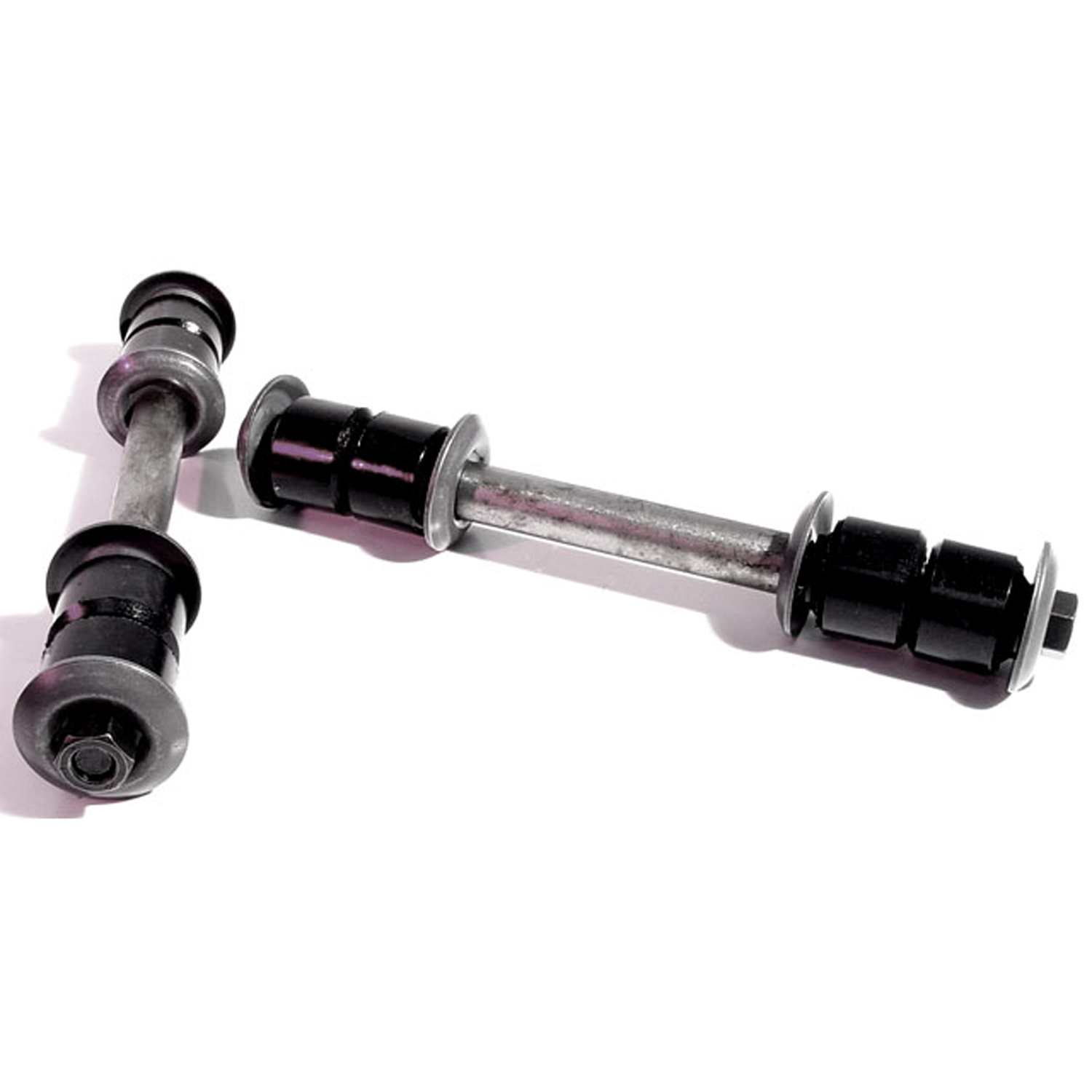 1967 Mercury Marquis Front Stabilizer End Repair Kit-BNK 21Front Stabilizer End Repair Kit. 22-piece set for two stabilizer bars. Contains all rubber bushings, washers, bolts and nuts, enough for one front end. Set
 1967 Mercury Marquis Door Side Seal extrusion with proper installation clips-C/LP 40-FDoor Side Seal extrusion with proper installation clips. Clips installed 4" on center. Sold by the foot.
 1967 Mercury Marquis Door Side Seal, Without Clips (for seal with clips-LP 40-FDoor Side Seal, Without Clips (for seal with clips, see C/LP 40-F). Sold by the foot
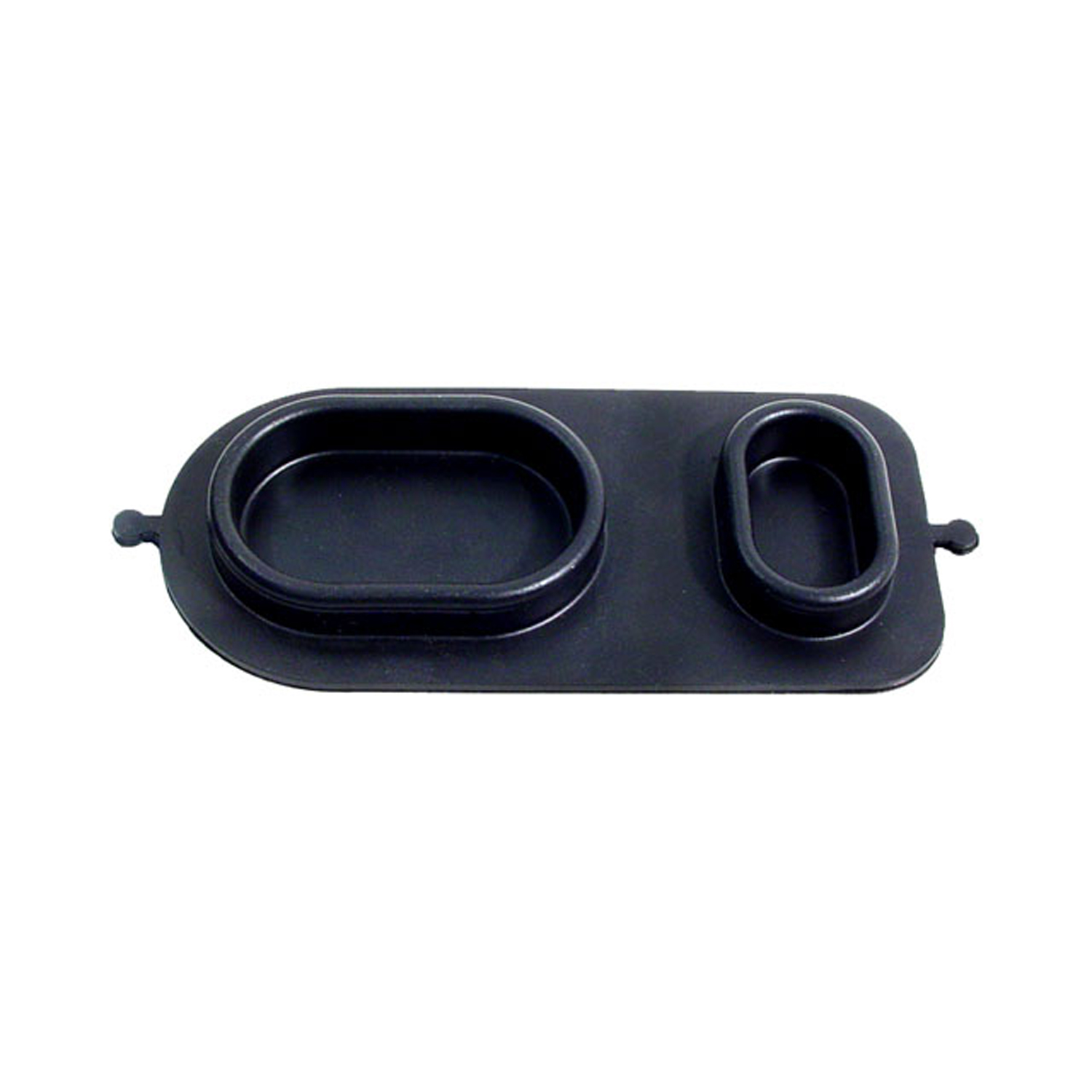 1967 Mercury Marquis Brake Master Cylinder Cover Seal. Replaces OEM #5470861-RP 2-CBrake Master Cylinder Cover Seal. Replaces OEM #5470861. 5-9/16" long, 2-5/8" wide. Each
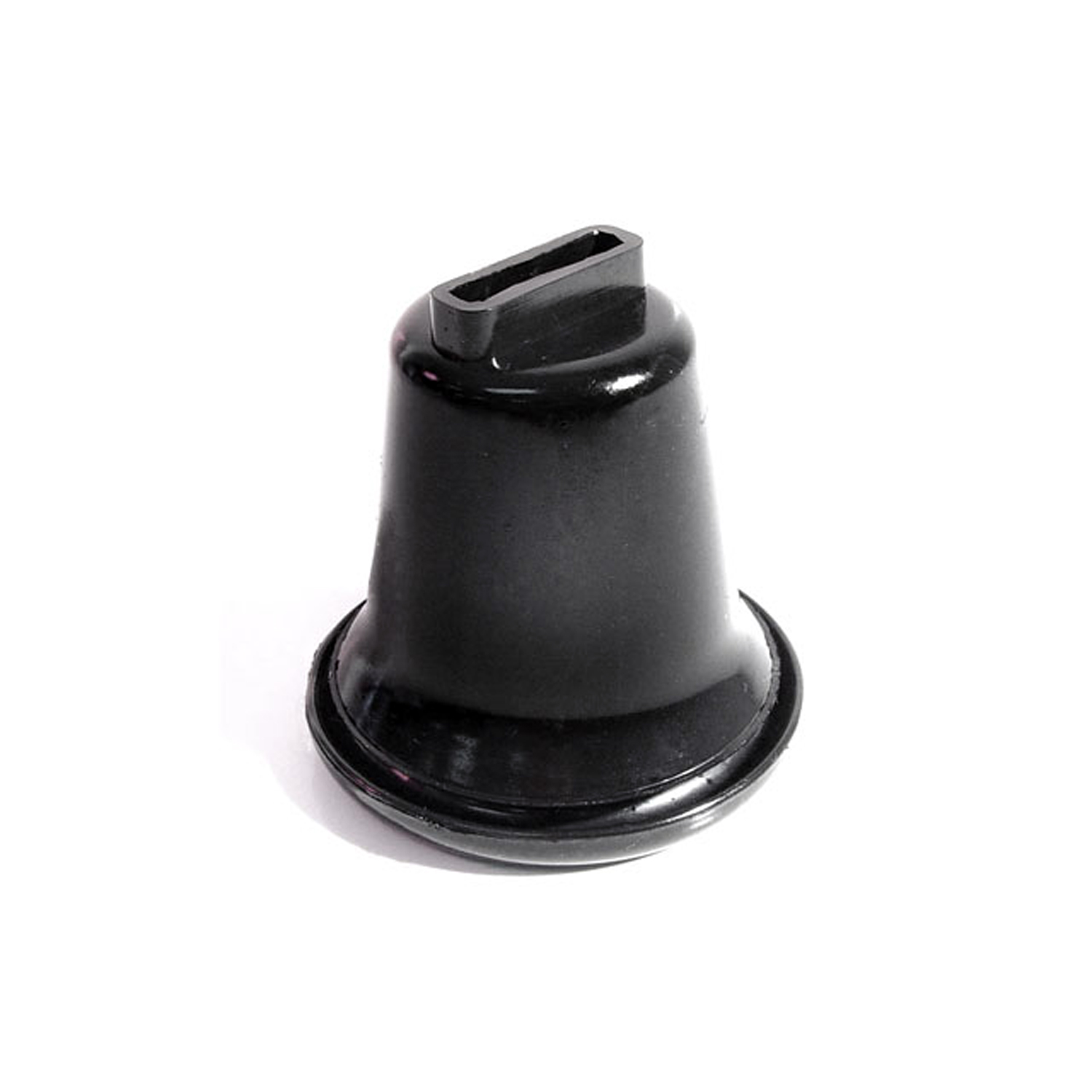 1967 Mercury Marquis Brake Booster Boot. Each-RP 32-AABrake Booster Boot. Each
 1967 Mercury Marquis Trunk Seal. 18 feet long. Each-TK 51-18Trunk Seal. 18 feet long. Each
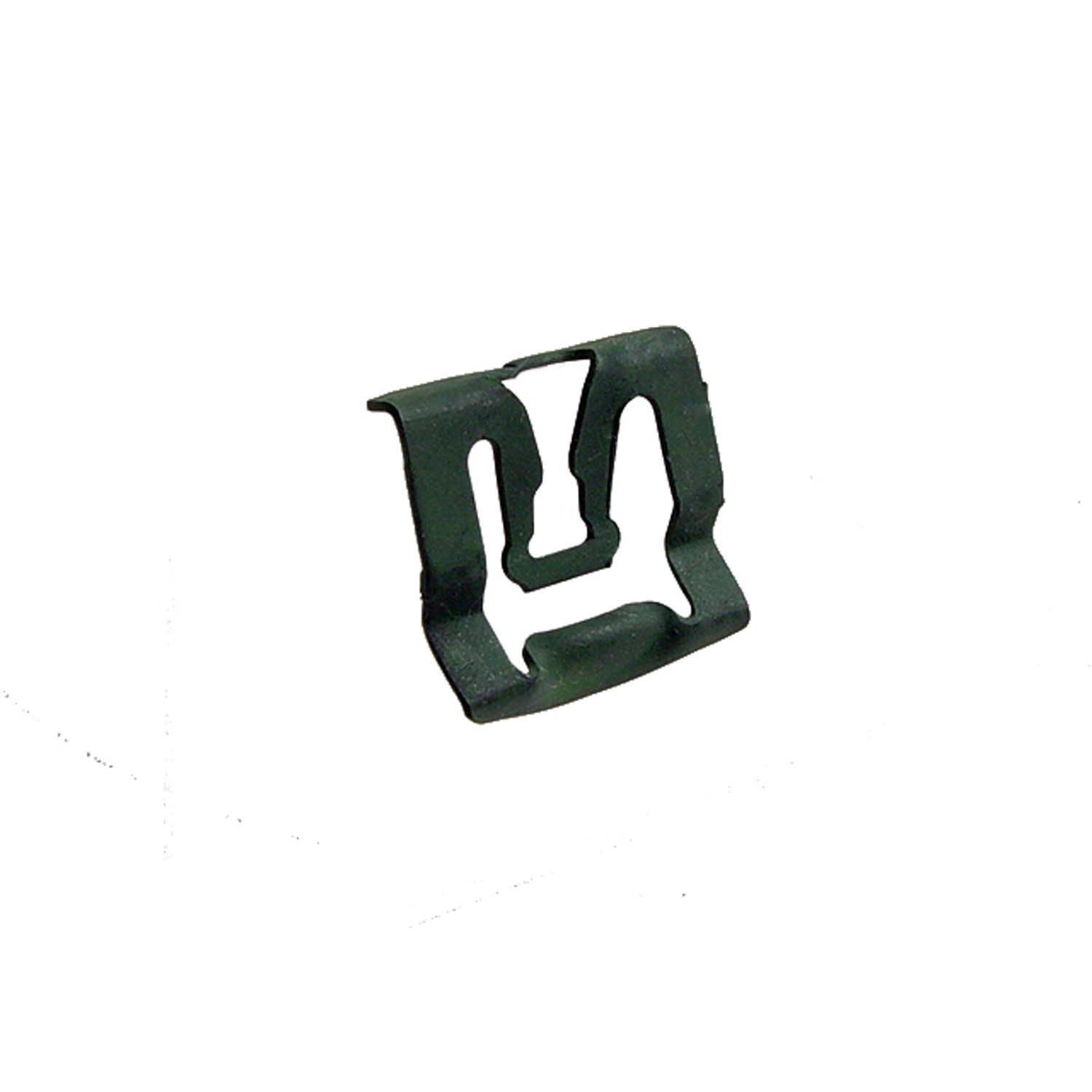 1967 Mercury Marquis Windshield Reveal Molding Clip. Made of steel. Each-WF 228-AWindshield Reveal Molding Clip. Made of steel. Each
Why Choose Metro?
For over 100 years, Metro Moulded Parts has been the pinnacle of quality in classic car restoration parts. Our commitment to precision and authenticity in every component ensures a perfect fit and an OEM-level appearance.
- Expert Craftsmanship & Quality: Each part is a testament to our dedication to reliability and perfection, crafted from original designs and thoroughly tested.
- Advanced Technology: We use cutting-edge techniques to create flawless, long-lasting parts that surpass others in performance.
- SuperSoft Sponge – The Ultimate Door Seal: Not only are our door seals 30% softer than competitors', but they're also guaranteed to never leak. They effectively reduce wind and road noise, enhancing your classic car's comfort and driving experience.
- Proudly American: Our parts are a product of American craftsmanship, made in the USA with a spirit of excellence and heritage.
- Unrivaled Warranty: We back our products with a 30-year industry-leading warranty, a testament to our confidence in their quality.
Join us in preserving the legacy of classic cars with parts that are crafted for perfection, not just made.