

Image of 1968 Mercury Cyclone, Note: These illustrations use artistic license and may differ from actual historical models.
Performance Metrics
Fundamental Metrics
Emotional Appeal
MMP Rating
| Engine Specifications | |
|---|---|
| Engine: | 302 CID V8, 390 CID V8, 427 CID V8, 428 CID V8 |
| Displacement: | 302 - 428 cu in |
| Horsepower: | 210 - 335 hp |
| Torque: | 310 - 440 lb-ft |
| Compression Ratio: | 10.5:1 - 11.0:1 |
| Ignition System: | Conventional breaker-point ignition system |
| Cooling System: | Liquid-cooled |
| Performance Specifications | |
| 0-60 Time: | 7.5 - 8.5 seconds |
| 1/4 Mile Time: | 15.5 - 16.5 seconds |
| Top Speed: | 120 - 130 mph |
| Transmission and Drive | |
| Drive Type: | Rear-wheel drive |
| Transmission Type: | 3-speed automatic, 4-speed manual |
| Fuel and Efficiency | |
| Fuel System Type: | Carburetor |
| MPG: | 10 - 12 mpg |
| Dimensions and Brakes | |
| Brakes: | Front disc and rear drum brakes |
| Wheelbase: | 116 inches |
| Weight: | 3,400 - 3,600 lbs |
Note: Specifications for classic cars are given to the best of our ability, considering the limited and variant data available.
1968 Mercury Cyclone: Mercury’s Mid-Size Muscle Car
The 1968 Mercury Cyclone paired the long-hood swagger of a muscle car with the comfort and polish of a Mercury. Built by the Ford Motor Company’s Mercury division, it was based on the redesigned Montego platform and aimed at drivers who wanted serious V8 performance without stepping into a full-size car. Its sleek fastback roof, bold front end, and available big-block engines gave it a distinctive place in the late-1960s performance-car scene.
The Cyclone also arrived as Mercury was building a stronger motorsports identity. Its name became closely associated with stock-car racing, and the model helped bring that competition image into showrooms. One especially intriguing detail is that 1968 buyers could order the Cyclone GT with Ford’s 428 Cobra Jet during the engine’s first year, making some examples considerably more potent than their stylish appearance might suggest.
Fastback Styling and GT Details
Mercury redesigned the Cyclone for 1968 with the era’s classic long-hood, short-deck proportions. The low roofline flowed into a sloping fastback rear, while sculpted body sides and pronounced wheel openings gave the car a purposeful stance. Up front, a wide grille and paired headlights created a broad, confident face. GT models added performance cues such as special trim, striping, and a hood scoop, depending on equipment and configuration.
The cabin balanced sporty intent with Mercury’s more upscale character. Bucket seats and an available center console made the interior feel driver-focused, while the wide dashboard offered a full set of gauges on better-equipped cars. Trim materials and finishes varied with the model and options, but vinyl upholstery was common, with carpet, bright trim, and woodgrain-style accents lending the cockpit a more finished look than some bare-bones muscle cars.
Period conveniences included an AM radio, air conditioning, power steering, and power brakes as available options. Buyers could also choose a tachometer and other instrumentation suited to a performance car. These were not modern electronic systems: the Cyclone relied on straightforward mechanical hardware that owners and independent shops could understand and service.
Body Styles, Colors, and Available Equipment
The 1968 Cyclone was offered as a two-door hardtop. The more performance-oriented Cyclone GT could be ordered as a hardtop or convertible, giving buyers a choice between a sleek, enclosed roofline and open-air cruising. The hardtop is often the image most closely associated with the model, while the GT convertible is a more unusual find today.
Mercury offered the Cyclone in a range of period colors, including restrained whites and blues as well as brighter, more attention-grabbing shades. Exact paint choices depended on the production run and trim. Red, blue, and vivid high-impact colors suit the car’s muscular character especially well, while white and darker tones give it a subtler, more formal look. Original paint codes and trim combinations are worth verifying through factory documentation when assessing a specific car.
Engines and Period Performance
The Cyclone’s engine range ran from practical small-block power to serious big-block performance. A 302-cubic-inch V8 was available in the lineup, while larger options included 390-cubic-inch V8s and high-performance engines such as the 428 Cobra Jet in applicable configurations. Engine availability depended on trim, production date, and ordering details, so a car’s VIN alone may not tell the whole story. Buyers considering an especially valuable example should confirm its original equipment using a factory build record or a recognized vehicle-history report.
Factory horsepower figures from the period were advertised using gross ratings, which are not directly comparable with modern net-horsepower numbers. A 428 Cobra Jet Cyclone GT was commonly rated at 335 gross horsepower, with the exact performance experience shaped by transmission, axle ratio, tires, and condition. Contemporary test figures vary, but a healthy 428 Cobra Jet car could reach 60 mph in roughly the mid-six- to seven-second range and approach 120 to 125 mph. A 390-powered car was generally slower, while a 302 model offered more relaxed performance.
Road Manners and the Driving Experience
The Cyclone used conventional, durable underpinnings: independent coil-spring front suspension and a solid rear axle supported by leaf springs. That setup was familiar to American drivers and well suited to straight-line acceleration. It also means a 1968 Cyclone does not corner like a modern sports coupe. On winding roads, body lean and period tire grip ask the driver to plan ahead and use smooth inputs.
Over broken pavement, the car’s ride is more compliant than its performance styling might suggest, particularly when it has standard suspension equipment and correctly maintained bushings. A GT with firmer components or wide replacement tires can feel more tied down, but age, worn suspension parts, and modern wheel choices make a major difference. A well-sorted Cyclone should feel stable and substantial, not loose or harsh.
With a big-block under the hood, the experience is unmistakably old-school. The engine’s low-frequency V8 rumble builds into a hard-edged roar under acceleration, while the long hood and broad cabin make the car feel powerful without being cramped. The driver works a traditional steering wheel and mechanical controls, and the car rewards deliberate throttle use rather than the instant response of a modern electronically managed vehicle.
Why the Cyclone Mattered
The 1968 Cyclone showed how Mercury could turn its Montego-based mid-size platform into a credible performance car. It offered more than a large engine: its fastback styling, GT trim, and available convertible body gave the model a recognizable personality in a crowded market. That combination helped distinguish it from more familiar rivals while bringing Mercury into the growing muscle-car conversation.
The Cyclone’s racing image also mattered. Mercury used the name in its stock-car program, strengthening the connection between showroom cars and competition. The 1968 model was part of the buildup to the increasingly specialized NASCAR-oriented Mercury performance cars that followed, including the Cyclone Spoiler and the aerodynamic Cyclone Talladega. The 1968 car was not itself the Talladega, but it helped establish the Cyclone name as a performance banner within Mercury.
Ownership, Maintenance, and Reliability
Today, a 1968 Cyclone may serve as a weekend cruiser, a show car, or a vintage drag-strip project. A well-preserved small-block car can be enjoyable on local drives, while a correctly documented GT or big-block example often attracts collectors. The hardtop is generally the more practical choice for regular use, while the GT convertible offers extra rarity and open-air appeal.
Basic mechanical work is approachable for a capable home mechanic. The V8s, conventional transmissions, and rear-wheel-drive layout use familiar components, and many service parts are available through classic Ford and Mercury specialists. The challenge is often not routine maintenance but locating model-specific trim, correct interior pieces, body panels, and original performance components.
As with any car approaching 60 years old, condition matters more than reputation. Inspect the floors, torque boxes, trunk, lower body seams, and suspension mounting areas for rust or old repairs. Check the engine and transmission for leaks, overheating, and signs of an incorrect restoration. On a claimed high-performance car, verify the engine, transmission, axle, and other equipment rather than relying on badges or seller descriptions.
Notable Facts and Common Complaints
The 428 Cobra Jet option gives the 1968 Cyclone a particularly interesting place in Ford performance history. Introduced during the 1968 model year, the engine brought strong street performance to several Ford and Mercury models. Because production records and option availability can be reported differently across sources, the exact number of Cyclones equipped with particular engines or body styles is best treated cautiously.
There is no single headline production or speed record that defines the 1968 Cyclone. Its significance is instead tied to its role in Mercury’s performance lineup and its connection to the brand’s racing ambitions. The most common criticisms are typical of late-1960s muscle cars: fuel consumption can be high, the steering and brakes feel dated, and handling is not especially athletic by modern standards. Rust and scarce model-specific trim can also make a restoration more expensive than expected.
Collector Values and Availability
Production totals for the 1968 Cyclone family are not consistently broken down by every engine, trim, and body-style combination in public references. A reasonable broad estimate is around 13,000 Cyclones across the model line, but individual configurations, especially documented GT convertibles and big-block cars, are much less common than that total suggests. They appear on the market less frequently than better-known muscle cars such as Mustangs and Chevelles.
As a general 2026 market estimate, a project car or tired driver might sell for roughly $12,000 to $22,000. A sound, presentable Cyclone or GT could fall around $25,000 to $45,000, while a high-quality restoration may bring approximately $45,000 to $75,000. Exceptional, correctly documented 428 Cobra Jet cars and rare GT convertibles can exceed those figures, with top examples potentially reaching $80,000 to $100,000 or more depending on originality, condition, and buyer demand. These are broad ranges, not guaranteed appraisals.
Values have generally benefited from growing interest in less-common muscle cars, though Cyclones remain more affordable than many headline-grabbing rivals. The strongest price growth tends to favor original, documented cars rather than modified examples. A careful inspection and verification of factory equipment are essential, since the difference between an ordinary-looking Cyclone and a rare performance configuration can be substantial.
A Mercury Muscle Car Worth Remembering
The 1968 Mercury Cyclone brought together fastback styling, comfortable mid-size proportions, and a compelling range of V8 power. It was capable of everyday cruising, dramatic straight-line performance, and a strong visual connection to Mercury’s racing ambitions. Though it never became as famous as some of its rivals, that relative scarcity is part of its appeal today.
For collectors and enthusiasts, the Cyclone is a reminder that muscle-car history extends beyond the most familiar badges. Find a well-kept example, especially a documented GT or 428 Cobra Jet car, and you have more than a vintage Mercury: you have a distinctive piece of the era when performance, style, and a little showroom swagger came together.
1968 Mercury Cyclone Catalog of Parts
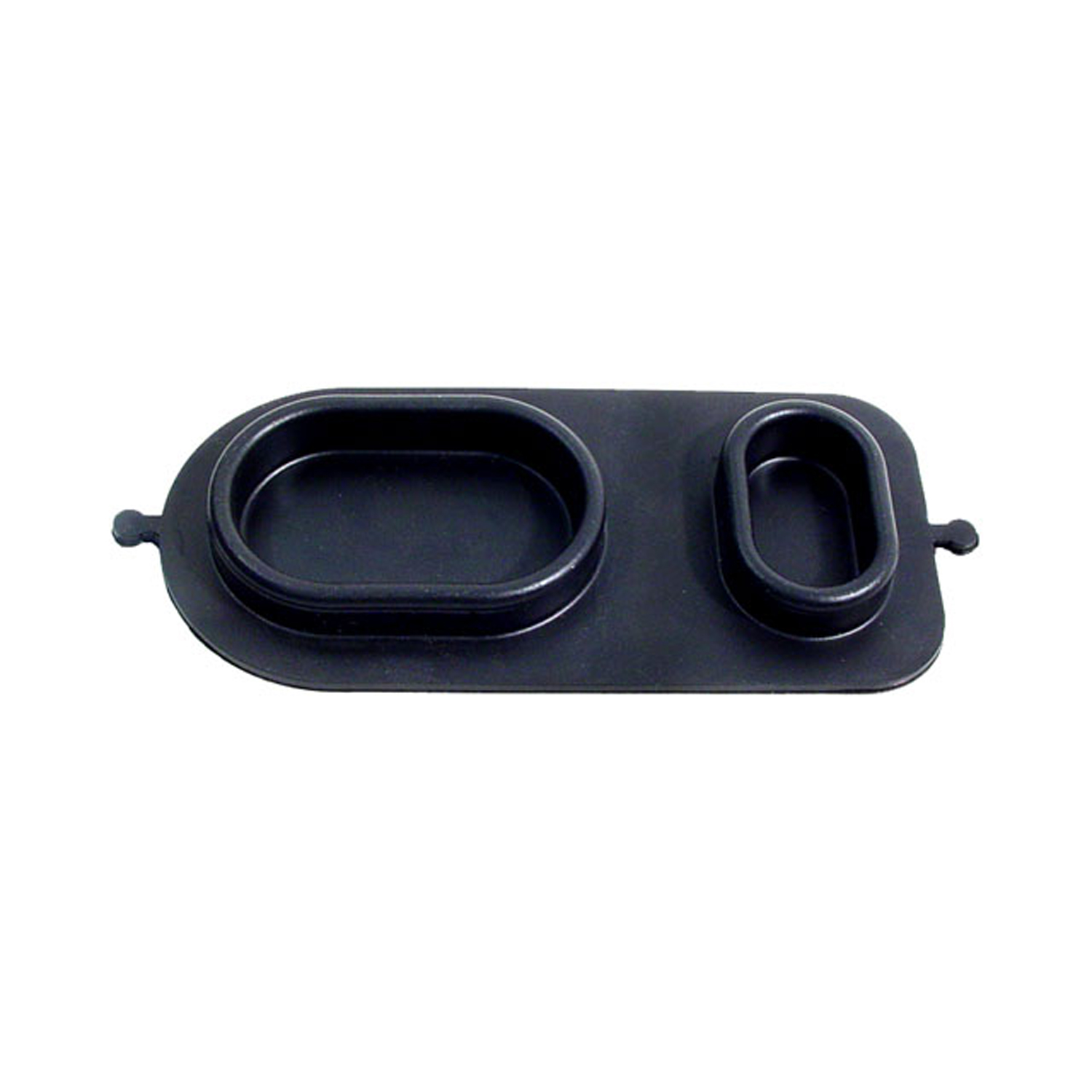 1968 Mercury Cyclone Brake Master Cylinder Cover Seal. Replaces OEM #5470861-RP 2-CBrake Master Cylinder Cover Seal. Replaces OEM #5470861. 5-9/16" long, 2-5/8" wide. Each
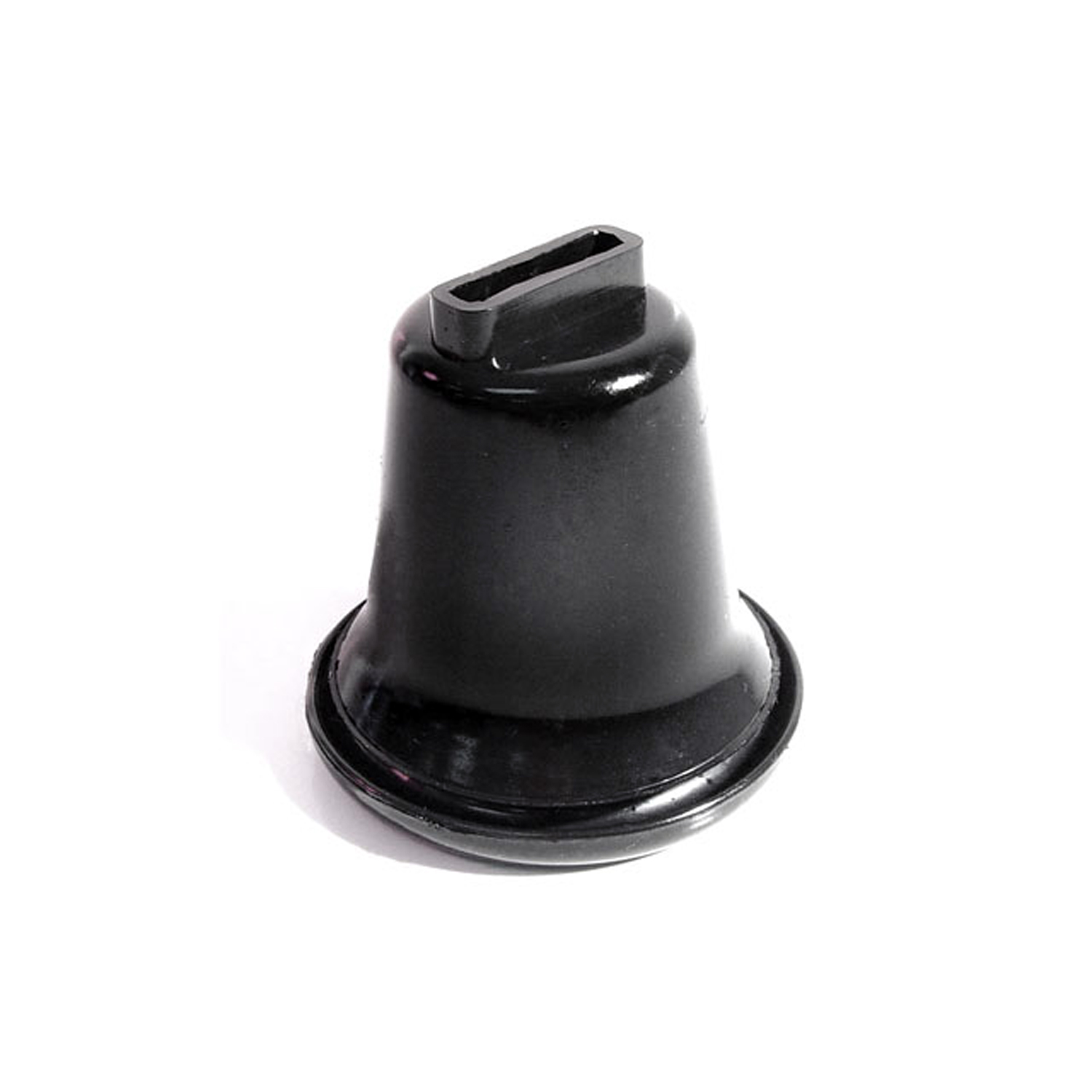 1968 Mercury Cyclone Brake Booster Boot. Each-RP 32-AABrake Booster Boot. Each
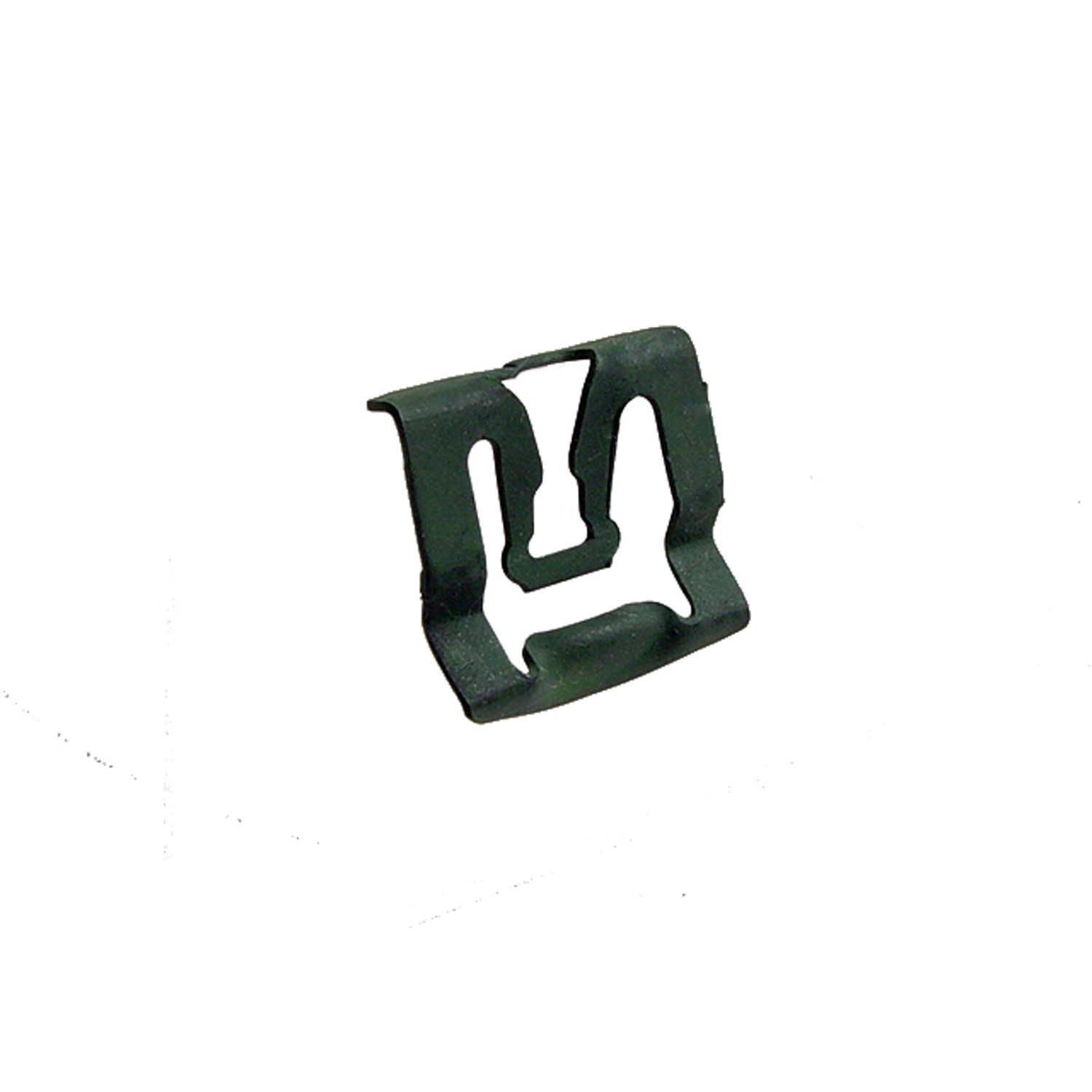 1968 Mercury Cyclone Windshield Reveal Molding Clip. Made of steel. Each-WF 228-AWindshield Reveal Molding Clip. Made of steel. Each
Why Choose Metro?
For over 100 years, Metro Moulded Parts has been the pinnacle of quality in classic car restoration parts. Our commitment to precision and authenticity in every component ensures a perfect fit and an OEM-level appearance.
- Expert Craftsmanship & Quality: Each part is a testament to our dedication to reliability and perfection, crafted from original designs and thoroughly tested.
- Advanced Technology: We use cutting-edge techniques to create flawless, long-lasting parts that surpass others in performance.
- SuperSoft Sponge – The Ultimate Door Seal: Not only are our door seals 30% softer than competitors', but they're also guaranteed to never leak. They effectively reduce wind and road noise, enhancing your classic car's comfort and driving experience.
- Proudly American: Our parts are a product of American craftsmanship, made in the USA with a spirit of excellence and heritage.
- Unrivaled Warranty: We back our products with a 30-year industry-leading warranty, a testament to our confidence in their quality.
Join us in preserving the legacy of classic cars with parts that are crafted for perfection, not just made.