

Image of 1968 Mercury Montclair, Note: These illustrations use artistic license and may differ from actual historical models.
Performance Metrics
Fundamental Metrics
Emotional Appeal
MMP Rating
| Engine Specifications | |
|---|---|
| Engine: | 390 CID V8, 428 CID V8 |
| Displacement: | 390-428 cubic inches |
| Horsepower: | 265-340 hp |
| Torque: | 401-462 lb-ft |
| Compression Ratio: | 10.5:1 for 390 CID V8, 10.6:1 for 428 CID V8 |
| Ignition System: | Conventional breaker-point ignition system |
| Cooling System: | Liquid-cooled |
| Performance Specifications | |
| 0-60 Time: | Estimated 8-9 seconds |
| 1/4 Mile Time: | Estimated 16 seconds |
| Top Speed: | 120 mph |
| Transmission and Drive | |
| Drive Type: | Rear-wheel drive |
| Transmission Type: | 3-speed automatic |
| Fuel and Efficiency | |
| Fuel System Type: | Carburetor |
| MPG: | Estimated 10-12 mpg |
| Dimensions and Brakes | |
| Brakes: | Front disc and rear drum brakes |
| Wheelbase: | 119 inches |
| Weight: | 3,800 lbs |
Note: Specifications for classic cars are given to the best of our ability, considering the limited and variant data available.
1968 Mercury Montclair: Mercury’s Last Big Montclair
The 1968 Mercury Montclair combined full-size American comfort with crisp late-1960s styling, and it had one distinction that makes it especially interesting today: this was the nameplate’s final year. Built by the Ford Motor Company’s Mercury division, the Montclair sat in the middle of Mercury’s full-size range, offering a more upscale feel than the Monterey without reaching the luxury emphasis of the Park Lane and Marquis.
Mercury introduced the Montclair in 1955, and the name returned for 1964 after a brief absence. By 1968, the model was part of a crowded market where buyers could choose from increasingly luxurious full-size cars, sporty intermediates, and emerging muscle machines. The Montclair answered with a roomy cabin, V8 power, and a quiet, substantial ride. Its short final run gives it a small but appealing place in Mercury history: after 1968, the name disappeared from the company’s lineup.
Full-Size Style with a Mercury Edge
The Montclair wore the long, low proportions expected of a late-sixties American full-size car. Its broad hood led into a wide grille, flanked by four headlamps, while restrained body sculpting gave the sides more shape than a simple slab-sided profile. Bright trim, substantial bumpers, and carefully detailed wheel openings added the formal finish Mercury buyers expected. The overall effect was confident rather than flashy, with the two-door hardtop offering the cleanest, most dramatic roofline.
Mercury offered the 1968 Montclair as a two-door hardtop, four-door hardtop, and four-door sedan. The hardtops had no fixed center pillar, creating an open look when the windows were lowered. The two-door hardtop is often the most visually striking choice, while the four-door hardtop blends easy passenger access with the same pillarless style. The sedan trades some of that visual flair for a conventional, sturdy roof structure.
Paint choices reflected the era’s broad palette. Buyers could select conservative whites, blacks, and dark tones, or choose brighter blues, greens, reds, and metallic shades. A light exterior with a contrasting vinyl roof or a vivid color paired with bright trim can make a Montclair especially eye-catching today. Exact colors and trim combinations varied, so original paint codes and factory documentation are useful when judging a car’s authenticity.
A Comfortable Cabin, Built for Miles
Inside, the Montclair focused on space and comfort. A wide bench seat was typical, with upholstery in cloth, vinyl, or combinations of the two depending on trim and specification. The materials were appropriate to an upscale family car of the period: durable fabrics, patterned seat inserts, bright accents, and woodgrain-style trim on selected interior surfaces. Front and rear passengers had generous room, and the large glass area made the cabin feel open.
The dashboard was broad and straightforward, with major controls within reach and clear instrumentation ahead of the driver. Available equipment could include air conditioning, power steering, power brakes, a radio, and upgraded interior appointments. Many cars were ordered with an automatic transmission. Mercury’s SelectShift Merc-O-Matic allowed the driver to choose a lower gear range when useful, while retaining the convenience of automatic operation in everyday driving.
Safety equipment was also changing rapidly across the industry. The 1968 Montclair carried federally required side-marker lights and other period safety provisions. These features were not modern driver aids, but they show how regulations were beginning to shape the design of American cars.
What Set the Montclair Apart
The Montclair was not a radical engineering landmark, nor did it introduce a technology that transformed the industry. Its significance lies more in how it represented Mercury’s position within Ford’s hierarchy. It gave buyers a step up in presentation and equipment while sharing much of its underlying engineering with other full-size Ford and Mercury models. That approach helped automakers offer distinct brands and price levels without developing an entirely separate platform for each car.
Mercury’s styling and trim helped the Montclair feel more formal and substantial than a basic family sedan. At the same time, its range of body styles and V8 power kept it practical. The model’s discontinuation after 1968 also marks a broader shift in the market: automakers were reshaping their lineups as luxury models, intermediates, and performance cars competed for attention. The Montclair did not leave behind a famous racing legacy, but it remains a useful snapshot of Mercury’s full-size ambitions at the end of the decade.
V8 Power and the Road Feel
A 390-cubic-inch V8 was a central part of the Montclair’s appeal. Depending on carburetion and specification, period gross horsepower ratings for 390 versions were generally in the mid-200s to low-300s. A 428-cubic-inch V8 was also available in some full-size Mercury applications, though equipment and availability should be verified for any particular car. These are period gross ratings, measured under a different standard from modern net horsepower figures.
Exact performance depended on engine, axle ratio, transmission, vehicle condition, and body style. As a broad period-style estimate, a 390-powered Montclair might reach 60 mph in roughly 9 to 11 seconds. A suitably equipped larger-engine car could be quicker. Top speed was not a defining factory claim for the Montclair, but a healthy example could plausibly run in the neighborhood of 110 to 120 mph under favorable conditions. Those figures are estimates, not guaranteed test results for every configuration.
On the road, the Montclair feels like a substantial cruiser rather than a sports sedan. Its soft suspension takes the edge off broken pavement, and the long wheelbase helps it settle into a relaxed highway rhythm. The tradeoff is noticeable body roll through tight corners and a less nimble response on winding roads. Crosswinds and rough pavement can remind the driver that this is a large car, especially if the suspension, tires, or steering components are worn.
The V8 delivers a deep, unhurried sound, with its strongest impression often coming from smooth, low-speed torque rather than high-revving urgency. Power steering and power brakes, when fitted, make the car easier to manage in traffic. The driving experience is most rewarding when treated as a comfortable long-distance cruiser: settle into the broad seat, let the engine lope, and enjoy the view over the long hood.
Living with a 1968 Montclair
Today, most Montclairs are used as weekend drivers, show cars, or part of a classic-car collection. A sound example can handle local trips and relaxed highway drives, but using one as a daily driver means accepting vintage-car fuel consumption, less precise handling, and limited modern safety equipment. Regular cruising is a better fit than racing, which is not what the car was designed to do.
Mechanical service is generally manageable for an owner with basic skills. The V8 and automatic transmission belong to a widely supported Ford family, and many routine service parts are available through classic-car suppliers. Brakes, steering, suspension, cooling, and electrical systems still require age-related attention. Before buying, inspect the body and frame carefully for rust, check that the transmission shifts properly, and confirm that replacement parts or trim pieces are available for the specific car. Specialized interior and exterior trim can be harder to source than common mechanical components.
Montclair Facts and Common Criticisms
The most notable piece of Montclair trivia is also the simplest: 1968 was its last model year. Mercury did not produce a special Montclair performance edition that became a celebrated racing or speed record holder. Its appeal is instead rooted in its combination of full-size comfort, V8 character, and increasingly uncommon nameplate history.
There is no widely recognized Montclair production record or famous historical event tied specifically to the 1968 model. Production totals can be difficult to pin down by trim and body style, but a reasonable estimate for the year is roughly 25,000 to 35,000 Montclairs across the range. That is a working estimate rather than a definitive factory total, and surviving cars are considerably fewer than original production would suggest.
Common criticisms are typical of large American cars from the period: fuel economy is poor by modern standards, the car feels bulky on narrow roads, and the soft suspension can lean noticeably in corners. Some owners also find that cosmetic trim and interior details take more effort to locate than basic service parts. Those drawbacks are balanced by a spacious cabin, relaxed ride, and the unmistakable presence of a full-size Mercury.
Collector Values and Availability
The 1968 Montclair is generally more affordable than headline-grabbing muscle cars and better-known luxury models. As a broad 2026 market estimate, a project or rough driver might sell for around $3,000 to $8,000. A usable, presentable car may fall in the $8,000 to $18,000 range, while a well-restored or especially clean example could bring roughly $20,000 to $30,000 or more. Exceptional condition, desirable equipment, documentation, and originality can move a price beyond those ranges; rust, incomplete trim, or poor-quality restoration work can pull it down sharply.
Availability is limited but not impossibly rare. Montclairs appear less often than common Ford sedans, and buyers may need patience to find a particular body style or color combination. Values have tended to rise gradually for clean, well-kept examples, but the model has not experienced the sharp collector boom seen by some muscle cars. Its market is best described as steady and condition-driven, with especially original or beautifully restored cars attracting the strongest interest.
Why the 1968 Montclair Still Matters
The 1968 Mercury Montclair was a roomy, V8-powered full-size car shaped around comfort, quiet confidence, and Mercury’s mid-level luxury identity. It offered several useful body styles, period-appropriate technology, and a smooth highway ride, all while sharing practical mechanical roots with other Ford products. Its final-year status gives it a modest but genuine historical distinction.
For collectors, the Montclair is not about chasing a famous racing pedigree or an exotic specification. It is about preserving a disappearing kind of American car: broad-shouldered, welcoming, and built to make an ordinary drive feel unhurried. In that role, Mercury’s last Montclair still makes a memorable impression.
1968 Mercury Montclair Catalog of Parts
 1968 Mercury Montclair Shock Absorber Grommet. 1" bottom O.D-BN 11Shock Absorber Grommet. 1" bottom O.D., 3/4" high, with 5/8" I.D. Each
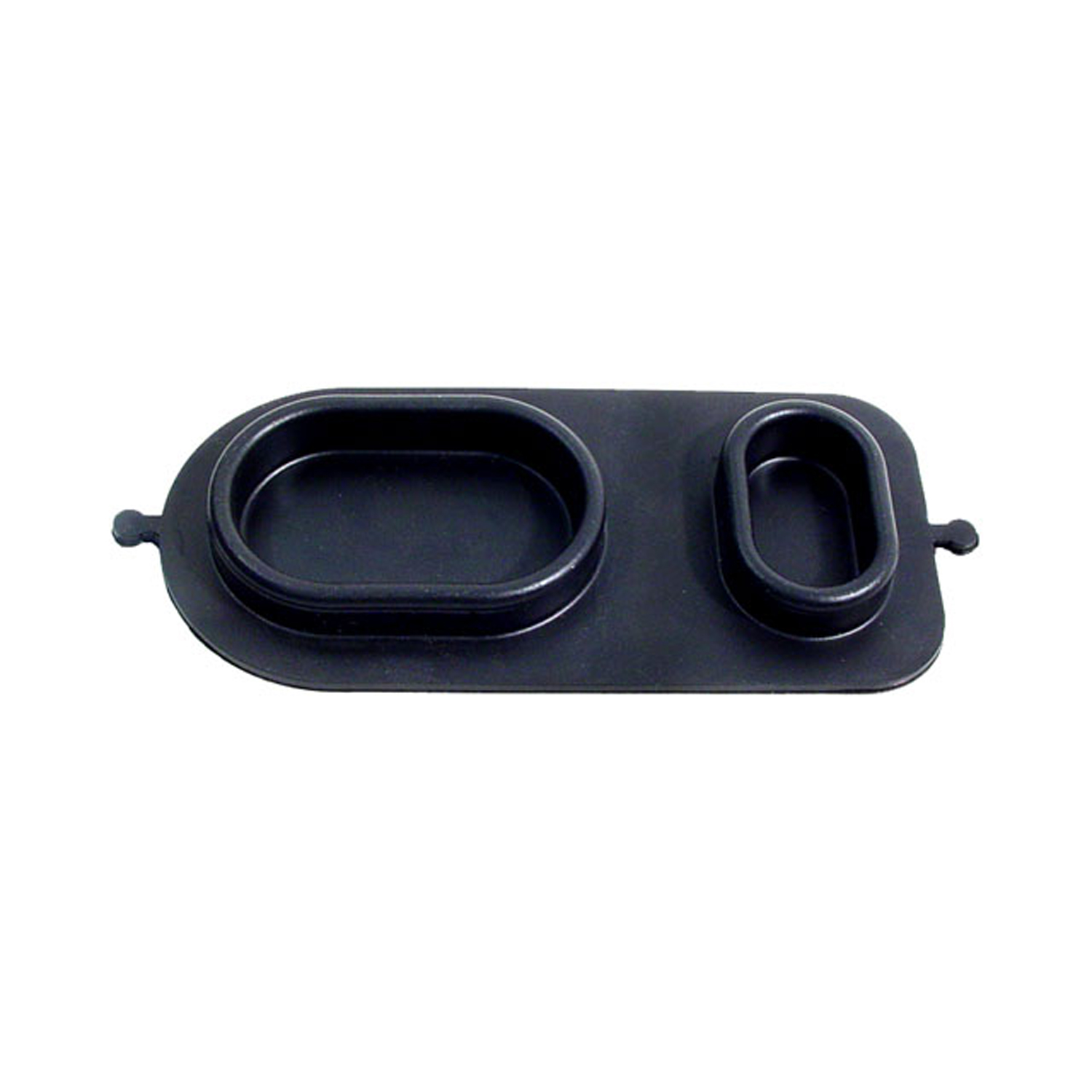 1968 Mercury Montclair Brake Master Cylinder Cover Seal. Replaces OEM #5470861-RP 2-CBrake Master Cylinder Cover Seal. Replaces OEM #5470861. 5-9/16" long, 2-5/8" wide. Each
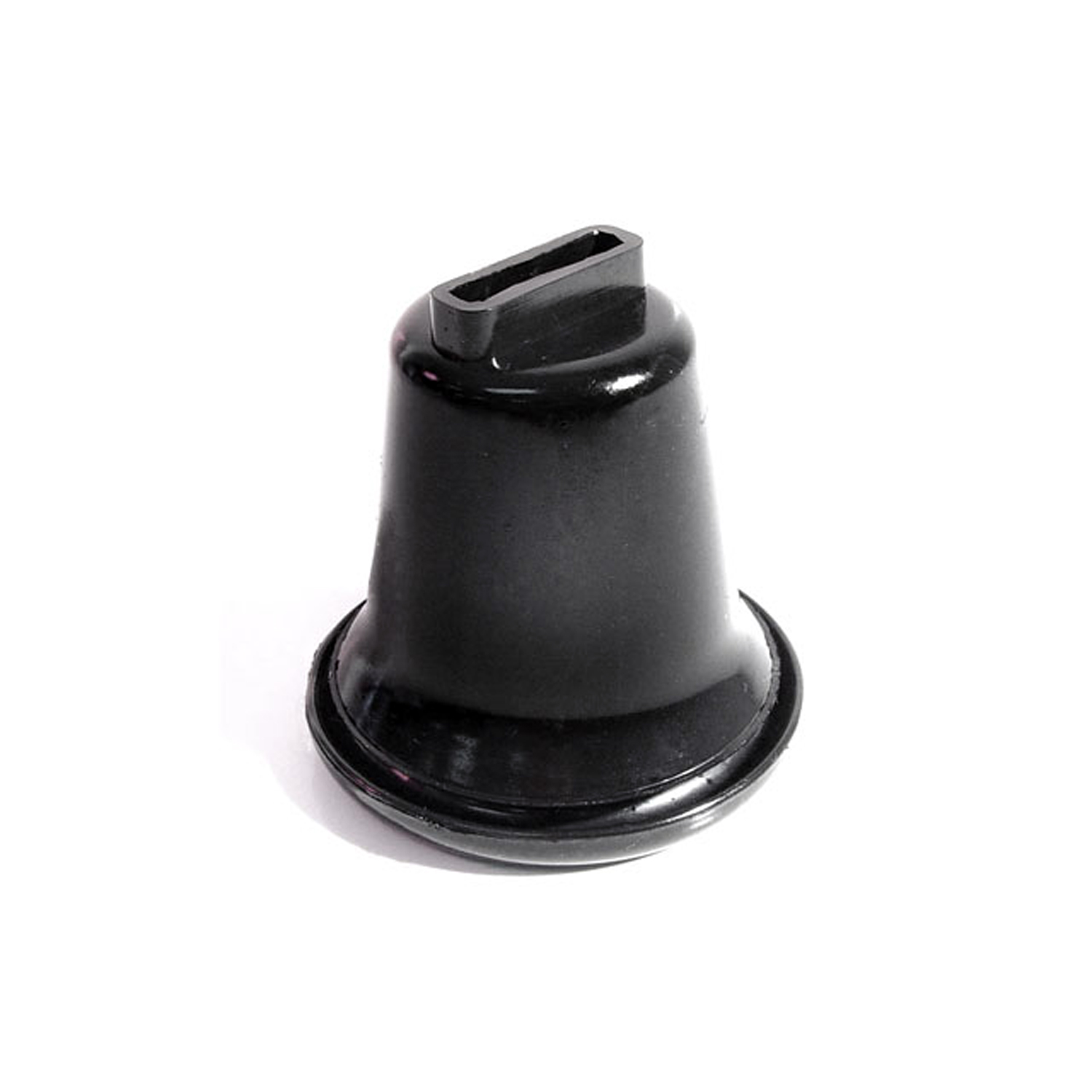 1968 Mercury Montclair Brake Booster Boot. Each-RP 32-AABrake Booster Boot. Each
 1968 Mercury Montclair Trunk Seal. 18 feet long. Each-TK 51-18Trunk Seal. 18 feet long. Each
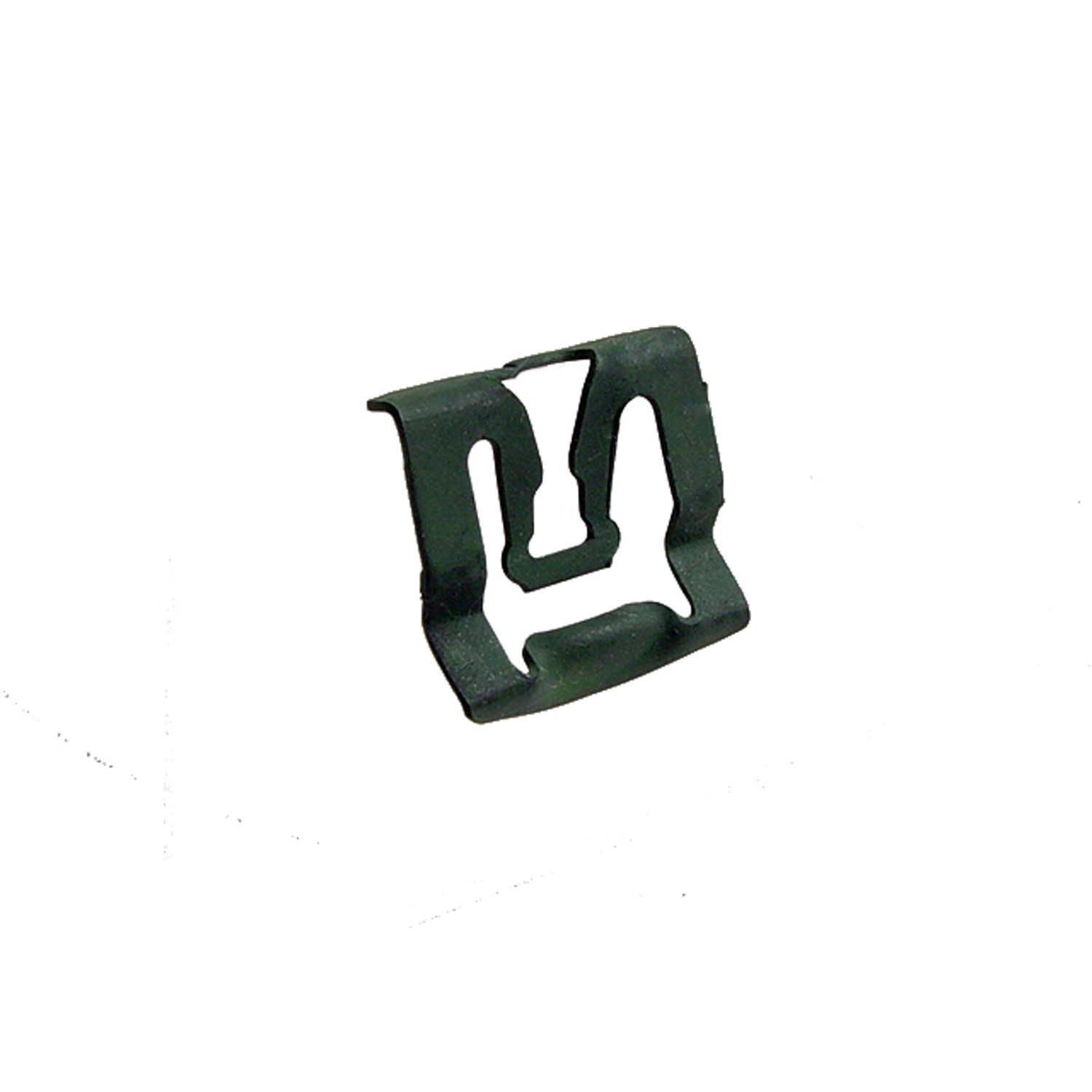 1968 Mercury Montclair Windshield Reveal Molding Clip. Made of steel. Each-WF 228-AWindshield Reveal Molding Clip. Made of steel. Each
Why Choose Metro?
For over 100 years, Metro Moulded Parts has been the pinnacle of quality in classic car restoration parts. Our commitment to precision and authenticity in every component ensures a perfect fit and an OEM-level appearance.
- Expert Craftsmanship & Quality: Each part is a testament to our dedication to reliability and perfection, crafted from original designs and thoroughly tested.
- Advanced Technology: We use cutting-edge techniques to create flawless, long-lasting parts that surpass others in performance.
- SuperSoft Sponge – The Ultimate Door Seal: Not only are our door seals 30% softer than competitors', but they're also guaranteed to never leak. They effectively reduce wind and road noise, enhancing your classic car's comfort and driving experience.
- Proudly American: Our parts are a product of American craftsmanship, made in the USA with a spirit of excellence and heritage.
- Unrivaled Warranty: We back our products with a 30-year industry-leading warranty, a testament to our confidence in their quality.
Join us in preserving the legacy of classic cars with parts that are crafted for perfection, not just made.