

Image of 1968 Mercury Montego, Note: These illustrations use artistic license and may differ from actual historical models.
Performance Metrics
Fundamental Metrics
Emotional Appeal
MMP Rating
| Engine Specifications | |
|---|---|
| Engine Options: | 302 CID V8, 390 CID V8 |
| Displacement Range: | 302 - 390 cu in |
| Horsepower Range: | 210 - 335 hp |
| Torque: | 310 - 427 lb-ft |
| Compression Ratio: | 9.0:1 - 10.5:1 |
| Ignition System: | Conventional breaker-point ignition system |
| Cooling System: | Liquid-cooled |
| Performance Specifications | |
| 0-60 Time: | 8 - 10 seconds |
| 1/4 Mile Time: | 16 - 18 seconds |
| Top Speed: | 115 - 125 mph |
| Transmission and Drive | |
| Drive Type: | Rear-wheel drive |
| Transmission Type: | 3-speed automatic, 4-speed manual |
| Fuel and Efficiency | |
| Fuel System Type: | Carburetor |
| MPG: | 10 - 15 mpg |
| Dimensions and Brakes | |
| Brakes: | Front disc and rear drum brakes |
| Wheelbase: | 116 inches |
| Weight: | 3,200 - 3,600 lbs |
Note: Specifications for classic cars are given to the best of our ability, considering the limited and variant data available.
1968 Mercury Montego: Mercury’s New Mid-Size Contender
The 1968 Mercury Montego brought a fresh name and a more upscale flavor to Mercury’s mid-size lineup, pairing substantial American-car presence with a choice of practical family bodies and lively V8 power. Built by the Ford Motor Company’s Mercury division, it shared its basic engineering with the contemporary Ford Torino but wore its own trim, details, and more formal personality.
The Montego arrived as Mercury reshaped its intermediate range and moved away from using the Comet name for this class of car. It sat between smaller Mercury models and the full-size line, appealing to buyers who wanted comfortable, roomy transportation without stepping up to a larger sedan. Its launch also gave Mercury a platform for the sportier Cyclone, a related but distinct performance model.
A useful bit of context for collectors: a Montego and a Cyclone may share much of their foundation, but they are not interchangeable names. The Cyclone was Mercury’s more overt performance offering, while the Montego covered a broader range of family and luxury-oriented trims.
1968 Montego Styling and Body Choices
The Montego’s styling reflected the late-1960s taste for long hoods, crisp body creases, and broad, confident proportions. Its sculpted flanks and substantial grille gave it a more formal look than many economy-minded mid-size cars. Depending on trim and body style, brightwork, wheel covers, roof treatments, and grille details added either a restrained luxury appearance or a sportier edge.
Buyers could choose from two-door and four-door configurations, along with a station wagon. The range included sedan and hardtop forms, with trim and availability varying across the Montego and Montego MX series. The hardtop body styles, with their clean rooflines and pillarless side-window appearance, are especially appealing to enthusiasts today. Mercury also offered more luxurious appointments on versions such as the MX Brougham, giving the car a dressed-up alternative to the basic family specification.
The period color palette included a broad mix of solid and metallic finishes. Red, blue, green, gold, silver, white, and beige tones all suited the car’s substantial bodywork. Exact paint names and availability depended on the build and trim, so a factory color chart or original build documentation is useful when verifying a specific car. Bright reds and blues attract attention at shows, while gold, green, and more restrained metallic shades capture the period especially well.
Cabin Comfort and Period Technology
Inside, the Montego offered the spacious feel expected of an American intermediate. Materials and trim depended on the model: a standard car was straightforward and durable, while higher-trim versions added more decorative upholstery, upgraded door panels, extra bright trim, and a more polished dashboard presentation. Buyers could select bench or bucket-seat arrangements on certain versions, depending on body style and equipment.
By today’s standards, the technology is simple, but the Montego could be ordered with useful conveniences such as power steering, power brakes, air conditioning, an automatic transmission, and an AM radio. Manual transmissions were also available. Safety equipment reflected the rapidly changing late-1960s rules and expectations, including features such as an energy-absorbing steering column and side marker lights. Exact equipment varies by car, so a surviving example should be checked against its original documentation.
Montego’s Place in Mercury History
The Montego mattered because it gave Mercury a clear identity in the competitive mid-size market. Rather than merely offering a Ford Torino with different badges, Mercury used its own styling and trim choices to pitch the car as a more refined alternative. At the same time, the shared platform kept it connected to the wider Ford family, helping make production and parts support practical.
Its other important role was as the foundation for Mercury’s performance efforts. The related Cyclone brought a more sporting image to the range and connected the Montego family to the muscle-car era. That combination of everyday body styles and performance potential was typical of the period, when manufacturers used a common platform to serve commuters, families, and enthusiasts alike.
The Montego did not introduce a single technology that transformed the industry. Its significance is more about how Mercury positioned an intermediate car: roomier and more upscale than a compact, yet smaller and generally less imposing than a full-size model. That formula remains familiar in later generations of mid-size cars.
Engines, Speed, and Road Manners
Engine choices varied by model and equipment. The 1968 Montego range included six-cylinder and V8 power, with small-block V8s such as the 302 available in the broader lineup and larger-displacement engines offered on selected versions. The exact engine menu depended on trim and body style. High-performance 428 Cobra Jet power is most closely associated with the related Cyclone and other performance models, so it is important not to assume every Montego could be ordered with the same engine choices.
There is no single honest top-speed or 0-to-60 figure for every 1968 Montego. Engine, transmission, axle ratio, vehicle condition, and testing method all make a difference. As a broad period-performance estimate, a healthy V8 Montego could reach roughly 105 to 120 mph, while a strong V8 example might cover 0 to 60 mph in about 8 to 10 seconds. A six-cylinder car or a heavier wagon would be slower. Treat those figures as general estimates, not factory guarantees for every configuration.
On the road, the Montego feels like a classic American intermediate: comfortable, substantial, and happiest cruising rather than attacking tight bends. Its body-on-frame construction and period suspension give it a softer ride than a modern sedan. It can smooth out ordinary road imperfections well, though worn shocks, tired bushings, or sagging springs can make a car feel floaty or unsettled over bumps.
On winding roads, expect body lean and steering that asks for more input than a contemporary sports car. Power steering, when fitted, makes parking and low-speed maneuvering easier, but it does not turn the Montego into a sharp-handling machine. A V8 adds a deep, relaxed burble and stronger passing power. The full experience is part of the appeal: a broad hood ahead, the engine audible under acceleration, and a comfortable ride that encourages an unhurried pace.
Living With a 1968 Mercury Montego
Today, most Montegos are used as weekend cruisers, show cars, or occasional-use classics. A sound, well-maintained example can also handle local errands and relaxed road trips, but age-related issues make it less predictable than a modern daily driver. Braking distance, fuel economy, lighting, and crash protection are all products of a different era.
Routine mechanical work is generally approachable for an owner with basic skills. The car uses conventional components, and many mechanical parts are shared with Ford products of the period. That can make engine, brake, and suspension work less intimidating than on a rare, highly specialized classic. However, shared mechanical parts do not mean every trim piece is easy to find. Model-specific glass, interior items, emblems, and body panels may take patience to source.
Before buying, inspect the frame and floor structure for rust, along with the lower body panels, wheel openings, trunk, and windshield areas. Check for worn suspension components, leaks, tired wiring, and evidence of old collision repairs. A car that looks shiny in photographs may still need substantial structural or mechanical work. Matching numbers, original colors, and documentation can also matter to collectors, especially on higher-specification cars.
Montego Trivia and Common Misconceptions
The Montego name entered Mercury’s intermediate lineup for the 1968 model year, making the first-year cars particularly interesting to enthusiasts who follow Mercury nameplates. Its close relationship to the Torino is another conversation starter: the cars share basic underpinnings, but their styling and trim give them distinct identities.
There is no widely recognized 1968 Montego land-speed record or single famous event that defines the model. Nor is there a reliably documented celebrity-owned example that stands above the rest. The more notable performance stories usually involve the related Cyclone and its competition-oriented versions, rather than a standard Montego sedan or wagon.
Common criticisms are typical of large American cars from the period: fuel consumption can be high, handling is not especially nimble, and rust or neglected maintenance can turn an inexpensive purchase into an expensive restoration. The upside is a comfortable cabin, classic V8 character in equipped cars, and a less common silhouette than many better-known Ford intermediates.
1968 Mercury Montego Values and Rarity
Montego values depend heavily on condition, body style, engine, originality, and documentation. As a broad current-market estimate, a project car might sell for roughly $3,000 to $8,000. A usable driver could fall around $8,000 to $18,000, while a clean, well-restored standard Montego may bring approximately $18,000 to $30,000 or more. Exceptional examples, rare configurations, and high-quality restorations can exceed those ranges. These are general estimates, not an appraisal of a particular car.
Performance-oriented Cyclones should be evaluated separately from ordinary Montegos. Their values can be substantially higher, especially when equipped with desirable engines and supported by strong documentation. Do not apply Cyclone prices to a regular Montego simply because the cars share a platform.
Production totals are not always presented consistently across model and body-style categories. A reasonable working estimate is that roughly 80,000 to 100,000 Montego-branded cars were built for 1968, with Cyclone figures sometimes counted separately. Treat that as an informed estimate rather than a precise factory total. The Montego is not so scarce that every example is a museum piece, but it is uncommon enough that finding a complete, rust-free car can take time.
Prices for good examples have generally benefited from growing interest in less-obvious American classics, but the Montego remains more affordable than the most celebrated muscle cars. Condition and originality drive the market more reliably than speculation. A sound car with a documented history is usually a safer buy than a flashy project with missing trim and uncertain repairs.
Why the 1968 Montego Still Stands Out
The 1968 Mercury Montego combined mid-size practicality with Mercury’s more polished styling, offered a useful spread of body styles, and shared its foundations with one of the era’s most important Ford platforms. It was not a record-breaking sports car, but it gave buyers comfort, V8 character, and a link to Mercury’s performance story through the related Cyclone.
For today’s enthusiast, the Montego’s appeal lies in that balance. It is handsome without being overexposed, mechanically approachable without feeling ordinary, and a reminder that the muscle-car era included more than the names everyone already knows. Find a solid one, preserve its Mercury details, and this first-year Montego makes a distinctive classic cruiser.
1968 Mercury Montego Catalog of Parts
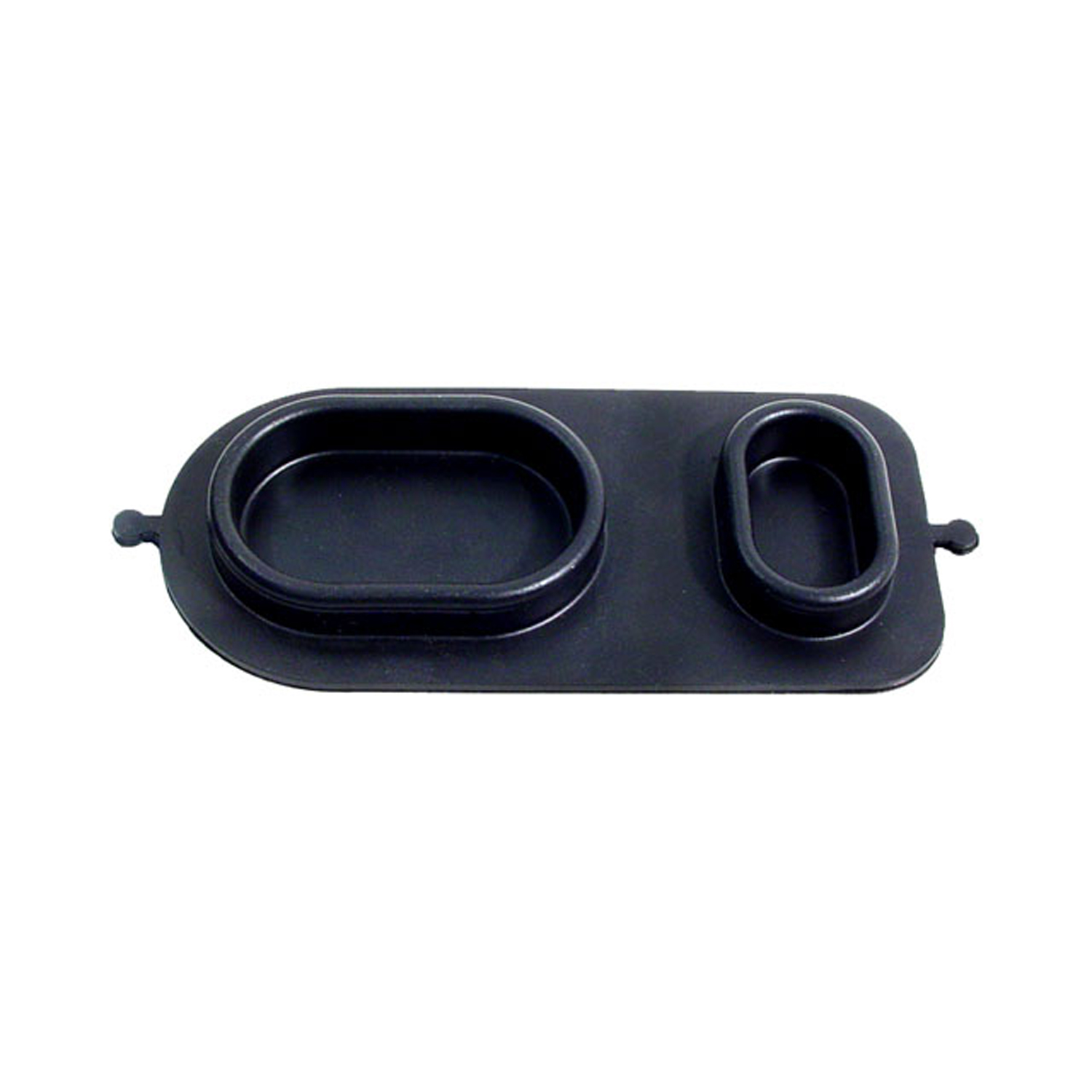 1968 Mercury Montego Brake Master Cylinder Cover Seal. Replaces OEM #5470861-RP 2-CBrake Master Cylinder Cover Seal. Replaces OEM #5470861. 5-9/16" long, 2-5/8" wide. Each
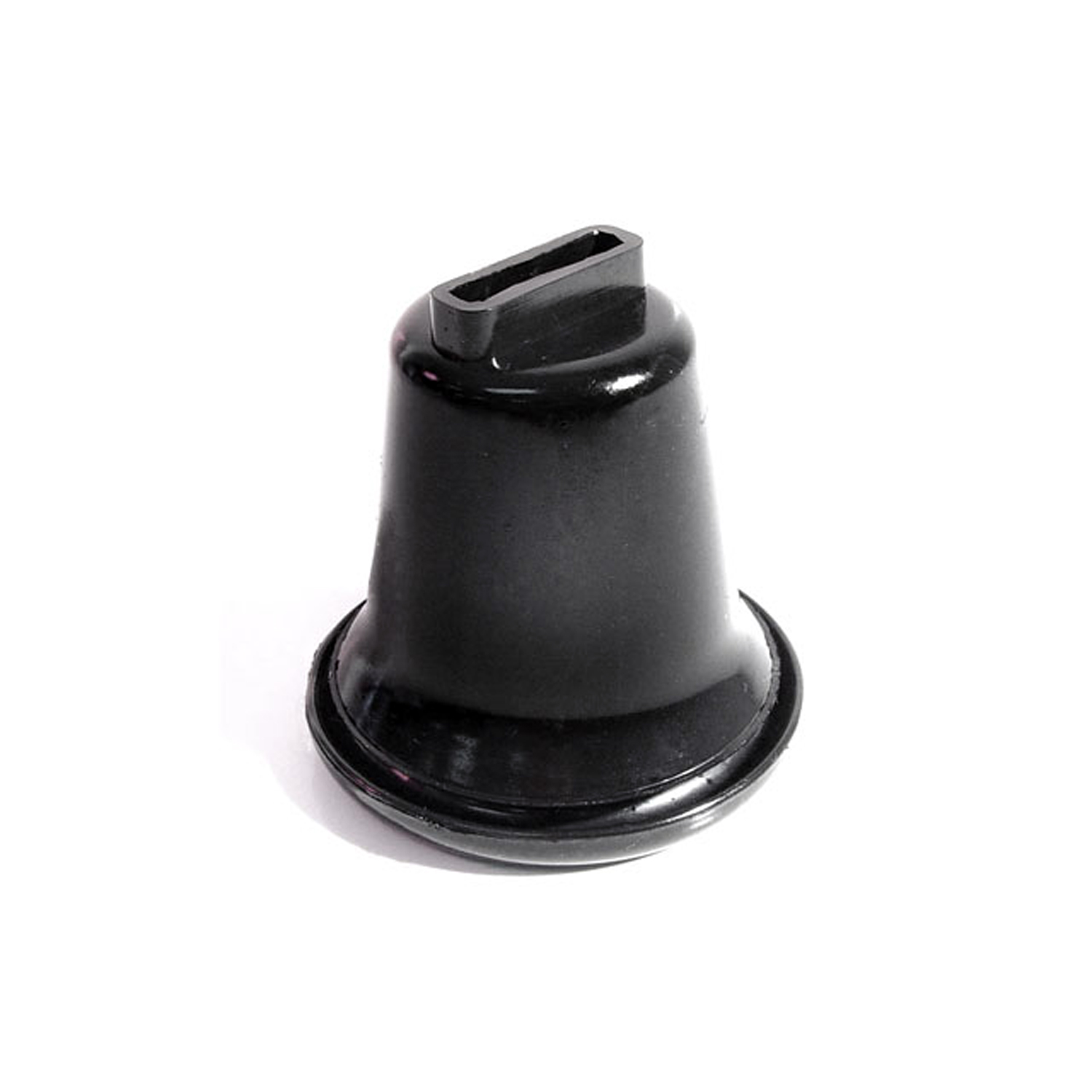 1968 Mercury Montego Brake Booster Boot. Each-RP 32-AABrake Booster Boot. Each
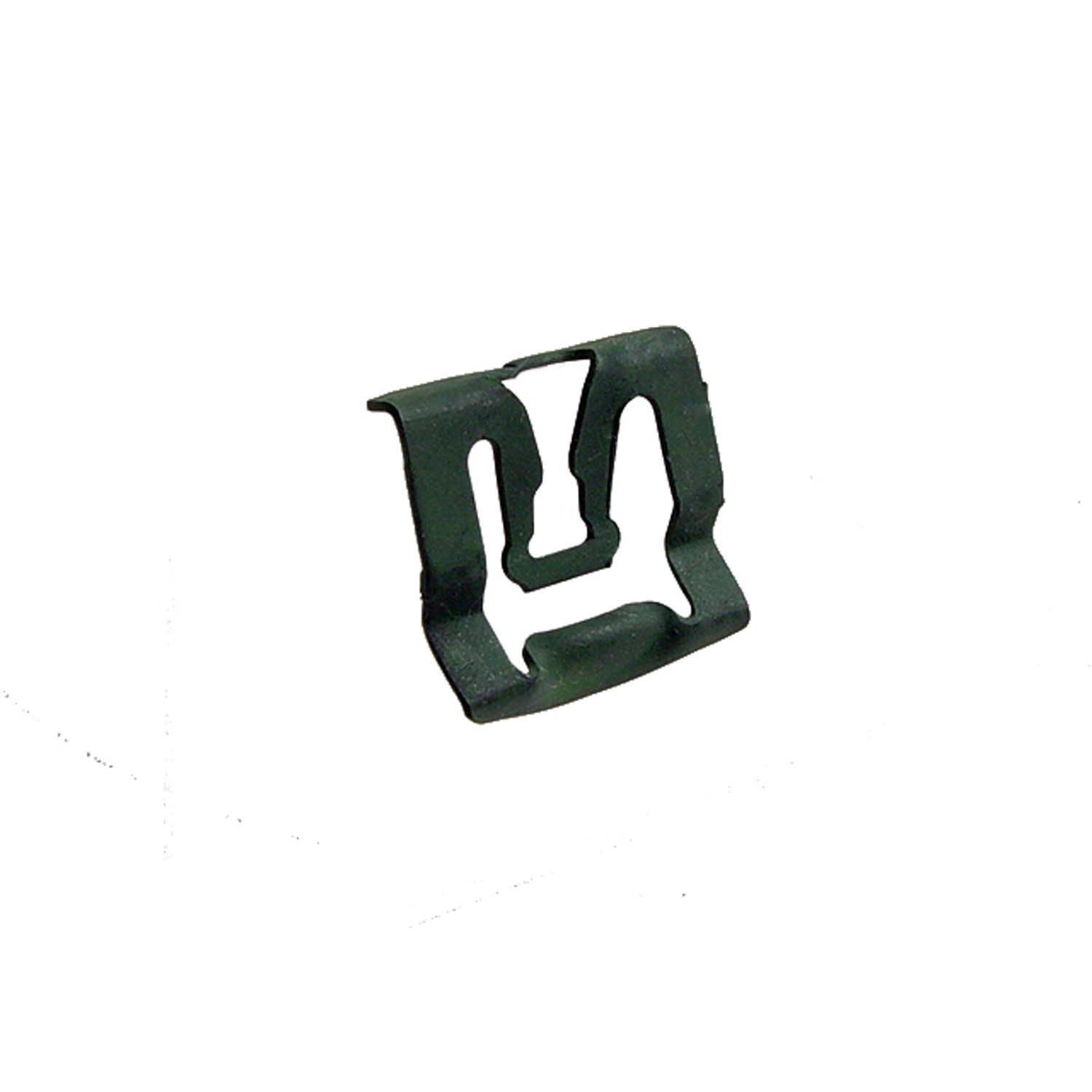 1968 Mercury Montego Windshield Reveal Molding Clip. Made of steel. Each-WF 228-AWindshield Reveal Molding Clip. Made of steel. Each
Why Choose Metro?
For over 100 years, Metro Moulded Parts has been the pinnacle of quality in classic car restoration parts. Our commitment to precision and authenticity in every component ensures a perfect fit and an OEM-level appearance.
- Expert Craftsmanship & Quality: Each part is a testament to our dedication to reliability and perfection, crafted from original designs and thoroughly tested.
- Advanced Technology: We use cutting-edge techniques to create flawless, long-lasting parts that surpass others in performance.
- SuperSoft Sponge – The Ultimate Door Seal: Not only are our door seals 30% softer than competitors', but they're also guaranteed to never leak. They effectively reduce wind and road noise, enhancing your classic car's comfort and driving experience.
- Proudly American: Our parts are a product of American craftsmanship, made in the USA with a spirit of excellence and heritage.
- Unrivaled Warranty: We back our products with a 30-year industry-leading warranty, a testament to our confidence in their quality.
Join us in preserving the legacy of classic cars with parts that are crafted for perfection, not just made.