

Image of 1968 Mercury Monterey, Note: These illustrations use artistic license and may differ from actual historical models.
Performance Metrics
Fundamental Metrics
Emotional Appeal
MMP Rating
| Engine Specifications | |
|---|---|
| Engine: | 390 CID V8, 428 CID V8 |
| Displacement: | 390-428 cubic inches |
| Horsepower: | 265-360 hp |
| Torque: | 400-480 lb-ft |
| Compression Ratio: | 10.5:1 for 390 CID V8, 10.6:1 for 428 CID V8 |
| Ignition System: | Conventional breaker-point ignition system |
| Cooling System: | Liquid-cooled |
| Performance Specifications | |
| 0-60 Time: | 8-10 seconds |
| 1/4 Mile Time: | 16-18 seconds |
| Top Speed: | 120 mph |
| Transmission and Drive | |
| Drive Type: | Rear-wheel drive |
| Transmission Type: | 3-speed automatic, 4-speed manual |
| Fuel and Efficiency | |
| Fuel System Type: | Carburetor |
| MPG: | 10-12 mpg |
| Dimensions and Brakes | |
| Brakes: | Front disc and rear drum brakes |
| Wheelbase: | 123 inches |
| Weight: | 3,800 lbs |
Note: Specifications for classic cars are given to the best of our ability, considering the limited and variant data available.
1968 Mercury Monterey: Full-Size Comfort with a Mercury Edge
The 1968 Mercury Monterey brought big-car presence and relaxed V8 power to drivers who wanted something more polished than an ordinary family sedan, without stepping up to Mercury’s most expensive models. Built by Ford Motor Company’s Mercury division, it was a full-size car with a long hood, roomy cabin, and a quieter, more formal character than many of its mainstream rivals.
The Monterey name had a long history by 1968. It first appeared in 1950 as a Mercury Eight trim level and became a model of its own in 1952. By the late 1960s, Mercury’s lineup had expanded above it to include models such as the Montclair, Park Lane, and Marquis. That made the Monterey an accessible entry into Mercury’s full-size range, but it still carried the division’s emphasis on comfort and upscale detailing.
One detail that helps place the 1968 model in its era is its safety equipment. New federal requirements brought features such as side-marker lights to American cars, while the Monterey also benefited from period safety developments including an energy-absorbing steering column. It was a comfortable cruiser shaped by a rapidly changing automotive industry.
1968 Monterey Styling and Interior
The Monterey wore the confident proportions expected of a late-1960s American full-size car: a long, broad hood, a wide grille, substantial bumpers, and a clean body side that made the car look substantial without relying on excessive ornament. Mercury’s styling gave it a more formal, upscale presence than a basic family sedan. Depending on body style and trim, bright trim around the windows and along the body added a carefully dressed finish.
Inside, the Monterey prioritized space and comfort. The dashboard stretched across the cabin in a broad horizontal layout, with the main instruments and controls arranged for straightforward use. Buyers could choose from vinyl or cloth-and-vinyl upholstery, with carpeting and additional trim available according to specification. The materials were made for everyday use rather than hand-built luxury, but the cabin felt generous and well suited to long trips.
Available equipment could include power steering, power brakes, air conditioning, an AM radio, and a choice of seating and trim appointments. Automatic transmission was a popular comfort option. These features were not universal, so a surviving car’s window sticker, build records, or original equipment can make a significant difference to its appeal.
Mercury offered the Monterey in a broad range of period paint colors. Buyers could choose from restrained shades such as white, black, and beige, as well as more expressive blues, greens, reds, and metallic finishes. Exact colors varied by production and trim. Today, original blues, turquoise tones, burgundy, and metallic gold often draw attention at shows, while a correct factory color can be a major selling point for restorers.
Monterey Body Styles and Options
The 1968 Monterey lineup was centered on three full-size body styles: a two-door hardtop, a four-door hardtop, and a four-door sedan. The hardtops had a cleaner, pillarless appearance when the windows were lowered, giving them a more open look than the sedan. The four-door sedan offered the most straightforward family-car practicality, while the two-door hardtop is often the most visually striking choice for collectors today.
Trim and equipment packages varied, and the Monterey name sat below more luxurious Mercury lines. It was not a sports model, but buyers could equip one with a larger V8, automatic transmission, and comfort features that made it a capable long-distance car.
Why the 1968 Monterey Matters
The Monterey was not a revolutionary design or a technology showcase. Its significance lies in how well it represented the American full-size car at the end of the 1960s. Buyers still valued generous passenger space, a smooth ride, and effortless highway power, while automakers were beginning to respond to new safety expectations and changing tastes.
Mercury’s position between Ford and Lincoln gave the Monterey a useful identity. It shared much of its underlying engineering with related Ford full-size cars, helping keep mechanical parts and service knowledge accessible, but its styling and trim gave it a distinct place in the showroom. The model showed how a manufacturer could build a comfortable, relatively attainable car while giving it a more refined look than a mass-market counterpart.
Its lasting influence is modest but practical. The Monterey belongs to the generation of big American cars that made relaxed highway travel a central selling point. It also benefits today from its family connection to Ford’s full-size platform: many mechanical components are familiar to restorers who work on contemporary Ford and Mercury models.
V8 Performance and Road Manners
A 390-cubic-inch V8 was a common engine choice, with output depending on carburetion and specification. Larger-displacement V8 options were available, including a 428-cubic-inch engine in some configurations. Exact equipment varied by car, so an engine code and a close inspection are more reliable than assuming every Monterey left the factory with the same powertrain. Transmission choices included a manual gearbox, while the smooth-shifting Cruise-O-Matic automatic was a popular pairing for a comfort-oriented full-size car.
Period performance figures varied with engine, gearing, vehicle weight, and test conditions. As a general guide, a 390-powered Monterey could reach 0 to 60 mph in roughly 9 to 11 seconds, with a top speed in the neighborhood of 110 to 120 mph. A larger-engine car could be quicker, but the Monterey was built for easy cruising rather than drag-strip duty. These figures should be treated as estimates, not guaranteed results for every surviving example.
On the road, the Monterey’s long wheelbase and soft suspension help it absorb highway expansion joints and ordinary bumps. It feels most at home flowing along open roads, where the V8 can work at a relaxed pace. On a winding road, its size, body lean, and period steering geometry make it less nimble than a modern sedan. Strong crosswinds can also remind the driver that this is a large, relatively tall car.
The driving experience is part of the appeal. The V8 delivers a deep, steady rumble, the hood seems to stretch out ahead, and the suspension prioritizes comfort over sharp responses. Power steering, if fitted, makes parking easier, while the broad cabin and bench-style seating give the car a distinctly old-school, spacious feel. It is less about attacking corners than settling in and enjoying the miles.
Living with a Monterey
Most owners use a 1968 Monterey as a weekend cruiser, a show car, or a distinctive occasional driver. A sound example can handle local trips and relaxed touring, but its age and size make it less convenient than a modern daily driver. Fuel economy is typically modest, and parking in tight spaces takes practice.
Routine maintenance is manageable for an owner comfortable with classic-car basics. The pushrod V8s and conventional rear-wheel-drive layout are familiar to many vintage Ford specialists, and common service items are generally less exotic than those on a rare imported car. Regular attention to ignition components, cooling-system condition, brakes, steering, and suspension bushings helps keep a Monterey dependable.
As with many full-size cars of the period, rust is a bigger concern than mechanical complexity. Inspect the floors, trunk, lower body panels, wheel openings, frame, and body mounts carefully. Parts availability is generally helped by shared Ford-family components, but Monterey-specific trim, interior pieces, and body panels can take more time to locate. A car that has been stored outdoors or repaired poorly may require expensive bodywork even if its engine runs well.
Monterey Trivia and Common Criticisms
The Monterey was a respected full-size Mercury, not a headline-grabbing performance special. It is not widely associated with a major speed record, endurance achievement, or celebrity ownership story. That makes an especially well-documented example, unusual factory specification, or rare color combination more interesting than a vague claim of fame.
Its 1968 equipment also reflects a turning point in American safety regulation. Side-marker lamps became part of the visual language of new U.S. cars as manufacturers responded to federal standards. The Monterey’s mix of traditional V8 power and newer safety features captures the transition well.
Common criticisms are familiar ones for a big 1960s car: substantial fuel consumption, limited maneuverability, dated braking and handling compared with modern vehicles, and a tendency for body and trim restoration to cost more than expected. It is also less instantly recognizable to casual observers than a Mustang or a Mercury Cougar. For enthusiasts, that relative obscurity is part of its charm.
Collector Value and Availability
Montereys are not among the rarest classic Mercurys, but clean, original examples are not always easy to find. Production totals can be difficult to pin down by body style and trim, so a reasonable working estimate for 1968 Monterey-badged cars is roughly 40,000 to 60,000 across the range. Treat that as an informed estimate rather than a verified factory total. Surviving cars are far fewer, especially examples with documented history and unmodified interiors.
As a broad 2026 market guide in the United States, a project or rough driver might sell for around $5,000 to $10,000. A presentable, usable car commonly falls in the $10,000 to $20,000 range, while a very good example may bring about $20,000 to $35,000. A high-quality restoration or unusually desirable configuration could reach roughly $35,000 to $50,000 or more, depending on condition, originality, and buyer interest. These are estimates, and exceptional cars can fall outside them.
The Monterey market has generally been steadier than the market for famous muscle cars. Values have risen gradually for clean examples, but the model’s size, fuel use, and lower name recognition limit its audience. Condition and originality matter more than ambitious restoration spending. A well-kept car with solid bodywork, correct equipment, and clear documentation is usually a better buy than a neglected example restored beyond its likely market value.
The 1968 Monterey’s Lasting Appeal
The 1968 Mercury Monterey combines the comfort, scale, and V8 character of a classic American full-size car with Mercury’s more formal styling. It was not a record-breaker or a technological trailblazer, but it offered a roomy cabin, relaxed highway manners, and a distinctive place in Mercury’s lineup.
For collectors, its appeal is the experience it preserves: a broad hood, a steady V8 soundtrack, and a soft ride designed for long roads. The Monterey may not shout for attention, but it represents an important chapter in the American car’s story, one comfortable mile at a time.
1968 Mercury Monterey Catalog of Parts
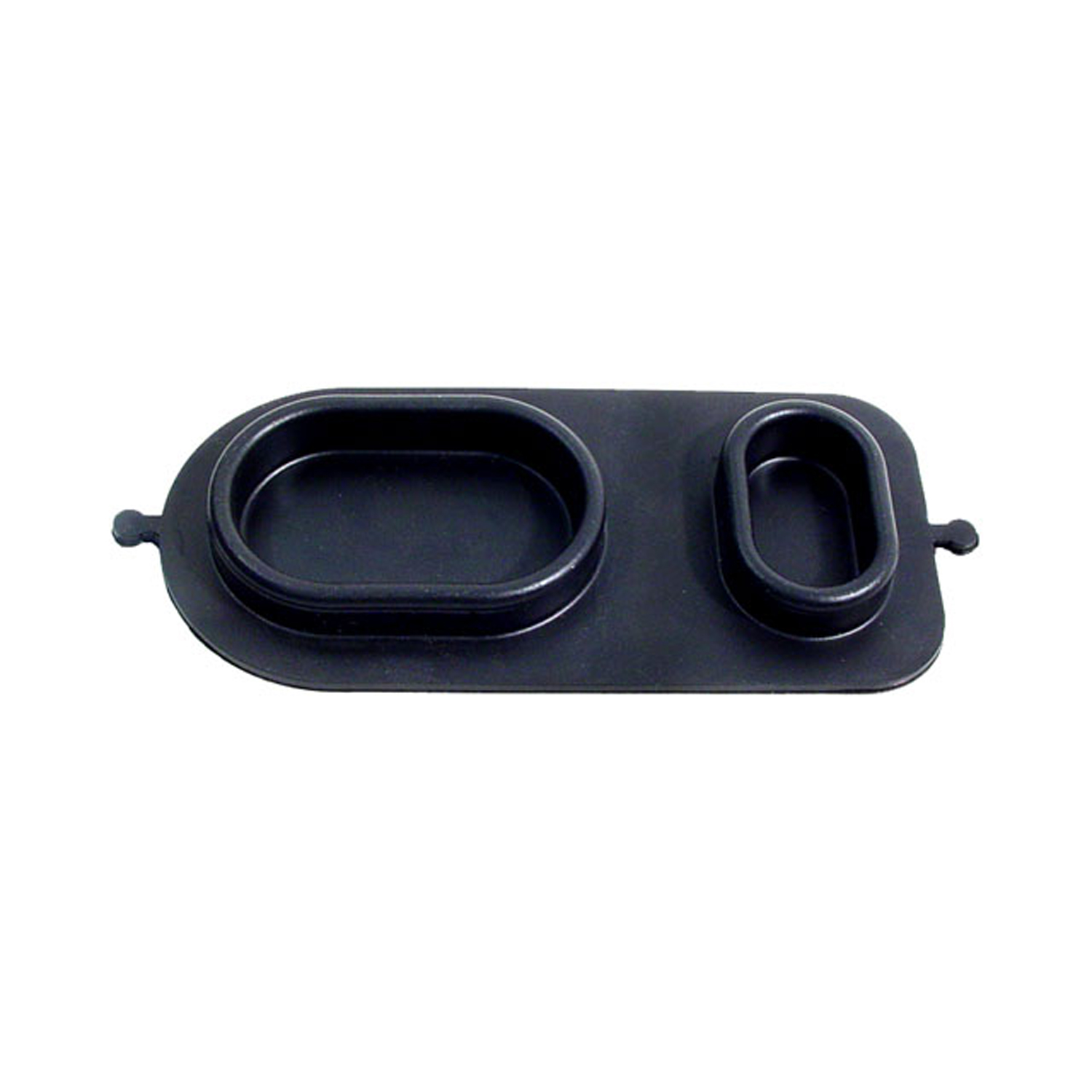 1968 Mercury Monterey Brake Master Cylinder Cover Seal. Replaces OEM #5470861-RP 2-CBrake Master Cylinder Cover Seal. Replaces OEM #5470861. 5-9/16" long, 2-5/8" wide. Each
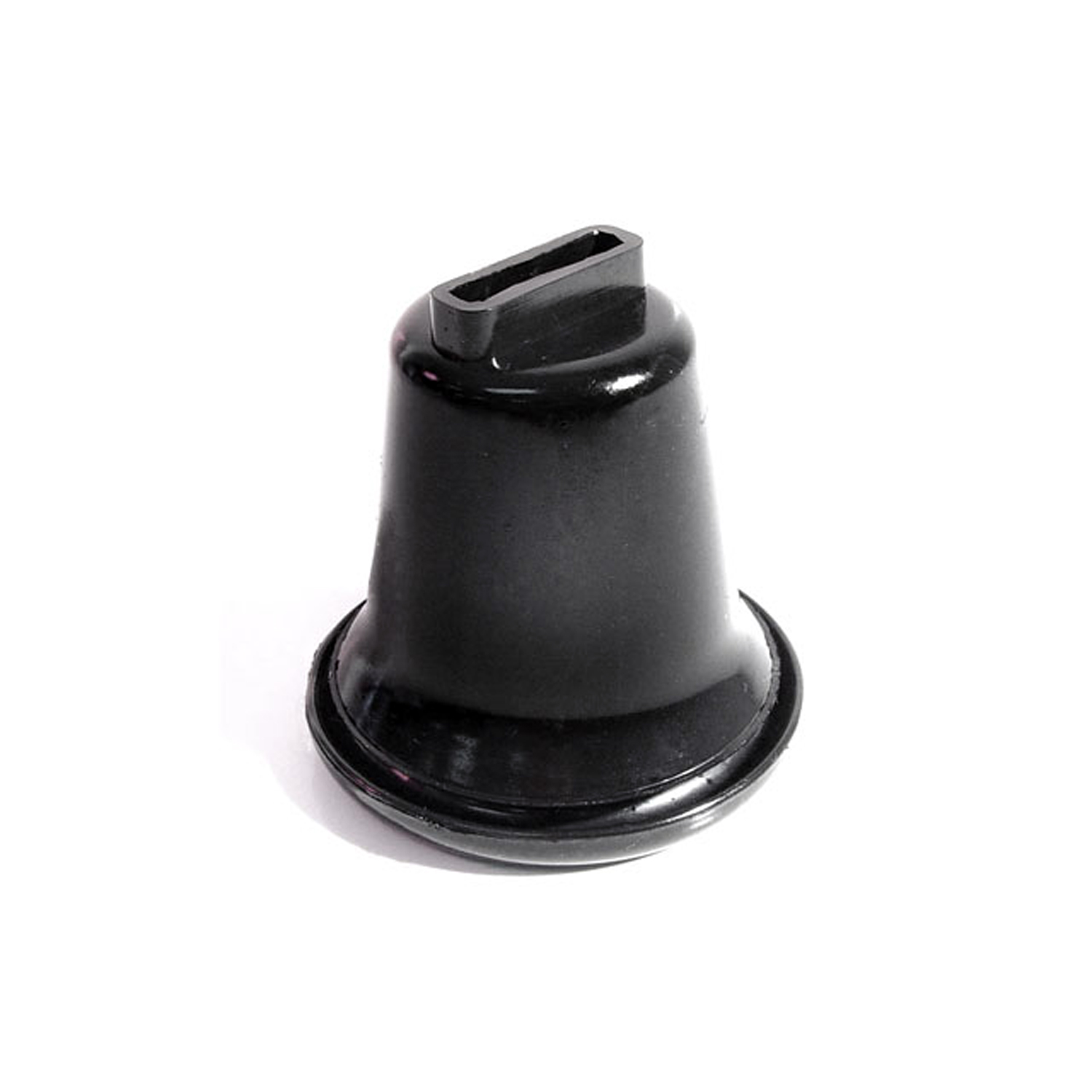 1968 Mercury Monterey Brake Booster Boot. Each-RP 32-AABrake Booster Boot. Each
 1968 Mercury Monterey Trunk Seal. 18 feet long. Each-TK 51-18Trunk Seal. 18 feet long. Each
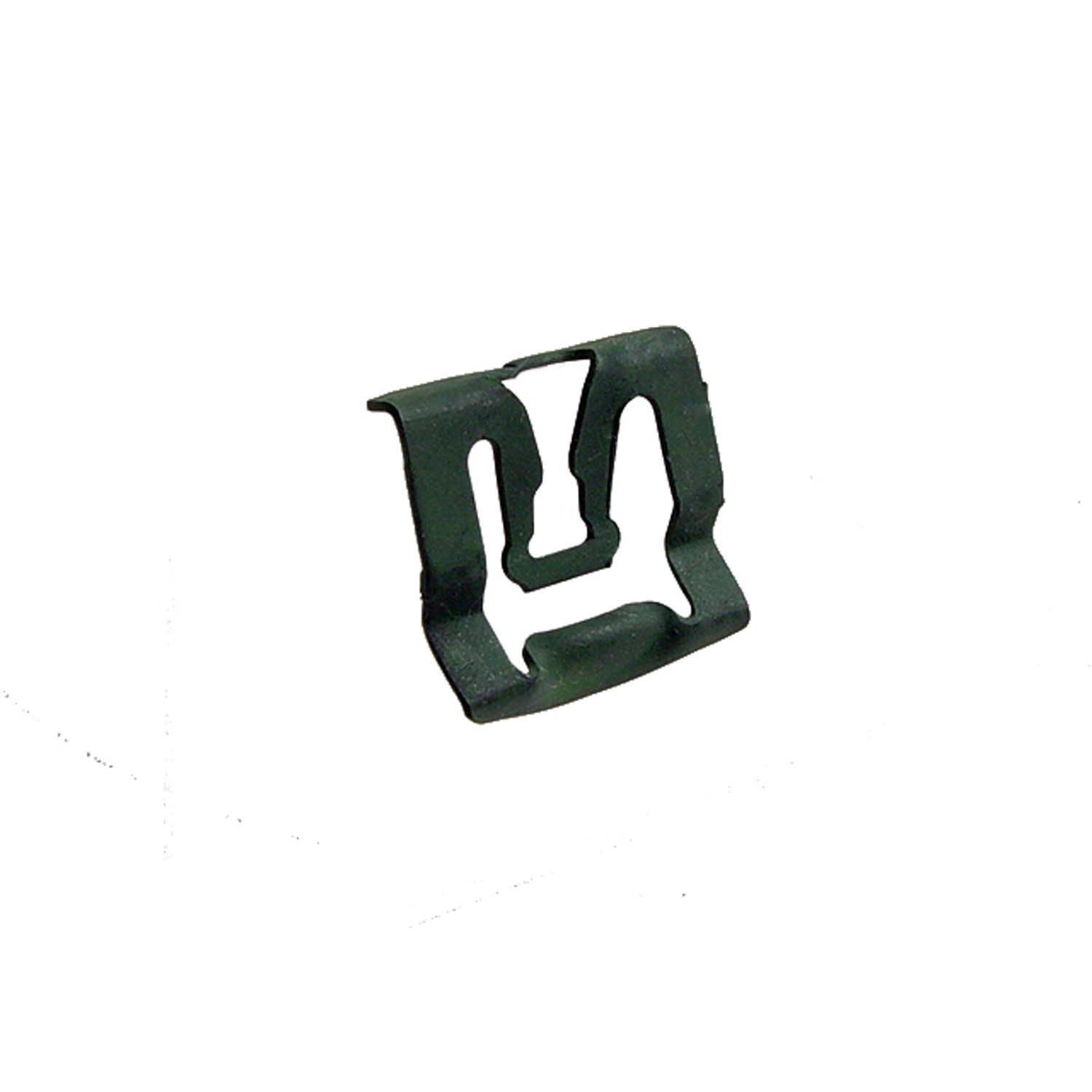 1968 Mercury Monterey Windshield Reveal Molding Clip. Made of steel. Each-WF 228-AWindshield Reveal Molding Clip. Made of steel. Each
Why Choose Metro?
For over 100 years, Metro Moulded Parts has been the pinnacle of quality in classic car restoration parts. Our commitment to precision and authenticity in every component ensures a perfect fit and an OEM-level appearance.
- Expert Craftsmanship & Quality: Each part is a testament to our dedication to reliability and perfection, crafted from original designs and thoroughly tested.
- Advanced Technology: We use cutting-edge techniques to create flawless, long-lasting parts that surpass others in performance.
- SuperSoft Sponge – The Ultimate Door Seal: Not only are our door seals 30% softer than competitors', but they're also guaranteed to never leak. They effectively reduce wind and road noise, enhancing your classic car's comfort and driving experience.
- Proudly American: Our parts are a product of American craftsmanship, made in the USA with a spirit of excellence and heritage.
- Unrivaled Warranty: We back our products with a 30-year industry-leading warranty, a testament to our confidence in their quality.
Join us in preserving the legacy of classic cars with parts that are crafted for perfection, not just made.