

Image of 1968 Mercury Park Lane, Note: These illustrations use artistic license and may differ from actual historical models.
Performance Metrics
Fundamental Metrics
Emotional Appeal
MMP Rating
| Engine Specifications | |
|---|---|
| Engine: | 390 CID V8, 428 CID V8 |
| Displacement: | 390-428 cubic inches |
| Horsepower: | 265-360 hp |
| Torque: | 401-480 lb-ft |
| Compression Ratio: | 10.5:1 (390 CID V8), 10.6:1 (428 CID V8) |
| Ignition System: | Conventional breaker-point ignition system |
| Cooling System: | Liquid-cooled |
| Performance Specifications | |
| 0-60 Time: | 8.0 seconds |
| 1/4 Mile Time: | 16.0 seconds |
| Top Speed: | 120 mph |
| Transmission and Drive | |
| Drive Type: | Rear-wheel drive |
| Transmission Type: | 3-speed automatic, 4-speed manual |
| Fuel and Efficiency | |
| Fuel System Type: | Carburetor |
| MPG: | 10-12 mpg |
| Dimensions and Brakes | |
| Brakes: | Front disc brakes and rear drum brakes |
| Wheelbase: | 123 inches |
| Weight: | 4,000 lbs |
Note: Specifications for classic cars are given to the best of our ability, considering the limited and variant data available.
1968 Mercury Park Lane: The Last Big Mercury Luxury Cruiser
The 1968 Mercury Park Lane brought full-size American luxury to the road with a long hood, a quiet cabin, and the relaxed authority of a big V8. Built by the Ford Motor Company’s Mercury division, it sat near the top of Mercury’s range, offering more polish and prestige than the brand’s mainstream full-size models without stepping into Lincoln territory.
Its timing gives it extra significance: 1968 was the Park Lane’s final model year before the new Mercury Marquis took over as the marque’s flagship full-size line. For collectors, that makes this car both a distinctive late-1960s luxury machine and the closing chapter of a nameplate that had appeared in Mercury showrooms during two separate periods.
One appealing detail is that the Park Lane did not rely on a single body style to make its case. Buyers could choose a formal four-door or a more expressive hardtop, and some versions offered the open-air drama of a convertible. It was a broad, comfortable car designed for American roads at a time when size and presence were important parts of the luxury-car experience.
Long Hood, Formal Mercury Style
The Park Lane’s styling is classic late-sixties Mercury: a wide, squared-off body, a long hood, and a formal roofline that gives the car a substantial, almost architectural look. Its front end uses a broad grille and carefully arranged headlamps to create a face that feels more reserved than sporty. Bright trim, chrome accents, and sculpted body sides add visual detail without making the design look busy.
From the side, the Park Lane’s generous wheelbase and long body are impossible to miss. The two-door hardtop has a cleaner, more flowing profile, while the four-door versions emphasize passenger space and stately proportions. Depending on body style and equipment, bright moldings and wheel covers helped distinguish the Park Lane from less expensive Mercurys.
Inside, the focus was comfort rather than competition. Buyers could expect broad bench seats, generous legroom, soft-touch trim, and a substantial dashboard with a period-correct spread of switches and gauges. Upholstery and trim varied by body style and package, with cloth-and-vinyl combinations and more richly finished options available. The materials were appropriate to an upscale American car of the era, though surviving cars can vary considerably in condition after decades of use.
Mercury offered the Park Lane in a range of factory colors, from conservative whites, silvers, and dark blues to more vivid greens, reds, and metallic shades. Paint availability depended on the model year’s color chart and individual trim choices. Today, strong period colors tend to attract attention at shows, while tasteful metallics and darker tones suit the car’s formal character particularly well.
Body Styles and Equipment
The 1968 Park Lane lineup included two-door and four-door hardtops, a four-door sedan, and a convertible. Exact availability and trim details could vary by market and equipment selection, so buyers restoring a car should verify its original configuration using the door data plate, factory records, or a Mercury specialist.
The hardtops are among the most visually striking versions. With no fixed center pillar between the front and rear side windows, they deliver an open, airy look when the windows are lowered. The convertible is the most naturally dramatic choice, while the four-door sedan makes the best case for the Park Lane as a comfortable long-distance family car.
Available equipment could include power steering, power brakes, air conditioning, power windows, and an automatic transmission. These features were not all standard on every car, so a well-equipped example can feel substantially more luxurious than a basic one.
Technology for a Comfortable Drive
The Park Lane’s technology was practical rather than futuristic. Power steering and power-assisted brakes reduced the effort required to manage a large car, while an automatic transmission suited relaxed cruising. Air conditioning, when fitted, made the broad cabin more pleasant during summer travel. These conveniences reflected the priorities of a premium American car: make long journeys easier, quieter, and less tiring.
Mercury’s full-size cars were also shaped by a period when comfort features and body-style variety were important selling points. The Park Lane was not a technology showcase in the modern sense, but it packaged familiar mechanical hardware with equipment that made everyday driving feel more effortless.
Why the Park Lane Matters
The 1968 Park Lane represents the final evolution of a Mercury nameplate positioned between mainstream family cars and Lincoln’s more formal luxury offerings. It stood apart from many contemporaries through its combination of size, upscale trim, and multiple body styles. Rather than chasing a European-style sporting identity, Mercury built a car for smooth, quiet progress on highways and broad suburban streets.
Its importance is also tied to the transition in Mercury’s lineup. The Park Lane disappeared after 1968, and the Marquis became the brand’s leading full-size name. That change reflected a broader shift toward consolidating and modernizing model ranges. The Park Lane therefore offers a snapshot of Mercury just before its flagship identity moved into a new era.
It did not introduce a revolutionary chassis or a technology that transformed the industry. Its lasting appeal is more about how effectively it captured the American luxury formula of its time: generous dimensions, V8 power, bright trim, and an emphasis on comfort. For enthusiasts, it is a useful reminder that the late-sixties full-size market was about far more than muscle cars.
V8 Performance and Road Manners
Engine availability varied, but the Park Lane was offered with Ford-family V8 power, including 390-cubic-inch engines and, in some configurations, a 428-cubic-inch V8. Output depended on the engine and carburetion. Period horsepower figures were measured using gross ratings, so they should not be compared directly with modern net-horsepower numbers. Most Park Lanes were paired with an automatic transmission, an appropriate match for the car’s comfortable grand-touring character.
There is no single dependable acceleration figure for every 1968 Park Lane, since engine, transmission, axle ratio, body style, and vehicle condition all make a difference. As a broad period-performance estimate, a healthy 390-powered car might reach 60 mph in roughly 11 to 13 seconds. A 428-equipped example could be closer to the 9-to-11-second range. A well-tuned car with suitable gearing might approach roughly 110 to 120 mph, though that is an estimate, not a recommended cruising speed for a nearly six-decade-old vehicle.
On the road, the Park Lane feels substantial and soft-riding. Its suspension is tuned for comfort, so it absorbs ordinary pavement seams and broad bumps better than a firmer performance car. The trade-off is noticeable body lean in tight corners and a less nimble feel on narrow, winding roads. Crosswinds and uneven pavement can also remind the driver just how much car is moving down the road.
The driving experience is part of the appeal. A V8’s low, relaxed rumble comes through as a background note rather than a constant demand for attention. The steering is light with power assistance, the seats encourage an easy posture, and the car feels happiest maintaining a steady pace. A 428 adds stronger passing power, but even the smaller V8s suit the Park Lane’s unhurried personality.
Living with a 1968 Park Lane
Today, most Park Lanes are best suited to weekend drives, classic-car gatherings, and occasional long-distance cruising rather than year-round commuting. A sound example can be used regularly, but its fuel consumption, size, age, and need for ongoing maintenance make it less convenient than a modern daily driver.
Mechanical repairs are generally manageable for an experienced home mechanic. Ford V8s and many related service parts are familiar to the classic-car trade, and routine jobs such as ignition service, carburetor work, brake repairs, and suspension maintenance are well understood. Trim, body panels, interior pieces, and model-specific details can be more difficult to locate, especially for a car with unusual equipment or a rare color combination.
As with any full-size classic, inspect the frame and body carefully for rust, particularly around floors, lower body sections, wheel openings, and trunk areas. Check that the automatic transmission shifts properly, the cooling system stays under control, and the power accessories work. A shiny paint job can hide expensive corrosion or hurried repairs, so a specialist inspection is money well spent.
Park Lane Trivia and Common Criticisms
The most notable historical footnote is also the simplest: 1968 was the Park Lane’s final year before the Marquis took over the top full-size role. The name had already experienced a break in production, making the late-sixties Park Lane part of a relatively short-lived return for the model line.
The car was not built to set speed or endurance records, and it is not especially associated with organized racing. Its claim to fame is its place in Mercury’s luxury lineup and its representation of the full-size American cruiser at the end of the 1960s. Individual cars may have appeared in period photographs, television, or film, but no single celebrity connection defines the model as a whole.
Common criticisms are predictable: it is large, thirsty, and not especially agile. Replacement trim can be challenging to source, and a neglected example can become expensive quickly. Those drawbacks are balanced by its roomy cabin, distinctive styling, and the relaxed V8 experience that made cars of this class appealing in the first place.
Collector Values and Availability
Production figures for the 1968 Park Lane are not consistently presented in easily comparable totals across body styles and equipment. A reasonable working estimate is roughly 20,000 to 30,000 cars across the model line, but that should be treated as an informed estimate rather than a definitive factory total. Survivors are much less common than the better-known Mercury and Ford models of the period, and the best examples can take patience to find.
In the current collector market, a project car or rough driver might sell for about $5,000 to $12,000. A presentable, running example with sound structure may fall around $12,000 to $25,000. Well-restored cars can bring approximately $25,000 to $40,000, with exceptional examples, desirable equipment, or a particularly appealing body style potentially exceeding that range. These are broad U.S. market estimates, not guaranteed sale prices. Condition, documentation, originality, and local demand matter enormously.
Convertibles and cars with desirable V8 equipment generally attract more attention, though originality and overall condition usually matter more than a badge or engine claim alone. Values have tended to be selective rather than uniformly explosive: high-quality, well-documented examples hold the strongest appeal, while project cars can remain difficult to sell because restoration costs quickly outpace market value. Over time, clean examples may appreciate modestly, but buyers should choose the car because they enjoy it, not as a sure investment.
The Last Word on the 1968 Mercury Park Lane
The 1968 Mercury Park Lane combines the generous proportions, comfort-minded engineering, and V8 character that defined a certain kind of American luxury car. Its final-year status adds historical interest, while its range of body styles gives collectors more than one way to enjoy the design.
It may be too large for tight roads and too thirsty for modern commuting, but that is part of its identity. The Park Lane was built to make the journey feel unhurried, and nearly sixty years later, a well-kept example still turns an ordinary drive into a small piece of Mercury history.
1968 Mercury Park Lane Catalog of Parts
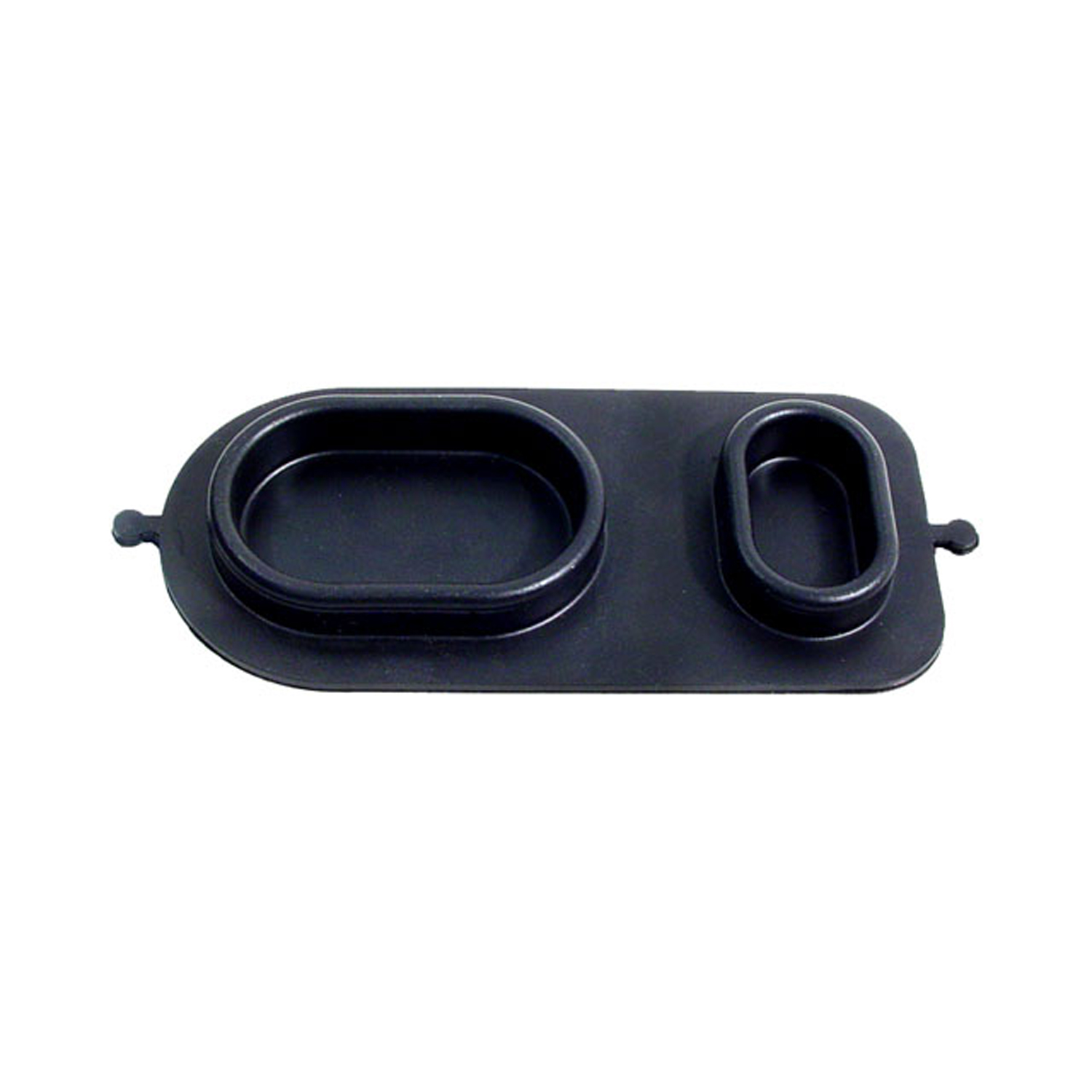 1968 Mercury Park Lane Brake Master Cylinder Cover Seal. Replaces OEM #5470861-RP 2-CBrake Master Cylinder Cover Seal. Replaces OEM #5470861. 5-9/16" long, 2-5/8" wide. Each
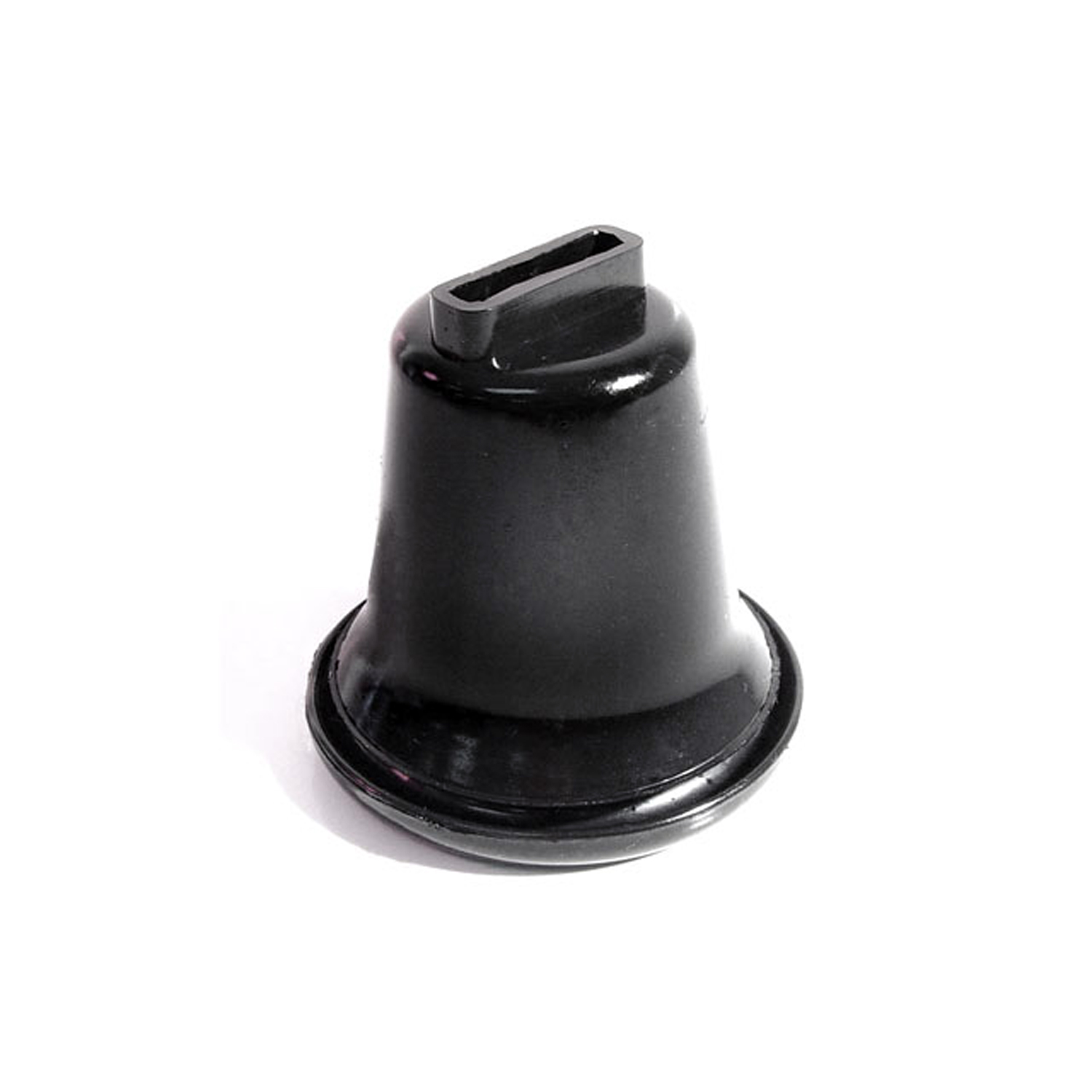 1968 Mercury Park Lane Brake Booster Boot. Each-RP 32-AABrake Booster Boot. Each
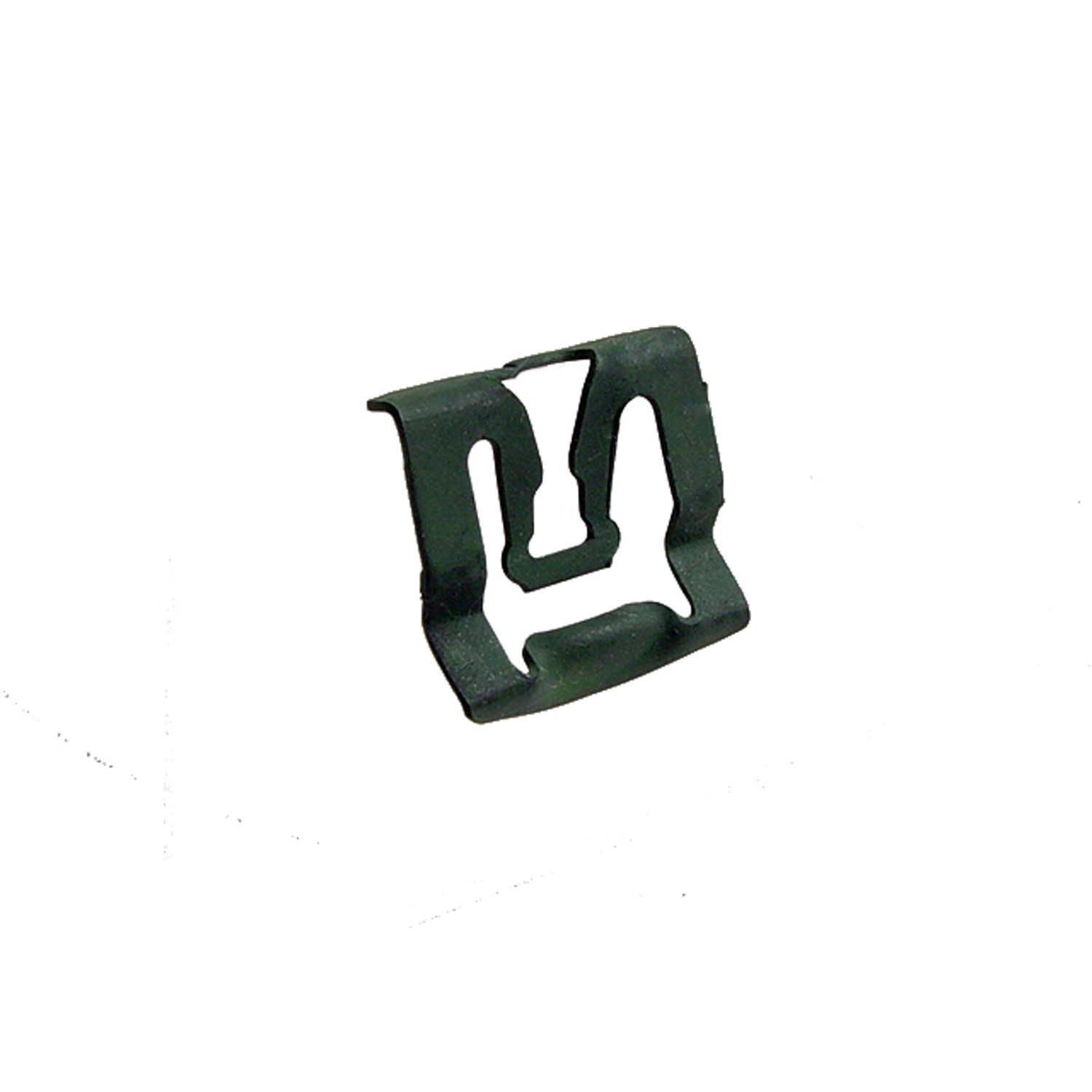 1968 Mercury Park Lane Windshield Reveal Molding Clip. Made of steel. Each-WF 228-AWindshield Reveal Molding Clip. Made of steel. Each
Why Choose Metro?
For over 100 years, Metro Moulded Parts has been the pinnacle of quality in classic car restoration parts. Our commitment to precision and authenticity in every component ensures a perfect fit and an OEM-level appearance.
- Expert Craftsmanship & Quality: Each part is a testament to our dedication to reliability and perfection, crafted from original designs and thoroughly tested.
- Advanced Technology: We use cutting-edge techniques to create flawless, long-lasting parts that surpass others in performance.
- SuperSoft Sponge – The Ultimate Door Seal: Not only are our door seals 30% softer than competitors', but they're also guaranteed to never leak. They effectively reduce wind and road noise, enhancing your classic car's comfort and driving experience.
- Proudly American: Our parts are a product of American craftsmanship, made in the USA with a spirit of excellence and heritage.
- Unrivaled Warranty: We back our products with a 30-year industry-leading warranty, a testament to our confidence in their quality.
Join us in preserving the legacy of classic cars with parts that are crafted for perfection, not just made.