

Image of 1969 Mercury Colony Park, Note: These illustrations use artistic license and may differ from actual historical models.
Performance Metrics
Fundamental Metrics
Emotional Appeal
MMP Rating
| Engine Specifications | |
|---|---|
| Engine: | 429 CID V8 |
| Displacement: | 429 cubic inches (7.0 liters) |
| Horsepower: | 320-360 hp |
| Torque: | 480 lb-ft |
| Compression Ratio: | 10.5:1 |
| Ignition System: | Conventional breaker-point ignition system |
| Cooling System: | Liquid-cooled |
| Performance Specifications | |
| 0-60 Time: | 8.5 seconds |
| 1/4 Mile Time: | 16 seconds |
| Top Speed: | 120 mph |
| Transmission and Drive | |
| Drive Type: | Rear-wheel drive |
| Transmission Type: | 3-speed automatic |
| Fuel and Efficiency | |
| Fuel System Type: | Carburetor |
| MPG: | 10-12 mpg |
| Dimensions and Brakes | |
| Brakes: | Power-assisted drum brakes |
| Wheelbase: | 121 inches |
| Weight: | 4,500 lbs |
Note: Specifications for classic cars are given to the best of our ability, considering the limited and variant data available.
1969 Mercury Colony Park: The Full-Size Family Flagship
With a long hood, acres of polished trim, and woodgrain stretching along its flanks, the 1969 Mercury Colony Park made the family station wagon look every bit as imposing as a luxury sedan. Built by the Mercury division of Ford Motor Company, it combined full-size American comfort with the practical cargo space that families, travelers, and vacationers needed.
The Colony Park name had been part of Mercury’s wagon lineup since 1957. By 1969, it represented the top end of the brand’s station wagons, sharing its basic engineering with Ford’s full-size cars while wearing Mercury-specific styling and upscale appointments. Its timing was significant: this was the era when a large wagon could serve as the household’s main vehicle, long before minivans and SUVs took over that role.
One especially useful feature was the optional third-row seat, which could bring capacity to nine passengers. That meant the Colony Park could carry a crowd and their luggage without giving up the comfort and road presence of a big Mercury.
Woodgrain, Chrome, and Full-Size Style
The 1969 Colony Park wore the broad, low-slung look favored by American cars of the period. Its long roof and extended rear body gave it a distinctly formal profile, while a prominent grille, quad headlights, bright bumpers, and generous chrome trim supplied the visual weight expected of a premium Mercury. At roughly 18 feet long, it was a substantial vehicle even by the standards of its day.
Its signature was the simulated woodgrain side treatment, framed by bright moldings. The applique was decorative rather than structural, but it gave the Colony Park the look of a traditional wood-bodied estate wagon without the upkeep of real timber. The combination of woodgrain, chrome, and a long roof remains the model’s most recognizable visual shorthand.
The cabin was designed for distance and comfort. Buyers could expect broad bench seating, durable upholstery, and an expansive glass area that made the interior feel open. Depending on equipment and trim, appointments could include upgraded fabrics, carpeting, power accessories, and air conditioning. The optional third-row seat made the wagon a nine-passenger hauler, while the standard layout was generally configured for six.
Mercury offered the Colony Park in the period’s varied solid and metallic paint colors. Shades of green, blue, red, gold, white, and black all suited its chrome-heavy styling. A particularly popular look paired a dark exterior color with the woodgrain panels, though individual color availability depended on the order and production plant.
A Wagon with a Clever Tailgate
The Colony Park was offered as a four-door station wagon, with seating and equipment options shaping its role. The six-passenger layout favored luggage space and everyday comfort; the optional nine-passenger arrangement added a rear-facing third row for extra carrying capacity. The nine-passenger version is especially memorable today because it captures the family-wagon era so well.
Its practical centerpiece was Ford’s two-way tailgate design, commonly known as the Magic Doorgate. The tailgate could swing outward like a door or lower like a conventional tailgate, making it easier to load long objects and reach into the cargo area. On equipped cars, the rear glass could be lowered into the tailgate, helping make loading more convenient. It was a genuinely useful piece of engineering, not merely a styling flourish.
Other available conveniences included power steering, power brakes, air conditioning, and an automatic transmission. These features made a large wagon easier to manage in traffic and more comfortable on long trips, even if the Colony Park’s size still demanded room to maneuver.
What Made the Colony Park Important
The 1969 Colony Park was not a sports wagon or a radical technology showcase. Its importance lay in how effectively it blended passenger-car comfort with family-sized utility. At a time when station wagons were central to American life, Mercury gave buyers a more upscale alternative to a basic workaday hauler.
It also reflected an important stage in the evolution of the full-size American car. The Colony Park shared Ford-family underpinnings with related models, but its trim, cabin details, and woodgrain treatment helped position it as a premium choice. Its long roof and generous cargo area anticipated the combination of comfort and utility that later became a selling point for SUVs, even though the wagon’s driving character remained much closer to that of a traditional sedan.
The two-way tailgate is the feature that best captures the model’s practical ingenuity. It addressed a real everyday problem with a simple, versatile mechanism, and it became a memorable detail across Ford and Mercury wagons of the era.
390 V8 Power and Easygoing Road Manners
A 390-cubic-inch V8 was a key engine in the full-size Mercury lineup, with different versions and optional engines available depending on model, equipment, and market. A 429-cubic-inch V8 was also offered in the 1969 full-size range. The engines were paired with an automatic transmission, generally a three-speed Merc-O-Matic, and were tuned to move a heavy car smoothly rather than deliver sports-car response. Horsepower figures vary by engine and rating method, so it is best to check the specific engine code on an individual car.
Period performance figures for a Colony Park are not as consistently documented as they are for a high-volume performance car. As a practical estimate, a V8 example may take around 10 to 13 seconds to reach 60 mph, depending on engine, axle ratio, condition, and passenger load. A healthy car could approach roughly 105 to 115 mph, although top speed was not the point of the design and should not be treated as a factory guarantee.
On the road, the Colony Park is at its best cruising steadily. Its long wheelbase and soft suspension help it absorb expansion joints and broken pavement, while power steering makes low-speed turns manageable. The tradeoff is body lean: on a winding road, the tall, heavy wagon feels more comfortable taking a measured line than being hustled through corners. Crosswinds and narrow parking spaces also remind the driver just how much car is behind the steering wheel.
The driving experience is distinctly old-school. The V8 produces a deep, relaxed rumble, the automatic shifts without drama, and the suspension favors a cushioned ride over sharp handling. From behind the broad steering wheel, the driver looks out across a long hood and a large, airy cabin. It feels built for a family road trip, not a stopwatch.
Living with a Classic Mercury Wagon
Today, a 1969 Colony Park is most often used as a weekend cruiser, a local show car, or a distinctive vintage family vehicle. Its cargo capacity still makes it useful for errands and road trips, but its size, fuel consumption, and age make it less convenient as a modern daily driver. Owners should expect fuel economy to be in the single digits to low teens in many real-world conditions, depending heavily on engine, tuning, and driving style.
Routine mechanical work is familiar to many classic-car shops because the Colony Park uses Ford-family V8 and chassis components. Brakes, ignition parts, suspension pieces, and many service items are generally more approachable than the car’s size might suggest. The trickier tasks are often tied to wagon-specific hardware, including the tailgate, rear window mechanism, trim, and woodgrain panels.
Rust deserves close attention. Inspect the floors, frame and suspension mounting areas, lower doors, rear quarters, cargo floor, and the areas around the tailgate. Check that the rear glass and tailgate operate correctly, since worn or damaged components can be time-consuming to source or repair. A car that looks handsome from the curb can still need substantial work underneath.
Colony Park Facts and Common Criticisms
The Colony Park’s most distinctive everyday trick was its two-way tailgate, which allowed access from the side or the rear. The optional rear-facing third row is another standout period feature, and a reminder that families once accepted a very different approach to passenger safety and packaging than they would today.
There is no widely recognized speed or endurance record associated with the 1969 Colony Park, and it was not a racing model. Its real achievement was more ordinary and arguably more meaningful: it served as a comfortable, high-capacity family vehicle during the station wagon’s heyday. The model has not become famous for a single celebrity owner or historic event, so its appeal rests mainly on its design, utility, and place in American automotive culture.
Common criticisms are easy to understand. The car is large, thirsty, and not especially nimble. Its soft suspension can feel floaty by modern standards, and its length makes tight garages and crowded parking lots a challenge. The woodgrain is also an acquired taste, though for many enthusiasts it is precisely what makes a Colony Park look like a proper classic wagon.
Collector Value and Availability
Exact production totals for the 1969 Colony Park are not consistently reported in commonly available reference sources. A reasonable working estimate is roughly 10,000 to 15,000 examples, though that figure should be treated as an estimate rather than a confirmed factory total. Surviving cars are much less common than ordinary period sedans, particularly in good, original condition.
Values depend strongly on rust, mechanical condition, completeness, and the state of the woodgrain and wagon-specific hardware. As a broad current-market estimate, a project car may sell for about $3,000 to $7,000. A usable driver in fair-to-good condition might bring roughly $8,000 to $15,000, while a very clean, well-restored, or unusually original example could reach approximately $18,000 to $30,000 or more. These are general guide ranges, not a formal appraisal; regional demand and recent sales can shift prices considerably.
Like many full-size American wagons, the Colony Park has gained attention as enthusiasts rediscover the appeal of long-roof classics. That interest supports values for strong examples, but it remains a specialized market. Prices tend to favor cars with solid bodies and complete trim over ambitious restorations, since sourcing and repairing wagon-specific parts can add up quickly.
Why the 1969 Colony Park Still Matters
The 1969 Mercury Colony Park brought together the defining ingredients of the classic American family wagon: V8 power, a generous cabin, real cargo capacity, polished trim, and a ride tuned for long miles. Its woodgrain sides made it instantly recognizable, while the two-way tailgate and optional third row showed that its style came with genuine everyday utility.
It may be too large for today’s crowded streets and too thirsty for modern commuting, but that is part of its character. The Colony Park stands as a rolling reminder of when the family station wagon was king of the road, and it remains one of Mercury’s most memorable long-roof classics.
1969 Mercury Colony Park Catalog of Parts
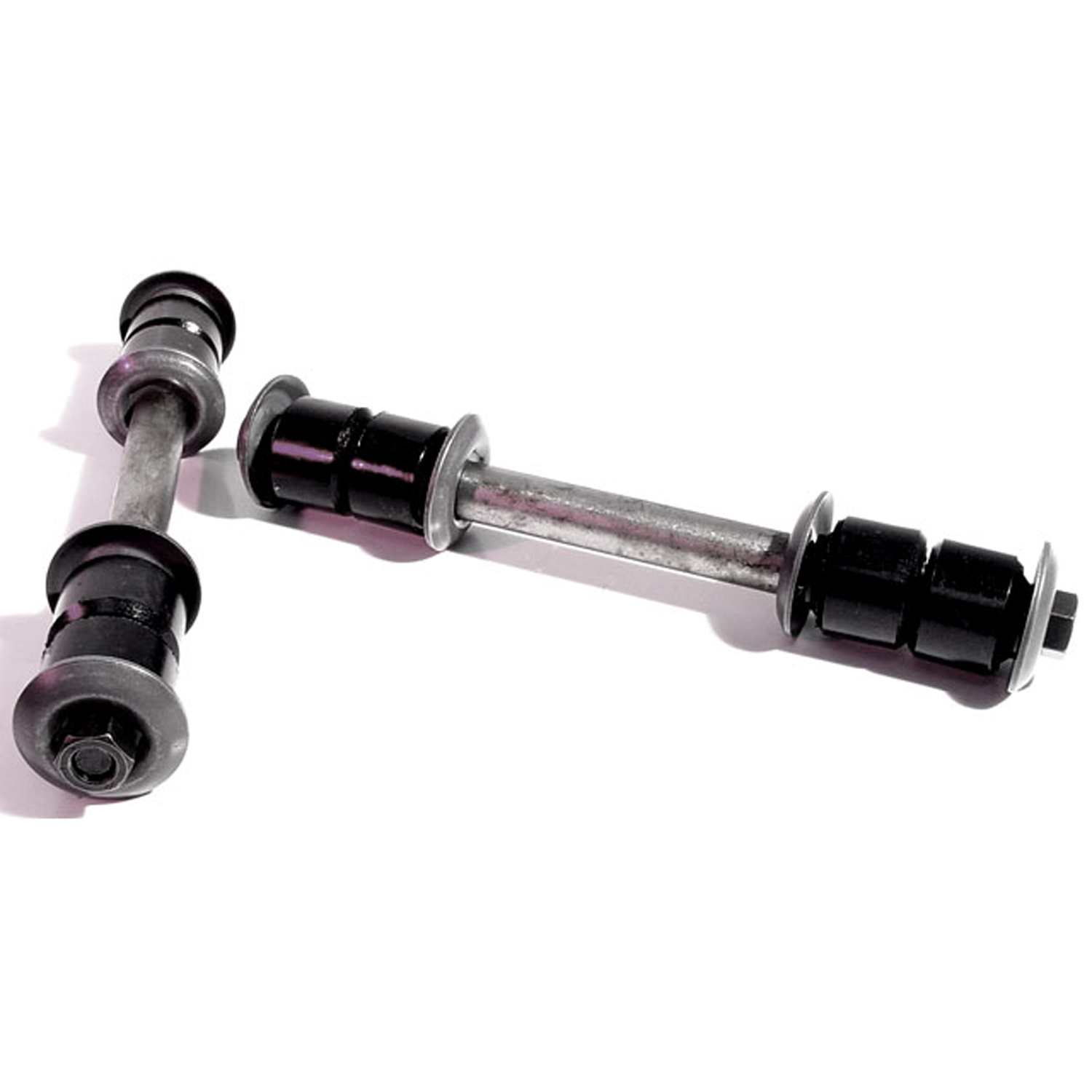 1969 Mercury Colony Park Front Stabilizer End Repair Kit-BNK 21Front Stabilizer End Repair Kit. 22-piece set for two stabilizer bars. Contains all rubber bushings, washers, bolts and nuts, enough for one front end. Set
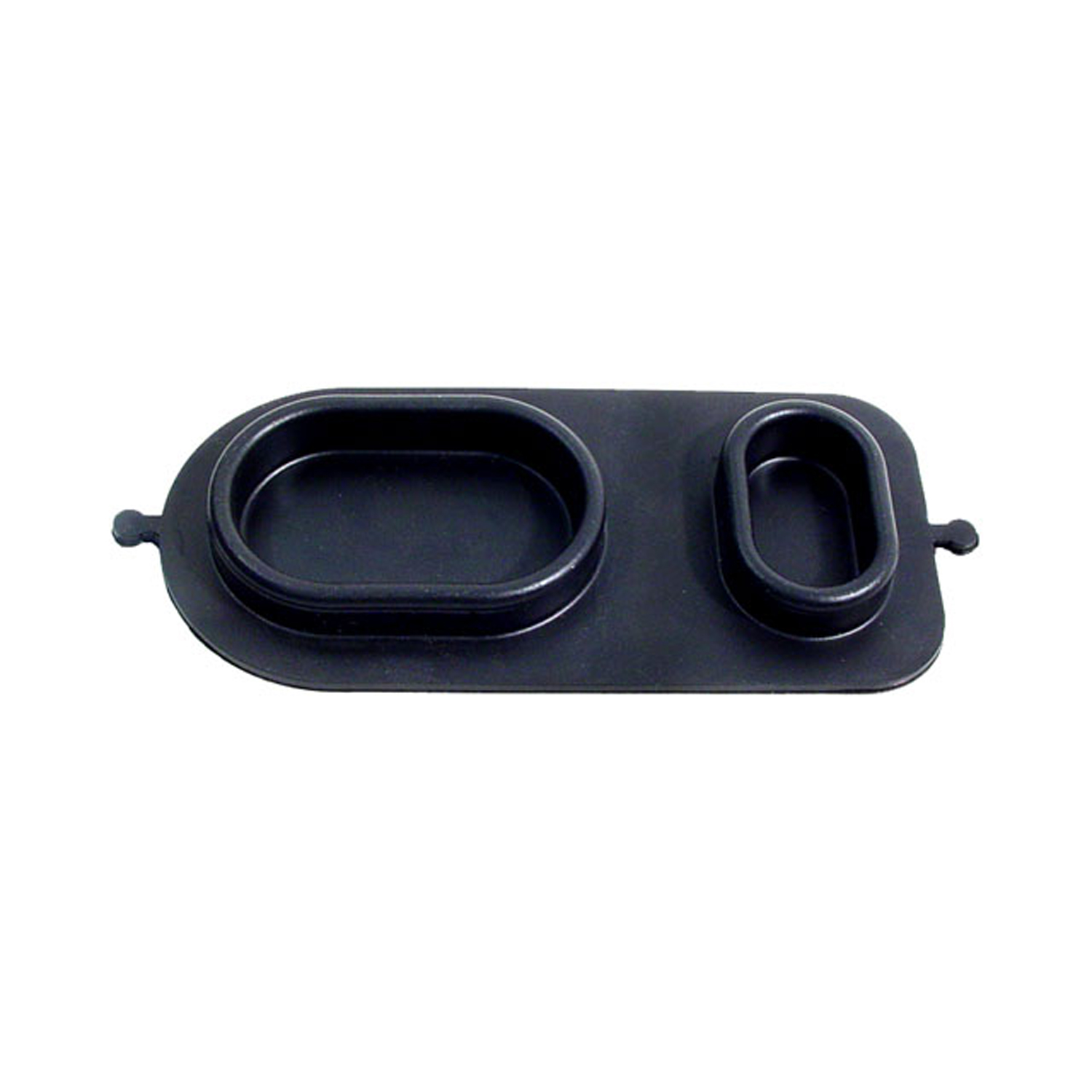 1969 Mercury Colony Park Brake Master Cylinder Cover Seal. Replaces OEM #5470861-RP 2-CBrake Master Cylinder Cover Seal. Replaces OEM #5470861. 5-9/16" long, 2-5/8" wide. Each
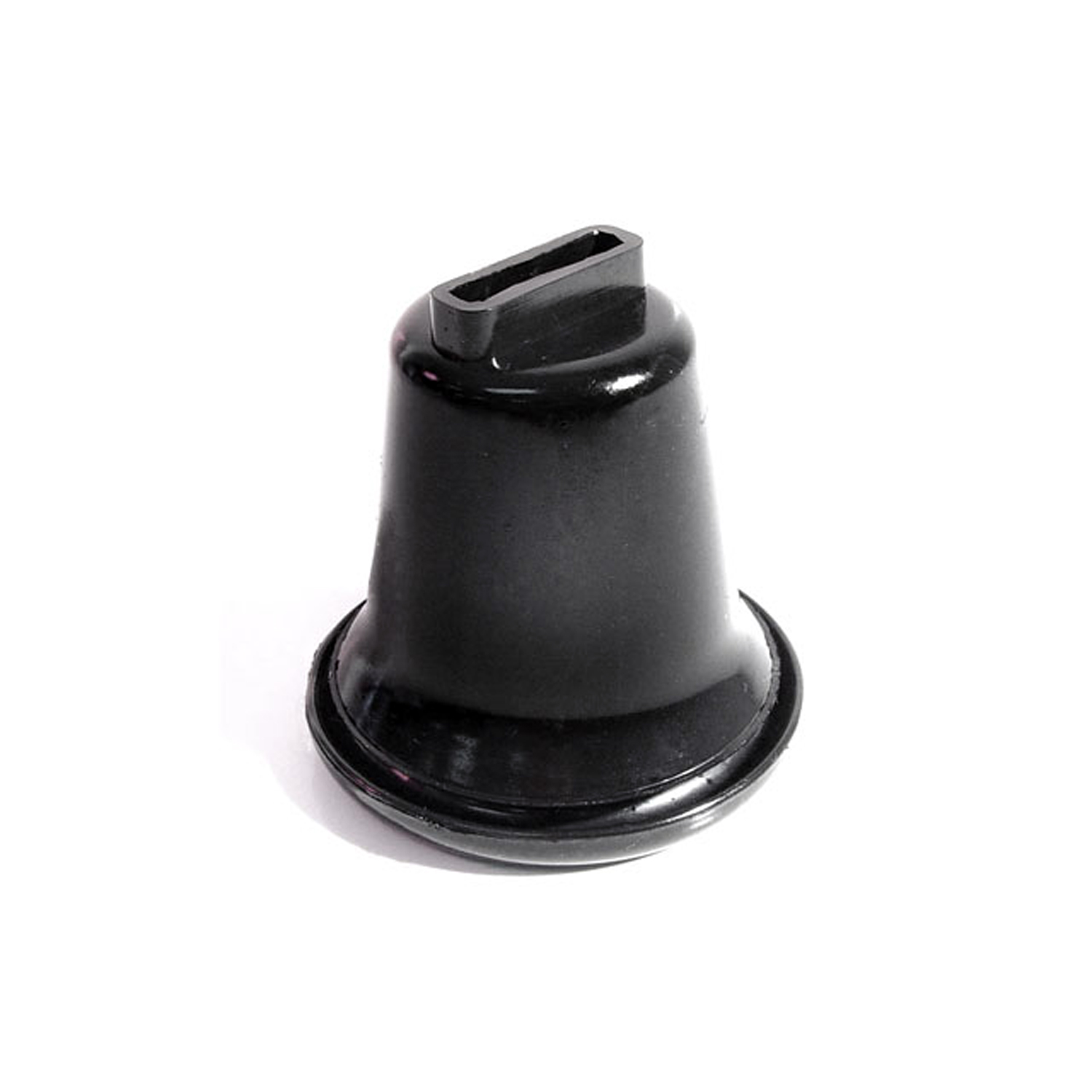 1969 Mercury Colony Park Brake Booster Boot. Each-RP 32-AABrake Booster Boot. Each
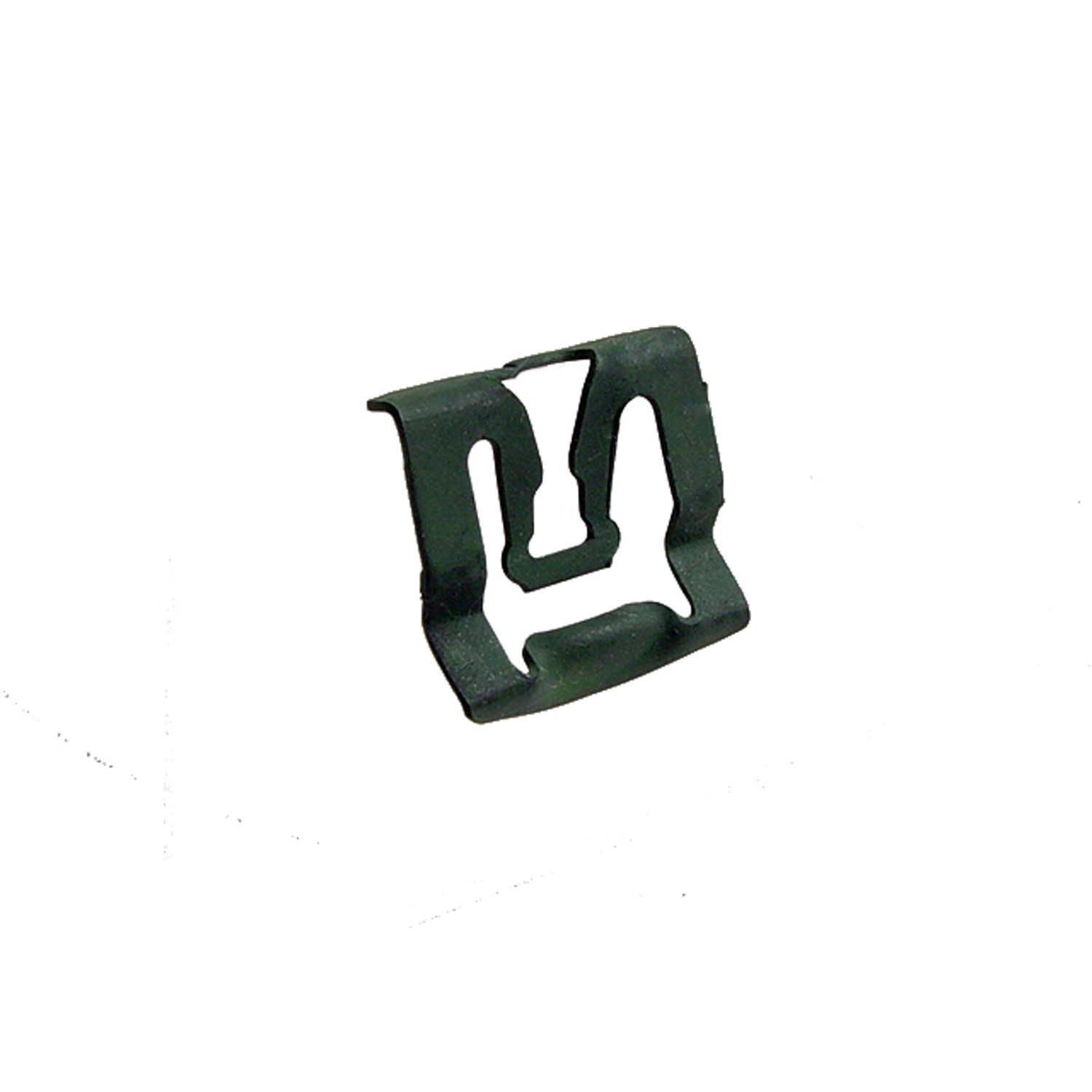 1969 Mercury Colony Park Windshield Reveal Molding Clip. Made of steel. Each-WF 228-AWindshield Reveal Molding Clip. Made of steel. Each
Why Choose Metro?
For over 100 years, Metro Moulded Parts has been the pinnacle of quality in classic car restoration parts. Our commitment to precision and authenticity in every component ensures a perfect fit and an OEM-level appearance.
- Expert Craftsmanship & Quality: Each part is a testament to our dedication to reliability and perfection, crafted from original designs and thoroughly tested.
- Advanced Technology: We use cutting-edge techniques to create flawless, long-lasting parts that surpass others in performance.
- SuperSoft Sponge – The Ultimate Door Seal: Not only are our door seals 30% softer than competitors', but they're also guaranteed to never leak. They effectively reduce wind and road noise, enhancing your classic car's comfort and driving experience.
- Proudly American: Our parts are a product of American craftsmanship, made in the USA with a spirit of excellence and heritage.
- Unrivaled Warranty: We back our products with a 30-year industry-leading warranty, a testament to our confidence in their quality.
Join us in preserving the legacy of classic cars with parts that are crafted for perfection, not just made.