

Image of 1949 Mg Yt, Note: These illustrations use artistic license and may differ from actual historical models.
Performance Metrics
Fundamental Metrics
Emotional Appeal
MMP Rating
| Engine Specifications | |
|---|---|
| Engine: | 1.3L XPAG I4 |
| Displacement: | 1250cc |
| Horsepower: | 54.4 hp at 5200 rpm |
| Torque: | 64 lb-ft at 2400 rpm |
| Compression Ratio: | 7.25:1 |
| Ignition System: | Coil and distributor |
| Cooling System: | Water-cooled |
| Performance Specifications | |
| 0-60 Time: | Estimated 20 seconds |
| 1/4 Mile Time: | Not available |
| Top Speed: | 70 mph |
| Transmission and Drive | |
| Drive Type: | Rear-wheel drive |
| Transmission Type: | 4-speed manual |
| Fuel and Efficiency | |
| Fuel System Type: | Twin SU carburetors |
| MPG: | Estimated 25-30 mpg |
| Dimensions and Brakes | |
| Brakes: | Hydraulic drum brakes |
| Wheelbase: | 94 inches |
| Weight: | 2,116 lbs |
Note: Specifications for classic cars are given to the best of our ability, considering the limited and variant data available.
1949 MG YT: The Four-Seat MG Tourer
The 1949 MG YT paired the lively character of MG’s famous T-series sports cars with room for four, creating one of the marque’s most unusual postwar models. Built by Britain’s MG Car Company, the YT was an open tourer with a folding hood, a separate chassis and a familiar 1,250 cc XPAG engine. It looked every inch a traditional British sports car, but its extra seats made it a more sociable proposition than the two-seat MG TC.
The YT arrived as Britain’s motor industry was rebuilding after World War II. Materials and production capacity were still limited, while export sales were vital to the country’s economy. MG needed cars that could appeal to overseas buyers, and the YT offered an inviting combination of sporting style and practical seating. Its unusual place in MG history is reflected in its production total: just 877 were built between 1948 and 1950, making it far scarcer than the better-known TC and TD.
Traditional Tourer Styling
The YT wears the classic prewar-inspired MG look: a tall, upright grille, long bonnet, separate rounded wings and exposed running boards. The headlamps sit prominently on the front wings, while the upright windscreen and folding fabric hood give the car an unmistakably old-fashioned silhouette. A rear-mounted spare wheel completes the purposeful touring-car appearance.
Its four-seat layout is the feature that most clearly distinguishes it from the two-seat MG TC. The rear accommodation is compact, but it gives the YT genuine occasional-use flexibility for family members or friends. The front seats sit behind a broad dashboard, and the windscreen can be folded down for a more open-air experience. This is a small, intimate touring car, not a modern four-seat convertible with generous legroom.
The cabin is finished in the materials and style expected of a British car of the period. Depending on specification and restoration, owners will find leather upholstery, a wood-trimmed dashboard and a set of clearly arranged instruments. The overall effect is handsome rather than luxurious: the appeal lies in the craftsmanship, exposed mechanical character and direct connection between driver and machine.
Factory paint choices varied by market and specification. Period examples appeared in colors including dark greens, blues, reds and black, sometimes paired with contrasting trim. Today, the most convincing color is often the one supported by a car’s original records or paint traces, rather than a supposedly universal “correct” shade. As with many low-volume British cars, details can differ between surviving examples.
Engineering Ahead of Its Looks
Although the YT’s styling looked rooted in an earlier era, its chassis included a notable modern feature for MG: independent front suspension. Torsion bars worked with wishbones at the front, while rack-and-pinion steering gave the driver a direct feel for the road. At the rear, a live axle and semi-elliptic leaf springs kept the engineering straightforward and familiar.
Power came from MG’s 1,250 cc XPAG four-cylinder engine, an overhead-valve unit also associated with the TC and later MG sports cars. In YT form it used twin SU carburetors and produced roughly 54 horsepower, depending on specification and measurement. A four-speed manual gearbox sent power to the rear wheels. The combination was not designed for high-speed touring by modern standards, but it gave the car a spirited, mechanical personality.
The YT’s independent front suspension was an important step in MG’s postwar development. It helped the marque move beyond purely prewar chassis thinking and offered more controlled front-wheel behavior over uneven roads. The car was not a high-volume design revolution, but it showed how MG could preserve its traditional appearance while adopting more up-to-date chassis engineering.
Performance and Road Manners
Period performance figures are not as consistent or plentiful as they are for mass-produced modern cars. A sound, correctly tuned YT is generally associated with a top speed in the neighborhood of 75 mph. Acceleration from 0 to 60 mph is commonly estimated at roughly 25 to 30 seconds, though engine condition, gearing, passenger load and measurement methods make any single figure approximate.
On a winding country lane, the YT rewards smooth inputs. The rack-and-pinion steering feels direct, and the independent front suspension helps the car track more confidently over imperfect surfaces than its upright looks might suggest. Its narrow tires, modest power and relatively high, traditional body mean it is best enjoyed at a measured pace. Push hard into a bend and it will remind the driver that this is a vintage tourer, not a modern sports car.
Over bumps, the front suspension offers useful compliance, while the rear leaf springs can feel firm when the car is lightly loaded. In crosswinds, the upright windscreen and tall body catch more air than a low-slung roadster would. With the hood raised, the YT is practical for light touring, but its fabric top, side screens and cabin sealing cannot match the weather protection of a modern convertible.
The XPAG engine supplies much of the experience. It has the busy, purposeful note of a small British four-cylinder, with carburetors and mechanical sounds close at hand. The driver works the manual gearbox, listens to the engine and feels the road through the steering wheel. That involvement, rather than outright speed, is the YT’s main performance attraction.
Why the YT Mattered
The YT occupied an unusual middle ground in MG’s postwar range. It retained the open, sporting character associated with the T-series, yet its four-seat body made it more useful for touring than a TC. Its chassis also brought independent front suspension to a traditional-looking MG, helping bridge the gap between prewar design and the more modern sports cars that followed.
It did not create a mass-market category or set a major speed record. Its significance is subtler: the YT demonstrated that MG could adapt its established sports-car formula for changing customers and export markets without abandoning its distinctive identity. Its combination of four-seat accommodation, old-school coachwork and XPAG power remains unusual even among classic British roadsters.
Living with a 1949 MG YT
Today, most YTs are used for weekend drives, club events, touring and classic-car shows rather than daily commuting. Their charm is best appreciated on quieter roads, where the driver can enjoy the open cabin and vintage controls without needing to keep pace with modern traffic.
The basic mechanical layout is relatively accessible to an experienced home mechanic. The XPAG engine is well known among MG specialists, and many service procedures are straightforward by classic-car standards. However, “simple” does not mean effortless: correct tuning of twin SU carburetors, careful ignition setup and regular attention to lubrication and cooling are important. A poorly maintained example can quickly turn a relaxed drive into a troubleshooting session.
Body and trim work can be more challenging than routine mechanical repairs. The YT’s low production number means some specific parts, upholstery details and body components can be harder to find than equivalent items for more common MG models. Before buying, check the chassis and body carefully for corrosion, inspect the hood and side screens, and confirm that the car’s engine and major components are suitable for its history and intended use.
Rare Facts and Common Complaints
The “T” in YT refers to its tourer body style. Unlike the two-seat TC, the YT was conceived as a four-seat open car, giving it a distinctive role within MG’s postwar lineup. Its total production of about 877 cars makes it rare, though exact surviving numbers are difficult to establish because cars have been lost, rebuilt or substantially altered over the decades.
The YT is not especially famous for competition records or celebrity ownership. Its notable distinction is its rarity and its unusual blend of sports-car character with extra seating. Common criticisms include limited rear-seat space, modest performance, a relatively exposed driving position and the difficulty of sourcing some model-specific parts. Those drawbacks are also part of its appeal to enthusiasts who want something less familiar than a TC or TD.
Collector Values and Availability
As a guide rather than a live appraisal, a project or incomplete YT might sell for around US$10,000 to $20,000, depending heavily on completeness and rust. A sound, usable example may fall roughly in the US$25,000 to $40,000 range, while a well-restored, highly original or exceptionally presented car can reach US$45,000 to $60,000 or more. Condition, provenance, restoration quality and the availability of the correct parts all have a major effect on price.
YT values have generally benefited from the model’s rarity and the growing interest in less-common British classics. The market is small, however, so individual sale prices can vary widely. A top-quality restoration may command a strong premium, while an unusual project can be expensive to complete because scarce trim and body parts may offset the apparent bargain purchase price.
Finding a YT takes patience. Cars appear less frequently than common MG T-series models, and many are held by long-term owners. Buyers should compare condition and documentation carefully rather than assuming that rarity alone guarantees a good investment. For most collectors, the strongest reason to buy is the pleasure of owning a distinctive MG, not a promise of short-term appreciation.
A Distinctive Chapter in MG History
The 1949 MG YT brings together classic British roadster styling, an engaging XPAG engine and the uncommon practicality of four seats. It was never the fastest MG, nor the most numerous, but its independent front suspension and export-minded design mark it as an important link in the marque’s postwar evolution.
With only about 877 built, every surviving YT has a special place in MG history. It offers the open-air character of a traditional tourer with a story of its own, making it a rewarding choice for enthusiasts who value rarity, mechanical involvement and a little extra room on the road.
1949 Mg Yt Catalog of Parts
 1949 MG YT Windshield Post Pads. 5-3/8" wide X 3-3/8" long. Pair R&L-MP 1010-AWindshield Post Pads. 5-3/8" wide X 3-3/8" long. Pair R&L
 1949 MG YT Fender Light Pads. 1-3/4" wide X 3-5/8" long. Pair-MP 1010-BFender Light Pads. 1-3/4" wide X 3-5/8" long. Pair
 1949 MG YT Tail-light Pads. 4-1/8" wide X 3-5/8" long. Pair-MP 1010-CTail-light Pads. 4-1/8" wide X 3-5/8" long. Pair
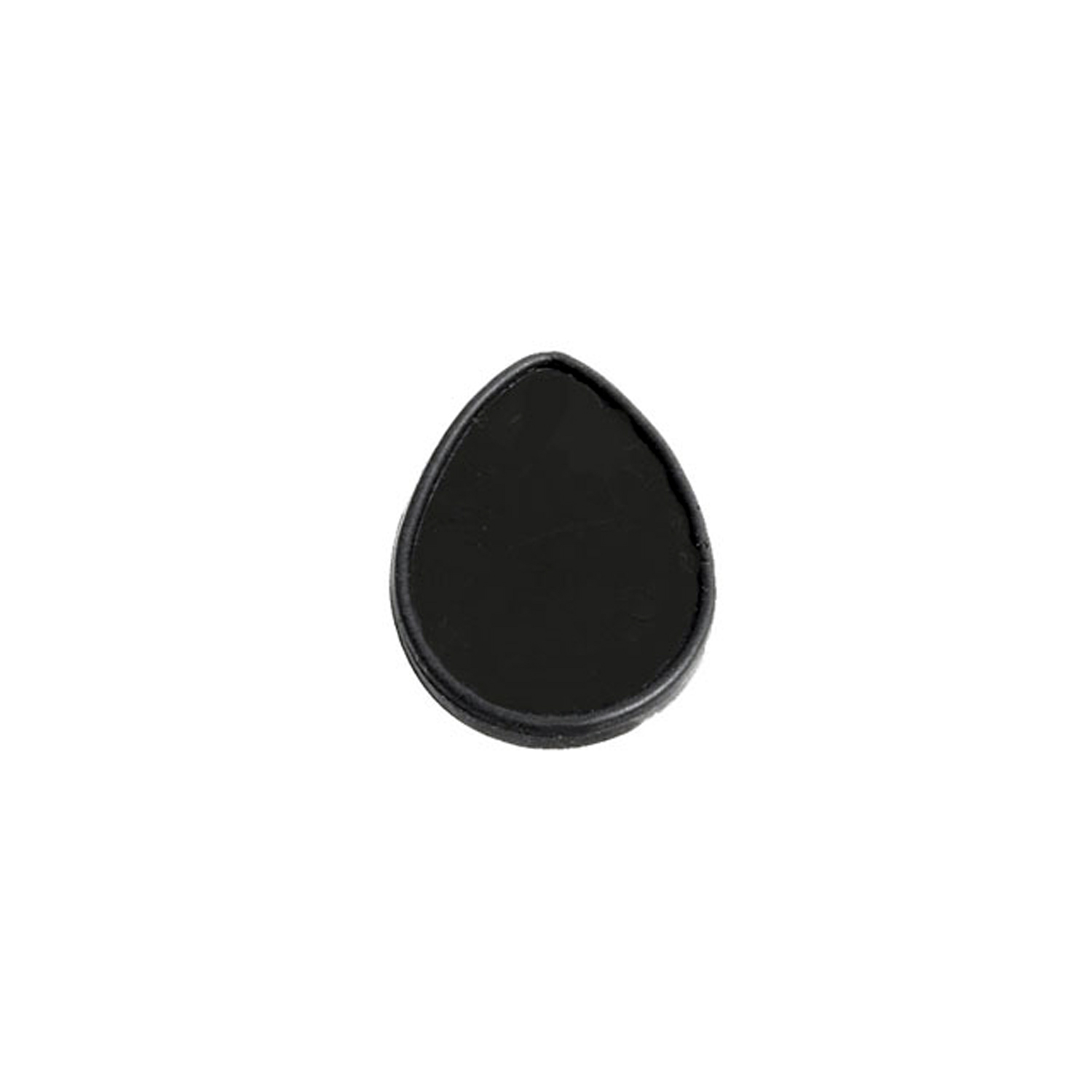 1949 MG YT Mirror Mount Pad. 1-3/8" wide X 1-3/4" long. Each-MP 1010-DMirror Mount Pad. 1-3/8" wide X 1-3/4" long. Each
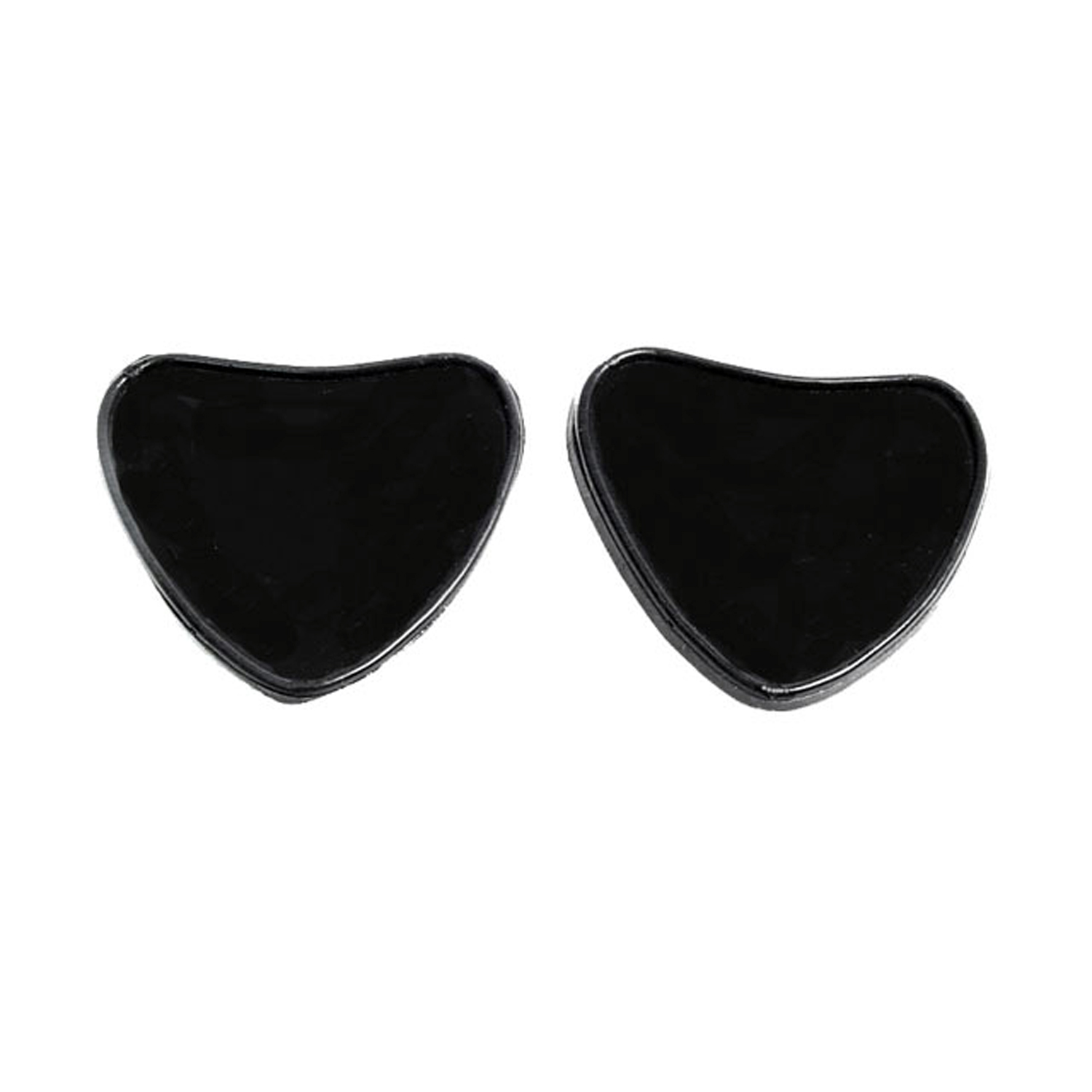 1949 MG YT Door Handle Pads. 2-1/8" wide X 1-7/8" long. Pair-MP 1010-EDoor Handle Pads. 2-1/8" wide X 1-7/8" long. Pair
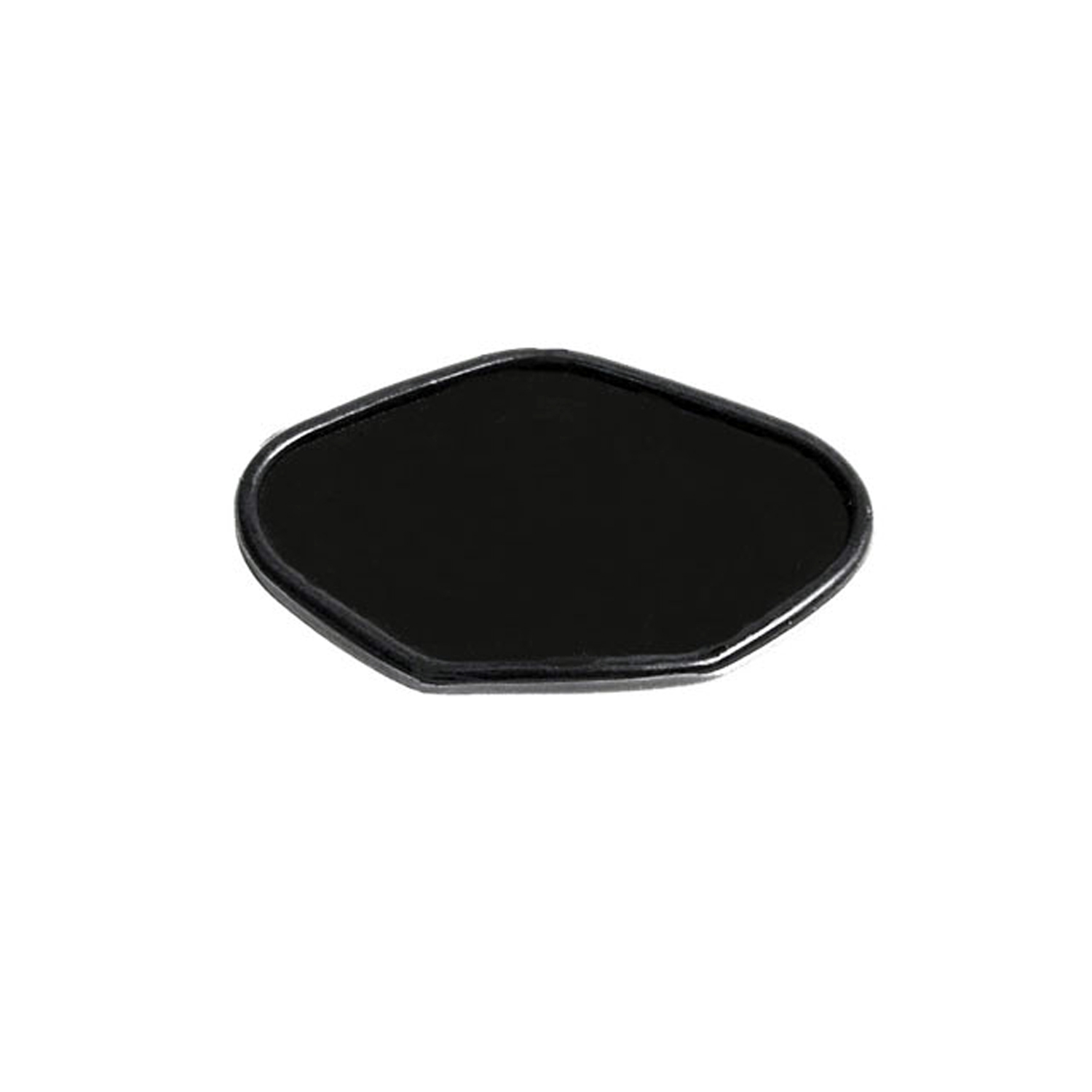 1949 MG YT Gas Tank Pad. 3-1/8" wide X 1-7/8" long. Each-MP 1010-KGas Tank Pad. 3-1/8" wide X 1-7/8" long. Each
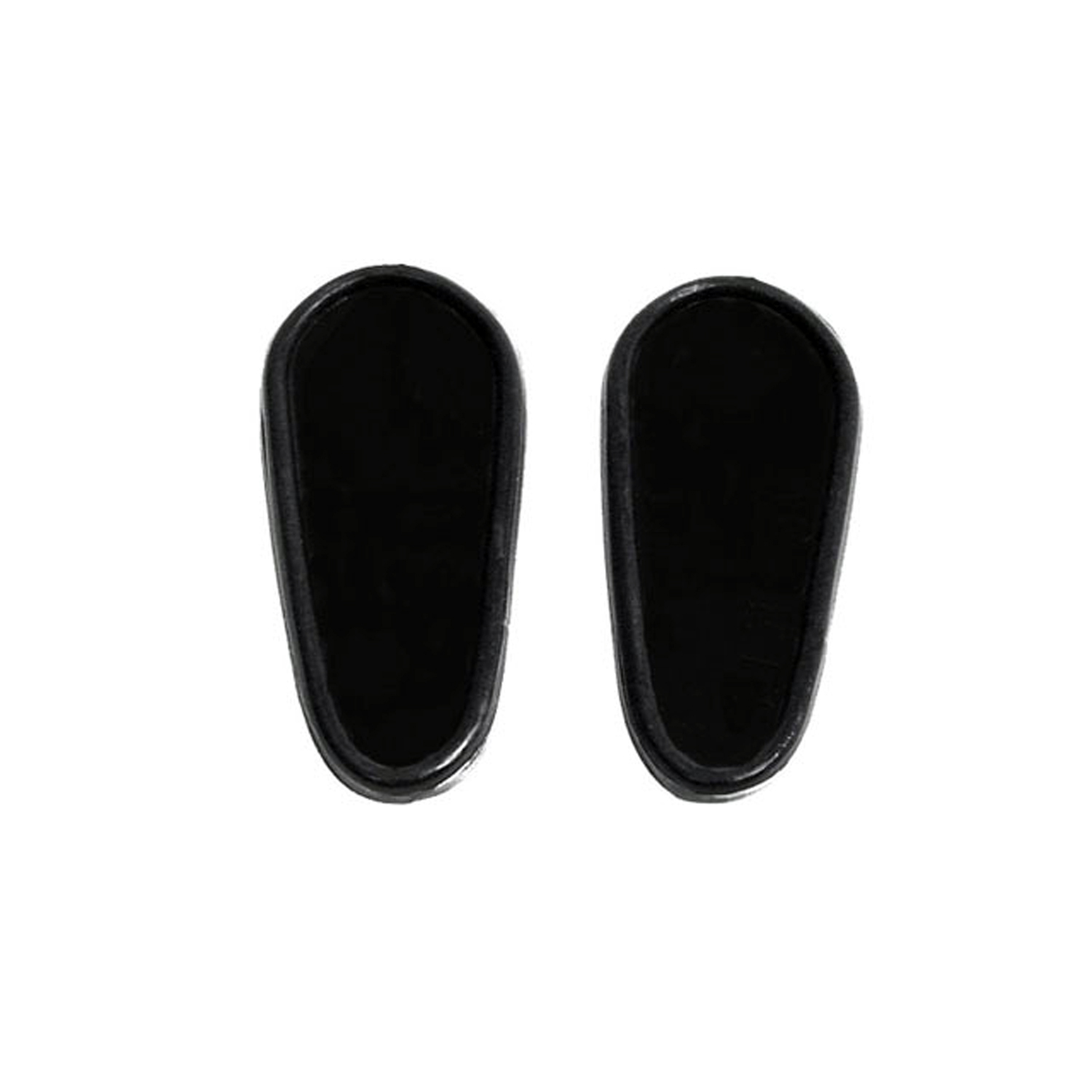 1949 MG YT Fender Light Pads. 1-3/8" wide X 3" long. Pair-MP 1010-NFender Light Pads. 1-3/8" wide X 3" long. Pair
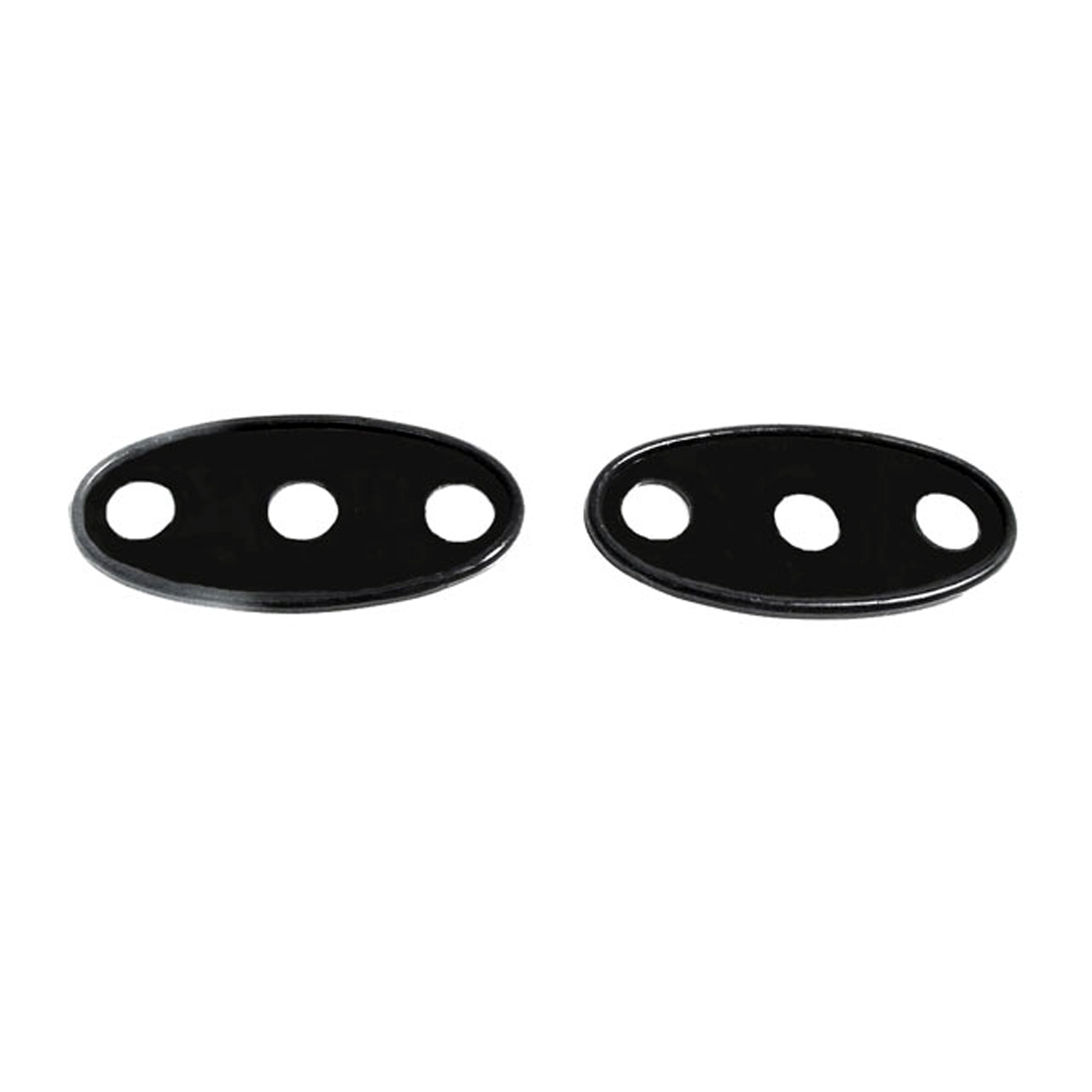 1949 MG YT Headlight Bar Pads. 1-1/2" wide X 3" long. Pair-MP 1010-PHeadlight Bar Pads. 1-1/2" wide X 3" long. Pair
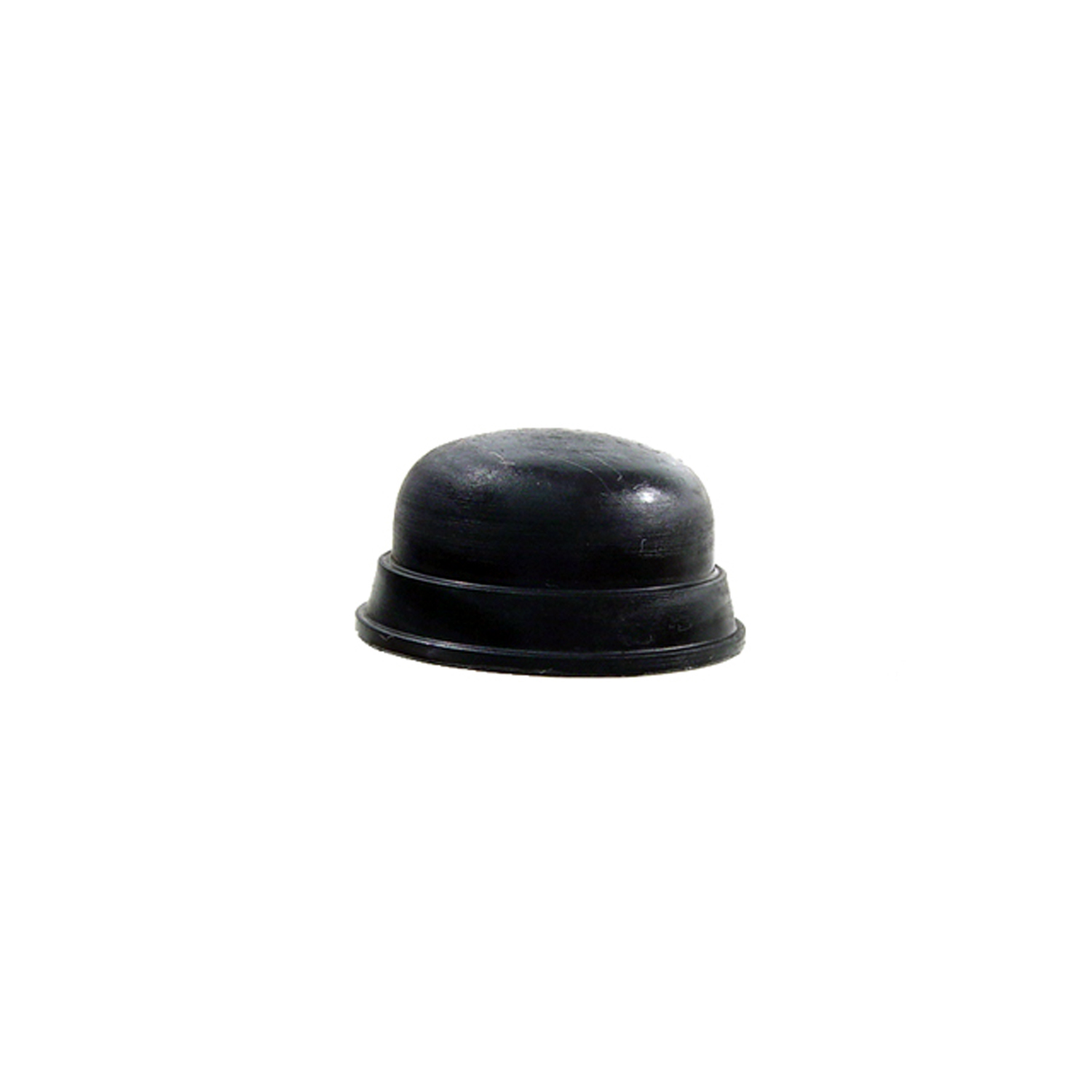 1949 MG YT Starter Solenoid Button Cover. Perfect reproduction. Each-RP 1Starter Solenoid Button Cover. Perfect reproduction. Each
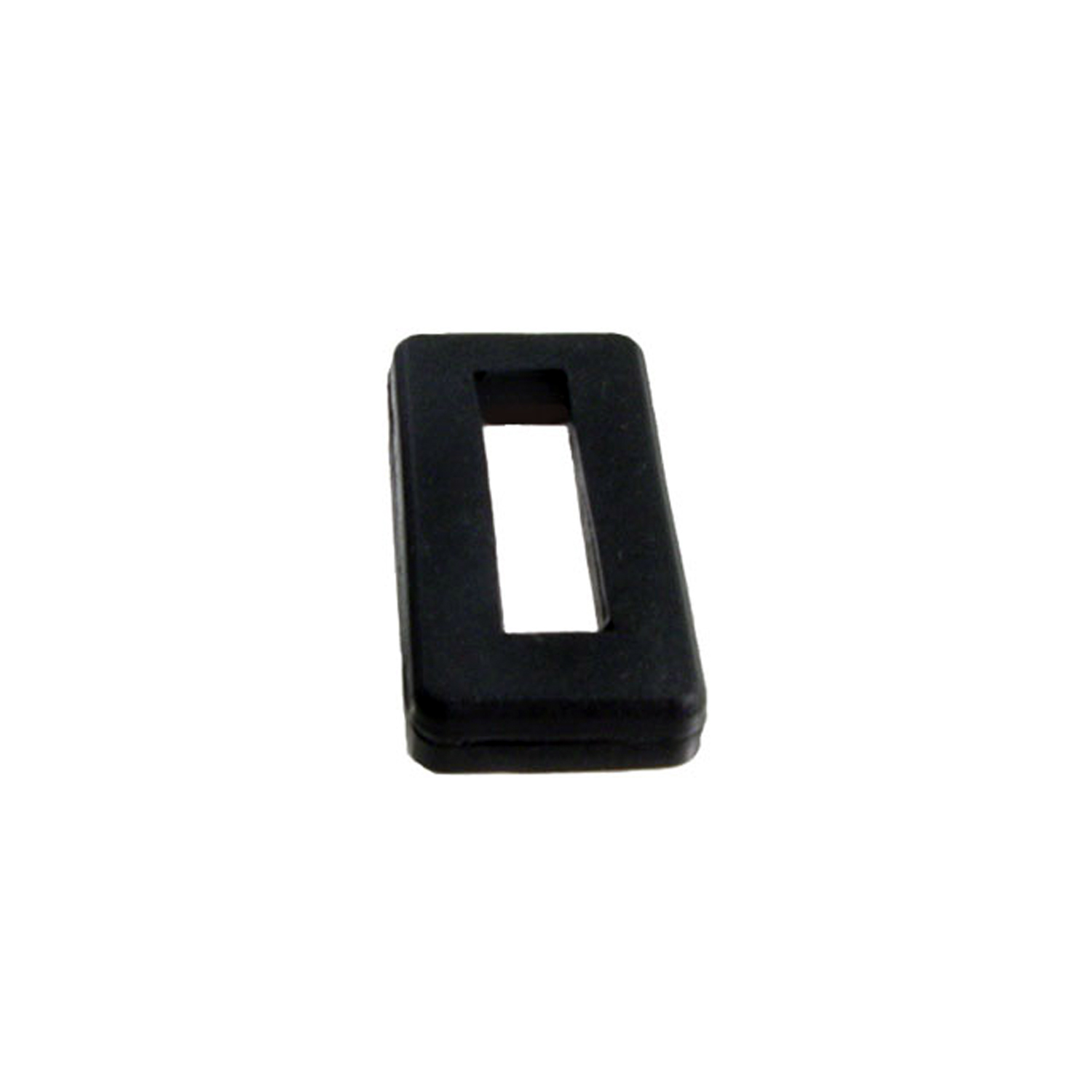 1949 MG YT Grille Shell Grommet. 2" X 1" X 5/16" Thick. Each-SM 7Grille Shell Grommet. 2" X 1" X 5/16" Thick. Each
Why Choose Metro?
For over 100 years, Metro Moulded Parts has been the pinnacle of quality in classic car restoration parts. Our commitment to precision and authenticity in every component ensures a perfect fit and an OEM-level appearance.
- Expert Craftsmanship & Quality: Each part is a testament to our dedication to reliability and perfection, crafted from original designs and thoroughly tested.
- Advanced Technology: We use cutting-edge techniques to create flawless, long-lasting parts that surpass others in performance.
- SuperSoft Sponge – The Ultimate Door Seal: Not only are our door seals 30% softer than competitors', but they're also guaranteed to never leak. They effectively reduce wind and road noise, enhancing your classic car's comfort and driving experience.
- Proudly American: Our parts are a product of American craftsmanship, made in the USA with a spirit of excellence and heritage.
- Unrivaled Warranty: We back our products with a 30-year industry-leading warranty, a testament to our confidence in their quality.
Join us in preserving the legacy of classic cars with parts that are crafted for perfection, not just made.